×

Egypt🇪🇬 | best national parksWhere to Find the 10 Best national parks in Egypt

In Egypt, national parks are not just patches of green; they are gateways to diverse landscapes and rich wildlife. From the Sahara Desert to the Red Sea, each park offers a unique experience shaped by its geography and climate. The Siwa Oasis, for instance, is a haven for those seeking solitude and cultural immersion, while Ras Mohammed is a paradise for divers, teeming with marine life.

Choosing the right park significantly influences your backpacking journey. Some parks are more accessible, making them ideal for independent travelers, while others require more planning and resources. Seasonal nuances also play a role; summer can be scorching in the desert parks, while winter offers milder temperatures perfect for exploration.

Your selection impacts not just the vibe and pace of your adventure, but also your budget and safety. Understanding these factors ensures you maximize your energy and funds for the experiences that truly matter.

By Johan Kruseman 🇳🇱 | Updated June 5, 2026
Explore the best hikes in Egypt

Why go?What Makes Them Special

National parks in Egypt are a unique blend of biodiversity and cultural heritage, offering landscapes that range from arid deserts to lush oases. Unlike many countries, Egypt’s parks are often defined by their proximity to ancient civilizations, where the remnants of history coexist with natural wonders. This juxtaposition creates a rich tapestry of experiences that few other nations can match.

However, the infrastructure can be a double-edged sword. While some parks are accessible, the quality of roads and facilities may not meet the expectations of seasoned travelers. This can lead to longer travel times, which might detract from the depth of exploration. The trade-off here is significant: easier access often means more crowds, while venturing off the beaten path can yield a more immersive … read more 👉
National parks in Egypt are a unique blend of biodiversity and cultural heritage, offering landscapes that range from arid deserts to lush oases. Unlike many countries, Egypt’s parks are often defined by their proximity to ancient civilizations, where the remnants of history coexist with natural wonders. This juxtaposition creates a rich tapestry of experiences that few other nations can match.

However, the infrastructure can be a double-edged sword. While some parks are accessible, the quality of roads and facilities may not meet the expectations of seasoned travelers. This can lead to longer travel times, which might detract from the depth of exploration. The trade-off here is significant: easier access often means more crowds, while venturing off the beaten path can yield a more immersive experience but requires more planning and time.

The climatic conditions also play a crucial role. Egypt’s extreme temperatures can limit outdoor activities, especially during the summer months. This necessitates careful timing for visits, as the best experiences often come in the cooler months, when wildlife is more active and landscapes are more inviting.

Moreover, the cultural context cannot be overlooked. Understanding local customs and engaging with communities can enhance the experience but may require additional effort and sensitivity. Travelers should be prepared for the realities of navigating both natural and human landscapes, which can be rewarding but also challenging.

In summary, Egypt’s national parks offer a compelling mix of adventure and history, but the trade-offs in accessibility, climate, and cultural engagement are essential considerations. Embracing these factors will lead to a more enriching experience, allowing travelers to connect deeply with both the land and its legacy.
How the List Was Created
The list of best national parks in Egypt is created based on landscapes, wildlife, adventure opportunities, facilities, and overall experience. If you feel a national park is missing in this list, please let us know.

When to go?When to Plan Your Trip

Seasonality in Egypt’s National Parks

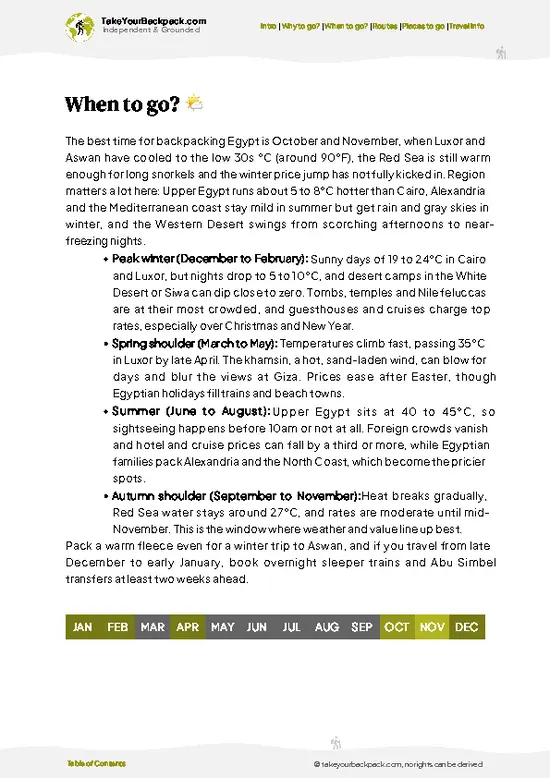
Egypt’s national parks offer a unique experience shaped by the country’s climate. Understanding when to visit is crucial for maximizing wildlife visibility and enjoying optimal trail conditions.

Winter, from November to February, is generally the best time for exploration. Temperatures are cooler, making hikes more enjoyable. Wildlife is more active during this period, increasing chances of sightings. However, this is also peak tourist season. Expect crowded trails and higher accommodation costs.

The shoulder seasons, March to April and October to early November, present a mixed bag. Temperatures begin to rise in March, but wildlife remains visible. This period sees fewer crowds, which can enhance the experience. However, be prepared for fluctuating … read more 👉
Seasonality in Egypt’s National Parks

Egypt’s national parks offer a unique experience shaped by the country’s climate. Understanding when to visit is crucial for maximizing wildlife visibility and enjoying optimal trail conditions.

Winter, from November to February, is generally the best time for exploration. Temperatures are cooler, making hikes more enjoyable. Wildlife is more active during this period, increasing chances of sightings. However, this is also peak tourist season. Expect crowded trails and higher accommodation costs.

The shoulder seasons, March to April and October to early November, present a mixed bag. Temperatures begin to rise in March, but wildlife remains visible. This period sees fewer crowds, which can enhance the experience. However, be prepared for fluctuating weather; some days may still feel quite warm.

Summer, from May to September, brings extreme heat. Many parks become less accessible due to soaring temperatures, which can exceed comfort levels for hiking. Wildlife visibility decreases as animals seek shade. If visiting during this time, early mornings or late afternoons are essential for any outdoor activities.

Rainfall is minimal across Egypt, but occasional showers can occur in winter. This can lead to muddy trails, particularly in the shoulder seasons. Planning around these conditions is vital for maintaining energy and ensuring safety.

In summary, the best windows for exploration are during the cooler months, with trade-offs in crowd levels and costs during peak times. Shoulder seasons offer a balance but come with their own challenges. Understanding these seasonal patterns will help preserve both budget and energy for the moments that truly matter.

national park hoppingOptimizing Your Multi-Stop Itinerary

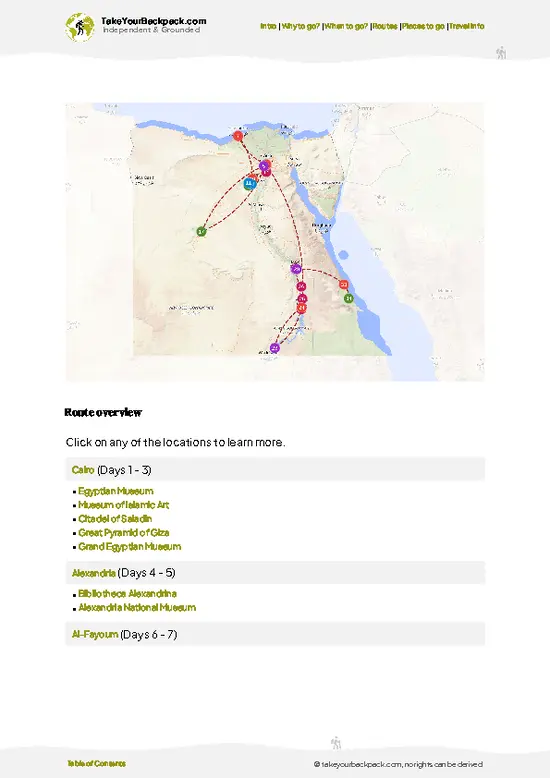
Combining national parks in Egypt requires strategic planning and a clear understanding of distances and access points. Start by clustering parks regionally. The Western Desert parks, like Siwa and the White Desert, are best visited together. Meanwhile, the Red Sea parks, such as Ras Mohammed and Wadi El Gemal, can be grouped for a coastal adventure. This regional approach minimizes travel time and maximizes exploration.

Typical time spent in each park varies. Plan for at least two to three days in major parks like Siwa to soak in the culture and landscapes. For smaller parks, a day might suffice. This pacing allows for a deeper connection without feeling rushed. However, be mindful of travel times. Distances can be deceptive; for instance, driving from Siwa to Cairo can take over 10 hours.read more 👉
Combining national parks in Egypt requires strategic planning and a clear understanding of distances and access points. Start by clustering parks regionally. The Western Desert parks, like Siwa and the White Desert, are best visited together. Meanwhile, the Red Sea parks, such as Ras Mohammed and Wadi El Gemal, can be grouped for a coastal adventure. This regional approach minimizes travel time and maximizes exploration.

Typical time spent in each park varies. Plan for at least two to three days in major parks like Siwa to soak in the culture and landscapes. For smaller parks, a day might suffice. This pacing allows for a deeper connection without feeling rushed. However, be mindful of travel times. Distances can be deceptive; for instance, driving from Siwa to Cairo can take over 10 hours. Factor in these logistics when mapping your route.

Common mistakes include underestimating travel times and overloading itineraries. Avoid cramming too many parks into a short trip. This often leads to fatigue and missed experiences. Instead, prioritize quality over quantity. Choose a few parks that resonate most and allow for flexibility in your schedule. This way, if a park captivates you, you can linger without the pressure of a tight timeline.

Trade-offs are inevitable. Speed may mean skimming the surface, while depth requires time and comfort. Budget constraints can also dictate choices; some parks have limited facilities, impacting comfort levels. Balancing effort and reward is key. Aim for a mix of adventure and relaxation, ensuring that each stop enriches your journey rather than draining your energy.

The ListMust-Visit national parks in Egypt

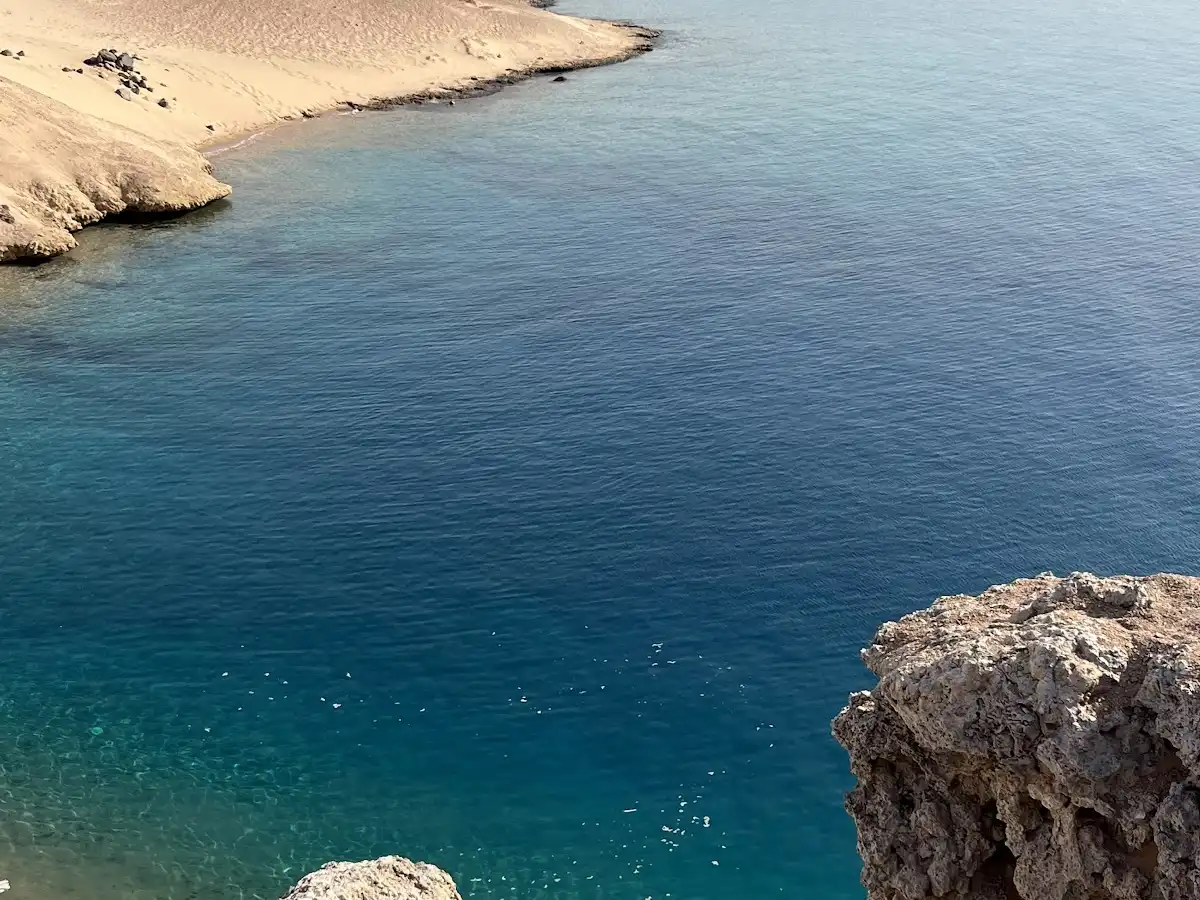
1 Ras Muhammad National Park

reef drop-offs, snorkeling sites, migratory birds

Swim above dramatic coral walls, watch for passing pelicans, and experience the intersection of two seas at Egypt’s southern tip.

egypt-national-park-ras-muhammad-national-park
© Google |

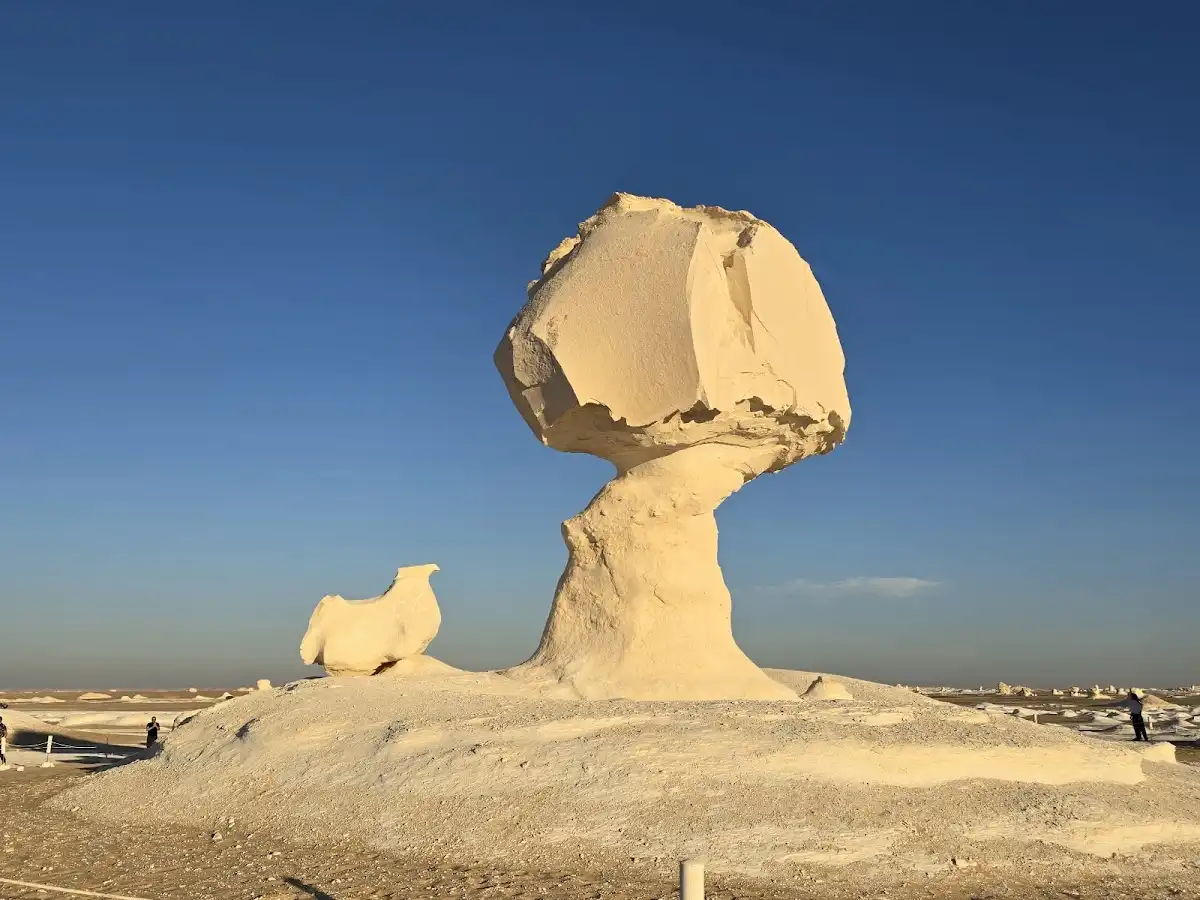
2 White Desert

chalk formations, open desert, surreal landscapes

Camp beneath wind-carved spires and boulders, where the desert’s silence and strange shapes create an otherworldly experience.

egypt-national-park-white-desert
© Google |

3 Saint Katherine Protectorate

granite peaks, Bedouin villages, ancient monasteries

Climb rugged mountains, encounter desert traditions, and walk paths that have drawn pilgrims and travelers for centuries.

egypt-national-park-saint-katherine-protectorate
© Google |

4 Wadi El Gemal National Park

acacia groves, camel herds, Red Sea islands

Roam through valleys dotted with wildlife, explore remote beaches, and glimpse the daily life of nomadic tribes along the coast.

egypt-national-park-wadi-el-gemal-national-park
© Google |

5 Wadi El Rayan National Park

twin lakes, desert waterfalls, sand dunes

Wander between freshwater lakes, see Egypt’s only waterfalls, and watch for wildlife in a landscape shaped by shifting sands.

6 Nabq Protected Area

mangrove forests, arid mountains, coral reefs

Discover shifting sand dunes, rare mangroves, and a coastline where desert meets the Red Sea’s underwater life in striking contrast.

egypt-national-park-nabq-protected-area
© Google |

7 Abu Galum Protected Area

granite wadis, Bedouin camps, blue hole

Hike through rocky canyons, meet local communities, and dive into a world-renowned sinkhole along a remote stretch of coast.

egypt-national-park-abu-galum-protected-area
© Google |

8 Gebel Elba National Park

mist oasis, acacia woodlands, Nubian wildlife

Venture into a remote region where mountain mists sustain unique plants and animals found nowhere else in Egypt.

9 Qarun Lake Protected Area

ancient lake, migratory birds, fossil beds

Watch flocks gather on the water, explore fossil-rich hills, and see how life has adapted to a changing landscape over millennia.

10 Wadi Digla Protectorate

limestone canyon, urban edge, desert wildlife

Escape Cairo’s sprawl to hike a dry valley, where cliffs shelter foxes and birds just beyond the city’s reach.

11 Omayed Biosphere Reserve

coastal steppe, salt marshes, wildflowers

Wander through open grasslands and seasonal wetlands, where rare plants and migratory birds thrive near the Mediterranean shore.

12 Saluga and Ghazal Protectorate

Nile islands, dense reeds, kingfisher habitat

Paddle among lush river islands, spot rare birds, and experience a pocket of wildness in the heart of Upper Egypt’s river.

13 Lake Burullus Protected Area

shallow lake, fishing villages, reed islands

Travel by boat through a patchwork of water and reeds, where fishermen and birds share a landscape shaped by the Nile Delta.

14 Zaranik Protectorate

coastal lagoons, sandbars, migratory stopover

Observe thousands of birds resting on their journey, and explore shifting sands and shallow waters along the Mediterranean coast.

15 Ashtum El-Gamil Protectorate

brackish lagoons, reed beds, waterfowl colonies

Glide past reed islands and watch herons and ducks gather in a wetland that supports both wildlife and local fishing traditions.

16 Wadi Sannur Cave Protectorate

limestone cave, crystal formations, underground chambers

Descend into cool darkness to see rare calcite shapes and experience the silence of one of Egypt’s few accessible caves.

17 Petrified Forest Protected Area

fossilized wood, desert plateau, ancient trees

Walk across a plateau scattered with stone logs, where remnants of prehistoric forests lie exposed under the open sky.

18 Lake Bardawil

coastal lagoon, salt pans, flamingo flocks

Watch flamingos feed in shallow waters and see how traditional salt harvesting shapes the landscape along the northern coast.

19 Nile River Islands Protected Area

river islets, papyrus stands, heron rookeries

Drift between green islands, spot nesting birds, and see how the Nile’s currents create pockets of life amid Egypt’s arid heart.

20 Ras El Hikma Protectorate

white sand beaches, limestone cliffs, turquoise bays

Relax on quiet Mediterranean shores, explore rocky headlands, and swim in clear waters far from Egypt’s crowded resorts.

21 Beni-Suef Petrified Forest

stone logs, desert outcrops, fossil remains

Trace the outlines of ancient trees turned to stone, scattered across a quiet desert landscape shaped by time and erosion.

Think you know Egypt?

Prove you’re a true local — uncover 11 lesser-known national parks in Egypt that locals tend to keep to themselves.
Loading the map 🌍

Expert viewTips and Advice from Travelers

Terrain
Egypt’s national parks showcase a stunning variety of landscapes, from the rugged mountains of the Sinai Peninsula to the vast deserts of the Western Desert. Each park has its own unique terrain that shapes the experiences you’ll have. For instance, if you’re drawn to dramatic cliffs and canyons, you’ll want to prioritize parks like Ras Mohammed. But if you’re more into sweeping sand dunes and ancient rock formations, then the White Desert is your playground.

Keep in mind that the terrain can dictate your energy levels. Hiking in the Sinai can be exhilarating but also exhausting, especially in the heat. Plan for early starts to avoid the midday sun, and don’t underestimate the physical demands of navigating rocky paths. The trade-off? You might spend less time in each park if you’re … read more 👉
Terrain
Egypt’s national parks showcase a stunning variety of landscapes, from the rugged mountains of the Sinai Peninsula to the vast deserts of the Western Desert. Each park has its own unique terrain that shapes the experiences you’ll have. For instance, if you’re drawn to dramatic cliffs and canyons, you’ll want to prioritize parks like Ras Mohammed. But if you’re more into sweeping sand dunes and ancient rock formations, then the White Desert is your playground.

Keep in mind that the terrain can dictate your energy levels. Hiking in the Sinai can be exhilarating but also exhausting, especially in the heat. Plan for early starts to avoid the midday sun, and don’t underestimate the physical demands of navigating rocky paths. The trade-off? You might spend less time in each park if you’re trying to cover multiple locations, which can dilute the experience. Focus on two to three parks for a deeper dive rather than trying to tick off a long list.

Park Infrastructure
The infrastructure in Egypt’s national parks varies significantly. Some parks, like Wadi El Gemal, are well-equipped with basic facilities, including campsites and visitor centers. Others, however, are more remote, with limited access to amenities. This disparity can affect your planning. If you’re looking for comfort, stick to the more developed parks. But if you’re up for an adventure, the less accessible parks offer a raw, unfiltered experience of Egypt’s wild side.

Be prepared for the possibility of limited services. Bring your own supplies, especially water and food, as options can be sparse. This is where your budget can take a hit if you’re not careful. Factor in the cost of extra supplies and potential transportation to get to these more remote areas. The trade-off here is between comfort and authenticity. You can have a cushy experience, but you might miss out on the true essence of the Egyptian wilderness.

Wildlife Activity
Wildlife in Egypt’s national parks can be a mixed bag. Some parks, like Ras Mohammed, are teeming with marine life, making them ideal for snorkeling and diving. Others, like the Gebel Elba National Park, are known for their unique desert fauna. However, wildlife sightings can be unpredictable. You might spend hours in the field and see little, or you could stumble upon a rare sighting that makes your trip.

Timing is crucial. Early mornings and late afternoons are prime for spotting wildlife, but this can cut into your hiking or exploration time. If you’re keen on wildlife, consider dedicating a full day to a park known for its biodiversity. The trade-off is clear: you can either rush through multiple parks and risk missing out on wildlife encounters or slow down and immerse yourself in one park for a richer experience.

Time Management
When planning your itinerary, consider the distances between parks and the time it takes to travel. Egypt is vast, and while some parks are relatively close, others require significant travel time. If you’re short on time, prioritize parks that are geographically closer to each other. This will save you hours on the road, allowing you to spend more time exploring.

Realistically, aim for a week to ten days if you want to visit two to three parks. This timeframe allows for travel, exploration, and some downtime to recharge. If you try to cram in more, you risk burnout and missing the essence of each park. The trade-off here is between quantity and quality. Fewer parks mean a deeper connection to the landscapes and wildlife, while more parks can lead to a rushed experience.

Safety & Cultural Considerations
Safety is paramount in Egypt, especially in remote areas. Always check local advisories and travel with a guide if you’re venturing into less populated parks. Cultural sensitivity is also crucial. Many parks are near local communities, and respecting local customs can enhance your experience. Engage with local guides who can provide insights into the culture and environment, making your visit more meaningful.

Be aware of the cultural significance of certain areas. Some parks may have sacred sites or historical importance, and understanding this context can deepen your appreciation. The trade-off here is between the convenience of self-guided exploration and the richer experience of guided tours. While guides may add to your budget, they can also provide invaluable knowledge and ensure your safety.

In summary, Egypt’s national parks offer a rich tapestry of experiences, but planning is key. Focus on a few parks, understand the terrain and infrastructure, and be mindful of wildlife and cultural considerations. This approach will not only preserve your energy and budget but also lead to a more rewarding adventure.

✈️ The backpacker research shortcutEgypt Travel Guide

An offline-friendly backpacking guide with optimized travel routes, ranked highlights, transport advice, and the best areas to stay.
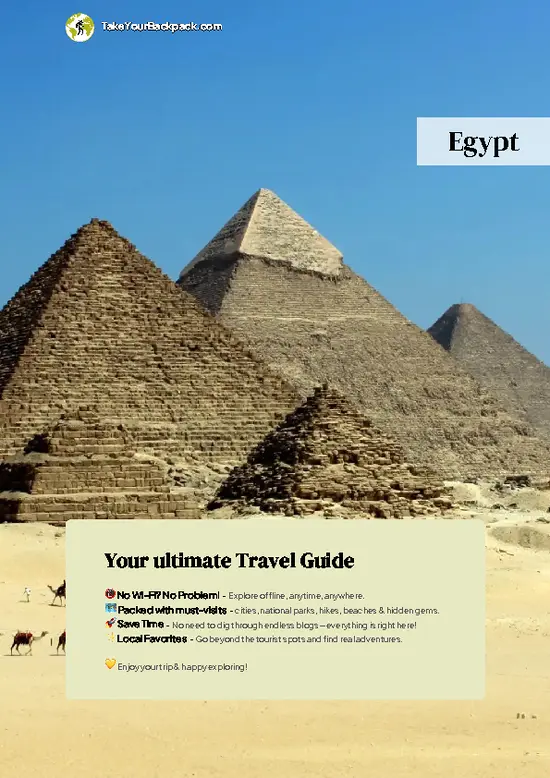
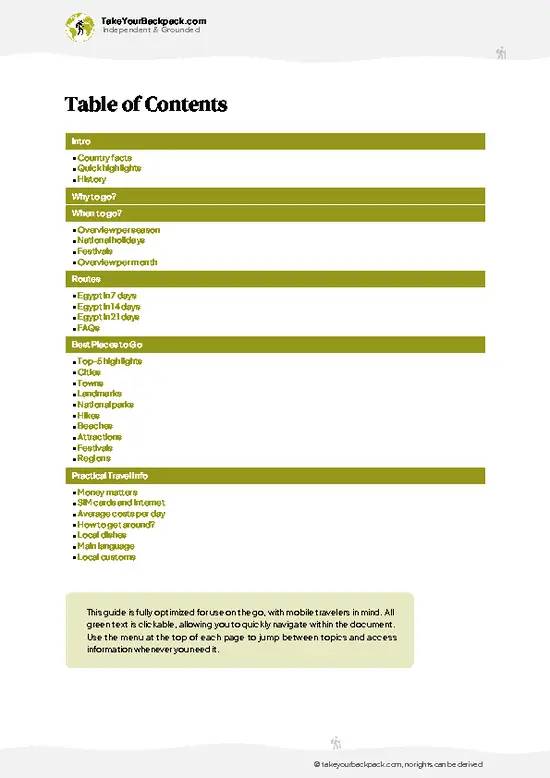
example page 0 from our offline Travel Guide for Egypt
example page 1 from our offline Travel Guide for Egypt
example page 2 from our offline Travel Guide for Egypt
example page 3 from our offline Travel Guide for Egypt
example page 4 from our offline Travel Guide for Egypt
example page 5 from our offline Travel Guide for Egypt
example page 6 from our offline Travel Guide for Egypt
example page 7 from our offline Travel Guide for Egypt
The digital guide (438 pages) contains:
116 highlights, ranked by travel appeal
Optimized 7, 14 & 21-day travel routes
Cities, national parks, landmarks, beaches
How to get around
Offline-friendly for travel without Wi-Fi
👉 Click to see all 30+ guide features

📅 Plan smarter in minutes, not weeks
Month by month travel advice
Festivals & national holidays
Budget expectations

🗺️ Go to the right places, skip the overrated ones
Honest pros & cons of destinations
Top hikes, parks & viewpoints
Lesser-known places most travelers miss
Clear “worth it vs skip it” guidance

🛏️ Travel smoothly without rookie mistakes
Best areas to stay
Transport systems explained simply
Common scams & safety advice
SIM cards, money & practical tips

🌍 Understand the country, not just visit it
Culture & traditions
52 Essential phrases & customs
Festivals worth planning around
Traveler-friendly historical context
Insights that make places more meaningful

📱 Built for real travel conditions
Fully downloadable PDF
Works completely offline
Optimized for phone use
Useful in remote areas & buses
Everything in one place
Save weeks of stressful planning
Get instant access to your full guide. 30‑day money-back guarantee.


By proceeding you agree to our terms.
Sent to your inbox immediately after payment • 100% Secure Checkout
Best Backpacking Travel Advisor 2025 tourism awardBest Backpacking
Travel Advisor
2025
What others say about Take Your Backpack Guides:
⭐⭐⭐⭐⭐
Fantastic, amazing amount of information!
⭐⭐⭐⭐⭐
My goodness this is amazing, it's what I've been looking for hats off too you!
⭐⭐⭐⭐⭐
I think this is absolutely BRILLIANT
⭐⭐⭐⭐
Very complete and informative. It's still missing places, but I gotta to commend you
⭐⭐⭐⭐⭐
This is truly amazing, thank you, can't wait to explore it with my kids!
⭐⭐⭐⭐⭐
Awesome resource, thank you!
⭐⭐⭐⭐⭐
This is amazing! Can't wait to explore the ones I haven't seen
⭐⭐⭐⭐
I love this! Well done, great idea.
⭐⭐⭐⭐⭐
Thanks for taking the time to make this gem!
⭐⭐⭐⭐⭐
This might be the best website I've ever seen.
⭐⭐⭐⭐⭐
Congratulations, and thank you so much for your work; it's incredibly valuable.
⭐⭐⭐⭐
In all seriousness I think you did a great job pointing out the important spots
⭐⭐⭐⭐⭐
10/10 very good
⭐⭐⭐⭐⭐
As someone who's only just starting to visit regularly this is awesome, thank you.
⭐⭐⭐⭐
Thank you very much! I'm going to visit my dad, it's going to be very useful!
⭐⭐⭐⭐⭐
This is really cool! We'll be travelling for the first time and this definitely come in handy.
⭐⭐⭐⭐⭐
You are now our minister of culture, congratulations 👨‍💼
⭐⭐⭐⭐⭐
Just wanted to tell you that this is a pearl! Going to follow your recommendations.
⭐⭐⭐⭐⭐
This is so cool. I'll definitely be using the resource for my travels soon.
⭐⭐⭐⭐⭐
This is very impressive! Good work.
⭐⭐⭐⭐⭐
This is an amazing and informative site. Very well done!

🛏️ Where to stay?Where to Stay: Egypt Edition

Hostels and budget accommodation are widely available across Egypt, concentrated in Cairo (Downtown, Islamic Quarter, Zamalek, Maadi), Nile/temple towns like Luxor and Aswan (Corniche and temple zones), Red Sea resorts (Hurghada, Sharm El Sheikh) and Sinai beach towns (Dahab, Nuweiba), while Alexandria has fewer true hostels but budget hotels along the Corniche.
Cairo: Downtown and the Islamic Quarter put you close to museums and markets but are noisy with higher petty‑theft risk; Zamalek and Maadi are quieter and safer but pricier and farther from ancient sites.
Luxor/Aswan: stay on the Corniche/East Bank for temple access and nightlife or take cheaper, basic guesthouses on the West Bank … read more 👉
Hostels and budget accommodation are widely available across Egypt, concentrated in Cairo (Downtown, Islamic Quarter, Zamalek, Maadi), Nile/temple towns like Luxor and Aswan (Corniche and temple zones), Red Sea resorts (Hurghada, Sharm El Sheikh) and Sinai beach towns (Dahab, Nuweiba), while Alexandria has fewer true hostels but budget hotels along the Corniche.
Cairo: Downtown and the Islamic Quarter put you close to museums and markets but are noisy with higher petty‑theft risk; Zamalek and Maadi are quieter and safer but pricier and farther from ancient sites.
Luxor/Aswan: stay on the Corniche/East Bank for temple access and nightlife or take cheaper, basic guesthouses on the West Bank for proximity to tombs; Red Sea and Sinai towns offer cheap dive‑hostels and lively tourist strips in Hurghada/Sharm or relaxed, budget backpacker vibes in Dahab/Nuweiba but expect rustic facilities and seasonal services.

If you enjoy meeting fellow travelers, consider choosing hostels with high ratings for atmosphere. On the other hand, if you prefer having your own space, a hotel might be a better option.

EgyptExplore Beyond This Category

👋 Meet the founderWho’s Behind Take Your Backpack?

Johan, backpacker and founder of TakeYourBackpackHi, I’m Johan (Netherlands 🇳🇱), the creator of TakeYourBackpack. Over the past decade, I’ve backpacked through 80+ countries across six continents, gaining extensive experience with independent travel, long-term trips, and overland routes.

This site is built on a combination of firsthand travel experience and carefully curated insights from other backpackers. Many guides are based on places I’ve personally visited, while others bring together tips, observations, and practical advice shared by trusted travelers I’ve met along the way.

The goal is to provide realistic, experience-driven guidance — not generic itineraries — so you can explore destinations with better context, clearer expectations, and more confidence.

Get full Egypt guide •
Instant download • 116 highlights • Full Offline guide