v2.webp)
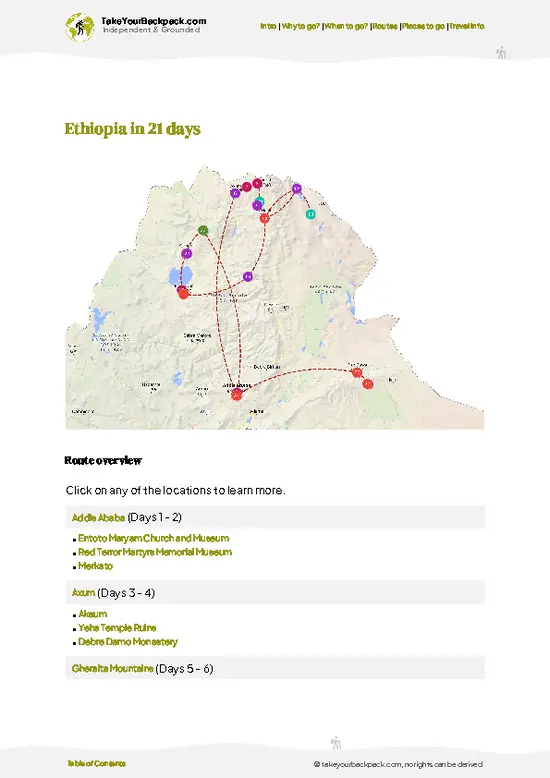
- Aba Jifar Palace (Jimma Museum): The 19th-century hilltop palace of the last king of Jimma, with carved wooden halls, royal artifacts and sweeping views over town. Go in the morning, when the light is soft. Entry is about US$2 to 4, and a visit takes 1 to 2 hours.
- Jimma Museum Collection: Next to the palace, the displays include royal thrones, weapons, coffee tools and old photographs that explain the kingdom’s trade in coffee and ivory. Plan 1 hour. It is usually covered by the same ticket.
- Merkato (Jimma Market): The main market is the best place to see sacks of coffee, spices, khat and fresh produce changing hands. Morning is liveliest. Entry is free and 1 to 2 hours is plenty.
- Local coffee ceremonies: Many cafés and homes will roast green beans over charcoal and serve three rounds with incense.
- Aba Jifar Palace (Jimma Museum): The 19th-century hilltop palace of the last king of Jimma, with carved wooden halls, royal artifacts and sweeping views over town. Go in the morning, when the light is soft. Entry is about US$2 to 4, and a visit takes 1 to 2 hours.
- Jimma Museum Collection: Next to the palace, the displays include royal thrones, weapons, coffee tools and old photographs that explain the kingdom’s trade in coffee and ivory. Plan 1 hour. It is usually covered by the same ticket.
- Merkato (Jimma Market): The main market is the best place to see sacks of coffee, spices, khat and fresh produce changing hands. Morning is liveliest. Entry is free and 1 to 2 hours is plenty.
- Local coffee ceremonies: Many cafés and homes will roast green beans over charcoal and serve three rounds with incense. Expect US$0.50 to 1.50 per session of about 45 minutes. Afternoon is traditional.
- Jimma University Campus: Walk the grounds for a feel of the student town, with shady lawns and tea stalls. Free, and 1 hour in late afternoon is pleasant.
- Kito Furdisa Stadium area and riverside streets: A wander through residential lanes shows mud-and-wattle homes with coffee trees in yards. Free, and 1 hour in early morning works well.
Spotted a mistake or missing something? Contact us.

 Best Backpacking
.jpg) Hi, I’m Johan (Netherlands 🇳🇱), the creator of TakeYourBackpack. Over the past 3 decades, I’ve backpacked through 90+ countries across six continents, gaining extensive experience with independent travel, long-term trips, and overland routes.
Hi, I’m Johan (Netherlands 🇳🇱), the creator of TakeYourBackpack. Over the past 3 decades, I’ve backpacked through 90+ countries across six continents, gaining extensive experience with independent travel, long-term trips, and overland routes.