×

Ethiopia🇪🇹 | citiesAmboMineral springs, university town, eucalyptus forests | things to do and best time to go

Explore SodoExplore Harar

Backpacking in Ambo
👀 For curious travelerscity ranked #22
By Johan Kruseman 🇳🇱 | Updated June 20, 2026

If you crave a city buzzing with hostels, expat bars, or a conveyor belt of Instagram moments, Ambo is not your stop. But that’s exactly why it works for backpackers who want to see Ethiopia’s daily life up close. West of Addis Ababa, Ambo is famous for its mineral springs and a university town energy—think lively markets, not wild nightlife. It’s affordable, safe by Ethiopian standards, and refreshingly untouristed, though you’ll need to make your own fun and connections. The vibe is relaxed, with locals curious but not pushy, and the hot springs park is genuinely worth a soak. Compared to nearby cities like Jimma or Nekemte, Ambo feels smaller and more approachable, but less dramatic—perfect for a reset day or a glimpse of small-town Ethiopia in motion.

Discover everything you want to know in the 📖 Ethiopia Travel Guide.
Safety warning

The current risk level for Ethiopia is high. Check the advice before going.


Get your Ethiopia guide
101 ranked highlights, routes & tips, works offline (395 pages)
Loading the map 🌍
CLICK TO FILTER
cities
towns
landmarks
national parks
hikes
attractions
festivals
regions
SHOW COUNTRY’S BESTSHOW ALL

✨ Why go?
Ranked #22 city in Ethiopia
Why visitors keep coming back

Ambo is a strategic stop for backpackers navigating Ethiopia. It offers a solid basecamp for day trips to nearby attractions, making it easy to explore without the hassle of constant packing. The hostels here are budget-friendly and often buzzing with fellow travelers, creating a vibrant atmosphere that’s perfect for swapping stories.

You’ll find affordable food options that cater to various tastes, from local dishes to international fare, ensuring you’re fueled for your adventures. The city is walkable, allowing you to soak in the local vibe without needing a taxi.

While Ambo may not have the nightlife of larger cities, it has enough charm to keep you engaged. Plus, its location makes onward travel straightforward, whether you’re heading to Addis Ababa or deeper into the countryside. … read more 👉
Ambo is a strategic stop for backpackers navigating Ethiopia. It offers a solid basecamp for day trips to nearby attractions, making it easy to explore without the hassle of constant packing. The hostels here are budget-friendly and often buzzing with fellow travelers, creating a vibrant atmosphere that’s perfect for swapping stories.

You’ll find affordable food options that cater to various tastes, from local dishes to international fare, ensuring you’re fueled for your adventures. The city is walkable, allowing you to soak in the local vibe without needing a taxi.

While Ambo may not have the nightlife of larger cities, it has enough charm to keep you engaged. Plus, its location makes onward travel straightforward, whether you’re heading to Addis Ababa or deeper into the countryside. If you’re looking for a mix of comfort and convenience, Ambo fits the bill without demanding too much of your time or money.
Want to include Ambo in your Ethiopia route?
Create a personalized Ethiopia itinerary that includes Ambo and the places that fit your trip — based on your travel style, budget, and available time. Get your route in seconds.

Generate my trip

💡 HighlightsKey sights and experiences for travelers

  • Ambo Mineral Water spring and bottling site — The reason Ambo’s name travels: clear mineral water you can taste straight from local taps and watch being bottled. Great for a short factory visit, a photo by the public fountain, and to understand a product that’s part of daily life here.
  • Ambo Hot Springs (public baths) — Natural thermal pools where locals come to soak and socialize. Not a luxury spa, but authentic: warm mineral water, easy entry, and a relaxed way to see local routines and hear Oromo and Amharic chatter.
  • Ambo Central Market — A lively, colorful market selling everything from vegetables and coffee to spices and basic hardware. Best early in the morning: great for people-watching, bargain hunting, and catching an improvised coffee ceremony next to a stall.
  • Ambo University
read more 👉
  • Ambo Mineral Water spring and bottling site — The reason Ambo’s name travels: clear mineral water you can taste straight from local taps and watch being bottled. Great for a short factory visit, a photo by the public fountain, and to understand a product that’s part of daily life here.
  • Ambo Hot Springs (public baths) — Natural thermal pools where locals come to soak and socialize. Not a luxury spa, but authentic: warm mineral water, easy entry, and a relaxed way to see local routines and hear Oromo and Amharic chatter.
  • Ambo Central Market — A lively, colorful market selling everything from vegetables and coffee to spices and basic hardware. Best early in the morning: great for people-watching, bargain hunting, and catching an improvised coffee ceremony next to a stall.
  • Ambo University campus — A pleasant campus with green spaces, student cafés, and a youthful vibe. Walk the grounds, see local student life, and sometimes catch public talks or small cultural events that outsiders are welcome to attend.
  • Town square / municipal park — The heart of daily town life: vendors, minibuses (bajaj) starting routes, and evening hangouts. It’s where you’ll feel the city’s pulse without any pretense—perfect for short rests and informal conversations with residents.
  • Riverside stretches along the Guder (within town limits) — Simple riverside walks with shade and local fishermen; a quieter side of Ambo that shows how people interact with the landscape. Good for an easy stroll, birds, and photography near sunset.
  • Local coffee houses and traditional injera restaurants — Not a single address but a cluster of small places where you can sit cross-legged, watch the coffee roasting, and eat real home-style food. The food and the ritual are the cultural highlights here.
  • Artisan and craft stalls near the market — Small shops and street vendors selling woven baskets, scarves, and simple woodwork. Great for picking up honest, locally made souvenirs while supporting craftsmen in town.
  • Community sports field / Ambo Stadium — Catch a local football match or an athletics meet. The crowd energy, amateur bands, and local vendors give you a rare slice of everyday entertainment—and it’s cheap.
  • Religious quarter (orthodox churches and local mosques) — A walkable area showing mixed faith life in the city: traditional Ethiopian Orthodox churches with their painted interiors and neighborhood mosques. Visiting respectfully gives insight into Ambo’s social fabric.
A few real day-trip highlights outside Ambo worth visiting are Guder Falls (short drive), the scenic Wonchi Crater Lake farther out, and traditional Oromo villages in the surrounding countryside — Wonchi Crater Lake is my personal favorite.
Spotted a mistake or missing something? Contact us.

Things to do near Ambo

Ratings based on Tripadvisor reviews. When you book through this link, you support our work at no extra cost to you.

🏘️ NeighborhoodsWhere things are and how it's laid out

Ambo is a vibrant hub in Ethiopia, offering a mix of cultural experiences and practical amenities for backpackers. Here’s how the neighborhoods stack up:

City Center: This is where the action is. You’ll find local markets, cafes, and shops. It’s walkable, making it easy to explore on foot. Prices are moderate, and you can enjoy a lively atmosphere. Perfect for short stays, but it can get noisy at night.

Ambo Park Area: A quieter spot, ideal for those seeking a more relaxed vibe. The park is a great place to unwind, and you’ll find budget-friendly accommodations nearby. It’s less bustling, making it suitable for longer stays if you prefer peace over nightlife.

Gish Abay: This area is a bit further out but offers stunning views and a local feel. It’s less touristy, so you’ll get a genuine … read more 👉
Ambo is a vibrant hub in Ethiopia, offering a mix of cultural experiences and practical amenities for backpackers. Here’s how the neighborhoods stack up:

City Center: This is where the action is. You’ll find local markets, cafes, and shops. It’s walkable, making it easy to explore on foot. Prices are moderate, and you can enjoy a lively atmosphere. Perfect for short stays, but it can get noisy at night.

Ambo Park Area: A quieter spot, ideal for those seeking a more relaxed vibe. The park is a great place to unwind, and you’ll find budget-friendly accommodations nearby. It’s less bustling, making it suitable for longer stays if you prefer peace over nightlife.

Gish Abay: This area is a bit further out but offers stunning views and a local feel. It’s less touristy, so you’ll get a genuine taste of Ethiopian life. Transport options are available, but you’ll need to plan for longer commutes. Great for those looking to immerse themselves in the culture.

Adama Road: A transitional area with a mix of local eateries and shops. Prices are lower here, and it’s a good spot for budget travelers. While it’s not as walkable, public transport is accessible. Suitable for both short and longer stays, especially if you’re looking to save money.

⌛️ 1 dayWhat you can realistically do in a day

Ambo, Ethiopia, is a city that pulses with local life, known for its mineral water springs and vibrant markets. It’s a place where you can feel the heartbeat of Ethiopian culture without the overwhelming tourist crowds.

Start your morning at the bustling Ambo Market. The aroma of freshly roasted coffee mingles with the chatter of vendors selling everything from spices to handmade crafts. Grab a cup of traditional Ethiopian coffee—it’s a ritual here, not just a drink. As you sip, soak in the lively atmosphere and maybe pick up a few local snacks to fuel your day.

In the afternoon, head to the nearby Ambo Mineral Water Bottling Plant. While it’s not on every tourist’s radar, it’s fascinating to see how this natural resource is harnessed. The tour is brief but informative, giving you a glimpse … read more 👉
Ambo, Ethiopia, is a city that pulses with local life, known for its mineral water springs and vibrant markets. It’s a place where you can feel the heartbeat of Ethiopian culture without the overwhelming tourist crowds.

Start your morning at the bustling Ambo Market. The aroma of freshly roasted coffee mingles with the chatter of vendors selling everything from spices to handmade crafts. Grab a cup of traditional Ethiopian coffee—it’s a ritual here, not just a drink. As you sip, soak in the lively atmosphere and maybe pick up a few local snacks to fuel your day.

In the afternoon, head to the nearby Ambo Mineral Water Bottling Plant. While it’s not on every tourist’s radar, it’s fascinating to see how this natural resource is harnessed. The tour is brief but informative, giving you a glimpse into the local economy. Afterward, take a leisurely stroll through the lush surroundings of the plant, where you can enjoy the fresh air and perhaps spot some local wildlife.

As evening approaches, make your way to the town center. The sun sets beautifully over the hills, casting a warm glow. Find a local eatery, like the cozy Tena Yistilign, where you can indulge in traditional dishes like injera and doro wat. Share a meal with locals, and you’ll leave with stories and smiles.

In just one day, you’ve tasted the essence of Ambo—its people, flavors, and hidden corners. You’ve not just visited; you’ve connected.
Turn your Ambo visit into an Ethiopia adventure
Build a complete Ethiopia route with Ambo, hidden gems, must-see destinations, and realistic travel times included.

Generate my trip

🌤️ When to go?Choosing the right time of year


  • Weather: Ambo’s dry season from October to February offers clear skies and minimal rain, perfect for hiking and exploring without soggy boots or canceled plans.

  • Temperature: Daytime highs hover around 22-26°C (72-79°F) in the dry season, comfortable for active days. The wet season cools things down but brings humidity and mud.

  • Daylight Hours: Roughly 12 hours year-round, so no drastic shifts to mess with your itinerary—plan your days knowing sunrise is near 6:30 AM and sunset around 6:30 PM.

  • Crowds: Peak tourist flow aligns with the dry season, especially December and January, meaning more fellow travelers but also livelier markets and events.

  • Seasonal Activities: The dry season hosts local festivals and coffee ceremonies in full swing, offering cultural depth beyond just the landscape.
read more 👉

  • Weather: Ambo’s dry season from October to February offers clear skies and minimal rain, perfect for hiking and exploring without soggy boots or canceled plans.

  • Temperature: Daytime highs hover around 22-26°C (72-79°F) in the dry season, comfortable for active days. The wet season cools things down but brings humidity and mud.

  • Daylight Hours: Roughly 12 hours year-round, so no drastic shifts to mess with your itinerary—plan your days knowing sunrise is near 6:30 AM and sunset around 6:30 PM.

  • Crowds: Peak tourist flow aligns with the dry season, especially December and January, meaning more fellow travelers but also livelier markets and events.

  • Seasonal Activities: The dry season hosts local festivals and coffee ceremonies in full swing, offering cultural depth beyond just the landscape.

  • Price Fluctuations: Expect accommodation and transport costs to spike during the dry season’s peak months; the wet season offers bargains but at the cost of comfort and access.


Pro-tip: Aim for late October or early February to snag the sweet spot—good weather, fewer crowds, and better prices.


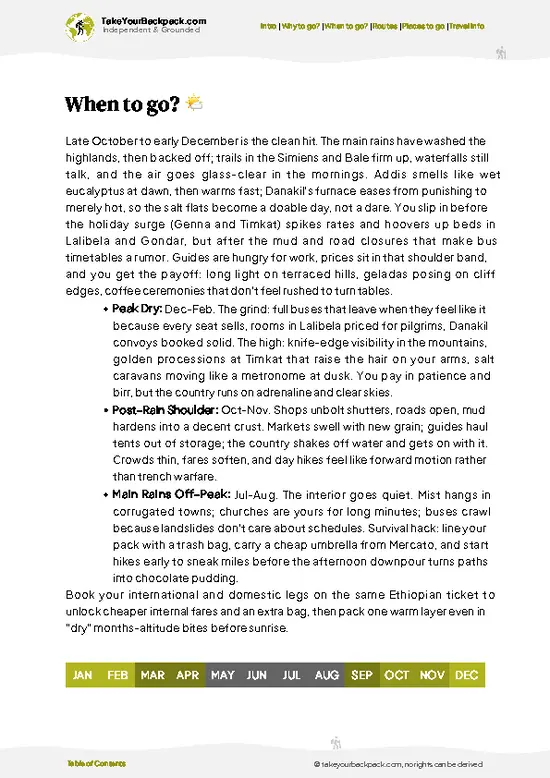
source: climatestotravel.comJANJanuary: highly recommended for travelingFEBFebruary: excellent for travelingMARMarch: fair for travelingAPRApril: below average for travelingMAYMay: below average for travelingJUNJune: fair for travelingJULJuly: fair for travelingAUGAugust: fair for travelingSEPSeptember: good for travelingOCTOctober: excellent for travelingNOVNovember: highly recommended for travelingDECDecember: highly recommended for traveling
when-to-go

✈️ The backpacker research shortcutEthiopia Travel Guide

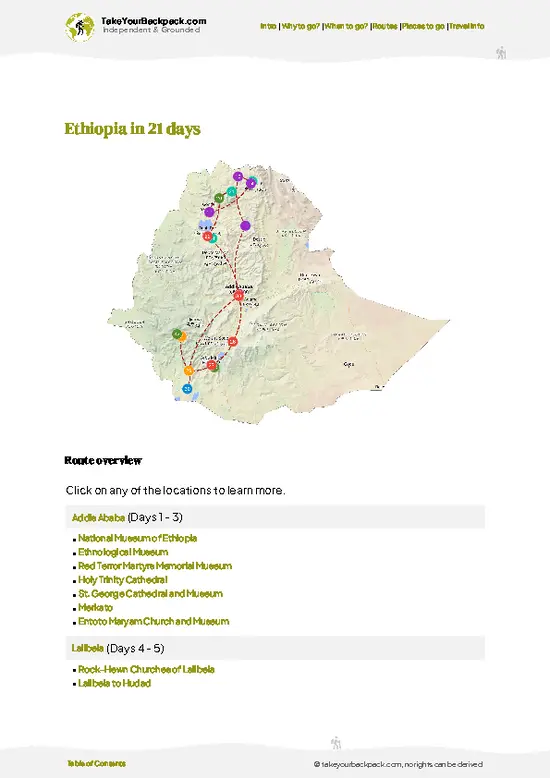
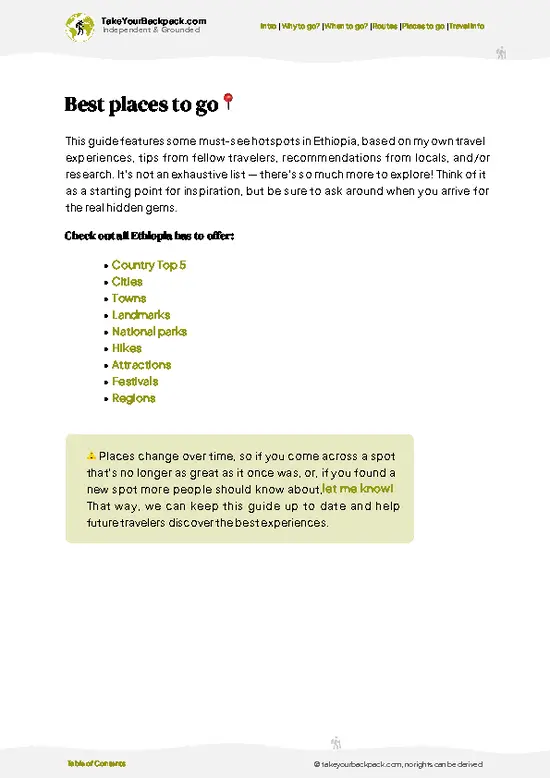
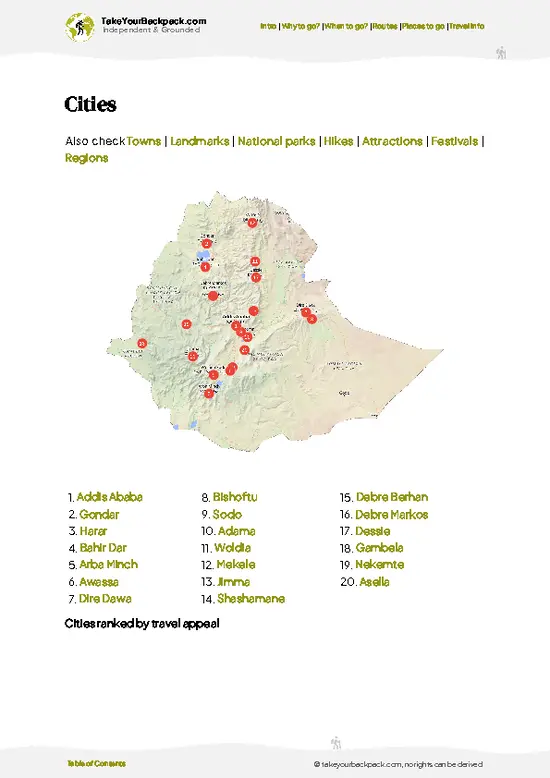
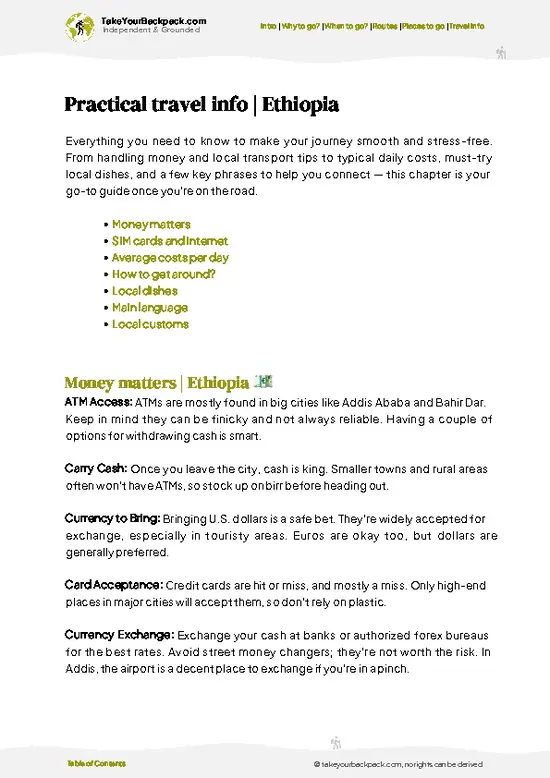
An offline-friendly backpacking guide with optimized travel routes, ranked highlights, transport advice, and the best areas to stay.
example page 0 from our offline Travel Guide for Ethiopia
example page 1 from our offline Travel Guide for Ethiopia
example page 2 from our offline Travel Guide for Ethiopia
example page 3 from our offline Travel Guide for Ethiopia
example page 4 from our offline Travel Guide for Ethiopia
example page 5 from our offline Travel Guide for Ethiopia
example page 6 from our offline Travel Guide for Ethiopia
example page 7 from our offline Travel Guide for Ethiopia
The digital guide (395 pages) contains:
101 highlights, ranked by travel appeal
Optimized 7, 14 & 21-day travel routes
Cities, national parks, landmarks, beaches
How to get around
Offline-friendly for travel without Wi-Fi
👉 Click to see all 30+ guide features

📅 Plan smarter in minutes, not weeks
Month by month travel advice
Festivals & national holidays
Budget expectations

🗺️ Go to the right places, skip the overrated ones
Honest pros & cons of destinations
Top hikes, parks & viewpoints
Lesser-known places most travelers miss
Clear “worth it vs skip it” guidance

🛏️ Travel smoothly without rookie mistakes
Best areas to stay
Transport systems explained simply
Common scams & safety advice
SIM cards, money & practical tips

🌍 Understand the country, not just visit it
Culture & traditions
52 Essential phrases & customs
Festivals worth planning around
Traveler-friendly historical context
Insights that make places more meaningful

📱 Built for real travel conditions
Fully downloadable PDF
Works completely offline
Optimized for phone use
Useful in remote areas & buses
Everything in one place
Save weeks of stressful planning
Get instant access to your full guide. 30‑day money-back guarantee.


By proceeding you agree to our terms.
Sent to your inbox immediately after payment • 100% Secure Checkout
Best Backpacking Travel Advisor 2025 tourism awardBest Backpacking
Travel Advisor
2025
What others say about Take Your Backpack Guides:
⭐⭐⭐⭐⭐
Fantastic, amazing amount of information!
⭐⭐⭐⭐⭐
My goodness this is amazing, it's what I've been looking for hats off too you!
⭐⭐⭐⭐⭐
I think this is absolutely BRILLIANT
⭐⭐⭐⭐
Very complete and informative. It's still missing places, but I gotta to commend you
⭐⭐⭐⭐⭐
This is truly amazing, thank you, can't wait to explore it with my kids!
⭐⭐⭐⭐⭐
Awesome resource, thank you!
⭐⭐⭐⭐⭐
This is amazing! Can't wait to explore the ones I haven't seen
⭐⭐⭐⭐
I love this! Well done, great idea.
⭐⭐⭐⭐⭐
Thanks for taking the time to make this gem!
⭐⭐⭐⭐⭐
This might be the best website I've ever seen.
⭐⭐⭐⭐⭐
Congratulations, and thank you so much for your work; it's incredibly valuable.
⭐⭐⭐⭐
In all seriousness I think you did a great job pointing out the important spots
⭐⭐⭐⭐⭐
10/10 very good
⭐⭐⭐⭐⭐
As someone who's only just starting to visit regularly this is awesome, thank you.
⭐⭐⭐⭐
Thank you very much! I'm going to visit my dad, it's going to be very useful!
⭐⭐⭐⭐⭐
This is really cool! We'll be travelling for the first time and this definitely come in handy.
⭐⭐⭐⭐⭐
You are now our minister of culture, congratulations 👨‍💼
⭐⭐⭐⭐⭐
Just wanted to tell you that this is a pearl! Going to follow your recommendations.
⭐⭐⭐⭐⭐
This is so cool. I'll definitely be using the resource for my travels soon.
⭐⭐⭐⭐⭐
This is very impressive! Good work.
⭐⭐⭐⭐⭐
This is an amazing and informative site. Very well done!

🛏️ Where to stay?Best areas and accommodation options

In Ambo, the sweet spot for backpackers is the central district around the main market and university area. This zone strikes a smart balance: it’s safe enough to wander after dark, buzzing with local life, and packed with budget guesthouses and hostels where you can meet fellow travelers without breaking the bank. Compared to the quieter outskirts or the more residential neighborhoods, this area offers a social pulse that’s hard to beat—think lively street vendors, cafes where you can linger over coffee, and easy access to transport. It’s the kind of place where comfort is basic but reliable, … read more 👉
In Ambo, the sweet spot for backpackers is the central district around the main market and university area. This zone strikes a smart balance: it’s safe enough to wander after dark, buzzing with local life, and packed with budget guesthouses and hostels where you can meet fellow travelers without breaking the bank. Compared to the quieter outskirts or the more residential neighborhoods, this area offers a social pulse that’s hard to beat—think lively street vendors, cafes where you can linger over coffee, and easy access to transport. It’s the kind of place where comfort is basic but reliable, and your money stretches further while you soak up authentic local rhythms.

🚌 Getting aroundGetting around like a local

Ambo moves at its own rhythm—neither a clockwork machine nor a free-for-all. It’s a city where schedules exist but bend to the pulse of daily life, where you can plan your day but must leave room for the unexpected. The flow here rewards those who understand the trade-offs between time, money, and comfort. You can save cash by embracing the local tempo, but that often means sacrificing speed or ease. Conversely, paying more buys you convenience but at the cost of deeper immersion. Mastering Ambo’s transit is about reading these signals and choosing your battles wisely.


  • Walking: The ultimate budget option—free, flexible, and immersive. Ambo’s compact core means many key spots are reachable on foot, but expect uneven sidewalks and occasional crowds slowing your pace.

  • Shared Minibuses:
read more 👉
Ambo moves at its own rhythm—neither a clockwork machine nor a free-for-all. It’s a city where schedules exist but bend to the pulse of daily life, where you can plan your day but must leave room for the unexpected. The flow here rewards those who understand the trade-offs between time, money, and comfort. You can save cash by embracing the local tempo, but that often means sacrificing speed or ease. Conversely, paying more buys you convenience but at the cost of deeper immersion. Mastering Ambo’s transit is about reading these signals and choosing your battles wisely.


  • Walking: The ultimate budget option—free, flexible, and immersive. Ambo’s compact core means many key spots are reachable on foot, but expect uneven sidewalks and occasional crowds slowing your pace.

  • Shared Minibuses: Running roughly from 6 AM to 9 PM, these cost around $0.50 per ride. They’re slow and cramped but cover most neighborhoods. Perfect if you’re patient and want to stretch your budget.

  • City Buses: Scheduled from 5:30 AM to 10 PM, fares hover near $1. These are more comfortable than minibuses and faster on main routes but less frequent, so timing is key to avoid long waits.

  • Motorcycle Taxis: Available 24/7, costing $1–$3 depending on distance. Fast and nimble through traffic, but less safe and less comfortable. Ideal for urgent hops or late-night returns.

  • Regular Taxis: Starting at $3, these offer door-to-door comfort and air conditioning but can get pricey quickly. Best reserved for when time is tight or you’re carrying heavy gear.

👛 Costs (as of 26 June 2026)What things cost and how to budget

Backpacking in Ambo, Ethiopia, offers a clear-cut trade-off between cost and comfort, with prices that let you stretch your budget without sacrificing the essentials.
  • Dorm Accommodation (High Season): Expect to pay around $8 to $12 per night. High season sees a slight bump due to demand, but dorms remain basic—think simple beds, shared bathrooms, and minimal extras.
  • Dorm Accommodation (Off-Season): Prices drop to about $5 to $8 per night. Fewer travelers mean better chances to negotiate or snag a quieter spot, though facilities stay modest.
  • Meals: Local eateries serve filling meals for $2 to $4. Street food is even cheaper, but sticking to small restaurants ensures hygiene without breaking the bank. Western-style meals or cafes push closer to $5 to $7.
  • Local Transport: Minibus rides or
read more 👉
Backpacking in Ambo, Ethiopia, offers a clear-cut trade-off between cost and comfort, with prices that let you stretch your budget without sacrificing the essentials.
  • Dorm Accommodation (High Season): Expect to pay around $8 to $12 per night. High season sees a slight bump due to demand, but dorms remain basic—think simple beds, shared bathrooms, and minimal extras.
  • Dorm Accommodation (Off-Season): Prices drop to about $5 to $8 per night. Fewer travelers mean better chances to negotiate or snag a quieter spot, though facilities stay modest.
  • Meals: Local eateries serve filling meals for $2 to $4. Street food is even cheaper, but sticking to small restaurants ensures hygiene without breaking the bank. Western-style meals or cafes push closer to $5 to $7.
  • Local Transport: Minibus rides or shared taxis typically cost $0.20 to $0.50 per trip. They’re frequent but can be crowded and unpredictable, so factor in some patience for the price.
  • City Transport Pass: Ambo doesn’t have a formal city transport pass system. Budgeting for individual rides is more practical here, keeping daily transport costs low but variable.
  • Basic Activities/Entry Fees: Most local attractions, like natural hot springs or cultural sites, charge between $1 and $3. Guided tours or special experiences can push this higher but remain affordable.
  • Miscellaneous Expenses: Budget $1 to $3 for essentials like bottled water, snacks, or small tips. Internet cafes and phone credit are also inexpensive, usually under $1 for basic use.

All told, a realistic daily budget for backpacking in Ambo ranges from about $10 on a tight budget to $20 if you want a bit more comfort or flexibility. This balance lets you experience the city’s character without feeling pinched, turning your spending into a strategic choice rather than a scramble.


source: ethiopia.travel
⚠️ Prices can change and everyone travels differently, so take this as a rough guide. Hope it helps you plan your adventure!

🚌 Day tripsBest day trips from Ambo

Ambo, Ethiopia, is a fantastic launchpad for day trips that pack a punch without draining your wallet or energy. Here’s how to make the most of your time.

Bole Mountain Hike
Just a short 30-minute drive from Ambo, Bole Mountain offers a rewarding hike with panoramic views of the surrounding landscape. The trail is well-marked, making it accessible for all skill levels. Expect to spend around 50 Ethiopian Birr for transportation and a small fee for park access. The best time to go is during the dry season, from October to March, when the weather is cooler. A common mistake is underestimating the hike’s duration; plan for about 3-4 hours to fully enjoy the experience.


Geda System Cultural Experience
Immerse yourself in the unique Geda system, a traditional socio-political structure, … read more 👉
Ambo, Ethiopia, is a fantastic launchpad for day trips that pack a punch without draining your wallet or energy. Here’s how to make the most of your time.

Bole Mountain Hike
Just a short 30-minute drive from Ambo, Bole Mountain offers a rewarding hike with panoramic views of the surrounding landscape. The trail is well-marked, making it accessible for all skill levels. Expect to spend around 50 Ethiopian Birr for transportation and a small fee for park access. The best time to go is during the dry season, from October to March, when the weather is cooler. A common mistake is underestimating the hike’s duration; plan for about 3-4 hours to fully enjoy the experience.


Geda System Cultural Experience
Immerse yourself in the unique Geda system, a traditional socio-political structure, by visiting nearby villages. It’s about an hour’s drive, and you can engage with locals, learn about their customs, and even participate in traditional ceremonies. Budget around 100 Birr for transport and a small donation to the community. The best time to visit is during the Geda ceremonies, typically held every eight years, but you can find smaller events year-round. First-timers often miss the chance to ask questions; don’t hesitate to engage!


Wuchale Hot Springs
A 45-minute drive will land you at Wuchale Hot Springs, where you can soak in natural thermal waters. It’s a perfect way to relax after a day of hiking or cultural exploration. Expect to pay about 150 Birr for transport and entry. The springs are best enjoyed in the cooler months, from November to February. Many travelers overlook the importance of bringing a swimsuit; don’t make that mistake!


Lake Koka
About an hour and a half from Ambo, Lake Koka is a serene escape. You can rent a boat for a few Birr and enjoy birdwatching or fishing. Total costs will be around 200 Birr for transport and boat rental. The dry season is ideal for clear skies and wildlife spotting. A common pitfall is not checking the boat rental times; they can vary, so plan ahead.
Want to know what more Ethiopia offers?
The Ethiopia Travel Guide describes 101 highlights, from cities to national parks, from beaches to hikes

Get the Travel Guide -

🍲 FoodEating & Drinking in Ambo

In Ambo, the local cuisine is a vibrant tapestry of flavors that beckons you to dive in. Start with injera, the spongy sourdough flatbread that serves as both plate and utensil. Pair it with doro wat, a spicy chicken stew that’s rich and aromatic, or shiro, a chickpea-based dish that’s a staple for many. The spices used here are a dance of heat and depth, making every bite an adventure.

Backpackers often find their meals at bustling markets or from street vendors. The atmosphere is electric, filled with laughter and the sizzling sounds of food being prepared. Grab a plate of kitfo, raw minced meat seasoned with spices, if you’re feeling bold.

When it comes to drinks, don’t miss the chance to sip on tej, a honey wine that’s sweet and potent. Sharing a drink is a communal experience, so expect … read more 👉
In Ambo, the local cuisine is a vibrant tapestry of flavors that beckons you to dive in. Start with injera, the spongy sourdough flatbread that serves as both plate and utensil. Pair it with doro wat, a spicy chicken stew that’s rich and aromatic, or shiro, a chickpea-based dish that’s a staple for many. The spices used here are a dance of heat and depth, making every bite an adventure.

Backpackers often find their meals at bustling markets or from street vendors. The atmosphere is electric, filled with laughter and the sizzling sounds of food being prepared. Grab a plate of kitfo, raw minced meat seasoned with spices, if you’re feeling bold.

When it comes to drinks, don’t miss the chance to sip on tej, a honey wine that’s sweet and potent. Sharing a drink is a communal experience, so expect to see locals gathered, chatting and enjoying life. Just remember, it’s customary to greet and share a smile before diving into the feast.

🛡️ SafetyStaying Safe: What Travelers Should Know

Ambo is generally safe for backpackers, but a few situational awareness tips can enhance your experience. Stick to well-lit areas at night, especially if you’re solo. The main streets are lively, but quieter alleys can feel less secure after dark.

Watch for common scams, like overly friendly locals who might offer to guide you for a fee. A polite but firm “no thanks” usually suffices. Street vendors can be persistent, so practice your bargaining skills; it’s part of the fun.

Keep your belongings close, especially in crowded markets. A crossbody bag works wonders. Overall, stay alert, engage with locals, and embrace the vibrant atmosphere without letting minor annoyances dampen your adventure.

Other Ethiopian cities near Ambo

Explore more nearby:

  • Addis Ababa—Mercato market, national museums, Entoto hills, diplomatic quarter| 90 km away
  • Bishoftu—Crater lakes, resort lodges, birdwatching spots| 117 km away
  • Nekemte—Western highlands, coffee trading, Oromo heritage| 152 km away

💡 Not sure where to go next?
Create a personalized itinerary for Ethiopia including Ambo and the places that fit your trip.

Generate my itinerary

👉 Discover all cities

Or checkout all Ethiopia has to offer (think cities, towns, villages, national parks, hikes, beaches, festivals)
Country photo of Ethiopia

We 💚 feedbackIs it worth it?

Ambo is a treasure for anyone craving authentic Ethiopian culture. The local coffee ceremonies are a must—rich, aromatic, and steeped in tradition. But be prepared: the infrastructure isn’t always smooth. Roads can be bumpy, and services might lag. Embrace the unpredictability; it’s part of the charm. You’ll leave with stories that no polished tourist trap can offer.

✈️ When did I visit Ethiopia?
Ethiopia I visited back in October 2017. I combined the trip with a visit to Sudan. Ethiopia was a pure suprise with the magical scenery like the Danikal Depression and the Simien Mountains.

✍️ Help improve this page!
The information on this page is based on my own backpacking experience in Ethiopia, supplemented with up-to-date research and feedback from other travelers. Travel details can change, so if you notice anything outdated or incomplete, feel free to let me know.


🙋‍♂️ Give feedback

👋 Meet the founderWho’s Behind Take Your Backpack?

Johan, backpacker and founder of TakeYourBackpackHi, I’m Johan (Netherlands 🇳🇱), the creator of TakeYourBackpack. Over the past decade, I’ve backpacked through 80+ countries across six continents, gaining extensive experience with independent travel, long-term trips, and overland routes.

This site is built on a combination of firsthand travel experience and carefully curated insights from other backpackers. Many guides are based on places I’ve personally visited, while others bring together tips, observations, and practical advice shared by trusted travelers I’ve met along the way.

The goal is to provide realistic, experience-driven guidance — not generic itineraries — so you can explore destinations with better context, clearer expectations, and more confidence.

Get full Ethiopia guide •
Instant download • 101 highlights • Full Offline guide