×

Ethiopia🇪🇹 | citiesNekemteWollega museum, Oromo crowns, hot spring soak, hillside roofs | things to do and best time to go

Explore GambelaExplore Woldia

Backpacking in Nekemte
👌 Worth visitingcity ranked #17
By Johan Kruseman 🇳🇱 | Updated October 22, 2026

Nekemte is easy on a tight schedule, because the museum, market and main sights sit within a short walk or minibus hop of each other. It lies in western Ethiopia, in the Oromia region, on a cool green plateau. I expected a sleepy coffee town, yet one morning I found the market loud with trucks, mules and bargaining in Afaan Oromoo. Visit the museum and market; skip anything you hope will be polished. Dust and diesel hang over the center. Carry small bills, since cards are rarely used.

Discover everything you want to know in the 📖 Ethiopia Travel Guide.
Safety warning

The current risk level for Ethiopia is high. Check the advice before going.


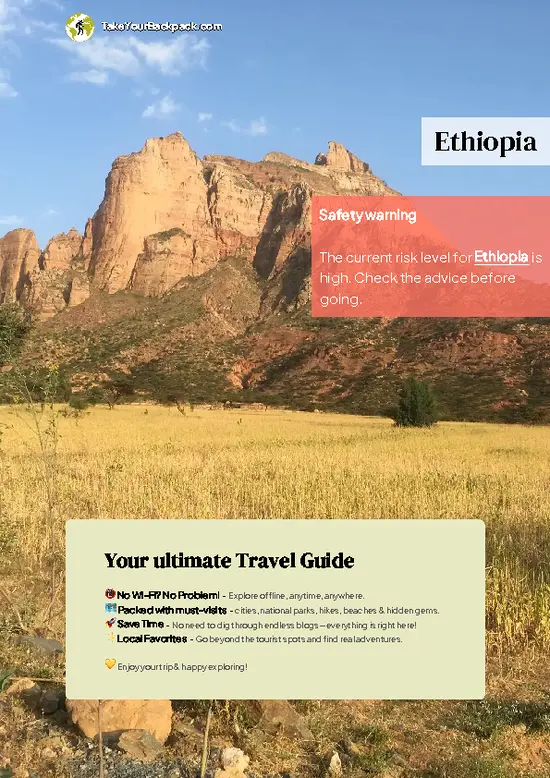
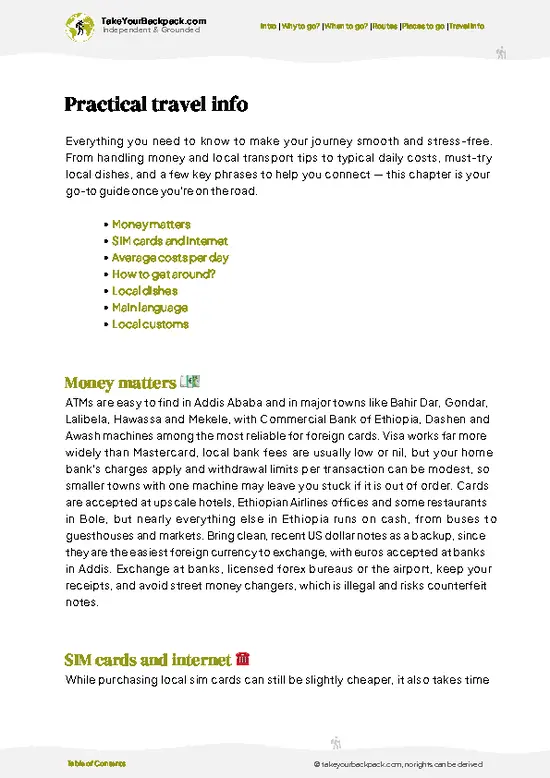
example page 0 from our offline Travel Guide for Ethiopia
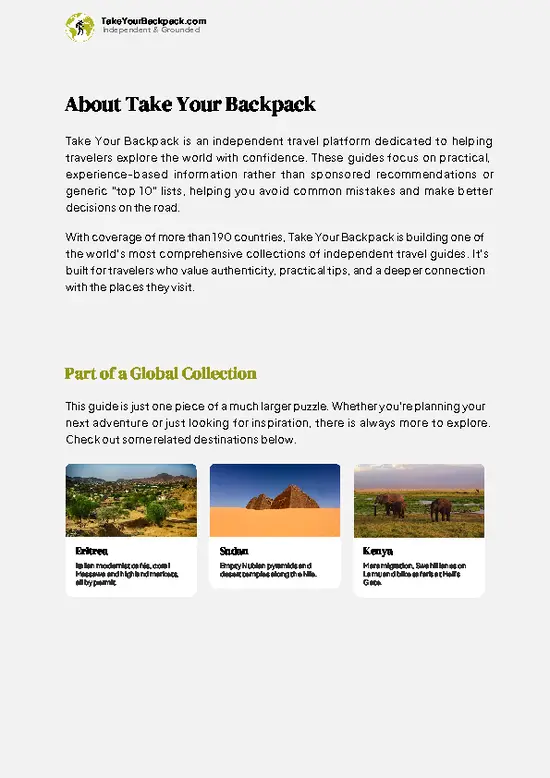
example page 1 from our offline Travel Guide for Ethiopia
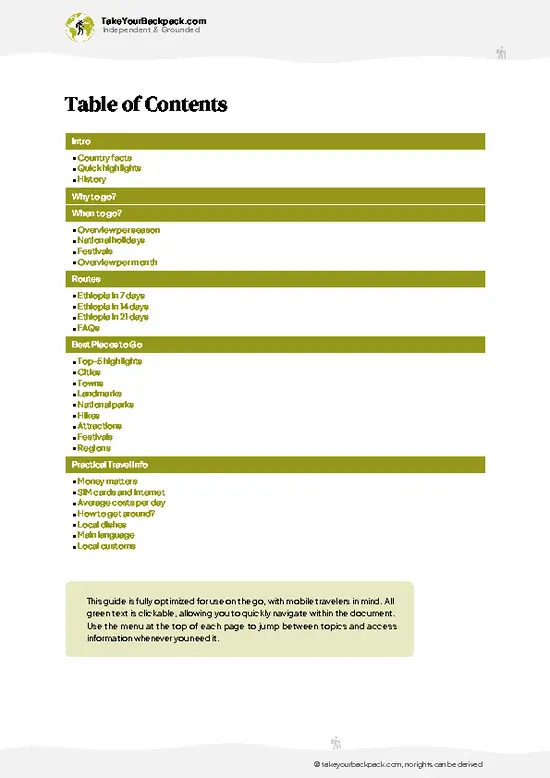
example page 2 from our offline Travel Guide for Ethiopia
example page 3 from our offline Travel Guide for Ethiopia
example page 4 from our offline Travel Guide for Ethiopia
example page 5 from our offline Travel Guide for Ethiopia
example page 6 from our offline Travel Guide for Ethiopia
example page 7 from our offline Travel Guide for Ethiopia
Loading the map 🌍
CLICK TO FILTER
cities
towns
landmarks
national parks
hikes
attractions
festivals
regions
SHOW COUNTRY’S BESTSHOW ALL

✨ Why go?
Ranked #17 city in Ethiopia
The unique appeal for travelers

Nekemte works for backpackers who want western Ethiopia without the tour-bus layer found in the north. It is a real regional capital, so you eat where students and traders eat, sleep in simple, affordable hotels, and meet people who are curious rather than selling. The Wollega Museum gives you Oromo history in a single morning, and the Saturday-heavy market rhythm shows how coffee country trades. It also sits on the road between Addis Ababa and the far west, so it makes a useful overnight or two, but not a week.

💡 HighlightsKey sights and experiences for travelers

  1. Wollega Museum: Oromo crowns, clothing, tools, musical instruments and household items, explained by staff who like to talk. Go in the morning. Entry is about US$2 to 4, and 1 to 1.5 hours is plenty.
  2. Nekemte Central Market: Coffee, spices, grain, secondhand clothes and livestock gear. Early morning is liveliest. Free to wander, 1 to 2 hours.
  3. Gudina Tumsa Foundation area and old church quarter: Quiet streets for a slow look at local religious life. Late afternoon suits it. Free, about 45 minutes.
  4. Bake Jama Hot Spring area: A local bathing spot where townspeople soak and wash. Mornings are calmer. Expect US$1 to 2 and about 1 hour.
  5. Coffee ceremony at a local café: Beans roasted over charcoal, popcorn and strong cups in a row of three. Afternoon is best. US$1 to 2 per round, about 1 hour.
  6. Nekemte
… read more 👉
  1. Wollega Museum: Oromo crowns, clothing, tools, musical instruments and household items, explained by staff who like to talk. Go in the morning. Entry is about US$2 to 4, and 1 to 1.5 hours is plenty.
  2. Nekemte Central Market: Coffee, spices, grain, secondhand clothes and livestock gear. Early morning is liveliest. Free to wander, 1 to 2 hours.
  3. Gudina Tumsa Foundation area and old church quarter: Quiet streets for a slow look at local religious life. Late afternoon suits it. Free, about 45 minutes.
  4. Bake Jama Hot Spring area: A local bathing spot where townspeople soak and wash. Mornings are calmer. Expect US$1 to 2 and about 1 hour.
  5. Coffee ceremony at a local café: Beans roasted over charcoal, popcorn and strong cups in a row of three. Afternoon is best. US$1 to 2 per round, about 1 hour.
  6. Nekemte town viewpoints on the hillside: Corrugated roofs, eucalyptus and green hills at golden hour. Free, 30 to 45 minutes.
From Nekemte, travelers can day trip to the Didessa River area, Lake Wonchi crater region and Gimbi’s surrounding hills. Pair the Wollega Museum with the central market in one morning, then rest with coffee.
Spotted a mistake or missing something? Contact us.

🏘️ NeighborhoodsWhere things are and how it's laid out

Nekemte is small enough that you can sort it into a handful of areas, and most of your time belongs in two of them.
  • Central market and main road area: This is where to spend your first morning. Minibuses idle, coffee roasters fill the air with smoke, and stalls stack onions, spices and secondhand clothes in loud, dusty rows. Very walkable, and the best place to eat.
  • Museum hill: The Wollega Museum, in a former palace-style residence, is the one sight worth a deliberate walk. Displays of Oromo household items, jewelry and costumes are modest but real, and the grounds are quiet after the market din.
  • Bake and Leka outskirts: Residential lanes with eucalyptus, tin roofs and the occasional church bell. Pleasant for a stroll, but nothing to see, so skip it unless you are passing through.
  • Bus station
… read more 👉
Nekemte is small enough that you can sort it into a handful of areas, and most of your time belongs in two of them.
  • Central market and main road area: This is where to spend your first morning. Minibuses idle, coffee roasters fill the air with smoke, and stalls stack onions, spices and secondhand clothes in loud, dusty rows. Very walkable, and the best place to eat.
  • Museum hill: The Wollega Museum, in a former palace-style residence, is the one sight worth a deliberate walk. Displays of Oromo household items, jewelry and costumes are modest but real, and the grounds are quiet after the market din.
  • Bake and Leka outskirts: Residential lanes with eucalyptus, tin roofs and the occasional church bell. Pleasant for a stroll, but nothing to see, so skip it unless you are passing through.
  • Bus station area: Loud, diesel-heavy and chaotic. Visit only to travel.

⌛️ 1 dayHow to make the most of one day

8:00 AM: Nekemte Central Market. Start here while traders are setting up and the air smells of roasting coffee and damp earth. Walk the grain and spice rows, then head uphill on foot.
10:00 AM: Wollega Museum. Spend about an hour with Oromo crowns, textiles and tools. Ask staff for context, because the labels are thin.
12:30 PM: Local lunch. Find a busy café near the center for shiro or tibs and a macchiato. A short walk takes you back toward the hillside.
2:30 PM: Church quarter and back streets. This is the less visited part: quiet lanes, school yards and small chapels where the town’s daily rhythm shows. Keep your camera discreet.
4:30 PM: Hillside viewpoint. Climb for views over tin roofs and eucalyptus as the light softens.
6:00 PM: Coffee ceremony. Finish with three rounds at a neighborhood café, then walk to your hotel.

🌤️ When to go?Seasonal considerations and timing

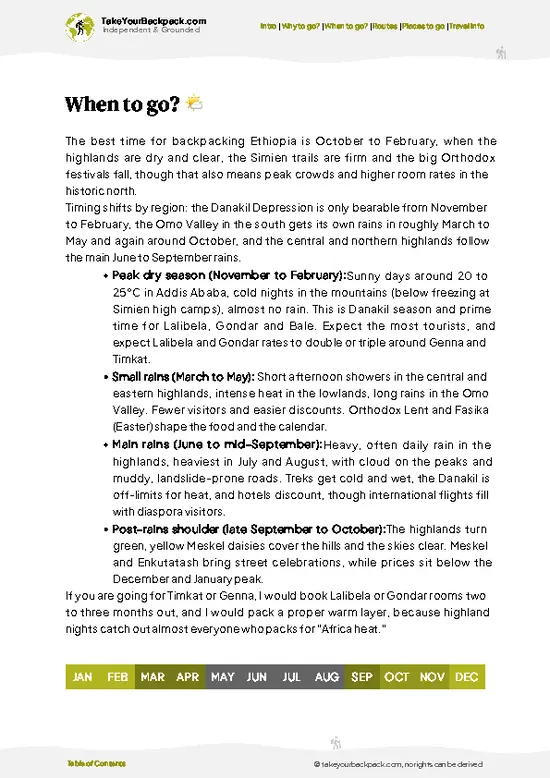
  • Dry Season (October to February): Sunny days around 22 to 27°C (72 to 81°F), cool nights near 10 to 12°C (50 to 54°F), and the best road conditions. This is also when the Oromo thanksgiving festival Irreecha draws crowds in the region.
  • Big Rains (June to September): Heavy daily downpours, mud on roads, and cloudy skies at 18 to 23°C (64 to 73°F). Buses slow down, but prices stay steady and everything is deep green.
  • Small Rains and Warm Spell (March to May): Warmer, up to 28°C (82°F), with scattered showers.
Aim for November or December, when roads are firm and the hills are still green.

source: climatestotravel.comJANJanuary: excellent for travelingFEBFebruary: excellent for travelingMARMarch: fair for travelingAPRApril: fair for travelingMAYMay: fair for travelingJUNJune: fair for travelingJULJuly: fair for travelingAUGAugust: fair for travelingSEPSeptember: good for travelingOCTOctober: excellent for travelingNOVNovember: excellent for travelingDECDecember: excellent for traveling
when-to-go

✈️ The backpacker research shortcutEthiopia Travel Guide

An offline-friendly backpacking guide with optimized travel routes, ranked highlights, transport advice, and the best areas to stay.
example page 0 from our offline Travel Guide for Ethiopia
example page 1 from our offline Travel Guide for Ethiopia
example page 2 from our offline Travel Guide for Ethiopia
example page 3 from our offline Travel Guide for Ethiopia
example page 4 from our offline Travel Guide for Ethiopia
example page 5 from our offline Travel Guide for Ethiopia
example page 6 from our offline Travel Guide for Ethiopia
example page 7 from our offline Travel Guide for Ethiopia
The digital guide (380 pages) contains:
✅ 98 highlights, ranked by travel appeal
✅ Optimized 7, 14 & 21-day travel routes
✅ Cities, national parks, landmarks, beaches
✅ How to get around
✅ Offline-friendly for travel without Wi-Fi
👉 Click to see all 30+ guide features

📅 Plan smarter in minutes, not weeks
✅ Month by month travel advice
✅ Festivals & national holidays
✅ Budget expectations

🗺️ Go to the right places, skip the overrated ones
✅ Honest pros & cons of destinations
✅ Top hikes, parks & viewpoints
✅ Lesser-known places most travelers miss
✅ Clear “worth it vs skip it” guidance

🛏️ Travel smoothly without rookie mistakes
✅ Best areas to stay
✅ Transport systems explained simply
✅ Common scams & safety advice
✅ SIM cards, money & practical tips

🌍 Understand the country, not just visit it
✅ Culture & traditions
✅ 52 Essential phrases & customs
✅ Festivals worth planning around
✅ Traveler-friendly historical context
✅ Insights that make places more meaningful

📱 Built for real travel conditions
✅ Fully downloadable PDF
✅ Works completely offline
✅ Optimized for phone use
✅ Useful in remote areas & buses
✅ Everything in one place
Stop searching, start planning
Get instant access to your full guide. 30‑day money-back guarantee.
+ Add another guide for just

By proceeding you agree to our terms.
Sent to your inbox immediately after payment • 100% Secure Checkout
Best Backpacking Travel Advisor 2025 tourism awardBest Backpacking
Travel Advisor
2025
What others say about Take Your Backpack Guides:
⭐⭐⭐⭐⭐
Fantastic, amazing amount of information!
⭐⭐⭐⭐⭐
My goodness this is amazing, it's what I've been looking for hats off too you!
⭐⭐⭐⭐⭐
I think this is absolutely BRILLIANT
⭐⭐⭐⭐
Very complete and informative. It's still missing places, but I gotta to commend you
⭐⭐⭐⭐⭐
This is truly amazing, thank you, can't wait to explore it with my kids!
⭐⭐⭐⭐⭐
Awesome resource, thank you!
⭐⭐⭐⭐⭐
This is amazing! Can't wait to explore the ones I haven't seen
⭐⭐⭐⭐
I love this! Well done, great idea.
⭐⭐⭐⭐⭐
Thanks for taking the time to make this gem!
⭐⭐⭐⭐⭐
This might be the best website I've ever seen.
⭐⭐⭐⭐⭐
Congratulations, and thank you so much for your work; it's incredibly valuable.
⭐⭐⭐⭐
In all seriousness I think you did a great job pointing out the important spots
⭐⭐⭐⭐⭐
10/10 very good
⭐⭐⭐⭐⭐
As someone who's only just starting to visit regularly this is awesome, thank you.
⭐⭐⭐⭐
Thank you very much! I'm going to visit my dad, it's going to be very useful!
⭐⭐⭐⭐⭐
This is really cool! We'll be travelling for the first time and this definitely come in handy.
⭐⭐⭐⭐⭐
You are now our minister of culture, congratulations 👨‍💼
⭐⭐⭐⭐⭐
Just wanted to tell you that this is a pearl! Going to follow your recommendations.
⭐⭐⭐⭐⭐
This is so cool. I'll definitely be using the resource for my travels soon.
⭐⭐⭐⭐⭐
This is very impressive! Good work.
⭐⭐⭐⭐⭐
This is an amazing and informative site. Very well done!

🛏️ Where to stay?Where staying makes the most sense

The area around the main road and central market is the best choice for a budget bed in Nekemte, because most cheap guesthouses and basic hotels cluster there and everything you need is within a short walk. Rooms usually run US$6 to 15 a night, and dorm-style hostels are rare, so expect private rooms. It is noisy with early minibus engines and market sounds, so bring earplugs. The quieter streets toward the museum hill suit lighter sleepers and are still a 10 to 15 minute walk to food. Streets near the bus station are convenient for early departures to Addis Ababa, but they are loud and grubby, … read more 👉
The area around the main road and central market is the best choice for a budget bed in Nekemte, because most cheap guesthouses and basic hotels cluster there and everything you need is within a short walk. Rooms usually run US$6 to 15 a night, and dorm-style hostels are rare, so expect private rooms. It is noisy with early minibus engines and market sounds, so bring earplugs. The quieter streets toward the museum hill suit lighter sleepers and are still a 10 to 15 minute walk to food. Streets near the bus station are convenient for early departures to Addis Ababa, but they are loud and grubby, and walking there after dark is best done by bajaj.

🚌 Getting aroundMoving around without the hassle

Bajaj three-wheelers are the easiest way to get around Nekemte, since they go door to door and cost little. The town center is compact and hilly, so your legs handle most of it, though the air can be dusty and traffic rattles with horns and engine drone. Public transport is basic and informal.
  • Walking: The market, main road and museum sit within about 1 to 2 km of each other. Expect slopes, uneven pavement and a few puddles in the rains.
  • Bajaj (three-wheeler): Typically US$0.30 to 1 per short ride, sometimes shared with other passengers. Agree the price before you climb in, and expect a cramped, buzzing ride. They run from early morning until around 8 or 9 pm.
  • Minibuses to nearby towns: Fares run about US$1 to 4 depending on distance. They leave when full, so waiting can take 20 to 60 minutes,
… read more 👉
Bajaj three-wheelers are the easiest way to get around Nekemte, since they go door to door and cost little. The town center is compact and hilly, so your legs handle most of it, though the air can be dusty and traffic rattles with horns and engine drone. Public transport is basic and informal.
  • Walking: The market, main road and museum sit within about 1 to 2 km of each other. Expect slopes, uneven pavement and a few puddles in the rains.
  • Bajaj (three-wheeler): Typically US$0.30 to 1 per short ride, sometimes shared with other passengers. Agree the price before you climb in, and expect a cramped, buzzing ride. They run from early morning until around 8 or 9 pm.
  • Minibuses to nearby towns: Fares run about US$1 to 4 depending on distance. They leave when full, so waiting can take 20 to 60 minutes, and the bus station is noisy and crowded.
  • Long-distance buses: Services to Addis Ababa take roughly 5 to 6 hours and cost about US$6 to 9. Leave early in the morning, since departures thin out by afternoon and the road is winding.

👛 Costs (as of 22 October 2026)How expensive it really is

Nekemte costs about US$17 to 33 a day for a backpacker, with most of it going to a private room, since dorms are rare.
CategoryBudget RangeLocal Reality
Dorm accommodation (high season)US$8 to 15Basic private room in a guesthouse
Dorm accommodation (off-season)US$6 to 12Same rooms, easier to bargain
MealsUS$5 to 8Local restaurants and market eateries
Local transportUS$1 to 3Bajaj and minibuses
City transport passNot availablePay per ride
Basic activities/entry feesUS$1 to 3Wollega Museum entry is modest
MiscellaneousUS$2 to 4Coffee, water, data
Total Daily BudgetUS$17 to 33About US$25 at the middle
Eat where locals eat and pay in cash, which keeps meal costs low.
⚠️ Prices can change and everyone travels differently, so take this as a rough guide. Hope it helps you plan your adventure!

🚌 Day tripsShort trips worth adding

Nekemte works well as a base for rural day trips, mostly by minibus and bajaj, though schedules are loose and you should start early.Sibu Sire and Wollega countryside: Rolling farmland, coffee plots and small markets reward a half-day wander. Minibuses take about 30 to 60 minutes and cost US$1 to 2. Go in the dry months, as roads turn slick in the rains.
Bako: A highland farming town with research fields and a lively market, about 1.5 to 2 hours east by minibus (US$2 to 3). Go on a market day for the best atmosphere, and ask locally which day, since first-timers often arrive on a quiet one.
Gimbi: A larger Wollega town with cooler air and an active market, roughly 2 to 3 hours by minibus for US$3 to 5. Leave by 7 am, because afternoon return buses fill up and become scarce.

🍲 FoodWhat to Eat & Drink

Wollega is known for strong, fresh coffee, and in Nekemte you will smell it roasting at street level. Cups come small, dark and sweet, often with popcorn alongside. Try kitfo, minced beef with spiced butter, which is a local favorite among the Oromo, and dabo bread warm from the oven. Meat-heavy tibs sizzles in casual restaurants near the main road, usually US$2 to 4 a plate. For lunch, market-side eateries serve shiro and fresh juices for under US$2. Bars pour local tella beer, mildly sour and smoky, with a cheerful crowd that welcomes company.

🛡️ SafetyStaying Safe: What Travelers Should Know

Nekemte is calm and friendly, and most problems are minor. Pickpocketing can happen in the crowded market and around the bus station, so keep your phone and wallet in a front pocket. Solo travelers, including women, generally manage fine, but after dark the unlit streets are best crossed by bajaj. Overcharging of foreigners is the usual annoyance, so agree prices first. Regional unrest has affected parts of Oromia at times, so check current advice and local news before heading out to rural areas.

FAQFrequently asked questions about Nekemte

Two days is enough for Nekemte itself, which has the market, the Wollega Museum and coffee stops. Add a third day if you want a trip to Bako or Gimbi, each 1.5 to 3 hours away by minibus for US$2 to 5. Most travelers pass through on the road between Addis Ababa and western Ethiopia.
Yes, Nekemte is generally comfortable for solo backpackers, with friendly locals and low violent crime. Watch your pockets in the market and bus station, use a bajaj after dark (US$0.30 to 1), and check current regional news before visiting rural Oromia areas.
Nekemte is known as the main town of East Wollega, with strong coffee, a lively market and the Wollega Museum showing Oromo culture. It sits about 5 to 6 hours by bus from Addis Ababa (US$6 to 9). The surrounding highlands are green, farmed and cooler than the lowlands.
⚠️ Things can change over time, so always validate details locally before you go.

Other Ethiopian cities near Nekemte

Explore more nearby:

  • Ambo—Mineral springs, university town, eucalyptus forests| 152 km away
  • Jimma—Coffee farms, palace ruins, forested hills| 160 km away
  • Debre Markos—Blue Nile gorge, rural crossroads, monastery sites| 189 km away

💡 Not sure where to go next?
Create a personalized itinerary for Ethiopia including Nekemte and the places that fit your trip.

Generate my itinerary

👉 Discover all cities

Or checkout all Ethiopia has to offer (think cities, towns, villages, national parks, hikes, beaches, festivals)
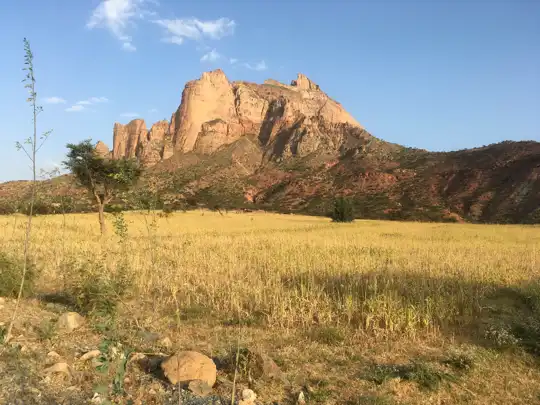
Country photo of Ethiopia

We 💚 feedbackWhat to keep in mind

Nekemte is best in the early morning, when the market wakes, coffee smoke drifts and the air is cool; I would arrive the afternoon before and stay one night. Don’t expect polish, but do bring patience and small notes.

✈️ When did I visit Ethiopia?
Ethiopia I visited back in October 2017. I combined the trip with a visit to Sudan. Ethiopia was a pure surprise with the magical scenery like the Danakil Depression and the Simien Mountains.

✍️ Help improve this page!
The information on this page is based on my own backpacking experience in Ethiopia, supplemented with up-to-date research and feedback from other travelers. Travel details can change, so if you notice anything outdated or incomplete, feel free to let me know.


🙋‍♂️ Give feedback

👋 Meet the founderWho’s Behind Take Your Backpack?

Johan, backpacker and founder of TakeYourBackpackHi, I’m Johan (Netherlands 🇳🇱), the creator of TakeYourBackpack. Over the past 3 decades, I’ve backpacked through 90+ countries across six continents, gaining extensive experience with independent travel, long-term trips, and overland routes.

This site is built on a combination of firsthand travel experience and carefully curated insights from other backpackers. Many guides are based on places I’ve personally visited, while others bring together tips, observations, and practical advice shared by trusted travelers I’ve met along the way.

The goal is to provide realistic, experience-driven guidance — not generic itineraries — so you can explore destinations with better context, clearer expectations, and more confidence.