v2.webp)
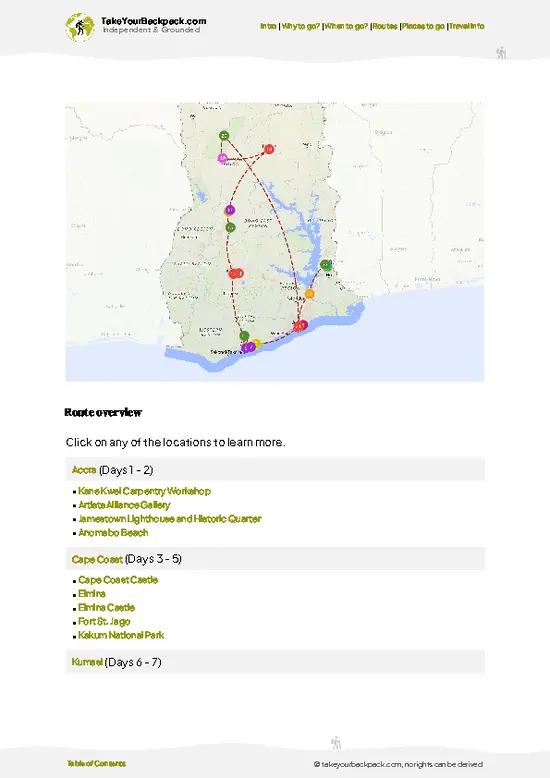
- Volta River Mouth at Ada Foah: Where the river meets the Atlantic, with shifting sandbars and brackish water you cross by small boat.
- Songor Lagoon Salt Pans: Shallow pans turn white in the dry season, and workers rake salt by hand, a tradition older than the country.
- Mangrove Channels: Quiet canoe routes through roots where herons and kingfishers hunt.
- Birdlife of the Wetlands: A Ramsar site for migratory waders and terns, so look for flamingo-like congregations of waders on the flats.
- Bonyefe and Sandbar Beaches: Wide, empty strips with Atlantic surf on one side and calm lagoon on the other.
- Fishing Villages: Watch nets hauled, canoes carved, and smoked fish prepared along the shoreline.
Spotted a mistake or missing something? Contact us.

Ghana Heritage Tours - Beyond The Return

African Drum and Dance Lessons

Private Cape Coast Castle, Assin Manso & Kakum Tour from Accra

Makola Market Walking Tour

Accra to Cape Coast and Elmina Castles Day Tour

Full-Day Private Culture and History Tour of Accra

Experience Authentic Ghana in a Personalized Accra City Tour

Cape Coast/Elmina Slave Dungeon and Canopy Walkway Private Tour

Full Day Tour Waterfalls Quad biking and Aburi Botanical Gardens


 Best Backpacking
.jpg) Hi, I’m Johan (Netherlands 🇳🇱), the creator of TakeYourBackpack. Over the past 3 decades, I’ve backpacked through 90+ countries across six continents, gaining extensive experience with independent travel, long-term trips, and overland routes.
Hi, I’m Johan (Netherlands 🇳🇱), the creator of TakeYourBackpack. Over the past 3 decades, I’ve backpacked through 90+ countries across six continents, gaining extensive experience with independent travel, long-term trips, and overland routes.