v2.webp)
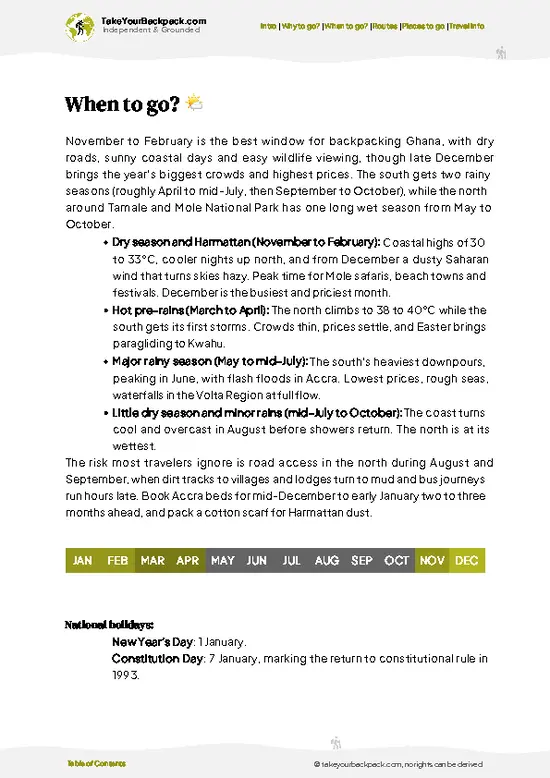
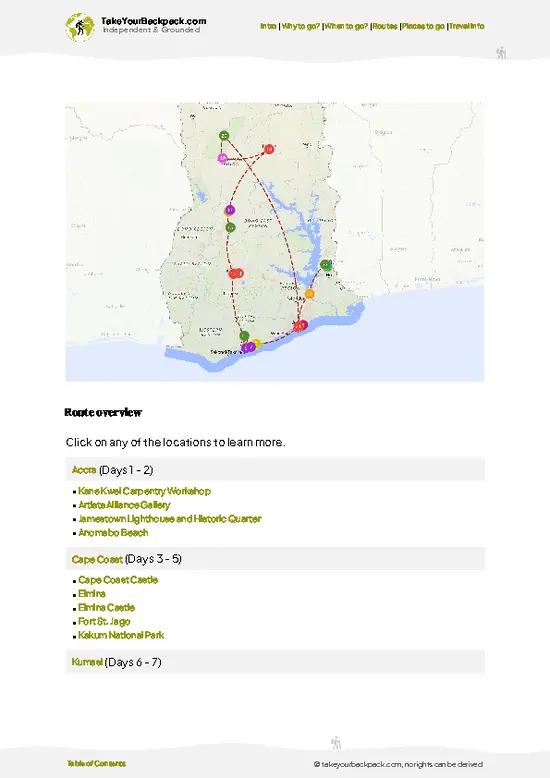
- Pirogue Trip on the Lagoon: A paddled canoe takes you quietly through the shallows, close to feeding birds without scaring them. Arrange it with local fishermen at Dzita.
- Waterbird Watching: The wetland is a Ramsar site because of the numbers of waders, herons, egrets and terns that feed and rest here, with migrants arriving in the northern winter.
- Sunrise on the Shoreline: Early light turns the water pale gold, and the birds are most active then. Bring a hat, because there is almost no shade.
- Fishing Communities: Watch nets being mended and fish being smoked in villages around the lagoon. Ask before taking photos.
- Atlantic Sand Spit: The narrow strip of palms and sand separating lagoon from sea makes an easy walk with open ocean views and few people.
- Keta Lagoon Complex Setting: Avu sits within
- Pirogue Trip on the Lagoon: A paddled canoe takes you quietly through the shallows, close to feeding birds without scaring them. Arrange it with local fishermen at Dzita.
- Waterbird Watching: The wetland is a Ramsar site because of the numbers of waders, herons, egrets and terns that feed and rest here, with migrants arriving in the northern winter.
- Sunrise on the Shoreline: Early light turns the water pale gold, and the birds are most active then. Bring a hat, because there is almost no shade.
- Fishing Communities: Watch nets being mended and fish being smoked in villages around the lagoon. Ask before taking photos.
- Atlantic Sand Spit: The narrow strip of palms and sand separating lagoon from sea makes an easy walk with open ocean views and few people.
- Keta Lagoon Complex Setting: Avu sits within the wider Keta coastal wetlands, so you can pair it with Keta town and its old Dutch-built Fort Prinzenstein.
Spotted a mistake or missing something? Contact us.

 Best Backpacking
.jpg) Hi, I’m Johan (Netherlands 🇳🇱), the creator of TakeYourBackpack. Over the past 3 decades, I’ve backpacked through 90+ countries across six continents, gaining extensive experience with independent travel, long-term trips, and overland routes.
Hi, I’m Johan (Netherlands 🇳🇱), the creator of TakeYourBackpack. Over the past 3 decades, I’ve backpacked through 90+ countries across six continents, gaining extensive experience with independent travel, long-term trips, and overland routes.