×

Ghana🇬🇭 | townsBimbillaDagomba chiefdom, Northern crossroads, Guinea fowl market | things to do and best time to go

Explore AkosomboExplore Sogakope

Backpacking in Bimbilla
👀 For curious travelerstown ranked #21
By Johan Kruseman 🇳🇱 | Updated October 22, 2026

The Fire Festival gets Bimbilla its name recognition, but one festival week matters less than the other fifty, when this is a working Nanumba capital in Ghana’s Northern Region, southeast of Tamale. Harmattan dust turns the light copper, motorbikes whine, and woodsmoke and shea butter hang over the market. Shared taxis from Tamale leave only when full, so arrive at the station early. Guesthouses are basic, backpackers rare, so greet people at the palace and the town becomes your company.

Discover everything you want to know in the 📖 Ghana Travel Guide.


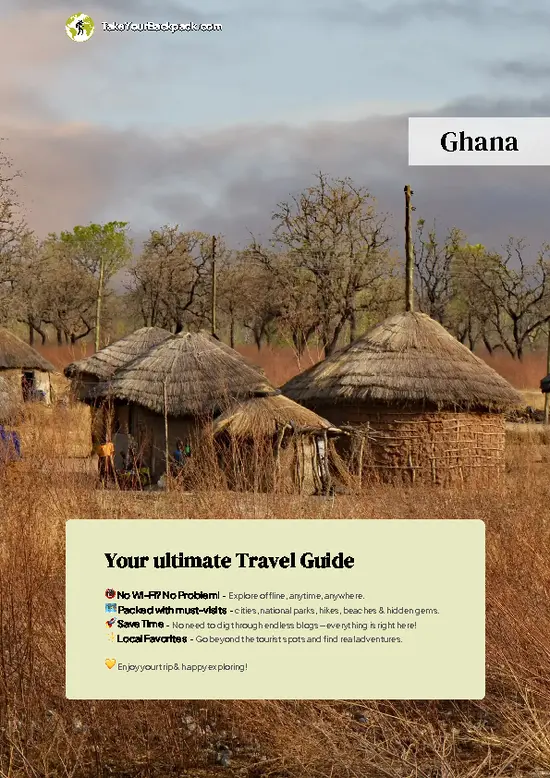
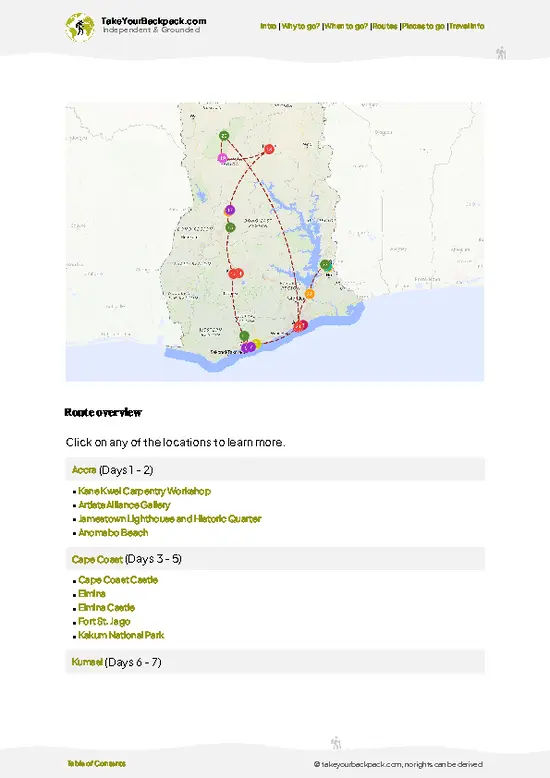
example page 0 from our offline Travel Guide for Ghana
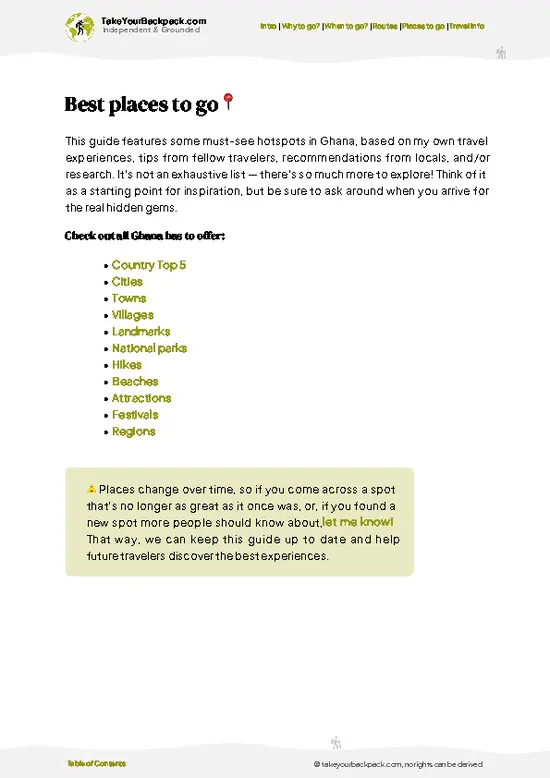
example page 1 from our offline Travel Guide for Ghana
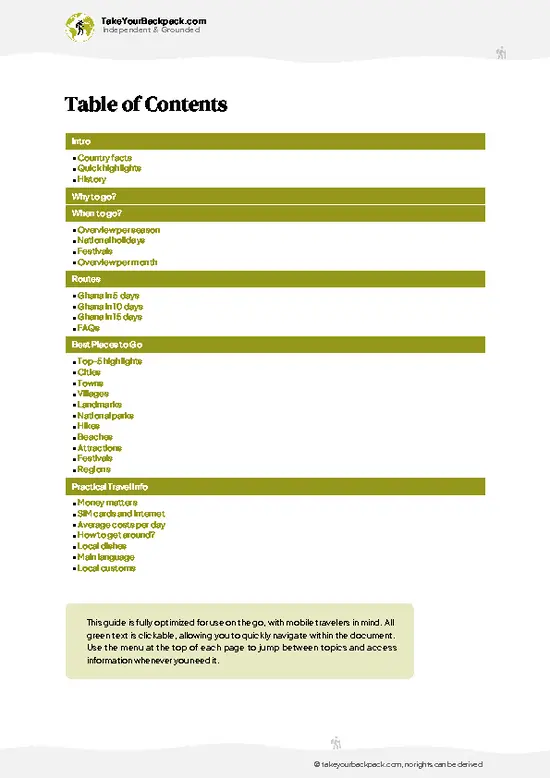
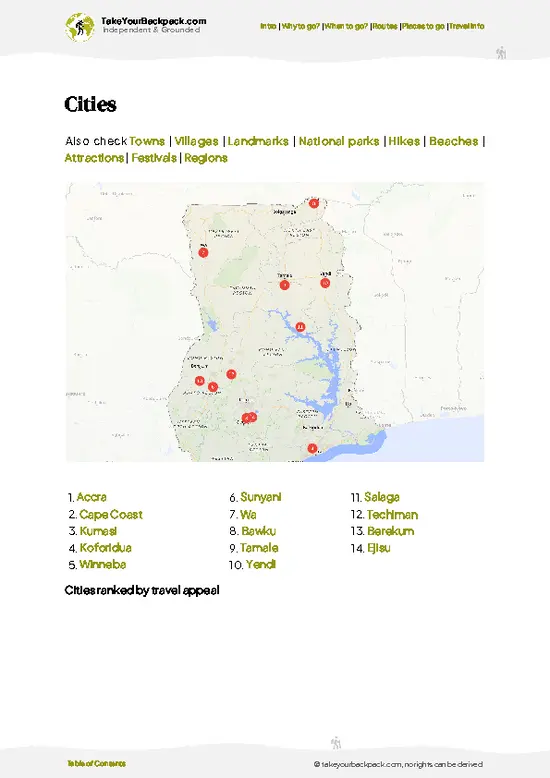
example page 2 from our offline Travel Guide for Ghana
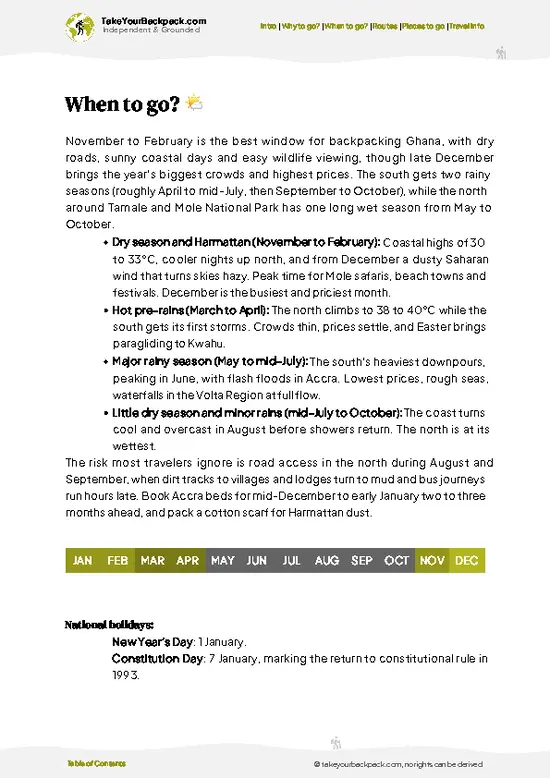
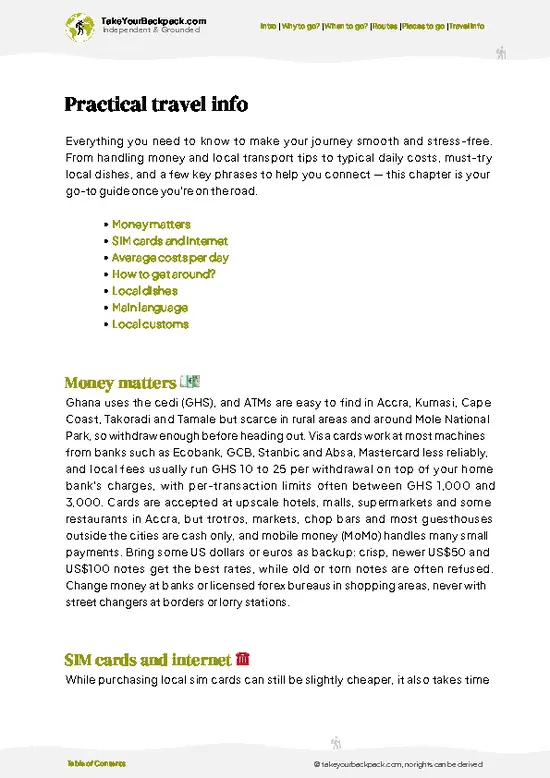
example page 3 from our offline Travel Guide for Ghana
example page 4 from our offline Travel Guide for Ghana
example page 5 from our offline Travel Guide for Ghana
example page 6 from our offline Travel Guide for Ghana
example page 7 from our offline Travel Guide for Ghana
Loading the map 🌍
CLICK TO FILTER
cities
towns
villages
landmarks
national parks
hikes
beaches
attractions
festivals
regions
SHOW COUNTRY’S BESTSHOW ALL

✨ Why go?
Ranked #21 town in Ghana
What makes it a must-see town

Bimbilla suits slow travelers and solo backpackers who want the Northern Region without other foreigners in the frame. Most people stay one or two nights on a loop through Tamale, Yendi and Salaga. It is quiet, with no hostel scene, so your social life is the chop bar, the market and conversations that start with a greeting. The chieftaincy culture is the draw. Visit during Damba or Bugum and you will see drumming and horsemen. Outside festivals, it is a calm, cheap stop.

💡 HighlightsMust-see experiences and standout moments

  1. Bimbilla Naa’s palace area: The seat of the Nanumba overlord, where chieftaincy still runs daily life. Visit on a weekday morning, greet the elders, and ask before taking photos. Entry is free, though a small gift of kola or GH¢20 to 50 is polite. Allow 30 to 60 minutes.
  2. Central market: Shea butter, dawadawa, yams, millet, smoked fish and bright wax-print cloth, all in a noisy, red-dust setting. Go early, 7 to 10 AM, when it is busiest. Browsing is free. Allow 1 to 2 hours.
  3. Central Mosque: Islam shapes the town’s rhythm, from dawn prayers to Friday crowds. View it respectfully from outside, or ask permission to step in. Dress modestly. It is free and takes 15 to 30 minutes.
  4. Damba and Bugum festivals: Drummers, horse-mounted retainers and torchlit processions fill the streets. Dates follow the
… read more 👉
  1. Bimbilla Naa’s palace area: The seat of the Nanumba overlord, where chieftaincy still runs daily life. Visit on a weekday morning, greet the elders, and ask before taking photos. Entry is free, though a small gift of kola or GH¢20 to 50 is polite. Allow 30 to 60 minutes.
  2. Central market: Shea butter, dawadawa, yams, millet, smoked fish and bright wax-print cloth, all in a noisy, red-dust setting. Go early, 7 to 10 AM, when it is busiest. Browsing is free. Allow 1 to 2 hours.
  3. Central Mosque: Islam shapes the town’s rhythm, from dawn prayers to Friday crowds. View it respectfully from outside, or ask permission to step in. Dress modestly. It is free and takes 15 to 30 minutes.
  4. Damba and Bugum festivals: Drummers, horse-mounted retainers and torchlit processions fill the streets. Dates follow the Islamic lunar calendar, shifting about 11 days earlier each year. Watching is free. Plan a full day.
  5. Tuo zaafi at a local chop bar: Millet or maize porridge with ayoyo or groundnut soup, eaten by hand. Lunch is the best time. A plate costs roughly GH¢15 to 40 and takes 30 to 45 minutes.
For day trips, Yendi, home of the Dagomba Ya-Na’s palace, and Salaga, with its history as a slave-trade market town, are the closest sights. I would go to Yendi first, because the two northern royal houses share a heritage and seeing both makes sense of Bimbilla.
Spotted a mistake or missing something? Contact us.

🏘️ NeighborhoodsUnderstanding the local layout

Bimbilla is compact, and you can cover every area below on foot in a morning, ideally before the harmattan heat or midday sun flattens the town.
  • Central Market area: Come early. Yam heaps, smoked fish, shea butter and groundnut stew steam in the dust, and traders call in Likpakpaanl. Eat waakye or tuo zaafi from a roadside pot rather than a chain-style restaurant. Go before 9 a.m., when it is cooler and the stock is fresh.
  • Chief’s palace district: Quiet lanes of mud-brick and tin roofs surround the seat of the Bimbilla Naa. Ask permission before photographing, and greet elders first.
  • Main road and lorry station: Loud with horns, motorbikes and idling trucks. Cheap kebabs and cold drinks, plus evening chop bars with speakers. Nightlife stays low-key.

⌛️ 1 dayA smart one-day plan

Bimbilla is small enough to cover on foot, and its interest lies in chieftaincy, food and daily life rather than monuments.

7:00 AM, Chop bar breakfast: Start with hot millet koko and bean cakes (koose) from a roadside seller. It costs about GH¢5 to 10 and gets you chatting with locals before the heat arrives.

8:30 AM, Central market: Walk in while it is busiest. Look for shea butter, dawadawa and smoked fish, and buy small things to break the ice.

10:30 AM, Palace area: Greet the elders, ask permission to look around, and learn how the chieftaincy works. Keep your voice low and photos limited.

12:30 PM, Tuo zaafi lunch: Eat with your right hand, then rest through the hottest hours.

3:30 PM, Edge of town and the Central Mosque: Skip the main road and wander the back lanes toward the outskirts, … read more 👉
Bimbilla is small enough to cover on foot, and its interest lies in chieftaincy, food and daily life rather than monuments.

7:00 AM, Chop bar breakfast: Start with hot millet koko and bean cakes (koose) from a roadside seller. It costs about GH¢5 to 10 and gets you chatting with locals before the heat arrives.

8:30 AM, Central market: Walk in while it is busiest. Look for shea butter, dawadawa and smoked fish, and buy small things to break the ice.

10:30 AM, Palace area: Greet the elders, ask permission to look around, and learn how the chieftaincy works. Keep your voice low and photos limited.

12:30 PM, Tuo zaafi lunch: Eat with your right hand, then rest through the hottest hours.

3:30 PM, Edge of town and the Central Mosque: Skip the main road and wander the back lanes toward the outskirts, where mud-brick compounds, shea trees and goats show how residents actually live. Finish by the mosque.

6:00 PM, Sunset by the road: Sit with a cold drink as drums and motorbikes fade into dusk.

🌤️ When to go?Seasonal considerations and timing

November to February is the best window, with dry skies, daytime highs around 32 to 36°C (90 to 97°F) and cooler nights near 18 to 22°C (64 to 72°F).
  • Dry season (Nov to Mar): Roads are passable, though harmattan haze and dust cut visibility.
  • Hot season (Mar to May): Highs can reach 38°C (100°F).
  • Rainy season (Jun to Oct): Heavy downpours turn side roads to mud, and daylight runs roughly 12 hours year-round.
Arrive around the Damba festival if you can, but book transport early.

source: climatestotravel.comJANJanuary: excellent for travelingFEBFebruary: excellent for travelingMARMarch: excellent for travelingAPRApril: fair for travelingMAYMay: fair for travelingJUNJune: fair for travelingJULJuly: fair for travelingAUGAugust: fair for travelingSEPSeptember: fair for travelingOCTOctober: good for travelingNOVNovember: highly recommended for travelingDECDecember: highly recommended for traveling
when-to-go

✈️ The backpacker research shortcutGhana Travel Guide

An offline-friendly backpacking guide with optimized travel routes, ranked highlights, transport advice, and the best areas to stay.
example page 0 from our offline Travel Guide for Ghana
example page 1 from our offline Travel Guide for Ghana
example page 2 from our offline Travel Guide for Ghana
example page 3 from our offline Travel Guide for Ghana
example page 4 from our offline Travel Guide for Ghana
example page 5 from our offline Travel Guide for Ghana
example page 6 from our offline Travel Guide for Ghana
example page 7 from our offline Travel Guide for Ghana
The digital guide (321 pages) contains:
✅ 105 highlights, ranked by travel appeal
✅ Optimized 5, 10 & 15-day travel routes
✅ Cities, national parks, landmarks, beaches
✅ How to get around
✅ Offline-friendly for travel without Wi-Fi
👉 Click to see all 30+ guide features

📅 Plan smarter in minutes, not weeks
✅ Month by month travel advice
✅ Festivals & national holidays
✅ Budget expectations

🗺️ Go to the right places, skip the overrated ones
✅ Honest pros & cons of destinations
✅ Top hikes, parks & viewpoints
✅ Lesser-known places most travelers miss
✅ Clear “worth it vs skip it” guidance

🛏️ Travel smoothly without rookie mistakes
✅ Best areas to stay
✅ Transport systems explained simply
✅ Common scams & safety advice
✅ SIM cards, money & practical tips

🌍 Understand the country, not just visit it
✅ Culture & traditions
✅ 52 Essential phrases & customs
✅ Festivals worth planning around
✅ Traveler-friendly historical context
✅ Insights that make places more meaningful

📱 Built for real travel conditions
✅ Fully downloadable PDF
✅ Works completely offline
✅ Optimized for phone use
✅ Useful in remote areas & buses
✅ Everything in one place
Stop searching, start planning
Get instant access to your full guide. 30‑day money-back guarantee.
+ Add another guide for just

By proceeding you agree to our terms.
Sent to your inbox immediately after payment • 100% Secure Checkout
Best Backpacking Travel Advisor 2025 tourism awardBest Backpacking
Travel Advisor
2025
What others say about Take Your Backpack Guides:
⭐⭐⭐⭐⭐
Fantastic, amazing amount of information!
⭐⭐⭐⭐⭐
My goodness this is amazing, it's what I've been looking for hats off too you!
⭐⭐⭐⭐⭐
I think this is absolutely BRILLIANT
⭐⭐⭐⭐
Very complete and informative. It's still missing places, but I gotta to commend you
⭐⭐⭐⭐⭐
This is truly amazing, thank you, can't wait to explore it with my kids!
⭐⭐⭐⭐⭐
Awesome resource, thank you!
⭐⭐⭐⭐⭐
This is amazing! Can't wait to explore the ones I haven't seen
⭐⭐⭐⭐
I love this! Well done, great idea.
⭐⭐⭐⭐⭐
Thanks for taking the time to make this gem!
⭐⭐⭐⭐⭐
This might be the best website I've ever seen.
⭐⭐⭐⭐⭐
Congratulations, and thank you so much for your work; it's incredibly valuable.
⭐⭐⭐⭐
In all seriousness I think you did a great job pointing out the important spots
⭐⭐⭐⭐⭐
10/10 very good
⭐⭐⭐⭐⭐
As someone who's only just starting to visit regularly this is awesome, thank you.
⭐⭐⭐⭐
Thank you very much! I'm going to visit my dad, it's going to be very useful!
⭐⭐⭐⭐⭐
This is really cool! We'll be travelling for the first time and this definitely come in handy.
⭐⭐⭐⭐⭐
You are now our minister of culture, congratulations 👨‍💼
⭐⭐⭐⭐⭐
Just wanted to tell you that this is a pearl! Going to follow your recommendations.
⭐⭐⭐⭐⭐
This is so cool. I'll definitely be using the resource for my travels soon.
⭐⭐⭐⭐⭐
This is very impressive! Good work.
⭐⭐⭐⭐⭐
This is an amazing and informative site. Very well done!

🛏️ Where to stay?How to pick the right area

The central area around the market and main road is the most practical base for a budget stay. Bimbilla has guesthouses and small budget rooms rather than true dorm hostels, so expect private rooms with a fan, and sometimes air-conditioning for more. Being central puts you within walking distance of food stalls and the lorry station, which matters for early departures. Expect noise from motorbikes, generators and speakers. Quieter rooms sit on the streets toward the chief’s palace, a short ride from the center and calmer at night. Choose a place with a generator or backup power.

🚌 Getting aroundHow to get around Bimbilla

A shared motorbike or tricycle ride inside Bimbilla costs about GH₵5 to 15, paid in cash at the end, so carry small notes because drivers rarely have change. The town is small and flat, but dust and heat make long walks tiring by noon, so most travelers mix walking with short rides.
  • Walking: Free and fine in the early morning or after 5 p.m. when the light turns amber and the air cools. Midday sun is brutal, so carry water.
  • Okada (motorbike taxi): The fastest way around, usually GH₵5 to 10. Agree on the fare before you climb on, and ask for a helmet, which many drivers lack.
  • Tricycle (aboboyaa/pragya): Shared, loud and cheap at roughly GH₵3 to 8 per seat. They fill up before leaving, so expect a short wait.
  • Trotro and shared taxis: Depart from the lorry station to Tamale, Yendi and Nakpanduri.
… read more 👉
A shared motorbike or tricycle ride inside Bimbilla costs about GH₵5 to 15, paid in cash at the end, so carry small notes because drivers rarely have change. The town is small and flat, but dust and heat make long walks tiring by noon, so most travelers mix walking with short rides.
  • Walking: Free and fine in the early morning or after 5 p.m. when the light turns amber and the air cools. Midday sun is brutal, so carry water.
  • Okada (motorbike taxi): The fastest way around, usually GH₵5 to 10. Agree on the fare before you climb on, and ask for a helmet, which many drivers lack.
  • Tricycle (aboboyaa/pragya): Shared, loud and cheap at roughly GH₵3 to 8 per seat. They fill up before leaving, so expect a short wait.
  • Trotro and shared taxis: Depart from the lorry station to Tamale, Yendi and Nakpanduri. Tamale takes about 3 to 4 hours for roughly GH₵60 to 100. Leave early, since vehicles go once full and few run after mid-afternoon.

👛 Costs (as of 22 October 2026)Travel costs and budget guide for Bimbilla

Backpacking in Bimbilla costs roughly USD 20 to 40 per day, with lodging as the main expense.
CategoryBudget RangeLocal Reality
Dorm accommodationUSD 8 to 18No true dorms, so a basic private guesthouse room with a fan is the norm.
MealsUSD 4 to 9Waakye, tuo zaafi and kebabs at chop bars cost USD 1 to 3 each.
Local transportUSD 1 to 4Okada and tricycle rides run roughly USD 0.30 to 1.
Basic activities/entry feesUSD 0 to 5Most sights are free, with small tips or donations expected at the palace.
Miscellaneous expensesUSD 2 to 5Water, mobile data and phone credit.
Total Daily BudgetUSD 15 to 41Higher if you add day trips.
Eat where locals eat and carry small cash notes, since change is scarce.
⚠️ Prices can change and everyone travels differently, so take this as a rough guide. Hope it helps you plan your adventure!

🚌 Day tripsShort trips worth adding

Bimbilla, the Nanumba capital in Ghana's Northern Region, suits day trips only if you accept slow roads and few tourist services, so keep plans modest and leave early.
Yendi and the Ya-Na's Palace:
Yendi, seat of the Dagomba kingdom, lies roughly 90 to 110 km north by road, about 2 to 3 hours by shared minibus or trotro. The palace area and the old market show how chieftaincy still organizes daily life here. Budget US$8 to 14 return with lunch. Go in the dry season, November to March, when dirt stretches are firm. First-timers often forget to dress modestly and to ask before photographing royal grounds.
👉 Explore Yendi
Nakpanduri and the Gambaga Escarpment:
The escarpment viewpoint sits far to the north, so treat it as a long, early-start day. Allow 5 to 6 hours each way with a change in Tamale … read more 👉
Bimbilla, the Nanumba capital in Ghana's Northern Region, suits day trips only if you accept slow roads and few tourist services, so keep plans modest and leave early.
Yendi and the Ya-Na's Palace:
Yendi, seat of the Dagomba kingdom, lies roughly 90 to 110 km north by road, about 2 to 3 hours by shared minibus or trotro. The palace area and the old market show how chieftaincy still organizes daily life here. Budget US$8 to 14 return with lunch. Go in the dry season, November to March, when dirt stretches are firm. First-timers often forget to dress modestly and to ask before photographing royal grounds.
👉 Explore Yendi
Nakpanduri and the Gambaga Escarpment:
The escarpment viewpoint sits far to the north, so treat it as a long, early-start day. Allow 5 to 6 hours each way with a change in Tamale or Walewale, around US$20 to 30 total. The edge drops abruptly to the plains, and the walk is best from December to February. Many people underestimate the return journey, and last vehicles leave early afternoon.

Daboya Smock Weaving:
Worth the bumpy trip for hand-dyed fugu cloth and indigo pits along the White Volta. Expect 4 to 5 hours each way via Tamale, about US$25 to 35 with transport and a small guide tip. Visit in the dry season.
👉 Explore Daboya

🛡️ SafetyScams, Hazards, and Annoyances

Bimbilla is broadly safe, and the main risks are everyday ones. Petty theft in the market is uncommon but possible, so keep your phone in a front pocket. After dark, take an okada rather than walking unlit roads, and women traveling solo should arrange a ride in advance. Agree fares before riding. Chieftaincy tensions have occasionally affected the wider area, so check local news and ask your guesthouse before traveling, and avoid gatherings during tense periods.

FAQFrequently asked questions about Bimbilla

Bimbilla is worth visiting if you want an unpolished look at Nanumba chieftaincy rather than a checklist of sights. The palace area, the central market and tuo zaafi lunches fill a day well. Timing a trip with Damba or Bugum makes it far stronger, though festival dates move about 11 days earlier each year.
One night is enough for most travelers, and two nights lets you add a day trip to Yendi or Salaga. A single full day covers the palace, market and mosque at an easy pace. Plan extra time if you are attending a festival, when processions run from morning into the evening.
Bimbilla is a long day trip from Tamale, which is roughly 2.5 to 3 hours each way by shared taxi or minibus. Vehicles leave when full, so you may wait, and that cuts your time on the ground. Staying one night, with accommodation around GH¢100 to 250, makes the trip more worthwhile.
⚠️ Things can change over time, so always validate details locally before you go.

Other Ghanaian towns near Bimbilla

Explore more nearby:

  • Daboya—White Volta, indigo cloth, smock weaving| 176 km away
  • Nalerigu—Mamprugu palace, savanna plains, old defensive walls| 192 km away
  • Kpandu—Volta lakeshore, Ewe markets, ferry crossings| 209 km away

💡 Not sure where to go next?
Create a personalized itinerary for Ghana including Bimbilla and the places that fit your trip.

Generate my itinerary

👉 Discover all towns

Or checkout all Ghana has to offer (think cities, towns, villages, national parks, hikes, beaches, festivals)
Country photo of Ghana

We 💚 feedbackKey takeaways before you go

Bimbilla rewards patience. You will find a living chieftaincy, great millet porridge and almost no tourists. The drawback is logistics: shared taxis wait until they fill, the guesthouses are simple, and heat and dust are constant. Bring cash and a slow schedule.

✈️ When did I visit Ghana?
Ghana I visited in December 2024, starting in Accra following the coast, then up north to Mole National park to finish in the Volta Region.

✍️ Help improve this page!
The information on this page is based on my own backpacking experience in Ghana, supplemented with up-to-date research and feedback from other travelers. Travel details can change, so if you notice anything outdated or incomplete, feel free to let me know.


🙋‍♂️ Give feedback

👋 Meet the founderWho’s Behind Take Your Backpack?

Johan, backpacker and founder of TakeYourBackpackHi, I’m Johan (Netherlands 🇳🇱), the creator of TakeYourBackpack. Over the past 3 decades, I’ve backpacked through 90+ countries across six continents, gaining extensive experience with independent travel, long-term trips, and overland routes.

This site is built on a combination of firsthand travel experience and carefully curated insights from other backpackers. Many guides are based on places I’ve personally visited, while others bring together tips, observations, and practical advice shared by trusted travelers I’ve met along the way.

The goal is to provide realistic, experience-driven guidance — not generic itineraries — so you can explore destinations with better context, clearer expectations, and more confidence.