
×

Guinea-Bissau🇬🇼 | townsNiumanariver crossing, small ferry, agricultural plots | things to do and best time to go

Explore Madina do BoéExplore Quinhamel

Backpacking in Niumana
By Johan Kruseman 🇳🇱 | Updated October 16, 2026

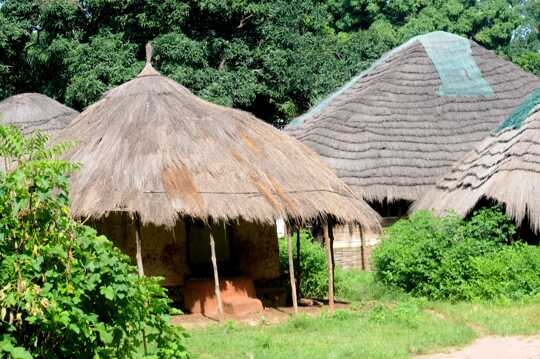
Niumana’s surprise: it’s quieter than you’d expect, even by Guinea-Bissau standards—no touts, no backpacker circus, just the slow pulse of village life. Tucked in the country’s southeast, Niumana is more crossroads than destination, but that’s its charm. The dusty main street smells of woodsmoke and mango; the market’s a patchwork of local chatter, not souvenirs. It’s a practical overnight for those heading deeper into the forests or toward the Corubal River, less scenic than Bafatá but far more relaxed. Transport is basic—shared taxis, sometimes a battered minibus—and you’ll walk everywhere. Social life is local, not hostel-driven; you’ll meet more curious kids than fellow travelers. Costs are low, safety is standard rural West Africa: watch your bag, but expect hospitality.

Discover everything you want to know in the 📖 Guinea-Bissau Travel Guide.


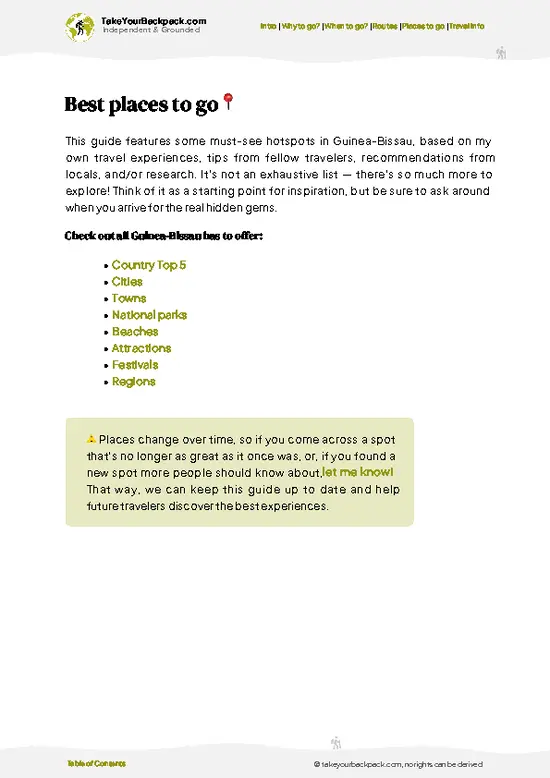
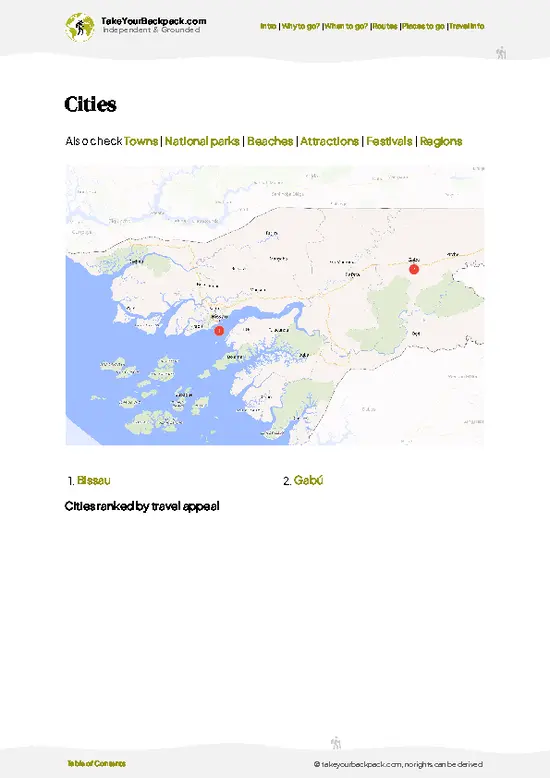
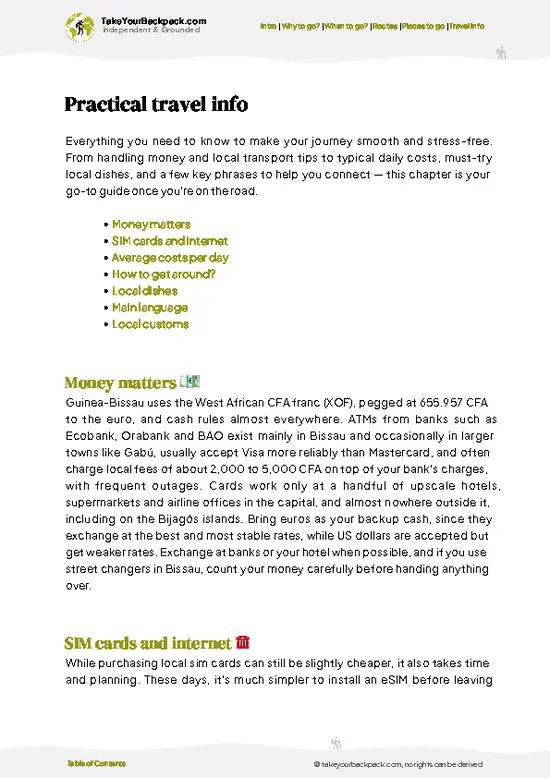
example page 0 from our offline Travel Guide for Guinea-Bissau
example page 1 from our offline Travel Guide for Guinea-Bissau
example page 2 from our offline Travel Guide for Guinea-Bissau
example page 3 from our offline Travel Guide for Guinea-Bissau
example page 4 from our offline Travel Guide for Guinea-Bissau
example page 5 from our offline Travel Guide for Guinea-Bissau
example page 6 from our offline Travel Guide for Guinea-Bissau
example page 7 from our offline Travel Guide for Guinea-Bissau
Loading the map 🌍
CLICK TO FILTER
cities
towns
national parks
beaches
attractions
festivals
regions
SHOW COUNTRY’S BESTSHOW ALL

✨ Why go?
Ranked #99 town in Guinea-Bissau
Why Niumana should be on your travel list

Niumana serves as a gateway for backpackers exploring Guinea-Bissau. Its walkable streets make it easy to navigate, while the small-scale hostels and guesthouses offer a cozy atmosphere that encourages interaction. Here, you can savor local food experiences—think fresh seafood grilled to perfection, with the scent of spices wafting through the air. Many travelers use Niumana as a base for nearby hikes or to access stunning beaches, making it ideal for slow travelers and hikers. The vibe is generally friendly, with a mix of solo adventurers and small groups sharing stories over a meal. Most visitors linger a few days, soaking in the laid-back charm, but it’s also a solid stop for those on a tighter schedule.

💡 HighlightsEssential experiences to have while visiting Niumana

    Nearby visitable highlights you can reach as day trips include the Bijagós Archipelago (island beaches and wildlife), Orango National Park (saltwater hippos and traditional island communities), and the Cacheu River mangrove areas with historic colonial forts and riverine birdlife.
    Spotted a mistake or missing something? Contact us.

    🏘️ NeighborhoodsWhere things are and how it's laid out

    Niumana, a vibrant hub in Guinea-Bissau, offers a unique blend of culture and accessibility for backpackers. Here’s how to navigate its neighborhoods:

    Centro: This is the heart of Niumana. Expect a lively atmosphere with local markets and street vendors. It’s walkable, making it easy to explore on foot. Costs are moderate, and you’ll find budget-friendly eateries. Perfect for short stays, but the nightlife can get noisy.

    Praia de Niumana: If you crave beach vibes, this area is your go-to. The scent of saltwater fills the air, and the sunsets are breathtaking. It’s quieter, ideal for relaxation. Accommodation ranges from budget hostels to mid-range hotels. A bit further from the center, but worth it for a longer stay.

    Alto de Niumana: This neighborhood offers a more local experience. It’s … read more 👉
    Niumana, a vibrant hub in Guinea-Bissau, offers a unique blend of culture and accessibility for backpackers. Here’s how to navigate its neighborhoods:

    Centro: This is the heart of Niumana. Expect a lively atmosphere with local markets and street vendors. It’s walkable, making it easy to explore on foot. Costs are moderate, and you’ll find budget-friendly eateries. Perfect for short stays, but the nightlife can get noisy.

    Praia de Niumana: If you crave beach vibes, this area is your go-to. The scent of saltwater fills the air, and the sunsets are breathtaking. It’s quieter, ideal for relaxation. Accommodation ranges from budget hostels to mid-range hotels. A bit further from the center, but worth it for a longer stay.

    Alto de Niumana: This neighborhood offers a more local experience. It’s less touristy, with friendly faces and authentic cuisine. The walkability is decent, but expect some hills. Costs are lower here, making it suitable for longer stays. Nightlife is minimal, so it’s perfect for those seeking peace.

    Each area has its charm; choose based on your vibe and needs.

    ⌛️ 1 day1-day itinerary for Niumana

    Niumana, a vibrant town in Guinea-Bissau, pulses with life and culture. Its streets are alive with the sounds of laughter and the scent of grilled fish wafting from local stalls. This is a place where the rhythm of daily life unfolds in colorful markets and friendly exchanges.

    Start your morning at the bustling Mercado Municipal. The early sun casts a warm glow on fresh produce and handmade crafts. Engage with the vendors; their stories add depth to the vibrant colors around you. Grab a local breakfast of pão com chouriço, a delicious bread roll stuffed with spicy sausage, and sip on a strong cup of coffee.

    In the afternoon, wander through the historic neighborhood of Bissau Velho. The crumbling colonial architecture tells tales of the past, and the atmosphere is thick with history. Seek … read more 👉
    Niumana, a vibrant town in Guinea-Bissau, pulses with life and culture. Its streets are alive with the sounds of laughter and the scent of grilled fish wafting from local stalls. This is a place where the rhythm of daily life unfolds in colorful markets and friendly exchanges.

    Start your morning at the bustling Mercado Municipal. The early sun casts a warm glow on fresh produce and handmade crafts. Engage with the vendors; their stories add depth to the vibrant colors around you. Grab a local breakfast of pão com chouriço, a delicious bread roll stuffed with spicy sausage, and sip on a strong cup of coffee.

    In the afternoon, wander through the historic neighborhood of Bissau Velho. The crumbling colonial architecture tells tales of the past, and the atmosphere is thick with history. Seek out the lesser-known Museu de Arte, where local artists showcase their work. It’s a small space, but the passion within those walls is palpable.

    As evening approaches, head to the waterfront. The golden light reflects off the water, creating a perfect backdrop for dinner. Choose a local eatery and savor a dish of caldeirada, a hearty fish stew, while listening to the gentle lapping of waves.

    Niumana may not be on every tourist’s radar, but its charm lies in the everyday moments that make you feel like a part of the community. Embrace the experience; it’s the little things that turn a day into a memory.

    🌤️ When to go?Seasonal considerations and timing

    • Weather: The dry season from November to May is your best bet. Expect clear skies and less humidity, making trekking and exploring more comfortable. The rainy season (June to October) brings heavy downpours that can turn trails into mud baths and disrupt plans.
    • Temperature: Daytime highs hover around 28-32°C (82-90°F) in the dry season, with cooler nights dropping to 20-24°C (68-75°F). The wet season feels hotter and stickier, which can sap your energy fast.
    • Daylight Hours: Daylight is fairly consistent year-round, roughly 11 to 12 hours, but the dry season offers clearer mornings and evenings, perfect for early hikes or late strolls without the threat of sudden rain.
    • Crowds: Niumana is off the beaten path, so crowds are minimal year-round. However, the dry season sees a slight uptick
    … read more 👉
    • Weather: The dry season from November to May is your best bet. Expect clear skies and less humidity, making trekking and exploring more comfortable. The rainy season (June to October) brings heavy downpours that can turn trails into mud baths and disrupt plans.
    • Temperature: Daytime highs hover around 28-32°C (82-90°F) in the dry season, with cooler nights dropping to 20-24°C (68-75°F). The wet season feels hotter and stickier, which can sap your energy fast.
    • Daylight Hours: Daylight is fairly consistent year-round, roughly 11 to 12 hours, but the dry season offers clearer mornings and evenings, perfect for early hikes or late strolls without the threat of sudden rain.
    • Crowds: Niumana is off the beaten path, so crowds are minimal year-round. However, the dry season sees a slight uptick in visitors, mostly locals and a handful of adventurous backpackers, which adds a bit of local buzz without overwhelming the vibe.
    • Seasonal Activities: Dry months are prime for fishing, beachcombing, and village visits when paths are accessible. The wet season floods some areas, limiting access but turning the landscape lush and vibrant if you’re up for a wetter adventure.
    • Price Fluctuations: Prices for accommodation and local transport tend to rise slightly during the dry season due to increased demand, but the difference is modest. The wet season offers better bargains but at the cost of comfort and accessibility.
    Pro-tip: Aim for the shoulder months of November or May to catch the tail ends of the dry season—fewer crowds, manageable weather, and better deals.


    source: climatestotravel.comJANJanuary: excellent for travelingFEBFebruary: excellent for travelingMARMarch: excellent for travelingAPRApril: excellent for travelingMAYMay: highly recommended for travelingJUNJune: fair for travelingJULJuly: fair for travelingAUGAugust: fair for travelingSEPSeptember: fair for travelingOCTOctober: fair for travelingNOVNovember: highly recommended for travelingDECDecember: excellent for traveling
    when-to-go

    ✈️ The backpacker research shortcutGuinea-Bissau Travel Guide

    An offline-friendly backpacking guide with optimized travel routes, ranked highlights, transport advice, and the best areas to stay.
    example page 0 from our offline Travel Guide for Guinea-Bissau
    example page 1 from our offline Travel Guide for Guinea-Bissau
    example page 2 from our offline Travel Guide for Guinea-Bissau
    example page 3 from our offline Travel Guide for Guinea-Bissau
    example page 4 from our offline Travel Guide for Guinea-Bissau
    example page 5 from our offline Travel Guide for Guinea-Bissau
    example page 6 from our offline Travel Guide for Guinea-Bissau
    example page 7 from our offline Travel Guide for Guinea-Bissau
    The digital guide (214 pages) contains:
    ✅ 48 highlights, ranked by travel appeal
    ✅ Optimized 2, 3 & 5-day travel routes
    ✅ Cities, national parks, landmarks, beaches
    ✅ How to get around
    ✅ Offline-friendly for travel without Wi-Fi
    👉 Click to see all 30+ guide features

    📅 Plan smarter in minutes, not weeks
    ✅ Month by month travel advice
    ✅ Festivals & national holidays
    ✅ Budget expectations

    🗺️ Go to the right places, skip the overrated ones
    ✅ Honest pros & cons of destinations
    ✅ Top hikes, parks & viewpoints
    ✅ Lesser-known places most travelers miss
    ✅ Clear “worth it vs skip it” guidance

    🛏️ Travel smoothly without rookie mistakes
    ✅ Best areas to stay
    ✅ Transport systems explained simply
    ✅ Common scams & safety advice
    ✅ SIM cards, money & practical tips

    🌍 Understand the country, not just visit it
    ✅ Culture & traditions
    ✅ 52 Essential phrases & customs
    ✅ Festivals worth planning around
    ✅ Traveler-friendly historical context
    ✅ Insights that make places more meaningful

    📱 Built for real travel conditions
    ✅ Fully downloadable PDF
    ✅ Works completely offline
    ✅ Optimized for phone use
    ✅ Useful in remote areas & buses
    ✅ Everything in one place
    Stop searching, start planning
    Get instant access to your full guide. 30‑day money-back guarantee.
    + Add another guide for just

    By proceeding you agree to our terms.
    Sent to your inbox immediately after payment • 100% Secure Checkout
    Best Backpacking Travel Advisor 2025 tourism awardBest Backpacking
    Travel Advisor
    2025
    What others say about Take Your Backpack Guides:
    ⭐⭐⭐⭐⭐
    Fantastic, amazing amount of information!
    ⭐⭐⭐⭐⭐
    My goodness this is amazing, it's what I've been looking for hats off too you!
    ⭐⭐⭐⭐⭐
    I think this is absolutely BRILLIANT
    ⭐⭐⭐⭐
    Very complete and informative. It's still missing places, but I gotta to commend you
    ⭐⭐⭐⭐⭐
    This is truly amazing, thank you, can't wait to explore it with my kids!
    ⭐⭐⭐⭐⭐
    Awesome resource, thank you!
    ⭐⭐⭐⭐⭐
    This is amazing! Can't wait to explore the ones I haven't seen
    ⭐⭐⭐⭐
    I love this! Well done, great idea.
    ⭐⭐⭐⭐⭐
    Thanks for taking the time to make this gem!
    ⭐⭐⭐⭐⭐
    This might be the best website I've ever seen.
    ⭐⭐⭐⭐⭐
    Congratulations, and thank you so much for your work; it's incredibly valuable.
    ⭐⭐⭐⭐
    In all seriousness I think you did a great job pointing out the important spots
    ⭐⭐⭐⭐⭐
    10/10 very good
    ⭐⭐⭐⭐⭐
    As someone who's only just starting to visit regularly this is awesome, thank you.
    ⭐⭐⭐⭐
    Thank you very much! I'm going to visit my dad, it's going to be very useful!
    ⭐⭐⭐⭐⭐
    This is really cool! We'll be travelling for the first time and this definitely come in handy.
    ⭐⭐⭐⭐⭐
    You are now our minister of culture, congratulations 👨‍💼
    ⭐⭐⭐⭐⭐
    Just wanted to tell you that this is a pearl! Going to follow your recommendations.
    ⭐⭐⭐⭐⭐
    This is so cool. I'll definitely be using the resource for my travels soon.
    ⭐⭐⭐⭐⭐
    This is very impressive! Good work.
    ⭐⭐⭐⭐⭐
    This is an amazing and informative site. Very well done!

    🛏️ Where to stay?How to pick the right area

    In Niumana, the best spot for backpackers is the central district near the market and waterfront. This area hums with local life—the scent of grilled fish mingles with salty sea air, and the light shifts as fishermen haul in their catch. It’s where budget travelers find hostels clustered, offering a social vibe that’s both lively and safe. Staying here means easy access to street food stalls and impromptu music sessions, making it simple to connect with fellow travelers and locals alike. Other neighborhoods tend to feel quieter or less secure after dark, so this central hub balances energy and … read more 👉
    In Niumana, the best spot for backpackers is the central district near the market and waterfront. This area hums with local life—the scent of grilled fish mingles with salty sea air, and the light shifts as fishermen haul in their catch. It’s where budget travelers find hostels clustered, offering a social vibe that’s both lively and safe. Staying here means easy access to street food stalls and impromptu music sessions, making it simple to connect with fellow travelers and locals alike. Other neighborhoods tend to feel quieter or less secure after dark, so this central hub balances energy and comfort, turning the city’s pulse into your own rhythm.

    🚌 Getting aroundHow to get around Niumana

    Niumana moves at its own rhythm—neither frantic nor sluggish, but a steady pulse that matches the salty breeze and the occasional call of a street vendor. The town’s flow is less about strict timetables and more about reading the moment: a bus might leave when it’s full, a boat might wait for the tide, and the streets invite you to slow down and take in the scent of grilled fish mingling with sea air. This isn’t a place where you race against the clock; it’s where you learn to sync with the local tempo, turning transit into part of the experience rather than a chore.
    • Walking: The best way to absorb Niumana’s character, especially around the waterfront and market areas. Most spots are within a 20-minute stroll, letting you catch the texture of cracked pavement, the chatter of locals, and the
    … read more 👉
    Niumana moves at its own rhythm—neither frantic nor sluggish, but a steady pulse that matches the salty breeze and the occasional call of a street vendor. The town’s flow is less about strict timetables and more about reading the moment: a bus might leave when it’s full, a boat might wait for the tide, and the streets invite you to slow down and take in the scent of grilled fish mingling with sea air. This isn’t a place where you race against the clock; it’s where you learn to sync with the local tempo, turning transit into part of the experience rather than a chore.
    • Walking: The best way to absorb Niumana’s character, especially around the waterfront and market areas. Most spots are within a 20-minute stroll, letting you catch the texture of cracked pavement, the chatter of locals, and the occasional burst of tropical flowers.
    • Local Bus: Runs roughly from 6:30 AM to 7 PM, fares hover around $0.50. Buses leave when full, so expect some waiting but enjoy the open windows and the breeze. It’s slow but reliable for budget travelers heading to nearby neighborhoods.
    • Shared Taxis: These minibuses operate on flexible routes, departing once full. Expect to pay about $1.50 per ride. They’re faster than buses but less predictable—perfect if you want to save time without breaking the bank.
    • Motorbike Rentals: Available from local shops for about $15 per day. Ideal if you want freedom to explore beyond town limits, but be ready for uneven roads and sudden weather shifts.
    • Boat Shuttles: Depart from the main dock around 8 AM and 3 PM, costing $3.50 one-way. They’re the smoothest way to reach nearby islands or coastal spots, with the salt spray and horizon views making the trip part of the adventure.

    👛 Costs (as of 16 October 2026)How expensive it really is

    Backpacking in Niumana, Guinea-Bissau, demands a practical budget that reflects its remote, off-the-beaten-path nature, where infrastructure is basic but the experience is raw and authentic.
    • Dorm Accommodation: Expect simple guesthouses or basic hostels with shared rooms. Prices hover around €5 to €10 per night. These places often lack modern amenities, but the trade-off is a chance to soak in local rhythms and the scent of the Atlantic breeze mingling with earth and salt.
    • Meals: Local eateries serve fresh, straightforward dishes—think grilled fish, rice, and beans—priced between €2 and €5 per meal. Street food is even cheaper, but be mindful of hygiene. The flavors are modest but honest, with smoky charcoal and coastal spices filling the air.
    • Local Transport: Transport options are limited
    … read more 👉
    Backpacking in Niumana, Guinea-Bissau, demands a practical budget that reflects its remote, off-the-beaten-path nature, where infrastructure is basic but the experience is raw and authentic.
    • Dorm Accommodation: Expect simple guesthouses or basic hostels with shared rooms. Prices hover around €5 to €10 per night. These places often lack modern amenities, but the trade-off is a chance to soak in local rhythms and the scent of the Atlantic breeze mingling with earth and salt.
    • Meals: Local eateries serve fresh, straightforward dishes—think grilled fish, rice, and beans—priced between €2 and €5 per meal. Street food is even cheaper, but be mindful of hygiene. The flavors are modest but honest, with smoky charcoal and coastal spices filling the air.
    • Local Transport: Transport options are limited and informal. Shared taxis or bush taxis cost around €1 to €3 for short trips within or near town. The roads are often rough, so travel can be slow, but it’s part of the rhythm here—dusty, bumpy, and real.
    • Basic Activities/Entry Fees: Most local attractions, like beaches or village visits, have no formal entry fees. If you hire a local guide for cultural tours or fishing trips, expect to pay around €5 to €10. This supports the community directly and enriches your experience with stories and context.
    • Miscellaneous Expenses: Budget a small amount (€1 to €3) for essentials like bottled water, snacks, or phone credit. Electricity can be sporadic, so charging devices might require a small fee at guesthouses or local shops.

    Altogether, a realistic daily budget for backpacking in Niumana falls between €15 and €30. This range balances basic comfort with authentic immersion, letting you navigate the town’s simplicity without surprises, while soaking in the raw coastal atmosphere that makes the effort worthwhile.
    ⚠️ Prices can change and everyone travels differently, so take this as a rough guide. Hope it helps you plan your adventure!

    🚌 Day tripsExploring the surroundings

    Niumana, Guinea-Bissau, is a fantastic launchpad for day trips that blend adventure with cultural immersion. The vibrant atmosphere of the town sets the stage for unforgettable experiences just a short journey away.

    Bijagós Archipelago
    Hop on a local boat and feel the salty breeze as you head to the Bijagós Archipelago. This stunning cluster of islands is a paradise for nature lovers and those seeking tranquility. Expect to spend around 30 minutes on the water, and for about $20, you’ll get a round-trip ticket. The best time to visit is during the dry season, from November to April, when the waters are calm and the sun shines bright. A common mistake? Underestimating the time to explore; plan to spend the whole day soaking in the pristine beaches and unique wildlife.
    👉 Explore Bijagós Archipelago
    … read more 👉
    Niumana, Guinea-Bissau, is a fantastic launchpad for day trips that blend adventure with cultural immersion. The vibrant atmosphere of the town sets the stage for unforgettable experiences just a short journey away.

    Bijagós Archipelago
    Hop on a local boat and feel the salty breeze as you head to the Bijagós Archipelago. This stunning cluster of islands is a paradise for nature lovers and those seeking tranquility. Expect to spend around 30 minutes on the water, and for about $20, you’ll get a round-trip ticket. The best time to visit is during the dry season, from November to April, when the waters are calm and the sun shines bright. A common mistake? Underestimating the time to explore; plan to spend the whole day soaking in the pristine beaches and unique wildlife.
    👉 Explore Bijagós Archipelago

    Cacheu River
    A trip to the Cacheu River offers a glimpse into the region’s history and natural beauty. It’s about an hour’s drive from Niumana, costing around $10 for transport. The river is lined with mangroves, and you can spot colorful birds and maybe even a crocodile or two. The best time to go is early morning when the light dances on the water, creating a magical atmosphere. Many first-timers miss the chance to take a guided canoe tour, which provides deeper insights into the ecosystem and local culture.


    Orango Island
    Orango Island is a cultural treasure, home to the Bijagó people. It takes about 45 minutes by boat to reach, and for around $25, you can enjoy a day filled with local traditions and stunning landscapes. The dry season is ideal for visiting, as the island’s vibrant life flourishes. Don’t make the rookie mistake of sticking to the main village; venture out to explore the lesser-known beaches and interact with locals for a richer experience.

    🛡️ SafetyTraveler Safety Guide

    Niumana is generally safe, but a few practical tips can enhance your experience. Stay aware in crowded markets; pickpockets can be a nuisance. When wandering solo, especially after dark, stick to well-lit areas and avoid empty streets. The locals are friendly, but some may try to sell you overpriced goods or services. A firm but polite “no, thank you” usually does the trick.

    Carry small bills for purchases; it simplifies transactions and reduces the chance of being shortchanged. Trust your instincts—if something feels off, it probably is. Embrace the local vibe, and you’ll find that the little annoyances are just part of the adventure.

    FAQFrequently asked questions about Niumana

    Niumana is primarily a stopover rather than a major destination. It offers limited tourist attractions but provides a glimpse of local life and access to nearby natural areas. Most travelers pass through on their way to more prominent sites in Guinea-Bissau.
    One day is generally sufficient to explore Niumana. This allows time to visit the local market, interact with residents, and enjoy the surrounding nature without rushing. Staying longer is usually unnecessary unless you have specific interests in the area.
    Yes, Niumana can be visited as a day trip from Bissau, the capital city, which is about 50 kilometers away. The journey takes around 1.5 to 2 hours by road, making it feasible for a day excursion. Transport options include shared taxis or private vehicles.
    ⚠️ Things can change over time, so always validate details locally before you go.

    Other Bissau-Guinean towns near Niumana

    Explore more nearby:

    • Bafatá—old Portuguese quarter, Geba River, faded architecture
    • Bolama—island capital, crumbling mansions, tidal flats
    • Cacheu—fortress ruins, mangrove estuary, riverfront promenade

    💡 Not sure where to go next?
    Create a personalized itinerary for Guinea-Bissau including Niumana and the places that fit your trip.

    Generate my itinerary

    👉 Discover all towns

    Or checkout all Guinea-Bissau has to offer (think cities, towns, villages, national parks, hikes, beaches, festivals)
    Country photo of Guinea-Bissau

    We 💚 feedbackKey takeaways before you go

    Niumana is raw and real. The air hums with the scent of salt and earth, and the locals’ laughter dances on the breeze. Expect surprises—like the vibrant market bursting with colors and flavors. Just be ready for the heat; hydration is key. Embrace the sweat; it’s part of the experience. You’ll leave with stories that linger long after.

    ✍️ Help improve this page!
    The information on this page is based on in-depth research, insights shared by experienced travelers, and feedback from the local travel community in Guinea-Bissau. While every effort is made to keep the information accurate and current, conditions can change — so if you spot anything incorrect or outdated, please get in touch.


    🙋‍♂️ Give feedback

    👋 Meet the founderWho’s Behind Take Your Backpack?

    Johan, backpacker and founder of TakeYourBackpackHi, I’m Johan (Netherlands 🇳🇱), the creator of TakeYourBackpack. Over the past 3 decades, I’ve backpacked through 90+ countries across six continents, gaining extensive experience with independent travel, long-term trips, and overland routes.

    This site is built on a combination of firsthand travel experience and carefully curated insights from other backpackers. Many guides are based on places I’ve personally visited, while others bring together tips, observations, and practical advice shared by trusted travelers I’ve met along the way.

    The goal is to provide realistic, experience-driven guidance — not generic itineraries — so you can explore destinations with better context, clearer expectations, and more confidence.