×

Guinea🇬🇳 | townsDalabacolonial villas, cool climate, pine groves | things to do and best time to go

Explore Fouta DjallonExplore Kouroussa

Backpacking in Dalaba
🏆 Top picktown ranked #1
By Johan Kruseman 🇳🇱 | Updated June 10, 2026

Dalaba is not for anyone craving nightlife, polished tourist infrastructure, or a parade of must-see monuments. But if you’re the kind of backpacker who finds value in slow mornings, mountain air that smells like rain-soaked earth, and the quiet rhythm of a town that hasn’t bent itself to tourism, Dalaba is a rare reward. Perched in Guinea’s Fouta Djallon highlands, it’s a cool, pine-shaded outpost where the light feels softer and the pace is dictated by the weather, not a guidebook.

Dalaba works best as a base for exploring the region’s waterfalls and hiking trails—think misty walks to Chutes de Ditinn or afternoons spent tracing the old colonial gardens. The town itself is compact and walkable, with a handful of simple guesthouses and a market that’s more practical than picturesque. Don’t expect a backpacker scene; evenings are quiet, and you’ll likely swap stories with locals over sweet tea rather than other travelers. Transport is functional but not fast—shared taxis from Mamou or Pita, bumpy but doable. Costs are low, safety is solid, and compared to busier towns like Labé, Dalaba feels gentler, more scenic, and refreshingly unhurried.

Discover everything you want to know in the 📖 Guinea Travel Guide.


Get your Guinea guide
67 ranked highlights, routes & tips, works offline (282 pages)
Loading the map 🌍
CLICK TO FILTER
cities
towns
landmarks
national parks
hikes
beaches
attractions
festivals
regions
SHOW COUNTRY’S BESTSHOW ALL

✨ Why go?
Ranked #1 town in Guinea
What makes it a must-see town

Dalaba is a backpacker’s waypoint in Guinea, perfectly positioned for those seeking both adventure and cultural immersion. Nestled in the Fouta Djallon region, it serves as a launchpad for hikes into lush, rolling hills and nearby waterfalls. The air is crisp, filled with the scent of pine and earth after rain, inviting you to explore.

Accommodations here are small-scale and welcoming, with guesthouses that feel like home. You’ll find friendly locals eager to share stories over a bowl of fufu or a plate of grilled fish, making meals a communal experience. The streets are walkable, lined with vibrant markets where you can pick up handmade crafts or fresh produce, adding to the town’s charm.

Travelers often linger a few days, soaking in the relaxed vibe. It’s a place for slow travelers and … read more 👉
Dalaba is a backpacker’s waypoint in Guinea, perfectly positioned for those seeking both adventure and cultural immersion. Nestled in the Fouta Djallon region, it serves as a launchpad for hikes into lush, rolling hills and nearby waterfalls. The air is crisp, filled with the scent of pine and earth after rain, inviting you to explore.

Accommodations here are small-scale and welcoming, with guesthouses that feel like home. You’ll find friendly locals eager to share stories over a bowl of fufu or a plate of grilled fish, making meals a communal experience. The streets are walkable, lined with vibrant markets where you can pick up handmade crafts or fresh produce, adding to the town’s charm.

Travelers often linger a few days, soaking in the relaxed vibe. It’s a place for slow travelers and solo adventurers who appreciate a quieter atmosphere. While nightlife isn’t the main draw, the social scene is warm and inviting, perfect for connecting with fellow backpackers. If you’re looking for a base to recharge and explore the natural beauty of Guinea, Dalaba is a solid choice.
Want to include Dalaba in your Guinea route?
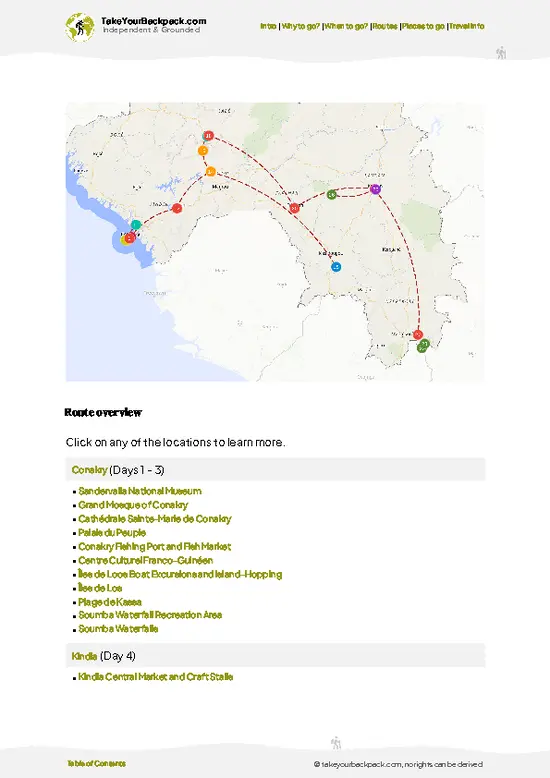
Create a personalized Guinea itinerary that includes Dalaba and the places that fit your trip — based on your travel style, budget, and available time. Get your route in seconds.

Generate my trip

💡 HighlightsKey sights and experiences for travelers

  • Marché central de Dalaba (Central Market) — The best place to feel the town’s pulse: rows of vegetables, spices, woven cloth, and Peul traders. Great for people-watching, cheap snacks, and picking up locally dyed fabrics or jars of honey.
  • Grande Mosquée de Dalaba (Central Mosque) — An active, social hub where the call to prayer threads through daily life. Visiting the exterior courtyard and watching community rhythms gives a clear sense of local culture (ask politely before photographing people).
  • Mission catholique et église de Dalaba — A long-standing mission compound with a chapel and gardens; historically important in the town’s education and health services. Quiet, photogenic grounds and a good spot to talk to long-term residents about Dalaba’s recent past.
  • Colonial-era villas and
read more 👉
  • Marché central de Dalaba (Central Market) — The best place to feel the town’s pulse: rows of vegetables, spices, woven cloth, and Peul traders. Great for people-watching, cheap snacks, and picking up locally dyed fabrics or jars of honey.
  • Grande Mosquée de Dalaba (Central Mosque) — An active, social hub where the call to prayer threads through daily life. Visiting the exterior courtyard and watching community rhythms gives a clear sense of local culture (ask politely before photographing people).
  • Mission catholique et église de Dalaba — A long-standing mission compound with a chapel and gardens; historically important in the town’s education and health services. Quiet, photogenic grounds and a good spot to talk to long-term residents about Dalaba’s recent past.
  • Colonial-era villas and the old governor’s residence — Dalaba was a French hill-station; strolling the streets near the center reveals faded colonial houses, shuttered porches and neat gardens. It’s low-key history that’s best experienced on foot with a guide or curious local.
  • Belvédère / ridge viewpoint above town — A short, steep walk from the center leads to panoramic views over the Fouta Djallon valleys. Sunrise or late afternoon light is beautiful; you’ll see shepherds, patchwork fields and the town laid out below.
  • Marché aux bestiaux (Livestock market) — If you’re around on market day, this is where the economic and social life of the Peul community comes alive: cattle, transport bargains, and lively bargaining. No polished tour—just raw local commerce and culture.
  • Women’s artisan cooperative and embroidery workshops — Small groups of women in town keep traditional Peul embroidery, weaving and dyeing alive. Visiting a cooperative supports local incomes and lets you watch (and buy) handmade textiles you won’t find in big shops.
  • Maison des Jeunes / community cultural center — The local youth/cultural space where dance, music and occasional film nights happen. Shows you contemporary Dalaba—young people maintaining traditions and trying new things. Check the noticeboard for events.
  • Town square and tea stalls — The modest central square is where life slows down: elders on benches, guys swapping news over tea, children playing. It’s simple, but sitting with a gourd of tea is the easiest way to meet locals and get travel tips.
  • Short walking trails and nearby crater lakes inside town limits — There are several short footpaths from the town center that lead to small lakes, streams and cultivated terraces right on Dalaba’s edge. These are quiet, easy walks that show the landscapes that sustain the town—good for a half-day wandering.
Nearby day-trip highlights include hikes into the wider Fouta Djallon hills, visits to nearby Fulani villages and small waterfalls, and the regional market towns of Pita and Mamou.
Spotted a mistake or missing something? Contact us.
🏘️ NeighborhoodsKey areas and districts to know

Dalaba, a charming town in Guinea, offers a unique blend of culture and nature, making it a rewarding stop for backpackers. Here’s how to navigate its neighborhoods for the best experience.

Centre Ville
This is the heart of Dalaba. The vibe is lively, with local markets and street vendors filling the air with the scent of grilled meats and spices. It’s walkable, with most amenities within a short stroll. Costs are moderate; you can find budget accommodations and affordable eateries. Nightlife is low-key, perfect for unwinding after a day of exploration. Ideal for short stays, you can easily soak in the local culture here.

Quartier Kouloun
A bit quieter, this area is where you’ll find a more residential feel. The atmosphere is relaxed, with friendly locals and fewer tourists. It’s a great … read more 👉
Dalaba, a charming town in Guinea, offers a unique blend of culture and nature, making it a rewarding stop for backpackers. Here’s how to navigate its neighborhoods for the best experience.

Centre Ville
This is the heart of Dalaba. The vibe is lively, with local markets and street vendors filling the air with the scent of grilled meats and spices. It’s walkable, with most amenities within a short stroll. Costs are moderate; you can find budget accommodations and affordable eateries. Nightlife is low-key, perfect for unwinding after a day of exploration. Ideal for short stays, you can easily soak in the local culture here.

Quartier Kouloun
A bit quieter, this area is where you’ll find a more residential feel. The atmosphere is relaxed, with friendly locals and fewer tourists. It’s a great spot for longer stays, as you can immerse yourself in daily life. While walkability is decent, having a bike or using local transport can enhance your experience. Costs are lower than in Centre Ville, making it budget-friendly.

Monts Nimba
For those seeking adventure, this neighborhood is your gateway to nature. The trails and stunning views are a draw, but be prepared for a bit of a trek to get there. It’s less developed, so accommodations may be basic, but the experience is worth it. This area is perfect for longer stays if you’re looking to hike and explore the surrounding landscapes. Transport options are limited, so plan ahead.

Each area in Dalaba has its own charm and character, ensuring you find the right fit for your backpacking journey.

⌛️ 1 dayHow to make the most of one day

Dalaba, Guinea, is a charming town perched in the Fouta Djallon region, known for its lush landscapes and vibrant culture. The air here carries a mix of earthy scents and the sweet aroma of local fruits, inviting you to explore its hidden corners. This is a place where the rhythm of life slows down, and the warmth of the people makes you feel right at home.

Start your morning with a stroll through the bustling market in the heart of town. The sun filters through the trees, casting dappled light on colorful stalls brimming with fresh produce and handcrafted goods. Engage with local vendors; their laughter and stories are as rich as the spices they sell. Grab a few bananas or a handful of peanuts to fuel your day.

After soaking in the market’s energy, head towards the nearby Mount Dore. The … read more 👉
Dalaba, Guinea, is a charming town perched in the Fouta Djallon region, known for its lush landscapes and vibrant culture. The air here carries a mix of earthy scents and the sweet aroma of local fruits, inviting you to explore its hidden corners. This is a place where the rhythm of life slows down, and the warmth of the people makes you feel right at home.

Start your morning with a stroll through the bustling market in the heart of town. The sun filters through the trees, casting dappled light on colorful stalls brimming with fresh produce and handcrafted goods. Engage with local vendors; their laughter and stories are as rich as the spices they sell. Grab a few bananas or a handful of peanuts to fuel your day.

After soaking in the market’s energy, head towards the nearby Mount Dore. The hike is steep but rewarding, offering panoramic views of the rolling hills and valleys below. The cool breeze and the sound of rustling leaves create a serene backdrop. Take your time; this isn’t just a workout, it’s a moment to connect with nature.

In the afternoon, visit the lesser-known village of Tindin, just a short drive from Dalaba. Here, you’ll find traditional mud-brick homes and friendly locals eager to share their way of life. Participate in a weaving workshop if you can; the intricate patterns tell stories of the community’s heritage.

As the sun begins to set, return to Dalaba and unwind at a local eatery. Try the fufu with groundnut sauce, a comforting dish that embodies the region’s flavors. The atmosphere is lively, with laughter and music filling the air.

End your day by wandering through the quiet streets, where the soft glow of lanterns illuminates the path. The stars above seem to twinkle just for you, a perfect conclusion to a day well spent in this hidden corner of Guinea.
Turn your Dalaba visit into an Guinea adventure
Build a complete Guinea route with Dalaba, hidden gems, must-see destinations, and realistic travel times included.

Generate my trip

🌤️ When to go?When to go for the best experience


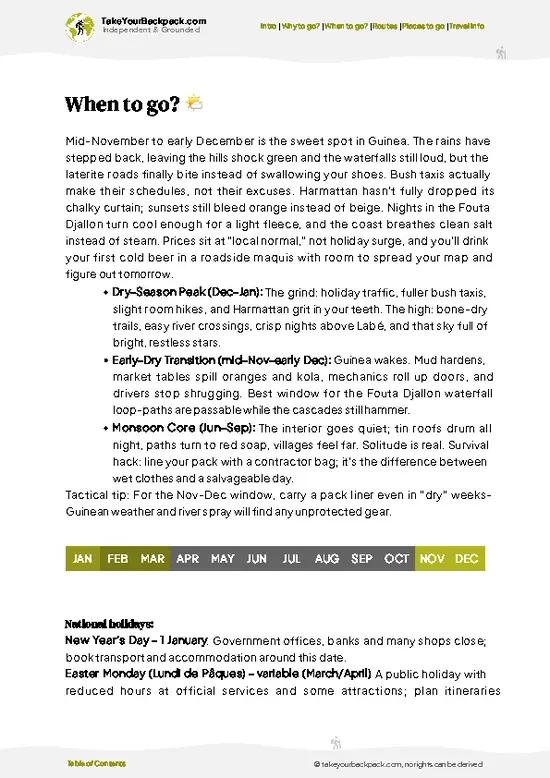
  • Weather: Dalaba’s highland climate means cooler temperatures year-round, but the rainy season from June to September can turn trails into slippery mudslides and obscure views with thick mist. For clear skies and dry paths, aim for October to May.

  • Temperature: Expect daytime highs around 22-26°C (72-79°F) during the dry season, perfect for hiking without overheating. Nights can dip to 12°C (54°F), so pack layers. The rainy season feels cooler and damper, often hovering near 18°C (64°F).

  • Daylight Hours: Near the equator, daylight stays steady—about 12 hours year-round. This consistency lets you plan full days of trekking without worrying about early sunsets.

  • Crowds: Dalaba isn’t a tourist hotspot, but the dry season draws more local visitors and weekend hikers. If you want solitude,
read more 👉

  • Weather: Dalaba’s highland climate means cooler temperatures year-round, but the rainy season from June to September can turn trails into slippery mudslides and obscure views with thick mist. For clear skies and dry paths, aim for October to May.

  • Temperature: Expect daytime highs around 22-26°C (72-79°F) during the dry season, perfect for hiking without overheating. Nights can dip to 12°C (54°F), so pack layers. The rainy season feels cooler and damper, often hovering near 18°C (64°F).

  • Daylight Hours: Near the equator, daylight stays steady—about 12 hours year-round. This consistency lets you plan full days of trekking without worrying about early sunsets.

  • Crowds: Dalaba isn’t a tourist hotspot, but the dry season draws more local visitors and weekend hikers. If you want solitude, weekdays during the shoulder months (April-May or October-November) offer quiet trails.

  • Seasonal Activities: The dry season is prime for exploring the lush Fouta Djallon landscapes and local markets. The rainy season brings vibrant greenery but limits outdoor activities and can disrupt transport.

  • Price Fluctuations: Accommodation and transport prices rise slightly during the dry season’s peak months due to demand. The rainy season offers better deals but at the cost of comfort and accessibility.


Pro-tip: Visit Dalaba just after the rains, when the air is crisp, the hills are lush, and the trails are firm—this window balances weather, crowd size, and cost for a truly immersive experience.


source: climatestotravel.comJANJanuary: excellent for travelingFEBFebruary: excellent for travelingMARMarch: excellent for travelingAPRApril: highly recommended for travelingMAYMay: highly recommended for travelingJUNJune: fair for travelingJULJuly: below average for travelingAUGAugust: below average for travelingSEPSeptember: fair for travelingOCTOctober: highly recommended for travelingNOVNovember: highly recommended for travelingDECDecember: excellent for traveling
when-to-go

✈️ The backpacker research shortcutGuinea Travel Guide

An offline-friendly backpacking guide with optimized travel routes, ranked highlights, transport advice, and the best areas to stay.
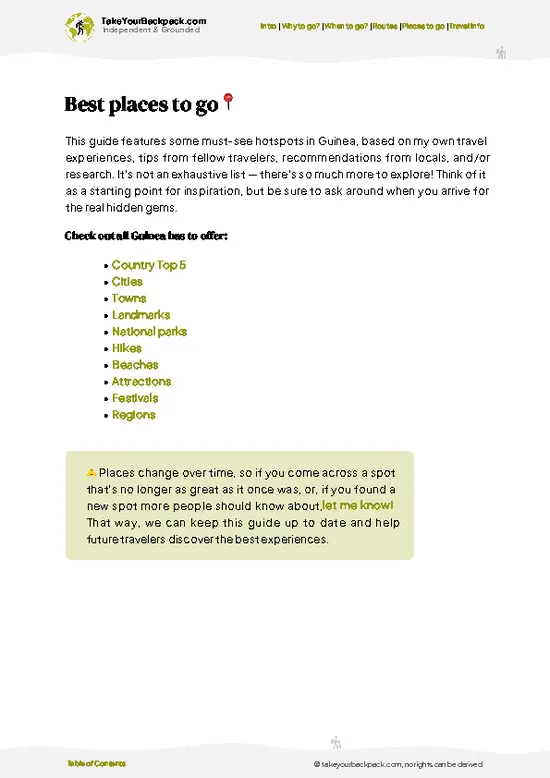
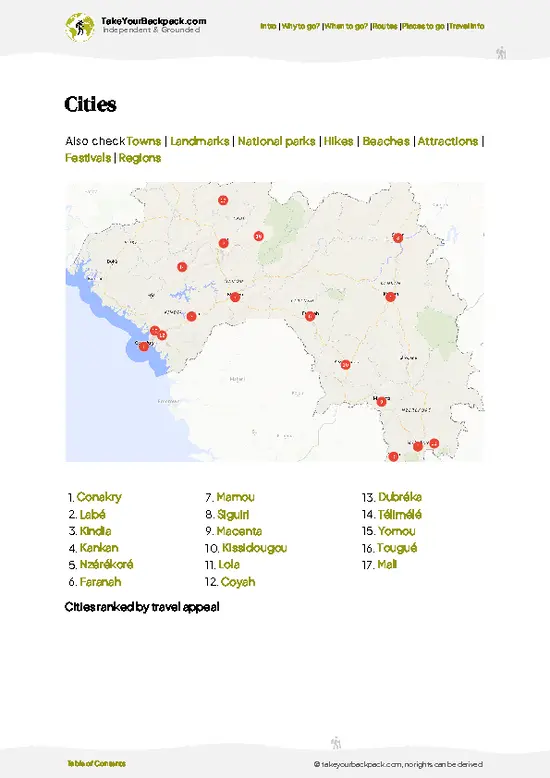
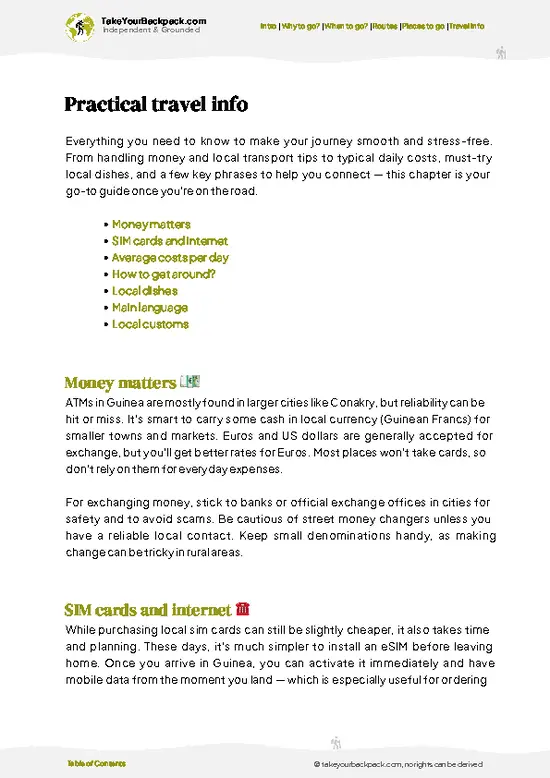
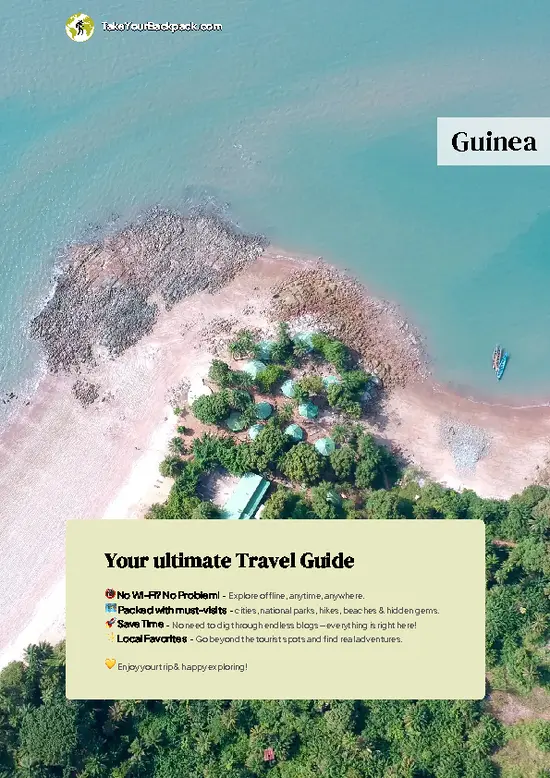
example page 0 from our offline Travel Guide for Guinea
example page 1 from our offline Travel Guide for Guinea
example page 2 from our offline Travel Guide for Guinea
example page 3 from our offline Travel Guide for Guinea
example page 4 from our offline Travel Guide for Guinea
example page 5 from our offline Travel Guide for Guinea
example page 6 from our offline Travel Guide for Guinea
example page 7 from our offline Travel Guide for Guinea
The digital guide (282 pages) contains:
67 highlights, ranked by travel appeal
Optimized 5, 10 & 15-day travel routes
Cities, national parks, landmarks, beaches
How to get around
Offline-friendly for travel without Wi-Fi
👉 Click to see all 30+ guide features

📅 Plan smarter in minutes, not weeks
Month by month travel advice
Festivals & national holidays
Budget expectations

🗺️ Go to the right places, skip the overrated ones
Honest pros & cons of destinations
Top hikes, parks & viewpoints
Lesser-known places most travelers miss
Clear “worth it vs skip it” guidance

🛏️ Travel smoothly without rookie mistakes
Best areas to stay
Transport systems explained simply
Common scams & safety advice
SIM cards, money & practical tips

🌍 Understand the country, not just visit it
Culture & traditions
52 Essential phrases & customs
Festivals worth planning around
Traveler-friendly historical context
Insights that make places more meaningful

📱 Built for real travel conditions
Fully downloadable PDF
Works completely offline
Optimized for phone use
Useful in remote areas & buses
Everything in one place
Save weeks of stressful planning
Get instant access to your full guide. 30‑day money-back guarantee.


By proceeding you agree to our terms.
Sent to your inbox immediately after payment • 100% Secure Checkout
Best Backpacking Travel Advisor 2025 tourism awardBest Backpacking
Travel Advisor
2025
What others say about Take Your Backpack Guides:
⭐⭐⭐⭐⭐
Fantastic, amazing amount of information!
⭐⭐⭐⭐⭐
My goodness this is amazing, it's what I've been looking for hats off too you!
⭐⭐⭐⭐⭐
I think this is absolutely BRILLIANT
⭐⭐⭐⭐
Very complete and informative. It's still missing places, but I gotta to commend you
⭐⭐⭐⭐⭐
This is truly amazing, thank you, can't wait to explore it with my kids!
⭐⭐⭐⭐⭐
Awesome resource, thank you!
⭐⭐⭐⭐⭐
This is amazing! Can't wait to explore the ones I haven't seen
⭐⭐⭐⭐
I love this! Well done, great idea.
⭐⭐⭐⭐⭐
Thanks for taking the time to make this gem!
⭐⭐⭐⭐⭐
This might be the best website I've ever seen.
⭐⭐⭐⭐⭐
Congratulations, and thank you so much for your work; it's incredibly valuable.
⭐⭐⭐⭐
In all seriousness I think you did a great job pointing out the important spots
⭐⭐⭐⭐⭐
10/10 very good
⭐⭐⭐⭐⭐
As someone who's only just starting to visit regularly this is awesome, thank you.
⭐⭐⭐⭐
Thank you very much! I'm going to visit my dad, it's going to be very useful!
⭐⭐⭐⭐⭐
This is really cool! We'll be travelling for the first time and this definitely come in handy.
⭐⭐⭐⭐⭐
You are now our minister of culture, congratulations 👨‍💼
⭐⭐⭐⭐⭐
Just wanted to tell you that this is a pearl! Going to follow your recommendations.
⭐⭐⭐⭐⭐
This is so cool. I'll definitely be using the resource for my travels soon.
⭐⭐⭐⭐⭐
This is very impressive! Good work.
⭐⭐⭐⭐⭐
This is an amazing and informative site. Very well done!

🛏️ Where to stay?Where staying makes the most sense

Dalaba’s charm lies in its cool mountain air and the slow rhythm of daily life, but where you drop your pack makes all the difference. For backpackers, the heart of the town—around the central market and main square—is your best bet. This area hums with local energy, where vendors shout over the scent of fresh spices and the clatter of wooden carts. It’s safe, well-trodden by travelers, and offers the social pulse you want when you’re solo. You’ll find small guesthouses and a handful of hostels here, modest but clean, often run by locals who know the ins and outs of the town.

Staying here means … read more 👉
Dalaba’s charm lies in its cool mountain air and the slow rhythm of daily life, but where you drop your pack makes all the difference. For backpackers, the heart of the town—around the central market and main square—is your best bet. This area hums with local energy, where vendors shout over the scent of fresh spices and the clatter of wooden carts. It’s safe, well-trodden by travelers, and offers the social pulse you want when you’re solo. You’ll find small guesthouses and a handful of hostels here, modest but clean, often run by locals who know the ins and outs of the town.

Staying here means you’re steps from the pulse of Dalaba’s daily life—morning markets bursting with fresh produce, afternoon tea spots where you can swap stories with other travelers, and evening walks under a sky so clear it feels like you can reach out and touch the stars.

Venture too far out, and you lose that connection. The outskirts are quieter, yes, but also less secure and isolated, with fewer fellow backpackers to share tips or a meal. Plus, the lack of easy access to the market and social hubs means you’ll spend more on transport and miss out on the spontaneous moments that make Dalaba stick in your memory. Stick close to the center, and you get the best mix of safety, social buzz, and budget-friendly options—exactly what you want when you’re backpacking through Guinea’s highlands.

🚌 Getting aroundTransportation options and practical tips

Dalaba moves at its own rhythm—less a strict timetable and more a pulse you catch by tuning in. The mornings start with a soft haze, the air thick with the scent of damp earth and fresh coffee from roadside stalls. Locals drift through the market square with a calm urgency, but don’t expect clocks to dictate your pace here. Instead, the town flows on intuition and familiarity, where a bus might leave when it’s full, not when the hour strikes. This isn’t a place for rigid schedules; it’s a place to read the signs—the chatter, the shifting light, the slow gathering of people—and move with the natural cadence of daily life. For a budget traveler, understanding this flow is your ticket to a smoother ride.


  • Walking: Dalaba’s compact center is best explored on foot. The air carries a cool, misty
read more 👉
Dalaba moves at its own rhythm—less a strict timetable and more a pulse you catch by tuning in. The mornings start with a soft haze, the air thick with the scent of damp earth and fresh coffee from roadside stalls. Locals drift through the market square with a calm urgency, but don’t expect clocks to dictate your pace here. Instead, the town flows on intuition and familiarity, where a bus might leave when it’s full, not when the hour strikes. This isn’t a place for rigid schedules; it’s a place to read the signs—the chatter, the shifting light, the slow gathering of people—and move with the natural cadence of daily life. For a budget traveler, understanding this flow is your ticket to a smoother ride.


  • Walking: Dalaba’s compact center is best explored on foot. The air carries a cool, misty freshness, especially in the early hours, making walking not just practical but a sensory delight. Most guesthouses, markets, and eateries are within a 20-minute stroll, so lace up your boots and let the town’s quiet charm unfold underfoot.


  • Shared Minibuses (Bush Taxis): These are the backbone of local transit. They don’t run on a strict schedule but leave when full, usually between 7 a.m. and 6 p.m. Expect to pay around 1,000 to 2,000 GNF for trips to nearby villages or the regional hub. The ride is bumpy, windows down to catch the scent of pine and earth, and the atmosphere lively with local chatter. It’s slow but immersive—perfect for budget travelers wanting to feel the pulse of the region.


  • Motorbike Taxis (Moto): For quick hops within town or to nearby spots, motos are your go-to. They’re available from dawn till dusk, costing roughly 500 to 1,000 GNF per ride. The wind rushes past as you zip through narrow streets, a thrilling contrast to the town’s otherwise gentle pace. It’s fast, cheap, and a little wild—ideal when time is tight but you want to stay connected to the local vibe.


  • Private Car Hire: If you’re heading further afield or traveling with a group, renting a car with a driver is an option. It’s pricier—expect around 100,000 GNF per day—but offers flexibility and comfort, especially on rougher roads where public transport slows to a crawl. The driver’s knowledge of the terrain and local rhythms can turn a long journey into a scenic, stress-free adventure.

👛 Costs (as of 26 April 2026)How expensive it really is

Backpacking in Dalaba, Guinea, offers a raw, authentic experience where your money stretches but the environment demands a bit of savvy. Here’s what you can expect to spend daily, broken down by the essentials.
  • Dorm Accommodation: Budget guesthouses and simple hostels dominate here, with dorm beds typically running between €5 and €10 per night. These places are basic—think mosquito nets, shared bathrooms, and the occasional power outage—but they put you right in the heart of town, close to markets and local life.
  • Meals: Street food and small local eateries serve up hearty, filling meals for about €1.50 to €3 each. Expect staples like rice, beans, and grilled fish or chicken, often accompanied by fresh vegetables. If you opt for a more tourist-oriented spot, prices can creep up to €5, but
read more 👉
Backpacking in Dalaba, Guinea, offers a raw, authentic experience where your money stretches but the environment demands a bit of savvy. Here’s what you can expect to spend daily, broken down by the essentials.
  • Dorm Accommodation: Budget guesthouses and simple hostels dominate here, with dorm beds typically running between €5 and €10 per night. These places are basic—think mosquito nets, shared bathrooms, and the occasional power outage—but they put you right in the heart of town, close to markets and local life.
  • Meals: Street food and small local eateries serve up hearty, filling meals for about €1.50 to €3 each. Expect staples like rice, beans, and grilled fish or chicken, often accompanied by fresh vegetables. If you opt for a more tourist-oriented spot, prices can creep up to €5, but the local joints deliver flavor and authenticity without the markup.
  • Local Transport: Dalaba’s compact size means you can walk most places, but if you need a ride, shared taxis or motorbike taxis cost around €0.50 to €1 per trip. These rides are short and frequent, perfect for hopping between the market, guesthouse, and nearby viewpoints without breaking the bank.
  • Basic Activities/Entry Fees: The town’s main draw is its natural scenery and hiking trails, which are mostly free or ask for a small local fee of about €1 to €2. Guided hikes or visits to nearby villages might cost a bit more, around €5 to €10, but these are optional and negotiable if you’re comfortable going solo.
  • Miscellaneous Expenses: Think bottled water, snacks, occasional internet access, or small souvenirs. Budget about €1 to €3 daily here. Water is crucial—tap water isn’t safe, and bottled water is a must, especially in the humid mountain air.

Altogether, you’re looking at a daily budget between roughly €10 and €25. This range covers the essentials without cutting corners on comfort or safety, letting you soak in Dalaba’s misty hills and cool mountain air without the stress of overspending.


source: guineaembassyusa.org
⚠️ Prices can change and everyone travels differently, so take this as a rough guide. Hope it helps you plan your adventure!

🚌 Day tripsEasy escapes and nearby places

Dalaba, Guinea, is a backpacker’s dream base, offering a gateway to stunning landscapes and rich culture. The town itself is a charming blend of cool mountain air and vibrant local life, making it an ideal launchpad for day trips that will leave you breathless—both from the views and the adventure.

Mount Nimba
Just a short ride from Dalaba, Mount Nimba is a must-see for those who crave a challenge. The hike to the summit takes about 4-5 hours, but the panoramic views of the surrounding hills and valleys make every step worth it. The air is crisp, and the scent of wildflowers fills your lungs as you ascend. Expect to pay around 10,000 GNF for transport and a small fee for park entry. The best time to go is during the dry season, from November to April. A common mistake? Underestimating the … read more 👉
Dalaba, Guinea, is a backpacker’s dream base, offering a gateway to stunning landscapes and rich culture. The town itself is a charming blend of cool mountain air and vibrant local life, making it an ideal launchpad for day trips that will leave you breathless—both from the views and the adventure.

Mount Nimba
Just a short ride from Dalaba, Mount Nimba is a must-see for those who crave a challenge. The hike to the summit takes about 4-5 hours, but the panoramic views of the surrounding hills and valleys make every step worth it. The air is crisp, and the scent of wildflowers fills your lungs as you ascend. Expect to pay around 10,000 GNF for transport and a small fee for park entry. The best time to go is during the dry season, from November to April. A common mistake? Underestimating the trail’s difficulty—bring sturdy shoes and plenty of water.


Fouta Djallon
This region is a treasure trove of waterfalls and lush greenery, just a 30-minute drive from Dalaba. Spend the day exploring the cascading falls, where the sound of rushing water harmonizes with the chirping of birds. A day here can cost around 15,000 GNF, including transport and a picnic lunch. The rainy season (May to October) brings the falls to life, but the dry months offer easier hiking conditions. Many first-timers miss the hidden paths leading to lesser-known falls—ask locals for tips to find these serene spots.
👉 Explore Fouta Djallon

Dalaba Market
Immerse yourself in local culture by visiting the bustling market, just a short walk from the center. The vibrant colors of fruits and textiles pop against the earthy backdrop, and the aroma of spices fills the air. Spend a few hours here, chatting with vendors and sampling local delicacies. It’s free to explore, but budget around 20,000 GNF for snacks and souvenirs. The market is most lively on Sundays, so plan accordingly. A common oversight? Not bargaining—haggling is part of the experience and can lead to great deals.


Lake Sogbini
A tranquil escape, Lake Sogbini is about an hour’s drive from Dalaba. The lake’s calm waters reflect the surrounding hills, creating a serene atmosphere perfect for a picnic or a swim. Expect to spend around 10,000 GNF for transport. The best time to visit is during the dry season when the weather is pleasant. Many travelers overlook this spot, thinking it’s just a lake, but the peaceful vibe and stunning scenery make it a worthwhile retreat.
Want to know what more Guinea offers?
The Guinea Travel Guide describes 67 highlights, from cities to national parks, from beaches to hikes

Get the Travel Guide -

🛡️ SafetyStaying Safe: What Travelers Should Know

Dalaba, Guinea, is generally safe, but a few practical tips can enhance your experience. The town’s vibrant market is a hub of activity, but keep your belongings close. Pickpockets can be a concern in crowded areas, so wear a crossbody bag and keep your phone tucked away.

If you’re traveling solo, especially at night, stick to well-lit streets and avoid wandering too far from your accommodation. The locals are friendly, but it’s wise to gauge the atmosphere before engaging too deeply.

Common scams are rare, but some vendors may inflate prices for tourists. A friendly smile and a firm, polite negotiation can go a long way. Be prepared for the occasional annoyance, like unexpected delays in service or a lack of English speakers. Patience is key; embrace the slower pace as part of the experience. … read more 👉
Dalaba, Guinea, is generally safe, but a few practical tips can enhance your experience. The town’s vibrant market is a hub of activity, but keep your belongings close. Pickpockets can be a concern in crowded areas, so wear a crossbody bag and keep your phone tucked away.

If you’re traveling solo, especially at night, stick to well-lit streets and avoid wandering too far from your accommodation. The locals are friendly, but it’s wise to gauge the atmosphere before engaging too deeply.

Common scams are rare, but some vendors may inflate prices for tourists. A friendly smile and a firm, polite negotiation can go a long way. Be prepared for the occasional annoyance, like unexpected delays in service or a lack of English speakers. Patience is key; embrace the slower pace as part of the experience.

Overall, approach Dalaba with an open heart and a keen awareness, and you’ll find the town’s charm shines through.

Other Guinean towns near Dalaba

Explore more nearby:

  • Pita—waterfalls, plateau scenery, cool climate| 44 km away
  • Gaoual—cattle herding, forest edge, weekly fair| 158 km away
  • Dinguiraye—historic mosque, religious pilgrimage, Sahel edge| 181 km away

💡 Not sure where to go next?
Create a personalized itinerary for Guinea including Dalaba and the places that fit your trip.

Generate my itinerary

👉 Discover all towns

Or checkout all Guinea has to offer (think cities, towns, villages, national parks, hikes, beaches, festivals)
Country photo of Guinea

We 💚 feedbackSumming up the experience

Dalaba is a breath of fresh air in Guinea, where the crisp mountain air carries the scent of pine and earth. The vibe is laid-back, with friendly locals who genuinely want to share their culture. Don’t miss the vibrant market—it’s a sensory overload of colors and sounds, and you might just stumble upon a local dish that surprises your taste buds. Just a heads-up: the roads can be rough, so pack patience along with your gear. It’s all part of the adventure, leading to moments that feel truly earned.

✍️ Help improve this page!
The information on this page is based on in-depth research, insights shared by experienced travelers, and feedback from the local travel community in Guinea. While every effort is made to keep the information accurate and current, conditions can change — so if you spot anything incorrect or outdated, please get in touch.


🙋‍♂️ Give feedback

👋 Meet the founderWho’s Behind Take Your Backpack?

Johan, backpacker and founder of TakeYourBackpackHi, I’m Johan (Netherlands 🇳🇱), the creator of TakeYourBackpack. Over the past decade, I’ve backpacked through 80+ countries across six continents, gaining extensive experience with independent travel, long-term trips, and overland routes.

This site is built on a combination of firsthand travel experience and carefully curated insights from other backpackers. Many guides are based on places I’ve personally visited, while others bring together tips, observations, and practical advice shared by trusted travelers I’ve met along the way.

The goal is to provide realistic, experience-driven guidance — not generic itineraries — so you can explore destinations with better context, clearer expectations, and more confidence.

Get full Guinea guide •
Instant download • 67 highlights • Full Offline guide