×

Guinea🇬🇳 | citiesMacentarainforest hills, Kpelle culture, weekly market | things to do and best time to go

Explore MamouExplore Dubréka

Backpacking in Macenta
👍 Recommendedcity ranked #6
By Johan Kruseman 🇳🇱 | Updated June 8, 2026

A rooster’s call slices through the morning haze as you step onto Macenta’s red earth, the air thick with woodsmoke and the scent of overripe mangoes. Macenta sits in southeastern Guinea, wedged between the forested highlands and the Liberian border—a crossroads town where the asphalt ends and the rainforest begins. For backpackers, Macenta is less a destination than a hinge: a place to catch your breath before plunging into the deep green of the Nimba Mountains or threading south toward Nzérékoré. The town itself is compact, with a market that hums in the early hours and a handful of simple eateries serving spicy rice and grilled fish. Don’t expect nightlife or hostels; evenings here are slow, with locals chatting under corrugated awnings as dusk settles. Transport is basic—shared taxis and battered minibuses, no trains—so patience is part of the price. Compared to the bustle of Kindia or the chaos of Conakry, Macenta feels quieter, more practical than pretty, but it’s the kind of place where you earn your stories. Costs are low, but so is comfort. Safety is generally good, though you’ll want to keep your wits about you after dark. If you’re chasing scenery and solitude, Macenta is a launchpad, not a lounge.

Discover everything you want to know in the 📖 Guinea Travel Guide.


Get your Guinea guide
67 ranked highlights, routes & tips, works offline (282 pages)
Loading the map 🌍
CLICK TO FILTER
cities
towns
landmarks
national parks
hikes
beaches
attractions
festivals
regions
SHOW COUNTRY’S BESTSHOW ALL

✨ Why go?
Ranked #6 city in Guinea
Why visitors keep coming back

Macenta serves as a gateway for backpackers seeking the lush landscapes of Guinea. Its proximity to stunning hikes in the nearby Fouta Djallon region makes it a strategic stop. You’ll find small-scale hostels and guesthouses that offer a cozy, communal vibe, perfect for solo travelers or those in small groups. The walkable streets are lined with local eateries where you can savor authentic Guinean dishes, filling your senses with the aroma of spices and grilled meats. Most travelers linger a few days, soaking in the friendly atmosphere and connecting with fellow adventurers. It’s not a party town; instead, it’s a place to recharge before diving deeper into Guinea’s natural beauty.
Want to include Macenta in your Guinea route?
Create a personalized Guinea itinerary that includes Macenta and the places that fit your trip — based on your travel style, budget, and available time. Get your route in seconds.

Generate my trip

💡 HighlightsKey sights and experiences for travelers

  • Grand Marché de Macenta (Marché Central) — The town’s heartbeat: a dense maze of stalls selling fresh produce, forest bushmeat, roasted coffee beans and fabrics. Best early in the morning when traders are unloading and bargaining happens in full force.
  • La Préfecture / Place de la Préfecture — The administrative and social hub where you’ll see local officials, notice colonial-era architecture touches, and get a sense of civic life. Good spot to watch daily rhythms and catch public notices or small gatherings.
  • Gare Routière (Bus Station / Moto Park) — Chaotic and fascinating: the place that connects Macenta to the rest of the region. Great for people-watching, arranging onward travel, and observing the goods that move through this border-adjacent town.
  • Mosquée Centrale — The central mosque
read more 👉
  • Grand Marché de Macenta (Marché Central) — The town’s heartbeat: a dense maze of stalls selling fresh produce, forest bushmeat, roasted coffee beans and fabrics. Best early in the morning when traders are unloading and bargaining happens in full force.
  • La Préfecture / Place de la Préfecture — The administrative and social hub where you’ll see local officials, notice colonial-era architecture touches, and get a sense of civic life. Good spot to watch daily rhythms and catch public notices or small gatherings.
  • Gare Routière (Bus Station / Moto Park) — Chaotic and fascinating: the place that connects Macenta to the rest of the region. Great for people-watching, arranging onward travel, and observing the goods that move through this border-adjacent town.
  • Mosquée Centrale — The central mosque is both a spiritual focal point and a community anchor. Visiting around prayer times (respectfully, from outside if you’re not Muslim) gives insight into local life and customs.
  • Paroisse Catholique de Macenta — A long-standing mission presence and community center — attend a Sunday service if you want to experience how the Christian community organizes social life and charity in the town.
  • Maison des Jeunes et de la Culture (Centre culturel) — The cultural house where concerts, meetings and youth activities happen. If there’s an event, you’ll see traditional music, dance and contemporary local creativity up close.
  • Quartier des Artisans (woodcarvers, tailors and weavers) — Small workshops clustered near the market where you can watch woodcarving, textile work and repair skills that locals rely on every day. Buying directly here supports makers and gets you authentic souvenirs.
  • Aire de séchage du café et cacao (local drying yards) — Macenta is in coffee/cocoa country; several small, town-based cooperatives and drying yards let you see fermenting and drying processes and talk to traders about prices and seasons.
  • Stade Préfectoral / Terrain de sport — Local football matches are lively community affairs — noisy, friendly and a great way to meet people. Even a casual evening training session is a cultural snapshot.
  • Marché hebdomadaire (le marché de la semaine) — Outside the daily market there’s usually a weekly market day when farmers and traders from the surrounding villages arrive with larger loads. It’s the best time to see traditional dress, barter culture and regional products in one place.
Nearby day-trip highlights include the Ziama Forest Reserve (famous for its biodiversity), the Mount Nimba area (the cross-border highland reserve), and the many small coffee/cocoa plantations and waterfalls in the surrounding countryside that are routinely visited from Macenta.
Spotted a mistake or missing something? Contact us.
🏘️ NeighborhoodsHow different areas shape the experience

Macenta is a vibrant hub in Guinea, where the pulse of local life meets the rhythm of nature. Each neighborhood offers a unique flavor for backpackers.

Centre Ville: This is the heart of Macenta, buzzing with activity. Street vendors line the roads, filling the air with the scent of grilled plantains. It’s walkable, with affordable guesthouses and easy access to transport. Perfect for short stays, you can dive into local culture and nightlife without straying far.

Quartier Koni: A quieter area, Koni is ideal for those seeking a more laid-back vibe. The streets are less crowded, making it great for longer stays. You’ll find cozy spots to relax and enjoy the lush surroundings. Public transport is accessible, but you might want to walk to soak in the scenery.

Quartier Boulbinet: This neighborhood … read more 👉
Macenta is a vibrant hub in Guinea, where the pulse of local life meets the rhythm of nature. Each neighborhood offers a unique flavor for backpackers.

Centre Ville: This is the heart of Macenta, buzzing with activity. Street vendors line the roads, filling the air with the scent of grilled plantains. It’s walkable, with affordable guesthouses and easy access to transport. Perfect for short stays, you can dive into local culture and nightlife without straying far.

Quartier Koni: A quieter area, Koni is ideal for those seeking a more laid-back vibe. The streets are less crowded, making it great for longer stays. You’ll find cozy spots to relax and enjoy the lush surroundings. Public transport is accessible, but you might want to walk to soak in the scenery.

Quartier Boulbinet: This neighborhood offers a mix of local charm and nightlife. It’s lively, especially on weekends, with bars and music filling the air. While it’s more bustling, it’s still manageable for a longer visit, with decent accommodation options. Transport links are solid, making it easy to explore further afield.

⌛️ 1 dayWhat you can realistically do in a day

Macenta, Guinea, is a vibrant tapestry of culture and nature, where the air is rich with the scent of fresh spices and the sounds of daily life hum around you. Start your day early at the bustling local market in the heart of the town. The vibrant colors of fruits and vegetables, the chatter of vendors, and the aroma of grilled street food create an electric atmosphere. Grab a warm baguette from a nearby stall and pair it with some local honey for a simple yet delightful breakfast.

In the afternoon, take a stroll through the lush surrounding hills. The trails here are less traveled, offering a chance to connect with the landscape and locals alike. Head towards the nearby village of Kankan, where you can witness traditional weaving techniques that have been passed down through generations. … read more 👉
Macenta, Guinea, is a vibrant tapestry of culture and nature, where the air is rich with the scent of fresh spices and the sounds of daily life hum around you. Start your day early at the bustling local market in the heart of the town. The vibrant colors of fruits and vegetables, the chatter of vendors, and the aroma of grilled street food create an electric atmosphere. Grab a warm baguette from a nearby stall and pair it with some local honey for a simple yet delightful breakfast.

In the afternoon, take a stroll through the lush surrounding hills. The trails here are less traveled, offering a chance to connect with the landscape and locals alike. Head towards the nearby village of Kankan, where you can witness traditional weaving techniques that have been passed down through generations. This experience is often overlooked by tourists but provides a genuine glimpse into the local craftsmanship.

As the sun begins to set, return to Macenta and find a spot at a local eatery. Savor a bowl of fufu with spicy groundnut sauce while the evening light casts a warm glow over the town. Engage with the friendly locals, who are eager to share stories and laughter. This day in Macenta isn’t just about sights; it’s about immersing yourself in the rhythm of life here.
Turn your Macenta visit into an Guinea adventure
Build a complete Guinea route with Macenta, hidden gems, must-see destinations, and realistic travel times included.

Generate my trip

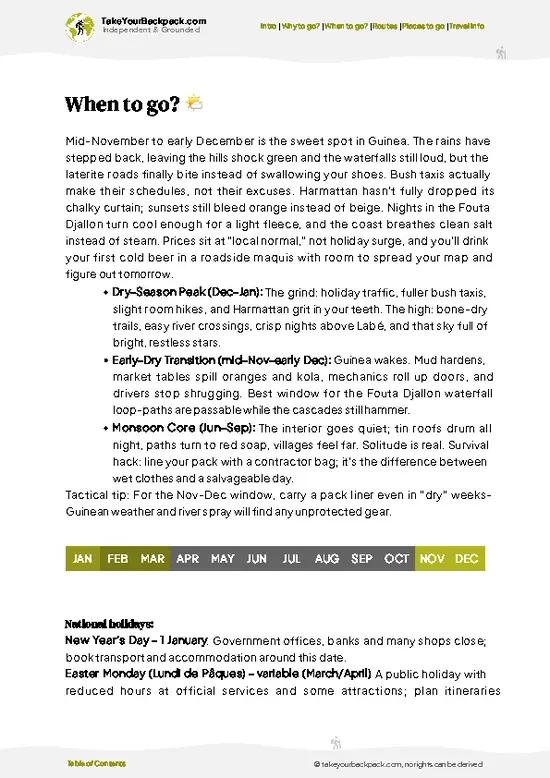
🌤️ When to go?Choosing the right time of year


  • Topic: Weather – Macenta’s climate swings between a wet season from April to October and a dry season from November to March. The dry months bring less humidity and rain, making trails less slippery and the air clearer for those deep forest hikes.

  • Topic: Temperature – Temperatures hover around 24-30°C (75-86°F) year-round, but the dry season feels cooler and more comfortable, especially in the mornings and evenings when the air crisps up just enough to make a campfire inviting.

  • Topic: Daylight Hours – Near the equator, daylight stays steady at about 12 hours daily. This consistency means you can plan your hikes without worrying about early sunsets cutting your adventures short.

  • Topic: Crowds – Macenta isn’t a tourist hotspot, but the dry season sees a slight uptick in visitors, mostly
read more 👉

  • Topic: Weather – Macenta’s climate swings between a wet season from April to October and a dry season from November to March. The dry months bring less humidity and rain, making trails less slippery and the air clearer for those deep forest hikes.

  • Topic: Temperature – Temperatures hover around 24-30°C (75-86°F) year-round, but the dry season feels cooler and more comfortable, especially in the mornings and evenings when the air crisps up just enough to make a campfire inviting.

  • Topic: Daylight Hours – Near the equator, daylight stays steady at about 12 hours daily. This consistency means you can plan your hikes without worrying about early sunsets cutting your adventures short.

  • Topic: Crowds – Macenta isn’t a tourist hotspot, but the dry season sees a slight uptick in visitors, mostly locals and regional travelers. You’ll find more open guesthouses and a livelier market scene then.

  • Topic: Seasonal Activities – The dry season is prime for trekking and exploring local villages, while the wet season brings lush greenery and vibrant river levels, perfect for those who don’t mind a bit of mud and want to see the rainforest at its fullest.

  • Topic: Price Fluctuations – Expect slightly higher prices during the dry season when demand peaks. Off-season travelers can snag better deals on lodging and guides but should be ready for occasional downpours.


Pro-tip: Aim for late November to February—when the air is fresh, trails firm, and the town hums quietly—giving you the best balance of comfort, access, and authentic local rhythm.


source: climatestotravel.comJANJanuary: excellent for travelingFEBFebruary: excellent for travelingMARMarch: highly recommended for travelingAPRApril: good for travelingMAYMay: fair for travelingJUNJune: fair for travelingJULJuly: fair for travelingAUGAugust: fair for travelingSEPSeptember: good for travelingOCTOctober: good for travelingNOVNovember: highly recommended for travelingDECDecember: excellent for traveling
guinea-city-macenta
© Google |

✈️ The backpacker research shortcutGuinea Travel Guide

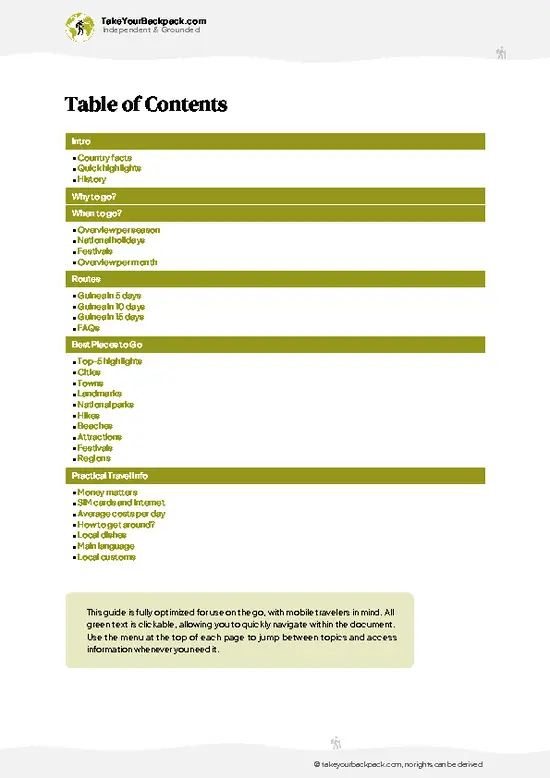
An offline-friendly backpacking guide with optimized travel routes, ranked highlights, transport advice, and the best areas to stay.
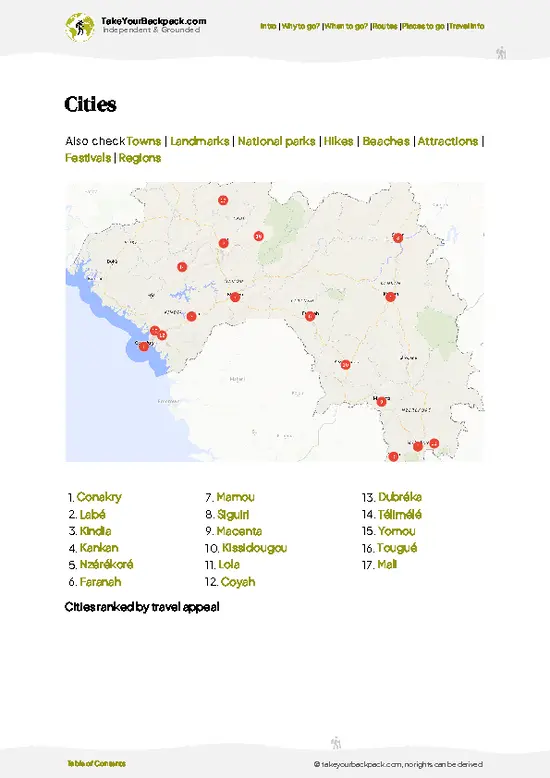
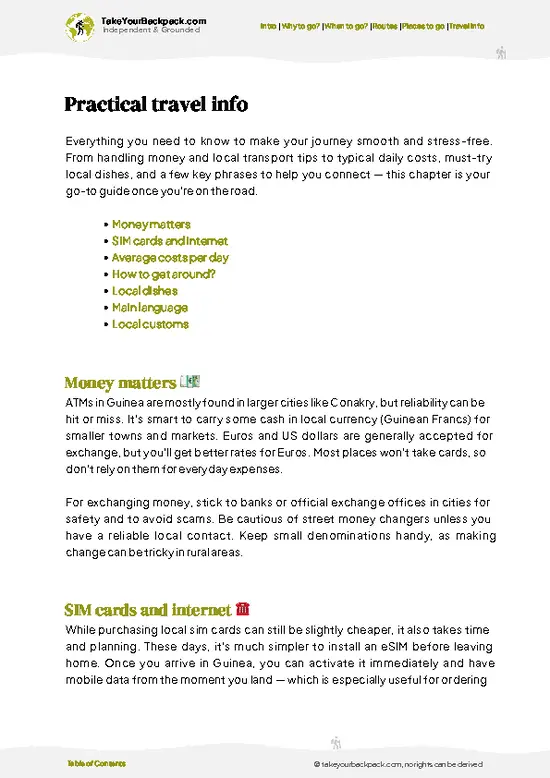
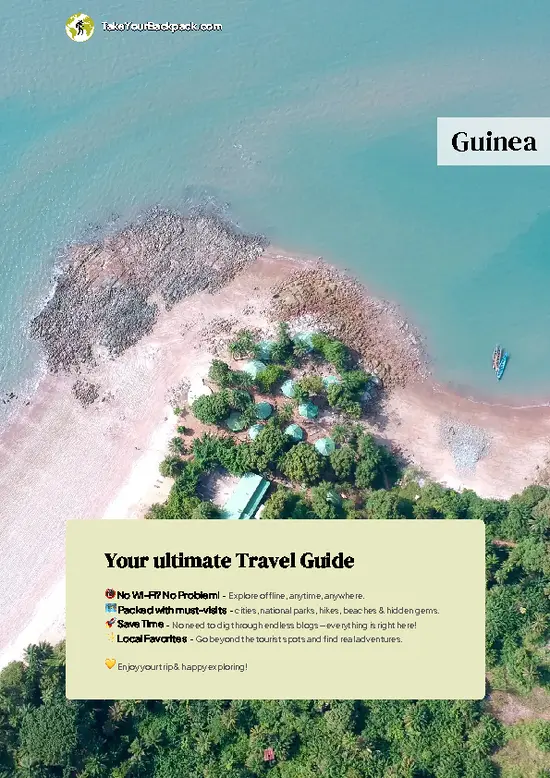
example page 0 from our offline Travel Guide for Guinea
example page 1 from our offline Travel Guide for Guinea
example page 2 from our offline Travel Guide for Guinea
example page 3 from our offline Travel Guide for Guinea
example page 4 from our offline Travel Guide for Guinea
example page 5 from our offline Travel Guide for Guinea
example page 6 from our offline Travel Guide for Guinea
example page 7 from our offline Travel Guide for Guinea
The digital guide (282 pages) contains:
67 highlights, ranked by travel appeal
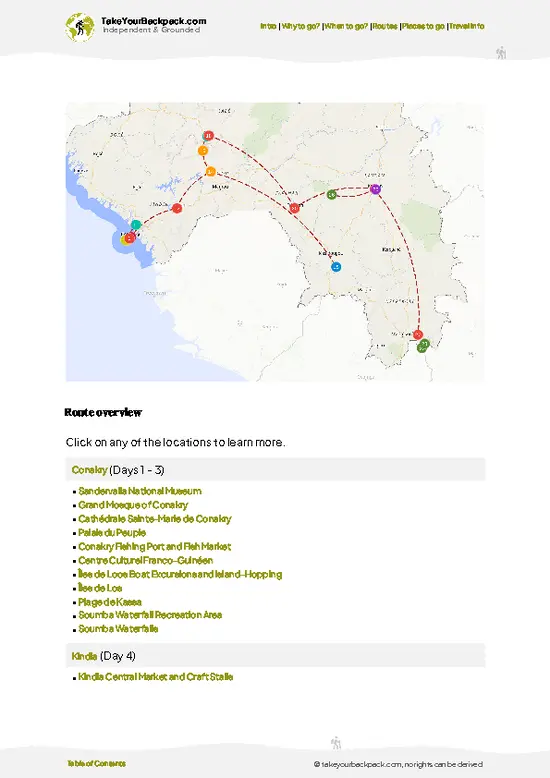
Optimized 5, 10 & 15-day travel routes
Cities, national parks, landmarks, beaches
How to get around
Offline-friendly for travel without Wi-Fi
👉 Click to see all 30+ guide features

📅 Plan smarter in minutes, not weeks
Month by month travel advice
Festivals & national holidays
Budget expectations

🗺️ Go to the right places, skip the overrated ones
Honest pros & cons of destinations
Top hikes, parks & viewpoints
Lesser-known places most travelers miss
Clear “worth it vs skip it” guidance

🛏️ Travel smoothly without rookie mistakes
Best areas to stay
Transport systems explained simply
Common scams & safety advice
SIM cards, money & practical tips

🌍 Understand the country, not just visit it
Culture & traditions
52 Essential phrases & customs
Festivals worth planning around
Traveler-friendly historical context
Insights that make places more meaningful

📱 Built for real travel conditions
Fully downloadable PDF
Works completely offline
Optimized for phone use
Useful in remote areas & buses
Everything in one place
Save weeks of stressful planning
Get instant access to your full guide. 30‑day money-back guarantee.


By proceeding you agree to our terms.
Sent to your inbox immediately after payment • 100% Secure Checkout
Best Backpacking Travel Advisor 2025 tourism awardBest Backpacking
Travel Advisor
2025
What others say about Take Your Backpack Guides:
⭐⭐⭐⭐⭐
Fantastic, amazing amount of information!
⭐⭐⭐⭐⭐
My goodness this is amazing, it's what I've been looking for hats off too you!
⭐⭐⭐⭐⭐
I think this is absolutely BRILLIANT
⭐⭐⭐⭐
Very complete and informative. It's still missing places, but I gotta to commend you
⭐⭐⭐⭐⭐
This is truly amazing, thank you, can't wait to explore it with my kids!
⭐⭐⭐⭐⭐
Awesome resource, thank you!
⭐⭐⭐⭐⭐
This is amazing! Can't wait to explore the ones I haven't seen
⭐⭐⭐⭐
I love this! Well done, great idea.
⭐⭐⭐⭐⭐
Thanks for taking the time to make this gem!
⭐⭐⭐⭐⭐
This might be the best website I've ever seen.
⭐⭐⭐⭐⭐
Congratulations, and thank you so much for your work; it's incredibly valuable.
⭐⭐⭐⭐
In all seriousness I think you did a great job pointing out the important spots
⭐⭐⭐⭐⭐
10/10 very good
⭐⭐⭐⭐⭐
As someone who's only just starting to visit regularly this is awesome, thank you.
⭐⭐⭐⭐
Thank you very much! I'm going to visit my dad, it's going to be very useful!
⭐⭐⭐⭐⭐
This is really cool! We'll be travelling for the first time and this definitely come in handy.
⭐⭐⭐⭐⭐
You are now our minister of culture, congratulations 👨‍💼
⭐⭐⭐⭐⭐
Just wanted to tell you that this is a pearl! Going to follow your recommendations.
⭐⭐⭐⭐⭐
This is so cool. I'll definitely be using the resource for my travels soon.
⭐⭐⭐⭐⭐
This is very impressive! Good work.
⭐⭐⭐⭐⭐
This is an amazing and informative site. Very well done!

🛏️ Where to stay?Best areas and accommodation options

Macenta’s heart for backpackers pulses strongest in the central market district. This area hums with life from dawn—vendors shouting over the scent of fresh cassava and roasted peanuts, the air thick with the earthy aroma of rain-soaked dirt streets. It’s where you’ll find the most budget-friendly guesthouses and a handful of basic hostels, places that feel more like community hubs than sterile lodgings. Staying here means you’re steps away from local eateries serving up spicy, soulful dishes and the chance to strike up conversations with traders and fellow travelers alike.

Compared to the quieter, … read more 👉
Macenta’s heart for backpackers pulses strongest in the central market district. This area hums with life from dawn—vendors shouting over the scent of fresh cassava and roasted peanuts, the air thick with the earthy aroma of rain-soaked dirt streets. It’s where you’ll find the most budget-friendly guesthouses and a handful of basic hostels, places that feel more like community hubs than sterile lodgings. Staying here means you’re steps away from local eateries serving up spicy, soulful dishes and the chance to strike up conversations with traders and fellow travelers alike.

Compared to the quieter, more residential neighborhoods on the outskirts, the market district offers safety in numbers and a social atmosphere that’s hard to beat. The streets are busy enough to deter trouble but not so crowded that you lose the sense of place. Nighttime brings a different vibe—dim street lamps flicker on, and the chatter softens to a hum, perfect for winding down with a local beer or swapping stories with other backpackers.

If you want a smoother, richer experience, skip the isolated guesthouses and settle where the town’s pulse is strongest. It’s the best way to soak in Macenta’s rhythm without losing your footing.

🚌 Getting aroundMoving around without the hassle

Macenta moves at its own rhythm—less a clock-driven town and more a place where the sun’s position and the chatter of locals set the pace. The air carries the earthy scent of wet soil and fresh leaves, especially after a sudden tropical shower, which can turn the dusty streets into slick, red mud paths. Here, schedules are loose suggestions, not ironclad rules. You’ll find that patience and a keen ear for local cues unlock the best way to get around. The town’s pulse is a blend of spontaneous minibuses honking their arrival and the steady shuffle of feet on uneven pavement. It’s a place where the journey is as much about reading the atmosphere as it is about moving from point A to B.


  • Walking: The most reliable and immersive way to navigate Macenta’s compact center. Streets are uneven and
read more 👉
Macenta moves at its own rhythm—less a clock-driven town and more a place where the sun’s position and the chatter of locals set the pace. The air carries the earthy scent of wet soil and fresh leaves, especially after a sudden tropical shower, which can turn the dusty streets into slick, red mud paths. Here, schedules are loose suggestions, not ironclad rules. You’ll find that patience and a keen ear for local cues unlock the best way to get around. The town’s pulse is a blend of spontaneous minibuses honking their arrival and the steady shuffle of feet on uneven pavement. It’s a place where the journey is as much about reading the atmosphere as it is about moving from point A to B.


  • Walking: The most reliable and immersive way to navigate Macenta’s compact center. Streets are uneven and sometimes muddy after rain, so sturdy shoes are a must. Walking lets you soak in the vibrant street life—vendors calling out, children darting between stalls, and the scent of grilled fish wafting from open-air kitchens. It’s free, flexible, and often faster than waiting for transport during peak chaos.


  • Local Minibuses (Gbaka): These shared minibuses are the backbone of Macenta’s transit. They don’t run on a strict timetable but start filling up early morning and run until dusk. Fares are low—usually under a dollar—but expect cramped conditions and frequent stops. The ride is bumpy, the windows often open to let in the humid air, and the driver’s horn is your cue to hop on or off. Perfect for budget travelers who want to blend in and cover longer distances without breaking the bank.


  • Motorcycle Taxis (Moto-Taxis): When time is tight or the roads get too rough for a minibus, moto-taxis are your go-to. They weave through traffic and mud with ease, offering a quick, if slightly adrenaline-fueled, ride. Prices are negotiable but generally affordable; always agree on a fare before you start. Helmets are rare, so hold on tight and prepare for the scent of gasoline and the rush of wind.


  • Shared Taxis: For trips beyond the town center, shared taxis offer a middle ground between minibuses and private cars. They leave once full, so timing depends on passenger flow. Expect a mix of locals and traders, with luggage piled high on roofs. Fares are higher than minibuses but still budget-friendly. The ride is smoother and faster, making it a solid choice for reaching nearby villages or markets.

👛 Costs (as of 25 April 2026)Travel costs and budget guide for Macenta

Backpacking in Macenta, Guinea, means embracing a raw, off-the-beaten-path vibe where costs stay modest but the experience demands a bit of savvy. Here’s the breakdown to help you plan your daily outlay with clarity.
  • Dorm Accommodation: Options here are limited and basic. Expect simple guesthouses or local inns rather than formal hostels. Prices hover around €5 to €10 per night. Rooms might lack hot water or reliable electricity, so pack a headlamp and patience.
  • Meals: Street food and small local eateries dominate. A filling meal of rice, beans, and grilled fish or chicken will cost about €1.50 to €3. Fresh fruit and snacks are even cheaper. Western-style or imported foods are rare and pricey, so lean into local flavors.
  • Local Transport: Transport is mostly by shared taxis or bush taxis.
read more 👉
Backpacking in Macenta, Guinea, means embracing a raw, off-the-beaten-path vibe where costs stay modest but the experience demands a bit of savvy. Here’s the breakdown to help you plan your daily outlay with clarity.
  • Dorm Accommodation: Options here are limited and basic. Expect simple guesthouses or local inns rather than formal hostels. Prices hover around €5 to €10 per night. Rooms might lack hot water or reliable electricity, so pack a headlamp and patience.
  • Meals: Street food and small local eateries dominate. A filling meal of rice, beans, and grilled fish or chicken will cost about €1.50 to €3. Fresh fruit and snacks are even cheaper. Western-style or imported foods are rare and pricey, so lean into local flavors.
  • Local Transport: Transport is mostly by shared taxis or bush taxis. Short rides within town run about €0.50 to €1. Longer trips to nearby villages or markets can reach €2 to €4. Walking is often the best way to soak in the atmosphere and save money.
  • Basic Activities/Entry Fees: Macenta isn’t a tourist hotspot with formal attractions, so entry fees are minimal or nonexistent. Visiting local markets, community events, or natural spots is usually free, though small donations or tips might be appreciated.
  • Miscellaneous Expenses: Budget a few euros for bottled water (around €0.50), phone credit, and occasional treats like coffee or snacks. Internet access is patchy and often requires buying data bundles, which can cost €2 to €5 depending on usage.

All told, you’re looking at roughly €10 to €20 per day to cover the essentials in Macenta. This range keeps you grounded in the local rhythm without overspending on comforts that the town simply doesn’t prioritize. The payoff is a genuine, unfiltered experience that feels earned with every step.


source: guineaembassyusa.org
⚠️ Prices can change and everyone travels differently, so take this as a rough guide. Hope it helps you plan your adventure!

🚌 Day tripsShort trips worth adding

Macenta, Guinea, is a backpacker’s dream base for exploring the lush landscapes and vibrant culture of the region. Here are some day trips that will make your journey truly rewarding.

Mount Nimba
A trek to Mount Nimba is a must. The trail winds through dense forests, where the air is thick with the scent of damp earth and wildflowers. Expect a solid 4-5 hours of hiking to reach the summit, where the panoramic views will make every drop of sweat worthwhile. Bring a packed lunch to savor at the top. Costs are minimal—just a small fee for park entry. The best time to go is during the dry season, from November to April, when the trails are less muddy. A common mistake? Underestimating the trail’s difficulty; sturdy shoes are essential.


Fouta Djallon
Head to Fouta Djallon for stunning … read more 👉
Macenta, Guinea, is a backpacker’s dream base for exploring the lush landscapes and vibrant culture of the region. Here are some day trips that will make your journey truly rewarding.

Mount Nimba
A trek to Mount Nimba is a must. The trail winds through dense forests, where the air is thick with the scent of damp earth and wildflowers. Expect a solid 4-5 hours of hiking to reach the summit, where the panoramic views will make every drop of sweat worthwhile. Bring a packed lunch to savor at the top. Costs are minimal—just a small fee for park entry. The best time to go is during the dry season, from November to April, when the trails are less muddy. A common mistake? Underestimating the trail’s difficulty; sturdy shoes are essential.


Fouta Djallon
Head to Fouta Djallon for stunning waterfalls and traditional villages. It’s about a 2-hour drive from Macenta, and you’ll find yourself surrounded by cascading water and the sounds of nature. The trip can cost around $10 for transport and a small fee for village visits. The rainy season (May to October) brings more water flow, but be prepared for muddy paths. Many first-timers miss the chance to interact with locals—don’t just snap photos; engage with the community for a richer experience.
👉 Explore Fouta Djallon

Yomou
A visit to Yomou offers a glimpse into local life. Just an hour away, this town is known for its vibrant markets and friendly faces. Spend a few hours wandering through stalls filled with spices and textiles. You can easily do this trip for under $5 if you share a taxi. The best time to visit is early morning, when the market is bustling. A common rookie mistake is rushing through; take your time to soak in the atmosphere and try some street food.
👉 Explore Yomou
Want to know what more Guinea offers?
The Guinea Travel Guide describes 67 highlights, from cities to national parks, from beaches to hikes

Get the Travel Guide -

🍲 FoodWhat to Eat & Drink

In Macenta, food is a lively negotiation between bold flavors and simple, hearty ingredients. The city’s signature dish, Poulet Yassa, is a must-try: tender chicken marinated in tangy lemon and caramelized onions, served over rice that soaks up every punch of flavor. Don’t miss the chance to sip on bissap, a hibiscus flower drink that’s both refreshingly tart and subtly sweet—a perfect antidote to the tropical heat.

Backpackers will find themselves drawn to the bustling markets, where street vendors serve up grilled meats and spicy stews straight from clay pots. These spots are less about fancy presentation and more about authentic, no-nonsense flavor. Casual eateries and roadside stalls offer a chance to eat like a local, surrounded by the chatter and clatter of daily life.

Drinking culture … read more 👉
In Macenta, food is a lively negotiation between bold flavors and simple, hearty ingredients. The city’s signature dish, Poulet Yassa, is a must-try: tender chicken marinated in tangy lemon and caramelized onions, served over rice that soaks up every punch of flavor. Don’t miss the chance to sip on bissap, a hibiscus flower drink that’s both refreshingly tart and subtly sweet—a perfect antidote to the tropical heat.

Backpackers will find themselves drawn to the bustling markets, where street vendors serve up grilled meats and spicy stews straight from clay pots. These spots are less about fancy presentation and more about authentic, no-nonsense flavor. Casual eateries and roadside stalls offer a chance to eat like a local, surrounded by the chatter and clatter of daily life.

Drinking culture here leans toward social, unhurried gatherings. Sharing a bottle of palm wine is common, and it’s polite to accept at least a small glass when offered—it’s a gesture of friendship. Expect to eat with your right hand, and don’t rush the meal; food in Macenta is as much about connection as it is about sustenance.

🛡️ SafetyTraveler Safety Guide

Macenta is generally safe, but a few practical tips can enhance your experience. Stay alert in crowded markets; pickpockets can be a nuisance. If you’re solo, avoid wandering too far after dark. The streets can feel different at night, and it’s best to stick to well-lit areas.

Watch for common scams, like overly friendly locals offering unsolicited help that leads to a fee. Keep your belongings close and maintain a confident demeanor. Engaging with locals is rewarding, but trust your instincts. A smile and a firm “no, thank you” can go a long way in navigating any annoyances.

Other Guinean cities near Macenta

Explore more nearby:

  • Kérouané—diamond trading, savanna landscape, remote outpost| 96 km away
  • Kissidougou—forest-savanna transition, coffee production, crossroads town| 101 km away
  • Yomou—forest region, ethnic diversity, border proximity| 110 km away

💡 Not sure where to go next?
Create a personalized itinerary for Guinea including Macenta and the places that fit your trip.

Generate my itinerary

👉 Discover all cities

Or checkout all Guinea has to offer (think cities, towns, villages, national parks, hikes, beaches, festivals)
Country photo of Guinea

We 💚 feedbackParting advice and final tips

Macenta hums with life. The market’s spices dance in the air, and laughter spills from every corner. Don’t miss the local dance performances; they’ll catch you off guard with their energy. Just be ready for the humidity—it’s relentless. Embrace it; it’s part of the experience. You’ll leave with stories worth telling.

✍️ Help improve this page!
The information on this page is based on in-depth research, insights shared by experienced travelers, and feedback from the local travel community in Guinea. While every effort is made to keep the information accurate and current, conditions can change — so if you spot anything incorrect or outdated, please get in touch.


🙋‍♂️ Give feedback

👋 Meet the founderWho’s Behind Take Your Backpack?

Johan, backpacker and founder of TakeYourBackpackHi, I’m Johan (Netherlands 🇳🇱), the creator of TakeYourBackpack. Over the past decade, I’ve backpacked through 80+ countries across six continents, gaining extensive experience with independent travel, long-term trips, and overland routes.

This site is built on a combination of firsthand travel experience and carefully curated insights from other backpackers. Many guides are based on places I’ve personally visited, while others bring together tips, observations, and practical advice shared by trusted travelers I’ve met along the way.

The goal is to provide realistic, experience-driven guidance — not generic itineraries — so you can explore destinations with better context, clearer expectations, and more confidence.

Get full Guinea guide •
Instant download • 67 highlights • Full Offline guide