×

Guyana🇬🇾 | townsBina Hillconservation center, youth training, savannah overlook | things to do and best time to go

Explore BarticaExplore Lethem

Backpacking in Bina Hill
👀 For curious travelerstown ranked #5
By Johan Kruseman 🇳🇱 | Updated September 23, 2026

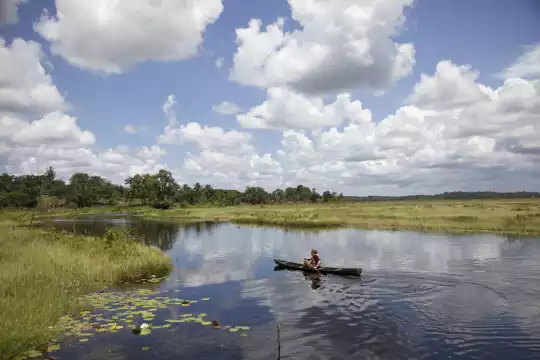
The surprise with Bina Hill is that it’s less a “town” and more a small training and community hub that quietly anchors a huge slice of the North Rupununi, not the jungle outpost with bars and hostels many blogs imply. It sits near Annai, along the Rupununi savannah in central Guyana, where the red dirt road meets endless grassland and low forest. For backpackers, it works as a calm, practical base for community-led nature trips and wildlife outings, not a destination for nightlife or café-hopping. You come here to link into local guides, visit nearby Indigenous villages, and stage trips into the Iwokrama Forest or the Rupununi River, then sleep early under a big, starry sky. Transport is usually by pre-arranged 4x4 or minibus from Lethem or Georgetown; once here, you mostly walk or ride in the same vehicles that locals use. It’s quieter, more grounded, and more community-focused than Lethem, and far less polished than eco-lodges like Karanambu or Surama, which means fewer backpackers to meet but lower costs and a safer, slower, very real feel.

Discover everything you want to know in the 📖 Guyana Travel Guide.


Loading the map 🌍
CLICK TO FILTER
cities
towns
villages
landmarks
national parks
hikes
beaches
attractions
festivals
regions
SHOW COUNTRY’S BESTSHOW ALL

✨ Why go?
Ranked #5 town in Guyana
Why visitors keep coming back

Bina Hill serves as a gateway for backpackers seeking the wild heart of Guyana. Its proximity to lush hiking trails and serene beaches makes it a practical stop for those eager to explore. The small-scale hostels and guesthouses here offer a cozy, communal vibe, perfect for solo travelers or small groups looking to share stories over local dishes. The walkable streets invite leisurely strolls, where the scent of fresh cassava bread wafts through the air, mingling with laughter from friendly locals. Most travelers linger a few days, soaking in the laid-back atmosphere and connecting with fellow adventurers. If you’re a slow traveler or a hiker at heart, Bina Hill is not just a stop; it’s a chance to breathe in the essence of Guyana.

💡 HighlightsTop highlights of Bina Hill

Nearby visitable highlights you can explore as day trips include Lethem town (market, border culture and services), the Kanuku Mountains (birding and short hikes), the Rupununi savannahs (ranch visits and wildlife viewing), and Orinduik Falls.
Spotted a mistake or missing something? Contact us.

🏘️ NeighborhoodsHow different areas shape the experience

Bina Hill is a unique blend of nature and culture, perfect for backpackers seeking an authentic experience in Guyana. Here’s how to navigate its neighborhoods:

Central Bina: This area buzzes with local life. You’ll find affordable guesthouses and eateries serving hearty meals. The walkability is excellent, making it easy to explore markets and mingle with locals. Nightlife is low-key, with occasional live music. Ideal for short stays, as you can soak up the atmosphere quickly.

Eco-Lodge District: A bit more upscale, this neighborhood offers eco-friendly accommodations. The vibe is tranquil, surrounded by lush greenery. It’s perfect for longer stays if you want to immerse yourself in nature. Transport options are limited, but the peace is worth it.

Riverfront Area: This spot is all about … read more 👉
Bina Hill is a unique blend of nature and culture, perfect for backpackers seeking an authentic experience in Guyana. Here’s how to navigate its neighborhoods:

Central Bina: This area buzzes with local life. You’ll find affordable guesthouses and eateries serving hearty meals. The walkability is excellent, making it easy to explore markets and mingle with locals. Nightlife is low-key, with occasional live music. Ideal for short stays, as you can soak up the atmosphere quickly.

Eco-Lodge District: A bit more upscale, this neighborhood offers eco-friendly accommodations. The vibe is tranquil, surrounded by lush greenery. It’s perfect for longer stays if you want to immerse yourself in nature. Transport options are limited, but the peace is worth it.

Riverfront Area: This spot is all about the views. Grab a cold drink and watch the river flow. It’s quieter, making it great for relaxation. While not as walkable, the scenic beauty makes up for it. Perfect for those looking to unwind after a day of adventure.

⌛️ 1 day1-day itinerary for Bina Hill

Bina Hill, a small town in Guyana, offers a unique blend of indigenous culture and lush landscapes. It’s a place where the rhythm of life slows down, inviting you to connect with nature and the local community.

Start your day with a stroll through the vibrant market in the early morning. The air is thick with the scent of fresh fruits and spices, and the chatter of vendors fills your ears. Grab a breakfast of fried plantains and a cup of strong, local coffee. This is the fuel you need for the adventures ahead.

In the afternoon, head to the nearby Iwokrama Rainforest Reserve. It’s not on every tourist’s radar, but the guided walk through the forest is a game-changer. The sunlight filters through the canopy, casting playful shadows on the path. Listen for the calls of howler monkeys and the … read more 👉
Bina Hill, a small town in Guyana, offers a unique blend of indigenous culture and lush landscapes. It’s a place where the rhythm of life slows down, inviting you to connect with nature and the local community.

Start your day with a stroll through the vibrant market in the early morning. The air is thick with the scent of fresh fruits and spices, and the chatter of vendors fills your ears. Grab a breakfast of fried plantains and a cup of strong, local coffee. This is the fuel you need for the adventures ahead.

In the afternoon, head to the nearby Iwokrama Rainforest Reserve. It’s not on every tourist’s radar, but the guided walk through the forest is a game-changer. The sunlight filters through the canopy, casting playful shadows on the path. Listen for the calls of howler monkeys and the rustle of unseen creatures. This immersive experience connects you to the heart of Guyana.

As evening approaches, return to Bina Hill and visit the community center. Engage with locals, learn about their crafts, and perhaps join in a traditional dance. The warmth of the community is palpable, and the laughter shared over stories makes for a perfect end to your day. You’ll leave with a deeper appreciation for this hidden corner of the world.

🌤️ When to go?Choosing the right time of year

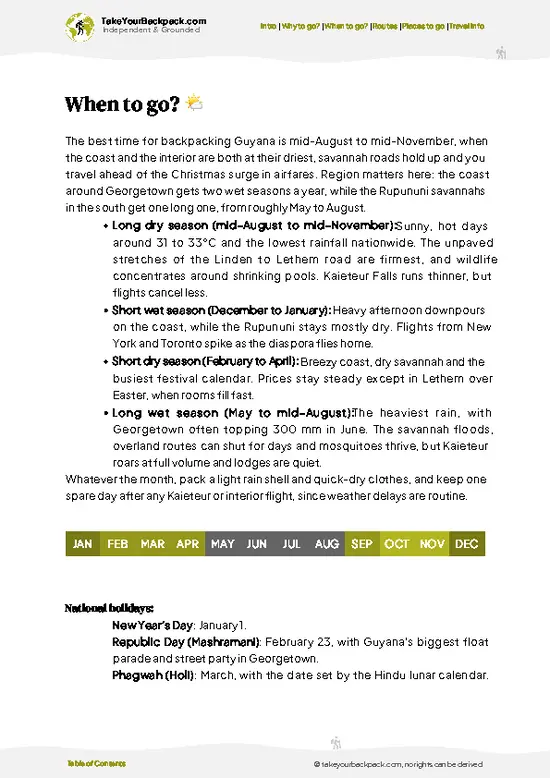
  • Weather: The dry season from August to November offers clearer skies and less humidity, making trails less slippery and the air easier to breathe. The wet season, December to July, brings heavy rains that can turn paths into mud baths and swell rivers unpredictably.
  • Temperature: Expect highs around 30°C (86°F) and lows near 22°C (72°F) year-round, but the dry season feels more comfortable with less oppressive humidity clinging to your skin.
  • Daylight Hours: Daylight stays steady at about 11-12 hours daily, but the dry season’s clearer mornings and evenings let you savor golden light longer on the trails.
  • Crowds: Bina Hill sees fewer visitors during the wet season, so if you crave solitude, that’s your window. The dry season attracts more backpackers, especially in late August and September.
… read more 👉
  • Weather: The dry season from August to November offers clearer skies and less humidity, making trails less slippery and the air easier to breathe. The wet season, December to July, brings heavy rains that can turn paths into mud baths and swell rivers unpredictably.
  • Temperature: Expect highs around 30°C (86°F) and lows near 22°C (72°F) year-round, but the dry season feels more comfortable with less oppressive humidity clinging to your skin.
  • Daylight Hours: Daylight stays steady at about 11-12 hours daily, but the dry season’s clearer mornings and evenings let you savor golden light longer on the trails.
  • Crowds: Bina Hill sees fewer visitors during the wet season, so if you crave solitude, that’s your window. The dry season attracts more backpackers, especially in late August and September.
  • Seasonal Activities: Wildlife spotting peaks in the dry months when animals gather near shrinking water sources. The wet season floods the forest, opening up canoe routes but limiting hiking options.
  • Price Fluctuations: Accommodation and guides tend to be pricier in the dry season due to demand. The wet season offers better deals but comes with the trade-off of tougher conditions.
Pro-tip: Aim for late August to early November—when the air is crisp, trails firm, and wildlife active—to get the full Bina Hill experience without the mudslide hassle.


source: climatestotravel.comJANJanuary: fair for travelingFEBFebruary: fair for travelingMARMarch: fair for travelingAPRApril: fair for travelingMAYMay: fair for travelingJUNJune: fair for travelingJULJuly: fair for travelingAUGAugust: highly recommended for travelingSEPSeptember: excellent for travelingOCTOctober: excellent for travelingNOVNovember: highly recommended for travelingDECDecember: fair for traveling
when-to-go

✈️ The backpacker research shortcutGuyana Travel Guide

An offline-friendly backpacking guide with optimized travel routes, ranked highlights, transport advice, and the best areas to stay.
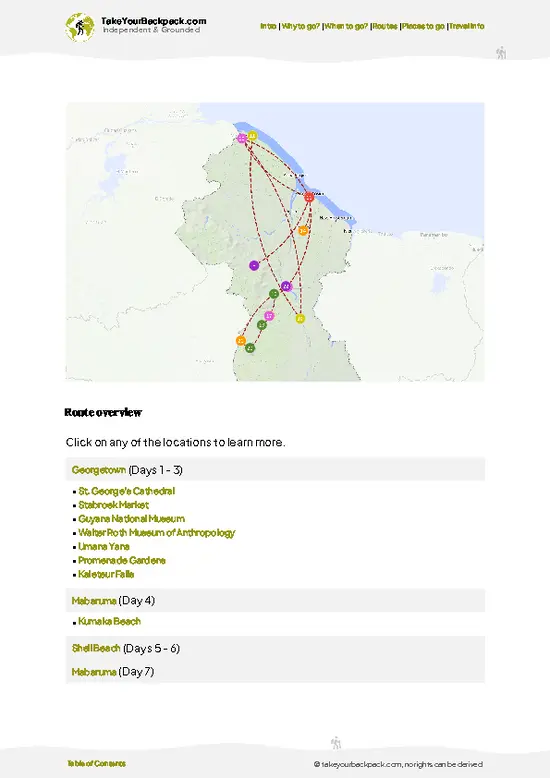
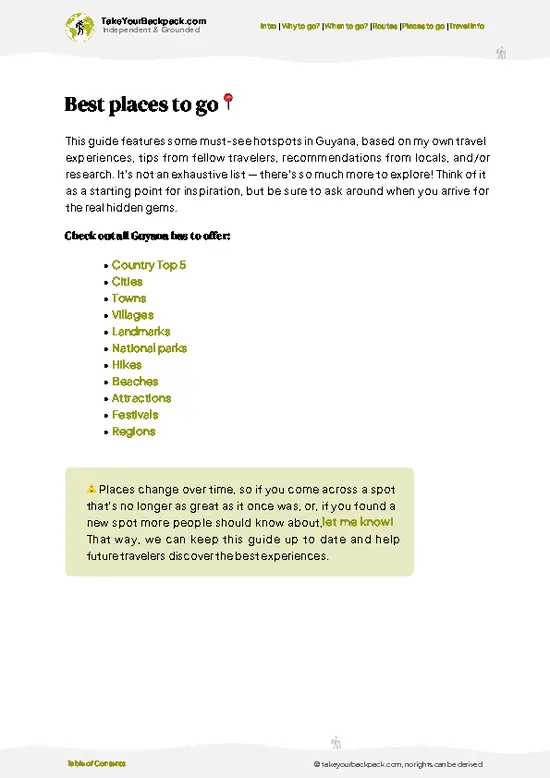
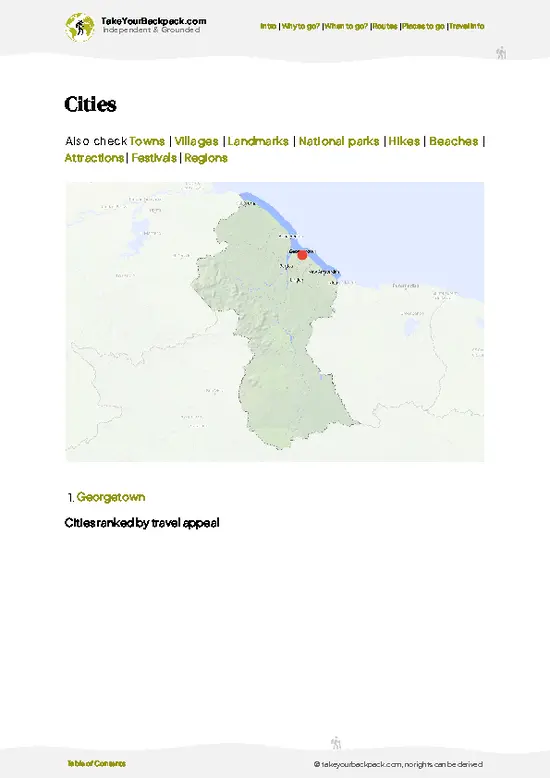
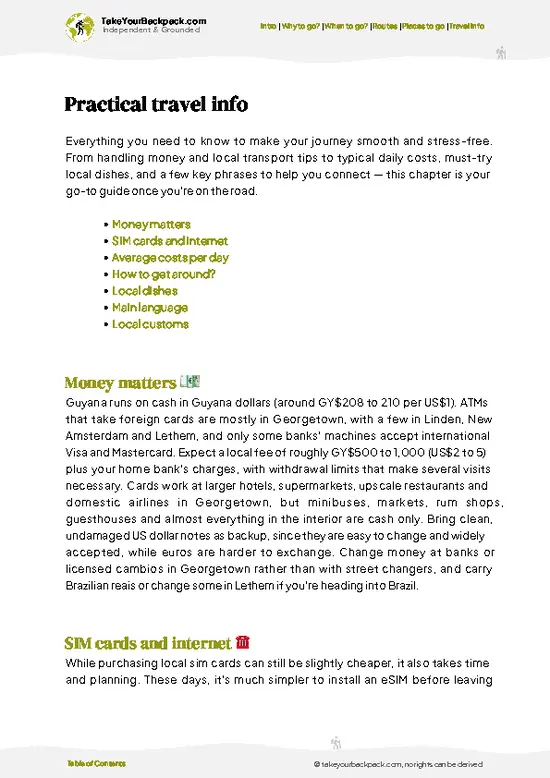
example page 0 from our offline Travel Guide for Guyana
example page 1 from our offline Travel Guide for Guyana
example page 2 from our offline Travel Guide for Guyana
example page 3 from our offline Travel Guide for Guyana
example page 4 from our offline Travel Guide for Guyana
example page 5 from our offline Travel Guide for Guyana
example page 6 from our offline Travel Guide for Guyana
example page 7 from our offline Travel Guide for Guyana
The digital guide (190 pages) contains:
✅ 46 highlights, ranked by travel appeal
✅ Optimized 5, 10 & 15-day travel routes
✅ Cities, national parks, landmarks, beaches
✅ How to get around
✅ Offline-friendly for travel without Wi-Fi
👉 Click to see all 30+ guide features

📅 Plan smarter in minutes, not weeks
✅ Month by month travel advice
✅ Festivals & national holidays
✅ Budget expectations

🗺️ Go to the right places, skip the overrated ones
✅ Honest pros & cons of destinations
✅ Top hikes, parks & viewpoints
✅ Lesser-known places most travelers miss
✅ Clear “worth it vs skip it” guidance

🛏️ Travel smoothly without rookie mistakes
✅ Best areas to stay
✅ Transport systems explained simply
✅ Common scams & safety advice
✅ SIM cards, money & practical tips

🌍 Understand the country, not just visit it
✅ Culture & traditions
✅ Local customs
✅ Festivals worth planning around
✅ Traveler-friendly historical context
✅ Insights that make places more meaningful

📱 Built for real travel conditions
✅ Fully downloadable PDF
✅ Works completely offline
✅ Optimized for phone use
✅ Useful in remote areas & buses
✅ Everything in one place
Save weeks of stressful planning
Get instant access to your full guide. 30‑day money-back guarantee.
+ Add another guide for just

By proceeding you agree to our terms.
Sent to your inbox immediately after payment • 100% Secure Checkout
Best Backpacking Travel Advisor 2025 tourism awardBest Backpacking
Travel Advisor
2025
What others say about Take Your Backpack Guides:
⭐⭐⭐⭐⭐
Fantastic, amazing amount of information!
⭐⭐⭐⭐⭐
My goodness this is amazing, it's what I've been looking for hats off too you!
⭐⭐⭐⭐⭐
I think this is absolutely BRILLIANT
⭐⭐⭐⭐
Very complete and informative. It's still missing places, but I gotta to commend you
⭐⭐⭐⭐⭐
This is truly amazing, thank you, can't wait to explore it with my kids!
⭐⭐⭐⭐⭐
Awesome resource, thank you!
⭐⭐⭐⭐⭐
This is amazing! Can't wait to explore the ones I haven't seen
⭐⭐⭐⭐
I love this! Well done, great idea.
⭐⭐⭐⭐⭐
Thanks for taking the time to make this gem!
⭐⭐⭐⭐⭐
This might be the best website I've ever seen.
⭐⭐⭐⭐⭐
Congratulations, and thank you so much for your work; it's incredibly valuable.
⭐⭐⭐⭐
In all seriousness I think you did a great job pointing out the important spots
⭐⭐⭐⭐⭐
10/10 very good
⭐⭐⭐⭐⭐
As someone who's only just starting to visit regularly this is awesome, thank you.
⭐⭐⭐⭐
Thank you very much! I'm going to visit my dad, it's going to be very useful!
⭐⭐⭐⭐⭐
This is really cool! We'll be travelling for the first time and this definitely come in handy.
⭐⭐⭐⭐⭐
You are now our minister of culture, congratulations 👨‍💼
⭐⭐⭐⭐⭐
Just wanted to tell you that this is a pearl! Going to follow your recommendations.
⭐⭐⭐⭐⭐
This is so cool. I'll definitely be using the resource for my travels soon.
⭐⭐⭐⭐⭐
This is very impressive! Good work.
⭐⭐⭐⭐⭐
This is an amazing and informative site. Very well done!

🛏️ Where to stay?How to pick the right area

In Bina Hill, the best spot for backpackers is the central district near the main market and riverfront. This area hums with life—vendors shouting, the scent of grilled fish mingling with fresh rain on dusty streets. It’s where locals gather, making it easy to strike up conversations and find fellow travelers. Safety here is a step above the outskirts, with a steady flow of people and street lighting that keeps the night from feeling too dark or lonely.

Hostels cluster around this hub, offering simple dorms and communal spaces that encourage socializing over shared meals or late-night stories. … read more 👉
In Bina Hill, the best spot for backpackers is the central district near the main market and riverfront. This area hums with life—vendors shouting, the scent of grilled fish mingling with fresh rain on dusty streets. It’s where locals gather, making it easy to strike up conversations and find fellow travelers. Safety here is a step above the outskirts, with a steady flow of people and street lighting that keeps the night from feeling too dark or lonely.

Hostels cluster around this hub, offering simple dorms and communal spaces that encourage socializing over shared meals or late-night stories. Compared to quieter residential zones, this neighborhood pulses with energy and practical access to transport and food stalls, cutting down on wasted time and dodging the isolation that can come from staying too far out. It’s the sweet spot where convenience meets authentic local rhythm—perfect for solo backpackers craving connection without sacrificing safety.

🚌 Getting aroundHow to get from A to B

Bina Hill moves at its own rhythm—neither a frantic rush nor a slow drag, but a steady pulse that matches the sun’s arc across the sky. The air carries the scent of earth and wood smoke, mixing with the occasional sharp tang of fresh fruit from street vendors. Here, time bends around the market’s chatter and the clatter of motorbikes weaving through narrow lanes. It’s a place where schedules exist but flex, and intuition often outpaces the clock. Knowing this flow means you don’t just get from point A to B—you glide through the town’s heartbeat, catching moments others miss.
  • Walking: The best way to absorb Bina Hill’s character. Most neighborhoods and markets are within a 20- to 30-minute stroll. The streets are uneven but manageable, so sturdy shoes are a must. Walking lets you catch the
… read more 👉
Bina Hill moves at its own rhythm—neither a frantic rush nor a slow drag, but a steady pulse that matches the sun’s arc across the sky. The air carries the scent of earth and wood smoke, mixing with the occasional sharp tang of fresh fruit from street vendors. Here, time bends around the market’s chatter and the clatter of motorbikes weaving through narrow lanes. It’s a place where schedules exist but flex, and intuition often outpaces the clock. Knowing this flow means you don’t just get from point A to B—you glide through the town’s heartbeat, catching moments others miss.
  • Walking: The best way to absorb Bina Hill’s character. Most neighborhoods and markets are within a 20- to 30-minute stroll. The streets are uneven but manageable, so sturdy shoes are a must. Walking lets you catch the scent of spices roasting and the sound of children playing, making every step part of the experience.
  • Shared Minibuses: These are the town’s veins, running from dawn around 6:30 AM until dusk near 7 PM. Fares hover around a dollar or less, making them the cheapest option. They’re cramped and noisy, but they cut through traffic faster than taxis, especially during market days when the streets fill with pedestrians.
  • Motorbike Taxis (Boda-bodas): Available 24/7, these dart through traffic with a speed and agility that’s both thrilling and necessary. Expect to negotiate fares upfront—usually between $1 and $3 depending on distance. They’re perfect for tight schedules or when the sun dips low and the streets darken.
  • Regular Taxis: Less common and pricier, around $5 to $10 per ride. They offer more comfort and space but can get stuck in traffic jams that motorbikes easily avoid. Use them if you’re carrying heavy gear or traveling in a group.

👛 Costs (as of 23 September 2026)How expensive it really is

Backpacking in Bina Hill, Guyana, offers a raw, off-the-beaten-path experience, but it comes with a price tag that reflects its remote location and limited infrastructure. Here’s what you can expect to spend daily.
  • Dorm Accommodation: Options are sparse and basic, often in guesthouses or small lodges rather than formal hostels. Expect to pay around $10 to $20 USD per night for a dorm bed or shared room. The facilities are simple, sometimes with intermittent electricity and basic mosquito protection, so pack accordingly.
  • Meals: Food costs here lean towards local, home-cooked style meals. Street food or small eateries serve up dishes for about $3 to $6 USD per meal. Fresh fish, rice, and local vegetables dominate menus, and while not fancy, the flavors are authentic and filling. Avoid imported
… read more 👉
Backpacking in Bina Hill, Guyana, offers a raw, off-the-beaten-path experience, but it comes with a price tag that reflects its remote location and limited infrastructure. Here’s what you can expect to spend daily.
  • Dorm Accommodation: Options are sparse and basic, often in guesthouses or small lodges rather than formal hostels. Expect to pay around $10 to $20 USD per night for a dorm bed or shared room. The facilities are simple, sometimes with intermittent electricity and basic mosquito protection, so pack accordingly.
  • Meals: Food costs here lean towards local, home-cooked style meals. Street food or small eateries serve up dishes for about $3 to $6 USD per meal. Fresh fish, rice, and local vegetables dominate menus, and while not fancy, the flavors are authentic and filling. Avoid imported goods—they hike prices significantly.
  • Local Transport: Getting around Bina Hill is mostly by shared taxis or minibuses, which are infrequent and can be unpredictable. Budget roughly $2 to $5 USD per trip within the area. If you plan to explore nearby villages or natural sites, factor in occasional higher costs for private hires or boat rides, which can run $10 to $20 USD depending on distance.
  • Basic Activities/Entry Fees: The main draws are natural and cultural, often with minimal or no entry fees. Guided tours or boat trips to nearby rivers or hills might cost $10 to $25 USD. Independent exploration is possible but less informative without a guide, so weigh the value of paying for local expertise.
  • Miscellaneous Expenses: This includes essentials like bottled water, snacks, and occasional phone credit or SIM cards. Expect to spend around $3 to $7 USD daily. Keep cash handy, as card payments are rare and ATMs nonexistent.

All told, a realistic daily budget for backpacking in Bina Hill falls between $30 and $60 USD. This range covers the basics without luxury but allows for occasional guided experiences and the occasional splurge on transport or meals. The payoff is a genuine encounter with Guyana’s rugged interior, where every dollar spent supports small local operations and keeps the adventure authentic.


source: guyanatourism.com
⚠️ Prices can change and everyone travels differently, so take this as a rough guide. Hope it helps you plan your adventure!

🚌 Day tripsExploring the surroundings

Bina Hill is your launchpad for exploring the wild heart of Guyana. With its lush surroundings and vibrant local culture, it’s the perfect base for unforgettable day trips.

1. Surama Village
A visit to Surama Village immerses you in the rich tapestry of indigenous culture. The journey takes about an hour by minibus, winding through dense rainforest. Once there, you can join a guided hike to the stunning Burro-Burro River, where the air is thick with the scent of wet earth and the calls of exotic birds. Expect to spend around $20 for transport and a modest fee for the guide. Avoid the mistake of skipping the village tour; it’s a chance to connect with locals and learn about their traditions.
👉 Explore Surama Village

2. Iwokrama Canopy Walkway
Just a short ride from Bina Hill, the Iwokrama … read more 👉
Bina Hill is your launchpad for exploring the wild heart of Guyana. With its lush surroundings and vibrant local culture, it’s the perfect base for unforgettable day trips.

1. Surama Village
A visit to Surama Village immerses you in the rich tapestry of indigenous culture. The journey takes about an hour by minibus, winding through dense rainforest. Once there, you can join a guided hike to the stunning Burro-Burro River, where the air is thick with the scent of wet earth and the calls of exotic birds. Expect to spend around $20 for transport and a modest fee for the guide. Avoid the mistake of skipping the village tour; it’s a chance to connect with locals and learn about their traditions.
👉 Explore Surama Village

2. Iwokrama Canopy Walkway
Just a short ride from Bina Hill, the Iwokrama Canopy Walkway offers a bird’s-eye view of the rainforest. The trip takes about 90 minutes, and the entrance fee is around $10. The thrill of walking among the treetops, with the sun filtering through leaves, is unmatched. Many first-timers underestimate the importance of timing; early morning is best for spotting wildlife.


3. Annai
Head to Annai for a taste of local life and stunning landscapes. It’s about an hour’s drive, and you can grab a meal at a roadside eatery for under $10. The vibrant market scene is a sensory overload—colors, sounds, and the aroma of fresh produce fill the air. Don’t miss the chance to chat with vendors; they often share stories that enrich your experience.
👉 Explore Annai

4. Karanambu Lodge
A day trip to Karanambu Lodge is a must for wildlife enthusiasts. It’s roughly 90 minutes away, and costs around $25 for transport. The lodge is known for its caiman spotting tours, where you’ll glide silently along the river at dusk. Many backpackers overlook the importance of a guide here; they know the best spots and can help you spot elusive creatures.

🛡️ SafetyScams, Hazards, and Annoyances

Bina Hill is generally safe, but staying aware enhances your experience. The town’s vibe shifts after dark; stick to well-lit areas and travel in groups if possible. Solo travelers should keep a low profile—blend in rather than stand out.

While scams aren’t rampant, be cautious with overly friendly locals offering unsolicited help; it’s often a prelude to a sales pitch. Everyday annoyances can include slow service in shops—patience is key. Carry small bills for purchases to avoid awkward change situations. Embrace the rhythm of Bina Hill, and you’ll find that a little awareness goes a long way in unlocking its charm.

FAQTraveler FAQ

Bina Hill is worth visiting for its natural beauty and cultural significance, not just a stopover. It offers unique hiking trails and scenic views that attract nature lovers and adventure seekers.
You need about 2 to 3 days in Bina Hill to fully explore the hiking routes, enjoy the local culture, and relax in the natural surroundings. This timeframe allows for a comfortable pace without rushing.
Yes, Bina Hill can be visited as a day trip from nearby towns like Lethem, which is approximately 30 kilometers away. However, a day trip limits the experience to just a few hours of hiking and sightseeing.
⚠️ Things can change over time, so always validate details locally before you go.

Other Guyanese towns near Bina Hill

Explore more nearby:

  • Lethem—border town, Rupununi rodeo, Brazil crossing| 102 km away
  • Mahdia—gold mining hub, rugged hills, river crossings| 145 km away
  • Linden—bauxite mining, Demerara River, industrial heritage| 243 km away

💡 Not sure where to go next?
Create a personalized itinerary for Guyana including Bina Hill and the places that fit your trip.

Generate my itinerary

👉 Discover all towns

Or checkout all Guyana has to offer (think cities, towns, villages, national parks, hikes, beaches, festivals)
Country photo of Guyana

We 💚 feedbackSumming up the experience

Bina Hill is a slice of raw, unfiltered nature. The air is thick with the scent of damp earth and wild orchids. Expect the unexpected: a troop of howler monkeys might serenade you at dawn. Just be ready for the humidity; it’s relentless. Embrace it, and you’ll find a rhythm that feels like home.

✍️ Help improve this page!
The information on this page is based on in-depth research, insights shared by experienced travelers, and feedback from the local travel community in Guyana. While every effort is made to keep the information accurate and current, conditions can change — so if you spot anything incorrect or outdated, please get in touch.


🙋‍♂️ Give feedback

👋 Meet the founderWho’s Behind Take Your Backpack?

Johan, backpacker and founder of TakeYourBackpackHi, I’m Johan (Netherlands 🇳🇱), the creator of TakeYourBackpack. Over the past 3 decades, I’ve backpacked through 90+ countries across six continents, gaining extensive experience with independent travel, long-term trips, and overland routes.

This site is built on a combination of firsthand travel experience and carefully curated insights from other backpackers. Many guides are based on places I’ve personally visited, while others bring together tips, observations, and practical advice shared by trusted travelers I’ve met along the way.

The goal is to provide realistic, experience-driven guidance — not generic itineraries — so you can explore destinations with better context, clearer expectations, and more confidence.