×

Indonesia🇮🇩 | citiesSolokraton palace, gamelan halls, batik markets | things to do and best time to go

Explore BukittinggiExplore Cirebon

Backpacking in Solo
🌟 Highlightcity ranked #16
By Johan Kruseman 🇳🇱 | Updated October 15, 2026

Solo has shed its sleepy reputation and emerged as a genuine backpacker hub, though it still feels more grounded than Bali or Jakarta. Located in central Java, this city punches above its weight with culture, affordability, and a walkable core that rewards exploration. The energy here is different: less party-focused, more curious. I remember sitting in a warung at dusk, steam rising from a bowl of soto ayam, watching becak drivers navigate narrow streets while call to prayer echoed across rooftops. Solo demands time but repays it with texture. It suits travelers seeking authentic Java without the tourist machinery, though those chasing nightlife or beach access should look elsewhere.

Discover everything you want to know in the 📖 Indonesia Travel Guide.


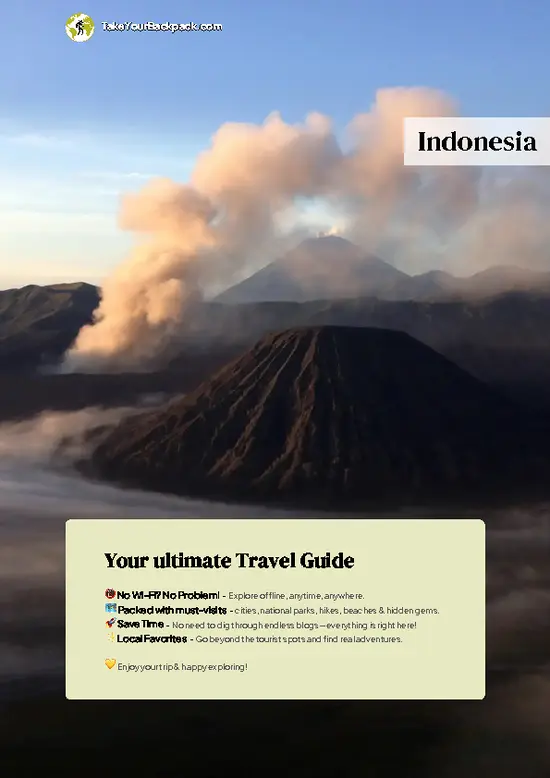
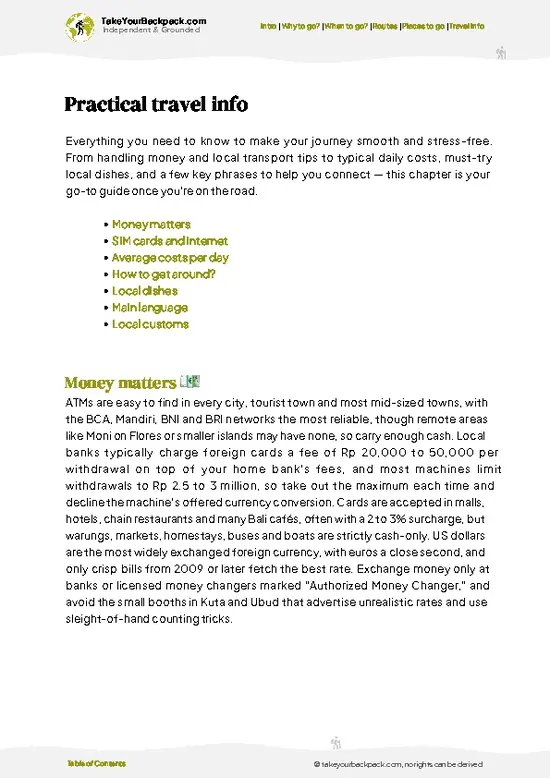
example page 0 from our offline Travel Guide for Indonesia
example page 1 from our offline Travel Guide for Indonesia
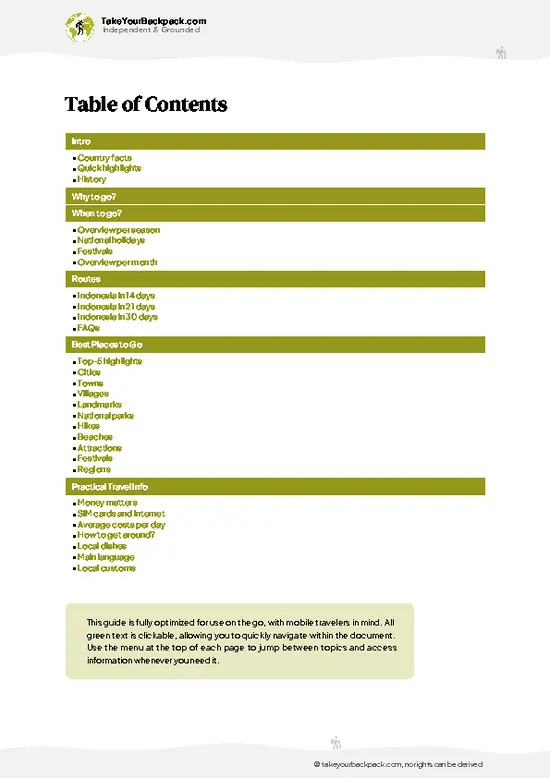
example page 2 from our offline Travel Guide for Indonesia
example page 3 from our offline Travel Guide for Indonesia
example page 4 from our offline Travel Guide for Indonesia
example page 5 from our offline Travel Guide for Indonesia
example page 6 from our offline Travel Guide for Indonesia
example page 7 from our offline Travel Guide for Indonesia
Loading the map 🌍
CLICK TO FILTER
cities
towns
villages
landmarks
national parks
hikes
beaches
attractions
festivals
regions
SHOW COUNTRY’S BESTSHOW ALL

✨ Why go?
Ranked #16 city in Indonesia
What makes this city worth visiting

Solo functions as a basecamp for central Java while offering enough character to justify several days on its own. The city is walkable, with hostels clustered in the backpacker quarter, and serves as a natural hub for day trips to temples, waterfalls, and volcanic peaks. Food is exceptional and cheap, from street-level satay to refined rijsttafel. The cultural calendar brings gamelan performances, batik workshops, and palace visits within reach. Onward travel is straightforward: buses and trains connect to Yogyakarta, Bandung, and beyond. Solo attracts travelers who want to move beyond the Bali circuit and experience Java's rhythm without sacrificing comfort or community.

💡 HighlightsMust-see experiences and standout moments

  1. Borobudur Temple: This 8th-century Buddhist monument ranks among the world's largest, with 504 Buddha statues and intricate stone carvings spread across nine levels. The sunrise visit (5:00 AM to 7:00 AM) offers the clearest views and fewest crowds. Cost: US$15 to 20 for entry plus US$5 to 10 for a guide. Allow 3 to 4 hours.
  2. Prambanan Temple: A towering Hindu temple complex with three main sanctuaries dedicated to Shiva, Brahma, and Vishnu, built in the 10th century. Visit late afternoon (4:00 PM to 6:00 PM) for dramatic light on the stone. Cost: US$12 to 15 for entry. Allow 2 to 3 hours.
  3. Kraton (Sultan's Palace): The official residence of the Sultan of Yogyakarta, still inhabited and functioning as a cultural center. Tours run 10:00 AM to 2:00 PM and require a guide. Cost: US$3 to 5 for entry
… read more 👉
  1. Borobudur Temple: This 8th-century Buddhist monument ranks among the world's largest, with 504 Buddha statues and intricate stone carvings spread across nine levels. The sunrise visit (5:00 AM to 7:00 AM) offers the clearest views and fewest crowds. Cost: US$15 to 20 for entry plus US$5 to 10 for a guide. Allow 3 to 4 hours.
  2. Prambanan Temple: A towering Hindu temple complex with three main sanctuaries dedicated to Shiva, Brahma, and Vishnu, built in the 10th century. Visit late afternoon (4:00 PM to 6:00 PM) for dramatic light on the stone. Cost: US$12 to 15 for entry. Allow 2 to 3 hours.
  3. Kraton (Sultan's Palace): The official residence of the Sultan of Yogyakarta, still inhabited and functioning as a cultural center. Tours run 10:00 AM to 2:00 PM and require a guide. Cost: US$3 to 5 for entry plus US$8 to 12 for a guide. Allow 1.5 to 2 hours.
  4. Water Castle (Taman Sari): An 18th-century royal garden and bathing complex with pools, underground passages, and ornate pavilions. Best visited early morning (7:00 AM to 9:00 AM) to avoid heat and crowds. Cost: US$3 to 4 for entry. Allow 1 to 1.5 hours.
  5. Ramayana Ballet at Prambanan: An open-air performance of the Hindu epic using 200+ dancers, live gamelan music, and the illuminated temple as backdrop. Shows run nightly at 7:30 PM. Cost: US$15 to 35 depending on seating. Allow 2 hours.
  6. Batik Workshops in Kampung Kusumo: A residential neighborhood where artisans create traditional wax-resist textiles. Drop in to watch or take a 2 to 3 hour hands-on class. Cost: US$5 to 8 for observation, US$12 to 18 for a workshop. Allow 2 to 3 hours.
  7. Malioboro Street Market: The city's main commercial thoroughfare, packed with textile stalls, souvenir shops, and street food vendors. Mornings (7:00 AM to 10:00 AM) are less congested. Cost: varies by purchase. Allow 1.5 to 2 hours.
Day trips from Solo include Mount Merapi (an active volcano with hiking trails), the Prambanan Temple complex (if based in Solo proper), and the rice terraces of Tegallalang. I'd start with Mount Merapi for its raw geological drama and the chance to stand on the rim of an active crater.
Spotted a mistake or missing something? Contact us.

Things to do around Solo

Ratings based on Tripadvisor reviews. When you book through this link, you support our work at no extra cost to you.

🏘️ NeighborhoodsHow different areas shape the experience

Solo splits into distinct zones, each with its own rhythm and appeal. Explore them on foot to feel how the city shifts.
  • Pasar Kliwon (Old Town): The historic core pulses with colonial architecture, narrow alleys, and street food stalls. Walk past batik shops and warung cafés; the area rewards slow exploration. Moderately walkable but crowded during the day. Budget-friendly eats, zero transport costs once you're there.
  • Sudirman: The modern spine runs north-south with malls, restaurants, and business towers. Less atmospheric but efficient for supplies and casual dining. Highly walkable, though traffic noise dominates. Mid-range prices, no extra transport needed.
  • Laweyan: A textile and batik quarter southwest of the center, quieter and more artisanal. Wander between workshops, small galleries, and
… read more 👉
Solo splits into distinct zones, each with its own rhythm and appeal. Explore them on foot to feel how the city shifts.
  • Pasar Kliwon (Old Town): The historic core pulses with colonial architecture, narrow alleys, and street food stalls. Walk past batik shops and warung cafés; the area rewards slow exploration. Moderately walkable but crowded during the day. Budget-friendly eats, zero transport costs once you're there.
  • Sudirman: The modern spine runs north-south with malls, restaurants, and business towers. Less atmospheric but efficient for supplies and casual dining. Highly walkable, though traffic noise dominates. Mid-range prices, no extra transport needed.
  • Laweyan: A textile and batik quarter southwest of the center, quieter and more artisanal. Wander between workshops, small galleries, and family-run cafés. Very walkable, peaceful vibe. Cheap food and accommodation; minimal transport cost to reach it.
  • Kampung Bumi: A residential neighborhood with local markets and authentic warungs. Less touristy, more lived-in. Walkable but requires navigation. Lowest food costs, deepest local experience.

⌛️ 1 daySeeing the highlights in 24 hours

Solo blends royal heritage, spiritual depth, and accessible culture in a compact city that rewards both wandering and purposeful exploration. This itinerary focuses on the historic core and one neighborhood often missed by rushed travelers.

7:30 AM: Malioboro Street. Start early when the street is still waking up. Walk the length of Malioboro from north to south, stopping at a warung for coffee and fried banana. The energy shifts as vendors open their stalls. Head east toward the palace district.

9:00 AM: Kraton (Sultan's Palace). Hire a guide at the entrance (essential for access to restricted areas). Walk through the courtyards, learn about the current Sultan's role, and see the throne room. The scale and stillness of the grounds contrast sharply with the street chaos outside. Exit through … read more 👉
Solo blends royal heritage, spiritual depth, and accessible culture in a compact city that rewards both wandering and purposeful exploration. This itinerary focuses on the historic core and one neighborhood often missed by rushed travelers.

7:30 AM: Malioboro Street. Start early when the street is still waking up. Walk the length of Malioboro from north to south, stopping at a warung for coffee and fried banana. The energy shifts as vendors open their stalls. Head east toward the palace district.

9:00 AM: Kraton (Sultan's Palace). Hire a guide at the entrance (essential for access to restricted areas). Walk through the courtyards, learn about the current Sultan's role, and see the throne room. The scale and stillness of the grounds contrast sharply with the street chaos outside. Exit through the south gate.

11:00 AM: Taman Sari (Water Castle). A 10-minute walk south. Explore the pools, underground tunnels, and pavilions. The site feels less crowded than Kraton and offers quieter moments among the ruins. Grab lunch at a nearby warung.

1:30 PM: Kampung Kusumo Batik Neighborhood. Take a becak (three-wheeled taxi) or walk 20 minutes northeast. Watch artisans at work in open-air studios. If interested, join a 2-hour batik workshop. This neighborhood sees few tourists and reveals how the craft still lives in daily practice.

5:00 PM: Return to Malioboro. Walk the street again as it fills with evening crowds and food vendors. Eat dinner at a street stall or sit-down restaurant. Watch the city transition from day to night.

🌤️ When to go?When to go for the best experience

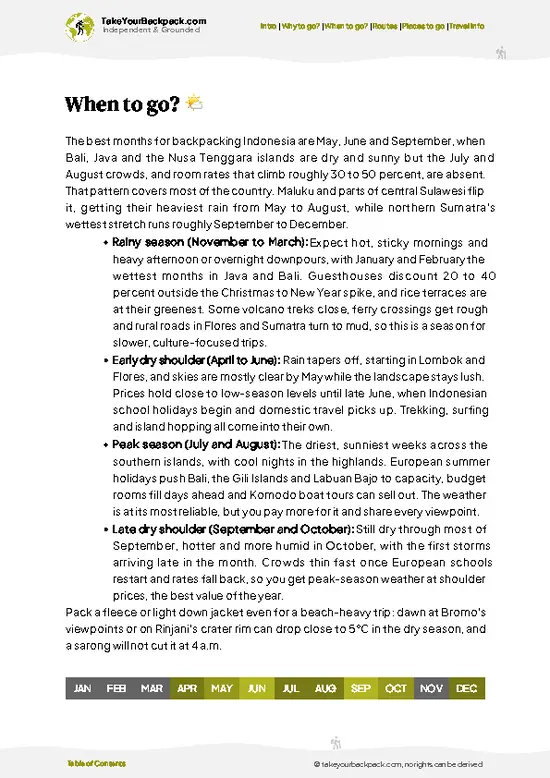
  • Dry Season (May to September): Clear skies, 25 to 32°C (77 to 90°F), and reliable daylight until 6 p.m. Crowds peak in July and August; prices rise. Best for exploring without rain interruptions.
  • Shoulder Months (April, October): Warm, 26 to 30°C (79 to 86°F), fewer tourists, and lower prices. Occasional rain but manageable. Sweet spot for comfort and budget.
  • Wet Season (November to March): Heavy rain, 24 to 28°C (75 to 82°F), shorter daylight around 5:30 p.m., and minimal crowds. Cheapest accommodation and food. Plan indoor activities and waterproof gear.
Visit April to October for the best balance of weather and fewer tourists.

source: climatestotravel.comJANJanuary: fair for travelingFEBFebruary: fair for travelingMARMarch: fair for travelingAPRApril: highly recommended for travelingMAYMay: highly recommended for travelingJUNJune: highly recommended for travelingJULJuly: good for travelingAUGAugust: good for travelingSEPSeptember: highly recommended for travelingOCTOctober: highly recommended for travelingNOVNovember: fair for travelingDECDecember: fair for traveling
when-to-go

✈️ The backpacker research shortcutIndonesia Travel Guide

An offline-friendly backpacking guide with optimized travel routes, ranked highlights, transport advice, and the best areas to stay.
example page 0 from our offline Travel Guide for Indonesia
example page 1 from our offline Travel Guide for Indonesia
example page 2 from our offline Travel Guide for Indonesia
example page 3 from our offline Travel Guide for Indonesia
example page 4 from our offline Travel Guide for Indonesia
example page 5 from our offline Travel Guide for Indonesia
example page 6 from our offline Travel Guide for Indonesia
example page 7 from our offline Travel Guide for Indonesia
The digital guide (460 pages) contains:
✅ 153 highlights, ranked by travel appeal
✅ Optimized 14, 21 & 30-day travel routes
✅ Cities, national parks, landmarks, beaches
✅ How to get around
✅ Offline-friendly for travel without Wi-Fi
👉 Click to see all 30+ guide features

📅 Plan smarter in minutes, not weeks
✅ Month by month travel advice
✅ Festivals & national holidays
✅ Budget expectations

🗺️ Go to the right places, skip the overrated ones
✅ Honest pros & cons of destinations
✅ Top hikes, parks & viewpoints
✅ Lesser-known places most travelers miss
✅ Clear “worth it vs skip it” guidance

🛏️ Travel smoothly without rookie mistakes
✅ Best areas to stay
✅ Transport systems explained simply
✅ Common scams & safety advice
✅ SIM cards, money & practical tips

🌍 Understand the country, not just visit it
✅ Culture & traditions
✅ 52 Essential phrases & customs
✅ Festivals worth planning around
✅ Traveler-friendly historical context
✅ Insights that make places more meaningful

📱 Built for real travel conditions
✅ Fully downloadable PDF
✅ Works completely offline
✅ Optimized for phone use
✅ Useful in remote areas & buses
✅ Everything in one place
Stop searching, start planning
Get instant access to your full guide. 30‑day money-back guarantee.
+ Add another guide for just

By proceeding you agree to our terms.
Sent to your inbox immediately after payment • 100% Secure Checkout
Best Backpacking Travel Advisor 2025 tourism awardBest Backpacking
Travel Advisor
2025
What others say about Take Your Backpack Guides:
⭐⭐⭐⭐⭐
Fantastic, amazing amount of information!
⭐⭐⭐⭐⭐
My goodness this is amazing, it's what I've been looking for hats off too you!
⭐⭐⭐⭐⭐
I think this is absolutely BRILLIANT
⭐⭐⭐⭐
Very complete and informative. It's still missing places, but I gotta to commend you
⭐⭐⭐⭐⭐
This is truly amazing, thank you, can't wait to explore it with my kids!
⭐⭐⭐⭐⭐
Awesome resource, thank you!
⭐⭐⭐⭐⭐
This is amazing! Can't wait to explore the ones I haven't seen
⭐⭐⭐⭐
I love this! Well done, great idea.
⭐⭐⭐⭐⭐
Thanks for taking the time to make this gem!
⭐⭐⭐⭐⭐
This might be the best website I've ever seen.
⭐⭐⭐⭐⭐
Congratulations, and thank you so much for your work; it's incredibly valuable.
⭐⭐⭐⭐
In all seriousness I think you did a great job pointing out the important spots
⭐⭐⭐⭐⭐
10/10 very good
⭐⭐⭐⭐⭐
As someone who's only just starting to visit regularly this is awesome, thank you.
⭐⭐⭐⭐
Thank you very much! I'm going to visit my dad, it's going to be very useful!
⭐⭐⭐⭐⭐
This is really cool! We'll be travelling for the first time and this definitely come in handy.
⭐⭐⭐⭐⭐
You are now our minister of culture, congratulations 👨‍💼
⭐⭐⭐⭐⭐
Just wanted to tell you that this is a pearl! Going to follow your recommendations.
⭐⭐⭐⭐⭐
This is so cool. I'll definitely be using the resource for my travels soon.
⭐⭐⭐⭐⭐
This is very impressive! Good work.
⭐⭐⭐⭐⭐
This is an amazing and informative site. Very well done!

🛏️ Where to stay?Where staying makes the most sense

Base yourself in Pasar Kliwon (Old Town) or Laweyan for the best backpacker experience. Pasar Kliwon offers the most hostels, walkable access to markets and street food, and central transport links; it's lively but can be noisy at night. Laweyan is quieter, cheaper, and more local, with fewer tourists and a stronger sense of place, though fewer dedicated backpacker beds. Both are safe after dark and well-connected by angkot. Choose Pasar Kliwon for social energy and convenience, Laweyan for peace and authenticity.

🚌 Getting aroundMoving around without the hassle

A ride on Solo's most common local transport, the angkot (shared minibus), costs around 3,500 to 5,000 IDR (USD 0.23 to 0.33) per trip; pay the driver in cash. The city is walkable in its core, but distances between neighborhoods stretch quickly. Traffic moves steadily outside rush hours, and public transport is reliable if informal.
  • Walking: The center and Laweyan are navigable on foot. Free, takes time, and lets you spot street food and small shops. Best for short hops and exploration.
  • Angkot (shared minibus): The backbone of local travel. Cheap (3,500 to 5,000 IDR per ride), frequent, and cover most routes. Slow and crowded during peak hours; no fixed schedule. Learn a few key stops or ask locals.
  • Ojek (motorcycle taxi): Fast and direct, 10,000 to 25,000 IDR (USD 0.65 to 1.65) depending on
… read more 👉
A ride on Solo's most common local transport, the angkot (shared minibus), costs around 3,500 to 5,000 IDR (USD 0.23 to 0.33) per trip; pay the driver in cash. The city is walkable in its core, but distances between neighborhoods stretch quickly. Traffic moves steadily outside rush hours, and public transport is reliable if informal.
  • Walking: The center and Laweyan are navigable on foot. Free, takes time, and lets you spot street food and small shops. Best for short hops and exploration.
  • Angkot (shared minibus): The backbone of local travel. Cheap (3,500 to 5,000 IDR per ride), frequent, and cover most routes. Slow and crowded during peak hours; no fixed schedule. Learn a few key stops or ask locals.
  • Ojek (motorcycle taxi): Fast and direct, 10,000 to 25,000 IDR (USD 0.65 to 1.65) depending on distance. Use Gojek or Grab apps for fixed prices and safety. Quicker than angkot but pricier.
  • Taxi or Grab car: Comfortable and air-conditioned, 25,000 to 60,000 IDR (USD 1.65 to 4) for short trips. Grab is safer and more transparent than street taxis. Worth it for late nights or bad weather.
  • Bicycle rental: Some hostels and shops rent bikes for 30,000 to 50,000 IDR (USD 2 to 3.30) per day. Flat terrain, light traffic in residential areas. Rewarding for exploring Laweyan and quieter zones.

👛 Costs (as of 15 October 2026)How expensive it really is

A backpacker can live comfortably in Solo on USD 20 to 35 per day, covering a dorm bed, meals, local transport, and activities. Prices are lowest in the wet season (November to March) and rise slightly during the dry season and school holidays.
CategoryBudget RangeLocal Reality
Dorm accommodation (high season)USD 6 to 12Basic hostels in Pasar Kliwon and Laweyan offer clean beds and social spaces; prices peak July to August.
Dorm accommodation (off-season)USD 4 to 8Same hostels drop rates significantly November to March; negotiation possible for longer stays.
MealsUSD 2 to 6Street food and warung meals cost 15,000 to 30,000 IDR (USD 1 to 2); casual restaurants 50,000 to 100,000 IDR (USD 3.30 to 6.70).
Local transportUSD 1 to 3Angkot rides are 3,500 to 5,000 IDR each; daily movement within the city
… read more 👉
A backpacker can live comfortably in Solo on USD 20 to 35 per day, covering a dorm bed, meals, local transport, and activities. Prices are lowest in the wet season (November to March) and rise slightly during the dry season and school holidays.
CategoryBudget RangeLocal Reality
Dorm accommodation (high season)USD 6 to 12Basic hostels in Pasar Kliwon and Laweyan offer clean beds and social spaces; prices peak July to August.
Dorm accommodation (off-season)USD 4 to 8Same hostels drop rates significantly November to March; negotiation possible for longer stays.
MealsUSD 2 to 6Street food and warung meals cost 15,000 to 30,000 IDR (USD 1 to 2); casual restaurants 50,000 to 100,000 IDR (USD 3.30 to 6.70).
Local transportUSD 1 to 3Angkot rides are 3,500 to 5,000 IDR each; daily movement within the city rarely exceeds 30,000 IDR (USD 2).
City transport passN/ANo multi-day pass exists; pay per ride or use Grab/Gojek apps for predictable costs.
Basic activities and entry feesUSD 2 to 8Museum entries 50,000 to 100,000 IDR (USD 3.30 to 6.70); temple visits and guided tours 100,000 to 300,000 IDR (USD 6.70 to 20).
Miscellaneous expensesUSD 2 to 5Laundry, snacks, souvenirs, and unexpected costs; budget conservatively.
Total Daily BudgetUSD 20 to 35Comfortable backpacking with meals, transport, accommodation, and one activity per day.
Eat at markets and warungs instead of tourist restaurants to stretch your budget by 30 to 40 percent.
⚠️ Prices can change and everyone travels differently, so take this as a rough guide. Hope it helps you plan your adventure!

🚌 Day tripsEasy escapes and nearby places

Gili Trawangan
A short ferry ride from Solo puts you on this island's white-sand beaches and coral reefs. The boat takes 1.5 to 2 hours and costs US$8 to 12 return. Snorkeling is the main draw, and the water clarity peaks April to October. Budget US$25 to 35 for the day including food and a snorkel rental. First-timers often skip the early morning departure and miss the calmest water; go before 8 a.m. if you can.
👉 Explore Gili Trawangan

Mount Rinjani
This volcano dominates the landscape and rewards serious hikers with crater views and a freshwater lake. The trek takes two days minimum from Solo, requiring an overnight stay on the mountain (US$40 to 60 for a guide and basic shelter). Most people start the climb around midnight to summit at dawn. Go during the dry season, May to September, when … read more 👉
Gili Trawangan
A short ferry ride from Solo puts you on this island's white-sand beaches and coral reefs. The boat takes 1.5 to 2 hours and costs US$8 to 12 return. Snorkeling is the main draw, and the water clarity peaks April to October. Budget US$25 to 35 for the day including food and a snorkel rental. First-timers often skip the early morning departure and miss the calmest water; go before 8 a.m. if you can.
👉 Explore Gili Trawangan

Mount Rinjani
This volcano dominates the landscape and rewards serious hikers with crater views and a freshwater lake. The trek takes two days minimum from Solo, requiring an overnight stay on the mountain (US$40 to 60 for a guide and basic shelter). Most people start the climb around midnight to summit at dawn. Go during the dry season, May to September, when trails are passable. The hike is steep and exposed; bring plenty of water and start early enough to avoid hiking in darkness on the descent.
👉 Explore Mount Rinjani

Lombok's South Coast
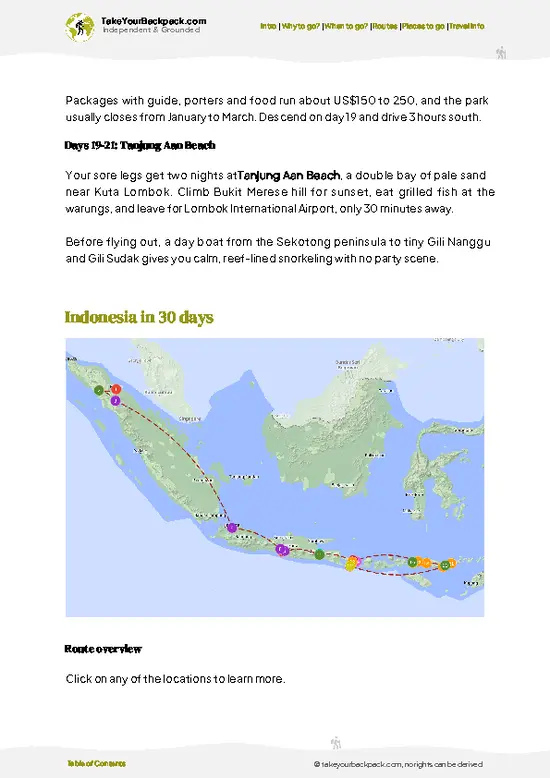
Drive or take a minibus 2 to 3 hours south to reach empty beaches and dramatic cliffs. Transport costs US$5 to 8. Kuta Beach on Lombok's south side offers strong waves and fewer crowds than its Bali counterpart. Spend the day swimming, walking the sand, or watching surfers. Total cost runs US$20 to 30 with food. The road is rough; a scooter rental gives you flexibility but requires confidence on unpaved sections.

🍲 FoodLocal Flavors for Backpackers

Gado-gado (vegetables with peanut sauce) and soto ayam (turmeric chicken soup) are local staples, cheap and filling. Lumpia (fried spring rolls) and perkedel (potato fritters) appear everywhere as street snacks. Solo's batik heritage extends to its food culture; many warungs and markets reflect family recipes passed down for generations.
Eat where locals eat: pasar (markets) like Pasar Gede offer the freshest produce and cheapest meals, while street stalls around Pasar Kliwon serve breakfast and lunch to workers and students. Warung cafés are the social hub; sit down, order tea or coffee, and watch the neighborhood wake up. Wedang ronde (ginger drink with glutinous balls) and es cendol (coconut and palm sugar dessert) cool you down in the heat. Alcohol is available but less central to the culture … read more 👉
Gado-gado (vegetables with peanut sauce) and soto ayam (turmeric chicken soup) are local staples, cheap and filling. Lumpia (fried spring rolls) and perkedel (potato fritters) appear everywhere as street snacks. Solo's batik heritage extends to its food culture; many warungs and markets reflect family recipes passed down for generations.
Eat where locals eat: pasar (markets) like Pasar Gede offer the freshest produce and cheapest meals, while street stalls around Pasar Kliwon serve breakfast and lunch to workers and students. Warung cafés are the social hub; sit down, order tea or coffee, and watch the neighborhood wake up. Wedang ronde (ginger drink with glutinous balls) and es cendol (coconut and palm sugar dessert) cool you down in the heat. Alcohol is available but less central to the culture than in tourist zones; beer and local spirits appear in casual bars and some warungs.

🛡️ SafetyScams, Hazards, and Annoyances

Solo is broadly safe for solo travelers and backpackers. Petty theft from bags and phones happens in crowded markets and on crowded angkots, so keep valuables close and stay aware in busy areas. Avoid walking alone very late at night (after midnight) in unfamiliar neighborhoods; use Grab or a taxi instead. Scams are rare but do occur: unlicensed taxis may overcharge, and some tour operators quote inflated prices to foreigners. Use Grab or Gojek apps for transport to lock in prices, and book day trips through hostels or established agencies. The city has a relaxed atmosphere; exercise normal urban caution and you'll navigate it without incident.

FAQTraveler FAQ

Two to three days is ideal. One day covers the main palaces and market; a second day allows for Borobudur or Mount Merapi as a day trip, plus evening wayang kulit performances at Sriwedari Park. A third day lets you explore batik workshops, smaller museums, and neighborhood walks without rushing.
Solo is safe for solo backpackers, with low violent crime and a welcoming local culture. Standard precautions apply: avoid displaying valuables, stay aware in crowded markets, and use registered taxis or ride-sharing apps at night. The backpacker quarter around Jalan Slamet Riyadi is well-traveled and secure.
Solo is known for its role as a center of Javanese culture and royal tradition, particularly its two functioning palaces (Kraton and Mangkunegaran), batik textile production and workshops, and its position as a basecamp for day trips to Borobudur temple, Mount Merapi, and Mount Merbabu. It's also recognized for traditional wayang kulit (shadow puppet) performances and gamelan orchestras that remain part of daily cultural life.
⚠️ Things can change over time, so always validate details locally before you go.

Other Indonesian cities near Solo

Explore more nearby:

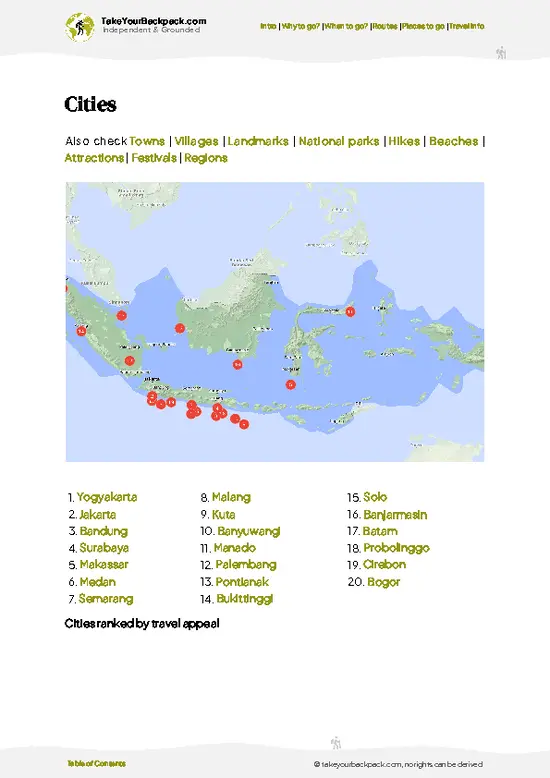
  • Yogyakarta—royal palace, batik workshops, street art| 57 km away
  • Semarang—Dutch warehouses, Chinatown, hilltop views| 80 km away
  • Malang—colonial lanes, university town, cool climate| 204 km away

💡 Not sure where to go next?
Create a personalized itinerary for Indonesia including Solo and the places that fit your trip.

Generate my itinerary

👉 Discover all cities

Or checkout all Indonesia has to offer (think cities, towns, villages, national parks, hikes, beaches, festivals)
Country photo of Indonesia

We 💚 feedbackSumming up the experience

Solo rewards travelers who slow down and engage with its royal history and craft traditions. The main drawback is that Borobudur and Prambanan temples, the biggest draws, sit outside the city and require early starts or overnight trips to fully experience.

✈️ When did I visit Indonesia?
As part of my 1.5 year travel around the world trip, I visited Indonesia twice (and it was worth it): first in September 2015 and a bit later again in January and February 2016.

✍️ Help improve this page!
The information on this page is based on my own backpacking experience in Indonesia, supplemented with up-to-date research and feedback from other travelers. Travel details can change, so if you notice anything outdated or incomplete, feel free to let me know.


🙋‍♂️ Give feedback

👋 Meet the founderWho’s Behind Take Your Backpack?

Johan, backpacker and founder of TakeYourBackpackHi, I’m Johan (Netherlands 🇳🇱), the creator of TakeYourBackpack. Over the past 3 decades, I’ve backpacked through 90+ countries across six continents, gaining extensive experience with independent travel, long-term trips, and overland routes.

This site is built on a combination of firsthand travel experience and carefully curated insights from other backpackers. Many guides are based on places I’ve personally visited, while others bring together tips, observations, and practical advice shared by trusted travelers I’ve met along the way.

The goal is to provide realistic, experience-driven guidance — not generic itineraries — so you can explore destinations with better context, clearer expectations, and more confidence.