
×

Indonesia🇮🇩 | citiesYogyakartaroyal palace, batik workshops, street art | things to do and best time to go

Explore Tana TorajaExplore Kuta

Backpacking in Yogyakarta
🏆 Top pickcity ranked #1
By Johan Kruseman 🇳🇱 | Updated September 4, 2026

Most people only realize on the way out that Yogyakarta’s secret weapon is how much “big trip” you can squeeze into very little time: sunrise at Borobudur, sunset at Prambanan, street food on Malioboro, and a live arts performance, all without brutal transfers or chaos-level traffic. Yogyakarta sits in central-southern Java, roughly between Jakarta and Surabaya, and feels like Indonesia’s cultural campus more than a city. For backpackers, it’s cheap, compact, and easy to navigate, with hostels clustered around Prawirotaman and Sosrowijayan where you’ll meet other travelers without trying. The pros: strong arts scene, the Kraton and Taman Sari for history, good coffee, reliable public transport to the temples, and a generally safe, walkable core. The cons: aggressive batik touts, some over-touristed “culture shows,” and air quality and noise that can wear you down. Compared with Jakarta, it’s calmer; compared with Malang, more intense and student-driven. The overall vibe: creative, slightly scruffy, and very alive.

Discover everything you want to know in the 📖 Indonesia Travel Guide.
Loading the map 🌍
CLICK TO FILTER
cities
towns
landmarks
national parks
hikes
beaches
attractions
festivals
regions
SHOW COUNTRY’S BESTSHOW ALL

✨ Why go?
Ranked #1 city in Indonesia
Reasons people choose to visit here

Yogyakarta is a backpacker’s hub that strikes a balance between affordability and rich experiences. It’s not just a stopover; it’s a basecamp for day trips to iconic sites. The hostel scene is vibrant, with plenty of options that cater to all budgets, making it easy to meet fellow travelers. You can grab a cheap meal from a street vendor or indulge in local cuisine at a cozy café, all while keeping your wallet happy.

The city is walkable, allowing you to soak in the local culture without the hassle of transport. You’ll find bustling markets, art galleries, and street performances that keep the energy alive. When the sun sets, the nightlife offers everything from laid-back bars to lively clubs, ensuring your evenings are just as engaging as your days.

Plus, Yogyakarta serves as a convenient … read more 👉
Yogyakarta is a backpacker’s hub that strikes a balance between affordability and rich experiences. It’s not just a stopover; it’s a basecamp for day trips to iconic sites. The hostel scene is vibrant, with plenty of options that cater to all budgets, making it easy to meet fellow travelers. You can grab a cheap meal from a street vendor or indulge in local cuisine at a cozy café, all while keeping your wallet happy.

The city is walkable, allowing you to soak in the local culture without the hassle of transport. You’ll find bustling markets, art galleries, and street performances that keep the energy alive. When the sun sets, the nightlife offers everything from laid-back bars to lively clubs, ensuring your evenings are just as engaging as your days.

Plus, Yogyakarta serves as a convenient launchpad for further adventures in Indonesia, with easy onward travel options. If you’re looking for a place that combines cultural depth with practicality, this city is a solid choice. It’s perfect for those who want to dive deep without sacrificing comfort or budget.
Want to include Yogyakarta in your Indonesia route?
Create a personalized Indonesia itinerary that includes Yogyakarta and the places that fit your trip — based on your travel style, budget, and available time. Get your route in seconds.

Generate my trip

💡 HighlightsWhat this place is best known for

  1. Kraton Ngayogyakarta Hadiningrat (Sultan’s Palace) — The living heart of Yogyakarta: an active royal palace with daily gamelan, batik displays, and royal heirlooms. Go for the guided tour to understand court etiquette and Javanese cosmology—it’s history you can still feel breathing.
  2. Taman Sari (Water Castle) — A quirky, partly-ruined royal garden and bathing complex with underground corridors and the circular Sumur Gumuling mosque. Great for wandering, photos, and imagining the old Sultanate’s private life away from the formal Kraton rooms.
  3. Malioboro Street — The city’s busiest artery for street food, batik stalls, and cheap souvenirs; it’s the best place to people-watch, ride a becak, or haggle for a decent batik scarf. Visit at dusk when vendors and performers really bring it to life.
read more 👉
  1. Kraton Ngayogyakarta Hadiningrat (Sultan’s Palace) — The living heart of Yogyakarta: an active royal palace with daily gamelan, batik displays, and royal heirlooms. Go for the guided tour to understand court etiquette and Javanese cosmology—it’s history you can still feel breathing.
  2. Taman Sari (Water Castle) — A quirky, partly-ruined royal garden and bathing complex with underground corridors and the circular Sumur Gumuling mosque. Great for wandering, photos, and imagining the old Sultanate’s private life away from the formal Kraton rooms.
  3. Malioboro Street — The city’s busiest artery for street food, batik stalls, and cheap souvenirs; it’s the best place to people-watch, ride a becak, or haggle for a decent batik scarf. Visit at dusk when vendors and performers really bring it to life.
  4. Beringharjo Market — A traditional market behind Malioboro where locals buy batik, spices, snacks, and household goods. It’s the real deal—less tourist gloss, better prices, and excellent street eats (try gudeg or klepon from a small stall).
  5. Alun-Alun Kidul (South Square) — Night-time hangout with food carts, lamps, and the silly-but-fun ritual of trying to walk between twin banyan trees blindfolded. Low-cost, local atmosphere and cheap thrills—bring a camera for the neon pedal cars.
  6. Kotagede (Old Silver Quarter) — Narrow lanes, ancient mosque, and dozens of silversmith workshops where you can watch and buy hand-hammered silver or take a short craft demo. The area feels like stepping back into old Mataram times.
  7. Fort Vredeburg Museum — A Dutch-era fort turned museum about Indonesia’s path to independence; well-curated dioramas and short multimedia exhibits make colonial history accessible. It’s right by Malioboro, so easy to slot into an afternoon.
  8. Museum Sonobudoyo — One of the best small museums for Javanese culture: wayang (shadow puppets), classical costumes, and ceramics. Quiet, informative, and often overlooked by tourists who stick to temples.
  9. Affandi Museum — The eccentric former home and gallery of Indonesia’s famous painter Affandi, housed in unusual, curved-brick architecture. The rough, personal display of his work and studio gives a direct feel for Indonesian modern art.
  10. Taman Pintar (Science Park) — An interactive science center in the city center with hands-on exhibits, a planetarium, and useful English signage. It’s genuinely fun for curious adults and useful if you’re traveling with kids or want a break from museums and markets.
For day trips just outside Yogyakarta I’d pick Prambanan, Borobudur, a Merapi jeep tour, Imogiri royal cemetery, or Parangtritis beach—my personal favorite for a day trip is Borobudur.
Spotted a mistake or missing something? Contact us.

Things to do in Yogyakarta

Ratings based on Tripadvisor reviews. When you book through this link, you support our work at no extra cost to you.

🏘️ NeighborhoodsUnderstanding the local layout

Yogyakarta is a vibrant hub for backpackers, blending rich culture with a laid-back atmosphere. Here’s how the neighborhoods stack up:

Malioboro: The heart of Yogyakarta, Malioboro pulses with energy. It’s a bustling street filled with shops, street food, and local art. Perfect for first-timers, it’s walkable and offers easy access to transport. Expect a lively nightlife, but it can get noisy. Ideal for short stays where you want to soak in the action.

Prawirotaman: Known as the backpacker enclave, Prawirotaman has a relaxed vibe with plenty of guesthouses and cafes. It’s quieter than Malioboro but still offers a good selection of nightlife options. The area is walkable, and you can easily catch local transport to attractions. Great for longer stays if you want a balance of chill and exploration. … read more 👉
Yogyakarta is a vibrant hub for backpackers, blending rich culture with a laid-back atmosphere. Here’s how the neighborhoods stack up:

Malioboro: The heart of Yogyakarta, Malioboro pulses with energy. It’s a bustling street filled with shops, street food, and local art. Perfect for first-timers, it’s walkable and offers easy access to transport. Expect a lively nightlife, but it can get noisy. Ideal for short stays where you want to soak in the action.

Prawirotaman: Known as the backpacker enclave, Prawirotaman has a relaxed vibe with plenty of guesthouses and cafes. It’s quieter than Malioboro but still offers a good selection of nightlife options. The area is walkable, and you can easily catch local transport to attractions. Great for longer stays if you want a balance of chill and exploration.

Kota Gede: This area is famous for its silver craftsmanship and traditional Javanese architecture. It’s less touristy, providing a more authentic experience. Walkability is decent, but you’ll need transport for major attractions. The vibe is tranquil, making it suitable for longer stays focused on culture and craftsmanship.

Bantul: A bit further out, Bantul offers a glimpse into rural life. It’s perfect for those looking to escape the city buzz. The area is less walkable, so having a bike or scooter is ideal. Nightlife is minimal, but the local food scene is rich. Best for longer stays if you want to immerse yourself in local culture.

Each neighborhood offers a unique flavor, so choose based on what you value most: convenience, culture, or calm.

⌛️ 1 dayHow to make the most of one day

Yogyakarta is a vibrant hub of culture and history in Indonesia, where ancient temples meet lively street markets. It’s a city that pulses with creativity, from its traditional batik artisans to the rhythmic sounds of gamelan music. Spending a day here is like diving into a rich tapestry of experiences, and you can do it without feeling rushed.

Start your morning in the historic district of Kotagede, known for its silver craftsmanship. Grab a traditional breakfast of nasi kucing—small portions of rice with various toppings—at a local warung. The streets here are lined with charming old buildings, and you can wander through the narrow alleys, soaking in the local vibe. Don’t miss the chance to visit the Taman Sari Water Castle, where you can explore the remnants of a royal bathing complex. … read more 👉
Yogyakarta is a vibrant hub of culture and history in Indonesia, where ancient temples meet lively street markets. It’s a city that pulses with creativity, from its traditional batik artisans to the rhythmic sounds of gamelan music. Spending a day here is like diving into a rich tapestry of experiences, and you can do it without feeling rushed.

Start your morning in the historic district of Kotagede, known for its silver craftsmanship. Grab a traditional breakfast of nasi kucing—small portions of rice with various toppings—at a local warung. The streets here are lined with charming old buildings, and you can wander through the narrow alleys, soaking in the local vibe. Don’t miss the chance to visit the Taman Sari Water Castle, where you can explore the remnants of a royal bathing complex. It’s a bit off the typical tourist path, but the serene gardens and unique architecture are worth the detour.

In the afternoon, head to the bustling Malioboro Street. This is where the city’s energy truly comes alive. Browse the shops for batik and souvenirs, but don’t forget to stop at a street vendor for some bakpia, a sweet pastry filled with mung bean. Afterward, take a short ride to the magnificent Prambanan Temple. The intricate carvings and towering spires are awe-inspiring, especially when you consider their age and significance.

As evening approaches, return to the city center and find a cozy spot in the Prawirotaman neighborhood. This area is known for its laid-back cafes and restaurants. Enjoy a meal of gudeg, a traditional jackfruit dish, while listening to live music. The atmosphere is relaxed, perfect for reflecting on your day.

Yogyakarta is a city that invites you to slow down and savor each moment. By focusing on these neighborhoods and experiences, you’ll leave with a deeper appreciation of its unique charm.
Turn your Yogyakarta visit into an Indonesia adventure
Build a complete Indonesia route with Yogyakarta, hidden gems, must-see destinations, and realistic travel times included.

Generate my trip

🌤️ When to go?When to go for the best experience


  • Weather: Yogyakarta’s climate is tropical with a clear wet season from November to March and a dry season from April to October. The dry months offer less humidity and minimal rain, making trekking and exploring temples more comfortable.

  • Temperature: Expect daily highs around 30-33°C (86-91°F) year-round, but the dry season feels less oppressive. Nights cool to about 22-24°C (72-75°F), which is perfect for sleeping without AC.

  • Daylight Hours: Consistent throughout the year, roughly 12 hours of daylight. Sunrise around 5:30-6:00 AM and sunset near 6:00 PM, giving you ample time for full-day excursions.

  • Crowds: Peak tourist influx aligns with the dry season, especially July and August. Expect busier temples and higher prices then. The wet season sees fewer travelers, offering a quieter,
read more 👉

  • Weather: Yogyakarta’s climate is tropical with a clear wet season from November to March and a dry season from April to October. The dry months offer less humidity and minimal rain, making trekking and exploring temples more comfortable.

  • Temperature: Expect daily highs around 30-33°C (86-91°F) year-round, but the dry season feels less oppressive. Nights cool to about 22-24°C (72-75°F), which is perfect for sleeping without AC.

  • Daylight Hours: Consistent throughout the year, roughly 12 hours of daylight. Sunrise around 5:30-6:00 AM and sunset near 6:00 PM, giving you ample time for full-day excursions.

  • Crowds: Peak tourist influx aligns with the dry season, especially July and August. Expect busier temples and higher prices then. The wet season sees fewer travelers, offering a quieter, more local vibe.

  • Seasonal Activities: Dry season is prime for outdoor adventures like hiking Merapi volcano or visiting Borobudur at dawn. Wet season brings lush landscapes and fewer tourists but risks of sudden downpours disrupting plans.

  • Price Fluctuations: Accommodation and tours spike during the dry season and school holidays. The wet season offers better deals but requires flexibility due to weather unpredictability.


Pro-tip: Aim for the shoulder months of April, May, or September to balance good weather, manageable crowds, and reasonable prices—your sweet spot for smart backpacking in Yogyakarta.


source: climatestotravel.comJANJanuary: fair for travelingFEBFebruary: fair for travelingMARMarch: fair for travelingAPRApril: highly recommended for travelingMAYMay: highly recommended for travelingJUNJune: highly recommended for travelingJULJuly: good for travelingAUGAugust: good for travelingSEPSeptember: highly recommended for travelingOCTOctober: highly recommended for travelingNOVNovember: fair for travelingDECDecember: fair for traveling
when-to-go

✈️ The backpacker research shortcutIndonesia Travel Guide

An offline-friendly backpacking guide with optimized travel routes, ranked highlights, transport advice, and the best areas to stay.
example page 0 from our offline Travel Guide for Indonesia
example page 1 from our offline Travel Guide for Indonesia
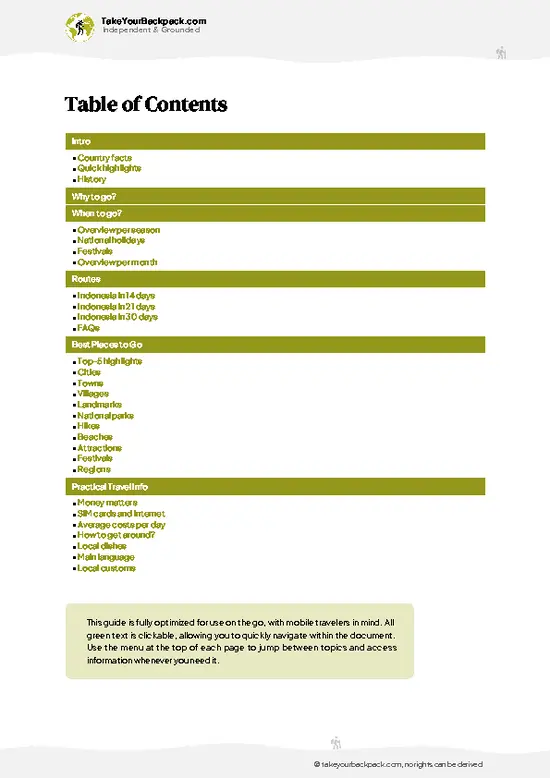
example page 2 from our offline Travel Guide for Indonesia
example page 3 from our offline Travel Guide for Indonesia
example page 4 from our offline Travel Guide for Indonesia
example page 5 from our offline Travel Guide for Indonesia
example page 6 from our offline Travel Guide for Indonesia
example page 7 from our offline Travel Guide for Indonesia
The digital guide (546 pages) contains:
156 highlights, ranked by travel appeal
Optimized 14, 21 & 30-day travel routes
Cities, national parks, landmarks, beaches
How to get around
Offline-friendly for travel without Wi-Fi
👉 Click to see all 30+ guide features

📅 Plan smarter in minutes, not weeks
Month by month travel advice
Festivals & national holidays
Budget expectations

🗺️ Go to the right places, skip the overrated ones
Honest pros & cons of destinations
Top hikes, parks & viewpoints
Lesser-known places most travelers miss
Clear “worth it vs skip it” guidance

🛏️ Travel smoothly without rookie mistakes
Best areas to stay
Transport systems explained simply
Common scams & safety advice
SIM cards, money & practical tips

🌍 Understand the country, not just visit it
Culture & traditions
52 Essential phrases & customs
Festivals worth planning around
Traveler-friendly historical context
Insights that make places more meaningful

📱 Built for real travel conditions
Fully downloadable PDF
Works completely offline
Optimized for phone use
Useful in remote areas & buses
Everything in one place
Save weeks of stressful planning
Get instant access to your full guide. 30‑day money-back guarantee.
+ Add another guide for just US$7.80

By proceeding you agree to our terms.
Sent to your inbox immediately after payment • 100% Secure Checkout
Best Backpacking Travel Advisor 2025 tourism awardBest Backpacking
Travel Advisor
2025
What others say about Take Your Backpack Guides:
⭐⭐⭐⭐⭐
Fantastic, amazing amount of information!
⭐⭐⭐⭐⭐
My goodness this is amazing, it's what I've been looking for hats off too you!
⭐⭐⭐⭐⭐
I think this is absolutely BRILLIANT
⭐⭐⭐⭐
Very complete and informative. It's still missing places, but I gotta to commend you
⭐⭐⭐⭐⭐
This is truly amazing, thank you, can't wait to explore it with my kids!
⭐⭐⭐⭐⭐
Awesome resource, thank you!
⭐⭐⭐⭐⭐
This is amazing! Can't wait to explore the ones I haven't seen
⭐⭐⭐⭐
I love this! Well done, great idea.
⭐⭐⭐⭐⭐
Thanks for taking the time to make this gem!
⭐⭐⭐⭐⭐
This might be the best website I've ever seen.
⭐⭐⭐⭐⭐
Congratulations, and thank you so much for your work; it's incredibly valuable.
⭐⭐⭐⭐
In all seriousness I think you did a great job pointing out the important spots
⭐⭐⭐⭐⭐
10/10 very good
⭐⭐⭐⭐⭐
As someone who's only just starting to visit regularly this is awesome, thank you.
⭐⭐⭐⭐
Thank you very much! I'm going to visit my dad, it's going to be very useful!
⭐⭐⭐⭐⭐
This is really cool! We'll be travelling for the first time and this definitely come in handy.
⭐⭐⭐⭐⭐
You are now our minister of culture, congratulations 👨‍💼
⭐⭐⭐⭐⭐
Just wanted to tell you that this is a pearl! Going to follow your recommendations.
⭐⭐⭐⭐⭐
This is so cool. I'll definitely be using the resource for my travels soon.
⭐⭐⭐⭐⭐
This is very impressive! Good work.
⭐⭐⭐⭐⭐
This is an amazing and informative site. Very well done!

🛏️ Where to stay?Where staying makes the most sense

Malioboro Street and its surroundings stand out as the prime zone for backpackers in Yogyakarta. This area is the city’s beating heart for budget travelers—safe enough to wander after dark, packed with affordable hostels, and buzzing with street vendors, local eateries, and fellow backpackers. Staying here means you’re plugged into the social circuit without sacrificing your wallet. The trade-off? It’s lively, sometimes noisy, and not the place for quiet nights, but that’s part of the charm if you want to meet people and soak up the city’s pulse.

Just a short ride away, the Prawirotaman neighborhoodread more 👉
Malioboro Street and its surroundings stand out as the prime zone for backpackers in Yogyakarta. This area is the city’s beating heart for budget travelers—safe enough to wander after dark, packed with affordable hostels, and buzzing with street vendors, local eateries, and fellow backpackers. Staying here means you’re plugged into the social circuit without sacrificing your wallet. The trade-off? It’s lively, sometimes noisy, and not the place for quiet nights, but that’s part of the charm if you want to meet people and soak up the city’s pulse.

Just a short ride away, the Prawirotaman neighborhood offers a slightly quieter, more laid-back vibe. It’s still backpacker-friendly but leans toward boutique guesthouses and cozy cafes. You’ll find fewer crowds here, which means more comfort and space to recharge, but it costs a bit more and the social scene is less intense. This is the sweet spot if you want balance—comfort without losing the backpacker spirit.

Avoid the northern parts near the train station unless you’re in transit. It’s less safe and lacks the social infrastructure that makes a stay enjoyable. The southern and eastern suburbs are mostly residential and don’t offer much for solo travelers looking to connect or save money.

In Yogyakarta, your choice boils down to a trade-off between being in the thick of the action on Malioboro or opting for a quieter, more comfortable base in Prawirotaman. Both deliver value, but your vibe and priorities will decide which neighborhood wins.

🚌 Getting aroundGetting around like a local

Yogyakarta moves at its own rhythm—part old-school tradition, part modern hustle. It’s not a city where you’ll find strict timetables etched in stone; instead, it flows with a blend of predictable routes and spontaneous detours. The streets pulse with motorbikes weaving through traffic, becaks (pedicabs) pedaling leisurely, and locals who know exactly when to push forward or pause. For a budget traveler, this means mastering the art of balancing time, money, and comfort. You can save cash by embracing the slower, more local modes, but that often means sacrificing speed or a bit of ease. Conversely, splurging on convenience can shave hours off your day but at a price. Understanding these trade-offs lets you play the system smartly—turning transit into a strategic advantage rather than a frustrating … read more 👉
Yogyakarta moves at its own rhythm—part old-school tradition, part modern hustle. It’s not a city where you’ll find strict timetables etched in stone; instead, it flows with a blend of predictable routes and spontaneous detours. The streets pulse with motorbikes weaving through traffic, becaks (pedicabs) pedaling leisurely, and locals who know exactly when to push forward or pause. For a budget traveler, this means mastering the art of balancing time, money, and comfort. You can save cash by embracing the slower, more local modes, but that often means sacrificing speed or a bit of ease. Conversely, splurging on convenience can shave hours off your day but at a price. Understanding these trade-offs lets you play the system smartly—turning transit into a strategic advantage rather than a frustrating hurdle.


  • Walking: The ultimate zero-cost option, perfect for exploring the compact city center. Yogyakarta’s streets are lively and walkable, but watch for uneven sidewalks and occasional traffic chaos. Walking costs you time and energy but rewards you with intimate street-level discoveries and zero emissions.


  • Becak (Pedicab): A slow, scenic ride costing around IDR 10,000–20,000 ($0.70–$1.40) for short trips. Becaks are great for short distances or when you want to soak in the local vibe without the noise of motorbikes. They’re comfortable but slow, so expect a leisurely pace and negotiate fares upfront to avoid surprises.


  • Trans Jogja Bus: The city’s budget-friendly bus system runs from early morning (around 5:30 AM) until about 9:30 PM. Tickets cost a flat IDR 3,500 ($0.25), making it the cheapest motorized option. It’s slower than a motorbike taxi but reliable and air-conditioned, striking a solid balance between cost and comfort if you’re not in a rush.


  • Ojeks (Motorbike Taxis): The fastest way to navigate Yogyakarta’s traffic maze, with fares starting around IDR 10,000 ($0.70) for short rides. They’re flexible and can weave through congestion, saving you precious time. Comfort is minimal—helmet provided but expect wind, dust, and a bit of adrenaline. Ideal when time is tight and you’re okay with a bit of risk.


  • Rental Motorbike: For the independent traveler who values freedom and speed, renting a motorbike costs about IDR 50,000–70,000 ($3.50–$5) per day. It’s the best way to cover ground quickly and explore beyond the city limits. However, it demands confidence in local traffic conditions and comes with safety considerations. You trade off comfort and safety for autonomy and efficiency.

👛 Costs (as of 4 September 2026)What things cost and how to budget

Backpacking in Yogyakarta, Indonesia, offers a fascinating balance of affordability and cultural richness, but understanding the cost trade-offs is key to maximizing your experience.
  • Dorm Accommodation (High Season): Expect to pay around $7 to $12 per night. High season pushes prices up slightly, especially in popular areas near Malioboro Street or the Kraton, where demand spikes.
  • Dorm Accommodation (Off-Season): Prices drop to about $4 to $8 per night. Off-season means quieter hostels and better bargaining power, perfect if you want to stretch your budget without sacrificing safety or social atmosphere.
  • Meals: Street food and warungs (local eateries) dominate here. Budget around $2 to $5 per meal for filling, authentic dishes like nasi gudeg or bakmi Jawa. Western-style cafes and restaurants
read more 👉
Backpacking in Yogyakarta, Indonesia, offers a fascinating balance of affordability and cultural richness, but understanding the cost trade-offs is key to maximizing your experience.
  • Dorm Accommodation (High Season): Expect to pay around $7 to $12 per night. High season pushes prices up slightly, especially in popular areas near Malioboro Street or the Kraton, where demand spikes.
  • Dorm Accommodation (Off-Season): Prices drop to about $4 to $8 per night. Off-season means quieter hostels and better bargaining power, perfect if you want to stretch your budget without sacrificing safety or social atmosphere.
  • Meals: Street food and warungs (local eateries) dominate here. Budget around $2 to $5 per meal for filling, authentic dishes like nasi gudeg or bakmi Jawa. Western-style cafes and restaurants will push that to $6-$10 per meal.
  • Local Transport: Bemos (shared minibuses) and becaks (pedicabs) are cheap and convenient for short hops, costing roughly $0.30 to $1 per ride. Renting a scooter is popular too, around $5 to $7 per day, giving you freedom but requiring caution.
  • City Transport Pass: Yogyakarta doesn’t have a formal city transport pass system like bigger cities. Most travelers rely on ojeks (motorcycle taxis) or apps like Gojek and Grab, which cost about $1 to $3 for typical city trips.
  • Basic Activities/Entry Fees: Temples like Prambanan and Borobudur charge around $20 to $25 for foreigners, a significant chunk of your daily budget if you visit in one day. Smaller museums and cultural sites usually range from $1 to $5.
  • Miscellaneous Expenses: This includes bottled water, snacks, occasional laundry, and small souvenirs. Budget about $2 to $5 daily to cover these extras without surprises.

In total, a realistic daily budget for backpacking in Yogyakarta ranges from about $15 on a tight, off-season plan to $40 if you’re mixing in temple visits and occasional comfort splurges. Knowing where you’re trading time for money or comfort lets you pick the right balance—whether that’s spending less on accommodation to save for a Borobudur sunrise tour or opting for a scooter rental to explore beyond the city limits efficiently.


source: indonesia.travel
⚠️ Prices can change and everyone travels differently, so take this as a rough guide. Hope it helps you plan your adventure!

🚌 Day tripsWhere to go beyond the main area

Yogyakarta is a backpacker’s dream, serving as a perfect launchpad for unforgettable day trips. With its rich culture and stunning landscapes, you can easily explore the surrounding wonders without breaking the bank. Here are some high-value day trips that will elevate your experience.

Borobudur Temple
A visit to Borobudur is like stepping into a living history book. This colossal Buddhist temple, a UNESCO World Heritage site, is a marvel of ancient architecture. The early morning light casts a magical glow over the stone stupas, making sunrise visits particularly enchanting. It’s about a 1.5-hour drive from Yogyakarta, costing around $25 for transport and entrance fees. Many first-timers underestimate the time needed to explore; don’t rush—take your time to soak in the intricate carvings … read more 👉
Yogyakarta is a backpacker’s dream, serving as a perfect launchpad for unforgettable day trips. With its rich culture and stunning landscapes, you can easily explore the surrounding wonders without breaking the bank. Here are some high-value day trips that will elevate your experience.

Borobudur Temple
A visit to Borobudur is like stepping into a living history book. This colossal Buddhist temple, a UNESCO World Heritage site, is a marvel of ancient architecture. The early morning light casts a magical glow over the stone stupas, making sunrise visits particularly enchanting. It’s about a 1.5-hour drive from Yogyakarta, costing around $25 for transport and entrance fees. Many first-timers underestimate the time needed to explore; don’t rush—take your time to soak in the intricate carvings and serene atmosphere.


Prambanan Temple
Just a short 30-minute ride from Yogyakarta, Prambanan is another UNESCO site that shouldn’t be missed. This Hindu temple complex boasts towering spires and intricate reliefs that tell stories from the Ramayana. The entrance fee is about $20, and you can easily spend a few hours wandering the grounds. A common mistake is visiting during the hottest part of the day; aim for late afternoon when the sun softens and the crowds thin out.


Mount Merapi
For the adventurous spirit, a day trip to Mount Merapi offers a thrilling experience. This active volcano is about a 1-hour drive from Yogyakarta. You can join a jeep tour for around $30, which includes a guide who knows the area’s history and geology. The best time to go is during the dry season (April to October) when the trails are more accessible. Many backpackers miss the chance to hike a bit; don’t just stick to the jeep routes—explore the trails for stunning views.


Jomblang Cave
If you’re looking for something unique, Jomblang Cave is a hidden treasure. Located about 1.5 hours from Yogyakarta, this cave is famous for its vertical cave entrance and stunning light beams. The entrance fee and guide cost around $35, but the experience of rappelling down and exploring the underground river is worth every cent. Be aware that it can get crowded, especially on weekends; try to go on a weekday for a more intimate adventure.


Kalibiru National Park
For a taste of nature, head to Kalibiru National Park, about an hour from Yogyakarta. This park offers breathtaking views of the surrounding hills and a chance to try out some treetop activities. Entrance and activities will set you back around $20. Many backpackers overlook this spot, thinking it’s just another park, but the panoramic vistas and serene atmosphere make it a refreshing escape from the city.
Want to know what more Indonesia offers?
The Indonesia Travel Guide describes 156 highlights, from cities to national parks, from beaches to hikes

Get the Travel Guide -

🍲 FoodLocal Cuisine & Drinks

In Yogyakarta, food is a vibrant tapestry of flavors, and you’ll want to dive right in. Start with Nasi Gudeg, a signature dish made from young jackfruit simmered in coconut milk, served with rice, chicken, and a hard-boiled egg. The sweet and savory notes are a must-try. Pair it with Sate Klathak, skewered meat grilled over charcoal, giving it a smoky kick that’s hard to resist.

Street food is where the magic happens. Wander through bustling markets like Beringharjo, where the air is thick with the aroma of fried snacks and spices. Grab a plate of Bakmi Jowo, a local noodle dish, from a vendor and enjoy it on a rickety stool, soaking in the lively atmosphere.

Don’t overlook the drinking culture. Try Jamu, a traditional herbal drink that’s both refreshing and packed with health benefits. … read more 👉
In Yogyakarta, food is a vibrant tapestry of flavors, and you’ll want to dive right in. Start with Nasi Gudeg, a signature dish made from young jackfruit simmered in coconut milk, served with rice, chicken, and a hard-boiled egg. The sweet and savory notes are a must-try. Pair it with Sate Klathak, skewered meat grilled over charcoal, giving it a smoky kick that’s hard to resist.

Street food is where the magic happens. Wander through bustling markets like Beringharjo, where the air is thick with the aroma of fried snacks and spices. Grab a plate of Bakmi Jowo, a local noodle dish, from a vendor and enjoy it on a rickety stool, soaking in the lively atmosphere.

Don’t overlook the drinking culture. Try Jamu, a traditional herbal drink that’s both refreshing and packed with health benefits. You’ll find it at small stalls or even from street vendors who whip it up fresh.

Etiquette is casual; locals often eat with their hands, so don’t hesitate to join in. Just remember to use your right hand, as the left is considered impolite. Embrace the chaos, savor the flavors, and let the local vibe envelop you.

🛡️ SafetyTraveler Safety Guide

Yogyakarta is generally safe for backpackers, but a few practical tips can enhance your experience. Stick to well-lit areas at night, especially around the bustling Malioboro Street, where the energy is vibrant but can attract pickpockets. If you’re solo, keep your belongings close and avoid overly crowded spots where distractions can lead to theft.

Common scams include overly friendly locals offering unsolicited help or guiding you to shops where they earn a commission. Politely decline and trust your instincts. If a deal seems too good to be true, it probably is.

Annoyances like aggressive street vendors can be part of the charm, but a firm “no, thank you” usually suffices. Carry a small amount of cash to avoid drawing attention to your wallet, and use a crossbody bag to keep your essentials … read more 👉
Yogyakarta is generally safe for backpackers, but a few practical tips can enhance your experience. Stick to well-lit areas at night, especially around the bustling Malioboro Street, where the energy is vibrant but can attract pickpockets. If you’re solo, keep your belongings close and avoid overly crowded spots where distractions can lead to theft.

Common scams include overly friendly locals offering unsolicited help or guiding you to shops where they earn a commission. Politely decline and trust your instincts. If a deal seems too good to be true, it probably is.

Annoyances like aggressive street vendors can be part of the charm, but a firm “no, thank you” usually suffices. Carry a small amount of cash to avoid drawing attention to your wallet, and use a crossbody bag to keep your essentials secure.

Overall, with a bit of awareness and a confident demeanor, you can navigate Yogyakarta smoothly and enjoy its rich culture without unnecessary stress.

FAQFrequently asked questions about Yogyakarta

3 to 4 days are sufficient to explore Yogyakarta's main attractions, including Borobudur and Prambanan temples, the Sultan's Palace, and local markets. This allows time for cultural experiences and day trips to nearby sites. Budget travelers often spend around 200,000 to 300,000 IDR per day on food and transport.
Yes, Yogyakarta is generally safe for solo backpackers. The city has a friendly atmosphere, low crime rates, and a strong tourist infrastructure. Basic precautions like avoiding poorly lit areas at night and securing belongings are advised.
Yogyakarta is known for its rich Javanese culture, historic temples like Borobudur and Prambanan, and vibrant arts scene. It is also famous for traditional batik textiles and as a center for education with several universities. The city serves as a gateway to exploring Central Java's cultural heritage.
⚠️ Things can change over time, so always validate details locally before you go.

Other Indonesian cities near Yogyakarta

Explore more nearby:

  • Solo—kraton palace, gamelan halls, batik markets| 57 km away
  • Semarang—Dutch warehouses, Chinatown, hilltop views| 91 km away
  • Cirebon—coastal city, batik trade, palace complex| 233 km away

💡 Not sure where to go next?
Create a personalized itinerary for Indonesia including Yogyakarta and the places that fit your trip.

Generate my itinerary

👉 Discover all cities

Or checkout all Indonesia has to offer (think cities, towns, villages, national parks, hikes, beaches, festivals)
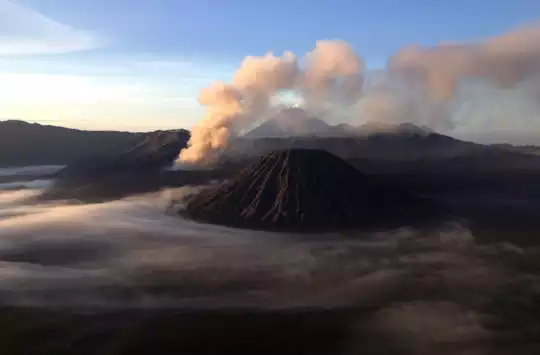
Country photo of Indonesia

We 💚 feedbackParting advice and final tips

Yogyakarta is a treasure trove of culture, where the ancient meets the vibrant pulse of modern life. The street art scene and local cuisine are worth every minute spent wandering. But be ready for the heat; it can be relentless. If you’re not acclimated, those long walks can feel like a marathon. Embrace the sweat, and you’ll uncover the city’s soul. It’s a trade-off, but one that pays off in unforgettable experiences.

✈️ When did I visit Indonesia?
As part of my 1.5 year travel around the world trip, I visited Indonesia twice (and it was worth it. First in September 2015 and a bit later again in January and February 2016.

✍️ Help improve this page!
The information on this page is based on my own backpacking experience in Indonesia, supplemented with up-to-date research and feedback from other travelers. Travel details can change, so if you notice anything outdated or incomplete, feel free to let me know.


🙋‍♂️ Give feedback

👋 Meet the founderWho’s Behind Take Your Backpack?

Johan, backpacker and founder of TakeYourBackpackHi, I’m Johan (Netherlands 🇳🇱), the creator of TakeYourBackpack. Over the past decade, I’ve backpacked through 80+ countries across six continents, gaining extensive experience with independent travel, long-term trips, and overland routes.

This site is built on a combination of firsthand travel experience and carefully curated insights from other backpackers. Many guides are based on places I’ve personally visited, while others bring together tips, observations, and practical advice shared by trusted travelers I’ve met along the way.

The goal is to provide realistic, experience-driven guidance — not generic itineraries — so you can explore destinations with better context, clearer expectations, and more confidence.

Get full Indonesia guide •
Instant download • 156 highlights • Full Offline guide