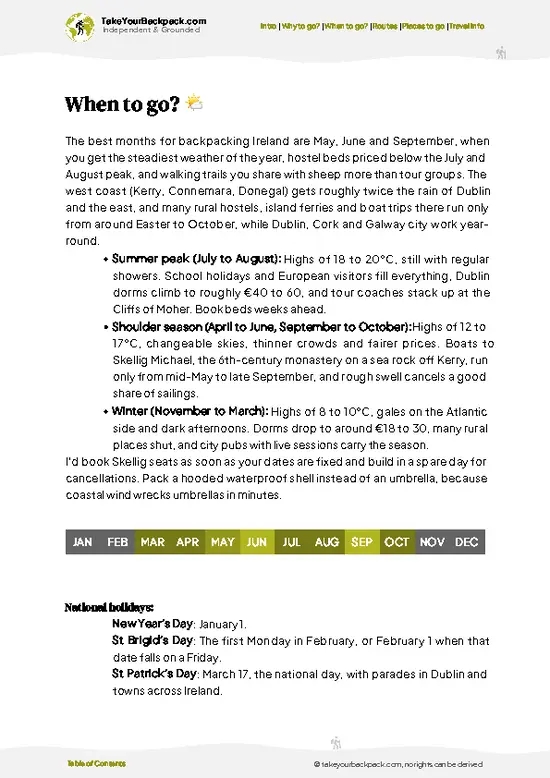
How many to visit: Aim for 6 to 10 landmarks over a two-week trip, and no more than one major site per day outside the cities. Ireland is generous with sights, but the roads are narrow, the buses are infrequent, and the weather will remove at least one afternoon. Fewer stops means you spend time standing in a windy field actually looking at something, which is the point.
Which kind to prioritize: If you like walking, put
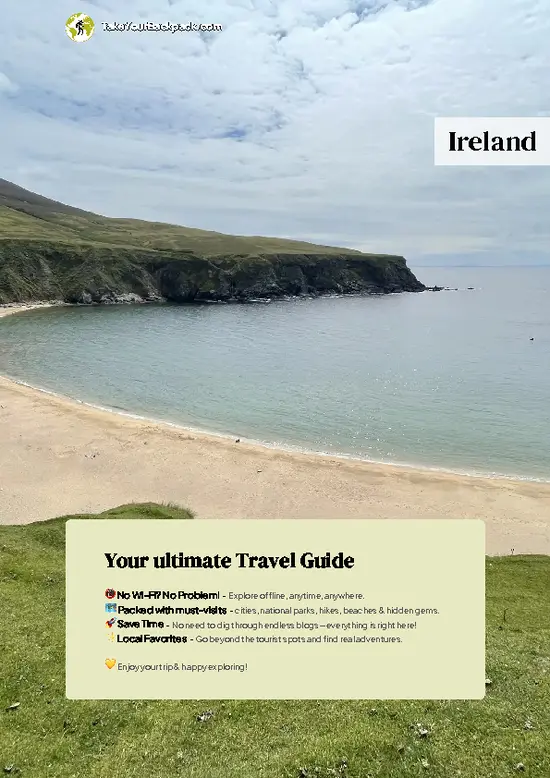
coastal and open-air sites first: cliffs, headlands and island ruins cost little, and the payoff is salt wind, sheep and a view that no ticket office sells. History fans should lean on
ancient and monastic sites, where grass-covered mounds and stone crosses give you the quiet that popular castles lose by 11 a.m. Casual travelers on a short trip can choose
big heritage attractions, …
read more 👉 How many to visit: Aim for 6 to 10 landmarks over a two-week trip, and no more than one major site per day outside the cities. Ireland is generous with sights, but the roads are narrow, the buses are infrequent, and the weather will remove at least one afternoon. Fewer stops means you spend time standing in a windy field actually looking at something, which is the point.
Which kind to prioritize: If you like walking, put
coastal and open-air sites first: cliffs, headlands and island ruins cost little, and the payoff is salt wind, sheep and a view that no ticket office sells. History fans should lean on
ancient and monastic sites, where grass-covered mounds and stone crosses give you the quiet that popular castles lose by 11 a.m. Casual travelers on a short trip can choose
big heritage attractions, which are easy to reach, have cafés and toilets, and let you stay dry in a good exhibit when the rain arrives sideways.
What it costs: A realistic budget is €60 to 100 a day including a dorm bed (€25 to 45), food (€20 to 30) and transport. Entry fees run from free for most ruins and trails to €8 to 25 for major ticketed sites, and €30 to 50 for the biggest attractions or guided boat trips. Local bus fares between towns are about €10 to 25, and regional day tours cost €45 to 80 if you have no car. Booking timed tickets online often saves a few euros and guarantees entry in summer. Families of sheep, meanwhile, charge nothing.
Safety and etiquette: Cliff edges often have no fence, and gusts can be stronger than they feel, so stay well back and avoid selfies near drops. Wet grass and mud make paths slippery, so wear shoes with real tread, not fashion trainers. Many sites sit on
private farmland, so close gates, keep to marked paths and leave livestock alone. Burial grounds, holy wells and monastic ruins are still places of local reverence, so skip loud music and do not climb on old stones or take pieces away. Weather can turn within an hour, so carry a waterproof layer even on a blue-sky morning, and check tide times before visiting causeways and island sites. Your reward is a clean boot, a dry jacket and the chance to stand somewhere that has outlasted every forecast.


 Best Backpacking
 Hi, I’m Johan (Netherlands 🇳🇱), the creator of TakeYourBackpack. Over the past 3 decades, I’ve backpacked through 90+ countries across six continents, gaining extensive experience with independent travel, long-term trips, and overland routes.