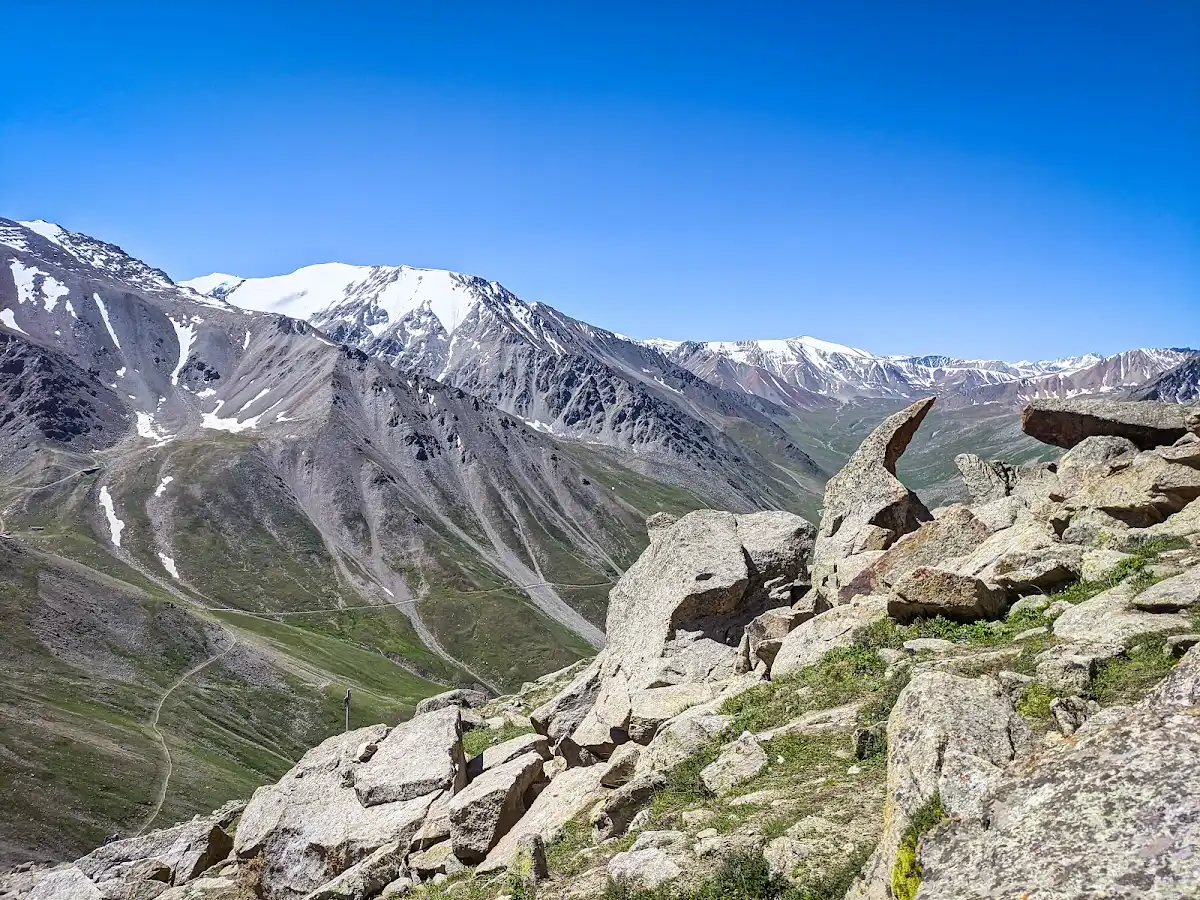
How many hikes to do: Aim for four to six hikes in Kazakhstan on a two-week trip. That number gives you time for permit paperwork, long transfers and at least one weather delay, which any mountain schedule demands. Trying for eight or ten turns the trip into a road marathon: the roads between the southeast ranges run on potholed two-lane tarmac, and each leg eats half a day. With five, you actually get to stand at a pass, eat lunch beside a cold lake and still sleep in a yurt that evening.
Which kind to prioritize: First-timers and short-stay travelers should lean toward
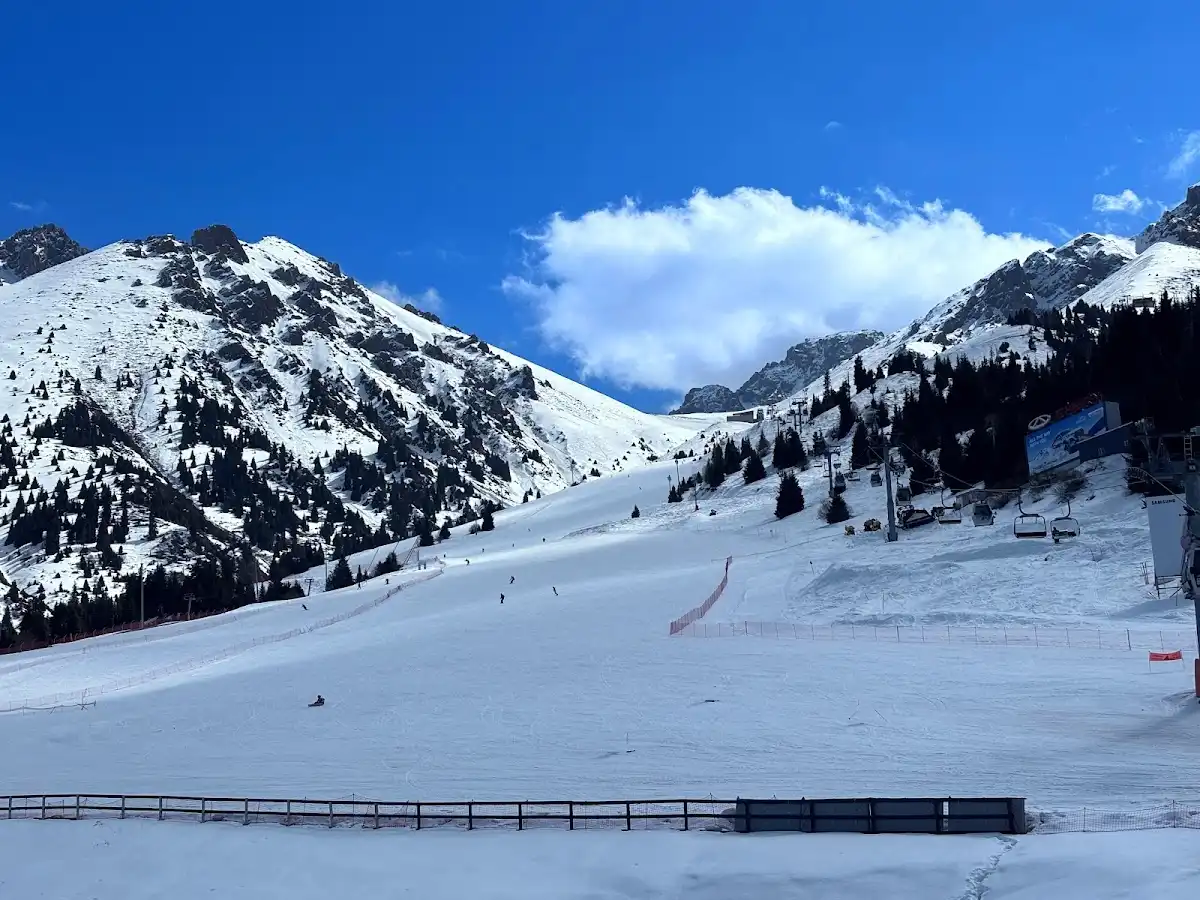
day hikes and short overnighters near Almaty. Trailheads are reachable by taxi or bus, gear is available in town, and you get big alpine views without heavy logistics. Travelers with a week or more should add
canyon and lake …
read more 👉 How many hikes to do: Aim for four to six hikes in Kazakhstan on a two-week trip. That number gives you time for permit paperwork, long transfers and at least one weather delay, which any mountain schedule demands. Trying for eight or ten turns the trip into a road marathon: the roads between the southeast ranges run on potholed two-lane tarmac, and each leg eats half a day. With five, you actually get to stand at a pass, eat lunch beside a cold lake and still sleep in a yurt that evening.
Which kind to prioritize: First-timers and short-stay travelers should lean toward
day hikes and short overnighters near Almaty. Trailheads are reachable by taxi or bus, gear is available in town, and you get big alpine views without heavy logistics. Travelers with a week or more should add
canyon and lake areas in the southeast, where walking mixes with homestays and horse-riding options. Experienced trekkers wanting solitude should look to the
Altai or
higher Tian Shan traverses, where you carry food and navigate yourself. Desert-and-steppe walking in the west suits photographers and anyone who likes silence, but it needs the most self-sufficiency and the least company.
What it costs: Budget about US$35 to 60 a day for independent travel with homestays, local food and shared transport. A comfortable mix of guesthouses, occasional taxis and a guide stretches to US$70 to 120 a day. Costs add up in specific places: park entry fees run roughly US$2 to 10 per person, border-zone permits are often free or low-cost but agency help may add US$10 to 30, and a private driver for a full day in the southeast costs about US$60 to 120. Local guides for multi-day treks usually charge US$50 to 100 a day. Total for a 12-day hiking trip, flights excluded: roughly US$500 to 1,000 on a lean plan and US$1,200 to 1,800 with guides and private transport. Prices are quoted in tenge locally, so carry cash for villages where cards fail.
Safety on the trail: Weather turns fast in the Tian Shan. Clear mornings frequently give way to afternoon storms and a 10 to 15°C temperature drop. Start at dawn and turn back by early afternoon, and the lightning risk drops with it.
River crossings grow dangerous after midday as glacial melt swells the flow. Mobile coverage disappears fast, so download offline maps and carry a paper copy of your permit. Wildlife is a smaller concern than livestock dogs near herders’ camps: stop, stay calm and keep your trekking poles low. Ticks are active in spring and early summer in lower forested valleys, so check your skin each evening. Carry a first-aid kit, a water filter and basic altitude awareness, because many trails climb above 2,500 meters and headaches hit on the first night.
Cultural considerations: Hospitality is part of the deal, and accepting tea, bread or a bowl of beshbarmak from a host is polite. Greet with a handshake or a hand-over-heart gesture, remove shoes before entering a home or yurt, and dress modestly in villages. Ask before photographing people or animals. Cash payment for homestays is normal, and a small gift from your home country goes down well. Kazakh and Russian are both used, and a few phrases open doors. Leave no trash: pastures are working land, and herders rely on clean streams.




 Best Backpacking
 Hi, I’m Johan (Netherlands 🇳🇱), the creator of TakeYourBackpack. Over the past 3 decades, I’ve backpacked through 90+ countries across six continents, gaining extensive experience with independent travel, long-term trips, and overland routes.