Liberia holds a large share of what remains of the
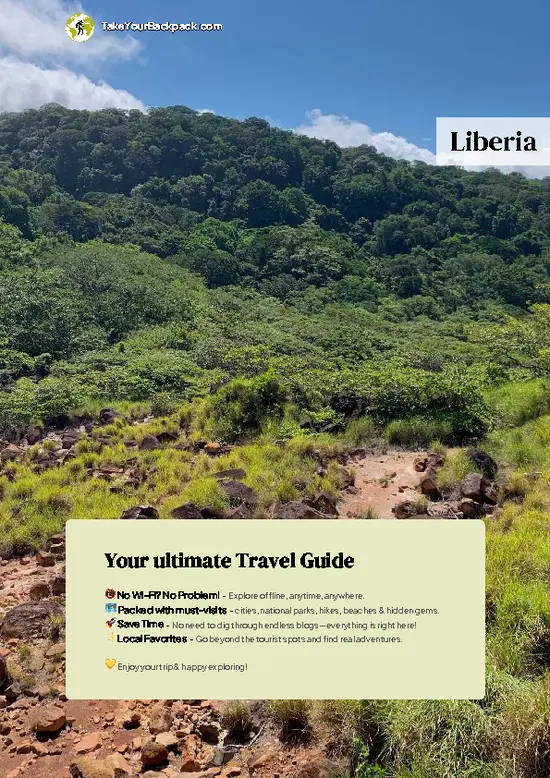
Upper Guinean rainforest, a biodiversity region that has been cut away across much of West Africa. Walking here means ducking under lianas, hearing pygmy hippo country rustle and smelling wet leaf litter after a downpour. That raw character is the draw.
The flip side is
infrastructure. Civil wars from 1989 to 2003 left roads, lodging and park facilities thin, and the Ebola outbreak of 2014 to 2016 slowed tourism recovery further. Expect
no printed trail maps, few signs, and plans that depend on a local guide, a motorbike taxi or a shared car leaving when it fills. Many trails follow routes villagers have used for generations, so hiking is tied to
community life: you ask permission, hire local people and often share a meal.
Before choosing …
read more 👉Liberia holds a large share of what remains of the Upper Guinean rainforest, a biodiversity region that has been cut away across much of West Africa. Walking here means ducking under lianas, hearing pygmy hippo country rustle and smelling wet leaf litter after a downpour. That raw character is the draw.
The flip side is infrastructure. Civil wars from 1989 to 2003 left roads, lodging and park facilities thin, and the Ebola outbreak of 2014 to 2016 slowed tourism recovery further. Expect no printed trail maps, few signs, and plans that depend on a local guide, a motorbike taxi or a shared car leaving when it fills. Many trails follow routes villagers have used for generations, so hiking is tied to community life: you ask permission, hire local people and often share a meal.
Before choosing Liberia for hiking, know that the climate is equatorial, humidity stays high year-round and rain shapes everything. Mud, insects and heat are part of the walk. Carry water treatment, a rain shell, and cash in small notes, since card payments and mobile signal are unreliable outside Monrovia. Those who want polished, marked routes will be frustrated. Those who want a forest that still feels lived-in and largely empty will find it.
Behind the Scenes of Selection
The list of best hikes in Liberia is created based on scenery, challenge, trail quality, landmarks, and overall enjoyment. If you feel a hike is missing in this list, please let us know.
v2.webp)
 Best Backpacking
.jpg) Hi, I’m Johan (Netherlands 🇳🇱), the creator of TakeYourBackpack. Over the past 3 decades, I’ve backpacked through 90+ countries across six continents, gaining extensive experience with independent travel, long-term trips, and overland routes.
Hi, I’m Johan (Netherlands 🇳🇱), the creator of TakeYourBackpack. Over the past 3 decades, I’ve backpacked through 90+ countries across six continents, gaining extensive experience with independent travel, long-term trips, and overland routes.