v2.webp)

- Taroa Japanese airbase ruins: Gun emplacements, a concrete command post and bomb-cratered runway remain from the Pacific War, scattered under coconut palms. Walking is easy and takes a few hours.
- Zero fighter wreck on Taroa: A fighter fuselage sits tangled in vegetation, a short walk from the old runway and a favorite for photographs.
- Taroa lagoon wrecks: Sunken Japanese ships and aircraft lie in shallow water, reachable by snorkel or dive, with coral growing over the hulls.
- Taroa coastal guns: Large coastal defense guns point seaward from the shoreline, and you can climb around the mounts.
- Kaben village: A small community on the atoll where families fish, weave and prepare copra. Visits are best arranged through a host.
- Lagoon outrigger sailing: Local canoes glide across the sheltered lagoon,
- Taroa Japanese airbase ruins: Gun emplacements, a concrete command post and bomb-cratered runway remain from the Pacific War, scattered under coconut palms. Walking is easy and takes a few hours.
- Zero fighter wreck on Taroa: A fighter fuselage sits tangled in vegetation, a short walk from the old runway and a favorite for photographs.
- Taroa lagoon wrecks: Sunken Japanese ships and aircraft lie in shallow water, reachable by snorkel or dive, with coral growing over the hulls.
- Taroa coastal guns: Large coastal defense guns point seaward from the shoreline, and you can climb around the mounts.
- Kaben village: A small community on the atoll where families fish, weave and prepare copra. Visits are best arranged through a host.
- Lagoon outrigger sailing: Local canoes glide across the sheltered lagoon, a traditional Marshallese way to reach distant islets quietly.
- Reef pass snorkeling: Currents through the passes bring sharks, rays and dense fish life, best at slack tide with a local boatman.
- Remote sandbar islets: Tiny uninhabited islets along the reef rim, known to locals for picnics, shell hunting and empty beaches. Few visitors reach them.
- Local fishing grounds at dawn: Watch fishermen throw nets and spear fish on the shallow flats, a lesser-known morning scene that locals take for granted.
- Village church services: Sunday singing in the island church, with harmonized voices and woven mats, welcomes polite visitors who dress modestly.
Spotted a mistake or missing something? Contact us.

 Best Backpacking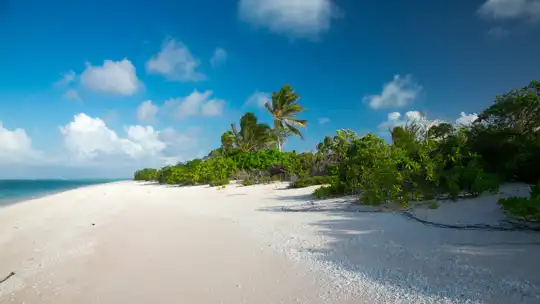
.jpg) Hi, I’m Johan (Netherlands 🇳🇱), the creator of TakeYourBackpack. Over the past 3 decades, I’ve backpacked through 90+ countries across six continents, gaining extensive experience with independent travel, long-term trips, and overland routes.
Hi, I’m Johan (Netherlands 🇳🇱), the creator of TakeYourBackpack. Over the past 3 decades, I’ve backpacked through 90+ countries across six continents, gaining extensive experience with independent travel, long-term trips, and overland routes.