×

Montenegro🇲🇪 | best festivalsEssential 7 festivals to Explore in Montenegro

Montenegro’s festivals pulse with the country’s rich culture and vibrant traditions. From the coastal towns to the mountainous regions, each festival offers a unique flavor that shapes your backpacking experience. The timing of these events can significantly affect your journey; summer festivals draw larger crowds and lively atmospheres, while winter celebrations provide a more intimate feel.

Choosing the right festival impacts not just the vibe but also your budget and safety. Some events are free and accessible, while others may require advance planning. Embrace the local spirit and immerse yourself in the energy of Montenegro, where each festival is a doorway to deeper cultural understanding.

By Johan Kruseman 🇳🇱 | Updated June 6, 2026
Explore the best regions in Montenegro

Why go?Understanding Their Importance

Festivals in Montenegro are a vibrant tapestry of cultural heritage and community spirit. They offer a unique glimpse into the country’s historical narratives, shaped by centuries of diverse influences. Unlike many other countries, Montenegro’s festivals often blend traditional customs with contemporary expressions, creating a dynamic atmosphere that resonates deeply with both locals and visitors.

The timing of these festivals is crucial. Many occur during the warmer months, when the Mediterranean climate invites outdoor celebrations. This seasonal alignment enhances the experience but also brings larger crowds. Travelers must weigh the energy of bustling gatherings against the desire for a more intimate connection with the culture. The trade-off here is clear: vibrant festivities come with … read more 👉
Festivals in Montenegro are a vibrant tapestry of cultural heritage and community spirit. They offer a unique glimpse into the country’s historical narratives, shaped by centuries of diverse influences. Unlike many other countries, Montenegro’s festivals often blend traditional customs with contemporary expressions, creating a dynamic atmosphere that resonates deeply with both locals and visitors.

The timing of these festivals is crucial. Many occur during the warmer months, when the Mediterranean climate invites outdoor celebrations. This seasonal alignment enhances the experience but also brings larger crowds. Travelers must weigh the energy of bustling gatherings against the desire for a more intimate connection with the culture. The trade-off here is clear: vibrant festivities come with the challenge of navigating crowded spaces.

Geographically, Montenegro’s rugged terrain can make some festivals less accessible, requiring careful planning. The journey to remote locations may demand more time, but this often leads to a richer, more immersive experience. The infrastructure is developing, yet some areas still lack the conveniences found in more tourist-heavy regions. This means that while the payoff can be profound, the path may be less straightforward.

Ultimately, the choice to engage with Montenegro’s festivals is a balancing act between cost, comfort, and the depth of cultural immersion. Understanding these dynamics is essential for making the most of the experience.
Our Approach to Ranking
The list of best festivals in Montenegro is created based on energy, traditions, crowd experience, activities, and overall excitement. If you feel a festival is missing in this list, please let us know.

When to go?Best Time to Visit Montenegro for festivals

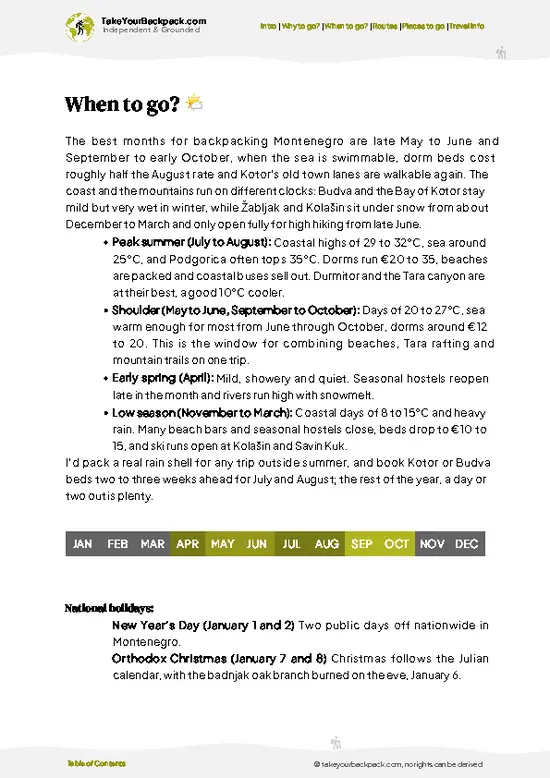
Seasonality plays a crucial role in the festival landscape of Montenegro. The summer months, particularly June through August, are vibrant with energy. The weather is warm, often reaching the high 80s°F (30s°C), making it ideal for outdoor celebrations. However, this peak season attracts large crowds, leading to higher accommodation costs and a bustling atmosphere that can sometimes overshadow the local charm.

Spring and autumn serve as shoulder seasons, offering a different experience. Late April to early June and September to mid-October bring milder temperatures, typically in the 60s to low 70s°F (15-25°C). Festivals during these times tend to be less crowded, allowing for a more intimate connection with local culture. The trade-off here is fewer events; some festivals may not occur, but … read more 👉
Seasonality plays a crucial role in the festival landscape of Montenegro. The summer months, particularly June through August, are vibrant with energy. The weather is warm, often reaching the high 80s°F (30s°C), making it ideal for outdoor celebrations. However, this peak season attracts large crowds, leading to higher accommodation costs and a bustling atmosphere that can sometimes overshadow the local charm.

Spring and autumn serve as shoulder seasons, offering a different experience. Late April to early June and September to mid-October bring milder temperatures, typically in the 60s to low 70s°F (15-25°C). Festivals during these times tend to be less crowded, allowing for a more intimate connection with local culture. The trade-off here is fewer events; some festivals may not occur, but those that do often feel more authentic and engaging.

Winter is quieter, with temperatures dropping significantly. While some festivals still take place, the atmosphere is subdued. This season offers a chance to experience Montenegro’s traditions without the tourist rush, but the cold can limit outdoor activities.

Understanding these seasonal dynamics helps in planning a visit that balances the desire for vibrant festivities with the need for comfort and authenticity.

festival hoppingTips for Visiting Multiple Destinations

Festival Routing Logic


Montenegro’s festivals are a vibrant tapestry of culture, but to experience them fully, strategic planning is essential. Start in the coastal region, where events like the Kotor Carnival and the Budva Music Festival draw crowds. This area is easily accessible and offers a lively atmosphere, perfect for diving into the local scene.

Next, head inland to the northern mountains for the Njeguši Festival, where the scent of smoked ham fills the air, and the backdrop of rugged peaks enhances the experience. This transition not only shifts the scenery but also allows for a more intimate festival vibe.

Timing and Pacing


Plan for at least two to three days at each major festival to soak in the atmosphere without feeling rushed. Each event typically spans several days, … read more 👉

Festival Routing Logic


Montenegro’s festivals are a vibrant tapestry of culture, but to experience them fully, strategic planning is essential. Start in the coastal region, where events like the Kotor Carnival and the Budva Music Festival draw crowds. This area is easily accessible and offers a lively atmosphere, perfect for diving into the local scene.

Next, head inland to the northern mountains for the Njeguši Festival, where the scent of smoked ham fills the air, and the backdrop of rugged peaks enhances the experience. This transition not only shifts the scenery but also allows for a more intimate festival vibe.

Timing and Pacing


Plan for at least two to three days at each major festival to soak in the atmosphere without feeling rushed. Each event typically spans several days, so flexibility is key. Avoid the common mistake of cramming too many festivals into a short timeframe, which can lead to exhaustion and missed experiences.

Trade-Offs and Comfort


Balancing speed and depth is crucial. While it might be tempting to hop from one festival to another quickly, the real reward lies in lingering at each stop. Consider the comfort of your accommodations and travel methods; a longer drive might be worth it for a cozy stay in a local guesthouse.

Ultimately, the journey through Montenegro’s festivals is about savoring the moments, not just checking boxes. Prioritize experiences that resonate, and allow for spontaneity along the way.

The ListTop festivals of Montenegro

1 Sea Dance

Budva beaches, international DJs, late-night parties

Dance until sunrise on sandy shores as global electronic acts headline this multi-day festival set against the Adriatic Sea.

2 Mimosa Festival

Herceg Novi, yellow mimosa blooms, spring parades

Join locals as they celebrate the arrival of spring with floral displays, open-air performances, and community gatherings along the Adriatic coast.

3 Kotor Carnival

masked processions, medieval streets, coastal pageantry

Experience centuries-old traditions as Kotor’s winding lanes fill with costumes, music, and satirical floats during this lively winter event.

4 Southern Soul Festival

Velika Plaža, soul and jazz, seaside stages

Relax on Montenegro’s longest beach while listening to curated sets of soul, jazz, and electronic music in an easygoing, sun-drenched atmosphere.

5 Lake Fest

Nikšić, open-air concerts, pine forest setting

Camp under the trees and catch regional rock and electronic acts on the shores of Krupac Lake, with a laid-back festival crowd.

6 Montenegro Beer Fest

local breweries, tasting tents, live bands

Sample craft and mainstream brews while enjoying concerts and food stalls, drawing both beer enthusiasts and casual festival-goers.

7 Kotor Festival of Theatre for Children

youth performances, puppet shows, interactive workshops

Watch international troupes transform Kotor’s plazas into playful stages, offering immersive theatre and creative activities for families and young travelers.

Loading the map 🌍

Expert viewInsights from Locals and Experts

Energy & Timing
Montenegro’s festival scene pulses with life, especially from late spring through early autumn. This is when the air is thick with the scent of grilled fish and the sound of laughter spills into the streets. The peak months—July and August—bring the biggest crowds, so if you’re after a more intimate experience, consider the shoulder seasons. Early June or late September can offer a more relaxed vibe, allowing you to soak in the atmosphere without feeling like you’re part of a sardine can. However, be prepared for a trade-off: fewer events may be happening, but the ones that are will feel more authentic and connected to the local culture.

Cultural Context
Each festival tells a story, deeply rooted in Montenegrin traditions. The Kotor Carnival, for instance, is a riot of color … read more 👉
Energy & Timing
Montenegro’s festival scene pulses with life, especially from late spring through early autumn. This is when the air is thick with the scent of grilled fish and the sound of laughter spills into the streets. The peak months—July and August—bring the biggest crowds, so if you’re after a more intimate experience, consider the shoulder seasons. Early June or late September can offer a more relaxed vibe, allowing you to soak in the atmosphere without feeling like you’re part of a sardine can. However, be prepared for a trade-off: fewer events may be happening, but the ones that are will feel more authentic and connected to the local culture.

Cultural Context
Each festival tells a story, deeply rooted in Montenegrin traditions. The Kotor Carnival, for instance, is a riot of color and creativity, celebrating the arrival of spring with parades and performances. You’ll see locals dressed in elaborate costumes, their faces painted with joy. But here’s the catch: the festival can draw in tourists from all over, which means you’ll need to navigate crowded streets. Arrive early to snag a good spot for viewing, and consider staying overnight to enjoy the festivities without the rush. This way, you can savor the local cuisine and perhaps even join a spontaneous dance in the square.

Budget & Comfort
Festivals can vary widely in cost. Some are free, while others may charge for entry or specific events. Expect to spend more on food and drinks, especially at popular festivals where vendors know they can charge a premium. If you’re on a tighter budget, plan to enjoy the free events and bring your own snacks. This not only saves money but also allows you to experience the local flavors in a more authentic way. However, be mindful of comfort—Montenegro’s summer heat can be intense. Hydrate, wear breathable clothing, and take breaks in the shade to avoid burnout.

Crowd Management
Crowds can be both exhilarating and overwhelming. Major festivals attract thousands, which means you’ll need to strategize your experience. Arrive early to secure a good viewing spot, and consider exploring lesser-known events that might not be on everyone’s radar. These smaller gatherings often provide a more genuine connection to the local culture. However, be prepared for limited amenities and infrastructure at these events. Bring cash, as not all vendors will accept cards, and keep an eye on your belongings in crowded areas.

Safety & Cultural Considerations
Montenegro is generally safe, but like any destination, it’s wise to stay alert, especially in crowded areas. Respect local customs and traditions, as festivals are often tied to cultural or religious significance. Dress appropriately and be mindful of noise levels, particularly in residential areas. If you’re unsure about something, don’t hesitate to ask a local; they’ll appreciate your interest and may even share insider tips on the best spots to enjoy the festivities.

Planning & Prioritizing
Aim to experience at least three to five festivals during your visit to get a well-rounded taste of Montenegrin culture. Prioritize based on your interests—whether it’s music, food, or traditional crafts. Check local calendars ahead of time to avoid conflicts and ensure you don’t miss out on key events. Flexibility is key; sometimes the best experiences come from spontaneous decisions. Embrace the unexpected, and you’ll find that the heart of Montenegro beats strongest at its festivals.

✈️ The backpacker research shortcutMontenegro Travel Guide

An offline-friendly backpacking guide with optimized travel routes, ranked highlights, transport advice, and the best areas to stay.
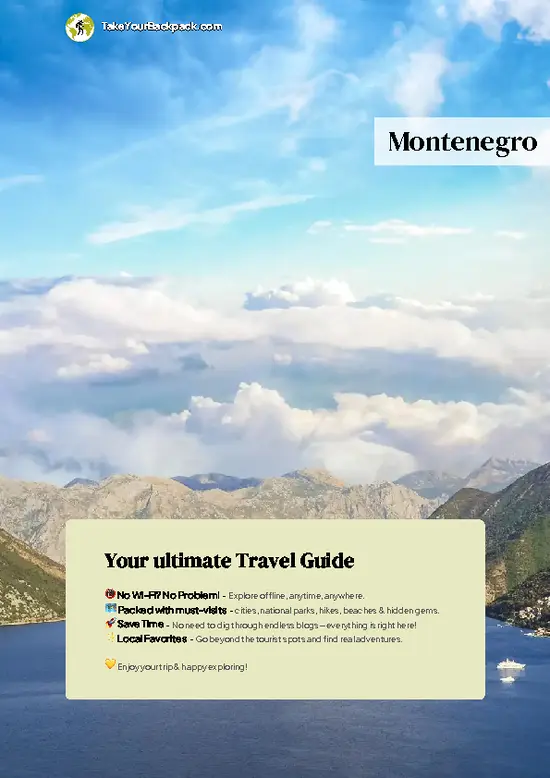
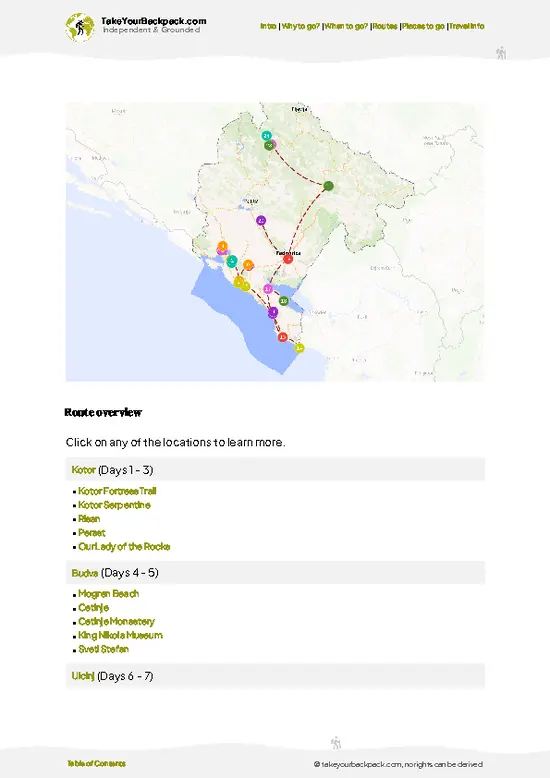
example page 0 from our offline Travel Guide for Montenegro
example page 1 from our offline Travel Guide for Montenegro
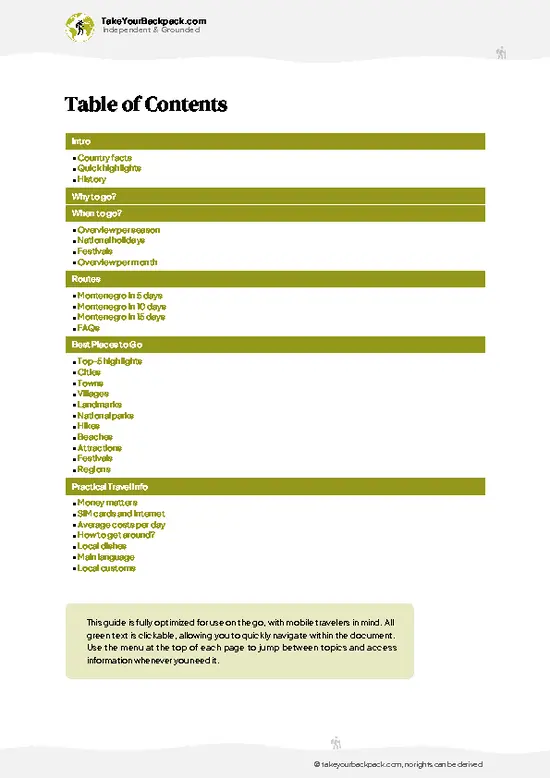
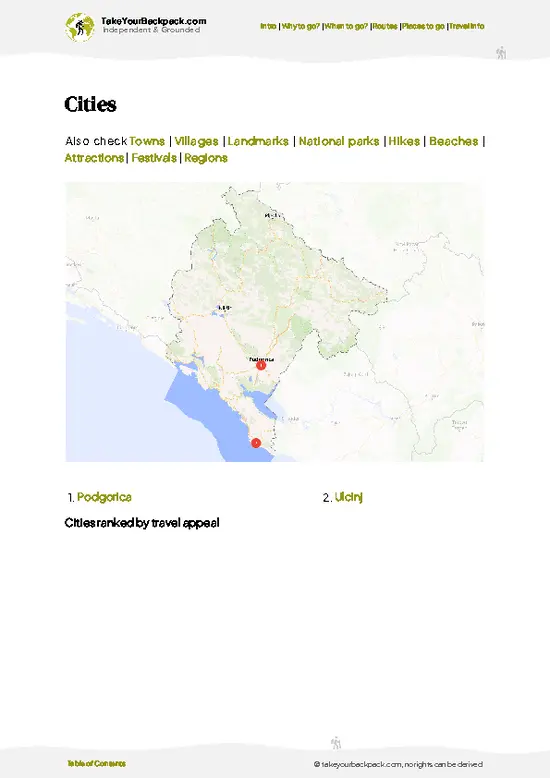
example page 2 from our offline Travel Guide for Montenegro
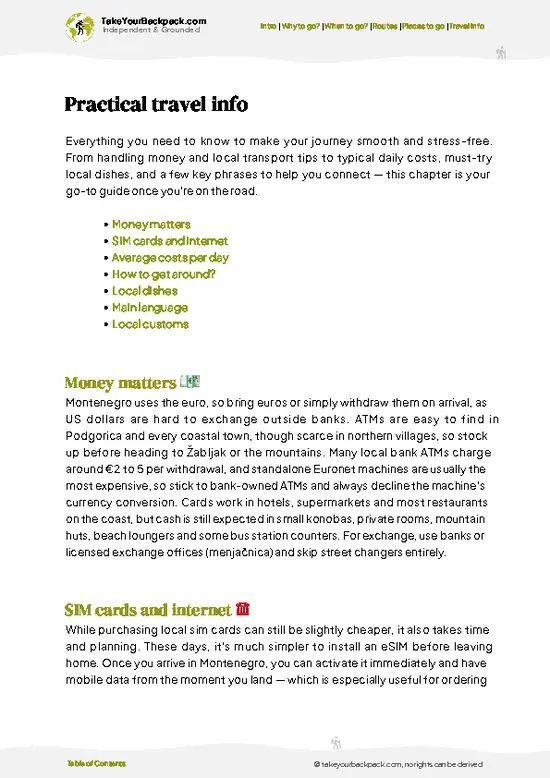
example page 3 from our offline Travel Guide for Montenegro
example page 4 from our offline Travel Guide for Montenegro
example page 5 from our offline Travel Guide for Montenegro
example page 6 from our offline Travel Guide for Montenegro
example page 7 from our offline Travel Guide for Montenegro
The digital guide (252 pages) contains:
64 highlights, ranked by travel appeal
Optimized 5, 10 & 15-day travel routes
Cities, national parks, landmarks, beaches
How to get around
Offline-friendly for travel without Wi-Fi
👉 Click to see all 30+ guide features

📅 Plan smarter in minutes, not weeks
Month by month travel advice
Festivals & national holidays
Budget expectations

🗺️ Go to the right places, skip the overrated ones
Honest pros & cons of destinations
Top hikes, parks & viewpoints
Lesser-known places most travelers miss
Clear “worth it vs skip it” guidance

🛏️ Travel smoothly without rookie mistakes
Best areas to stay
Transport systems explained simply
Common scams & safety advice
SIM cards, money & practical tips

🌍 Understand the country, not just visit it
Culture & traditions
52 Essential phrases & customs
Festivals worth planning around
Traveler-friendly historical context
Insights that make places more meaningful

📱 Built for real travel conditions
Fully downloadable PDF
Works completely offline
Optimized for phone use
Useful in remote areas & buses
Everything in one place
Save weeks of stressful planning
Get instant access to your full guide. 30‑day money-back guarantee.


By proceeding you agree to our terms.
Sent to your inbox immediately after payment • 100% Secure Checkout
Best Backpacking Travel Advisor 2025 tourism awardBest Backpacking
Travel Advisor
2025
What others say about Take Your Backpack Guides:
⭐⭐⭐⭐⭐
Fantastic, amazing amount of information!
⭐⭐⭐⭐⭐
My goodness this is amazing, it's what I've been looking for hats off too you!
⭐⭐⭐⭐⭐
I think this is absolutely BRILLIANT
⭐⭐⭐⭐
Very complete and informative. It's still missing places, but I gotta to commend you
⭐⭐⭐⭐⭐
This is truly amazing, thank you, can't wait to explore it with my kids!
⭐⭐⭐⭐⭐
Awesome resource, thank you!
⭐⭐⭐⭐⭐
This is amazing! Can't wait to explore the ones I haven't seen
⭐⭐⭐⭐
I love this! Well done, great idea.
⭐⭐⭐⭐⭐
Thanks for taking the time to make this gem!
⭐⭐⭐⭐⭐
This might be the best website I've ever seen.
⭐⭐⭐⭐⭐
Congratulations, and thank you so much for your work; it's incredibly valuable.
⭐⭐⭐⭐
In all seriousness I think you did a great job pointing out the important spots
⭐⭐⭐⭐⭐
10/10 very good
⭐⭐⭐⭐⭐
As someone who's only just starting to visit regularly this is awesome, thank you.
⭐⭐⭐⭐
Thank you very much! I'm going to visit my dad, it's going to be very useful!
⭐⭐⭐⭐⭐
This is really cool! We'll be travelling for the first time and this definitely come in handy.
⭐⭐⭐⭐⭐
You are now our minister of culture, congratulations 👨‍💼
⭐⭐⭐⭐⭐
Just wanted to tell you that this is a pearl! Going to follow your recommendations.
⭐⭐⭐⭐⭐
This is so cool. I'll definitely be using the resource for my travels soon.
⭐⭐⭐⭐⭐
This is very impressive! Good work.
⭐⭐⭐⭐⭐
This is an amazing and informative site. Very well done!

🛏️ Where to stay?Where to Stay: Montenegro Edition

Yes — Montenegro has many hostels and budget accommodation, concentrated around Kotor Old Town, Budva (Old Town and the Riviera), Tivat (airport/marina area), Podgorica city centre, Ulcinj (Old Town/Long Beach) and Herceg Novi.
Kotor gives the most character and direct access to bay hikes and boat trips but books out and gets pricier in summer; Budva offers the widest choice for beaches and nightlife yet is the busiest and noisiest at peak season; Tivat is the easiest arrival hub with better transport links but fewer truly cheap options.
Podgorica is the cheapest transport hub with basic hostels but few sights and hot summers; Ulcinj is best for budget beach stays and cheaper food while … read more 👉
Yes — Montenegro has many hostels and budget accommodation, concentrated around Kotor Old Town, Budva (Old Town and the Riviera), Tivat (airport/marina area), Podgorica city centre, Ulcinj (Old Town/Long Beach) and Herceg Novi.
Kotor gives the most character and direct access to bay hikes and boat trips but books out and gets pricier in summer; Budva offers the widest choice for beaches and nightlife yet is the busiest and noisiest at peak season; Tivat is the easiest arrival hub with better transport links but fewer truly cheap options.
Podgorica is the cheapest transport hub with basic hostels but few sights and hot summers; Ulcinj is best for budget beach stays and cheaper food while sitting farther from northern attractions; Herceg Novi is quieter and cheaper off-season but has limited hostel supply — pick based on whether you prioritise beaches and nightlife, historic hiking, or transport convenience.

If you enjoy meeting fellow travelers, consider choosing hostels with high ratings for atmosphere. On the other hand, if you prefer having your own space, a hotel might be a better option.

MontenegroExplore Beyond This Category

👋 Meet the founderWho’s Behind Take Your Backpack?

Johan, backpacker and founder of TakeYourBackpackHi, I’m Johan (Netherlands 🇳🇱), the creator of TakeYourBackpack. Over the past decade, I’ve backpacked through 80+ countries across six continents, gaining extensive experience with independent travel, long-term trips, and overland routes.

This site is built on a combination of firsthand travel experience and carefully curated insights from other backpackers. Many guides are based on places I’ve personally visited, while others bring together tips, observations, and practical advice shared by trusted travelers I’ve met along the way.

The goal is to provide realistic, experience-driven guidance — not generic itineraries — so you can explore destinations with better context, clearer expectations, and more confidence.

Get full Montenegro guide •
Instant download • 64 highlights • Full Offline guide