×

Montenegro🇲🇪 | best landmarksEssential 8 landmarks to Explore in Montenegro

Montenegro is a treasure trove of unique sites that reflect its rich cultural tapestry and stunning natural landscapes. From the ancient walls of Kotor to the serene beauty of Lake Skadar, each location offers a distinct experience shaped by its regional significance and seasonal variations. The scale of these sites can range from bustling tourist hubs to tranquil, off-the-beaten-path spots, influencing your backpacking journey. Choosing wisely impacts your vibe, budget, and level of cultural immersion. For instance, visiting during the shoulder seasons can enhance your experience, allowing for deeper connections without the crowds. Understanding these nuances is key to crafting a memorable adventure in this captivating country.

By Johan Kruseman 🇳🇱 | Updated June 12, 2026
Explore the best national parks in Montenegro

Why go?Understanding Their Importance

Montenegro stands out for its unique sites that blend rich cultural heritage, breathtaking natural landscapes, and a complex historical narrative. Unlike many European destinations, Montenegro offers a compact geography where ancient fortresses, medieval towns, and stunning fjords coexist within a few hours’ drive. This proximity allows travelers to experience diverse environments and histories in a single trip, but it comes with trade-offs.

The accessibility of these sites can vary significantly. While some locations are easily reached by well-maintained roads, others require a trek through rugged terrain or limited public transport options. This means that while you might save time on travel, you could miss out on the deeper stories that unfold in less-visited areas. The peak visitor periodsread more 👉
Montenegro stands out for its unique sites that blend rich cultural heritage, breathtaking natural landscapes, and a complex historical narrative. Unlike many European destinations, Montenegro offers a compact geography where ancient fortresses, medieval towns, and stunning fjords coexist within a few hours’ drive. This proximity allows travelers to experience diverse environments and histories in a single trip, but it comes with trade-offs.

The accessibility of these sites can vary significantly. While some locations are easily reached by well-maintained roads, others require a trek through rugged terrain or limited public transport options. This means that while you might save time on travel, you could miss out on the deeper stories that unfold in less-visited areas. The peak visitor periods during summer can lead to crowded experiences at popular sites, diminishing the intimate connection one might seek.

Montenegro’s climatic conditions also play a role in the timing of visits. The best months for exploration are often limited to spring and early autumn, when the weather is mild and the landscapes are vibrant. However, this can mean sacrificing the chance to experience the raw beauty of winter or the lushness of summer, which brings its own charm.

Ultimately, the decision to prioritize time, money, or comfort hinges on the desire for depth versus breadth. Choosing to delve into Montenegro’s unique offerings means embracing the nuances of travel, where each choice shapes the experience in profound ways.
Evaluating the Top Choices
The list of best unique sites in Montenegro is created based on history or culture, wow factor, atmosphere, quirks, and memorability. If you feel a unique site is missing in this list, please let us know.

When to go?Best Time to Visit Montenegro for landmarks

Seasonality in Montenegro plays a crucial role in experiencing its unique sites. The country enjoys a Mediterranean climate, with hot, dry summers and mild, wet winters. Summer months bring vibrant life, but also crowds. The heat can be intense, making exploration feel like a marathon.

Optimal months for visiting are typically late spring and early autumn. During these shoulder seasons, the weather is pleasantly warm, and the tourist influx is manageable. This balance allows for a more intimate experience with the landscape and local culture. The lush greenery of spring and the warm hues of autumn create a stunning backdrop for exploration, enhancing the sensory experience.

Peak periods coincide with summer, when many flock to the coast. This can lead to crowded sites and inflated prices. … read more 👉
Seasonality in Montenegro plays a crucial role in experiencing its unique sites. The country enjoys a Mediterranean climate, with hot, dry summers and mild, wet winters. Summer months bring vibrant life, but also crowds. The heat can be intense, making exploration feel like a marathon.

Optimal months for visiting are typically late spring and early autumn. During these shoulder seasons, the weather is pleasantly warm, and the tourist influx is manageable. This balance allows for a more intimate experience with the landscape and local culture. The lush greenery of spring and the warm hues of autumn create a stunning backdrop for exploration, enhancing the sensory experience.

Peak periods coincide with summer, when many flock to the coast. This can lead to crowded sites and inflated prices. However, the vibrant atmosphere during festivals can be a worthwhile trade-off for those seeking cultural immersion.

Winter offers a different charm, with fewer visitors and a serene landscape. However, access to some sites may be limited due to weather conditions. Snow can obscure paths, and certain attractions may close.

Understanding these seasonal dynamics helps in planning a trip that maximizes both comfort and value, ensuring that the unique essence of Montenegro is fully appreciated.

unique site hoppingTips for Visiting Multiple Destinations

General Routing Logic

Montenegro’s unique sites can be grouped into three main regions: the coastal area, the central mountains, and the northern national parks. Start your journey along the coast, where towns like Kotor and Budva offer rich history and stunning views. Then, move inland to explore the cultural heart of Cetinje and the natural beauty of Durmitor National Park. This routing minimizes backtracking and maximizes exposure to diverse landscapes.

Typical Time Needed

Allocate at least two hours for each coastal town, allowing time to wander and absorb the atmosphere. For central sites, such as Cetinje, plan for three to four hours, especially if visiting museums. In the national parks, a full day is ideal for hiking and enjoying the scenery. This pacing ensures a balance between … read more 👉

General Routing Logic

Montenegro’s unique sites can be grouped into three main regions: the coastal area, the central mountains, and the northern national parks. Start your journey along the coast, where towns like Kotor and Budva offer rich history and stunning views. Then, move inland to explore the cultural heart of Cetinje and the natural beauty of Durmitor National Park. This routing minimizes backtracking and maximizes exposure to diverse landscapes.

Typical Time Needed

Allocate at least two hours for each coastal town, allowing time to wander and absorb the atmosphere. For central sites, such as Cetinje, plan for three to four hours, especially if visiting museums. In the national parks, a full day is ideal for hiking and enjoying the scenery. This pacing ensures a balance between exploration and relaxation.

Common Planning Mistakes

Travelers often underestimate travel times between regions. Montenegro’s winding roads can slow progress, so factor in extra time. Avoid cramming too many sites into a single day; this leads to fatigue and missed experiences.

Trade-Offs and Constraints

Speed may sacrifice depth. Rushing through sites can diminish the richness of the experience. Budget constraints might limit comfort, but investing in local guides can enhance understanding and enjoyment. Prioritize what matters most: the thrill of a mountain hike versus the comfort of a cozy café. Flexibility in planning allows for spontaneous discoveries, making each stop more rewarding.

The ListTop landmarks of Montenegro

1 Kotor’s Fortress

Stone ramparts, steep stair climb, bay panorama

Ascend ancient fortifications for sweeping views over Kotor’s medieval rooftops and the fjord-like bay stretching to the horizon.

montenegro-unique-site-kotors-fortress
© Google |

2 Ostrog Monastery

Cliffside sanctuary, pilgrimage site, whitewashed facade

Visit a monastery built into a vertical rock face, where pilgrims ascend for quiet contemplation and striking mountain vistas.

montenegro-unique-site-ostrog-monastery
© Google | Nenad Radunovic

3 Nevidio Canyon

Narrow gorge, cold river pools, technical canyoning

Navigate a slot canyon with sheer rock faces and icy water, requiring wetsuits and guided expertise for a challenging adventure.

montenegro-unique-site-nevidio-canyon
© Google |

4 Durmitur Ring

Scenic loop drive, limestone peaks, remote villages

Drive or cycle a winding mountain circuit that reveals dramatic cliffs, alpine meadows, and isolated hamlets rarely seen by visitors.

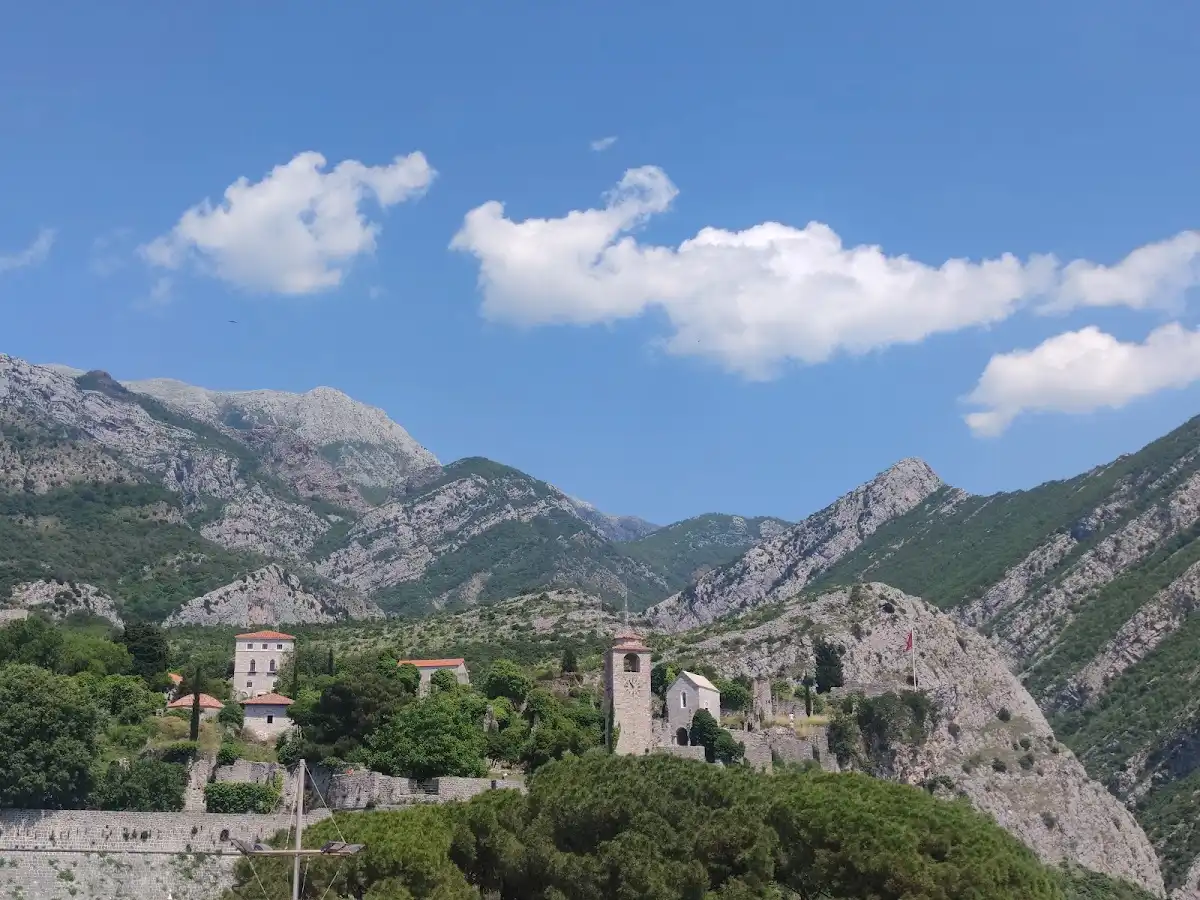
5 Old town of Bar

Ruined fortress, Ottoman remnants, archaeological layers

Wander through crumbling stone streets and explore centuries of shifting rule, from Roman mosaics to medieval towers and mosques.

montenegro-unique-site-old-town-of-bar
© Google |

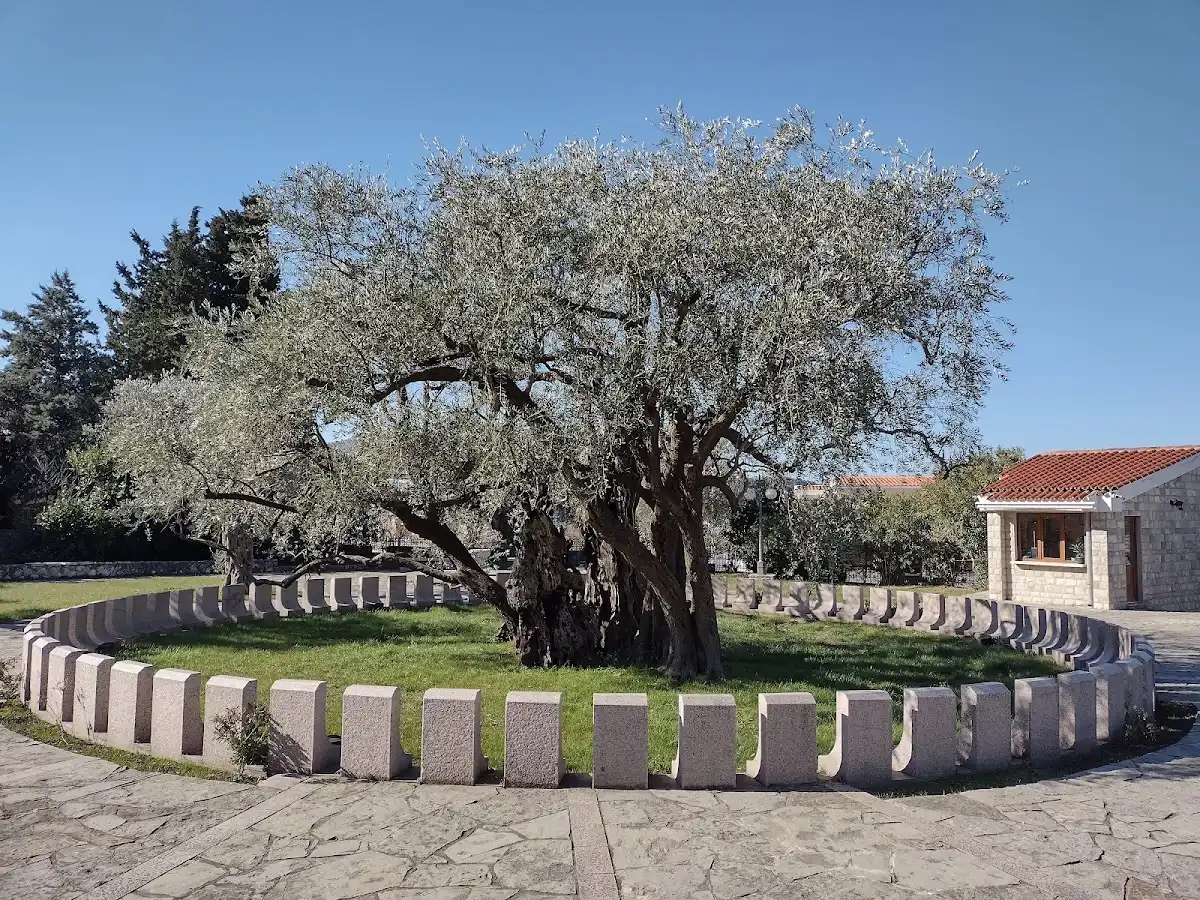
6 Olive tree in Mirovica

Ancient olive, living heritage, rural grove

Stand beside a millennia-old tree whose gnarled trunk and silvery leaves have witnessed generations of local life and tradition.

montenegro-unique-site-olive-tree-in-mirovica
© Google |

7 Meandri Ćehotine viewpoint

River bends, forested gorge, elevated lookout

Pause at a high vantage point to watch the river carve tight loops through dense woodland and rugged canyon walls.

8 Barutana monument

WWII memorial, concrete sculpture, panoramic hilltop

Climb to a stark monument overlooking Podgorica and reflect on Montenegro’s wartime history amid open views and quiet surroundings.

Loading the map 🌍

Expert viewInsights from Locals and Experts

Unique Sites Overview
Montenegro is a treasure trove of unique sites, but the key is knowing how to navigate them. Aim for about three to five sites per trip. This allows you to soak in the atmosphere without feeling rushed. Each site offers a different slice of Montenegro’s soul, from rugged mountains to serene coastlines.

Time Constraints
Expect to spend a full day at each site if you want to appreciate the nuances. Some places require a bit of a trek to reach, while others are more accessible. The trade-off here is between time and depth of experience. Rushing through will leave you with a superficial understanding, while taking your time allows you to absorb the local culture and history.

Budget Considerations
Montenegro can be surprisingly affordable, but costs can add up quickly … read more 👉
Unique Sites Overview
Montenegro is a treasure trove of unique sites, but the key is knowing how to navigate them. Aim for about three to five sites per trip. This allows you to soak in the atmosphere without feeling rushed. Each site offers a different slice of Montenegro’s soul, from rugged mountains to serene coastlines.

Time Constraints
Expect to spend a full day at each site if you want to appreciate the nuances. Some places require a bit of a trek to reach, while others are more accessible. The trade-off here is between time and depth of experience. Rushing through will leave you with a superficial understanding, while taking your time allows you to absorb the local culture and history.

Budget Considerations
Montenegro can be surprisingly affordable, but costs can add up quickly if you’re not careful. Entry fees, local guides, and transportation can vary widely. Prioritize your spending on experiences that resonate with you. For example, a guided tour of a historical site can be worth the splurge if it includes local insights that enrich your understanding. On the flip side, public transport can save you money but may limit your access to more remote sites.

Effort and Accessibility
Some unique sites require a bit of physical effort to reach. Hiking trails can be steep and challenging, but the payoff is often breathtaking views and a sense of accomplishment. If you’re not up for a strenuous hike, consider the trade-off of comfort versus experience. You might miss out on some hidden beauty, but you’ll still find plenty to appreciate at more accessible locations.

Crowd Patterns
Timing is everything. Popular sites can become crowded, especially during peak tourist season. Early mornings or late afternoons are your best bets for a more intimate experience. This is when you can truly connect with the surroundings, feeling the cool breeze and hearing the rustle of leaves without the din of other travelers. If you’re willing to visit during the shoulder seasons, you’ll find fewer crowds and a more authentic atmosphere.

Regional Variations
Montenegro’s diverse geography means that each region has its own character. Coastal sites offer a different vibe compared to mountainous ones. Understanding these regional differences can help you prioritize your itinerary. If you’re drawn to the sea, focus on coastal towns and their unique histories. If mountains call to you, plan for hikes that lead to panoramic views.

Safety and Cultural Considerations
While Montenegro is generally safe, it’s wise to stay aware of your surroundings, especially in crowded areas. Respect local customs and traditions, which can vary significantly from one region to another. Engaging with locals can enhance your experience, but be mindful of cultural sensitivities. A simple greeting in the local language can go a long way in building rapport.

Final Thoughts
Navigating Montenegro’s unique sites is about balancing time, budget, and effort. Prioritize what resonates with you, and don’t hesitate to adjust your plans based on how you feel in the moment. The beauty of travel lies in its unpredictability, and sometimes the best experiences come from the paths less traveled. Embrace the journey, and let the landscapes and cultures unfold before you.

✈️ The backpacker research shortcutMontenegro Travel Guide

An offline-friendly backpacking guide with optimized travel routes, ranked highlights, transport advice, and the best areas to stay.
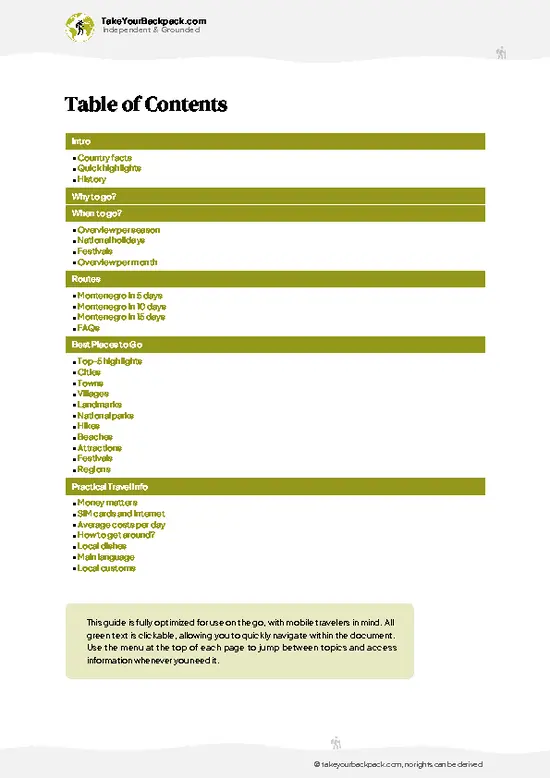
example page 0 from our offline Travel Guide for Montenegro
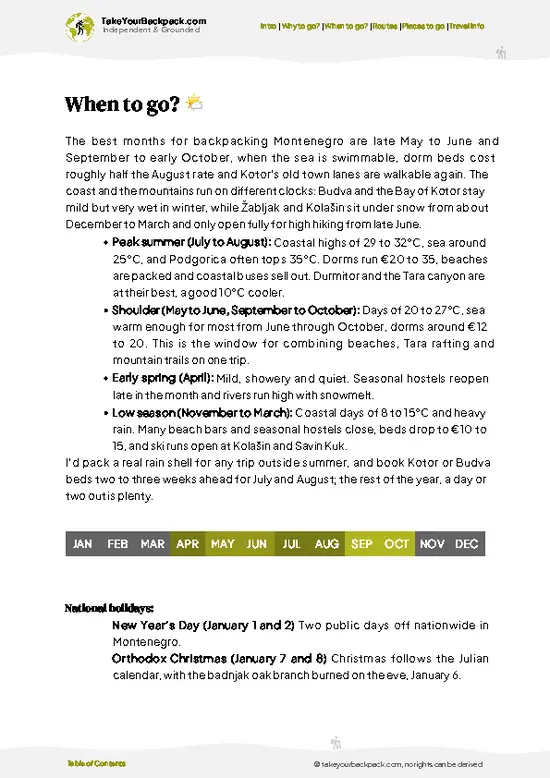
example page 1 from our offline Travel Guide for Montenegro
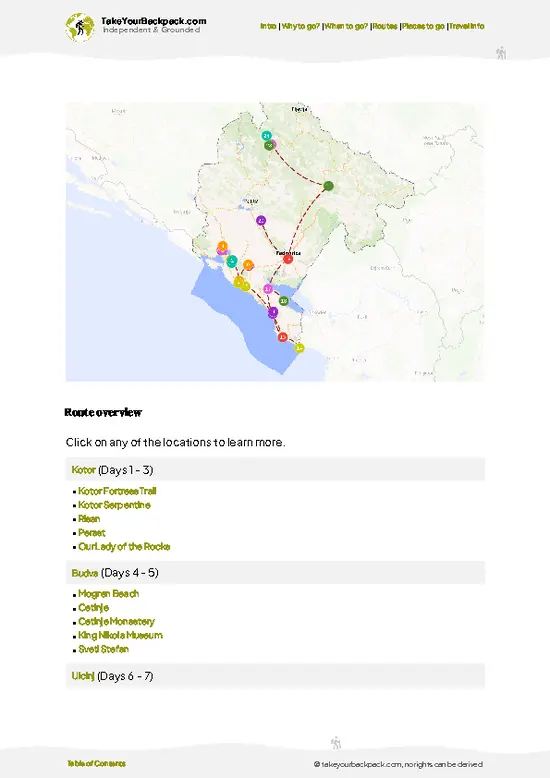
example page 2 from our offline Travel Guide for Montenegro
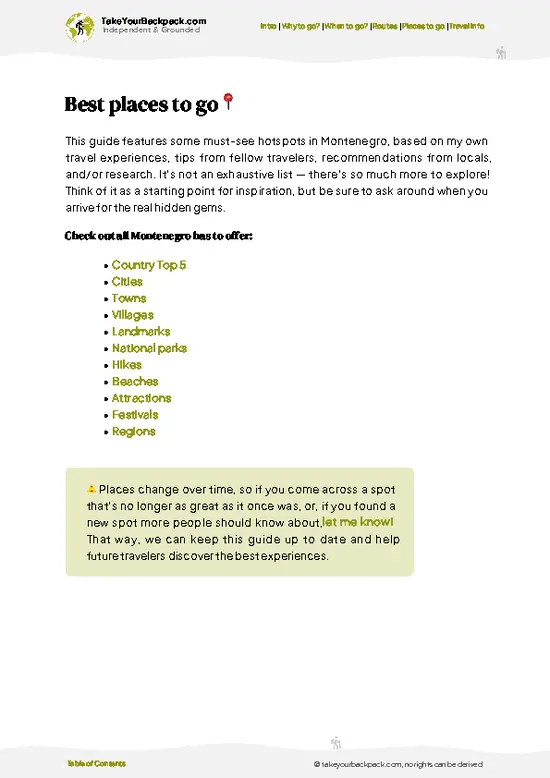
example page 3 from our offline Travel Guide for Montenegro
example page 4 from our offline Travel Guide for Montenegro
example page 5 from our offline Travel Guide for Montenegro
example page 6 from our offline Travel Guide for Montenegro
example page 7 from our offline Travel Guide for Montenegro
The digital guide (250 pages) contains:
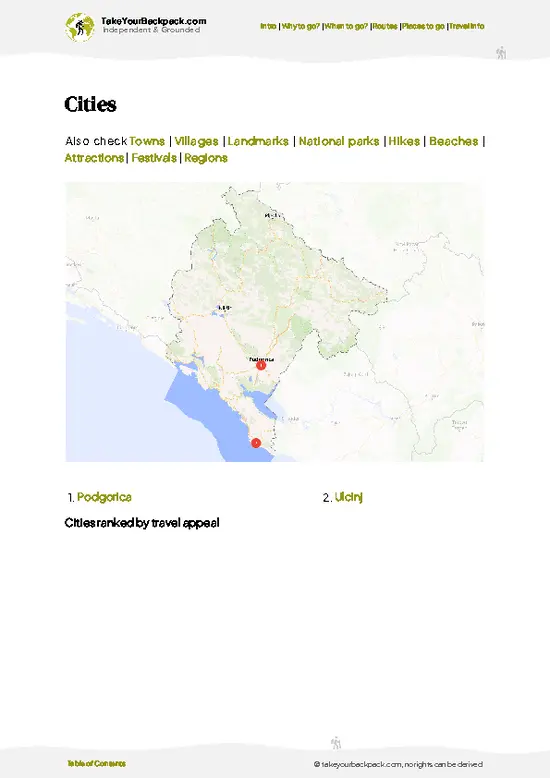
64 highlights, ranked by travel appeal
Optimized 5, 10 & 15-day travel routes
Cities, national parks, landmarks, beaches
How to get around
Offline-friendly for travel without Wi-Fi
👉 Click to see all 30+ guide features

📅 Plan smarter in minutes, not weeks
Month by month travel advice
Festivals & national holidays
Budget expectations

🗺️ Go to the right places, skip the overrated ones
Honest pros & cons of destinations
Top hikes, parks & viewpoints
Lesser-known places most travelers miss
Clear “worth it vs skip it” guidance

🛏️ Travel smoothly without rookie mistakes
Best areas to stay
Transport systems explained simply
Common scams & safety advice
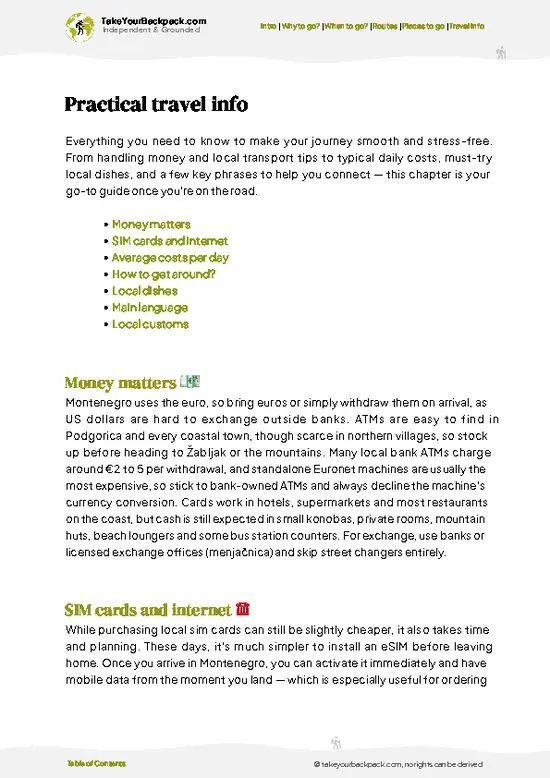
SIM cards, money & practical tips

🌍 Understand the country, not just visit it
Culture & traditions
52 Essential phrases & customs
Festivals worth planning around
Traveler-friendly historical context
Insights that make places more meaningful

📱 Built for real travel conditions
Fully downloadable PDF
Works completely offline
Optimized for phone use
Useful in remote areas & buses
Everything in one place
Save weeks of stressful planning
Get instant access to your full guide. 30‑day money-back guarantee.


By proceeding you agree to our terms.
Sent to your inbox immediately after payment • 100% Secure Checkout
Best Backpacking Travel Advisor 2025 tourism awardBest Backpacking
Travel Advisor
2025
What others say about Take Your Backpack Guides:
⭐⭐⭐⭐⭐
Fantastic, amazing amount of information!
⭐⭐⭐⭐⭐
My goodness this is amazing, it's what I've been looking for hats off too you!
⭐⭐⭐⭐⭐
I think this is absolutely BRILLIANT
⭐⭐⭐⭐
Very complete and informative. It's still missing places, but I gotta to commend you
⭐⭐⭐⭐⭐
This is truly amazing, thank you, can't wait to explore it with my kids!
⭐⭐⭐⭐⭐
Awesome resource, thank you!
⭐⭐⭐⭐⭐
This is amazing! Can't wait to explore the ones I haven't seen
⭐⭐⭐⭐
I love this! Well done, great idea.
⭐⭐⭐⭐⭐
Thanks for taking the time to make this gem!
⭐⭐⭐⭐⭐
This might be the best website I've ever seen.
⭐⭐⭐⭐⭐
Congratulations, and thank you so much for your work; it's incredibly valuable.
⭐⭐⭐⭐
In all seriousness I think you did a great job pointing out the important spots
⭐⭐⭐⭐⭐
10/10 very good
⭐⭐⭐⭐⭐
As someone who's only just starting to visit regularly this is awesome, thank you.
⭐⭐⭐⭐
Thank you very much! I'm going to visit my dad, it's going to be very useful!
⭐⭐⭐⭐⭐
This is really cool! We'll be travelling for the first time and this definitely come in handy.
⭐⭐⭐⭐⭐
You are now our minister of culture, congratulations 👨‍💼
⭐⭐⭐⭐⭐
Just wanted to tell you that this is a pearl! Going to follow your recommendations.
⭐⭐⭐⭐⭐
This is so cool. I'll definitely be using the resource for my travels soon.
⭐⭐⭐⭐⭐
This is very impressive! Good work.
⭐⭐⭐⭐⭐
This is an amazing and informative site. Very well done!

🛏️ Where to stay?Top Areas to Stay

Yes — Montenegro has many hostels and budget accommodation, concentrated around Kotor Old Town, Budva (Old Town and the Riviera), Tivat (airport/marina area), Podgorica city centre, Ulcinj (Old Town/Long Beach) and Herceg Novi.
Kotor gives the most character and direct access to bay hikes and boat trips but books out and gets pricier in summer; Budva offers the widest choice for beaches and nightlife yet is the busiest and noisiest at peak season; Tivat is the easiest arrival hub with better transport links but fewer truly cheap options.
Podgorica is the cheapest transport hub with basic hostels but few sights and hot summers; Ulcinj is best for budget beach stays and cheaper food while … read more 👉
Yes — Montenegro has many hostels and budget accommodation, concentrated around Kotor Old Town, Budva (Old Town and the Riviera), Tivat (airport/marina area), Podgorica city centre, Ulcinj (Old Town/Long Beach) and Herceg Novi.
Kotor gives the most character and direct access to bay hikes and boat trips but books out and gets pricier in summer; Budva offers the widest choice for beaches and nightlife yet is the busiest and noisiest at peak season; Tivat is the easiest arrival hub with better transport links but fewer truly cheap options.
Podgorica is the cheapest transport hub with basic hostels but few sights and hot summers; Ulcinj is best for budget beach stays and cheaper food while sitting farther from northern attractions; Herceg Novi is quieter and cheaper off-season but has limited hostel supply — pick based on whether you prioritise beaches and nightlife, historic hiking, or transport convenience.

If you enjoy meeting fellow travelers, consider choosing hostels with high ratings for atmosphere. On the other hand, if you prefer having your own space, a hotel might be a better option.

MontenegroDiscover the Country

👋 Meet the founderWho’s Behind Take Your Backpack?

Johan, backpacker and founder of TakeYourBackpackHi, I’m Johan (Netherlands 🇳🇱), the creator of TakeYourBackpack. Over the past decade, I’ve backpacked through 80+ countries across six continents, gaining extensive experience with independent travel, long-term trips, and overland routes.

This site is built on a combination of firsthand travel experience and carefully curated insights from other backpackers. Many guides are based on places I’ve personally visited, while others bring together tips, observations, and practical advice shared by trusted travelers I’ve met along the way.

The goal is to provide realistic, experience-driven guidance — not generic itineraries — so you can explore destinations with better context, clearer expectations, and more confidence.

Get full Montenegro guide •
Instant download • 64 highlights • Full Offline guide