v2.webp)
- Portuguese Cistern (Citerne Portugaise): A moody, columned underground chamber where light falls through a small hole and turns the water and stone into cinematic gold—visit midday and you’ll understand why filmmakers love it.
- Old Portuguese City (Cité Portugaise / Medina): The UNESCO-listed walled quarter with a clear Portuguese street plan, layered history and tiny courtyards—walking it feels like stepping into a 16th-century port town still alive with locals.
- Skala du Port (Sea Bastion / Sqala): Cannon-lined ramparts that jut into the Atlantic; waves crash under your feet and the salt smell is impossible to fake. Great for photos, sea air and watching fishermen haul in nets.
- Manueline Gate (Porta do Mar / the Decorative Gate): The carved stone entrance in distinct Manueline style is
- Portuguese Cistern (Citerne Portugaise): A moody, columned underground chamber where light falls through a small hole and turns the water and stone into cinematic gold—visit midday and you’ll understand why filmmakers love it.
- Old Portuguese City (Cité Portugaise / Medina): The UNESCO-listed walled quarter with a clear Portuguese street plan, layered history and tiny courtyards—walking it feels like stepping into a 16th-century port town still alive with locals.
- Skala du Port (Sea Bastion / Sqala): Cannon-lined ramparts that jut into the Atlantic; waves crash under your feet and the salt smell is impossible to fake. Great for photos, sea air and watching fishermen haul in nets.
- Manueline Gate (Porta do Mar / the Decorative Gate): The carved stone entrance in distinct Manueline style is one of the city’s most photographed details—stop here to appreciate the craftsmanship and the sense of arrival into old Mazagan.
- Church of the Assumption: Built by the Portuguese and sitting above the cistern, the church’s simple façade and interior details tell the story of the town’s religious and architectural mix; it’s right in the heart of the citadel.
- Place Lalla Aouda and the Medina Alleys: A small plaza that’s a real downtown for locals—cafés, impromptu markets and narrow alleys branching off into artisan shops. Best for people-watching and catching everyday life.
- Fishing Port and Fish Market: No staged tourist moment—just boats, nets, and the day’s catch. Early morning is the time to go if you want action, bargaining or extremely fresh seafood straight from the quay.
- El Jadida Lighthouse (Phare): Perched on the seafront ramparts, the lighthouse area offers wide ocean views, a bit of wind and a calm spot to watch sunsets or incoming fishing boats.
- Corniche and City Beaches (Plage de la ville / Sidi Bouzid area): A long promenade and sandy stretches used by locals for swimming, walking and sunset gatherings—less polished than big tourist beaches but honest and lively.
- Central Market (Marché Central) and Neighborhood Souks: A lively local market for vegetables, spices, bread and small household goods—great for seeing daily Moroccan market rhythms and picking up simple supplies or snacks.
Spotted a mistake or missing something? Contact us.

Overnight Experience from Merzouga in Dunes of Erg Chebbi

Overnight in Desert Camp with Camel Ride All meals &sandboarding

1 night Merzouga camel Trekking

2 Day KTM Adventure Tour Around Merzouga Dunes

Merzouga: Overnight in Luxury Desert Camp with Camel Ride, meals & sandboarding

4 Days Sahara Desert Tour from Marrakech to Merzouga

Luxury Desert Camp Experience with Camel Ride & Private Tent

In Merzouga: Half day 4x4 Safari at Sunset with sandboarding in Erg Chebbi dunes

Merzouga: Overnight in Luxury Desert Camp with Camel Ride, meals & sandboarding


 Best Backpacking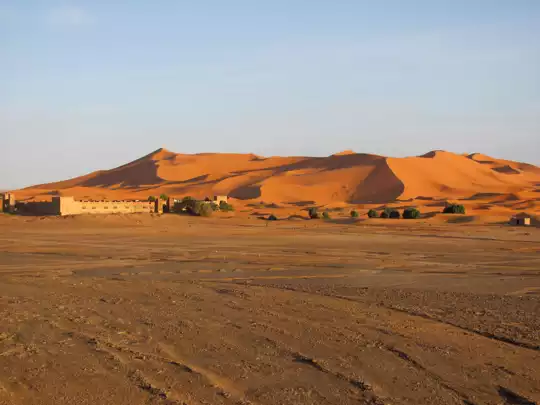
.jpg) Hi, I’m Johan (Netherlands 🇳🇱), the creator of TakeYourBackpack. Over the past decade, I’ve backpacked through 80+ countries across six continents, gaining extensive experience with independent travel, long-term trips, and overland routes.
Hi, I’m Johan (Netherlands 🇳🇱), the creator of TakeYourBackpack. Over the past decade, I’ve backpacked through 80+ countries across six continents, gaining extensive experience with independent travel, long-term trips, and overland routes.