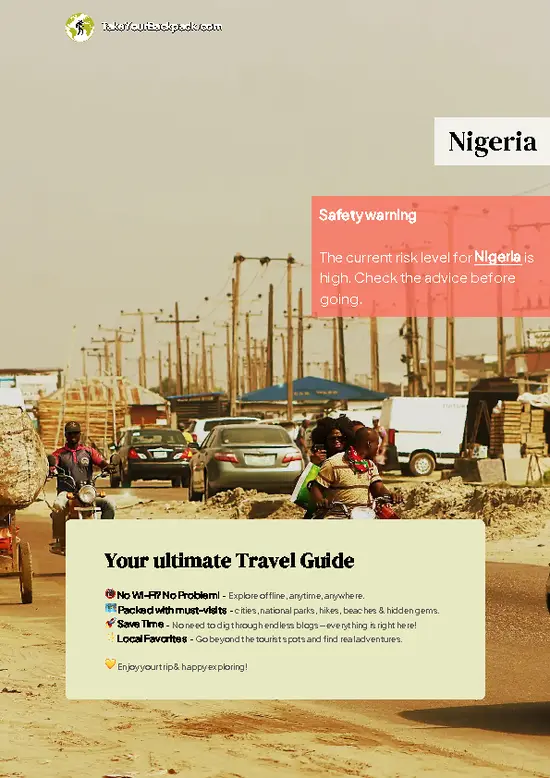
×

Nigeria🇳🇬 | citiesEketoil industry, palm groves, Ibibio culture | things to do and best time to go

Explore Ijebu-OdeExplore Sapele

Backpacking in Eket
🏆 Top pickcity ranked #6
By Johan Kruseman 🇳🇱 | Updated June 12, 2026

Eket, a decade ago, was a sleepy crossroads where the air tasted of red dust and palm oil, and the only travelers were oil workers or the occasional NGO staffer. Today, you’ll find a busier, more connected town, but still far from the polished chaos of Uyo or the coastal buzz of Oron. Eket sits in Akwa Ibom State, southern Nigeria—close enough to the mangrove creeks and Atlantic beaches to smell salt in the morning, but not a destination that shouts for attention. For backpackers, Eket is a practical stopover: a place to reset between the wildness of Ibeno Beach and the urban sprawl of Port Harcourt. The town’s markets are lively but not overwhelming, and you’ll find street food—grilled fish, spicy suya—worth a detour. Don’t expect hostels or a backpacker scene; you’ll be relying on budget hotels and your own curiosity. Transport is mostly by shared taxi or minibus, and walking is doable in the center, though the heat will slow you down. Eket is safer and more relaxed than the oil cities, but less scenic than the coast. Costs are moderate, and evenings are slow—perfect for travelers who want to see Nigeria’s everyday rhythm, not just its highlights.

Discover everything you want to know in the 📖 Nigeria Travel Guide.
Safety warning

The current risk level for Nigeria is high. Check the advice before going.


Get your Nigeria guide
89 ranked highlights, routes & tips, works offline (332 pages)
Loading the map 🌍
CLICK TO FILTER
cities
towns
landmarks
national parks
hikes
beaches
attractions
festivals
regions
SHOW COUNTRY’S BESTSHOW ALL

✨ Why go?
Ranked #6 city in Nigeria
What makes it a must-see city

Eket serves as a gateway for backpackers exploring Nigeria’s coastal beauty and lush landscapes. Its walkable streets make it easy to navigate, while small-scale hostels and guesthouses offer a cozy, budget-friendly stay. The town is a launchpad for nearby hikes and stunning beaches, perfect for those who crave both adventure and relaxation. Expect a friendly social atmosphere where solo travelers and small groups can connect over local food experiences. Most visitors tend to stay a few days, soaking in the culture and scenery, making Eket a worthwhile stop rather than just a fleeting moment on the map.
Want to include Eket in your Nigeria route?
Create a personalized Nigeria itinerary that includes Eket and the places that fit your trip — based on your travel style, budget, and available time. Get your route in seconds.

Generate my trip

💡 HighlightsWhat this place is best known for

  • Eket Central Market — The heartbeat of the city: a sprawling, loud market where you can buy fresh fish and produce, local spices, textiles and Ekid-made goods. Great for people-watching, cheap street food and getting a true sense of daily life in Eket.
  • Qua Iboe riverfront — The river banks and small landing areas around Eket offer mangrove fringes, fishing activity and scenic sunsets. Walk the quay, take a short local boat to nearby fishing villages and watch daily river commerce that’s central to local culture.
  • Eket Township Stadium — Local football matches and community events happen here; sitting in with the crowd gives a raw, energetic feel for local sport, music and civic gatherings that define the city’s social life.
For close day trips: Ibeno Beach’s long Atlantic shoreline and fishing … read more 👉
  • Eket Central Market — The heartbeat of the city: a sprawling, loud market where you can buy fresh fish and produce, local spices, textiles and Ekid-made goods. Great for people-watching, cheap street food and getting a true sense of daily life in Eket.
  • Qua Iboe riverfront — The river banks and small landing areas around Eket offer mangrove fringes, fishing activity and scenic sunsets. Walk the quay, take a short local boat to nearby fishing villages and watch daily river commerce that’s central to local culture.
  • Eket Township Stadium — Local football matches and community events happen here; sitting in with the crowd gives a raw, energetic feel for local sport, music and civic gatherings that define the city’s social life.
For close day trips: Ibeno Beach’s long Atlantic shoreline and fishing villages, the coastal town of Oron for seafood and boat trips, and nearby Uyo for bigger-city markets, restaurants and cultural spots.
Spotted a mistake or missing something? Contact us.

🏘️ NeighborhoodsWhere things are and how it's laid out

Eket offers a unique blend of culture and convenience for backpackers. Here’s how to navigate its neighborhoods:

Uyo Road: This bustling area is the heartbeat of Eket. Expect vibrant street markets and local eateries. It’s affordable and walkable, making it ideal for short stays. The nightlife here is lively, with bars that hum until late.

Ikot Abasi: A quieter, residential vibe defines this neighborhood. It’s perfect for those seeking a longer stay. The cost is lower, and you’ll find friendly locals. Transport options are decent, but walking isn’t as easy here.

Waterfront: This scenic area offers stunning views and a relaxed atmosphere. It’s pricier but worth it for the experience. Great for evening strolls, it’s less about nightlife and more about soaking in the sunset.

⌛️ 1 dayA smart one-day plan

Eket, Nigeria, pulses with a vibrant local culture and a rich history that often goes unnoticed. Start your day early at the bustling Eket Market. The air is thick with the scent of fresh produce and spices, and the chatter of vendors creates a lively backdrop. Grab some local breakfast—perhaps a plate of akara (bean cakes) paired with a warm, sweet drink.

In the afternoon, head to the nearby Qua Iboe River. The serene waters offer a refreshing escape. You can take a boat ride or simply relax on the banks, soaking in the lush surroundings. Don’t miss the chance to visit the Eket Heritage Centre, a lesser-known spot that showcases the town’s history and traditional crafts.

As evening falls, explore the vibrant streets of the Ikot Abasi neighborhood. The atmosphere shifts as street food vendors … read more 👉
Eket, Nigeria, pulses with a vibrant local culture and a rich history that often goes unnoticed. Start your day early at the bustling Eket Market. The air is thick with the scent of fresh produce and spices, and the chatter of vendors creates a lively backdrop. Grab some local breakfast—perhaps a plate of akara (bean cakes) paired with a warm, sweet drink.

In the afternoon, head to the nearby Qua Iboe River. The serene waters offer a refreshing escape. You can take a boat ride or simply relax on the banks, soaking in the lush surroundings. Don’t miss the chance to visit the Eket Heritage Centre, a lesser-known spot that showcases the town’s history and traditional crafts.

As evening falls, explore the vibrant streets of the Ikot Abasi neighborhood. The atmosphere shifts as street food vendors set up, filling the air with the aroma of grilled fish and spicy pepper soup. Enjoy a meal while mingling with locals, and let the warmth of Eket’s community wrap around you, making your day feel complete.
Turn your Eket visit into an Nigeria adventure
Build a complete Nigeria route with Eket, hidden gems, must-see destinations, and realistic travel times included.

Generate my trip

🌤️ When to go?Seasonal considerations and timing


  • Topic: Weather and Temperature — Eket sits in a tropical rainforest climate, so expect heat and humidity year-round. The dry season from November to March offers highs around 31°C (88°F) with less oppressive humidity, making trekking and exploring more comfortable. The rainy season, April to October, brings heavy downpours and temperatures hovering near 28°C (82°F), which can turn trails muddy and slow you down.

  • Topic: Daylight Hours — Near the equator, Eket enjoys roughly 12 hours of daylight year-round. Sunrise is around 6:30 AM, and sunset near 6:30 PM, giving you a reliable window for early starts and late finishes without drastic seasonal shifts.

  • Topic: Crowds and Local Life — Tourist traffic is minimal year-round, but the dry season sees a slight uptick as Nigerian holidaymakers
read more 👉

  • Topic: Weather and Temperature — Eket sits in a tropical rainforest climate, so expect heat and humidity year-round. The dry season from November to March offers highs around 31°C (88°F) with less oppressive humidity, making trekking and exploring more comfortable. The rainy season, April to October, brings heavy downpours and temperatures hovering near 28°C (82°F), which can turn trails muddy and slow you down.

  • Topic: Daylight Hours — Near the equator, Eket enjoys roughly 12 hours of daylight year-round. Sunrise is around 6:30 AM, and sunset near 6:30 PM, giving you a reliable window for early starts and late finishes without drastic seasonal shifts.

  • Topic: Crowds and Local Life — Tourist traffic is minimal year-round, but the dry season sees a slight uptick as Nigerian holidaymakers escape cities. This means more local markets and festivals come alive, offering richer cultural encounters without overwhelming crowds.

  • Topic: Seasonal Activities — The dry months are prime for outdoor activities like river excursions and village visits. The rainy season, while challenging for hiking, brings lush greenery and vibrant wildlife, rewarding those willing to brave the mud with a more intimate nature experience.

  • Topic: Price Fluctuations — Accommodation and transport costs tend to rise during the dry season due to higher demand. The rainy season offers better deals but factor in the trade-off of less predictable weather and occasional travel delays.


Pro-tip: Aim for the shoulder months of November or March to balance manageable weather, fewer crowds, and reasonable prices—perfect for soaking in Eket’s authentic rhythm without the extremes.


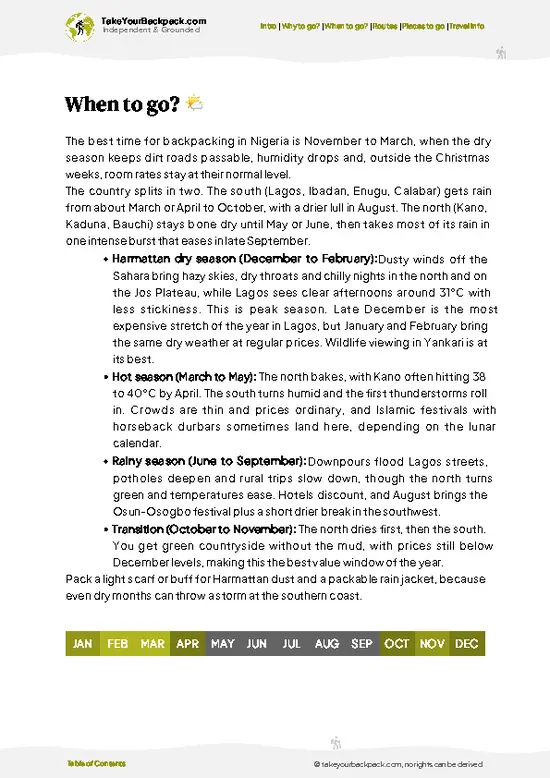
source: climatestotravel.comJANJanuary: excellent for travelingFEBFebruary: excellent for travelingMARMarch: highly recommended for travelingAPRApril: fair for travelingMAYMay: fair for travelingJUNJune: fair for travelingJULJuly: fair for travelingAUGAugust: fair for travelingSEPSeptember: fair for travelingOCTOctober: fair for travelingNOVNovember: highly recommended for travelingDECDecember: excellent for traveling
when-to-go

✈️ The backpacker research shortcutNigeria Travel Guide

An offline-friendly backpacking guide with optimized travel routes, ranked highlights, transport advice, and the best areas to stay.
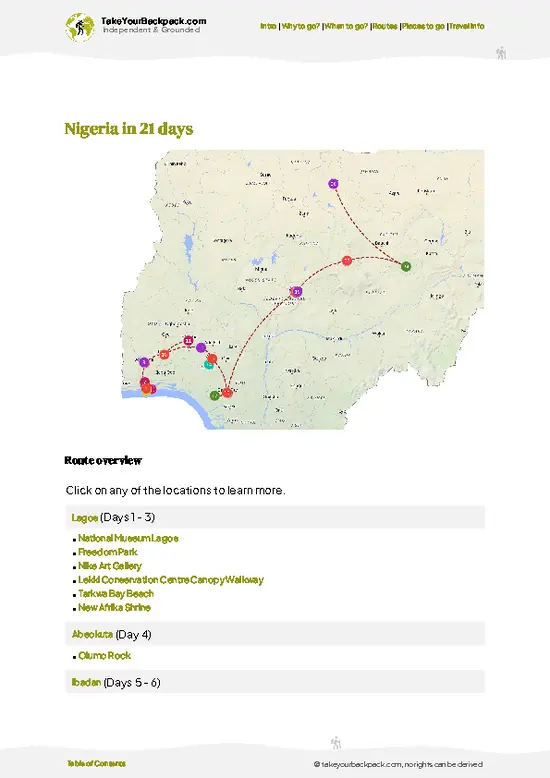
example page 0 from our offline Travel Guide for Nigeria
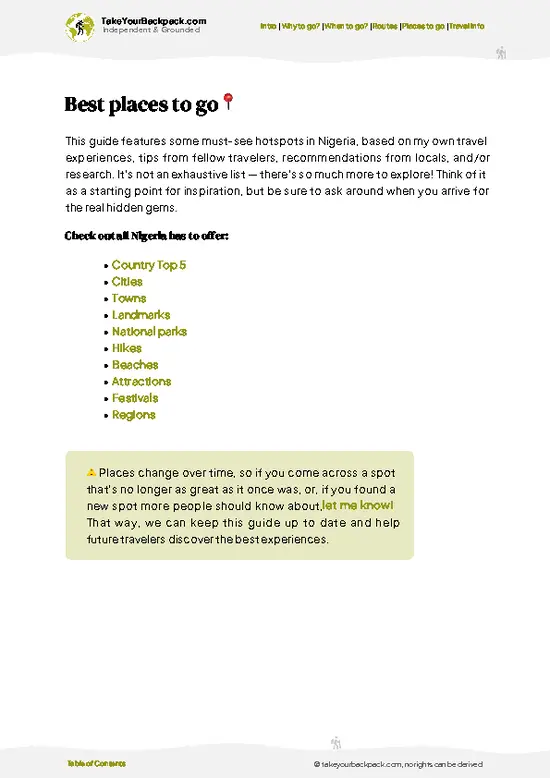
example page 1 from our offline Travel Guide for Nigeria
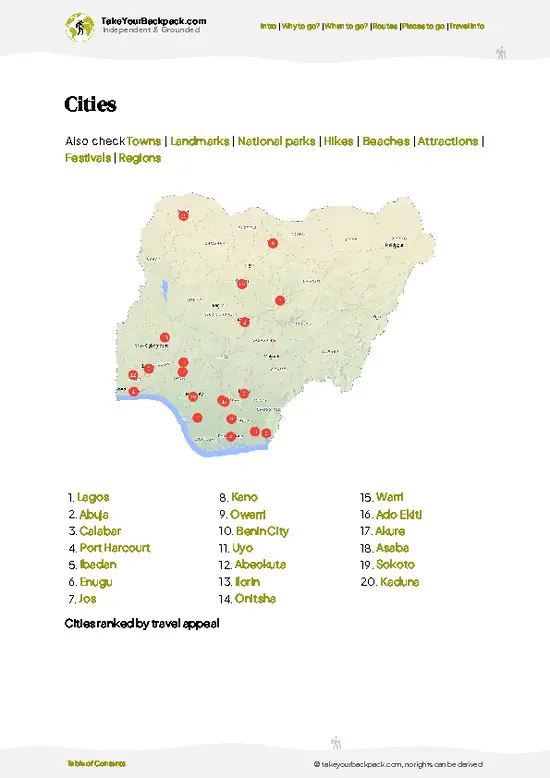
example page 2 from our offline Travel Guide for Nigeria
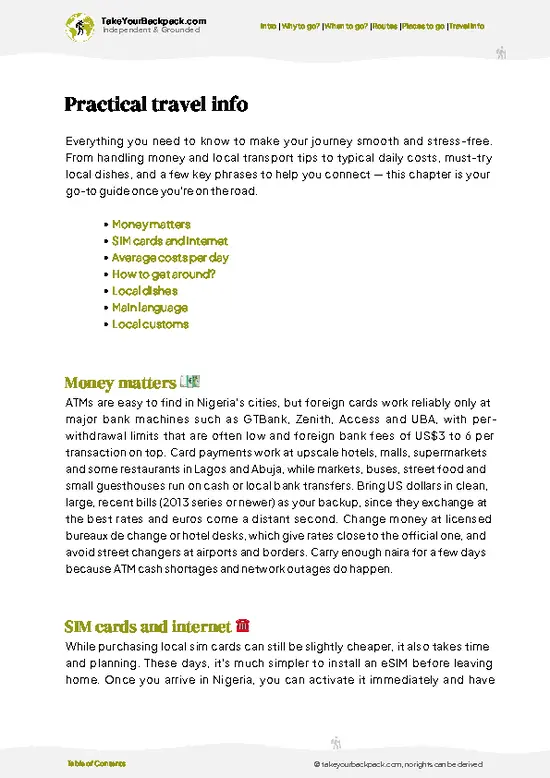
example page 3 from our offline Travel Guide for Nigeria
example page 4 from our offline Travel Guide for Nigeria
example page 5 from our offline Travel Guide for Nigeria
example page 6 from our offline Travel Guide for Nigeria
example page 7 from our offline Travel Guide for Nigeria
The digital guide (332 pages) contains:
89 highlights, ranked by travel appeal
Optimized 7, 14 & 21-day travel routes
Cities, national parks, landmarks, beaches
How to get around
Offline-friendly for travel without Wi-Fi
👉 Click to see all 30+ guide features

📅 Plan smarter in minutes, not weeks
Month by month travel advice
Festivals & national holidays
Budget expectations

🗺️ Go to the right places, skip the overrated ones
Honest pros & cons of destinations
Top hikes, parks & viewpoints
Lesser-known places most travelers miss
Clear “worth it vs skip it” guidance

🛏️ Travel smoothly without rookie mistakes
Best areas to stay
Transport systems explained simply
Common scams & safety advice
SIM cards, money & practical tips

🌍 Understand the country, not just visit it
Culture & traditions
52 Essential phrases & customs
Festivals worth planning around
Traveler-friendly historical context
Insights that make places more meaningful

📱 Built for real travel conditions
Fully downloadable PDF
Works completely offline
Optimized for phone use
Useful in remote areas & buses
Everything in one place
Save weeks of stressful planning
Get instant access to your full guide. 30‑day money-back guarantee.


By proceeding you agree to our terms.
Sent to your inbox immediately after payment • 100% Secure Checkout
Best Backpacking Travel Advisor 2025 tourism awardBest Backpacking
Travel Advisor
2025
What others say about Take Your Backpack Guides:
⭐⭐⭐⭐⭐
Fantastic, amazing amount of information!
⭐⭐⭐⭐⭐
My goodness this is amazing, it's what I've been looking for hats off too you!
⭐⭐⭐⭐⭐
I think this is absolutely BRILLIANT
⭐⭐⭐⭐
Very complete and informative. It's still missing places, but I gotta to commend you
⭐⭐⭐⭐⭐
This is truly amazing, thank you, can't wait to explore it with my kids!
⭐⭐⭐⭐⭐
Awesome resource, thank you!
⭐⭐⭐⭐⭐
This is amazing! Can't wait to explore the ones I haven't seen
⭐⭐⭐⭐
I love this! Well done, great idea.
⭐⭐⭐⭐⭐
Thanks for taking the time to make this gem!
⭐⭐⭐⭐⭐
This might be the best website I've ever seen.
⭐⭐⭐⭐⭐
Congratulations, and thank you so much for your work; it's incredibly valuable.
⭐⭐⭐⭐
In all seriousness I think you did a great job pointing out the important spots
⭐⭐⭐⭐⭐
10/10 very good
⭐⭐⭐⭐⭐
As someone who's only just starting to visit regularly this is awesome, thank you.
⭐⭐⭐⭐
Thank you very much! I'm going to visit my dad, it's going to be very useful!
⭐⭐⭐⭐⭐
This is really cool! We'll be travelling for the first time and this definitely come in handy.
⭐⭐⭐⭐⭐
You are now our minister of culture, congratulations 👨‍💼
⭐⭐⭐⭐⭐
Just wanted to tell you that this is a pearl! Going to follow your recommendations.
⭐⭐⭐⭐⭐
This is so cool. I'll definitely be using the resource for my travels soon.
⭐⭐⭐⭐⭐
This is very impressive! Good work.
⭐⭐⭐⭐⭐
This is an amazing and informative site. Very well done!

🛏️ Where to stay?Best areas and accommodation options

In Eket, the best spot for backpackers is the city center, especially around the main market and the nearby streets. This area hums with life—vendors shouting, the scent of grilled fish mingling with fresh cassava, and the chatter of locals bartering. It’s where you’ll find the pulse of the town, and crucially, it’s where budget travelers and solo backpackers tend to gravitate. Staying here means you’re close to affordable eateries, small guesthouses, and the occasional hostel-like setup that’s more about community than luxury. The vibe is social without being overwhelming; you can strike up conversations … read more 👉
In Eket, the best spot for backpackers is the city center, especially around the main market and the nearby streets. This area hums with life—vendors shouting, the scent of grilled fish mingling with fresh cassava, and the chatter of locals bartering. It’s where you’ll find the pulse of the town, and crucially, it’s where budget travelers and solo backpackers tend to gravitate. Staying here means you’re close to affordable eateries, small guesthouses, and the occasional hostel-like setup that’s more about community than luxury. The vibe is social without being overwhelming; you can strike up conversations over a cup of local palm wine or while waiting for a shared taxi.

Compared to the quieter, more residential neighborhoods on the outskirts, the center offers a safer, more connected experience. Those outer areas might feel safer in theory but lack the social fabric and easy access to transport and amenities that make a backpacker’s life smoother. In Eket, proximity is key—being near the market and transport hubs means you’re plugged into the town’s rhythm, making your stay both practical and rich with local color.

🚌 Getting aroundMoving around without the hassle

Eket moves at its own rhythm—less a clockwork town and more a pulse you feel in the air. The sun hangs heavy, casting a warm, golden haze over the streets, while the scent of fresh palm oil and roasted plantains drifts from open-air stalls. Here, time bends around the ebb and flow of daily life rather than strict schedules. Expect a blend of spontaneous energy and laid-back patience. The locals navigate the town with a practiced ease, balancing between the slow shuffle of market hours and the sudden bursts of activity when a shared taxi or bus fills up. For a budget traveler, understanding this flow is your secret weapon: it’s less about catching a precise departure and more about syncing with the town’s natural tempo.


  • Walking: The heart of Eket is compact enough to explore on foot, especially
read more 👉
Eket moves at its own rhythm—less a clockwork town and more a pulse you feel in the air. The sun hangs heavy, casting a warm, golden haze over the streets, while the scent of fresh palm oil and roasted plantains drifts from open-air stalls. Here, time bends around the ebb and flow of daily life rather than strict schedules. Expect a blend of spontaneous energy and laid-back patience. The locals navigate the town with a practiced ease, balancing between the slow shuffle of market hours and the sudden bursts of activity when a shared taxi or bus fills up. For a budget traveler, understanding this flow is your secret weapon: it’s less about catching a precise departure and more about syncing with the town’s natural tempo.


  • Walking: The heart of Eket is compact enough to explore on foot, especially the market area and nearby neighborhoods. Walking lets you soak in the humid air, hear the chatter of vendors, and spot street food stalls that don’t appear on any map. It’s free, flexible, and the best way to catch the town’s authentic vibe.


  • Shared Taxis (Okada or Keke): These motorbike taxis and tricycles are the quickest way to dart through traffic and reach spots beyond walking distance. Prices are negotiable but usually hover around 100-200 NGN for short trips. They don’t run on a strict timetable—just flag one down when you need it. The trade-off is a bumpy, sometimes noisy ride, but it’s an immersive way to feel the city’s pulse.


  • Mini Buses (Danfo): The backbone of local transit, these minibuses follow semi-fixed routes connecting Eket to surrounding towns and neighborhoods. They start early, around 6 AM, and run until dusk. Fares are cheap, often under 300 NGN, but expect crowded conditions and frequent stops. The rhythm here is communal—everyone’s packed in, sharing stories and space.


  • Motorbike Rentals: For those comfortable with two wheels, renting a motorbike offers freedom to explore at your own pace. Rentals cost about 2,000-3,000 NGN per day. It’s a chance to escape the town’s core and chase the scent of the nearby creeks or the rustle of palm trees lining quieter roads. Just be ready for rough patches and unpredictable traffic.


  • Long-Distance Buses: If you’re planning to leave Eket, buses to bigger hubs like Uyo or Port Harcourt depart from the main bus station. They run on a loose schedule—usually morning and late afternoon—and cost between 1,000 and 2,000 NGN depending on the destination. These rides are slower but offer a window into the wider region’s landscape and life.

👛 Costs (as of 2 March 2026)Travel costs and budget guide for Eket

Backpacking in Eket, Nigeria, demands a practical approach to daily expenses, reflecting the town’s straightforward, no-frills vibe. Here’s what you can expect to spend as an independent traveler navigating this less-touristy spot.
  • Dorm Accommodation: Options are limited and basic, often guesthouses rather than hostels. Expect to pay around $5 to $10 per night. These places usually have simple rooms with shared bathrooms, offering just the essentials—think a fan, a bed, and a mosquito net if you’re lucky.
  • Meals: Street food and local eateries dominate the scene. A filling meal of local staples like garri, fish, or pounded yam with soup will cost between $1.50 and $3.50. Western-style or imported foods are rare and pricier, so sticking to local fare is both authentic and budget-friendly.
read more 👉
Backpacking in Eket, Nigeria, demands a practical approach to daily expenses, reflecting the town’s straightforward, no-frills vibe. Here’s what you can expect to spend as an independent traveler navigating this less-touristy spot.
  • Dorm Accommodation: Options are limited and basic, often guesthouses rather than hostels. Expect to pay around $5 to $10 per night. These places usually have simple rooms with shared bathrooms, offering just the essentials—think a fan, a bed, and a mosquito net if you’re lucky.
  • Meals: Street food and local eateries dominate the scene. A filling meal of local staples like garri, fish, or pounded yam with soup will cost between $1.50 and $3.50. Western-style or imported foods are rare and pricier, so sticking to local fare is both authentic and budget-friendly.
  • Local Transport: Transport revolves around shared taxis or motorbike taxis (okadas). Short rides typically cost between $0.50 and $1.50. Be ready for a bit of noise and dust, but it’s the fastest way to get around town and soak in the local rhythm.
  • Basic Activities/Entry Fees: Eket isn’t a hotspot for paid tourist attractions. Most cultural or natural sites are free or ask for a small donation, usually under $2. The real draw is wandering the markets and engaging with locals, which costs nothing but your time and curiosity.
  • Miscellaneous Expenses: Budget around $1 to $3 daily for bottled water, snacks, or occasional phone credit top-ups. Electricity can be patchy, so a small investment in a power bank or local SIM card is wise to stay connected.

All told, you’re looking at roughly $10 to $20 per day to cover the essentials in Eket. It’s a place where simplicity rules, and your budget stretches further if you embrace the local pace and offerings. The modest costs reflect the town’s unvarnished charm, making every dollar spent a step closer to an authentic Nigerian experience.
⚠️ Prices can change and everyone travels differently, so take this as a rough guide. Hope it helps you plan your adventure!

🚌 Day tripsExploring the surroundings

Eket, Nigeria, is a fantastic launchpad for some truly enriching day trips. The vibrant local culture and stunning landscapes are just a bus ride away.

Ikot Abasi
A quick 30-minute ride from Eket, Ikot Abasi offers a glimpse into traditional fishing villages. The air is thick with the scent of smoked fish, and the local markets buzz with life. You can snag fresh produce and handmade crafts for a few hundred naira. Best visited in the dry season, the clear skies make for perfect photo ops. A common mistake? Skipping the local eateries; they serve some of the best jollof rice you’ll ever taste.


Oron Beach
Just an hour away, Oron Beach is a slice of paradise. The soft sand and gentle waves invite you to unwind. Bring a picnic, as food options are limited. The trip costs around 1,000 … read more 👉
Eket, Nigeria, is a fantastic launchpad for some truly enriching day trips. The vibrant local culture and stunning landscapes are just a bus ride away.

Ikot Abasi
A quick 30-minute ride from Eket, Ikot Abasi offers a glimpse into traditional fishing villages. The air is thick with the scent of smoked fish, and the local markets buzz with life. You can snag fresh produce and handmade crafts for a few hundred naira. Best visited in the dry season, the clear skies make for perfect photo ops. A common mistake? Skipping the local eateries; they serve some of the best jollof rice you’ll ever taste.


Oron Beach
Just an hour away, Oron Beach is a slice of paradise. The soft sand and gentle waves invite you to unwind. Bring a picnic, as food options are limited. The trip costs around 1,000 naira for transport. The best time? Early morning, when the sun paints the sky in hues of orange and pink. Many first-timers forget sunscreen; don’t be one of them.


Uyo
About an hour’s drive, Uyo is a bustling city with a rich cultural scene. Explore the art galleries and local crafts markets, where you can find unique souvenirs. Expect to spend around 1,500 naira for transport. The rainy season can dampen your plans, so aim for the dry months. A rookie mistake is underestimating the traffic; leave early to avoid delays.
👉 Explore Uyo

Ibom Tropicana
This entertainment complex in Uyo is just over an hour from Eket. It features a cinema, shopping, and a water park. A day here costs around 2,000 naira for transport and entry. Visit on weekends for local events that showcase the region’s talent. Many backpackers overlook this spot, thinking it’s just for tourists, but it’s a fun way to mingle with locals.
Want to know what more Nigeria offers?
The Nigeria Travel Guide describes 89 highlights, from cities to national parks, from beaches to hikes

Get the Travel Guide -

🍲 FoodEating & Drinking in Eket

In Eket, food is a lively negotiation between bold flavors and local tradition. The city’s signature dishes lean heavily on fresh seafood and rich, spicy stews. Think of Edikang Ikong, a leafy vegetable soup thick with fish and meat, or Afang soup, where wild greens meet smoky, savory broth. These dishes aren’t just meals; they’re a taste of the region’s heart and history.

Backpackers will find their best bets at bustling markets and street stalls, where the air is thick with the scent of grilled fish and palm oil. These spots serve up authentic plates at wallet-friendly prices, but be ready to eat with your hands and embrace the communal vibe. Casual eateries and local cafés offer a break from the heat, often serving palm wine—a mildly sweet, fermented drink that locals sip slowly, usually … read more 👉
In Eket, food is a lively negotiation between bold flavors and local tradition. The city’s signature dishes lean heavily on fresh seafood and rich, spicy stews. Think of Edikang Ikong, a leafy vegetable soup thick with fish and meat, or Afang soup, where wild greens meet smoky, savory broth. These dishes aren’t just meals; they’re a taste of the region’s heart and history.

Backpackers will find their best bets at bustling markets and street stalls, where the air is thick with the scent of grilled fish and palm oil. These spots serve up authentic plates at wallet-friendly prices, but be ready to eat with your hands and embrace the communal vibe. Casual eateries and local cafés offer a break from the heat, often serving palm wine—a mildly sweet, fermented drink that locals sip slowly, usually in groups. It’s less about the alcohol and more about the shared moment.

In Eket, eating is social and unhurried. Expect to be invited into conversations, and don’t rush your meal. The local custom values patience and connection over speed. This isn’t just fuel; it’s a cultural exchange you taste with every bite and sip.

🛡️ SafetyStaying Safe: What Travelers Should Know

Eket is generally safe, but staying aware enhances your experience. Stick to well-lit areas at night, especially if you’re solo. The local vibe is friendly, but be cautious around crowded markets; pickpockets can be a nuisance. When haggling, keep your cool—overly aggressive sellers might try to inflate prices. Trust your instincts; if something feels off, it probably is. Carry your belongings close and maintain a relaxed demeanor. This approach not only keeps you safe but also invites genuine interactions with the locals.

Other Nigerian cities near Eket

Explore more nearby:

  • Uyo—modern boulevards, Ibom Plaza, palm groves| 44 km away
  • Calabar—Cross River, colonial architecture, annual carnival| 57 km away
  • Ikot Ekpene—raffia weaving, colonial relics, Annang cuisine| 64 km away

💡 Not sure where to go next?
Create a personalized itinerary for Nigeria including Eket and the places that fit your trip.

Generate my itinerary

👉 Discover all cities

Or checkout all Nigeria has to offer (think cities, towns, villages, national parks, hikes, beaches, festivals)
Country photo of Nigeria

We 💚 feedbackKey takeaways before you go

Eket pulses with a raw, vibrant energy. The best surprise? The local markets, alive with colors and scents that tell stories. Just be ready for the heat; it can be relentless. Embrace it. The warmth of the people makes every drop worth it.

✍️ Help improve this page!
The information on this page is based on in-depth research, insights shared by experienced travelers, and feedback from the local travel community in Nigeria. While every effort is made to keep the information accurate and current, conditions can change — so if you spot anything incorrect or outdated, please get in touch.


🙋‍♂️ Give feedback

👋 Meet the founderWho’s Behind Take Your Backpack?

Johan, backpacker and founder of TakeYourBackpackHi, I’m Johan (Netherlands 🇳🇱), the creator of TakeYourBackpack. Over the past decade, I’ve backpacked through 80+ countries across six continents, gaining extensive experience with independent travel, long-term trips, and overland routes.

This site is built on a combination of firsthand travel experience and carefully curated insights from other backpackers. Many guides are based on places I’ve personally visited, while others bring together tips, observations, and practical advice shared by trusted travelers I’ve met along the way.

The goal is to provide realistic, experience-driven guidance — not generic itineraries — so you can explore destinations with better context, clearer expectations, and more confidence.

Get full Nigeria guide •
Instant download • 89 highlights • Full Offline guide