Geographic Diversity
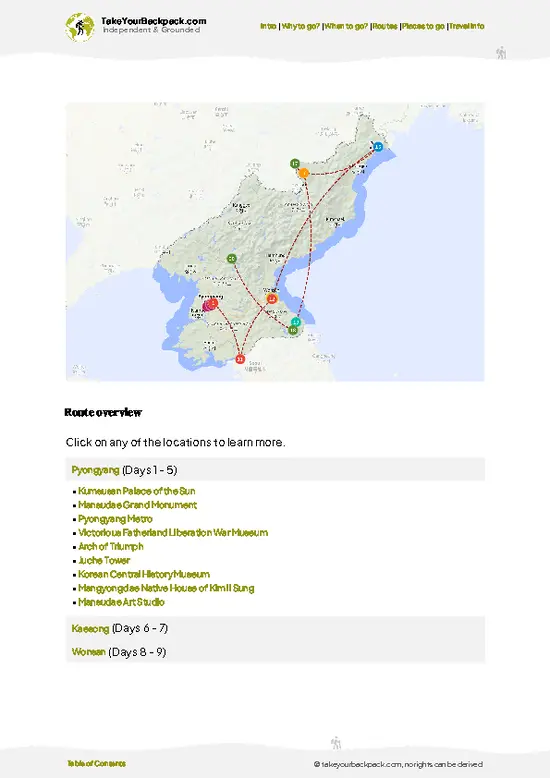
North Korea is divided into several distinct regions, each offering a unique lens into the country’s culture and landscape. The three primary areas to consider are the western coastal region, the mountainous interior, and the eastern plains. Each region presents different experiences, from the bustling urban centers to serene rural landscapes.
Visiting two or three regions is advisable for a well-rounded experience. However, keep in mind that travel between these areas can be time-consuming due to limited infrastructure. Expect long travel times on often bumpy roads, which can eat into your schedule. Prioritize regions based on your interests—urban culture, natural beauty, or historical significance.
Transport Between Regions
Transport options are limited and can …
read more 👉Geographic Diversity
North Korea is divided into several distinct regions, each offering a unique lens into the country’s culture and landscape. The three primary areas to consider are the western coastal region, the mountainous interior, and the eastern plains. Each region presents different experiences, from the bustling urban centers to serene rural landscapes.
Visiting two or three regions is advisable for a well-rounded experience. However, keep in mind that travel between these areas can be time-consuming due to limited infrastructure. Expect long travel times on often bumpy roads, which can eat into your schedule. Prioritize regions based on your interests—urban culture, natural beauty, or historical significance.
Transport Between Regions
Transport options are limited and can be unpredictable. Trains are the most common means of inter-regional travel, but schedules can be erratic. Buses are another option, though they often lack comfort and reliability. If you’re short on time, consider focusing on regions that are geographically closer to each other.
Plan for delays and factor in extra time for transfers. A well-timed itinerary can help mitigate the frustration of waiting. If you’re traveling during peak seasons, be prepared for crowded transport options, which can add to your travel stress.
Cultural Variation
Cultural experiences vary significantly from region to region. The western coastal areas are more influenced by international trade and have a more modern feel, while the interior regions maintain traditional customs and practices. This cultural diversity can enrich your understanding of North Korean society.
However, be aware that local customs can be strict. Dress codes and behavior expectations are enforced, especially in rural areas. It’s essential to respect local norms to avoid misunderstandings. Engaging with locals can be rewarding, but approach interactions with sensitivity and awareness of the cultural context.
Pacing Trade-Offs
Pacing is crucial in North Korea. The slower pace of life in rural areas contrasts sharply with the more frenetic energy of urban centers. If you’re keen on experiencing both, be prepared for a trade-off between depth and breadth. Spending more time in one region allows for deeper cultural immersion, while trying to cover multiple areas may dilute your experience.
Consider your travel style. If you thrive on exploration and spontaneity, a more extensive itinerary might suit you. Conversely, if you prefer to soak in your surroundings, focus on fewer regions and allow for unstructured time. This will enable you to engage more meaningfully with the local culture.
Safety & Cultural Considerations
Safety is a paramount concern when traveling in North Korea. Always adhere to the guidelines set by your guides and avoid venturing off the beaten path. The government closely monitors foreign visitors, and any deviation from the prescribed itinerary can lead to serious consequences.
Culturally, it’s vital to approach your visit with respect. Photography is often restricted, and certain sites are off-limits. Always ask for permission before taking photos of people or sensitive locations. Understanding these constraints will not only keep you safe but also enhance your overall experience.
In summary, navigating North Korea requires careful planning and a flexible mindset. By prioritizing regions based on your interests and being mindful of the unique challenges each area presents, you can create a rewarding travel experience that respects the complexities of this enigmatic country.
v2.webp)
 Best Backpacking
.jpg) Hi, I’m Johan (Netherlands 🇳🇱), the creator of TakeYourBackpack. Over the past decade, I’ve backpacked through 80+ countries across six continents, gaining extensive experience with independent travel, long-term trips, and overland routes.
Hi, I’m Johan (Netherlands 🇳🇱), the creator of TakeYourBackpack. Over the past decade, I’ve backpacked through 80+ countries across six continents, gaining extensive experience with independent travel, long-term trips, and overland routes.