×

North Korea🇰🇵 | best unique sitesYour Guide to the Best unique sites in North Korea

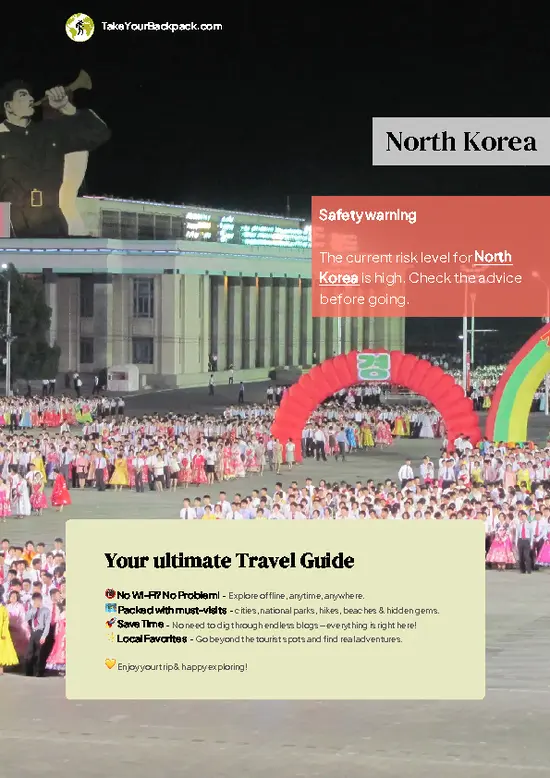
Exploring the best unique sites in North Korea offers a glimpse into a nation steeped in history and cultural significance. Unique sites here are defined by their historical weight, architectural grandeur, and natural beauty, each reflecting the country’s complex narrative. From the monumental statues in Pyongyang to the serene landscapes of Mount Kumgang, options vary widely in scale and visitor experience.

Traveling as a backpacker or independent traveler requires careful consideration of seasonal accessibility and local customs, as some sites may be more vibrant during specific times of the year. Choosing the right site impacts your overall vibe, budget, and cultural immersion, making it essential to align your interests with the unique offerings of each region.

By Johan Kruseman 🇳🇱 | last update: 23 April, 2026
Explore the best national parks in North Korea

Why go?Why These unique site Stand Out

Unique sites in North Korea stand apart due to their cultural and historical significance, shaped by decades of isolation and a distinct political narrative. Unlike many countries, North Korea’s attractions are deeply intertwined with its ideology, showcasing a blend of revolutionary history and state-sponsored art. This creates a unique lens through which to understand the nation’s identity, offering insights that are often absent in more commercialized destinations.

The geography of North Korea, characterized by rugged mountains and sparse urban areas, limits accessibility. Many sites require significant travel time, which can lead to a trade-off between the depth of exploration and the time spent in transit. Visitors may find themselves on tightly controlled itineraries, which can restrict … read more 👉
Unique sites in North Korea stand apart due to their cultural and historical significance, shaped by decades of isolation and a distinct political narrative. Unlike many countries, North Korea’s attractions are deeply intertwined with its ideology, showcasing a blend of revolutionary history and state-sponsored art. This creates a unique lens through which to understand the nation’s identity, offering insights that are often absent in more commercialized destinations.

The geography of North Korea, characterized by rugged mountains and sparse urban areas, limits accessibility. Many sites require significant travel time, which can lead to a trade-off between the depth of exploration and the time spent in transit. Visitors may find themselves on tightly controlled itineraries, which can restrict spontaneous exploration but also ensures a focused experience on the curated narratives presented by the state.

Climatic factors also play a role; the harsh winters can limit access to certain areas, while the summer months attract more tourists, leading to crowded experiences at popular sites. Understanding these constraints is crucial for travelers aiming to engage meaningfully with the country’s offerings. The combination of infrastructural limitations and the need for guided tours means that while immersive experiences are possible, they often come with strict boundaries that can challenge the typical traveler’s expectations.
Why These Made the Cut
The list of best unique sites in North Korea is created based on history or culture, wow factor, atmosphere, quirks, and memorability. If you feel a unique site is missing in this list, please let us know.

When to go?When to Plan Your Trip

Seasonality

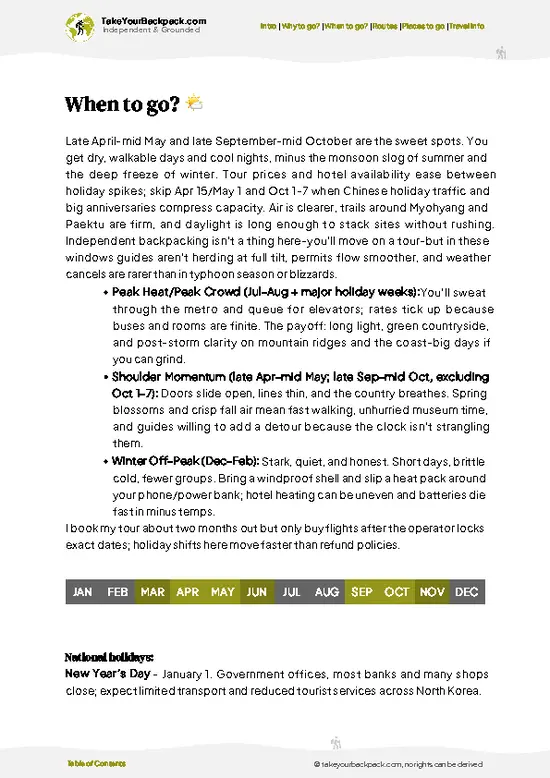
Weather in North Korea varies significantly by season. Winters are harsh, with temperatures often plunging below freezing. Snow can obscure sites, limiting visibility and access. Spring brings milder weather, but early months can still be chilly. This season is ideal for witnessing the country’s natural beauty as flora begins to bloom.

Optimal Months

Late spring and early autumn are generally the best times to visit. May and September offer comfortable temperatures and clearer skies, enhancing the experience of unique sites. These months also coincide with various cultural events, providing deeper insights into local traditions.

Shoulder Seasons

Traveling during the shoulder seasons—late March to April and October to early November—can be beneficial. Crowds are thinner, and … read more 👉

Seasonality

Weather in North Korea varies significantly by season. Winters are harsh, with temperatures often plunging below freezing. Snow can obscure sites, limiting visibility and access. Spring brings milder weather, but early months can still be chilly. This season is ideal for witnessing the country’s natural beauty as flora begins to bloom.

Optimal Months

Late spring and early autumn are generally the best times to visit. May and September offer comfortable temperatures and clearer skies, enhancing the experience of unique sites. These months also coincide with various cultural events, providing deeper insights into local traditions.

Shoulder Seasons

Traveling during the shoulder seasons—late March to April and October to early November—can be beneficial. Crowds are thinner, and costs may be lower. However, weather can be unpredictable, with potential rain in spring and early frost in autumn.

Peak Periods

Summer sees an influx of tourists, particularly around national holidays. While the weather is warm, sites can be crowded, and accommodations may be pricier. Access to certain areas may be restricted during peak times due to increased security measures.

Constraints

Travelers should consider that some sites may have limited access during winter months due to weather conditions. Planning around these seasonal patterns is crucial for maximizing the experience of unique sites in North Korea.

unique site hoppingSuggested Travel Strategies

General Routing Logic

Travelers should cluster sites regionally to maximize efficiency. Start in Pyongyang, where key attractions like the Kim Il-sung Square and the Arch of Triumph are concentrated. From there, head north to the DMZ for a stark contrast in experience. This route allows for a logical flow, minimizing backtracking.

Typical Time Needed

Allocate at least two hours for major sites in Pyongyang. The DMZ visit can take half a day, including travel time. For more remote locations like Mount Kumgang, plan for a full day, factoring in transportation delays.

Common Planning Mistakes

One common pitfall is underestimating travel times between sites. North Korea’s infrastructure can slow progress, so always build in extra time. Avoid cramming too many sites into a single day; this … read more 👉

General Routing Logic

Travelers should cluster sites regionally to maximize efficiency. Start in Pyongyang, where key attractions like the Kim Il-sung Square and the Arch of Triumph are concentrated. From there, head north to the DMZ for a stark contrast in experience. This route allows for a logical flow, minimizing backtracking.

Typical Time Needed

Allocate at least two hours for major sites in Pyongyang. The DMZ visit can take half a day, including travel time. For more remote locations like Mount Kumgang, plan for a full day, factoring in transportation delays.

Common Planning Mistakes

One common pitfall is underestimating travel times between sites. North Korea’s infrastructure can slow progress, so always build in extra time. Avoid cramming too many sites into a single day; this can lead to fatigue and missed experiences.

Trade-offs and Constraints

Balancing speed with depth is crucial. Rushing through sites may save time but can diminish the experience. Budget considerations also play a role; more comfortable accommodations and guided tours can enhance the journey but at a higher cost. Flexibility is key; be prepared to adjust plans based on local conditions or opportunities that arise.

The ListMust-Visit unique sites in North Korea

1 Kapsan

mountain valleys, remote villages, anti-Japanese sites

Trace the legacy of resistance in a secluded region where forested hills, rural life, and memorials to guerrilla fighters shape the landscape.

Expert viewPro Tips for Exploring the Best

Expert Commentary


North Korea offers a range of unique sites that reflect its complex history and culture. However, access is tightly controlled, and planning is essential. Aim for 3 to 5 unique sites during your visit. This allows for a meaningful experience without overwhelming yourself or your guide.

Significance


Each site carries weight. From monumental statues to historic landmarks, they tell stories of the regime and the nation’s identity. Prioritize sites that resonate with your interests—whether that’s history, architecture, or cultural practices. Understand that these sites are not just tourist attractions; they are part of a narrative that the state wishes to convey.

Access Constraints


Travel is heavily regulated. You’ll need to be part of an organized tour, which limits spontaneity. … read more 👉

Expert Commentary


North Korea offers a range of unique sites that reflect its complex history and culture. However, access is tightly controlled, and planning is essential. Aim for 3 to 5 unique sites during your visit. This allows for a meaningful experience without overwhelming yourself or your guide.

Significance


Each site carries weight. From monumental statues to historic landmarks, they tell stories of the regime and the nation’s identity. Prioritize sites that resonate with your interests—whether that’s history, architecture, or cultural practices. Understand that these sites are not just tourist attractions; they are part of a narrative that the state wishes to convey.

Access Constraints


Travel is heavily regulated. You’ll need to be part of an organized tour, which limits spontaneity. Expect to be accompanied by a guide at all times. This can feel restrictive, but it also provides insights you might miss otherwise. Be prepared for security checks and restrictions on photography. Some sites may require advance permission, so factor in extra time for planning.

Crowd Patterns


Crowds can vary significantly based on the time of year and local holidays. Spring and autumn are popular, but summer can be sweltering, making outdoor sites less enjoyable. Weekdays tend to be quieter than weekends, especially at more popular locations. If you want to avoid the rush, consider visiting lesser-known sites during off-peak hours. However, be aware that some sites may have limited access during these times.

Combining Sites


Realistically, you can combine 2 to 3 sites in a single day, depending on their proximity and the time allocated for each. Some sites require more time for exploration, while others can be seen quickly. Factor in travel time between locations, which can be longer than expected due to road conditions and checkpoints. A well-planned itinerary can maximize your experience without feeling rushed.

Planning and Prioritizing


When planning, consider your interests and the stories you want to engage with. Research the significance of each site and how it fits into the broader context of North Korean culture. Prioritize sites that offer diverse experiences—historical, cultural, and architectural. This approach will enrich your understanding and appreciation of the country.

Safety and Cultural Considerations


Safety is generally not a concern, but cultural sensitivity is crucial. Follow your guide’s instructions closely. Avoid discussing politics or making critical remarks about the regime. Dress conservatively and be respectful at all sites. Engaging positively with locals can enhance your experience, but remember that interactions are often monitored.

Trade-offs


The trade-off in North Korea is between depth and breadth. Focusing on fewer sites allows for deeper engagement but may limit the variety of experiences. Conversely, trying to see too much can lead to a superficial understanding. Choose wisely based on your interests and the time you have available.

In summary, a well-thought-out approach to visiting unique sites in North Korea can lead to a rewarding experience. Balancing your itinerary with cultural sensitivity and logistical realities will ensure that your journey is both enlightening and respectful.

✈️ The ultimate backpacker shortcutNorth Korea Travel Guide

Skip weeks of research and hit the road with confidence. Get 243 pages of proven routes, transport advice, and real safety insights—built for your phone and 100% offline-ready.
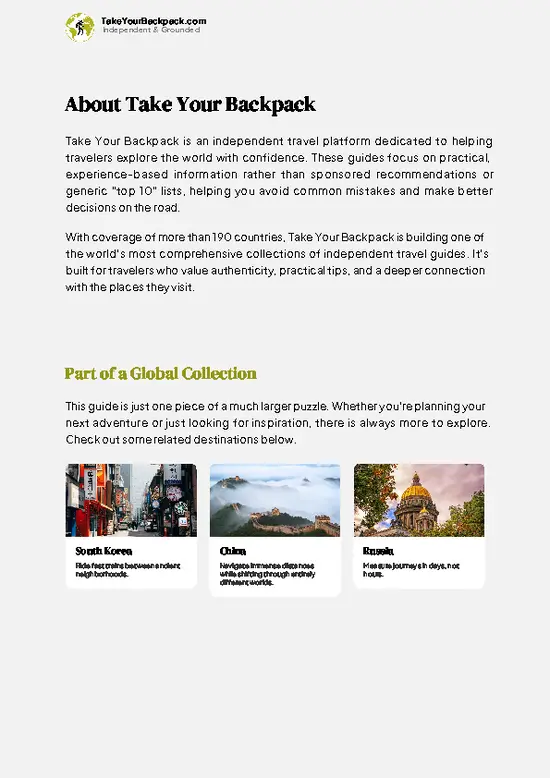
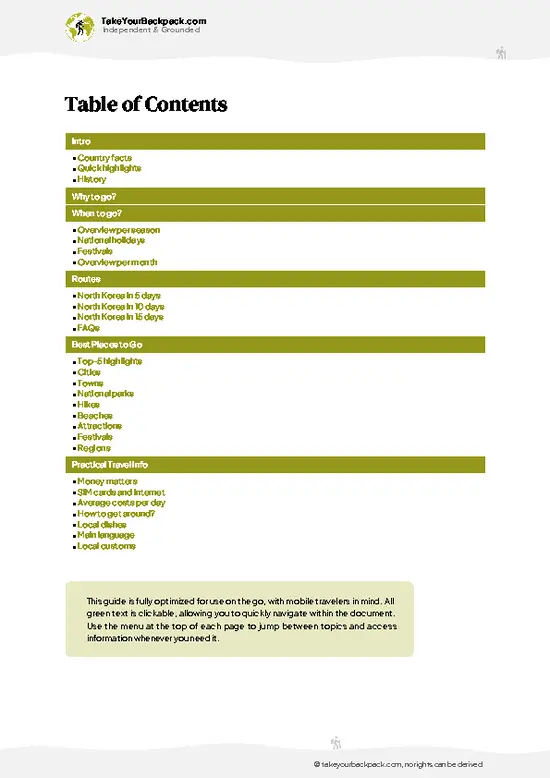
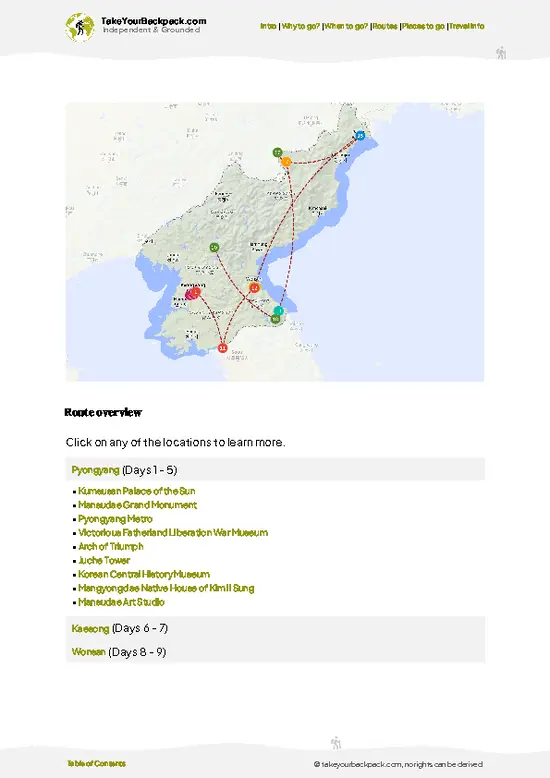
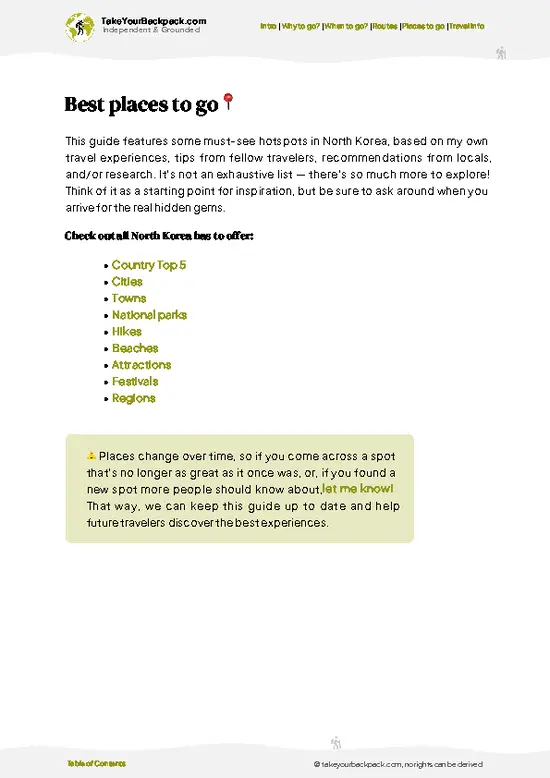
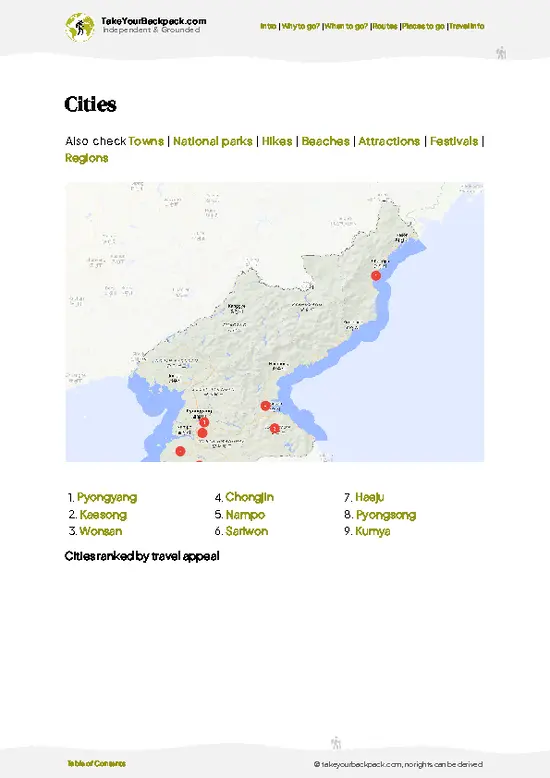
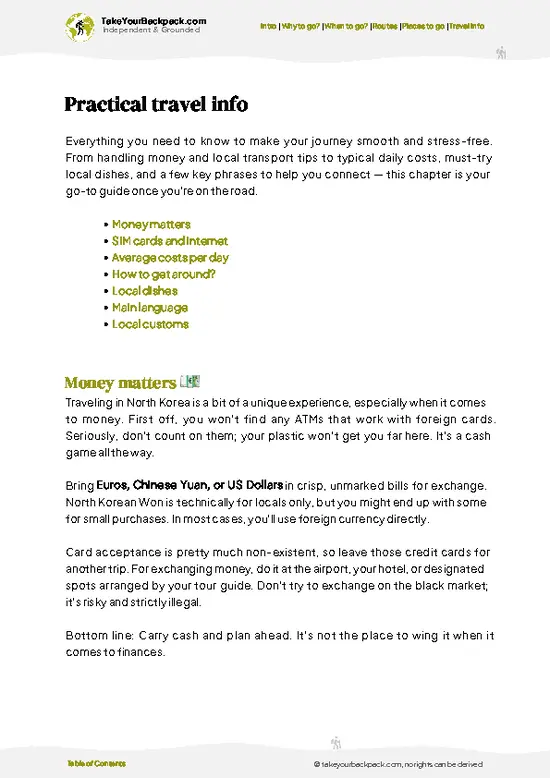
example page 0 from our offline Travel Guide for North Koreaexample page 1 from our offline Travel Guide for North Koreaexample page 2 from our offline Travel Guide for North Koreaexample page 3 from our offline Travel Guide for North Koreaexample page 4 from our offline Travel Guide for North Korea
🎒 Your 243-page offline travel companion
5, 10 & 15-day routes paced for real travel
74 ranked highlights with honest skip-it advice
Logistics solved: Best areas to stay & transport
Safety blueprints: Common local scams to avoid
No Wi-Fi? No problem: Phone-optimized offline PDF
👉 See all 30+ guide features

📅 Plan smarter in minutes, not weeks
Realistic travel times & pacing
Best months per region
Festivals & national holidays
Budget expectations

🗺️ Go to the right places, skip the overrated ones
74 ranked highlights across the country
Hidden gems beyond the tourist trail
Honest pros & cons of destinations
Top hikes, parks & viewpoints
Lesser-known places most travelers miss
Clear “worth it vs skip it” guidance

🛏️ Travel smoothly without rookie mistakes
Best areas to stay
Transport systems explained simply
Local transport tradeoffs
Common scams & safety advice
SIM cards, money & practical tips
What to expect before arrival

🌍 Understand the country, not just visit it
Culture & traditions
52 Essential phrases & customs
Festivals worth planning around
Traveler-friendly historical context
Insights that make places more meaningful

📱 Built for real travel conditions
Fully downloadable PDF
Works completely offline
Optimized for phone use
Useful in remote areas & buses
Everything in one place
Save weeks of stressful planning
Get instant access to the full guide directly. 30-day money-back guarantee.


Sent to your inbox immediately after payment • 100% Secure Checkout
Best Backpacking Travel Advisor 2025 tourism awardBest Backpacking
Travel Advisor
2025
What others say about Take Your Backpack Guides:
⭐⭐⭐⭐⭐
Fantastic, amazing amount of information!
⭐⭐⭐⭐⭐
My goodness this is amazing, it's what I've been looking for hats off too you!
⭐⭐⭐⭐⭐
I think this is absolutely BRILLIANT
⭐⭐⭐⭐
Very complete and informative. It's still missing places, but I gotta to commend you
⭐⭐⭐⭐⭐
This is truly amazing, thank you, can't wait to explore it with my kids!
⭐⭐⭐⭐⭐
Awesome resource, thank you!
⭐⭐⭐⭐⭐
This is amazing! Can't wait to explore the ones I haven't seen
⭐⭐⭐⭐
I love this! Well done, great idea.
⭐⭐⭐⭐⭐
Thanks for taking the time to make this gem!
⭐⭐⭐⭐⭐
This might be the best website I've ever seen.
⭐⭐⭐⭐⭐
Congratulations, and thank you so much for your work; it's incredibly valuable.
⭐⭐⭐⭐
In all seriousness I think you did a great job pointing out the important spots
⭐⭐⭐⭐⭐
10/10 very good
⭐⭐⭐⭐⭐
As someone who's only just starting to visit regularly this is awesome, thank you.
⭐⭐⭐⭐
Thank you very much! I'm going to visit my dad, it's going to be very useful!
⭐⭐⭐⭐⭐
This is really cool! We'll be travelling for the first time and this definitely come in handy.
⭐⭐⭐⭐⭐
You are now our minister of culture, congratulations 👨‍💼
⭐⭐⭐⭐⭐
Just wanted to tell you that this is a pearl! Going to follow your recommendations.
⭐⭐⭐⭐⭐
This is so cool. I'll definitely be using the resource for my travels soon.
⭐⭐⭐⭐⭐
This is very impressive! Good work.
⭐⭐⭐⭐⭐
This is an amazing and informative site. Very well done!

🛏️ Where to stay?Where to Stay: North Korea Edition

No independent hostels or backpacker-style budget accommodation exist openly in North Korea; lodging for foreign visitors is limited to state-run hotels and guesthouses usually arranged through organized tours, so you cannot count on walk-in dorms or independent low-cost stays.

Most options cluster in central Pyongyang (Kim Il Sung Square, Moranbong, Mansudae) — closest to the main sights and the few permitted evening activities but tightly controlled and lacking real nightlife; provincial hubs like Kaesong, Wonsan and Mount Kumgang offer quieter, often cheaper official guesthouses with sparse amenities and restricted access.

Crime risk for tourists is low, but movement, independent bookings … read more 👉
No independent hostels or backpacker-style budget accommodation exist openly in North Korea; lodging for foreign visitors is limited to state-run hotels and guesthouses usually arranged through organized tours, so you cannot count on walk-in dorms or independent low-cost stays.

Most options cluster in central Pyongyang (Kim Il Sung Square, Moranbong, Mansudae) — closest to the main sights and the few permitted evening activities but tightly controlled and lacking real nightlife; provincial hubs like Kaesong, Wonsan and Mount Kumgang offer quieter, often cheaper official guesthouses with sparse amenities and restricted access.

Crime risk for tourists is low, but movement, independent bookings and services are strictly limited; book through authorized channels and expect fixed itineraries, limited food choices and minimal budget flexibility to avoid being turned away.

If you enjoy meeting fellow travelers, consider choosing hostels with high ratings for atmosphere. On the other hand, if you prefer having your own space, a hotel might be a better option.

North KoreaExplore Beyond This Category

👋 Meet the authorWho’s Behind Take Your Backpack?

Johan, backpacker and founder of TakeYourBackpackHi, I’m Johan (Netherlands 🇳🇱), the creator of TakeYourBackpack. Over the past decade, I’ve backpacked through 80+ countries across six continents, gaining extensive experience with independent travel, long-term trips, and overland routes.

This site is built on a combination of firsthand travel experience and carefully curated insights from other backpackers. Many guides are based on places I’ve personally visited, while others bring together tips, observations, and practical advice shared by trusted travelers I’ve met along the way.

The goal is to provide realistic, experience-driven guidance — not generic itineraries — so you can explore destinations with better context, clearer expectations, and more confidence.

Get Full Country Guide |
Instant download • 74 highlights • Full Offline guide