v2.webp)
- Hamhung Grand Theatre — Big, Soviet-era style theatre that’s the easiest place to feel the local cultural pulse: posters, rehearsals, and occasional performances for residents. Even if you don’t catch a show, the building and the surrounding plaza are worth a slow wander and people-watching.
- Hamhung Revolutionary Museum / Local Revolutionary Sites — Small municipal museums and scattered plaques/revolutionary markers around the city that explain local wartime and revolutionary stories. They’re propaganda-heavy, sure, but useful for understanding how Hamhung’s history is presented to locals — which matters when you’re trying to read the place.
- Hamhung / Hungnam Port and Waterfront — A working port, shipyards and coastal promenades give a raw, industrial seaside vibe. Great for photography
- Hamhung Grand Theatre — Big, Soviet-era style theatre that’s the easiest place to feel the local cultural pulse: posters, rehearsals, and occasional performances for residents. Even if you don’t catch a show, the building and the surrounding plaza are worth a slow wander and people-watching.
- Hamhung Revolutionary Museum / Local Revolutionary Sites — Small municipal museums and scattered plaques/revolutionary markers around the city that explain local wartime and revolutionary stories. They’re propaganda-heavy, sure, but useful for understanding how Hamhung’s history is presented to locals — which matters when you’re trying to read the place.
- Hamhung / Hungnam Port and Waterfront — A working port, shipyards and coastal promenades give a raw, industrial seaside vibe. Great for photography (industrial landscapes, cranes, fishing boats) and for feeling how the city links to the sea. There are also shoreline spots tied to the 1950 Hungnam evacuation that are historically significant.
- Hamhung Central Market — A lively local market where you can see everyday commerce: vegetables, dried fish, household goods and the kinds of stalls that most tours pause at to show daily life. It’s less polished than Pyongyang markets, which makes it more interesting in my book.
- Hamhung Railway Station — The station itself is worth a look if you like trains: classic architecture, lots of activity, and the experience of arriving/departing by rail is one of the most down-to-earth ways to travel in the DPRK.
- Hamhung University of Chemical Industry (campus area) — An industrial-education hub that reflects the city’s chemical/industrial identity. Campus strolls (when allowed) offer a window into student life and the heavy-industry focus of the region.
- City Squares and Local Monuments — Hamhung has several public squares and monuments dedicated to revolutionary figures and achievements. They’re great for people-watching, seeing local ceremonies if you time it right, and catching the style of civic space in a provincial North Korean city.
- Nearby Beaches and Coastal Paths — There are small local beaches and seaside paths within city limits where locals swim, picnic or fish. Nothing tropical, but good for a quiet walk with views of the Sea of Japan (East Sea) and local coastal life.
- Industrial Landscapes and Factory Viewpoints — Much of Hamhung’s character is industrial: fertilizer plants, shipyards and chemical works. Organized visits or viewpoints (as arranged by guides) let you see the scale of industrial North Korea up close — sobering, impressive, and genuinely different from typical tourist kitsch.
- Civic Cultural Centres / People’s Study Houses — Local libraries, study houses and cultural centres where residents come for classes, exhibitions or events. They don’t always have big tourist displays, but you’ll get an authentic sense of daily civic life if you can visit one.
Spotted a mistake or missing something? Contact us.


 Best Backpacking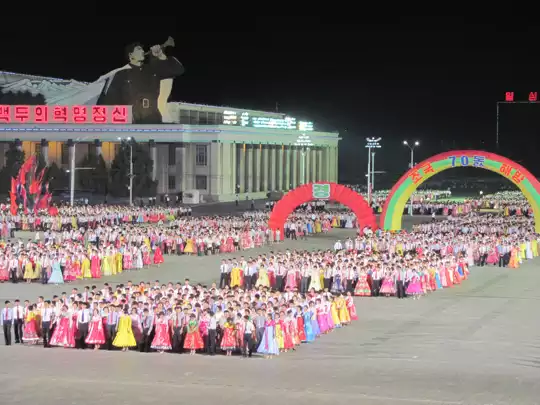
.jpg) Hi, I’m Johan (Netherlands 🇳🇱), the creator of TakeYourBackpack. Over the past decade, I’ve backpacked through 80+ countries across six continents, gaining extensive experience with independent travel, long-term trips, and overland routes.
Hi, I’m Johan (Netherlands 🇳🇱), the creator of TakeYourBackpack. Over the past decade, I’ve backpacked through 80+ countries across six continents, gaining extensive experience with independent travel, long-term trips, and overland routes.