×

North Korea🇰🇵 | citiesSinpofishing fleet, shipyards, east coast harbor | things to do and best time to go

Explore WonsanExplore Hamhung

Backpacking in Sinpo
👀 For curious travelerscity ranked #11
By Johan Kruseman 🇳🇱 | Updated June 15, 2026

Steam from a fish stall curls into the cold air as a vendor slaps squid onto a metal tray, the clang echoing off gray apartment blocks and the distant shipyard horns. This is Sinpo, a coastal city on North Korea’s east coast, south of Hamhung, facing the Sea of Japan. For backpackers, it’s not a free-roaming playground; you’re on a guided leash, with limited streets, a park or two, a port-side promenade, and carefully chosen monuments. It’s cheaper than Pyongyang, quieter than Wonsan, and feels like a working port first, “tourist stop” second. Nightlife is essentially off-limits, other travelers are few, and the vibe is controlled, subdued, oddly absorbing if you like reading between the lines.

Discover everything you want to know in the 📖 North Korea Travel Guide.
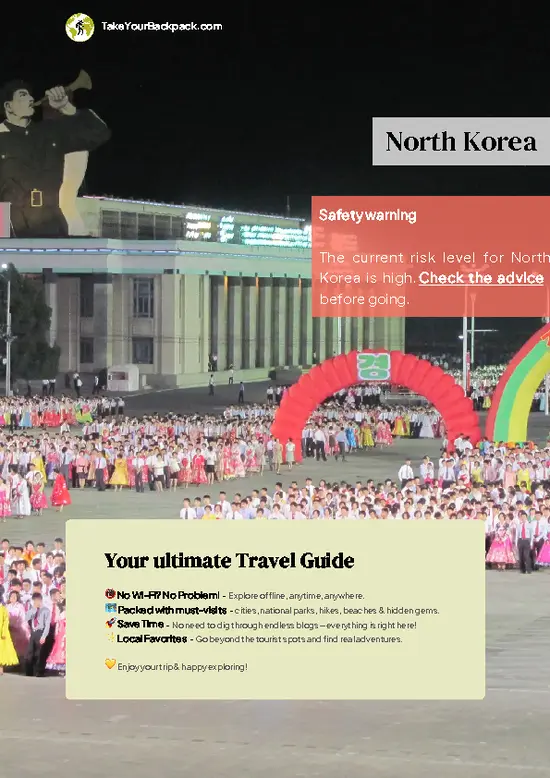
Safety warning

The current risk level for North Korea is high. Check the advice before going.


Get your North Korea guide
74 ranked highlights, routes & tips, works offline (296 pages)
Loading the map 🌍
CLICK TO FILTER
cities
towns
landmarks
national parks
hikes
beaches
attractions
festivals
regions
SHOW COUNTRY’S BESTSHOW ALL

✨ Why go?
Ranked #11 city in North Korea
Reasons people choose to visit here

Sinpo is a fascinating stop for backpackers navigating North Korea. It offers a unique blend of highlights and activities that make it worth your while. The city is compact and walkable, allowing you to soak in the local atmosphere without feeling rushed. You’ll find a few decent hostels that cater to budget travelers, providing a basecamp for your adventures.

Food options are limited but interesting; you can sample local dishes that give you a taste of North Korean culture. The nightlife is low-key but intriguing, with a few bars where you can unwind after a day of exploration. Plus, Sinpo serves as a strategic point for easy onward travel to other parts of the country, making it a practical choice for those looking to maximize their experience.

If you’re after a deeper understanding … read more 👉
Sinpo is a fascinating stop for backpackers navigating North Korea. It offers a unique blend of highlights and activities that make it worth your while. The city is compact and walkable, allowing you to soak in the local atmosphere without feeling rushed. You’ll find a few decent hostels that cater to budget travelers, providing a basecamp for your adventures.

Food options are limited but interesting; you can sample local dishes that give you a taste of North Korean culture. The nightlife is low-key but intriguing, with a few bars where you can unwind after a day of exploration. Plus, Sinpo serves as a strategic point for easy onward travel to other parts of the country, making it a practical choice for those looking to maximize their experience.

If you’re after a deeper understanding of North Korea, Sinpo is more than just a stopover; it’s a chance to engage with a unique culture.
Want to include Sinpo in your North Korea route?
Create a personalized North Korea itinerary that includes Sinpo and the places that fit your trip — based on your travel style, budget, and available time. Get your route in seconds.

Generate my trip

💡 HighlightsWhat this place is best known for

  1. Sinpo Port and Fish Market — The working harbour is the town’s beating heart: morning landings, stacked crates of fresh East Sea seafood, and a gritty waterfront where you can watch local fishermen and fishmongers at work. It’s the best place to get a true sense of daily life and the local food culture in a coastal DPRK town.
  2. Sinpo Central Square / City Centre — A compact civic core with wide avenues, municipal buildings and a public square. Walking here gives a clear feel for provincial urban planning, local markets nearby, and the handful of shops and cafes where residents actually gather.
  3. Sinpo Railway Station — The regional rail hub that links Sinpo to the rest of the province. The station is useful for observing local travel rhythms, cheap regional trains, and the old-style service
read more 👉
  1. Sinpo Port and Fish Market — The working harbour is the town’s beating heart: morning landings, stacked crates of fresh East Sea seafood, and a gritty waterfront where you can watch local fishermen and fishmongers at work. It’s the best place to get a true sense of daily life and the local food culture in a coastal DPRK town.
  2. Sinpo Central Square / City Centre — A compact civic core with wide avenues, municipal buildings and a public square. Walking here gives a clear feel for provincial urban planning, local markets nearby, and the handful of shops and cafes where residents actually gather.
  3. Sinpo Railway Station — The regional rail hub that links Sinpo to the rest of the province. The station is useful for observing local travel rhythms, cheap regional trains, and the old-style service architecture that marks many North Korean towns.
Nearby day-trip highlights include Wonsan’s Songdowon beach and camp, the port city of Hamhung, and Mount Kumgang — Mount Kumgang is my personal favorite.
Spotted a mistake or missing something? Contact us.
🏘️ NeighborhoodsUnderstanding the local layout

Sinpo offers a unique glimpse into North Korean life, blending local culture with the realities of travel in a tightly controlled environment. Here’s how different neighborhoods stack up for backpackers:

Central Sinpo: This is the heart of the city. It’s bustling, with local markets and eateries. Walkability is high, making it easy to explore on foot. Prices are moderate, and you’ll find a mix of budget accommodations. Nightlife is subdued, but you can enjoy quiet evenings at local cafes. Ideal for short stays.

Sinpo Port Area: A bit quieter, this area is perfect for those interested in maritime activities. The vibe is laid-back, with fewer tourists. Transport access is decent, but you might need to walk a bit more. Accommodations are affordable, making it suitable for longer stays if you … read more 👉
Sinpo offers a unique glimpse into North Korean life, blending local culture with the realities of travel in a tightly controlled environment. Here’s how different neighborhoods stack up for backpackers:

Central Sinpo: This is the heart of the city. It’s bustling, with local markets and eateries. Walkability is high, making it easy to explore on foot. Prices are moderate, and you’ll find a mix of budget accommodations. Nightlife is subdued, but you can enjoy quiet evenings at local cafes. Ideal for short stays.

Sinpo Port Area: A bit quieter, this area is perfect for those interested in maritime activities. The vibe is laid-back, with fewer tourists. Transport access is decent, but you might need to walk a bit more. Accommodations are affordable, making it suitable for longer stays if you want to soak in the local atmosphere.

East Sinpo: This neighborhood is more residential, offering a glimpse into daily life. It’s less touristy, which means lower prices and a more authentic experience. Walkability is moderate, and public transport is available but not frequent. Great for longer stays if you want to blend in.

Each area has its own flavor, so choose based on what you value most: convenience, authenticity, or a mix of both.

⌛️ 1 dayA smart one-day plan

Sinpo, North Korea, is a city that pulses with a unique blend of history and modernity. Nestled along the coast, it offers a glimpse into everyday life in a country often shrouded in mystery. The city’s waterfront, with its bustling markets and local eateries, is a perfect starting point for a day of exploration.

Begin your morning at the Sinpo Fish Market. The air is thick with the scent of the sea, and you’ll find locals haggling over the day’s catch. Grab a quick breakfast of freshly prepared fish or a local pastry from a nearby stall. It’s an authentic experience that sets the tone for your day. Afterward, stroll along the waterfront promenade, where you can soak in the views of the East Sea and watch fishermen at work.

In the afternoon, head to the Sinpo Revolutionary Museum. This lesser-known … read more 👉
Sinpo, North Korea, is a city that pulses with a unique blend of history and modernity. Nestled along the coast, it offers a glimpse into everyday life in a country often shrouded in mystery. The city’s waterfront, with its bustling markets and local eateries, is a perfect starting point for a day of exploration.

Begin your morning at the Sinpo Fish Market. The air is thick with the scent of the sea, and you’ll find locals haggling over the day’s catch. Grab a quick breakfast of freshly prepared fish or a local pastry from a nearby stall. It’s an authentic experience that sets the tone for your day. Afterward, stroll along the waterfront promenade, where you can soak in the views of the East Sea and watch fishermen at work.

In the afternoon, head to the Sinpo Revolutionary Museum. This lesser-known spot offers insights into the city’s role in North Korean history. The exhibits are straightforward, but they provide a fascinating context for understanding the local culture. Afterward, wander through the nearby Chollima Park, where you can see locals enjoying leisure time. It’s a great place to observe daily life away from the tourist crowds.

As evening approaches, make your way to the city center. The streets come alive with neon lights, and you’ll find a variety of restaurants serving traditional Korean dishes. Try the local specialty, Sinpo-style cold noodles, at a family-run eatery. It’s a simple meal, but the flavors are rich and satisfying.

By the end of the day, you’ll have not only seen Sinpo but felt its heartbeat. Each moment spent here is a step into a world that’s both familiar and distinctly different, making your visit truly worthwhile.
Turn your Sinpo visit into an North Korea adventure
Build a complete North Korea route with Sinpo, hidden gems, must-see destinations, and realistic travel times included.

Generate my trip

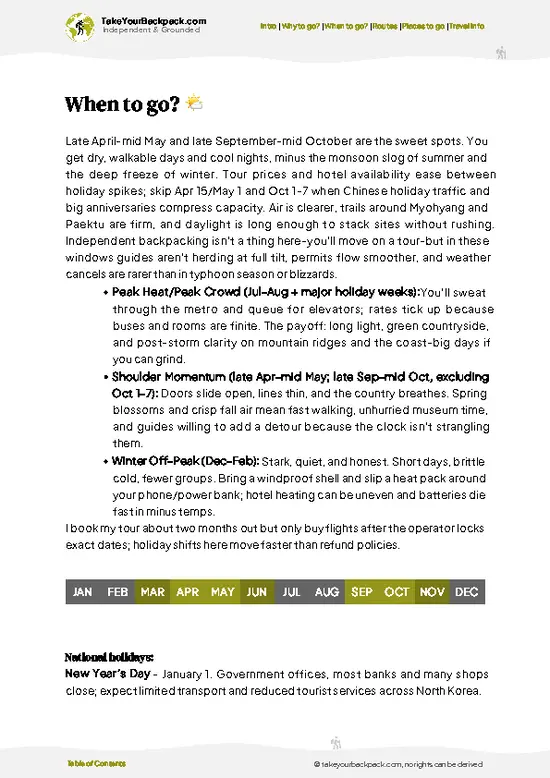
🌤️ When to go?Seasonal considerations and timing


  • Weather: Sinpo experiences a humid continental climate. Spring and autumn offer mild, dry conditions ideal for walking and exploring, avoiding the heavy rains of summer and the biting cold of winter.

  • Temperature: In spring (April-May), expect 10-20°C (50-68°F), comfortable for outdoor activities. Autumn (September-October) ranges similarly, cooling down from summer highs of 25-30°C (77-86°F). Winter plunges below freezing, often under -5°C (23°F), which can be harsh for backpackers.

  • Daylight Hours: Spring and autumn provide balanced daylight, roughly 12-14 hours, enough time to cover sights without rushing or losing light early, unlike the short winter days.

  • Crowds: Sinpo sees fewer tourists year-round due to strict travel controls, but spring and autumn attract slightly more visitors
read more 👉

  • Weather: Sinpo experiences a humid continental climate. Spring and autumn offer mild, dry conditions ideal for walking and exploring, avoiding the heavy rains of summer and the biting cold of winter.

  • Temperature: In spring (April-May), expect 10-20°C (50-68°F), comfortable for outdoor activities. Autumn (September-October) ranges similarly, cooling down from summer highs of 25-30°C (77-86°F). Winter plunges below freezing, often under -5°C (23°F), which can be harsh for backpackers.

  • Daylight Hours: Spring and autumn provide balanced daylight, roughly 12-14 hours, enough time to cover sights without rushing or losing light early, unlike the short winter days.

  • Crowds: Sinpo sees fewer tourists year-round due to strict travel controls, but spring and autumn attract slightly more visitors during cultural festivals, offering a chance to engage without overwhelming crowds.

  • Seasonal Activities: Spring hosts flower festivals and fresh seafood markets, while autumn features harvest celebrations and cooler hiking conditions. Summer’s heat and rain limit outdoor plans, and winter’s cold restricts mobility.

  • Price Fluctuations: Travel costs remain relatively stable due to limited tourism, but spring and autumn can see slight increases in accommodation and guided tours, reflecting higher demand during pleasant weather and events.


Pro-tip: Aim for late April or early October to maximize comfort, daylight, and cultural immersion while sidestepping the extremes of weather and crowds.


source: climatestotravel.comJANJanuary: below average for travelingFEBFebruary: below average for travelingMARMarch: fair for travelingAPRApril: highly recommended for travelingMAYMay: highly recommended for travelingJUNJune: fair for travelingJULJuly: fair for travelingAUGAugust: fair for travelingSEPSeptember: highly recommended for travelingOCTOctober: excellent for travelingNOVNovember: good for travelingDECDecember: below average for traveling
when-to-go

✈️ The backpacker research shortcutNorth Korea Travel Guide

An offline-friendly backpacking guide with optimized travel routes, ranked highlights, transport advice, and the best areas to stay.
example page 0 from our offline Travel Guide for North Korea
example page 1 from our offline Travel Guide for North Korea
example page 2 from our offline Travel Guide for North Korea
example page 3 from our offline Travel Guide for North Korea
example page 4 from our offline Travel Guide for North Korea
example page 5 from our offline Travel Guide for North Korea
example page 6 from our offline Travel Guide for North Korea
example page 7 from our offline Travel Guide for North Korea
The digital guide (296 pages) contains:
74 highlights, ranked by travel appeal
Optimized 5, 10 & 15-day travel routes
Cities, national parks, landmarks, beaches
How to get around
Offline-friendly for travel without Wi-Fi
👉 Click to see all 30+ guide features

📅 Plan smarter in minutes, not weeks
Month by month travel advice
Festivals & national holidays
Budget expectations

🗺️ Go to the right places, skip the overrated ones
Honest pros & cons of destinations
Top hikes, parks & viewpoints
Lesser-known places most travelers miss
Clear “worth it vs skip it” guidance

🛏️ Travel smoothly without rookie mistakes
Best areas to stay
Transport systems explained simply
Common scams & safety advice
SIM cards, money & practical tips

🌍 Understand the country, not just visit it
Culture & traditions
52 Essential phrases & customs
Festivals worth planning around
Traveler-friendly historical context
Insights that make places more meaningful

📱 Built for real travel conditions
Fully downloadable PDF
Works completely offline
Optimized for phone use
Useful in remote areas & buses
Everything in one place
Save weeks of stressful planning
Get instant access to your full guide. 30‑day money-back guarantee.


By proceeding you agree to our terms.
Sent to your inbox immediately after payment • 100% Secure Checkout
Best Backpacking Travel Advisor 2025 tourism awardBest Backpacking
Travel Advisor
2025
What others say about Take Your Backpack Guides:
⭐⭐⭐⭐⭐
Fantastic, amazing amount of information!
⭐⭐⭐⭐⭐
My goodness this is amazing, it's what I've been looking for hats off too you!
⭐⭐⭐⭐⭐
I think this is absolutely BRILLIANT
⭐⭐⭐⭐
Very complete and informative. It's still missing places, but I gotta to commend you
⭐⭐⭐⭐⭐
This is truly amazing, thank you, can't wait to explore it with my kids!
⭐⭐⭐⭐⭐
Awesome resource, thank you!
⭐⭐⭐⭐⭐
This is amazing! Can't wait to explore the ones I haven't seen
⭐⭐⭐⭐
I love this! Well done, great idea.
⭐⭐⭐⭐⭐
Thanks for taking the time to make this gem!
⭐⭐⭐⭐⭐
This might be the best website I've ever seen.
⭐⭐⭐⭐⭐
Congratulations, and thank you so much for your work; it's incredibly valuable.
⭐⭐⭐⭐
In all seriousness I think you did a great job pointing out the important spots
⭐⭐⭐⭐⭐
10/10 very good
⭐⭐⭐⭐⭐
As someone who's only just starting to visit regularly this is awesome, thank you.
⭐⭐⭐⭐
Thank you very much! I'm going to visit my dad, it's going to be very useful!
⭐⭐⭐⭐⭐
This is really cool! We'll be travelling for the first time and this definitely come in handy.
⭐⭐⭐⭐⭐
You are now our minister of culture, congratulations 👨‍💼
⭐⭐⭐⭐⭐
Just wanted to tell you that this is a pearl! Going to follow your recommendations.
⭐⭐⭐⭐⭐
This is so cool. I'll definitely be using the resource for my travels soon.
⭐⭐⭐⭐⭐
This is very impressive! Good work.
⭐⭐⭐⭐⭐
This is an amazing and informative site. Very well done!

🛏️ Where to stay?Where staying makes the most sense

Sinpo’s backpacker scene is compact but strategic. The best area to base yourself is the city center near the Sinpo Fish Market and the waterfront. This zone strikes a rare balance: it’s safe, lively, and offers a handful of budget-friendly guesthouses that cater to solo travelers and small groups. Staying here means you’re within walking distance of local eateries and the market’s buzz, which is a goldmine for authentic interaction without the tourist gloss.

Compared to the quieter residential outskirts, the city center pulses with social energy—think shared meals, easy conversations, and a … read more 👉
Sinpo’s backpacker scene is compact but strategic. The best area to base yourself is the city center near the Sinpo Fish Market and the waterfront. This zone strikes a rare balance: it’s safe, lively, and offers a handful of budget-friendly guesthouses that cater to solo travelers and small groups. Staying here means you’re within walking distance of local eateries and the market’s buzz, which is a goldmine for authentic interaction without the tourist gloss.

Compared to the quieter residential outskirts, the city center pulses with social energy—think shared meals, easy conversations, and a chance to observe daily life up close. It’s not luxury, but the comfort level is solid for budget travelers who prioritize connection over plush amenities. Venturing further out means sacrificing that social vibe and convenience, plus you’ll spend more time and money on transport. In Sinpo, the trade-off is clear: central stays maximize your time and social comfort, making every moment count in a city where access is limited and precious.

🚌 Getting aroundMoving around without the hassle

Sinpo moves with a rhythm that’s part clockwork, part improvisation. It’s a city where the pulse of daily life is set by a mix of strict timetables and the occasional, necessary wiggle room. You’ll find that buses and trains mostly stick to schedules, but the real flow happens in the gaps—when locals hop on a shared taxi or decide to walk a few blocks because waiting feels like a waste. Understanding this balance is your key to mastering Sinpo’s transit game: knowing when to lean into the system’s predictability and when to embrace its spontaneous side.


  • City Bus: Runs from 6:00 AM to 10:00 PM, with fares around $0.75. It’s the cheapest way to cover longer distances but expect frequent stops and moderate crowding during rush hours. Perfect if you’re not in a hurry and want to soak in local
read more 👉
Sinpo moves with a rhythm that’s part clockwork, part improvisation. It’s a city where the pulse of daily life is set by a mix of strict timetables and the occasional, necessary wiggle room. You’ll find that buses and trains mostly stick to schedules, but the real flow happens in the gaps—when locals hop on a shared taxi or decide to walk a few blocks because waiting feels like a waste. Understanding this balance is your key to mastering Sinpo’s transit game: knowing when to lean into the system’s predictability and when to embrace its spontaneous side.


  • City Bus: Runs from 6:00 AM to 10:00 PM, with fares around $0.75. It’s the cheapest way to cover longer distances but expect frequent stops and moderate crowding during rush hours. Perfect if you’re not in a hurry and want to soak in local life.


  • Subway Line 2: Operates from 5:30 AM to midnight, tickets cost about $1.20 per ride. Fast and reliable, it slices through the city’s busiest corridors with minimal delays. Comfort is decent, but peak times can get packed—think sardines, but with air conditioning.


  • Shared Taxis (Jitney): These informal vans run continuously from dawn till late evening, charging roughly $1.50 per trip. They’re faster than buses and more flexible on routes, but you’ll need to flag them down and sometimes negotiate stops. Great for cutting corners on time without breaking the bank.


  • Walking: Sinpo’s compact downtown makes walking a surprisingly efficient choice. No cost, total control over your pace, and the bonus of discovering alleyway eateries and street vendors you’d miss otherwise. Just be ready for uneven sidewalks and occasional traffic chaos.

👛 Costs (as of 12 April 2026)Travel costs and budget guide for Sinpo

Backpacking in Sinpo, North Korea, is a unique challenge where your budget choices directly shape your experience, especially given the limited infrastructure for independent travelers. Here’s a breakdown of what you’re realistically looking at day-to-day.
  • Dorm Accommodation (High Season): Expect to pay around $30 to $50 per night. High season sees a slight bump due to demand, but options remain sparse and basic, often within government-approved guesthouses.
  • Dorm Accommodation (Off-Season): Prices drop to about $20 to $35 per night. Off-season means fewer tourists, so you might get a bit more flexibility, but don’t count on luxury or many choices.
  • Meals: Daily food costs hover around $10 to $15 if you stick to local eateries or government-run restaurants. Western-style meals or imported
read more 👉
Backpacking in Sinpo, North Korea, is a unique challenge where your budget choices directly shape your experience, especially given the limited infrastructure for independent travelers. Here’s a breakdown of what you’re realistically looking at day-to-day.
  • Dorm Accommodation (High Season): Expect to pay around $30 to $50 per night. High season sees a slight bump due to demand, but options remain sparse and basic, often within government-approved guesthouses.
  • Dorm Accommodation (Off-Season): Prices drop to about $20 to $35 per night. Off-season means fewer tourists, so you might get a bit more flexibility, but don’t count on luxury or many choices.
  • Meals: Daily food costs hover around $10 to $15 if you stick to local eateries or government-run restaurants. Western-style meals or imported goods can push this higher, but local fare is surprisingly filling and affordable.
  • Local Transport: Getting around Sinpo typically involves shared taxis or minibuses, costing roughly $1 to $3 per trip. The system is straightforward but expect limited schedules and routes.
  • City Transport Pass: Unlike many cities, Sinpo doesn’t offer a city-wide transport pass for tourists. You’ll pay per ride, so factor that into your daily transport budget.
  • Basic Activities/Entry Fees: Entry to museums, monuments, or guided tours can range from $5 to $15. Independent exploration is limited, so guided activities often come at a premium.
  • Miscellaneous Expenses: Budget around $5 to $10 for small extras like bottled water, snacks, or occasional tips. Internet access is rare and expensive, so plan accordingly.

All told, you’re looking at a daily budget between $50 and $90, depending on season and how much you lean into local options versus guided experiences. Sinpo’s travel scene isn’t about luxury or convenience—it’s about navigating a tightly controlled environment with a clear sense of what you’re paying for. Your choices here aren’t just about comfort or saving money; they’re about how deeply you want to engage with a place that doesn’t play by typical backpacker rules.


source: korea-dpr.com
⚠️ Prices can change and everyone travels differently, so take this as a rough guide. Hope it helps you plan your adventure!

🚌 Day tripsBest day trips from Sinpo

Using Sinpo as your base opens up a world of intriguing day trips that balance time, money, and comfort. Here are some standout options that will enrich your experience in North Korea.

**Mount Kumgang**
A trip to Mount Kumgang is a must for its breathtaking landscapes and cultural significance. Just a two-hour bus ride from Sinpo, you’ll find yourself surrounded by jagged peaks and serene lakes. The entrance fee is around $30, which includes a guided tour. Best visited in spring or autumn when the foliage is vibrant, this trip offers a refreshing escape from the urban environment. A common mistake is underestimating the weather; pack layers, as temperatures can shift dramatically.
👉 Explore Mount Kumgang

**Wonsan**
Wonsan is a coastal city that’s about a 90-minute drive from Sinpo. … read more 👉
Using Sinpo as your base opens up a world of intriguing day trips that balance time, money, and comfort. Here are some standout options that will enrich your experience in North Korea.

**Mount Kumgang**
A trip to Mount Kumgang is a must for its breathtaking landscapes and cultural significance. Just a two-hour bus ride from Sinpo, you’ll find yourself surrounded by jagged peaks and serene lakes. The entrance fee is around $30, which includes a guided tour. Best visited in spring or autumn when the foliage is vibrant, this trip offers a refreshing escape from the urban environment. A common mistake is underestimating the weather; pack layers, as temperatures can shift dramatically.
👉 Explore Mount Kumgang

**Wonsan**
Wonsan is a coastal city that’s about a 90-minute drive from Sinpo. Known for its beaches and seafood, it’s a great spot to unwind. Expect to spend around $20 on transportation and food. The best time to visit is during the summer when the beaches come alive. Don’t skip the local markets; they offer a taste of authentic North Korean life. First-timers often miss out on the fresh seafood stalls, so keep your eyes peeled!
👉 Explore Wonsan

**Kumgangsan Waterfall**
This stunning waterfall is a hidden treasure, roughly two hours from Sinpo. The hike to the falls is moderately challenging but well worth it for the views. Total costs, including transport and a packed lunch, should be around $25. Spring is ideal for this trip, as the waterfall is at its most powerful. Many backpackers overlook the importance of sturdy footwear; the trail can be slippery.


**Kaesong**
A visit to Kaesong, about three hours from Sinpo, offers a glimpse into North Korea’s history. The trip costs around $35, covering transport and entry fees. The best time to visit is in the fall when the historical sites are less crowded. A common pitfall is not allowing enough time to explore the Koryo Museum; it’s packed with fascinating artifacts.
👉 Explore Kaesong
Want to know what more North Korea offers?
The North Korea Travel Guide describes 74 highlights, from cities to national parks, from beaches to hikes

Get the Travel Guide -

🍲 FoodLocal Cuisine & Drinks

In **Sinpo**, the culinary scene is a delightful blend of simplicity and tradition. You can’t miss the **signature dish**: **Naengmyeon**, cold buckwheat noodles served in a tangy broth. The texture is refreshing, especially on a warm day, and the flavors are a perfect balance of sweet and sour. Pair it with **Kimchi**, which is a staple at every meal, adding a spicy kick that complements almost everything.

Street food is where the action is. Vendors line the bustling markets, offering **grilled fish** and **pancakes** filled with vegetables or meat. The aroma wafts through the air, drawing you in. Eating here is casual; grab a skewer and enjoy it on the go.

When it comes to drinks, try **Soju**, a local spirit that’s often shared among friends. It’s customary to pour for each other, fostering … read more 👉
In **Sinpo**, the culinary scene is a delightful blend of simplicity and tradition. You can’t miss the **signature dish**: **Naengmyeon**, cold buckwheat noodles served in a tangy broth. The texture is refreshing, especially on a warm day, and the flavors are a perfect balance of sweet and sour. Pair it with **Kimchi**, which is a staple at every meal, adding a spicy kick that complements almost everything.

Street food is where the action is. Vendors line the bustling markets, offering **grilled fish** and **pancakes** filled with vegetables or meat. The aroma wafts through the air, drawing you in. Eating here is casual; grab a skewer and enjoy it on the go.

When it comes to drinks, try **Soju**, a local spirit that’s often shared among friends. It’s customary to pour for each other, fostering a sense of camaraderie. Just remember, it’s polite to accept a drink when offered.

Embrace the local customs, and you’ll find that every bite and sip tells a story.

🛡️ SafetyScams, Hazards, and Annoyances

Sinpo is generally safe for travelers, but a few nuances can enhance your experience. Stick to well-trodden paths and avoid wandering into less populated areas, especially after dark. Solo travelers should be particularly mindful of their surroundings; it’s best to stay in groups when possible.

While scams are rare, be cautious of overly friendly locals who might want to engage you in conversation that leads to a sales pitch. Always keep your belongings secure, as petty theft can happen in crowded spots.

Expect some annoyances, like the occasional bureaucratic delay or language barrier. Carry a phrasebook or translation app to ease communication. Approach interactions with patience and a friendly demeanor, and you’ll navigate Sinpo like a pro.

Other North Korean cities near Sinpo

Explore more nearby:

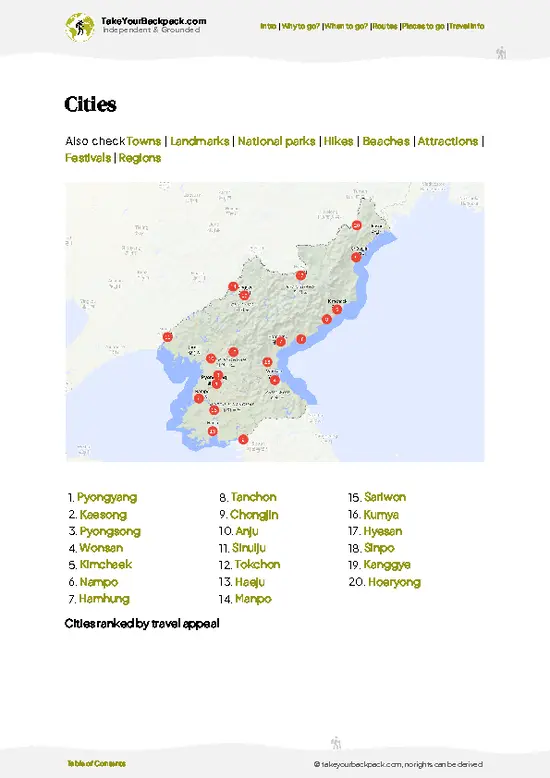
  • Hamhung—chemical plants, broad avenues, theater| 49 km away
  • Tanchon—mineral resources, river gorge, industrial plants| 77 km away
  • Kumya—coastal wetlands, fishing villages, tidal flats| 97 km away

💡 Not sure where to go next?
Create a personalized itinerary for North Korea including Sinpo and the places that fit your trip.

Generate my itinerary

👉 Discover all cities

Or checkout all North Korea has to offer (think cities, towns, villages, national parks, hikes, beaches, festivals)
Country photo of North Korea

We 💚 feedbackParting advice and final tips

Sinpo offers a rare glimpse into a world few get to see. The coastal scenery is striking, and the local seafood is a culinary adventure. But be prepared: the restrictions can feel stifling. You’re on a tight leash with guides, which can limit spontaneity. Weigh that against the chance to experience something truly unique. It’s a trade-off, but for many, the insight gained is worth it.

✈️ When did I visit North Korea?
As part of my 1.5 year travel around the world trip, I visited North Korea in August 2015. I had never expected I was able to get in.

✍️ Help improve this page!
The information on this page is based on my own backpacking experience in North Korea, supplemented with up-to-date research and feedback from other travelers. Travel details can change, so if you notice anything outdated or incomplete, feel free to let me know.


🙋‍♂️ Give feedback

👋 Meet the founderWho’s Behind Take Your Backpack?

Johan, backpacker and founder of TakeYourBackpackHi, I’m Johan (Netherlands 🇳🇱), the creator of TakeYourBackpack. Over the past decade, I’ve backpacked through 80+ countries across six continents, gaining extensive experience with independent travel, long-term trips, and overland routes.

This site is built on a combination of firsthand travel experience and carefully curated insights from other backpackers. Many guides are based on places I’ve personally visited, while others bring together tips, observations, and practical advice shared by trusted travelers I’ve met along the way.

The goal is to provide realistic, experience-driven guidance — not generic itineraries — so you can explore destinations with better context, clearer expectations, and more confidence.

Get full country guide •
Instant download • 74 highlights • Full Offline guide