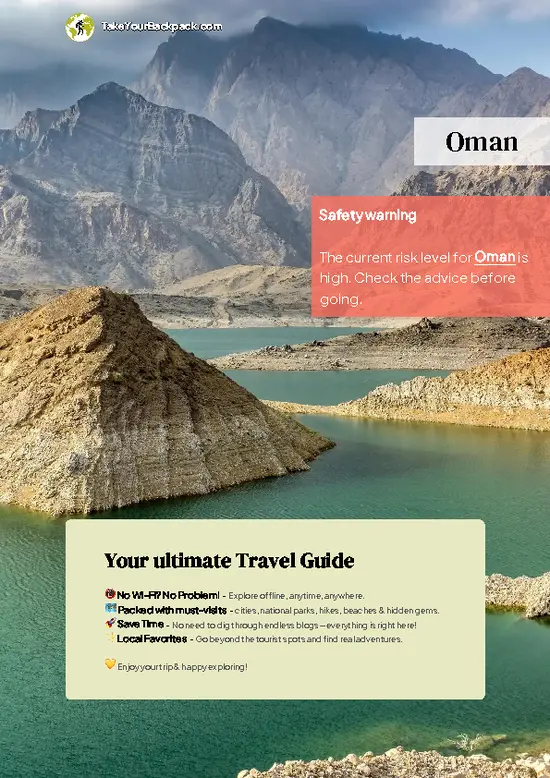

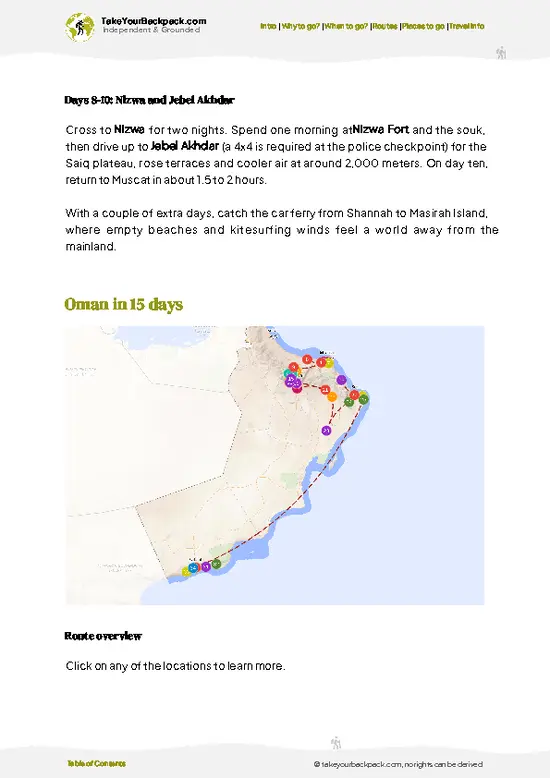
Geographic DiversityOman is a land of contrasts, where the rugged Hajar Mountains rise sharply from the desert floor, and the coastline stretches into the azure waters of the Arabian Sea. This geographic diversity means that each region offers a unique experience. The mountains provide a cooler climate and stunning vistas, while the coastal areas are rich in marine life and cultural heritage. When planning your trip, consider visiting at least three distinct regions to truly grasp the essence of Oman. Each area has its own rhythm, and understanding this can help you pace your journey.
Transport Between RegionsTraveling between regions can be a mixed bag. While the road infrastructure is generally good, distances can be deceptive. A drive that looks short on a map can take longer than …
read more 👉 Geographic DiversityOman is a land of contrasts, where the rugged Hajar Mountains rise sharply from the desert floor, and the coastline stretches into the azure waters of the Arabian Sea. This geographic diversity means that each region offers a unique experience. The mountains provide a cooler climate and stunning vistas, while the coastal areas are rich in marine life and cultural heritage. When planning your trip, consider visiting at least three distinct regions to truly grasp the essence of Oman. Each area has its own rhythm, and understanding this can help you pace your journey.
Transport Between RegionsTraveling between regions can be a mixed bag. While the road infrastructure is generally good, distances can be deceptive. A drive that looks short on a map can take longer than expected due to winding mountain roads or desert stretches. Renting a car gives you flexibility, but be prepared for varying road conditions. Public transport exists but is limited and can be time-consuming. If you’re short on time, consider flying between major hubs. However, this can add to your budget. Weigh the cost of time against the financial outlay to find what works best for your itinerary.
Cultural VariationEach region in Oman has its own cultural nuances. The coastal towns often reflect a maritime heritage, with bustling souks and seafood markets, while the interior regions are steeped in Bedouin traditions. This cultural variation enriches your experience but also requires sensitivity. Dress modestly, especially in rural areas, and be aware of local customs. Engaging with locals can be rewarding, but approach with respect. This isn’t just about avoiding faux pas; it’s about deepening your understanding of Oman’s rich tapestry.
Pacing Trade-offsPacing your trip is crucial. If you rush through regions, you’ll miss the subtle beauty—the scent of frankincense wafting through a market, the sound of waves lapping against a rocky shore, or the sight of a sunset casting shadows over ancient forts. Aim for a balance between exploration and relaxation. Spending a few days in each region allows you to soak in the atmosphere and engage with the local culture. However, if time is tight, prioritize regions based on your interests—be it adventure, history, or relaxation.
Safety & Cultural ConsiderationsOman is one of the safest countries in the Middle East, but that doesn’t mean you should let your guard down. Always stay aware of your surroundings, especially in less populated areas. Respect local customs, particularly during Ramadan, when eating in public during daylight hours is frowned upon. Understanding these cultural nuances not only keeps you safe but also enriches your experience.
In summary, Oman’s regions are like chapters in a book, each telling its own story. By understanding the geographic diversity, transport options, cultural variations, and pacing trade-offs, you can craft a journey that resonates deeply. Embrace the challenges; they often lead to the most rewarding experiences.