×

Pakistan🇵🇰 | best beachesEssential 2 beaches to Explore in Pakistan

Pakistan’s coastline runs about 1,050 kilometers along the Arabian Sea, and it splits into two very different beach worlds. Near Karachi, the sand is urban and loud: families, horse and camel rides, fried snacks, and weekend crowds that swell after dark. West along the Makran Coast in Balochistan, the mood flips to empty desert meeting open ocean, with cliffs, mud volcanoes, fishing villages and almost no services.

That gap decides your trip. Karachi-side beaches are cheap and easy, reachable by ride-hailing app for a few dollars. The Makran stretch demands planning, patience and a long road, and it pays you back with silence and sunsets you share with goats. If you’re backpacking or traveling independently, pick your register first, then chase the horizon. Swimming norms, security checkpoints and local dress expectations shift from one end to the other, so go in ready to explore.

By Johan Kruseman 🇳🇱 | Updated October 18, 2026
Explore the best attractions in Pakistan

Why go?What Makes Them Special

Pakistan is not a bikini-and-sunbed destination, and that is exactly what makes its beaches worth chasing. The coast sits in a conservative Muslim country, so beach culture grows from local habits: families wading in clothes, men playing cricket on the sand, vendors grilling corn and frying fish at dusk. Foreign travelers step into a living public space rather than a resort strip.

Geography does the rest. The Arabian Sea shoreline stretches from the Indus Delta creeks near the Indian border to the Iran border, passing through two provinces with different personalities: Sindh, densely populated and commercial around Karachi, and Balochistan, vast, arid and thinly settled. The Makran Coastal Highway, opened in the mid-2000s, turned a once-remote shoreline into a drivable route, yet infrastructure … read more 👉
Pakistan is not a bikini-and-sunbed destination, and that is exactly what makes its beaches worth chasing. The coast sits in a conservative Muslim country, so beach culture grows from local habits: families wading in clothes, men playing cricket on the sand, vendors grilling corn and frying fish at dusk. Foreign travelers step into a living public space rather than a resort strip.

Geography does the rest. The Arabian Sea shoreline stretches from the Indus Delta creeks near the Indian border to the Iran border, passing through two provinces with different personalities: Sindh, densely populated and commercial around Karachi, and Balochistan, vast, arid and thinly settled. The Makran Coastal Highway, opened in the mid-2000s, turned a once-remote shoreline into a drivable route, yet infrastructure is still sparse. Fuel, food and lodging thin out quickly outside towns like Ormara, Pasni and Gwadar.

Climate matters too. Summers are fierce, the monsoon season brings dangerous surf and rip currents, and many beaches have no lifeguards or marked swim zones. Fishing communities use the sea as a workplace, so the shoreline is often busy with boats, nets and drying catch.

Before choosing Pakistan for beaches, know the terms. Expect modest dress (long, loose clothing for women and shorts that cover the knee for men are the safe default), limited alcohol-free nightlife, and permissions or security escorts on some Balochistan stretches. Travel advisories change, so check the current situation before you go. The upside is space, authenticity and low prices, with coastal drives and sea views that few travelers have seen.
Our Approach to Ranking
The list of best beaches in Pakistan is created based on beauty, vibe, water quality, activities, and surrounding scenery. If you feel a beach is missing in this list, please let us know.

When to go?Optimal Periods for Travel

Best months for Pakistan’s beaches: The best months are November to February, when daytime highs on the coast sit around 24 to 30°C, humidity drops and the sea breeze turns pleasant instead of punishing. Rain is rare in these months, and the sky stays clear for long beach walks and sunset drives.

Shoulder seasons and heat: March and October work as shoulder months. Temperatures climb to roughly 30 to 35°C, and the sea is warm enough for a dip, though midday sun is harsh. Plan for early mornings and late afternoons, and carry more water than you think you need, especially along the Balochistan coast, where shade is almost nonexistent.

April to June is hot, with highs often 35 to 40°C inland of the shore and heavy humidity in Karachi. Evenings still bring crowds to the sand, and locals treat … read more 👉
Best months for Pakistan’s beaches: The best months are November to February, when daytime highs on the coast sit around 24 to 30°C, humidity drops and the sea breeze turns pleasant instead of punishing. Rain is rare in these months, and the sky stays clear for long beach walks and sunset drives.

Shoulder seasons and heat: March and October work as shoulder months. Temperatures climb to roughly 30 to 35°C, and the sea is warm enough for a dip, though midday sun is harsh. Plan for early mornings and late afternoons, and carry more water than you think you need, especially along the Balochistan coast, where shade is almost nonexistent.

April to June is hot, with highs often 35 to 40°C inland of the shore and heavy humidity in Karachi. Evenings still bring crowds to the sand, and locals treat the cooler hours as prime beach time.

Monsoon and rough seas: From roughly June to September, the southwest monsoon whips up strong swells and rip currents. Authorities in Sindh periodically restrict swimming during this period, and rough seas can disrupt fishing and boat trips. Rainfall is modest by South Asian standards, with Karachi averaging roughly 200 to 250 millimeters a year, most of it falling in July and August, but the sea itself is the issue. Skip swimming in these months.

Crowds and prices: Karachi’s beaches fill up on Fridays, Sundays and public holidays, especially during the Eid festivals, when transport and snack prices rise and the sand gets packed. Midweek visits are calmer. Along the Makran Coast, winter is also when the few guesthouses fill with domestic road-trippers, so book ahead in Gwadar or Ormara where you can, and expect rates to run 10 to 30 percent higher at peak weekends than during the quieter summer months.

beach hoppingSuggested Travel Strategies

How long a multi-beach trip takes: A trip combining several beaches in Pakistan needs 7 to 12 days, because distances are long and roads, checkpoints and weather slow everything down. Travel on the Makran Coastal Highway eats whole days, so budget for movement as much as for sand.

Which regions group together: Two clusters make sense. The Karachi cluster covers the city’s urban shoreline and nearby fishing coves and can be done in 2 to 4 days from a single city base, with day trips by ride-hailing app or rental car. The Makran cluster in Balochistan strings together coastal towns and desert-edged shores along the highway between Karachi and Gwadar, a stretch of roughly 650 to 700 kilometers.

Direction of travel: Start in Karachi, which has the international airport, the best supplies and … read more 👉
How long a multi-beach trip takes: A trip combining several beaches in Pakistan needs 7 to 12 days, because distances are long and roads, checkpoints and weather slow everything down. Travel on the Makran Coastal Highway eats whole days, so budget for movement as much as for sand.

Which regions group together: Two clusters make sense. The Karachi cluster covers the city’s urban shoreline and nearby fishing coves and can be done in 2 to 4 days from a single city base, with day trips by ride-hailing app or rental car. The Makran cluster in Balochistan strings together coastal towns and desert-edged shores along the highway between Karachi and Gwadar, a stretch of roughly 650 to 700 kilometers.

Direction of travel: Start in Karachi, which has the international airport, the best supplies and the easiest transport. Then head west, finishing in Gwadar, which has its own airport with domestic flights back to Karachi in about 1 hour 15 minutes. Flying out saves you from retracing a long road. Driving Karachi to Gwadar typically takes 8 to 10 hours without stops, so split it with an overnight rather than rushing.

Time per stop: Give Karachi’s shore half a day each, ideally late afternoon through sunset. Makran stops deserve one night each, or two if you want to walk or swim in daylight rather than just photograph from the road. Travel between Makran towns often runs 2 to 4 hours.

Planning mistakes to dodge: The most common error is packing in too many stops, which leaves you driving in the dark on roads with little lighting and few services. Plan to arrive before sunset. Another is ignoring fuel and cash: fill up in every sizable town and carry rupees, since ATMs vanish quickly. Travelers also assume buses or ride-hailing will run everywhere. Beyond Karachi, hire a local driver or join a small group, and check the latest security and permit requirements before committing to dates.

The ListHighly Recommended beaches of Pakistan

1 Kund Malir Beach

Hingol coastline, desert-meets-sea, Makran Highway, red cliffs

Drive the Makran Coastal Highway to find sand dunes dropping straight into the Arabian Sea beside eroded red rock formations.

2 Astola Island Beach

Boat access only, turtle nesting, cliffs, isolation

Reach Pakistan's only offshore island by fishing boat from Pasni, camping near turtle nesting grounds and sheer limestone cliffs.

Loading the map 🌍

Expert viewPro Tips for Exploring the Best

How many beaches to visit: Pick three to five beaches in total, and you will see the country’s coastline at its best without burning out on the road. That range lets you taste both the Karachi scene and the Makran desert shore, with enough slack for delays at checkpoints, weather changes and long drives. More than five turns the trip into a transport marathon where you spend more time behind a windshield than on sand.

Choosing the kind of beach: If you are new to Pakistan or traveling on a short break, lean toward the urban Karachi shoreline. You get cheap food, easy transport, people-watching and a sense of how locals relax: camel rides, cricket matches, chaat stalls and the glow of evening lights. If you want solitude, rock formations and wide-open space, push west along the Makran Coast, … read more 👉
How many beaches to visit: Pick three to five beaches in total, and you will see the country’s coastline at its best without burning out on the road. That range lets you taste both the Karachi scene and the Makran desert shore, with enough slack for delays at checkpoints, weather changes and long drives. More than five turns the trip into a transport marathon where you spend more time behind a windshield than on sand.

Choosing the kind of beach: If you are new to Pakistan or traveling on a short break, lean toward the urban Karachi shoreline. You get cheap food, easy transport, people-watching and a sense of how locals relax: camel rides, cricket matches, chaat stalls and the glow of evening lights. If you want solitude, rock formations and wide-open space, push west along the Makran Coast, ideally with a driver or small group. Photographers and road-trip fans get the most from it. Swimmers should be selective. Many beaches have strong currents and no lifeguards, so wading and walking are often the smarter choice than swimming.

What it costs: Budget US$25 to 45 a day on the Karachi side, covering a guesthouse or simple hotel (US$12 to 25), street food and snacks (US$3 to 7), and ride-hailing fares (US$1 to 5 a trip). Beach entry is usually free, though some private or military-run areas charge small fees, often under US$2, and camel or horse rides run roughly US$1 to 4. On the Makran Coast, expect US$40 to 80 a day, mostly because of transport. A hired car with driver runs about US$60 to 110 a day depending on distance and fuel, and it is worth splitting with others. Basic coastal guesthouses cost US$15 to 35 a night, and meals of fresh fish and flatbread are inexpensive. Carry plenty of Pakistani rupees in small notes, since cards are rare outside cities.

Safety on the sand: The sea is the biggest physical risk. Rip currents and heavy surf have caused drownings near Karachi, especially in the warmer months. Stay in shallow water, avoid swimming alone and obey local warnings. Sun exposure is brutal, so bring a hat, sunscreen and a liter or two of water for every few hours outside. In Balochistan, security conditions can change quickly. Check government travel advice, register your plans where required and expect checkpoints along the highway. Keep your passport and copies handy.

Dress and etiquette: Dress to match local norms. Loose, long clothing is the practical choice for women, and men should keep to shorts that cover the knee and avoid going shirtless. Women traveling independently can enjoy the coast, but often find the Karachi crowds more comfortable on family days and in the evening. Always ask before photographing people, particularly women and families, and be especially careful with fishermen at work, who may not welcome cameras. Alcohol is restricted, so do not bring it to the shore.

On the sand near Karachi, a vendor will hand you a paper cone of masala corn within seconds of sitting down, and the first bite with the sea wind in your face makes the whole dress-code adjustment feel like a small price to pay.

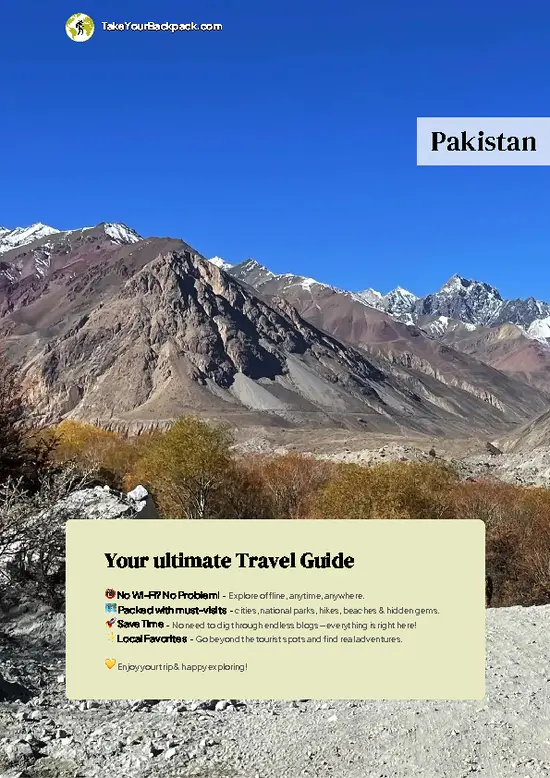
✈️ The backpacker research shortcutPakistan Travel Guide

An offline-friendly backpacking guide with optimized travel routes, ranked highlights, transport advice, and the best areas to stay.
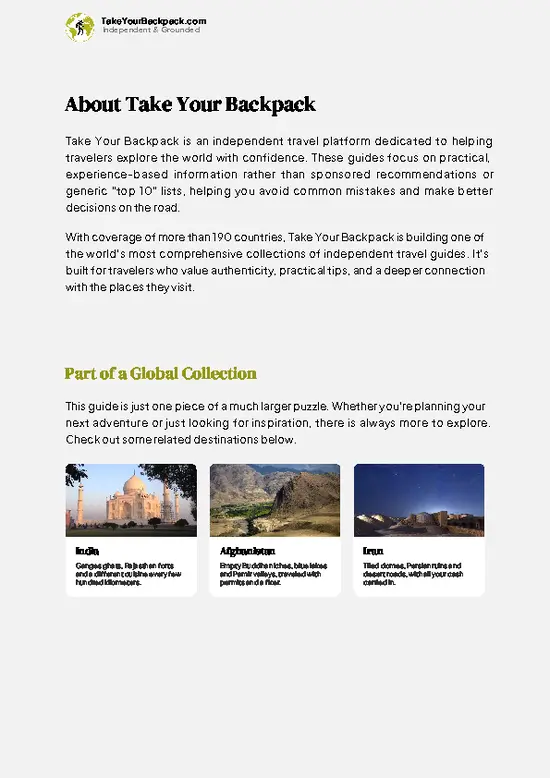
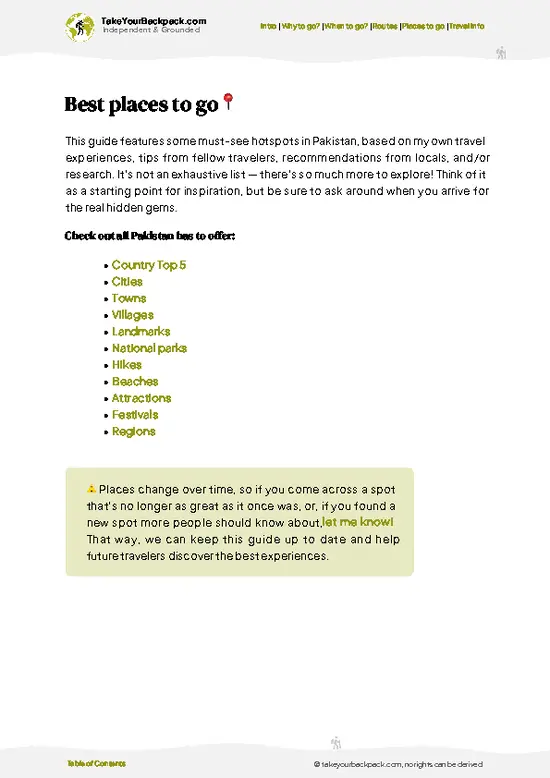
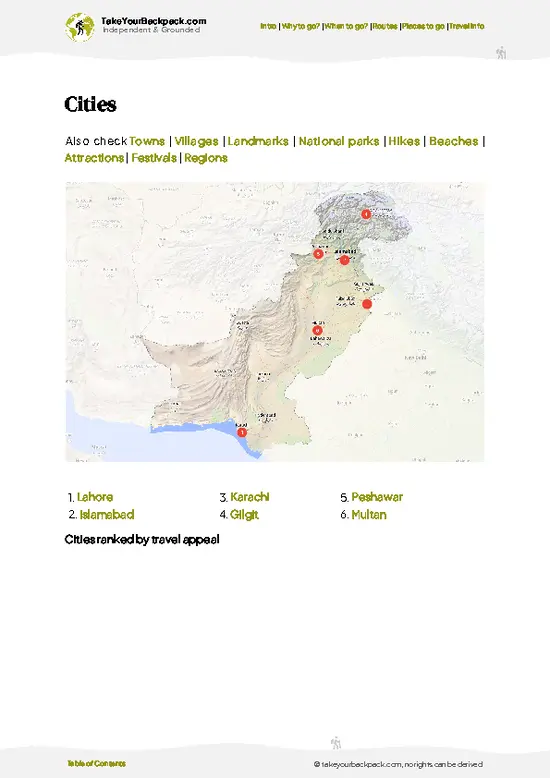
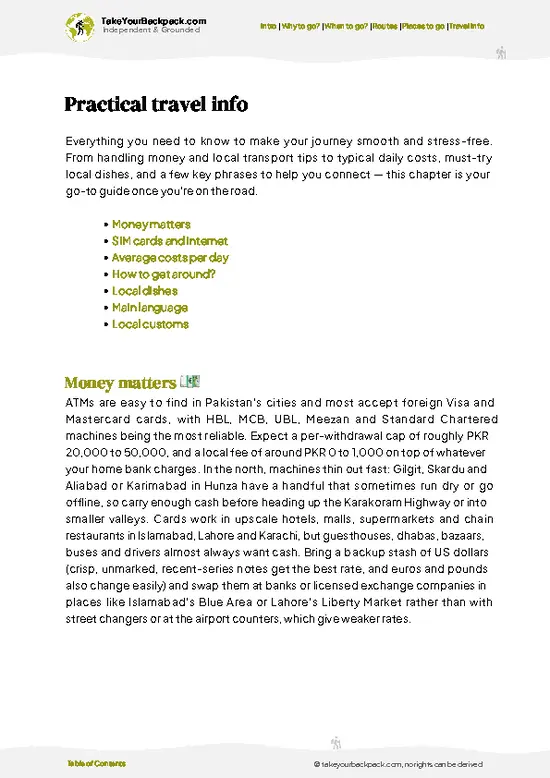
example page 0 from our offline Travel Guide for Pakistan
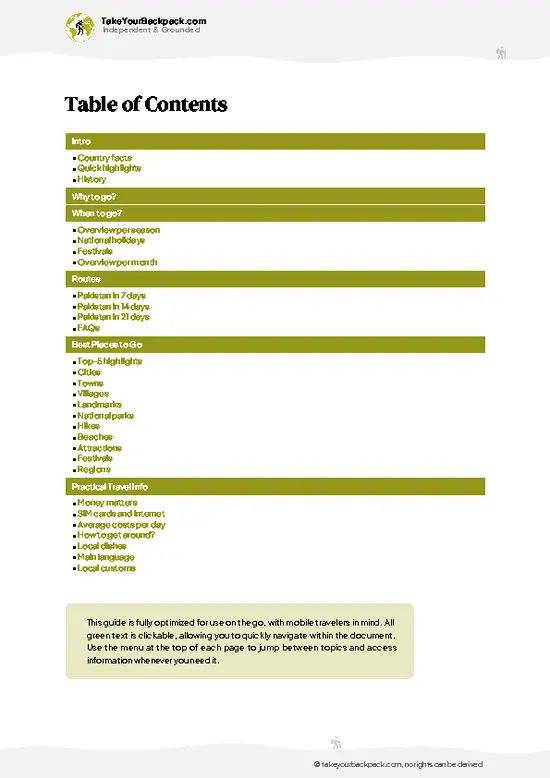
example page 1 from our offline Travel Guide for Pakistan
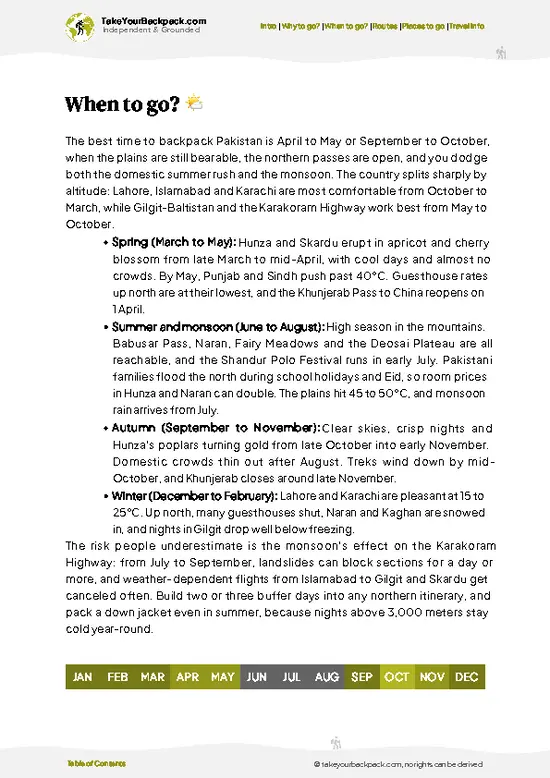
example page 2 from our offline Travel Guide for Pakistan
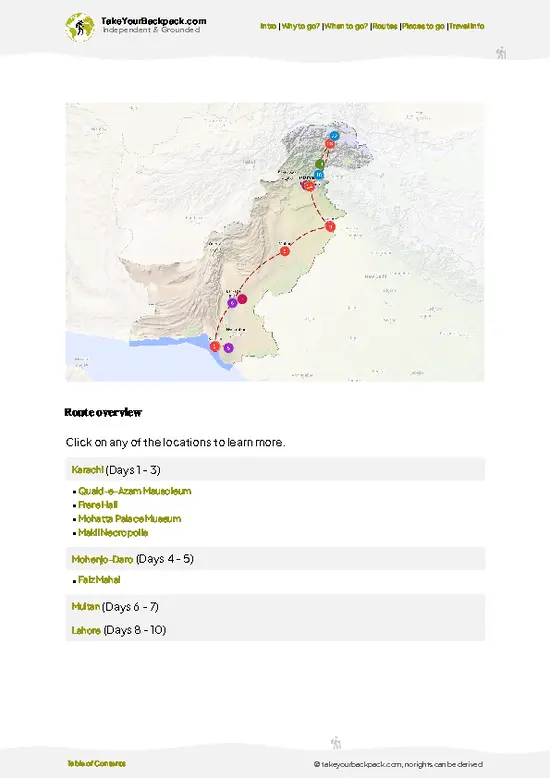
example page 3 from our offline Travel Guide for Pakistan
example page 4 from our offline Travel Guide for Pakistan
example page 5 from our offline Travel Guide for Pakistan
example page 6 from our offline Travel Guide for Pakistan
example page 7 from our offline Travel Guide for Pakistan
The digital guide (290 pages) contains:
✅ 97 highlights, ranked by travel appeal
✅ Optimized 7, 14 & 21-day travel routes
✅ Cities, national parks, landmarks, beaches
✅ How to get around
✅ Offline-friendly for travel without Wi-Fi
👉 Click to see all 30+ guide features

📅 Plan smarter in minutes, not weeks
✅ Month by month travel advice
✅ Festivals & national holidays
✅ Budget expectations

🗺️ Go to the right places, skip the overrated ones
✅ Honest pros & cons of destinations
✅ Top hikes, parks & viewpoints
✅ Lesser-known places most travelers miss
✅ Clear “worth it vs skip it” guidance

🛏️ Travel smoothly without rookie mistakes
✅ Best areas to stay
✅ Transport systems explained simply
✅ Common scams & safety advice
✅ SIM cards, money & practical tips

🌍 Understand the country, not just visit it
✅ Culture & traditions
✅ 52 Essential phrases & customs
✅ Festivals worth planning around
✅ Traveler-friendly historical context
✅ Insights that make places more meaningful

📱 Built for real travel conditions
✅ Fully downloadable PDF
✅ Works completely offline
✅ Optimized for phone use
✅ Useful in remote areas & buses
✅ Everything in one place
Stop searching, start planning
Get instant access to your full guide. 30‑day money-back guarantee.
+ Add another guide for just

By proceeding you agree to our terms.
Sent to your inbox immediately after payment • 100% Secure Checkout
Best Backpacking Travel Advisor 2025 tourism awardBest Backpacking
Travel Advisor
2025
What others say about Take Your Backpack Guides:
⭐⭐⭐⭐⭐
Fantastic, amazing amount of information!
⭐⭐⭐⭐⭐
My goodness this is amazing, it's what I've been looking for hats off too you!
⭐⭐⭐⭐⭐
I think this is absolutely BRILLIANT
⭐⭐⭐⭐
Very complete and informative. It's still missing places, but I gotta to commend you
⭐⭐⭐⭐⭐
This is truly amazing, thank you, can't wait to explore it with my kids!
⭐⭐⭐⭐⭐
Awesome resource, thank you!
⭐⭐⭐⭐⭐
This is amazing! Can't wait to explore the ones I haven't seen
⭐⭐⭐⭐
I love this! Well done, great idea.
⭐⭐⭐⭐⭐
Thanks for taking the time to make this gem!
⭐⭐⭐⭐⭐
This might be the best website I've ever seen.
⭐⭐⭐⭐⭐
Congratulations, and thank you so much for your work; it's incredibly valuable.
⭐⭐⭐⭐
In all seriousness I think you did a great job pointing out the important spots
⭐⭐⭐⭐⭐
10/10 very good
⭐⭐⭐⭐⭐
As someone who's only just starting to visit regularly this is awesome, thank you.
⭐⭐⭐⭐
Thank you very much! I'm going to visit my dad, it's going to be very useful!
⭐⭐⭐⭐⭐
This is really cool! We'll be travelling for the first time and this definitely come in handy.
⭐⭐⭐⭐⭐
You are now our minister of culture, congratulations 👨‍💼
⭐⭐⭐⭐⭐
Just wanted to tell you that this is a pearl! Going to follow your recommendations.
⭐⭐⭐⭐⭐
This is so cool. I'll definitely be using the resource for my travels soon.
⭐⭐⭐⭐⭐
This is very impressive! Good work.
⭐⭐⭐⭐⭐
This is an amazing and informative site. Very well done!

🛏️ Where to stay?Top Places to Consider Staying

But dedicated backpacker hostels in Pakistan are scarce, so most budget travelers sleep in family-run guesthouses at roughly Rs 3,000 to 7,000 (US$11 to 25) a night, with a small hostel scene in Lahore, Islamabad and the north. In Lahore, the area around Mall Road puts you close to the Walled City and Lahore Fort but is noisy and congested, while Gulberg is calmer and has the cafés and evening life, at the cost of long rides to the old town; in Islamabad, the leafy F-6 and F-7 sectors are safe, quiet and near the markets, but nightlife is close to nonexistent. Up north, Karimabad in Hunza has the densest cluster of cheap guesthouses with walkable valley views and a sociable traveler crowd, though … read more 👉
But dedicated backpacker hostels in Pakistan are scarce, so most budget travelers sleep in family-run guesthouses at roughly Rs 3,000 to 7,000 (US$11 to 25) a night, with a small hostel scene in Lahore, Islamabad and the north. In Lahore, the area around Mall Road puts you close to the Walled City and Lahore Fort but is noisy and congested, while Gulberg is calmer and has the cafés and evening life, at the cost of long rides to the old town; in Islamabad, the leafy F-6 and F-7 sectors are safe, quiet and near the markets, but nightlife is close to nonexistent. Up north, Karimabad in Hunza has the densest cluster of cheap guesthouses with walkable valley views and a sociable traveler crowd, though many places close or cut back between November and March.

If you enjoy meeting fellow travelers, consider choosing hostels with high ratings for atmosphere. On the other hand, if you prefer having your own space, a hotel might be a better option.

PakistanMore Places Across Pakistan

👋 Meet the founderWho’s Behind Take Your Backpack?

Johan, backpacker and founder of TakeYourBackpackHi, I’m Johan (Netherlands 🇳🇱), the creator of TakeYourBackpack. Over the past 3 decades, I’ve backpacked through 90+ countries across six continents, gaining extensive experience with independent travel, long-term trips, and overland routes.

This site is built on a combination of firsthand travel experience and carefully curated insights from other backpackers. Many guides are based on places I’ve personally visited, while others bring together tips, observations, and practical advice shared by trusted travelers I’ve met along the way.

The goal is to provide realistic, experience-driven guidance — not generic itineraries — so you can explore destinations with better context, clearer expectations, and more confidence.