×

Panama🇵🇦 | best festivalsDiscover the 12 Best festivals Across Panama

In Panama, festivals are vibrant expressions of culture, deeply rooted in local traditions and seasonal rhythms. From the Carnaval in February, which draws massive crowds with its lively parades, to the Festival de la Mejorana in October, celebrating indigenous music and dance, each event offers a unique lens into Panamanian life.

Choosing the right festival can significantly enhance your backpacking experience. Timing affects not only the vibe but also your budget and safety. For instance, popular festivals can lead to crowded accommodations and higher prices, while smaller, regional events provide a more intimate atmosphere and deeper cultural immersion. Understanding these nuances allows you to navigate Panama’s festival landscape like a pro.

By Johan Kruseman 🇳🇱 | Updated June 13, 2026
Explore the best regions in Panama

Why go?What Makes Them Special

Festivals in Panama are a vibrant reflection of the country’s rich cultural tapestry. They serve as a bridge connecting the past with the present, showcasing a blend of indigenous, African, and Spanish influences. This unique mix creates a festival atmosphere that is both dynamic and deeply rooted in tradition.

Timing is crucial. Most festivals occur during the dry season, from December to April, when the weather is more favorable for outdoor celebrations. However, this peak season also attracts larger crowds, which can dilute the immersive experience. Travelers must weigh the energy of vibrant gatherings against the potential for overwhelming crowds.

Geographically, Panama’s diverse landscapes—from coastal regions to mountainous areas—offer varied festival experiences. However, accessibility … read more 👉
Festivals in Panama are a vibrant reflection of the country’s rich cultural tapestry. They serve as a bridge connecting the past with the present, showcasing a blend of indigenous, African, and Spanish influences. This unique mix creates a festival atmosphere that is both dynamic and deeply rooted in tradition.

Timing is crucial. Most festivals occur during the dry season, from December to April, when the weather is more favorable for outdoor celebrations. However, this peak season also attracts larger crowds, which can dilute the immersive experience. Travelers must weigh the energy of vibrant gatherings against the potential for overwhelming crowds.

Geographically, Panama’s diverse landscapes—from coastal regions to mountainous areas—offer varied festival experiences. However, accessibility can be a challenge. Some remote festivals require significant travel time, which may limit the depth of exploration. This trade-off between logistics and cultural immersion is essential to consider.

Moreover, the country’s infrastructure is improving but can still be inconsistent, impacting travel plans. Understanding these nuances allows travelers to navigate the festival landscape more effectively, ensuring a richer experience. Festivals in Panama are not just events; they are a celebration of identity, making them a vital part of the travel experience.
Our Approach to Ranking
The list of best festivals in Panama is created based on energy, traditions, crowd experience, activities, and overall excitement. If you feel a festival is missing in this list, please let us know.

When to go?Best Time to Visit Panama for festivals

Seasonality and Festivals


Panama’s festival calendar is intricately tied to its tropical climate, which features a distinct wet and dry season. The dry season, typically from December to April, is when most major festivals occur. This period offers sunny skies and pleasant temperatures, creating an ideal backdrop for vibrant celebrations. However, this is also peak tourist season, leading to larger crowds and higher accommodation costs.

The wet season, from May to November, brings heavy rains, particularly in the afternoons. While this might deter some travelers, it offers a unique opportunity to experience local festivals with fewer tourists. Events during this time may feel more authentic, as locals are more prominent in attendance. However, the weather can be unpredictable, impacting … read more 👉

Seasonality and Festivals


Panama’s festival calendar is intricately tied to its tropical climate, which features a distinct wet and dry season. The dry season, typically from December to April, is when most major festivals occur. This period offers sunny skies and pleasant temperatures, creating an ideal backdrop for vibrant celebrations. However, this is also peak tourist season, leading to larger crowds and higher accommodation costs.

The wet season, from May to November, brings heavy rains, particularly in the afternoons. While this might deter some travelers, it offers a unique opportunity to experience local festivals with fewer tourists. Events during this time may feel more authentic, as locals are more prominent in attendance. However, the weather can be unpredictable, impacting outdoor festivities.

Shoulder seasons, particularly late April and early November, present a mixed bag. These months can feature lower prices and moderate crowds, but the festival schedule may be less robust. Travelers should weigh the trade-offs: quieter experiences versus the energy of larger crowds.

Understanding these seasonal dynamics allows for strategic planning. Aligning travel with the dry season maximizes festival exposure, while the wet season offers a chance to engage more deeply with local culture, albeit with some weather-related risks.

festival hoppingTips for Visiting Multiple Destinations

Start with Regional Clustering
Panama’s festivals are often concentrated in specific regions. Begin in the capital, Panama City, where events like Carnaval kick off the festival season. From there, head to the Azuero Peninsula for the Festival de la Mejorana and the Festival del Corpus Christi. This clustering minimizes travel time and maximizes festival immersion.

Optimize Your Route
Traveling from Panama City to the Azuero Peninsula is straightforward, but consider the timing. Festivals often overlap, so prioritize those that align with your interests. For instance, if you’re keen on cultural experiences, plan to attend the Festival de la Mejorana in late September, then move to the Festival del Corpus Christi in June. This sequencing allows for a deeper dive into local traditions.

Balance read more 👉
Start with Regional Clustering
Panama’s festivals are often concentrated in specific regions. Begin in the capital, Panama City, where events like Carnaval kick off the festival season. From there, head to the Azuero Peninsula for the Festival de la Mejorana and the Festival del Corpus Christi. This clustering minimizes travel time and maximizes festival immersion.

Optimize Your Route
Traveling from Panama City to the Azuero Peninsula is straightforward, but consider the timing. Festivals often overlap, so prioritize those that align with your interests. For instance, if you’re keen on cultural experiences, plan to attend the Festival de la Mejorana in late September, then move to the Festival del Corpus Christi in June. This sequencing allows for a deeper dive into local traditions.

Balance Energy and Crowds
Some festivals draw massive crowds, while others are more intimate. Mix high-energy events with quieter ones to avoid burnout. For example, after the bustling Carnaval, spend a day exploring local markets or smaller celebrations. This pacing keeps the experience enjoyable and manageable.

Avoid Common Pitfalls
Travelers often underestimate travel times between festivals. Factor in local transportation options, which can vary in reliability. Also, be flexible; unexpected changes in schedules can occur. Prioritize comfort over speed, especially during peak festival times when accommodations fill quickly.

Embrace Strategic Planning
The key is to balance depth of experience with logistical efficiency. Choose a few key festivals to immerse yourself in, rather than trying to see them all. This approach enhances enjoyment and allows for spontaneous discoveries along the way.

The ListThe Best festivals of Panama

1 Carnival

water parades, street costumes, loud music

Join crowds for days of dancing, water-soaked parades, and elaborate costumes that transform Panama’s cities into open-air celebrations.

2 Boquete Flower and Coffee Festival

mountain gardens, coffee tastings, floral displays

Stroll through cool highland air, sample regional beans, and see intricate flower arrangements that highlight Boquete’s agricultural traditions.

3 Jazz Festival

live jazz, masterclasses, global musicians

Hear world-class jazz in intimate venues, attend workshops, and mingle with artists who converge in Panama for a week of music.

4 International Film Festival

cinema premieres, filmmaker panels, urban venues

Watch new films from Latin America and beyond, meet directors, and experience Panama City’s creative energy during this annual gathering.

5 Pollera Festival

traditional dresses, folk dance, embroidery

See women parade in ornate polleras, watch folk performances, and learn about the craftsmanship behind Panama’s national dress.

6 Festival de la Mejorana

folk instruments, rural music, traditional hats

Experience rural Panama through mejorana music, see locals in montuno attire, and witness contests celebrating regional identity.

7 Festival de la Caña de Azúcar

sugarcane harvest, local sweets, rural fair

Taste fresh sugarcane products, explore agricultural exhibits, and join locals celebrating the harvest in a countryside setting.

8 Festival de la Tortuga

sea turtle release, coastal village, conservation talks

Participate in turtle hatchling releases, learn about marine conservation, and spend time in a small community by the Pacific.

9 Festival de la Rana Dorada

endangered frogs, cloud forest, guided walks

Spot rare golden frogs, join educational tours, and explore the misty forests that shelter Panama’s unique amphibian species.

10 Festival de la Naranja

orange harvest, citrus market, fruit contests

Sample fresh citrus, browse local produce stalls, and watch competitions that celebrate the region’s orange-growing heritage.

11 Festival de la Carreta

ox carts, rural parade, artisan crafts

Watch hand-painted carts roll through town, meet artisans, and see how rural transport traditions are honored each year.

12 Festival de la Cumbia

folk dance, drum rhythms, traditional skirts

Dance to cumbia rhythms, observe colorful skirt twirls, and experience a festival rooted in Panama’s musical and dance heritage.

Loading the map 🌍

Expert viewExpert Commentary on festivals

Energy & Timing
Panama’s festival scene is a vibrant reflection of its diverse culture, with events that pulse with life throughout the year. The best strategy is to aim for three to five festivals, allowing you to immerse yourself without feeling overwhelmed. Timing is crucial; many festivals align with the dry season from December to April, when the weather is more predictable. However, some of the most authentic experiences can be found during the rainy season, when locals celebrate with less tourist interference.

Consider the energy of each festival. For instance, Carnival in February is a whirlwind of parades, music, and dancing, but it attracts massive crowds. If you prefer a more intimate experience, look to smaller festivals like the Festival de la Mejorana in Guararé, which showcases … read more 👉
Energy & Timing
Panama’s festival scene is a vibrant reflection of its diverse culture, with events that pulse with life throughout the year. The best strategy is to aim for three to five festivals, allowing you to immerse yourself without feeling overwhelmed. Timing is crucial; many festivals align with the dry season from December to April, when the weather is more predictable. However, some of the most authentic experiences can be found during the rainy season, when locals celebrate with less tourist interference.

Consider the energy of each festival. For instance, Carnival in February is a whirlwind of parades, music, and dancing, but it attracts massive crowds. If you prefer a more intimate experience, look to smaller festivals like the Festival de la Mejorana in Guararé, which showcases traditional music and dance. Balancing the energy of the event with your comfort level will enhance your experience.

Cultural Context
Understanding the cultural significance of each festival can elevate your experience. Festivals in Panama often celebrate indigenous heritage, Catholic traditions, or local history. For example, the Festival de la Pollera highlights the traditional dress and is a celebration of Panamanian identity. Engaging with the local culture—through food, music, and dance—will deepen your appreciation and connection to the event.

However, be mindful of cultural sensitivities. Some festivals may have religious undertones, so dressing modestly and respecting local customs is essential. This not only shows respect but also opens doors to more authentic interactions with locals.

Crowd Management
Crowd dynamics can make or break your festival experience. Major events like Carnival can feel overwhelming, with thousands of attendees. If you choose to attend, plan your arrival early in the day to secure a good spot. Alternatively, consider attending less popular festivals that still offer rich experiences without the chaos.

Researching the festival schedule is key. Many events have specific days dedicated to different activities, so you can tailor your visit to what interests you most. For example, if you’re drawn to music, focus on the days featuring live performances. This strategic approach allows you to enjoy the festival while avoiding the most crowded moments.

Budget & Comfort Considerations
Festivals can vary widely in cost. While some events are free, others may require tickets or have associated costs for food and accommodations. Expect to spend more during peak festival times, especially in popular areas. If you’re on a budget, consider staying in less touristy regions where prices are lower.

Comfort is also a factor. Festivals often involve long hours of standing or dancing, so wear comfortable shoes and stay hydrated. Bring a portable charger for your phone; you’ll want to capture those moments without worrying about battery life.

Logistics & Infrastructure
Panama’s infrastructure is generally reliable, but during festivals, transportation can become congested. Public transport may be crowded, so plan ahead. If you’re traveling between festivals, consider renting a car for flexibility, but be prepared for potential delays.

Accommodations can fill up quickly during major events. Booking in advance is crucial, especially for popular festivals. Look for places that offer a local experience, which can enhance your understanding of the culture.

Safety Considerations
Safety is paramount. While Panama is generally safe, large crowds can attract pickpockets. Keep your belongings secure and be aware of your surroundings. Familiarize yourself with local emergency numbers and have a plan for getting back to your accommodation.

By understanding the systems at play—energy, cultural context, crowd dynamics, budget considerations, and logistics—you can navigate Panama’s festivals like a pro. Embrace the chaos, savor the moments, and let the rhythm of the celebrations guide you.

✈️ The backpacker research shortcutPanama Travel Guide

An offline-friendly backpacking guide with optimized travel routes, ranked highlights, transport advice, and the best areas to stay.
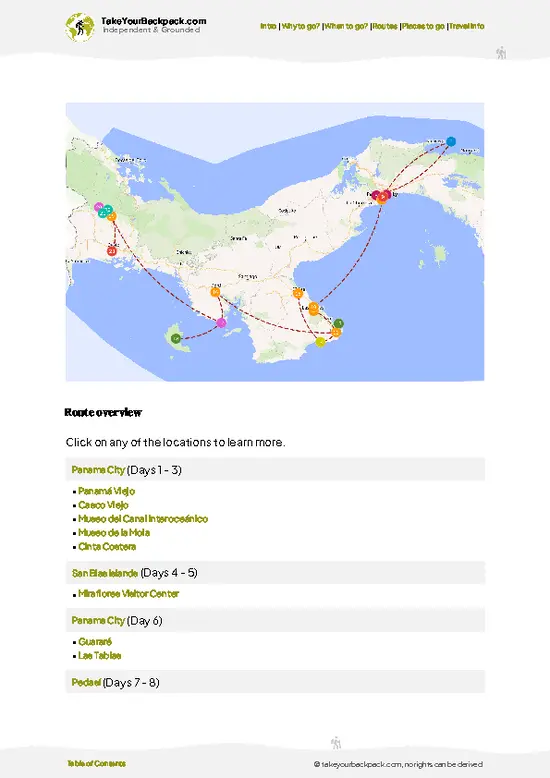
example page 0 from our offline Travel Guide for Panama
example page 1 from our offline Travel Guide for Panama
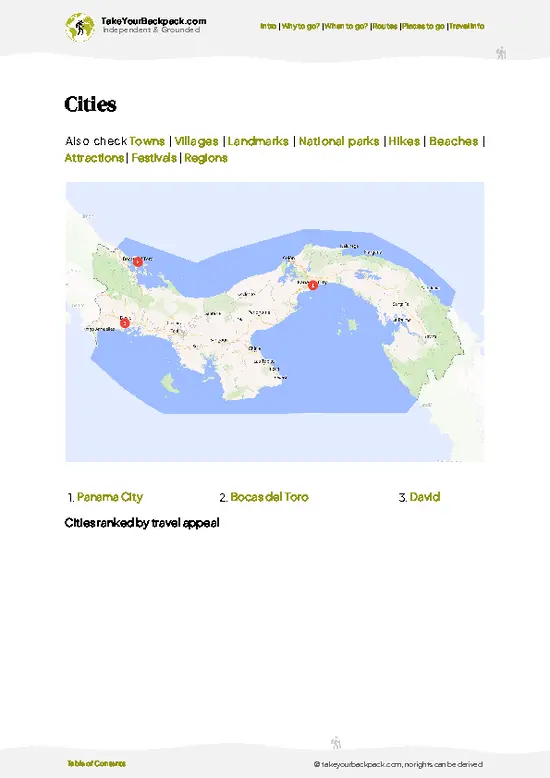
example page 2 from our offline Travel Guide for Panama
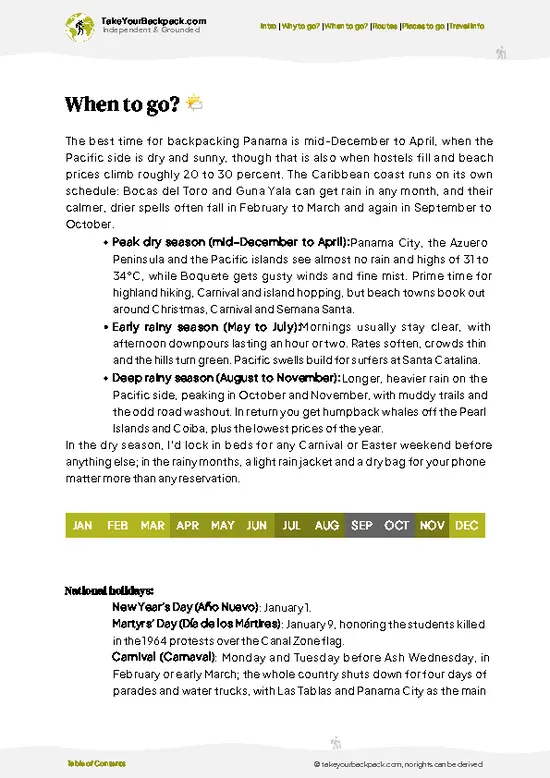
example page 3 from our offline Travel Guide for Panama
example page 4 from our offline Travel Guide for Panama
example page 5 from our offline Travel Guide for Panama
example page 6 from our offline Travel Guide for Panama
example page 7 from our offline Travel Guide for Panama
The digital guide (363 pages) contains:
96 highlights, ranked by travel appeal
Optimized 5, 10 & 15-day travel routes
Cities, national parks, landmarks, beaches
How to get around
Offline-friendly for travel without Wi-Fi
👉 Click to see all 30+ guide features

📅 Plan smarter in minutes, not weeks
Month by month travel advice
Festivals & national holidays
Budget expectations

🗺️ Go to the right places, skip the overrated ones
Honest pros & cons of destinations
Top hikes, parks & viewpoints
Lesser-known places most travelers miss
Clear “worth it vs skip it” guidance

🛏️ Travel smoothly without rookie mistakes
Best areas to stay
Transport systems explained simply
Common scams & safety advice
SIM cards, money & practical tips

🌍 Understand the country, not just visit it
Culture & traditions
52 Essential phrases & customs
Festivals worth planning around
Traveler-friendly historical context
Insights that make places more meaningful

📱 Built for real travel conditions
Fully downloadable PDF
Works completely offline
Optimized for phone use
Useful in remote areas & buses
Everything in one place
Save weeks of stressful planning
Get instant access to your full guide. 30‑day money-back guarantee.


By proceeding you agree to our terms.
Sent to your inbox immediately after payment • 100% Secure Checkout
Best Backpacking Travel Advisor 2025 tourism awardBest Backpacking
Travel Advisor
2025
What others say about Take Your Backpack Guides:
⭐⭐⭐⭐⭐
Fantastic, amazing amount of information!
⭐⭐⭐⭐⭐
My goodness this is amazing, it's what I've been looking for hats off too you!
⭐⭐⭐⭐⭐
I think this is absolutely BRILLIANT
⭐⭐⭐⭐
Very complete and informative. It's still missing places, but I gotta to commend you
⭐⭐⭐⭐⭐
This is truly amazing, thank you, can't wait to explore it with my kids!
⭐⭐⭐⭐⭐
Awesome resource, thank you!
⭐⭐⭐⭐⭐
This is amazing! Can't wait to explore the ones I haven't seen
⭐⭐⭐⭐
I love this! Well done, great idea.
⭐⭐⭐⭐⭐
Thanks for taking the time to make this gem!
⭐⭐⭐⭐⭐
This might be the best website I've ever seen.
⭐⭐⭐⭐⭐
Congratulations, and thank you so much for your work; it's incredibly valuable.
⭐⭐⭐⭐
In all seriousness I think you did a great job pointing out the important spots
⭐⭐⭐⭐⭐
10/10 very good
⭐⭐⭐⭐⭐
As someone who's only just starting to visit regularly this is awesome, thank you.
⭐⭐⭐⭐
Thank you very much! I'm going to visit my dad, it's going to be very useful!
⭐⭐⭐⭐⭐
This is really cool! We'll be travelling for the first time and this definitely come in handy.
⭐⭐⭐⭐⭐
You are now our minister of culture, congratulations 👨‍💼
⭐⭐⭐⭐⭐
Just wanted to tell you that this is a pearl! Going to follow your recommendations.
⭐⭐⭐⭐⭐
This is so cool. I'll definitely be using the resource for my travels soon.
⭐⭐⭐⭐⭐
This is very impressive! Good work.
⭐⭐⭐⭐⭐
This is an amazing and informative site. Very well done!

🛏️ Where to stay?Best Places to Stay in Panama

Yes — there are many hostels and budget accommodations across Panama, concentrated in Panama City and tourist towns; typical dorm beds run about $8–20 USD and private budget rooms commonly $20–50 USD, so expect lower costs outside the main city center.
In Panama City, the best neighborhoods for budget stays are Casco Viejo (most hostels, historic sights and nightlife but busier and higher petty‑theft risk at night), El Cangrejo (central, good local food, calmer evenings and solid public transport), and Obarrio/Marbella (safer business district with more budget hotels, quieter nights and farther from the old town).
Outside the capital, Bocas Town (Bocas del Toro) has many backpacker hostels, … read more 👉
Yes — there are many hostels and budget accommodations across Panama, concentrated in Panama City and tourist towns; typical dorm beds run about $8–20 USD and private budget rooms commonly $20–50 USD, so expect lower costs outside the main city center.
In Panama City, the best neighborhoods for budget stays are Casco Viejo (most hostels, historic sights and nightlife but busier and higher petty‑theft risk at night), El Cangrejo (central, good local food, calmer evenings and solid public transport), and Obarrio/Marbella (safer business district with more budget hotels, quieter nights and farther from the old town).
Outside the capital, Bocas Town (Bocas del Toro) has many backpacker hostels, bars and island access but is crowded and humid, while Boquete offers quieter, cooler stays ideal for hiking and long stays with limited nightlife; the Amador Causeway is scenic and peaceful with fewer hostel options and is convenient for short stays near museums and airport transfers.

If you enjoy meeting fellow travelers, consider choosing hostels with high ratings for atmosphere. On the other hand, if you prefer having your own space, a hotel might be a better option.

PanamaExplore Panama

👋 Meet the founderWho’s Behind Take Your Backpack?

Johan, backpacker and founder of TakeYourBackpackHi, I’m Johan (Netherlands 🇳🇱), the creator of TakeYourBackpack. Over the past decade, I’ve backpacked through 80+ countries across six continents, gaining extensive experience with independent travel, long-term trips, and overland routes.

This site is built on a combination of firsthand travel experience and carefully curated insights from other backpackers. Many guides are based on places I’ve personally visited, while others bring together tips, observations, and practical advice shared by trusted travelers I’ve met along the way.

The goal is to provide realistic, experience-driven guidance — not generic itineraries — so you can explore destinations with better context, clearer expectations, and more confidence.

Get full Panama guide •
Instant download • 96 highlights • Full Offline guide