×

Papua New Guinea🇵🇬 | national parksCrater Mountain Wildlife Management Areamontane cloud forest, rugged limestone ridges, endemic orchids | things to do and best time to go

Explore Varirata National ParkExplore Tonda Wildlife Management Area

Backpacking in Crater Mountain Wildlife Management Area
🌟 Highlightnational park ranked #4
By Johan Kruseman 🇳🇱 | Updated September 4, 2026

Your boots sink into black, spongey mud, cicadas drilling the air while a distant hornbill claps its wings overhead; the forest smells like wet leaf litter and woodsmoke from a village you can’t see but can hear in low voices through the trees. Crater Mountain Wildlife Management Area sits in the Eastern Highlands of Papua New Guinea, southeast of Goroka, and it feels far more like a living research site and clan land than a polished “park.” For backpackers, it’s serious rainforest trekking: steep, humid trails, leeches, and river crossings, but also dense birdlife, orchids, and a real chance of seeing birds-of-paradise if you’re patient. Access is slow, logistics depend on local guides, and fees and village payments add up, though still cheaper than high-end lodge packages. Compared with more visited areas like Varirata or the Bismarck Range, Crater Mountain is rougher, quieter, less structured, and better suited to patient, low-comfort hikers than casual sightseers.

Discover everything you want to know in the 📖 Papua New Guinea Travel Guide.
Loading the map 🌍
CLICK TO FILTER
cities
towns
national parks
hikes
beaches
attractions
festivals
regions
SHOW COUNTRY’S BESTSHOW ALL

✨ Why go?
Ranked #4 national park in Papua New Guinea
The unique appeal for travelers

Backpackers flock to Crater Mountain Wildlife Management Area for its blend of independent exploration and affordable accommodations. The park offers a variety of trails that cater to different skill levels, making it ideal for both novices and seasoned hikers. You can pitch a tent at budget-friendly campsites or find basic hostels nearby, keeping costs low while immersing yourself in the stunning surroundings.

What sets Crater Mountain apart is its suitability for self-guided travelers. Many trails are well-marked, allowing you to navigate without the need for expensive tours. This independence means you can set your own pace, linger at breathtaking viewpoints, or take detours to discover hidden spots.

However, be aware of the weather; it can change rapidly, so pack accordingly. Also, … read more 👉
Backpackers flock to Crater Mountain Wildlife Management Area for its blend of independent exploration and affordable accommodations. The park offers a variety of trails that cater to different skill levels, making it ideal for both novices and seasoned hikers. You can pitch a tent at budget-friendly campsites or find basic hostels nearby, keeping costs low while immersing yourself in the stunning surroundings.

What sets Crater Mountain apart is its suitability for self-guided travelers. Many trails are well-marked, allowing you to navigate without the need for expensive tours. This independence means you can set your own pace, linger at breathtaking viewpoints, or take detours to discover hidden spots.

However, be aware of the weather; it can change rapidly, so pack accordingly. Also, while the park is generally safe, it’s wise to stay informed about local conditions and wildlife. These insights will help you conserve your energy and budget for the experiences that truly matter, ensuring your adventure is both enriching and enjoyable.
Want to include Crater Mountain Wildlife Management Area in your Papua New Guinea route?
Create a personalized Papua New Guinea itinerary that includes Crater Mountain Wildlife Management Area and the places that fit your trip — based on your travel style, budget, and available time. Get your route in seconds.

Generate my trip

💡 HighlightsEssential experiences to have while exploring Crater Mountain Wildlife Management Area

  • Mossy Montane Cloud Forests — Thick moss, dripping epiphytes and ancient tree trunks give the forest a fairy-tale vibe; these cool, wet forests are the backbone of the park’s biodiversity and look incredible in low cloud.
  • Birdwatching for Highland Endemics and Birds-of-Paradise — Crater Mountain is one of the better highland spots for seeing a range of endemic birds and several birds-of-paradise; dawn choruses here are unforgettable if you’re patient and up early.
  • Rugged Ridgelines and Panoramic Viewpoints — Short scrambles and ridge walks open up sweeping views into deep valleys and layered peaks—perfect for sunrise, storm watching, or just feeling small in a big landscape.
  • Waterfalls and River Gorges — Forested streams cut into dramatic gorges with hidden cascades and cool plunge pools;
read more 👉
  • Mossy Montane Cloud Forests — Thick moss, dripping epiphytes and ancient tree trunks give the forest a fairy-tale vibe; these cool, wet forests are the backbone of the park’s biodiversity and look incredible in low cloud.
  • Birdwatching for Highland Endemics and Birds-of-Paradise — Crater Mountain is one of the better highland spots for seeing a range of endemic birds and several birds-of-paradise; dawn choruses here are unforgettable if you’re patient and up early.
  • Rugged Ridgelines and Panoramic Viewpoints — Short scrambles and ridge walks open up sweeping views into deep valleys and layered peaks—perfect for sunrise, storm watching, or just feeling small in a big landscape.
  • Waterfalls and River Gorges — Forested streams cut into dramatic gorges with hidden cascades and cool plunge pools; excellent for photography and a refreshing break on a muddy hike.
  • Alpine Grasslands and Montane Meadows — Above the treeline you’ll find open tussock and wildflower meadows that contrast sharply with the dark forest—great for wide panoramas and spotting highland wildlife.
  • Remote Multi-day Trails and Village Camps — Trail networks here are genuine backcountry: expect rustic village camps, local guides, real isolation and an honest hiking experience away from crowds.
  • Rich Epiphytic Flora: Orchids, Tree Ferns and Mosses — The understory and trunks are carpeted with orchids, ferns and massive mosses; botanists and macro photographers will find endless detail to explore.
Spotted a mistake or missing something? Contact us.

🌤️ When to go?Seasonal considerations and timing


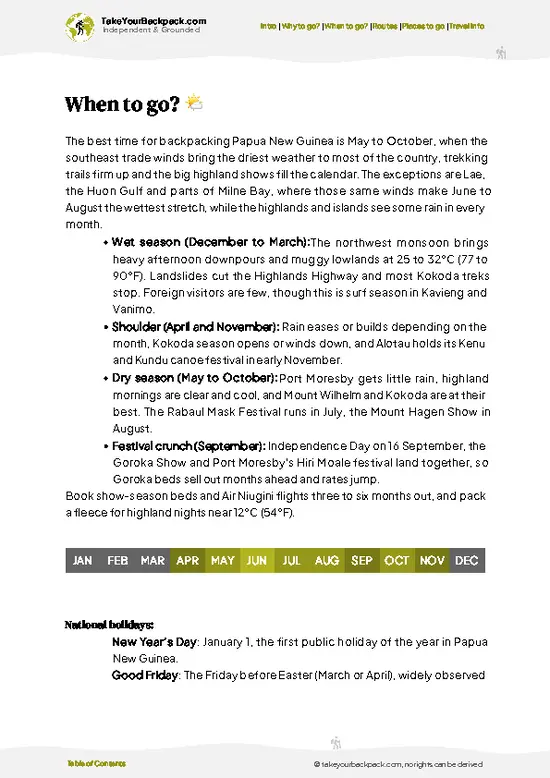
  • Weather: The dry season, from May to October, is your best bet. Rainfall drops significantly, making trails less slippery and river crossings safer. The wet season (November to April) brings heavy rains that can turn paths into mud pits and increase the risk of landslides.

  • Temperature: Daytime temps hover around 20-25°C (68-77°F) during the dry months, which is comfortable for hiking. Nights can dip to 10°C (50°F), so pack layers. The wet season is warmer but muggy, pushing temps up to 28°C (82°F), which can sap your energy fast.

  • Daylight Hours: Near the equator, daylight is steady year-round—about 11 to 12 hours daily. This consistency means you don’t have to rush your hikes based on changing daylight, but always start early to avoid afternoon showers in the shoulder months.

  • Crowds:
read more 👉

  • Weather: The dry season, from May to October, is your best bet. Rainfall drops significantly, making trails less slippery and river crossings safer. The wet season (November to April) brings heavy rains that can turn paths into mud pits and increase the risk of landslides.

  • Temperature: Daytime temps hover around 20-25°C (68-77°F) during the dry months, which is comfortable for hiking. Nights can dip to 10°C (50°F), so pack layers. The wet season is warmer but muggy, pushing temps up to 28°C (82°F), which can sap your energy fast.

  • Daylight Hours: Near the equator, daylight is steady year-round—about 11 to 12 hours daily. This consistency means you don’t have to rush your hikes based on changing daylight, but always start early to avoid afternoon showers in the shoulder months.

  • Crowds: The park sees fewer visitors overall, but the dry season attracts local tourists and birdwatchers. If you want solitude, aim for early May or late September when the crowd thins out but conditions remain solid.

  • Seasonal Activities: Birdwatching peaks in the dry season when visibility is clear and species are active. The wet season is better for botanists chasing blooming orchids but expect tougher trekking conditions.

  • Price Fluctuations: Local guides and accommodations raise prices slightly during the dry season due to demand. Booking ahead can lock in better rates. The wet season offers cheaper rates but at the cost of comfort and accessibility.


Pro-tip: Prioritize the dry season for reliable trails and weather, but plan shoulder months for fewer crowds and better deals—just be ready for occasional rain.


source: climatestotravel.comJANJanuary: fair for travelingFEBFebruary: fair for travelingMARMarch: fair for travelingAPRApril: fair for travelingMAYMay: highly recommended for travelingJUNJune: excellent for travelingJULJuly: excellent for travelingAUGAugust: excellent for travelingSEPSeptember: highly recommended for travelingOCTOctober: excellent for travelingNOVNovember: fair for travelingDECDecember: fair for traveling
papua-new-guinea-national-park-crater-mountain-wildlife-management-area
© Google |

✈️ The backpacker research shortcutPapua New Guinea Travel Guide

An offline-friendly backpacking guide with optimized travel routes, ranked highlights, transport advice, and the best areas to stay.
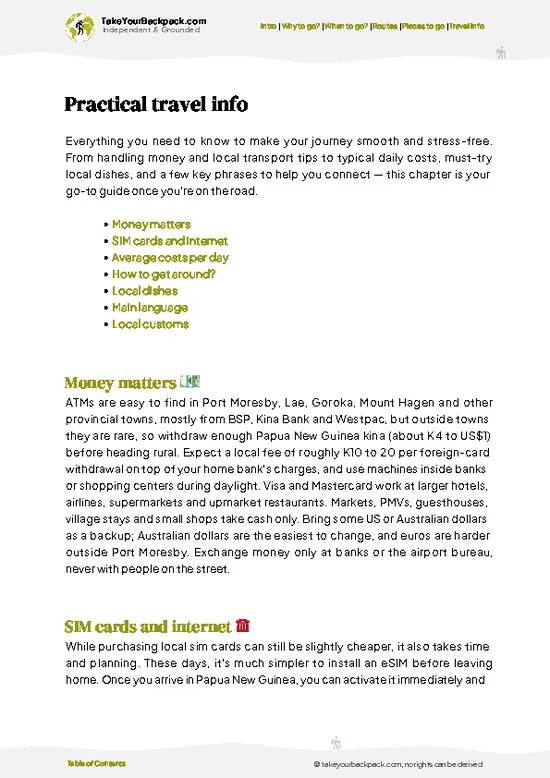
example page 0 from our offline Travel Guide for Papua New Guinea
example page 1 from our offline Travel Guide for Papua New Guinea
example page 2 from our offline Travel Guide for Papua New Guinea
example page 3 from our offline Travel Guide for Papua New Guinea
example page 4 from our offline Travel Guide for Papua New Guinea
example page 5 from our offline Travel Guide for Papua New Guinea
example page 6 from our offline Travel Guide for Papua New Guinea
example page 7 from our offline Travel Guide for Papua New Guinea
The digital guide (319 pages) contains:
86 highlights, ranked by travel appeal
Optimized 5, 10 & 15-day travel routes
Cities, national parks, landmarks, beaches
How to get around
Offline-friendly for travel without Wi-Fi
👉 Click to see all 30+ guide features

📅 Plan smarter in minutes, not weeks
Month by month travel advice
Festivals & national holidays
Budget expectations

🗺️ Go to the right places, skip the overrated ones
Honest pros & cons of destinations
Top hikes, parks & viewpoints
Lesser-known places most travelers miss
Clear “worth it vs skip it” guidance

🛏️ Travel smoothly without rookie mistakes
Best areas to stay
Transport systems explained simply
Common scams & safety advice
SIM cards, money & practical tips

🌍 Understand the country, not just visit it
Culture & traditions
52 Essential phrases & customs
Festivals worth planning around
Traveler-friendly historical context
Insights that make places more meaningful

📱 Built for real travel conditions
Fully downloadable PDF
Works completely offline
Optimized for phone use
Useful in remote areas & buses
Everything in one place
Save weeks of stressful planning
Get instant access to your full guide. 30‑day money-back guarantee.
+ Add another guide for just US$7.80

By proceeding you agree to our terms.
Sent to your inbox immediately after payment • 100% Secure Checkout
Best Backpacking Travel Advisor 2025 tourism awardBest Backpacking
Travel Advisor
2025
What others say about Take Your Backpack Guides:
⭐⭐⭐⭐⭐
Fantastic, amazing amount of information!
⭐⭐⭐⭐⭐
My goodness this is amazing, it's what I've been looking for hats off too you!
⭐⭐⭐⭐⭐
I think this is absolutely BRILLIANT
⭐⭐⭐⭐
Very complete and informative. It's still missing places, but I gotta to commend you
⭐⭐⭐⭐⭐
This is truly amazing, thank you, can't wait to explore it with my kids!
⭐⭐⭐⭐⭐
Awesome resource, thank you!
⭐⭐⭐⭐⭐
This is amazing! Can't wait to explore the ones I haven't seen
⭐⭐⭐⭐
I love this! Well done, great idea.
⭐⭐⭐⭐⭐
Thanks for taking the time to make this gem!
⭐⭐⭐⭐⭐
This might be the best website I've ever seen.
⭐⭐⭐⭐⭐
Congratulations, and thank you so much for your work; it's incredibly valuable.
⭐⭐⭐⭐
In all seriousness I think you did a great job pointing out the important spots
⭐⭐⭐⭐⭐
10/10 very good
⭐⭐⭐⭐⭐
As someone who's only just starting to visit regularly this is awesome, thank you.
⭐⭐⭐⭐
Thank you very much! I'm going to visit my dad, it's going to be very useful!
⭐⭐⭐⭐⭐
This is really cool! We'll be travelling for the first time and this definitely come in handy.
⭐⭐⭐⭐⭐
You are now our minister of culture, congratulations 👨‍💼
⭐⭐⭐⭐⭐
Just wanted to tell you that this is a pearl! Going to follow your recommendations.
⭐⭐⭐⭐⭐
This is so cool. I'll definitely be using the resource for my travels soon.
⭐⭐⭐⭐⭐
This is very impressive! Good work.
⭐⭐⭐⭐⭐
This is an amazing and informative site. Very well done!

🛏️ Where to stay?Choosing the right base

Crater Mountain Wildlife Management Area in Papua New Guinea offers a unique experience, but accommodation options are limited. There are no established lodges or hotels directly inside the national park. Instead, you’ll find a few basic guesthouses and homestays in nearby towns like Goroka and Kainantu.

Goroka is the larger of the two, with a range of budget-friendly options. Look for places like the Goroka Lodge or local guesthouses that provide a bed and breakfast vibe. Kainantu is smaller but offers a more intimate experience. The Kainantu Hotel is a solid choice, providing basic amenities … read more 👉
Crater Mountain Wildlife Management Area in Papua New Guinea offers a unique experience, but accommodation options are limited. There are no established lodges or hotels directly inside the national park. Instead, you’ll find a few basic guesthouses and homestays in nearby towns like Goroka and Kainantu.

Goroka is the larger of the two, with a range of budget-friendly options. Look for places like the Goroka Lodge or local guesthouses that provide a bed and breakfast vibe. Kainantu is smaller but offers a more intimate experience. The Kainantu Hotel is a solid choice, providing basic amenities and a chance to connect with locals.

Be prepared for a few quirks. Facilities can be rustic, and hot water isn’t always guaranteed. Bring your own supplies, especially snacks and water, as options may be sparse.

Transportation can be tricky. Public transport is available, but it’s often unreliable. Hiring a local guide can enhance your experience and help navigate the area. This investment pays off, allowing you to focus on the breathtaking landscapes and wildlife instead of logistical headaches. Prioritize your energy and budget for the moments that truly matter.

👛 Costs (as of 4 September 2026)Money, prices, and spending tips

Visiting Crater Mountain Wildlife Management Area in Papua New Guinea can be a rewarding experience, but it’s essential to know the costs involved to avoid surprises.

Entry fees for the park typically range from $10 to $20 USD per person. This fee grants you access to the stunning biodiversity and unique landscapes. However, this is just the tip of the iceberg.

Accommodation options vary widely. Basic lodges or guesthouses near the park can cost between $30 and $70 USD per night. If you’re looking for something more comfortable, expect to pay upwards of $100 USD. Always check what’s included—some places might charge extra for meals or amenities.

Transportation is another factor. If you’re flying into the nearest town, flights can range from $150 to $300 USD, depending on your starting point. … read more 👉
Visiting Crater Mountain Wildlife Management Area in Papua New Guinea can be a rewarding experience, but it’s essential to know the costs involved to avoid surprises.

Entry fees for the park typically range from $10 to $20 USD per person. This fee grants you access to the stunning biodiversity and unique landscapes. However, this is just the tip of the iceberg.

Accommodation options vary widely. Basic lodges or guesthouses near the park can cost between $30 and $70 USD per night. If you’re looking for something more comfortable, expect to pay upwards of $100 USD. Always check what’s included—some places might charge extra for meals or amenities.

Transportation is another factor. If you’re flying into the nearest town, flights can range from $150 to $300 USD, depending on your starting point. Local transport to the park can add another $20 to $50 USD, especially if you opt for a private vehicle.

Guided tours are highly recommended for a richer experience. Prices for guided treks can range from $50 to $150 USD per day, depending on the length and inclusivity of the tour. Always clarify what’s included—some guides might cover meals and equipment, while others may not.

Lastly, consider the costs of gear if you’re not bringing your own. Renting equipment can add another $20 to $50 USD to your budget.

In summary, plan for a total budget of around $200 to $500 USD per person for a visit, depending on your choices for accommodation, transport, and activities. Being aware of these costs will help you focus on the incredible experiences awaiting you in Crater Mountain.


source: pngtourism.org.pg
⚠️ Prices can change and everyone travels differently, so take this as a rough guide. Hope it helps you plan your adventure!

🥾 TrailsDiscover Crater Mountain Wildlife Management Area's top trails and natural wonders

The Crater Mountain Wildlife Management Area in Papua New Guinea is a hidden gem for hikers looking for a mix of adventure and stunning scenery. The area is draped in lush rainforest, dotted with dramatic mountain peaks, and offers breathtaking views that make every step worthwhile. You might find yourself crossing streams, navigating steep inclines, and enjoying the vibrant wildlife that calls this place home, including colorful birds and unique plant species.

There are a few designated trails, with one of the standout options being Crater Mountain Trail. Here’s a quick rundown:
  • Length: 10 km
  • Estimated
read more 👉
The Crater Mountain Wildlife Management Area in Papua New Guinea is a hidden gem for hikers looking for a mix of adventure and stunning scenery. The area is draped in lush rainforest, dotted with dramatic mountain peaks, and offers breathtaking views that make every step worthwhile. You might find yourself crossing streams, navigating steep inclines, and enjoying the vibrant wildlife that calls this place home, including colorful birds and unique plant species.

There are a few designated trails, with one of the standout options being Crater Mountain Trail. Here’s a quick rundown:
  • Length: 10 km
  • Estimated Duration: 5-7 hours
  • Difficulty Level: Moderate to Challenging
  • Key Features: Spectacular mountain views, diverse flora and fauna, and potential wildlife sightings like birds of paradise.
  • Terrain: Varied, with steep sections, muddy paths, and rocky outcrops.

Getting to the park can be a bit of a trek in itself. Public transport options are limited, but you can catch a bus or arrange a ride from nearby towns, which can be an adventure on its own. Just be prepared for some delays and a bit of a bumpy ride. As for crowds, you’re unlikely to run into many people, making it a peaceful escape. Entrance fees are generally minimal, but it’s wise to check in advance as they can vary. Just pack your sense of adventure and be ready for an unforgettable experience!
⚠️ Hiking info can sometimes be outdated or inaccurate. Before you hit the trail, check the latest conditions with locals. If you do spot anything that's off, I'd love to hear from you, so I can update it for fellow travelers.

🛡️ SafetyStaying Safe: What Travelers Should Know

Crater Mountain Wildlife Management Area offers a rewarding experience, but it’s essential to be prepared. Weather can shift quickly; afternoon rain is common, so pack a reliable waterproof jacket. The trails vary in steepness, with some sections requiring careful footing. Navigation can be tricky, especially in dense forest, so a good map and compass are your best friends.

Wildlife encounters are part of the allure. Keep a respectful distance from animals, and remember that feeding them is a no-go. This keeps both you and the wildlife safe.

First-timers often underestimate the altitude. Take it slow to acclimatize, especially if you’re coming from lower elevations. River crossings can be challenging after heavy rain, so assess conditions before proceeding.

Ultimately, with the right … read more 👉
Crater Mountain Wildlife Management Area offers a rewarding experience, but it’s essential to be prepared. Weather can shift quickly; afternoon rain is common, so pack a reliable waterproof jacket. The trails vary in steepness, with some sections requiring careful footing. Navigation can be tricky, especially in dense forest, so a good map and compass are your best friends.

Wildlife encounters are part of the allure. Keep a respectful distance from animals, and remember that feeding them is a no-go. This keeps both you and the wildlife safe.

First-timers often underestimate the altitude. Take it slow to acclimatize, especially if you’re coming from lower elevations. River crossings can be challenging after heavy rain, so assess conditions before proceeding.

Ultimately, with the right gear and a mindful approach, you can enjoy the beauty of Crater Mountain without unnecessary stress.

FAQFrequently asked questions about Crater Mountain Wildlife Management Area

3 to 4 days are recommended to explore Crater Mountain Wildlife Management Area thoroughly, allowing time for hiking and wildlife observation. The terrain is rugged, so plan for slower travel and possible overnight camping. This duration provides a good balance between travel and exploration.
No, visiting Crater Mountain Wildlife Management Area without a car is challenging. The area is remote with limited public transport options, so hiring a vehicle or arranging local transport is necessary. Walking long distances on rough roads is not practical for most travelers.
Yes, a permit is required to enter Crater Mountain Wildlife Management Area. Permits can be obtained through local authorities or tour operators, typically costing around 50 to 100 Papua New Guinean Kina. This fee supports conservation efforts and park management.
⚠️ Things can change over time, so always validate details locally before you go.

Other Papua New Guinean national parks near Crater Mountain Wildlife Management Area

Explore more nearby:


💡 Not sure where to go next?
Create a personalized itinerary for Papua New Guinea including Crater Mountain Wildlife Management Area and the places that fit your trip.

Generate my itinerary

👉 Discover all national parks

Or checkout all Papua New Guinea has to offer (think cities, towns, villages, national parks, hikes, beaches, festivals)
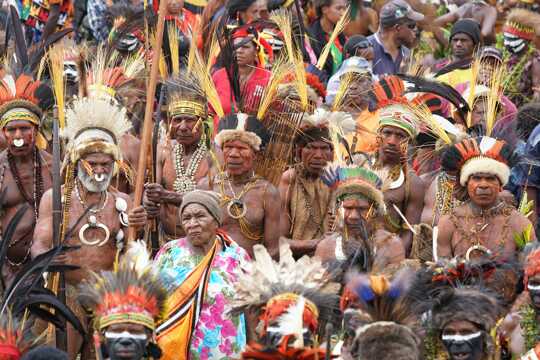
Country photo of Papua New Guinea

We 💚 feedbackFinal thoughts on exploring Crater Mountain Wildlife Management Area

Crater Mountain Wildlife Management Area is a raw slice of Papua New Guinea that feels untouched. The vibe? It’s a mix of adventure and serenity, where the calls of exotic birds fill the air. Expect surprises—like stumbling upon a local festival that’ll make your heart race. Just a heads-up: the trails can be tricky, and rain can turn them into mudslides. Pack extra energy for those moments; they’re what make the experience truly rewarding.

✍️ Help improve this page!
The information on this page is based on in-depth research, insights shared by experienced travelers, and feedback from the local travel community in Papua New Guinea. While every effort is made to keep the information accurate and current, conditions can change — so if you spot anything incorrect or outdated, please get in touch.


🙋‍♂️ Give feedback

👋 Meet the founderWho’s Behind Take Your Backpack?

Johan, backpacker and founder of TakeYourBackpackHi, I’m Johan (Netherlands 🇳🇱), the creator of TakeYourBackpack. Over the past decade, I’ve backpacked through 80+ countries across six continents, gaining extensive experience with independent travel, long-term trips, and overland routes.

This site is built on a combination of firsthand travel experience and carefully curated insights from other backpackers. Many guides are based on places I’ve personally visited, while others bring together tips, observations, and practical advice shared by trusted travelers I’ve met along the way.

The goal is to provide realistic, experience-driven guidance — not generic itineraries — so you can explore destinations with better context, clearer expectations, and more confidence.

Get full country guide •
Instant download • 86 highlights • Full Offline guide