×

Papua New Guinea🇵🇬 | festivalsGoroka Showtribal dress, highland sing-sings, mass dance displays | things to do and best time to go

Explore Port MoresbyExplore Hiri Moale Festival

Backpacking in Goroka Show
🏆 Top pickfestival ranked #1
By Johan Kruseman 🇳🇱 | Updated September 4, 2026

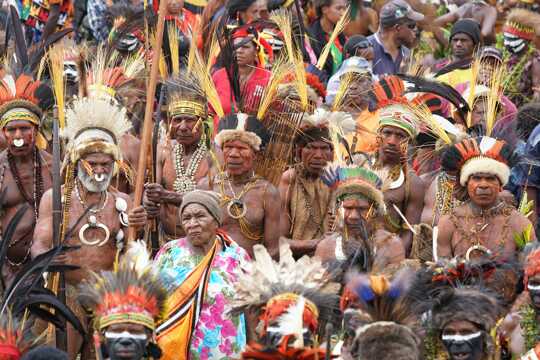
Drums hit first—thick, chest-thumping booms rolling across the grass as a line of warriors stomps past, faces painted lime green and blood red, bird-of-paradise feathers shivering with every step. Smoke from roasting kaukau curls into the dry mountain air, dust sticks to your ankles, and a kid in a Manchester United jersey weaves through the crowd selling betel nut like it’s candy. This is the Goroka Show, in the Eastern Highlands of Papua New Guinea, and it feels more like a controlled stampede of color and sound than a “cultural festival.”

Backpackers land here for one thing: the sing-sing. Dozens of tribes performing war chants, courtship songs, and drum-heavy rhythms in a stadium packed with locals, a handful of travelers, and serious photographers. It usually runs over a long weekend around Independence Day in September. It’s intense, raw, sometimes chaotic, and absolutely worth it if you want culture with teeth, not a polished stage show.

Discover everything you want to know in the 📖 Papua New Guinea Travel Guide.
Loading the map 🌍
CLICK TO FILTER
cities
towns
national parks
hikes
beaches
attractions
festivals
regions
SHOW COUNTRY’S BESTSHOW ALL

✨ Why go?
Ranked #1 festival in Papua New Guinea
Why visitors keep coming back

Backpackers flock to the Goroka Show in Papua New Guinea for a burst of social energy that’s hard to find elsewhere. This festival isn’t just an event; it’s a temporary community where you can immerse yourself in the vibrant cultures of the Highlands. Picture this: hundreds of tribes, each showcasing their unique dances, costumes, and stories. It’s a cultural immersion that feels electric, drawing you into the heart of Papua New Guinea’s rich heritage.

Planning your route around the Goroka Show is a savvy move. The festival is often more affordable than similar events worldwide, allowing you to stretch your budget for other adventures. Plus, it fits seamlessly into longer travel plans. You can explore the lush landscapes and remote villages before or after the show, making every moment count. … read more 👉
Backpackers flock to the Goroka Show in Papua New Guinea for a burst of social energy that’s hard to find elsewhere. This festival isn’t just an event; it’s a temporary community where you can immerse yourself in the vibrant cultures of the Highlands. Picture this: hundreds of tribes, each showcasing their unique dances, costumes, and stories. It’s a cultural immersion that feels electric, drawing you into the heart of Papua New Guinea’s rich heritage.

Planning your route around the Goroka Show is a savvy move. The festival is often more affordable than similar events worldwide, allowing you to stretch your budget for other adventures. Plus, it fits seamlessly into longer travel plans. You can explore the lush landscapes and remote villages before or after the show, making every moment count.

But beware of the gotchas: accommodation can fill up fast, and prices may spike as the date approaches. Secure your lodging early to avoid stress. By prioritizing the Goroka Show, you’re not just attending a festival; you’re unlocking a deeper connection to the land and its people, all while preserving your energy and budget for the experiences that truly matter.
Want to include Goroka Show in your Papua New Guinea route?
Create a personalized Papua New Guinea itinerary that includes Goroka Show and the places that fit your trip — based on your travel style, budget, and available time. Get your route in seconds.

Generate my trip

💡 HighlightsEssential experiences to have while celebrating the Goroka Show

  • Mass tribal sing-sing gatherings — Hundreds of village groups gather to sing, chant and move together. Seeing dozens of tribes in one arena, each with its own rhythms and call-and-response patterns, is what makes Goroka feel like a live encyclopedia of Highland cultures.
  • Elaborate bilas, featherwork and bird-of-paradise headdresses — The colors, feathers and body paint are next-level. The craftsmanship and symbolism in the costumes—often including rare feathers and carved ornaments—are unlike the festival dress you’ll see anywhere else.
  • Traditional drumming, dances and performance showdowns — Kundu drums, garamut (slit drums) and synchronized warrior dances drive the energy. Many performances are competitive, so groups push choreography and intensity to outshine each other—very theatrical
read more 👉
  • Mass tribal sing-sing gatherings — Hundreds of village groups gather to sing, chant and move together. Seeing dozens of tribes in one arena, each with its own rhythms and call-and-response patterns, is what makes Goroka feel like a live encyclopedia of Highland cultures.
  • Elaborate bilas, featherwork and bird-of-paradise headdresses — The colors, feathers and body paint are next-level. The craftsmanship and symbolism in the costumes—often including rare feathers and carved ornaments—are unlike the festival dress you’ll see anywhere else.
  • Traditional drumming, dances and performance showdowns — Kundu drums, garamut (slit drums) and synchronized warrior dances drive the energy. Many performances are competitive, so groups push choreography and intensity to outshine each other—very theatrical and highly memorable.
  • Markets, crafts and bilum culture — Stalls sell carved masks, carved tools, shell money and bilum bags (handwoven string bags). It’s the best place to pick up authentic crafts, watch artisans work, and trade stories with makers—real cultural exchange, not just souvenirs.
  • Communal atmosphere, camping and spontaneous nights — The show isn’t just daytime performances; it’s the whole vibe—campfires, late-night drumming, locals and visitors swapping food and stories. That raw, unpolished communal energy is what turns a day at the show into an experience you’ll remember for years.
Spotted a mistake or missing something? Contact us.

🌤️ When to go?When is the celebration of Goroka Show?


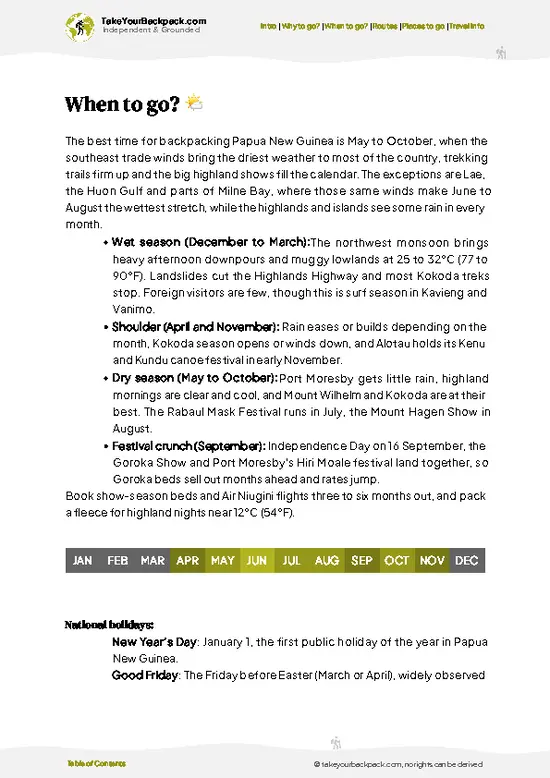
  • Topic: Weather – The Goroka Show happens in September, right in Papua New Guinea’s dry season. Expect mostly clear skies and minimal rain, which means your gear stays dry and trails stay manageable. Avoid the wet season (November to April) when mud and downpours can kill your vibe.

  • Topic: Temperature – Daytime temps hover around 20-25°C (68-77°F), perfect for hiking and festival roaming without overheating. Nights can dip to 10-15°C (50-59°F), so pack layers to stay comfortable after sunset.

  • Topic: Daylight Hours – Roughly 12 hours of daylight, giving you a solid window to explore before and after the festival events. Early starts pay off here; the light fades quickly after sunset.

  • Topic: Crowds – September draws the biggest crowds, but that’s the point. The energy peaks, and you’ll
read more 👉

  • Topic: Weather – The Goroka Show happens in September, right in Papua New Guinea’s dry season. Expect mostly clear skies and minimal rain, which means your gear stays dry and trails stay manageable. Avoid the wet season (November to April) when mud and downpours can kill your vibe.

  • Topic: Temperature – Daytime temps hover around 20-25°C (68-77°F), perfect for hiking and festival roaming without overheating. Nights can dip to 10-15°C (50-59°F), so pack layers to stay comfortable after sunset.

  • Topic: Daylight Hours – Roughly 12 hours of daylight, giving you a solid window to explore before and after the festival events. Early starts pay off here; the light fades quickly after sunset.

  • Topic: Crowds – September draws the biggest crowds, but that’s the point. The energy peaks, and you’ll catch the full cultural spectacle. Arrive early to lock in accommodation and avoid last-minute price hikes.

  • Topic: Seasonal Activities – The dry season aligns with other tribal festivals and outdoor adventures nearby. Use the Goroka Show as your launchpad for trekking or village visits without weather disruptions.

  • Topic: Price Fluctuations – Festival time means prices spike on lodging and flights. Book months ahead to dodge inflated costs. Off-season travel is cheaper but sacrifices the festival’s core experience.


Pro-tip: Lock in your trip for early September to catch the festival’s full pulse, avoid the wet season’s chaos, and keep your backpack light but ready for chilly nights.


source: climatestotravel.comJANJanuary: not recommended for travelingFEBFebruary: not recommended for travelingMARMarch: not recommended for travelingAPRApril: not recommended for travelingMAYMay: not recommended for travelingJUNJune: not recommended for travelingJULJuly: not recommended for travelingAUGAugust: not recommended for travelingSEPSeptember: excellent for travelingOCTOctober: not recommended for travelingNOVNovember: not recommended for travelingDECDecember: not recommended for traveling

✈️ The backpacker research shortcutPapua New Guinea Travel Guide

An offline-friendly backpacking guide with optimized travel routes, ranked highlights, transport advice, and the best areas to stay.
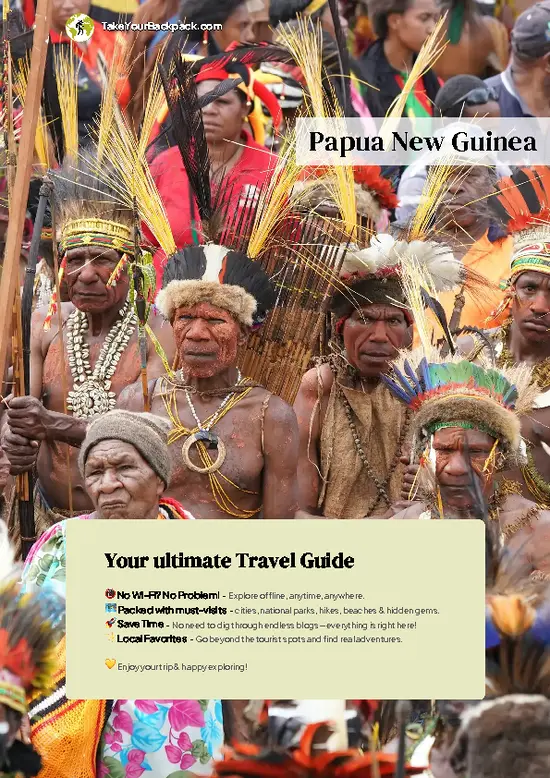
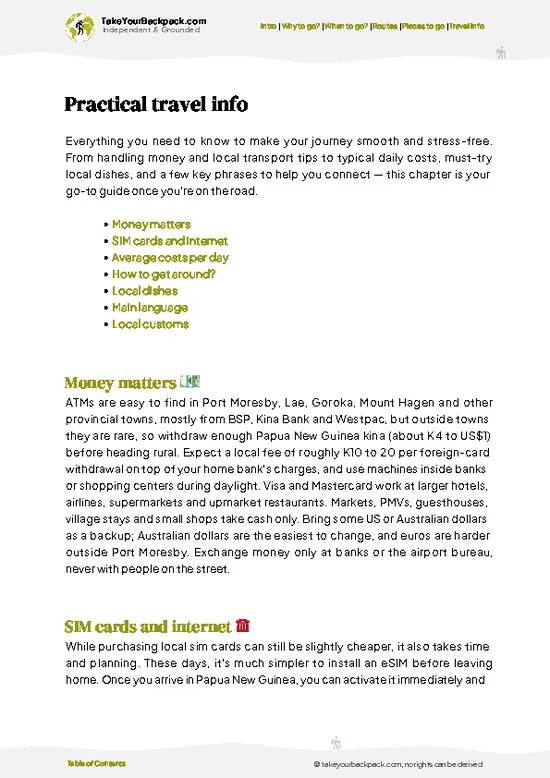
example page 0 from our offline Travel Guide for Papua New Guinea
example page 1 from our offline Travel Guide for Papua New Guinea
example page 2 from our offline Travel Guide for Papua New Guinea
example page 3 from our offline Travel Guide for Papua New Guinea
example page 4 from our offline Travel Guide for Papua New Guinea
example page 5 from our offline Travel Guide for Papua New Guinea
example page 6 from our offline Travel Guide for Papua New Guinea
example page 7 from our offline Travel Guide for Papua New Guinea
The digital guide (319 pages) contains:
86 highlights, ranked by travel appeal
Optimized 5, 10 & 15-day travel routes
Cities, national parks, landmarks, beaches
How to get around
Offline-friendly for travel without Wi-Fi
👉 Click to see all 30+ guide features

📅 Plan smarter in minutes, not weeks
Month by month travel advice
Festivals & national holidays
Budget expectations

🗺️ Go to the right places, skip the overrated ones
Honest pros & cons of destinations
Top hikes, parks & viewpoints
Lesser-known places most travelers miss
Clear “worth it vs skip it” guidance

🛏️ Travel smoothly without rookie mistakes
Best areas to stay
Transport systems explained simply
Common scams & safety advice
SIM cards, money & practical tips

🌍 Understand the country, not just visit it
Culture & traditions
52 Essential phrases & customs
Festivals worth planning around
Traveler-friendly historical context
Insights that make places more meaningful

📱 Built for real travel conditions
Fully downloadable PDF
Works completely offline
Optimized for phone use
Useful in remote areas & buses
Everything in one place
Save weeks of stressful planning
Get instant access to your full guide. 30‑day money-back guarantee.
+ Add another guide for just US$7.80

By proceeding you agree to our terms.
Sent to your inbox immediately after payment • 100% Secure Checkout
Best Backpacking Travel Advisor 2025 tourism awardBest Backpacking
Travel Advisor
2025
What others say about Take Your Backpack Guides:
⭐⭐⭐⭐⭐
Fantastic, amazing amount of information!
⭐⭐⭐⭐⭐
My goodness this is amazing, it's what I've been looking for hats off too you!
⭐⭐⭐⭐⭐
I think this is absolutely BRILLIANT
⭐⭐⭐⭐
Very complete and informative. It's still missing places, but I gotta to commend you
⭐⭐⭐⭐⭐
This is truly amazing, thank you, can't wait to explore it with my kids!
⭐⭐⭐⭐⭐
Awesome resource, thank you!
⭐⭐⭐⭐⭐
This is amazing! Can't wait to explore the ones I haven't seen
⭐⭐⭐⭐
I love this! Well done, great idea.
⭐⭐⭐⭐⭐
Thanks for taking the time to make this gem!
⭐⭐⭐⭐⭐
This might be the best website I've ever seen.
⭐⭐⭐⭐⭐
Congratulations, and thank you so much for your work; it's incredibly valuable.
⭐⭐⭐⭐
In all seriousness I think you did a great job pointing out the important spots
⭐⭐⭐⭐⭐
10/10 very good
⭐⭐⭐⭐⭐
As someone who's only just starting to visit regularly this is awesome, thank you.
⭐⭐⭐⭐
Thank you very much! I'm going to visit my dad, it's going to be very useful!
⭐⭐⭐⭐⭐
This is really cool! We'll be travelling for the first time and this definitely come in handy.
⭐⭐⭐⭐⭐
You are now our minister of culture, congratulations 👨‍💼
⭐⭐⭐⭐⭐
Just wanted to tell you that this is a pearl! Going to follow your recommendations.
⭐⭐⭐⭐⭐
This is so cool. I'll definitely be using the resource for my travels soon.
⭐⭐⭐⭐⭐
This is very impressive! Good work.
⭐⭐⭐⭐⭐
This is an amazing and informative site. Very well done!

🛏️ Where to stay?Best areas to stay in Papua New Guinea

When you’re gearing up for the Goroka Show, the right place to stay can amplify the experience. Focus on the areas buzzing with energy and camaraderie.

Goroka Town is your best bet. It’s the heart of the festival, where the action unfolds. You’ll find a mix of budget accommodations that cater to backpackers. The vibe is friendly, and you’ll easily connect with fellow travelers. Plus, being close to the festival means you can pop back to recharge between events.

Kerevat is another option, about an hour’s drive from Goroka. It’s quieter but offers a unique perspective on local life. You’ll find … read more 👉
When you’re gearing up for the Goroka Show, the right place to stay can amplify the experience. Focus on the areas buzzing with energy and camaraderie.

Goroka Town is your best bet. It’s the heart of the festival, where the action unfolds. You’ll find a mix of budget accommodations that cater to backpackers. The vibe is friendly, and you’ll easily connect with fellow travelers. Plus, being close to the festival means you can pop back to recharge between events.

Kerevat is another option, about an hour’s drive from Goroka. It’s quieter but offers a unique perspective on local life. You’ll find a few budget-friendly spots here, and the locals are welcoming. This area gives you a chance to soak in the culture without the festival frenzy.

Bena Bena is worth considering if you want a more off-the-beaten-path experience. It’s a bit further from the main action, but the scenery is breathtaking. Staying here means you’ll have to plan your transport, but the trade-off is a more intimate connection with the land and its people.

Avoid the tourist traps that pop up around festival time. Stick to these areas, and you’ll preserve your energy and budget for the moments that truly matter.

👛 Costs (as of 4 September 2026)How expensive it really is

The Goroka Show in Papua New Guinea is a vibrant celebration of culture, but navigating the costs can feel like a maze. Here’s how to keep your budget intact while soaking in the experience.
  • Festival Tickets: Expect to pay around $10 to $20 USD for a single-day ticket. If you want to catch all the action over multiple days, a full festival pass can range from $30 to $50 USD. Buy early to avoid last-minute price hikes.
  • Accommodation: Options vary widely. Budget travelers can find dorm beds in hostels for about $15 to $30 USD per night. If you prefer a private room, expect to shell out $50 to $100 USD. Book ahead, as places fill up fast during the festival.
  • Local Transport: Getting around Goroka is manageable. Public transport, like mini-buses, costs about $1 to $3 USD per ride. If you’re looking
read more 👉
The Goroka Show in Papua New Guinea is a vibrant celebration of culture, but navigating the costs can feel like a maze. Here’s how to keep your budget intact while soaking in the experience.
  • Festival Tickets: Expect to pay around $10 to $20 USD for a single-day ticket. If you want to catch all the action over multiple days, a full festival pass can range from $30 to $50 USD. Buy early to avoid last-minute price hikes.
  • Accommodation: Options vary widely. Budget travelers can find dorm beds in hostels for about $15 to $30 USD per night. If you prefer a private room, expect to shell out $50 to $100 USD. Book ahead, as places fill up fast during the festival.
  • Local Transport: Getting around Goroka is manageable. Public transport, like mini-buses, costs about $1 to $3 USD per ride. If you’re looking for convenience, hiring a taxi for the day can run you $20 to $40 USD, depending on your itinerary.
  • Food & Drinks: Street food is your friend. Meals can cost as little as $3 to $7 USD. If you opt for sit-down restaurants, budget around $10 to $20 USD per meal. Don’t forget to try local beverages; a beer will set you back about $2 to $5 USD.
  • Miscellaneous Expenses: Factor in around $20 to $50 USD for souvenirs, tips, or unexpected costs. It’s wise to have a little extra for those spontaneous moments that make travel special.

Keep these figures in mind to avoid surprises. Planning ahead preserves your energy and budget for the moments that truly matter.


source: papuanewguinea.travel
⚠️ Prices can change and everyone travels differently, so take this as a rough guide. Hope it helps you plan your adventure!

🍲 FoodWhat to Eat & Drink

At the Goroka Show, food and drink are as vibrant as the culture itself. You’ll find stalls brimming with local specialties like mumu, a traditional dish of meat and vegetables cooked in an underground oven. The smoky flavor is a must-try, and it’s often served with sweet potatoes and greens. Don’t skip the sago, a starchy staple that’s both filling and unique to the region.

As you wander through the festival, grab a cup of kula, a sweet, refreshing drink made from local fruits. It’s the perfect antidote to the tropical heat. You might also stumble upon vendors selling kava, a ceremonial drink that’s both calming and social. Just remember, it’s customary to share; if someone offers you a sip, accept it graciously.

Lines can get long, especially for the popular dishes, so be patient and enjoy … read more 👉
At the Goroka Show, food and drink are as vibrant as the culture itself. You’ll find stalls brimming with local specialties like mumu, a traditional dish of meat and vegetables cooked in an underground oven. The smoky flavor is a must-try, and it’s often served with sweet potatoes and greens. Don’t skip the sago, a starchy staple that’s both filling and unique to the region.

As you wander through the festival, grab a cup of kula, a sweet, refreshing drink made from local fruits. It’s the perfect antidote to the tropical heat. You might also stumble upon vendors selling kava, a ceremonial drink that’s both calming and social. Just remember, it’s customary to share; if someone offers you a sip, accept it graciously.

Lines can get long, especially for the popular dishes, so be patient and enjoy the atmosphere. Cash is king here; many stalls won’t accept cards, so stock up before diving into the culinary adventure. Serving sizes can be generous, so consider sharing with a friend to sample more flavors without overdoing it.

Embrace the quirks of the festival—food is a communal experience, and every bite is a connection to the culture. Enjoy the journey as much as the destination!

FAQTraveler FAQ

The Goroka Show takes place annually in September, usually over two days during the second weekend of the month. It is a cultural event held in Goroka, Eastern Highlands Province of Papua New Guinea.
The cost to attend the Goroka Show is approximately 100 to 150 Papua New Guinean Kina for foreigners. Local attendees often pay a lower fee, around 20 to 50 Kina, depending on the day and access level.
Yes, it is recommended to get tickets in advance for the Goroka Show, especially for foreigners. Tickets can be purchased through local tour operators or official event organizers to ensure entry and avoid last-minute issues.
⚠️ Things can change over time, so always validate details locally before you go.

Other Papua New Guinean festivals near Goroka Show

Explore more nearby:


💡 Not sure where to go next?
Create a personalized itinerary for Papua New Guinea including Goroka Show and the places that fit your trip.

Generate my itinerary

👉 Discover all festivals

Or checkout all Papua New Guinea has to offer (think cities, towns, villages, national parks, hikes, beaches, festivals)
Country photo of Papua New Guinea

We 💚 feedbackKey takeaways before you go

The Goroka Show pulses with life, a whirlwind of color and sound that pulls you in. Expect the unexpected—like the moment a group of dancers suddenly breaks into a fierce, traditional chant. That’s the magic. But here’s the kicker: don’t underestimate the altitude. It can zap your energy faster than you think. Stay hydrated and pace yourself. Embrace the chaos, soak in the culture, and let the spirit of the Highlands fuel your adventure. This isn’t just a show; it’s a celebration of life.

✍️ Help improve this page!
The information on this page is based on in-depth research, insights shared by experienced travelers, and feedback from the local travel community in Papua New Guinea. While every effort is made to keep the information accurate and current, conditions can change — so if you spot anything incorrect or outdated, please get in touch.


🙋‍♂️ Give feedback

👋 Meet the founderWho’s Behind Take Your Backpack?

Johan, backpacker and founder of TakeYourBackpackHi, I’m Johan (Netherlands 🇳🇱), the creator of TakeYourBackpack. Over the past decade, I’ve backpacked through 80+ countries across six continents, gaining extensive experience with independent travel, long-term trips, and overland routes.

This site is built on a combination of firsthand travel experience and carefully curated insights from other backpackers. Many guides are based on places I’ve personally visited, while others bring together tips, observations, and practical advice shared by trusted travelers I’ve met along the way.

The goal is to provide realistic, experience-driven guidance — not generic itineraries — so you can explore destinations with better context, clearer expectations, and more confidence.

Get full country guide •
Instant download • 86 highlights • Full Offline guide