Trail Logistics
Paraguay offers a diverse range of hiking experiences, but the logistics can be tricky. Aim for at least three to five hikes to get a real sense of the country’s varied landscapes. Each hike has its own character, from the rolling hills to dense forests, and the effort required can vary significantly. Expect to spend anywhere from a few hours to a full day on the trails.
Most trails are well-marked, but some can be less maintained, especially in remote areas. Carry a reliable map or GPS device. Water sources can be scarce, so pack enough for the duration of your hike. A good rule of thumb is to bring at least two liters for a half-day hike.
Altitude and Terrain
While Paraguay isn’t known for towering peaks, some trails do reach altitudes that can leave you breathless. …
read more 👉Trail Logistics
Paraguay offers a diverse range of hiking experiences, but the logistics can be tricky. Aim for at least three to five hikes to get a real sense of the country’s varied landscapes. Each hike has its own character, from the rolling hills to dense forests, and the effort required can vary significantly. Expect to spend anywhere from a few hours to a full day on the trails.
Most trails are well-marked, but some can be less maintained, especially in remote areas. Carry a reliable map or GPS device. Water sources can be scarce, so pack enough for the duration of your hike. A good rule of thumb is to bring at least two liters for a half-day hike.
Altitude and Terrain
While Paraguay isn’t known for towering peaks, some trails do reach altitudes that can leave you breathless. The terrain varies from flat, easy walks to steep ascents that require a solid level of fitness. If you’re not accustomed to hiking, start with easier trails and gradually build up to more challenging ones.
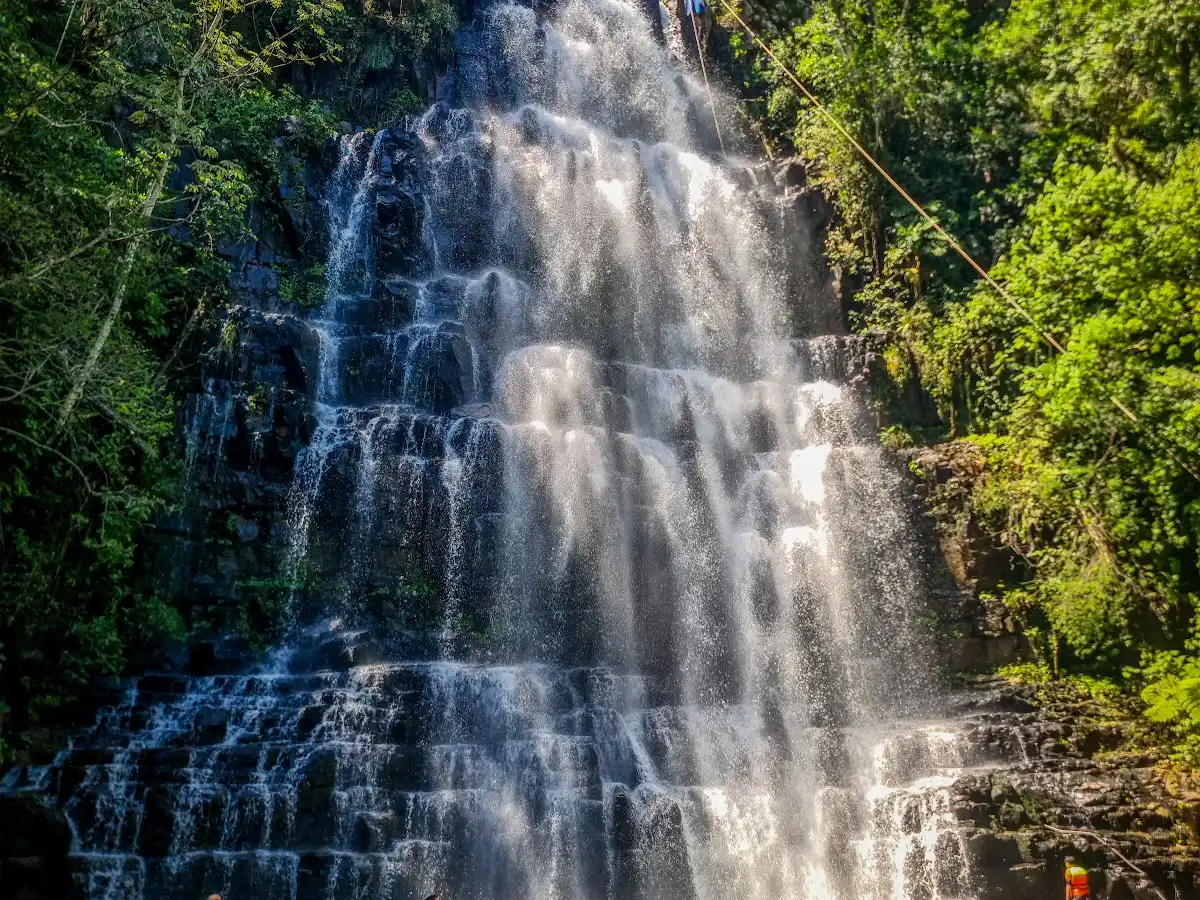
The humidity can be oppressive, especially in the summer months. Be prepared for sweat-soaked shirts and the occasional muddy path. The reward? A stunning view of the surrounding landscape or a refreshing dip in a river.
Recovery and Pacing
Pacing is crucial. Many hikers underestimate how long it takes to complete a trail, especially when factoring in breaks for water and snacks. A good approach is to plan for a slower pace than you might expect. If a trail is marked as moderate, it’s wise to treat it as challenging until you get a feel for the local conditions.
Recovery time is also essential. After a long hike, allow yourself a day to rest and recharge. This isn’t just about physical recovery; it’s also a chance to soak in the local culture. Enjoy a cold tereré or a hearty meal at a nearby village.
Difficulty and Skill Level
Difficulty levels can be subjective. What’s easy for a seasoned hiker might be tough for a beginner. Pay attention to local advice and trail reviews. Some trails may seem straightforward but can surprise you with sudden elevation changes or tricky footing.
If you’re new to hiking, consider joining a guided group for your first few outings. This can provide not only safety but also insights into the local flora and fauna. Experienced guides can help you navigate the trails and offer tips on pacing and recovery.
Safety and Cultural Considerations
Safety should always be a priority. While Paraguay is generally safe for hikers, it’s wise to stay aware of your surroundings. Avoid hiking alone in remote areas, and let someone know your plans.
Cultural respect is also vital. Many trails pass through indigenous lands or areas of cultural significance. Take the time to learn about local customs and practices. Engaging with local communities can enrich your experience and provide deeper insights into the region.
In summary, Paraguay’s hiking trails offer a rewarding blend of challenge and beauty. With thoughtful planning and respect for the land and its people, you can create a hiking experience that resonates long after the trail ends.
v2.webp)





 Best Backpacking
.jpg) Hi, I’m Johan (Netherlands 🇳🇱), the creator of TakeYourBackpack. Over the past 3 decades, I’ve backpacked through 90+ countries across six continents, gaining extensive experience with independent travel, long-term trips, and overland routes.
Hi, I’m Johan (Netherlands 🇳🇱), the creator of TakeYourBackpack. Over the past 3 decades, I’ve backpacked through 90+ countries across six continents, gaining extensive experience with independent travel, long-term trips, and overland routes.