×

Peru🇵🇪 | citiesIlofishing port, seafood markets, rocky shoreline | things to do and best time to go

Explore TalaraExplore Chulucanas

Backpacking in Ilo
👍 Recommendedcity ranked #8
By Johan Kruseman 🇳🇱 | Updated June 16, 2026

Most people only know Ilo as “that port with the industrial coastline,” and if you come expecting a classic beach town, you’ll be confused. What actually matters here is the slower, lived-in rhythm of a working Peruvian port and the way it breaks up the long, dry stretch between Arequipa, Moquegua, and Tacna. Ilo sits on Peru’s far south coast, a low, sun-bleached city pressed between the Pacific and the desert hills. For backpackers, it’s more of a practical pause than a headline destination: cheap menus near the malecón, sea air, a small central area you can cross on foot, and local buses out to modest beaches like Pozo de Lisas. It’s calmer and less polished than Arequipa, less intense than Tacna, with few hostels and a low-key, mostly local nightlife, so you won’t meet many other travelers. Buses in and out are straightforward, walking is easy, costs are friendly, and safety is decent if you stick to the center and waterfront, but you come here to reset and watch real coastal Peru go about its day, not to chase big sights.

Discover everything you want to know in the 📖 Peru Travel Guide.


Get your Peru guide
118 ranked highlights, routes & tips, works offline (444 pages)
Loading the map 🌍
CLICK TO FILTER
cities
towns
villages
landmarks
national parks
hikes
beaches
attractions
festivals
regions
SHOW COUNTRY’S BESTSHOW ALL

✨ Why go?
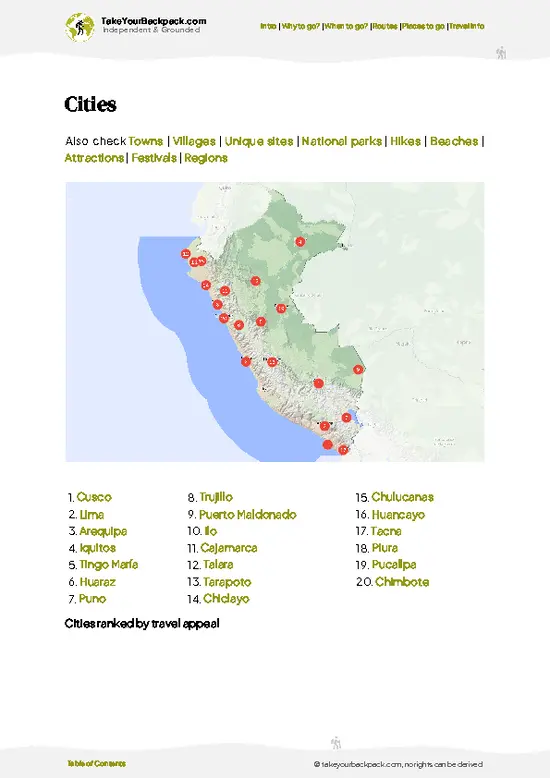
Ranked #8 city in Peru
What sets this place apart

Ilo, Peru, is a strategic stop for backpackers weaving through the southern coast. It’s not just a place to pass through; it’s a gateway to nearby hikes and beaches that beckon the adventurous spirit. The walkable streets are lined with small-scale hostels and guesthouses, offering a cozy atmosphere where you can easily strike up conversations with fellow travelers.

The local food scene is a treat, with fresh seafood and hearty dishes that reflect the coastal culture. You’ll find that most travelers linger for a few days, soaking in the laid-back vibe and the friendly faces. It’s a haven for solo travelers and small groups looking for a mix of social interaction and quiet moments.

While Ilo isn’t a nightlife hub, its charm lies in the community feel and the ease of access to cultural sites. … read more 👉
Ilo, Peru, is a strategic stop for backpackers weaving through the southern coast. It’s not just a place to pass through; it’s a gateway to nearby hikes and beaches that beckon the adventurous spirit. The walkable streets are lined with small-scale hostels and guesthouses, offering a cozy atmosphere where you can easily strike up conversations with fellow travelers.

The local food scene is a treat, with fresh seafood and hearty dishes that reflect the coastal culture. You’ll find that most travelers linger for a few days, soaking in the laid-back vibe and the friendly faces. It’s a haven for solo travelers and small groups looking for a mix of social interaction and quiet moments.

While Ilo isn’t a nightlife hub, its charm lies in the community feel and the ease of access to cultural sites. This town suits those who appreciate a slower pace, making it a perfect base for exploration or a restful stop on a longer journey.
Want to include Ilo in your Peru route?
Create a personalized Peru itinerary that includes Ilo and the places that fit your trip — based on your travel style, budget, and available time. Get your route in seconds.

Generate my trip

💡 HighlightsThe experiences that define the visit

  1. Plaza de Armas de Ilo — The town’s compact main square where locals gather, municipal life unfolds, and you can feel the town’s rhythm without any tourist gloss; good spot for people-watching and a coffee break.
  2. Puerto de Ilo (the harbor) — Working port with colorful fishing boats, cranes and a gritty maritime atmosphere; watch crews unload catches, see small-scale commerce in action, and get a real feel for Ilo’s economy.
  3. Malecón Costanera — The seaside promenade that stretches along the bay; perfect for easy walks, sunset views, street food stalls and the odd impromptu local football game on the sand.
  4. Mercado Central de Ilo — Bustling central market where you can sample fresh seafood, local produce and home-style snacks; great for photography and inexpensive meals cooked to order.
read more 👉
  1. Plaza de Armas de Ilo — The town’s compact main square where locals gather, municipal life unfolds, and you can feel the town’s rhythm without any tourist gloss; good spot for people-watching and a coffee break.
  2. Puerto de Ilo (the harbor) — Working port with colorful fishing boats, cranes and a gritty maritime atmosphere; watch crews unload catches, see small-scale commerce in action, and get a real feel for Ilo’s economy.
  3. Malecón Costanera — The seaside promenade that stretches along the bay; perfect for easy walks, sunset views, street food stalls and the odd impromptu local football game on the sand.
  4. Mercado Central de Ilo — Bustling central market where you can sample fresh seafood, local produce and home-style snacks; great for photography and inexpensive meals cooked to order.
  5. Faro de Ilo (the lighthouse) — Small lighthouse at the edge of town that makes a nice short walk from the malecon; offers unobstructed views of the bay and the port operations—simple, photogenic, and easy to access.
  6. Caletas de pescadores — The little fishing coves and landing spots dotted along Ilo’s shoreline where artisanal fishermen mend nets, sell fish off the boat, and invite informal conversation about life at sea.
  7. Iglesia Matriz / Parroquia de Ilo — The town’s main church and its surrounding plaza; an anchor of local identity and a place to observe religious art, weekday masses and community rituals.
  8. Museo Municipal de Ilo (small local museum) — Modest museum collection focused on Ilo’s maritime history, local culture and regional artifacts; not a blockbuster museum, but useful context that makes the town more interesting.
  9. Ilo’s public beaches — A string of accessible beaches right in town where families swim, vendors sell ceviche, and you can lounge without trekking far; they’re not tropical paradises, but they’re lively and local.
  10. Parque y malecones interiores (small municipal parks and viewpoints) — Pocket parks and lookout points scattered through town—handy for short breaks, to spot pelicans, or to watch the fishermen and freight ships from a quieter perch.
A few easy day trips from Ilo: the colonial city of Moquegua (for museums, plazas and local pisco/wine), the port/industrial town of Matarani and the nearby coastal villages and coves north of Ilo; my personal favorite to return to is the Puerto de Ilo fish market — always the most honest, noisy, delicious local scene.
Spotted a mistake or missing something? Contact us.
🏘️ NeighborhoodsNeighborhood guide to Ilo

Ilo is a coastal town in Peru that offers a unique blend of local culture and backpacker-friendly amenities. Here’s how to navigate its neighborhoods for the best experience.

Centro Histórico: This is the heart of Ilo, where you’ll find bustling markets and local eateries. The vibe is lively, with street vendors selling fresh ceviche and artisan crafts. It’s walkable, making it easy to explore. Costs are low, perfect for budget travelers. Nightlife is modest, with a few bars that come alive on weekends. Ideal for short stays, as you can soak in the local culture quickly.

La Punta: A quieter area, La Punta is known for its stunning ocean views and relaxed atmosphere. It’s a bit more upscale, with charming cafés and boutique hostels. The beach is nearby, perfect for sunbathing or a morning … read more 👉
Ilo is a coastal town in Peru that offers a unique blend of local culture and backpacker-friendly amenities. Here’s how to navigate its neighborhoods for the best experience.

Centro Histórico: This is the heart of Ilo, where you’ll find bustling markets and local eateries. The vibe is lively, with street vendors selling fresh ceviche and artisan crafts. It’s walkable, making it easy to explore. Costs are low, perfect for budget travelers. Nightlife is modest, with a few bars that come alive on weekends. Ideal for short stays, as you can soak in the local culture quickly.

La Punta: A quieter area, La Punta is known for its stunning ocean views and relaxed atmosphere. It’s a bit more upscale, with charming cafés and boutique hostels. The beach is nearby, perfect for sunbathing or a morning jog. Walkability is decent, but you might want a bike to explore further. Great for longer stays if you prefer a slower pace.

El Algarrobo: This neighborhood is a hidden treasure for those seeking tranquility. It’s less touristy, with a local feel and friendly residents. Costs are very affordable, and you’ll find a few cozy guesthouses. While nightlife is nearly nonexistent, the peaceful evenings are perfect for unwinding. Best suited for longer stays, especially if you want to immerse yourself in local life.

⌛️ 1 dayHow to make the most of one day

Ilo, Peru, is a coastal town that pulses with the rhythm of the sea and the warmth of its people. It’s not just a stopover; it’s a place where the scent of fresh ceviche mingles with the salty breeze, and the vibrant murals tell stories of local life.

Start your morning at the Mercado Central. The air is thick with the aroma of spices and freshly baked bread. Grab a breakfast of *pan con chicharrón*—crispy pork in a soft roll—and wash it down with a cup of strong Peruvian coffee. The locals are friendly, and you might even pick up a few words of Spanish while you’re at it.

After fueling up, stroll along the Malecón, where the ocean sparkles under the sun. The sound of waves crashing against the rocks is a soothing backdrop as you take in the colorful fishing boats bobbing in the harbor. … read more 👉
Ilo, Peru, is a coastal town that pulses with the rhythm of the sea and the warmth of its people. It’s not just a stopover; it’s a place where the scent of fresh ceviche mingles with the salty breeze, and the vibrant murals tell stories of local life.

Start your morning at the Mercado Central. The air is thick with the aroma of spices and freshly baked bread. Grab a breakfast of *pan con chicharrón*—crispy pork in a soft roll—and wash it down with a cup of strong Peruvian coffee. The locals are friendly, and you might even pick up a few words of Spanish while you’re at it.

After fueling up, stroll along the Malecón, where the ocean sparkles under the sun. The sound of waves crashing against the rocks is a soothing backdrop as you take in the colorful fishing boats bobbing in the harbor. If you’re feeling adventurous, rent a bike and explore the nearby beaches, like Playa Boca del Río, where you can find a quieter spot to soak in the sun.

In the afternoon, head to the lesser-known neighborhood of La Pampa. Here, you’ll find local artisans crafting beautiful textiles. Stop by a workshop and watch the intricate process unfold. It’s a chance to connect with the culture in a way that typical tourist spots can’t offer.

As evening approaches, return to the Malecón for a sunset that paints the sky in hues of orange and pink. For dinner, indulge in a seafood feast at a local eatery. The *arroz con mariscos* is a must-try.

Ilo may not be on everyone’s radar, but its charm lies in the simple pleasures and the genuine connections you’ll make along the way.
Turn your Ilo visit into an Peru adventure
Build a complete Peru route with Ilo, hidden gems, must-see destinations, and realistic travel times included.

Generate my trip

🌤️ When to go?Choosing the right time of year


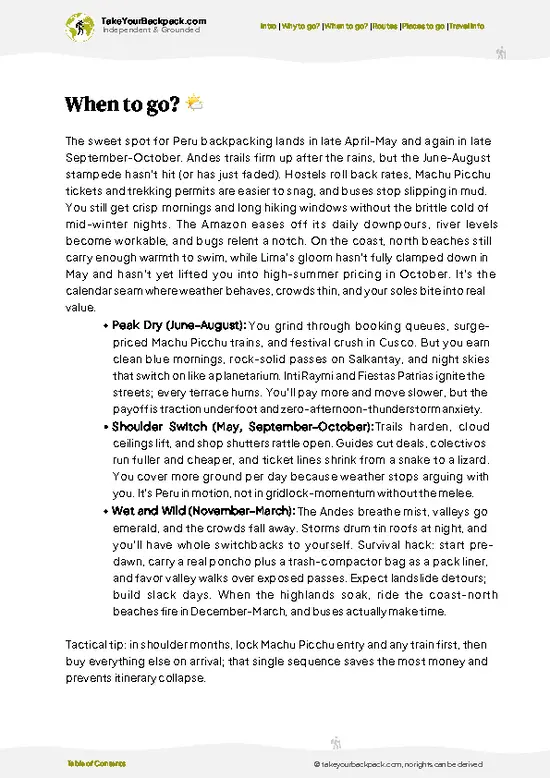
  • Topic: Weather — Ilo’s coastal desert climate means dry, mild conditions year-round. From December to March, temperatures hover around 24-28°C (75-82°F), bringing warmer days but also a slight chance of coastal fog. April to November cools down to 18-22°C (64-72°F), perfect for hiking without overheating.

  • Topic: Temperature — Nights can dip to 14°C (57°F) in winter months, so pack layers. Daytime warmth is gentle, avoiding the harsh sunburn risk common in high-altitude Peru.

  • Topic: Daylight Hours — Near the equator, daylight stays steady around 12 hours year-round. This consistency lets you plan long beach walks or desert treks without worrying about early sunsets.

  • Topic: Crowds — Peak season aligns with Peruvian summer (December to March), when local tourists flock to the coast.
read more 👉

  • Topic: Weather — Ilo’s coastal desert climate means dry, mild conditions year-round. From December to March, temperatures hover around 24-28°C (75-82°F), bringing warmer days but also a slight chance of coastal fog. April to November cools down to 18-22°C (64-72°F), perfect for hiking without overheating.

  • Topic: Temperature — Nights can dip to 14°C (57°F) in winter months, so pack layers. Daytime warmth is gentle, avoiding the harsh sunburn risk common in high-altitude Peru.

  • Topic: Daylight Hours — Near the equator, daylight stays steady around 12 hours year-round. This consistency lets you plan long beach walks or desert treks without worrying about early sunsets.

  • Topic: Crowds — Peak season aligns with Peruvian summer (December to March), when local tourists flock to the coast. Visiting in shoulder months like April or October means fewer people and more space to breathe.

  • Topic: Seasonal Activities — Summer months offer vibrant beach festivals and fishing events, adding cultural spice. Off-season is quieter but ideal for exploring archaeological sites without rush.

  • Topic: Price Fluctuations — Expect higher accommodation and transport costs during summer holidays. Booking in shoulder seasons can save you 20-30%, letting you splurge on local seafood instead.


Pro-tip: Aim for late April or early October—cooler temps, thinner crowds, and a chance to catch local life in full swing without the tourist crush.


source: climatestotravel.comJANJanuary: highly recommended for travelingFEBFebruary: highly recommended for travelingMARMarch: highly recommended for travelingAPRApril: excellent for travelingMAYMay: highly recommended for travelingJUNJune: highly recommended for travelingJULJuly: highly recommended for travelingAUGAugust: highly recommended for travelingSEPSeptember: highly recommended for travelingOCTOctober: excellent for travelingNOVNovember: highly recommended for travelingDECDecember: highly recommended for traveling
peru-city-ilo
© Google |

✈️ The backpacker research shortcutPeru Travel Guide

An offline-friendly backpacking guide with optimized travel routes, ranked highlights, transport advice, and the best areas to stay.
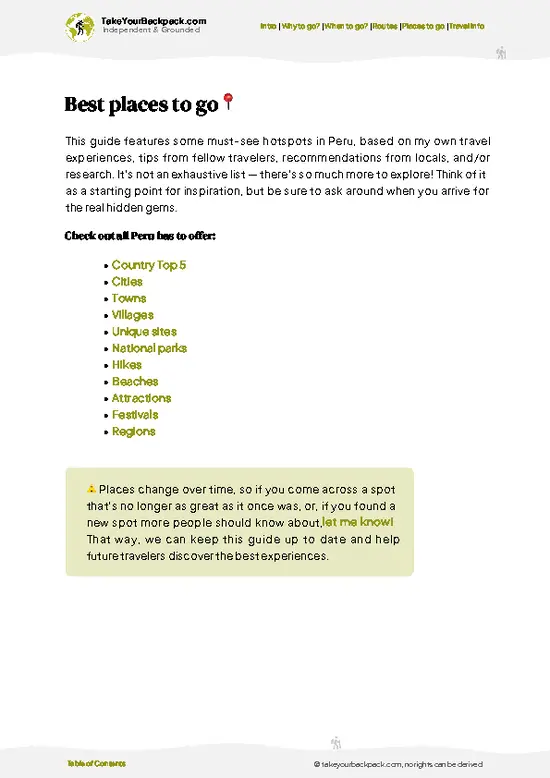
example page 0 from our offline Travel Guide for Peru
example page 1 from our offline Travel Guide for Peru
example page 2 from our offline Travel Guide for Peru
example page 3 from our offline Travel Guide for Peru
example page 4 from our offline Travel Guide for Peru
example page 5 from our offline Travel Guide for Peru
example page 6 from our offline Travel Guide for Peru
example page 7 from our offline Travel Guide for Peru
The digital guide (444 pages) contains:
118 highlights, ranked by travel appeal
Optimized 7, 14 & 21-day travel routes
Cities, national parks, landmarks, beaches
How to get around
Offline-friendly for travel without Wi-Fi
👉 Click to see all 30+ guide features

📅 Plan smarter in minutes, not weeks
Month by month travel advice
Festivals & national holidays
Budget expectations

🗺️ Go to the right places, skip the overrated ones
Honest pros & cons of destinations
Top hikes, parks & viewpoints
Lesser-known places most travelers miss
Clear “worth it vs skip it” guidance

🛏️ Travel smoothly without rookie mistakes
Best areas to stay
Transport systems explained simply
Common scams & safety advice
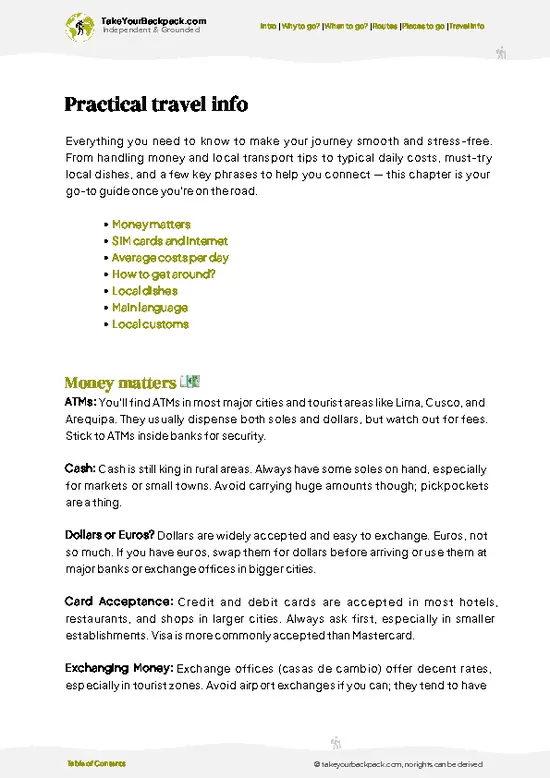
SIM cards, money & practical tips

🌍 Understand the country, not just visit it
Culture & traditions
52 Essential phrases & customs
Festivals worth planning around
Traveler-friendly historical context
Insights that make places more meaningful

📱 Built for real travel conditions
Fully downloadable PDF
Works completely offline
Optimized for phone use
Useful in remote areas & buses
Everything in one place
Save weeks of stressful planning
Get instant access to your full guide. 30‑day money-back guarantee.


By proceeding you agree to our terms.
Sent to your inbox immediately after payment • 100% Secure Checkout
Best Backpacking Travel Advisor 2025 tourism awardBest Backpacking
Travel Advisor
2025
What others say about Take Your Backpack Guides:
⭐⭐⭐⭐⭐
Fantastic, amazing amount of information!
⭐⭐⭐⭐⭐
My goodness this is amazing, it's what I've been looking for hats off too you!
⭐⭐⭐⭐⭐
I think this is absolutely BRILLIANT
⭐⭐⭐⭐
Very complete and informative. It's still missing places, but I gotta to commend you
⭐⭐⭐⭐⭐
This is truly amazing, thank you, can't wait to explore it with my kids!
⭐⭐⭐⭐⭐
Awesome resource, thank you!
⭐⭐⭐⭐⭐
This is amazing! Can't wait to explore the ones I haven't seen
⭐⭐⭐⭐
I love this! Well done, great idea.
⭐⭐⭐⭐⭐
Thanks for taking the time to make this gem!
⭐⭐⭐⭐⭐
This might be the best website I've ever seen.
⭐⭐⭐⭐⭐
Congratulations, and thank you so much for your work; it's incredibly valuable.
⭐⭐⭐⭐
In all seriousness I think you did a great job pointing out the important spots
⭐⭐⭐⭐⭐
10/10 very good
⭐⭐⭐⭐⭐
As someone who's only just starting to visit regularly this is awesome, thank you.
⭐⭐⭐⭐
Thank you very much! I'm going to visit my dad, it's going to be very useful!
⭐⭐⭐⭐⭐
This is really cool! We'll be travelling for the first time and this definitely come in handy.
⭐⭐⭐⭐⭐
You are now our minister of culture, congratulations 👨‍💼
⭐⭐⭐⭐⭐
Just wanted to tell you that this is a pearl! Going to follow your recommendations.
⭐⭐⭐⭐⭐
This is so cool. I'll definitely be using the resource for my travels soon.
⭐⭐⭐⭐⭐
This is very impressive! Good work.
⭐⭐⭐⭐⭐
This is an amazing and informative site. Very well done!

🛏️ Where to stay?How to pick the right area

In Ilo, the best spot for backpackers is the downtown area near the Plaza de Armas. This neighborhood hums with local life—early morning markets spill fresh fish and fruit scents into the air, while street vendors set up colorful stalls. It’s safe, well-lit, and packed with budget hostels where solo travelers easily strike up conversations over shared meals or rooftop views. Staying here means you’re steps from the waterfront, where the salty breeze cuts through the afternoon heat, and you can watch fishermen haul in their catch against a backdrop of cobalt waves.

Compared to the quieter, more … read more 👉
In Ilo, the best spot for backpackers is the downtown area near the Plaza de Armas. This neighborhood hums with local life—early morning markets spill fresh fish and fruit scents into the air, while street vendors set up colorful stalls. It’s safe, well-lit, and packed with budget hostels where solo travelers easily strike up conversations over shared meals or rooftop views. Staying here means you’re steps from the waterfront, where the salty breeze cuts through the afternoon heat, and you can watch fishermen haul in their catch against a backdrop of cobalt waves.

Compared to the quieter, more residential outskirts, downtown offers a pulse that keeps you connected to the city’s rhythm without feeling overwhelming. The streets are walkable, and the mix of locals and travelers creates a social vibe that’s both welcoming and low-key. If you veer too far from this hub, you risk losing that easy access to communal spaces and the spontaneous camaraderie that makes backpacking in Ilo feel like more than just a stopover.

🚌 Getting aroundMoving around without the hassle

Ilo moves at its own rhythm—less a clock-driven city, more a place where the sun’s angle and the salty breeze dictate your pace. The streets hum with a laid-back energy, where vendors call out with a casual cadence and locals navigate the town with a mix of practiced ease and spontaneous detours. It’s not about catching a bus at the exact minute but about reading the flow of people and vehicles, feeling the warmth of the afternoon light on the pavement, and letting the day unfold naturally. For a budget traveler, this means embracing a bit of unpredictability while knowing the core transit options that keep you connected without draining your wallet.


  • Walking: Ilo’s compact center is best explored on foot. The air carries a faint scent of the ocean mixed with street food spices, and the
read more 👉
Ilo moves at its own rhythm—less a clock-driven city, more a place where the sun’s angle and the salty breeze dictate your pace. The streets hum with a laid-back energy, where vendors call out with a casual cadence and locals navigate the town with a mix of practiced ease and spontaneous detours. It’s not about catching a bus at the exact minute but about reading the flow of people and vehicles, feeling the warmth of the afternoon light on the pavement, and letting the day unfold naturally. For a budget traveler, this means embracing a bit of unpredictability while knowing the core transit options that keep you connected without draining your wallet.


  • Walking: Ilo’s compact center is best explored on foot. The air carries a faint scent of the ocean mixed with street food spices, and the short distances let you soak in the town’s textures—weathered walls, colorful markets, and the occasional stray dog lazing in the sun. Walking is free, flexible, and the fastest way to get a real feel for the place.


  • Colectivos (Shared Taxis): These minibuses or vans run on set routes but don’t stick to strict schedules—expect them to leave once full. Fares hover around a few soles, making them a cheap and relatively quick way to reach nearby beaches or neighborhoods. They’re a bit cramped but offer a direct, no-frills ride with locals who’ll often chat you up or share travel tips.


  • Mototaxis: Perfect for short hops within town, mototaxis zip through narrow streets where larger vehicles can’t go. They’re affordable and fast, but always agree on the fare before hopping on to avoid surprises. The breeze on your face and the open-air ride make it a sensory experience, though not ideal if you’re carrying heavy gear.


  • Public Buses: For longer trips out of Ilo, public buses connect to regional hubs. They run from early morning until early evening, with fares that won’t break your budget. Buses are slower and less comfortable than private shuttles but offer a genuine slice of local life—expect stops for snacks, quick chats, and the occasional roadside market.


  • Taxi Services: Metered taxis exist but are pricier and less common for budget travelers. They’re best reserved for late-night rides or when you’re carrying heavy luggage. Negotiate a flat rate upfront if meters aren’t used, and enjoy a smoother, more private ride through the town’s quieter streets.

👛 Costs (as of 13 May 2025)Travel costs and budget guide for Ilo

Backpacking in Ilo, Peru, offers a raw, coastal vibe with costs that stay gentle on your wallet, making it a solid stop for travelers who want to stretch their soles and soles of cash alike.
  • Dorm Accommodation: Expect to pay around $8 to $15 per night for a bed in a basic hostel dorm. These places are simple but clean, often with ocean breezes sneaking through open windows, which beats the hum of AC any day.
  • Meals: Street food and local eateries dominate here. A hearty plate of ceviche or grilled fish with rice and beans will set you back about $2 to $5. If you opt for a sit-down meal at a modest restaurant, budget $5 to $8. Fresh seafood is the star, and the salty air makes it taste even better.
  • Local Transport: Public minibuses and colectivos are the go-to, costing roughly $0.50 to $1
read more 👉
Backpacking in Ilo, Peru, offers a raw, coastal vibe with costs that stay gentle on your wallet, making it a solid stop for travelers who want to stretch their soles and soles of cash alike.
  • Dorm Accommodation: Expect to pay around $8 to $15 per night for a bed in a basic hostel dorm. These places are simple but clean, often with ocean breezes sneaking through open windows, which beats the hum of AC any day.
  • Meals: Street food and local eateries dominate here. A hearty plate of ceviche or grilled fish with rice and beans will set you back about $2 to $5. If you opt for a sit-down meal at a modest restaurant, budget $5 to $8. Fresh seafood is the star, and the salty air makes it taste even better.
  • Local Transport: Public minibuses and colectivos are the go-to, costing roughly $0.50 to $1 per ride. They’re packed, lively, and a bit of a sensory overload, but they get you where you need to go without draining your funds.
  • Basic Activities/Entry Fees: Most local attractions, like beaches and small museums, are free or charge a nominal fee around $1 to $3. If you want to explore nearby natural reserves or take a boat trip, expect to pay $10 to $20, depending on the tour’s length and inclusions.
  • Miscellaneous Expenses: Water, snacks, and occasional treats like a cold drink or a local craft can add up to $2 to $5 daily. Keep a small buffer for unexpected expenses like laundry or a quick taxi if the sun’s too brutal.

All told, you’re looking at a daily budget between $15 and $35. This range covers the essentials without skimping on the experience. The salty breeze, the sound of waves, and the taste of fresh fish make every dollar feel like a ticket to a genuine slice of Peruvian coastal life.


source: peru.travel
⚠️ Prices can change and everyone travels differently, so take this as a rough guide. Hope it helps you plan your adventure!

🚌 Day tripsExploring the surroundings

Ilo, Peru, is a fantastic launchpad for day trips that reveal the region’s raw beauty and culture. The coastal town buzzes with life, and from here, you can dive into adventures that make the effort worthwhile.

1. Moquegua Valley
Just a couple of hours from Ilo, the Moquegua Valley is a feast for the senses. Picture lush vineyards and the sweet scent of grapes mingling with the crisp mountain air. You can explore local wineries, taste the region’s famed wines, and soak in the stunning views of terraced fields. The bus ride costs around 10 soles and takes about 2 hours. Aim for the dry season, from May to October, when the weather is perfect for wandering. A common mistake? Skipping the small, family-run wineries; they often offer the most authentic experiences.


2. Punta de Bombón
read more 👉
Ilo, Peru, is a fantastic launchpad for day trips that reveal the region’s raw beauty and culture. The coastal town buzzes with life, and from here, you can dive into adventures that make the effort worthwhile.

1. Moquegua Valley
Just a couple of hours from Ilo, the Moquegua Valley is a feast for the senses. Picture lush vineyards and the sweet scent of grapes mingling with the crisp mountain air. You can explore local wineries, taste the region’s famed wines, and soak in the stunning views of terraced fields. The bus ride costs around 10 soles and takes about 2 hours. Aim for the dry season, from May to October, when the weather is perfect for wandering. A common mistake? Skipping the small, family-run wineries; they often offer the most authentic experiences.


2. Punta de Bombón
A quick 30-minute ride from Ilo, Punta de Bombón is a serene beach escape. The golden sands stretch out, and the sound of waves crashing is a soothing backdrop. Grab a ceviche from a local vendor and enjoy it while watching fishermen haul in their catch. The trip is budget-friendly, costing around 5 soles. Visit during the summer months (December to March) for the best beach weather. Many first-timers miss the chance to explore the nearby mangroves, which are teeming with wildlife.


3. La Yarada
Only about an hour away, La Yarada offers a glimpse into Peru’s coastal desert landscape. The stark beauty of the dunes is mesmerizing, and you can hike or even try sandboarding. The total cost for transport is roughly 15 soles. The best time to visit is during the cooler months, from June to September. A common pitfall is underestimating the sun; bring plenty of water and sunscreen to stay hydrated and protected.


4. Ilo’s Coastal Cliffs
Right at your doorstep, the coastal cliffs of Ilo are a must-see. A short walk from the town center leads you to breathtaking views of the Pacific Ocean crashing against rugged rocks. The best time to visit is early morning for stunning sunrises. This trip is free, but the experience is priceless. Many overlook the local trails; take the time to explore them for a more intimate connection with the landscape.
Want to know what more Peru offers?
The Peru Travel Guide describes 118 highlights, from cities to national parks, from beaches to hikes

Get the Travel Guide -

🍲 FoodWhat to Eat & Drink

In Ilo, Peru, food is a lively negotiation between the sea and the desert, and your palate is the prize. The city’s signature dish, ceviche, arrives fresh and unapologetically bright—think razor-sharp lime, fiery aji, and fish that tastes like it was swimming minutes ago. It’s not just a meal; it’s a ritual of freshness you’ll want to dive into at the bustling markets where vendors shout over the clatter, slicing fish and tossing it with practiced flair.

Backpackers find their groove in these vibrant spots, where street food stalls serve grilled anticuchos—skewers of marinated beef heart that challenge your taste buds and your courage. Casual eateries offer hearty bowls of chupe, a creamy seafood soup that feels like a warm handshake from the coast.

Drinking culture here is straightforward … read more 👉
In Ilo, Peru, food is a lively negotiation between the sea and the desert, and your palate is the prize. The city’s signature dish, ceviche, arrives fresh and unapologetically bright—think razor-sharp lime, fiery aji, and fish that tastes like it was swimming minutes ago. It’s not just a meal; it’s a ritual of freshness you’ll want to dive into at the bustling markets where vendors shout over the clatter, slicing fish and tossing it with practiced flair.

Backpackers find their groove in these vibrant spots, where street food stalls serve grilled anticuchos—skewers of marinated beef heart that challenge your taste buds and your courage. Casual eateries offer hearty bowls of chupe, a creamy seafood soup that feels like a warm handshake from the coast.

Drinking culture here is straightforward but social. Grab a cold Inca Kola or a local beer, and you’ll notice the easy camaraderie among locals and travelers alike. Sharing food is common, and meals often stretch into long conversations. Don’t rush—this is a place where eating is as much about connection as it is about flavor.

🛡️ SafetyTraveler Safety Guide

Ilo is generally safe, but a few practical tips can enhance your experience. Stay alert in crowded markets, especially around vendors selling fresh seafood. The scent of the ocean can be intoxicating, but it’s also a hotspot for pickpockets.

If you’re solo, avoid wandering too far from the main streets after dark. The atmosphere shifts, and while locals are friendly, it’s wise to stick to well-lit areas.

Watch for common scams, like overly friendly strangers offering unsolicited help or inflated prices for taxi rides. Always agree on fares beforehand.

Carry yourself confidently; a relaxed demeanor can deter unwanted attention. Trust your instincts—if something feels off, it probably is. Embrace the local vibe, and you’ll find that most interactions are genuine and warm.

Other Peruvian cities near Ilo

Explore more nearby:

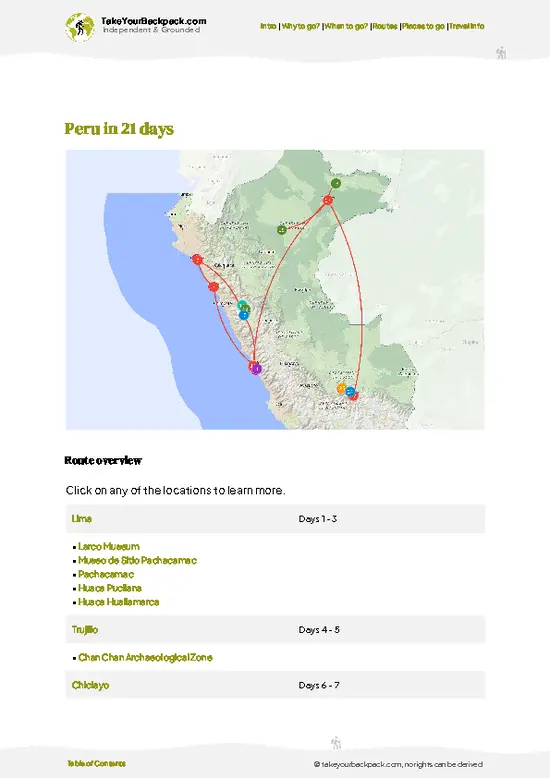
  • Tacna—border markets, pisco vineyards, war memorials| 123 km away
  • Arequipa—volcanic skyline, sillar architecture, monastery courtyards| 139 km away
  • Puno—Lake Titicaca, reed islands, folk festivals| 245 km away

💡 Not sure where to go next?
Create a personalized itinerary for Peru including Ilo and the places that fit your trip.

Generate my itinerary

👉 Discover all cities

Or checkout all Peru has to offer (think cities, towns, villages, national parks, hikes, beaches, festivals)
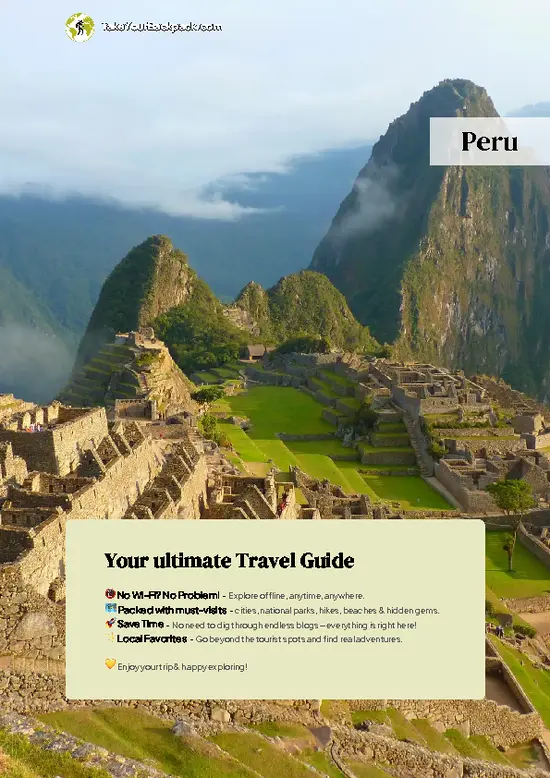
Country photo of Peru

We 💚 feedbackFinal thoughts on visiting Ilo

Ilo’s charm lies in its raw coastal vibe. The salty breeze and the sound of waves crashing create a backdrop that feels alive. You’ll find fresh ceviche that’s worth every penny. But don’t expect a bustling tourist scene; it’s quiet, and that can feel isolating. If you’re craving connection, seek out local spots. Embrace the stillness, and you’ll discover a different kind of adventure waiting for you.

✈️ When did I visit Peru?
Peru I visited during my half year trip through South and Central America back in 2003

✍️ Help improve this page!
The information on this page is based on my own backpacking experience in Peru, supplemented with up-to-date research and feedback from other travelers. Travel details can change, so if you notice anything outdated or incomplete, feel free to let me know.


🙋‍♂️ Give feedback

👋 Meet the founderWho’s Behind Take Your Backpack?

Johan, backpacker and founder of TakeYourBackpackHi, I’m Johan (Netherlands 🇳🇱), the creator of TakeYourBackpack. Over the past decade, I’ve backpacked through 80+ countries across six continents, gaining extensive experience with independent travel, long-term trips, and overland routes.

This site is built on a combination of firsthand travel experience and carefully curated insights from other backpackers. Many guides are based on places I’ve personally visited, while others bring together tips, observations, and practical advice shared by trusted travelers I’ve met along the way.

The goal is to provide realistic, experience-driven guidance — not generic itineraries — so you can explore destinations with better context, clearer expectations, and more confidence.

Get full Peru guide •
Instant download • 118 highlights • Full Offline guide