×

Peru🇵🇪 | citiesTacnaborder markets, pisco vineyards, war memorials | things to do and best time to go

Explore PucallpaExplore Puerto Maldonado

Backpacking in Tacna
👀 For curious travelerscity ranked #15
By Johan Kruseman 🇳🇱 | Updated September 4, 2026

You land in Tacna with one big fork in the road: do you treat it as a quick border hop to reset your Chilean visa, or slow down and actually give the city a day or two of your itinerary and budget. That choice matters, because Tacna, way down in Peru’s far south near the Chilean border, is less about bucket-list sights and more about understanding how a real Peruvian border city works.

For backpackers, Tacna is cheap, safe by Peruvian standards, and logistically easy: buses everywhere, walkable center, plenty of basic hospedajes. The core around Plaza de Armas and the cathedral is handsome, with a couple of solid museums and surprisingly good food thanks to cross-border trade. Nightlife is low-key but exists if you look; meeting other travelers is harder than in Arequipa or Cusco because most people are just passing through. The vibe is practical, commercial, a bit dusty, but if you like watching everyday life more than chasing postcards, Tacna quietly rewards the time you give it.

Discover everything you want to know in the 📖 Peru Travel Guide.


Get your Peru guide
113 ranked highlights, routes & tips, works offline (416 pages)
Loading the map 🌍
CLICK TO FILTER
cities
towns
villages
landmarks
national parks
hikes
beaches
attractions
festivals
regions
SHOW COUNTRY’S BESTSHOW ALL

✨ Why go?
Ranked #15 city in Peru
What sets this place apart

Tacna is a strategic stop for backpackers weaving through southern Peru. It offers a solid basecamp for day trips to stunning landscapes and cultural sites nearby. The hostels here are budget-friendly and often buzzing with fellow travelers, making it easy to swap stories and tips. You’ll find a variety of food options, from street vendors to cozy cafes, serving up local flavors without breaking the bank. The city is walkable, allowing you to explore its vibrant streets and markets at your own pace. When the sun sets, the nightlife kicks in, with bars and clubs that cater to a youthful crowd. Plus, Tacna’s easy onward travel options make it a convenient launchpad for your next adventure. If you’re looking for a place to recharge and connect, Tacna fits the bill perfectly.
Want to include Tacna in your Peru route?
Create a personalized Peru itinerary that includes Tacna and the places that fit your trip — based on your travel style, budget, and available time. Get your route in seconds.

Generate my trip

💡 HighlightsPlaces and moments you shouldn't skip

  • Plaza de Armas (Plaza de Tacna): The social heart of the city — shady trees, colonial arcades, locals sitting with mates, and a great place to people-watch while you figure out where to eat next.
  • Catedral de Tacna: Impressive 19th-/20th-century stone cathedral on the Plaza; good for architecture, quiet interior details, and a sense of how Tacna expresses civic pride through religion and design.
  • Paseo Cívico & Arco Parabólico: A short civic promenade full of monuments to the War of the Pacific and the distinctive parabolic arch — the patriotic vibe is real, and it’s a prime spot for photos and local ceremonies.
  • Casa Museo Jorge Basadre: The preserved home/museum of Tacna’s most famous historian. You’ll get context about Tacna’s identity, resistance during the occupation years, and
read more 👉
  • Plaza de Armas (Plaza de Tacna): The social heart of the city — shady trees, colonial arcades, locals sitting with mates, and a great place to people-watch while you figure out where to eat next.
  • Catedral de Tacna: Impressive 19th-/20th-century stone cathedral on the Plaza; good for architecture, quiet interior details, and a sense of how Tacna expresses civic pride through religion and design.
  • Paseo Cívico & Arco Parabólico: A short civic promenade full of monuments to the War of the Pacific and the distinctive parabolic arch — the patriotic vibe is real, and it’s a prime spot for photos and local ceremonies.
  • Casa Museo Jorge Basadre: The preserved home/museum of Tacna’s most famous historian. You’ll get context about Tacna’s identity, resistance during the occupation years, and Basadre’s influence on modern Peruvian history.
  • Museo Ferroviario / Antigua Estación Tacna: The old Tacna-Arica railway station and its small railway museum — interesting if you like industrial history, vintage locomotives, and the story of this border region’s transport links.
  • Mercado Central: Loud, colorful, and delicious — one of the best places to taste local staples, buy fresh produce, or grab cheap street food. You’ll see how Tacneños eat and live day to day.
  • Estadio Jorge Basadre: More than a stadium — catch a local match if you can. The atmosphere shows Tacna’s sporting culture and local pride in a way museums can’t replicate.
  • Casa de la Cultura / Centro Cultural: A small arts-and-events hub where regional crafts, rotating exhibitions, and local performances give you a direct line to Tacna’s contemporary creative scene.
  • Calle Zela and the Historic Walking Block: A compact slice of Tacna’s older architecture, cafés, and shops. It’s the kind of street where you can wander without a plan and still stumble on interesting façades or a good empanada.
  • Cementerio General (historic cemetery): Don’t skip it if you’re into history — mausoleums and memorials here tell Tacna’s story, including memorials to local figures and the long memory of the War of the Pacific.
A few excellent day trips from Tacna: cross-border Arica (Chile) for a very different coastal vibe, the Miculla geoglyphs to see huge ancient ground figures nearby, and the greenish canyons of the Sama Valley — personal favorite: the Miculla geoglyphs.
Spotted a mistake or missing something? Contact us.

🏘️ NeighborhoodsUnderstanding the local layout

Tacna is a bustling hub in southern Peru, offering a unique blend of culture and convenience for backpackers. Here’s how the neighborhoods stack up:

Centro Histórico: This is the heart of Tacna, where colonial architecture meets vibrant street life. It’s walkable, with plenty of budget-friendly eateries and shops. Nightlife is lively but not overwhelming, making it suitable for both short and longer stays. Transport options are abundant, with buses and taxis readily available.

Alto de la Alianza: A bit quieter, this area is perfect for those seeking a more local vibe. It’s less touristy, with lower accommodation costs. While nightlife is minimal, you’ll find cozy cafes and parks. It’s a good choice for longer stays, as it offers a more residential feel.

La Perla: This neighborhood is known … read more 👉
Tacna is a bustling hub in southern Peru, offering a unique blend of culture and convenience for backpackers. Here’s how the neighborhoods stack up:

Centro Histórico: This is the heart of Tacna, where colonial architecture meets vibrant street life. It’s walkable, with plenty of budget-friendly eateries and shops. Nightlife is lively but not overwhelming, making it suitable for both short and longer stays. Transport options are abundant, with buses and taxis readily available.

Alto de la Alianza: A bit quieter, this area is perfect for those seeking a more local vibe. It’s less touristy, with lower accommodation costs. While nightlife is minimal, you’ll find cozy cafes and parks. It’s a good choice for longer stays, as it offers a more residential feel.

La Perla: This neighborhood is known for its markets and local food stalls. It’s a bit further from the main attractions, but the savings on food can be significant. Walkability is decent, and it’s ideal for budget travelers who want to immerse themselves in daily life.

⌛️ 1 day1-day itinerary for Tacna

Tacna, a city that pulses with history and culture, is often overlooked by travelers rushing to Peru’s more famous destinations. Yet, it offers a unique blend of local life, delicious cuisine, and intriguing historical sites. Start your day in the bustling Plaza de Armas, where the vibrant atmosphere sets the tone. Grab a breakfast of *pan con chicharrón* from a nearby vendor—crispy pork in a bun that’s a local favorite.

After fueling up, stroll over to the Museo Histórico Regional. It’s a small but fascinating dive into Tacna’s past, showcasing artifacts from the War of the Pacific. The museum often flies under the radar, but it’s a gem that provides context for the city’s identity.

In the afternoon, head to the Mercado Central. This lively market is a sensory overload of colors and smells. … read more 👉
Tacna, a city that pulses with history and culture, is often overlooked by travelers rushing to Peru’s more famous destinations. Yet, it offers a unique blend of local life, delicious cuisine, and intriguing historical sites. Start your day in the bustling Plaza de Armas, where the vibrant atmosphere sets the tone. Grab a breakfast of *pan con chicharrón* from a nearby vendor—crispy pork in a bun that’s a local favorite.

After fueling up, stroll over to the Museo Histórico Regional. It’s a small but fascinating dive into Tacna’s past, showcasing artifacts from the War of the Pacific. The museum often flies under the radar, but it’s a gem that provides context for the city’s identity.

In the afternoon, head to the Mercado Central. This lively market is a sensory overload of colors and smells. Sample local cheeses and fruits, and don’t miss the chance to chat with vendors—many are eager to share their stories.

As evening approaches, make your way to the *Cerro Blanco*, a nearby sand dune that offers stunning sunset views. It’s a bit of a trek, but the panoramic vistas are worth every step. End your day with dinner at a local *picantería*, where you can savor traditional dishes like *adobo* while soaking in the warmth of Tacna’s hospitality.
Turn your Tacna visit into an Peru adventure
Build a complete Peru route with Tacna, hidden gems, must-see destinations, and realistic travel times included.

Generate my trip

🌤️ When to go?When to go for the best experience


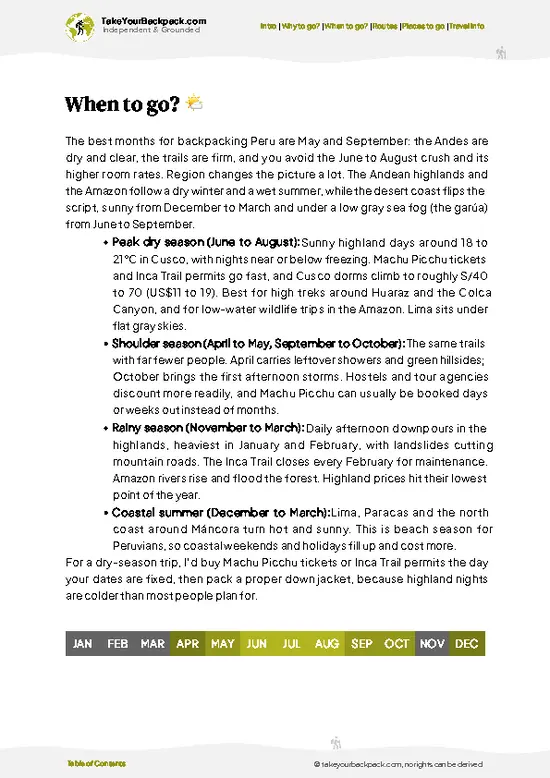
  • Weather: Tacna’s desert climate means dry conditions year-round, but summer (December to March) brings occasional heat spikes, often hitting 30–35°C (86–95°F). Winters (June to August) are cooler and more comfortable, hovering around 15–20°C (59–68°F).

  • Temperature: Daytime highs in summer can be intense, pushing comfort limits for hiking and walking. Winter mornings and nights drop to about 10°C (50°F), so pack layers if you go then.

  • Daylight Hours: Fairly stable throughout the year, around 11 to 13 hours daily. This consistency means you won’t lose daylight for exploring, regardless of season.

  • Crowds: Peak tourist flow aligns with Peruvian holidays and summer months, making winter the quieter choice for a more relaxed pace and easier accommodation booking.

  • Seasonal Activities:
read more 👉

  • Weather: Tacna’s desert climate means dry conditions year-round, but summer (December to March) brings occasional heat spikes, often hitting 30–35°C (86–95°F). Winters (June to August) are cooler and more comfortable, hovering around 15–20°C (59–68°F).

  • Temperature: Daytime highs in summer can be intense, pushing comfort limits for hiking and walking. Winter mornings and nights drop to about 10°C (50°F), so pack layers if you go then.

  • Daylight Hours: Fairly stable throughout the year, around 11 to 13 hours daily. This consistency means you won’t lose daylight for exploring, regardless of season.

  • Crowds: Peak tourist flow aligns with Peruvian holidays and summer months, making winter the quieter choice for a more relaxed pace and easier accommodation booking.

  • Seasonal Activities: Summer hosts local festivals with vibrant street life, but these can also mean inflated prices and busier streets. Winter offers calmer streets and better deals but fewer events.

  • Price Fluctuations: Expect higher prices for lodging and transport during summer and festival periods. Winter months generally bring lower costs, rewarding those willing to trade off some warmth and buzz.


Pro-tip: Visit Tacna in late spring or early fall to balance mild weather, manageable crowds, and reasonable prices—your sweet spot for a smart, comfortable backpacking experience.


source: climatestotravel.comJANJanuary: good for travelingFEBFebruary: good for travelingMARMarch: good for travelingAPRApril: highly recommended for travelingMAYMay: highly recommended for travelingJUNJune: highly recommended for travelingJULJuly: highly recommended for travelingAUGAugust: highly recommended for travelingSEPSeptember: highly recommended for travelingOCTOctober: highly recommended for travelingNOVNovember: highly recommended for travelingDECDecember: good for traveling
when-to-go

✈️ The backpacker research shortcutPeru Travel Guide

An offline-friendly backpacking guide with optimized travel routes, ranked highlights, transport advice, and the best areas to stay.
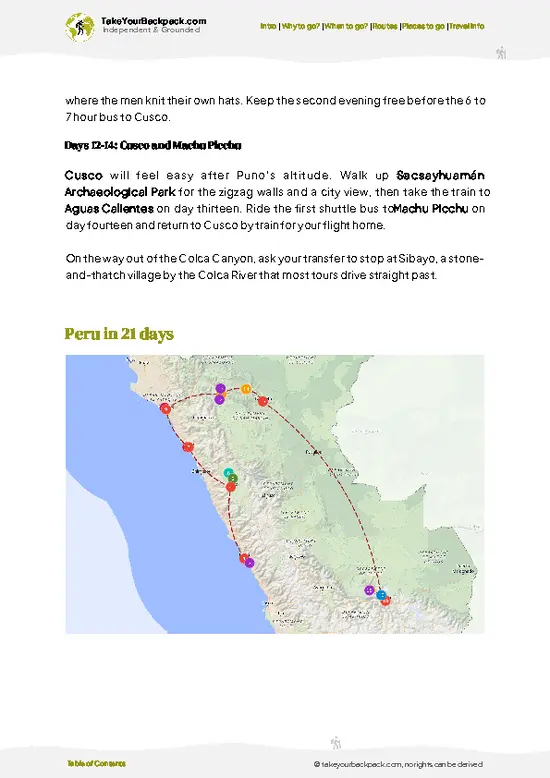
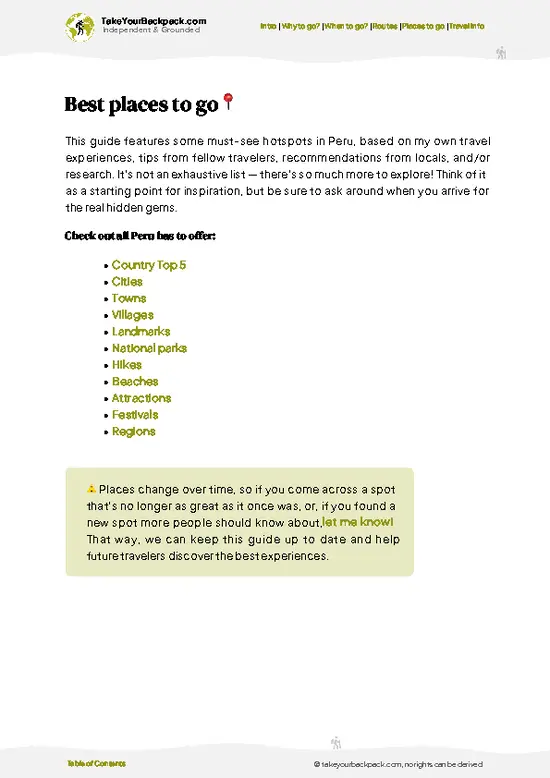
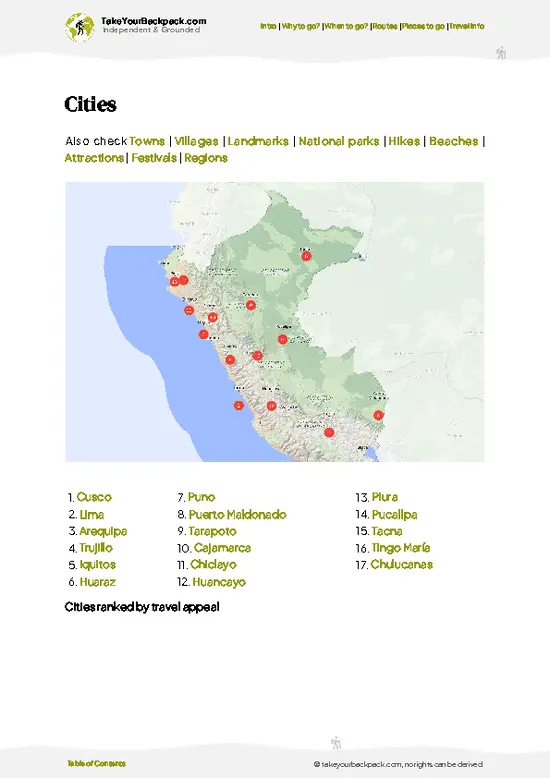
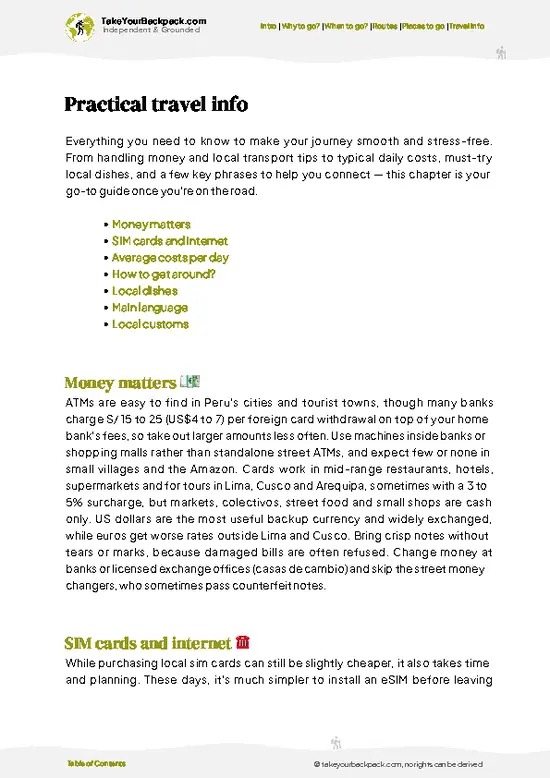
example page 0 from our offline Travel Guide for Peru
example page 1 from our offline Travel Guide for Peru
example page 2 from our offline Travel Guide for Peru
example page 3 from our offline Travel Guide for Peru
example page 4 from our offline Travel Guide for Peru
example page 5 from our offline Travel Guide for Peru
example page 6 from our offline Travel Guide for Peru
example page 7 from our offline Travel Guide for Peru
The digital guide (416 pages) contains:
113 highlights, ranked by travel appeal
Optimized 7, 14 & 21-day travel routes
Cities, national parks, landmarks, beaches
How to get around
Offline-friendly for travel without Wi-Fi
👉 Click to see all 30+ guide features

📅 Plan smarter in minutes, not weeks
Month by month travel advice
Festivals & national holidays
Budget expectations

🗺️ Go to the right places, skip the overrated ones
Honest pros & cons of destinations
Top hikes, parks & viewpoints
Lesser-known places most travelers miss
Clear “worth it vs skip it” guidance

🛏️ Travel smoothly without rookie mistakes
Best areas to stay
Transport systems explained simply
Common scams & safety advice
SIM cards, money & practical tips

🌍 Understand the country, not just visit it
Culture & traditions
52 Essential phrases & customs
Festivals worth planning around
Traveler-friendly historical context
Insights that make places more meaningful

📱 Built for real travel conditions
Fully downloadable PDF
Works completely offline
Optimized for phone use
Useful in remote areas & buses
Everything in one place
Save weeks of stressful planning
Get instant access to your full guide. 30‑day money-back guarantee.
+ Add another guide for just US$7.80

By proceeding you agree to our terms.
Sent to your inbox immediately after payment • 100% Secure Checkout
Best Backpacking Travel Advisor 2025 tourism awardBest Backpacking
Travel Advisor
2025
What others say about Take Your Backpack Guides:
⭐⭐⭐⭐⭐
Fantastic, amazing amount of information!
⭐⭐⭐⭐⭐
My goodness this is amazing, it's what I've been looking for hats off too you!
⭐⭐⭐⭐⭐
I think this is absolutely BRILLIANT
⭐⭐⭐⭐
Very complete and informative. It's still missing places, but I gotta to commend you
⭐⭐⭐⭐⭐
This is truly amazing, thank you, can't wait to explore it with my kids!
⭐⭐⭐⭐⭐
Awesome resource, thank you!
⭐⭐⭐⭐⭐
This is amazing! Can't wait to explore the ones I haven't seen
⭐⭐⭐⭐
I love this! Well done, great idea.
⭐⭐⭐⭐⭐
Thanks for taking the time to make this gem!
⭐⭐⭐⭐⭐
This might be the best website I've ever seen.
⭐⭐⭐⭐⭐
Congratulations, and thank you so much for your work; it's incredibly valuable.
⭐⭐⭐⭐
In all seriousness I think you did a great job pointing out the important spots
⭐⭐⭐⭐⭐
10/10 very good
⭐⭐⭐⭐⭐
As someone who's only just starting to visit regularly this is awesome, thank you.
⭐⭐⭐⭐
Thank you very much! I'm going to visit my dad, it's going to be very useful!
⭐⭐⭐⭐⭐
This is really cool! We'll be travelling for the first time and this definitely come in handy.
⭐⭐⭐⭐⭐
You are now our minister of culture, congratulations 👨‍💼
⭐⭐⭐⭐⭐
Just wanted to tell you that this is a pearl! Going to follow your recommendations.
⭐⭐⭐⭐⭐
This is so cool. I'll definitely be using the resource for my travels soon.
⭐⭐⭐⭐⭐
This is very impressive! Good work.
⭐⭐⭐⭐⭐
This is an amazing and informative site. Very well done!

🛏️ Where to stay?Where staying makes the most sense

Tacna’s best backpacker turf centers around the downtown core, especially near Avenida Bolognesi and the Plaza de Armas. This area strikes a smart balance between safety and social buzz—streets are busy but manageable, with plenty of budget hostels clustered close enough to walk between. You’re trading off the quiet of residential zones for easy access to markets, eateries, and nightlife, which is exactly what solo travelers and budget adventurers want: a place to meet others without sacrificing convenience.

Compared to the outskirts or more commercial districts, downtown Tacna offers a compact, … read more 👉
Tacna’s best backpacker turf centers around the downtown core, especially near Avenida Bolognesi and the Plaza de Armas. This area strikes a smart balance between safety and social buzz—streets are busy but manageable, with plenty of budget hostels clustered close enough to walk between. You’re trading off the quiet of residential zones for easy access to markets, eateries, and nightlife, which is exactly what solo travelers and budget adventurers want: a place to meet others without sacrificing convenience.

Compared to the outskirts or more commercial districts, downtown Tacna offers a compact, walkable layout that saves time and transport costs. Hostels here tend to have communal spaces that encourage interaction, so you’re not just booking a bed but plugging into a mini community. The vibe is straightforward and practical, with a local flavor that’s less polished tourist trap and more authentic urban pulse. It’s the kind of spot where you can stretch your soles and your social circle without stretching your budget.

🚌 Getting aroundGetting around like a local

Tacna moves with a rhythm that’s part clockwork, part improvisation. The city’s pulse is set by a blend of formal schedules and the street-smart hustle of locals who know when to bend the rules. You’ll find buses and colectivos that mostly stick to timetables, but expect some wiggle room—delays, detours, and spontaneous stops are part of the game. Walking here isn’t just a way to get around; it’s a way to absorb the city’s texture, from the colonial architecture to the street vendors calling out their wares. Understanding this flow means you’re not just a passenger—you’re playing the city’s transit game with an edge.


  • Walking: The ultimate budget option. Tacna’s city center is compact and walkable, letting you soak in the atmosphere without spending a dime. Expect to cover 3-5 km comfortably
read more 👉
Tacna moves with a rhythm that’s part clockwork, part improvisation. The city’s pulse is set by a blend of formal schedules and the street-smart hustle of locals who know when to bend the rules. You’ll find buses and colectivos that mostly stick to timetables, but expect some wiggle room—delays, detours, and spontaneous stops are part of the game. Walking here isn’t just a way to get around; it’s a way to absorb the city’s texture, from the colonial architecture to the street vendors calling out their wares. Understanding this flow means you’re not just a passenger—you’re playing the city’s transit game with an edge.


  • Walking: The ultimate budget option. Tacna’s city center is compact and walkable, letting you soak in the atmosphere without spending a dime. Expect to cover 3-5 km comfortably in under an hour, perfect for short hops between markets, plazas, and museums.


  • Local Buses: These run roughly from 6:00 AM to 9:00 PM, with fares around 1-2 PEN (about $0.25-$0.50). They’re slow but reliable, weaving through main streets and neighborhoods. Comfort is basic—think crowded seats and frequent stops—but the price is unbeatable.


  • Colectivos (Shared Taxis): Faster than buses and more flexible, colectivos operate from early morning until about 10:00 PM. Expect to pay 2-3 PEN ($0.50-$0.75). They follow set routes but leave when full, so timing depends on passenger flow. Comfort is moderate, with less waiting but a bit of squeeze during rush hours.


  • Mototaxis: For very short distances or off-the-beaten paths, mototaxis offer quick, cheap rides (1-2 PEN). They’re nimble but exposed to the elements and traffic chaos, so comfort and safety take a back seat to speed and convenience.


  • Intercity Buses: If you’re planning to leave Tacna or make longer trips nearby, intercity buses run from early morning until late evening. Prices vary widely (10-30 PEN), with more comfort and faster travel times than local options. These are your go-to for crossing borders or hitting regional highlights.

👛 Costs (as of 4 September 2026)How expensive it really is

Backpacking in Tacna, Peru, offers a clear trade-off between cost and comfort, with prices that reflect its status as a smaller, less tourist-heavy city. Here’s the breakdown to help you plan smartly:
  • Dorm Accommodation (High Season): Expect to pay around $8 to $12 per night. High season pushes prices up slightly due to local festivals and holidays, but dorms remain basic and clean, perfect for budget travelers who prioritize location over luxury.
  • Dorm Accommodation (Off-Season): Prices drop to about $5 to $8 per night. Off-season means fewer tourists and more bargaining power, so you can snag a bed in a decent hostel without stretching your wallet.
  • Meals: Street food and local markets dominate here, with typical meals costing between $2 and $5. A hearty plate of local specialties like
read more 👉
Backpacking in Tacna, Peru, offers a clear trade-off between cost and comfort, with prices that reflect its status as a smaller, less tourist-heavy city. Here’s the breakdown to help you plan smartly:
  • Dorm Accommodation (High Season): Expect to pay around $8 to $12 per night. High season pushes prices up slightly due to local festivals and holidays, but dorms remain basic and clean, perfect for budget travelers who prioritize location over luxury.
  • Dorm Accommodation (Off-Season): Prices drop to about $5 to $8 per night. Off-season means fewer tourists and more bargaining power, so you can snag a bed in a decent hostel without stretching your wallet.
  • Meals: Street food and local markets dominate here, with typical meals costing between $2 and $5. A hearty plate of local specialties like ceviche or anticuchos won’t break the bank and often comes with generous portions.
  • Local Transport: Short rides on colectivos or minibuses usually cost around $0.30 to $0.50. These are the go-to for getting around town quickly and cheaply, though expect a bit of a squeeze during rush hours.
  • City Transport Pass: Tacna doesn’t have a formal city transport pass system like larger cities. Budget for individual rides instead, which keeps things flexible but requires a bit more mental math.
  • Basic Activities/Entry Fees: Museums and cultural sites typically charge between $1 and $3. This is where you get a lot of value—small fees unlock rich local history and art without the crowds or high prices of Peru’s more famous destinations.
  • Miscellaneous Expenses: Think bottled water, snacks, occasional coffee, or small tips. Around $1 to $3 daily should cover these without surprises.

All told, you’re looking at a daily budget roughly between $10 and $20. This range balances the essentials without sacrificing the authentic Tacna experience. Tacna’s charm lies in its straightforward, no-frills approach to travel costs—knowing where to spend and where to save turns your trip into a smooth, savvy adventure.


source: peru.travel
⚠️ Prices can change and everyone travels differently, so take this as a rough guide. Hope it helps you plan your adventure!

🚌 Day tripsEasy escapes and nearby places

Tacna serves as a fantastic launchpad for day trips that pack a punch without draining your wallet or time. Here’s how to make the most of your base.

Arica, Chile
Just a quick 1.5-hour bus ride across the border, Arica offers a taste of Chilean coastal life. You can explore the vibrant markets, grab fresh seafood, and soak in the sun on the beach. The bus fare is around $10, making it a budget-friendly option. Just remember to bring your passport and check the bus schedules, as they can be sparse on weekends. The best time to visit is during the summer months when the weather is warm and inviting.


Putre
Head about two hours northeast to Putre, a charming Andean village that feels worlds away. Nestled at a high altitude, it’s perfect for acclimatization before tackling any serious … read more 👉
Tacna serves as a fantastic launchpad for day trips that pack a punch without draining your wallet or time. Here’s how to make the most of your base.

Arica, Chile
Just a quick 1.5-hour bus ride across the border, Arica offers a taste of Chilean coastal life. You can explore the vibrant markets, grab fresh seafood, and soak in the sun on the beach. The bus fare is around $10, making it a budget-friendly option. Just remember to bring your passport and check the bus schedules, as they can be sparse on weekends. The best time to visit is during the summer months when the weather is warm and inviting.


Putre
Head about two hours northeast to Putre, a charming Andean village that feels worlds away. Nestled at a high altitude, it’s perfect for acclimatization before tackling any serious hikes. The scenery is breathtaking, with views of snow-capped mountains and unique wildlife. Expect to spend around $15 on transport and snacks. A common mistake is underestimating the altitude; take it slow and hydrate. Late spring to early fall is ideal for clear skies and comfortable temperatures.


Laguna Verde
A three-hour trek from Tacna, Laguna Verde is a stunning emerald lake surrounded by mountains. The colors are surreal, and the tranquility is unmatched. The round-trip cost is about $20 for transport and snacks. Many miss the chance to hike around the lake, which offers the best views. Aim for the dry season, from May to September, for optimal conditions.


Cerro Blanco
For a unique experience, venture to Cerro Blanco, the tallest sand dune in the world, just 1.5 hours away. It’s a playground for sandboarding and offers panoramic views of the desert landscape. Expect to spend around $15 on transport and gear rental. First-timers often overlook the early morning hours for the best light and cooler temperatures. Visit between June and September for the best conditions.
👉 Explore Cerro Blanco
Want to know what more Peru offers?
The Peru Travel Guide describes 113 highlights, from cities to national parks, from beaches to hikes

Get the Travel Guide -

🍲 FoodLocal Cuisine & Drinks

In Tacna, the food scene is a delightful mix of Peruvian tradition and local flair. You can’t miss trying adobo tacneño, a savory pork stew that’s rich with spices, or picarones, sweet potato doughnuts drizzled with syrup. Street vendors serve these delights, filling the air with mouthwatering aromas.

For drinks, pisco sour reigns supreme. This tangy cocktail, made with pisco, lime, and egg white, is a must-try. Grab one at a local bar, where the vibe is lively and the laughter is contagious.

Dining here often means sharing tables in bustling markets, where you’ll find locals enjoying their meals with gusto. Don’t be surprised if you’re invited to join in; it’s all part of the community spirit. Just remember, it’s customary to say “¡Buen provecho!” before digging in. Enjoy the flavors and the camaraderie!

🛡️ SafetyStaying Safe: What Travelers Should Know

Tacna is generally safe for backpackers, but a few smart habits can enhance your experience. Stay aware in crowded areas like the main square, where pickpockets may lurk. If you’re solo, avoid wandering too far from well-lit streets at night; stick to the busier parts of town.

Common scams include overly friendly locals offering unsolicited help or guiding you to shops with inflated prices. Politely decline and trust your instincts. Carry only what you need and keep your valuables close. By staying alert and maintaining a confident demeanor, you’ll navigate Tacna with ease, enjoying its vibrant culture without unnecessary hassle.

FAQFrequently asked questions about Tacna

2 to 3 days are sufficient to explore Tacna, covering its main attractions like the Plaza de Armas, local markets, and nearby archaeological sites. This timeframe allows for a relaxed pace and some day trips to nearby areas such as the Valley of the Volcanoes.
Yes, Tacna is generally safe for solo backpackers, especially during the day and in well-populated areas. Standard precautions like avoiding isolated spots at night and keeping an eye on belongings are advised.
Tacna is known for its strong patriotic spirit, historical significance in the War of the Pacific, and its vibrant local cuisine. It is also famous for its duty-free shopping and proximity to natural attractions like the Valley of the Volcanoes.
⚠️ Things can change over time, so always validate details locally before you go.

Other Peruvian cities near Tacna

Explore more nearby:

  • Arequipa—volcanic skyline, sillar architecture, monastery courtyards| 225 km away
  • Puno—Lake Titicaca, reed islands, folk festivals| 242 km away
  • Cusco—Inca stonework, mountain alleys, gateway to Machu Picchu| 531 km away

💡 Not sure where to go next?
Create a personalized itinerary for Peru including Tacna and the places that fit your trip.

Generate my itinerary

👉 Discover all cities

Or checkout all Peru has to offer (think cities, towns, villages, national parks, hikes, beaches, festivals)
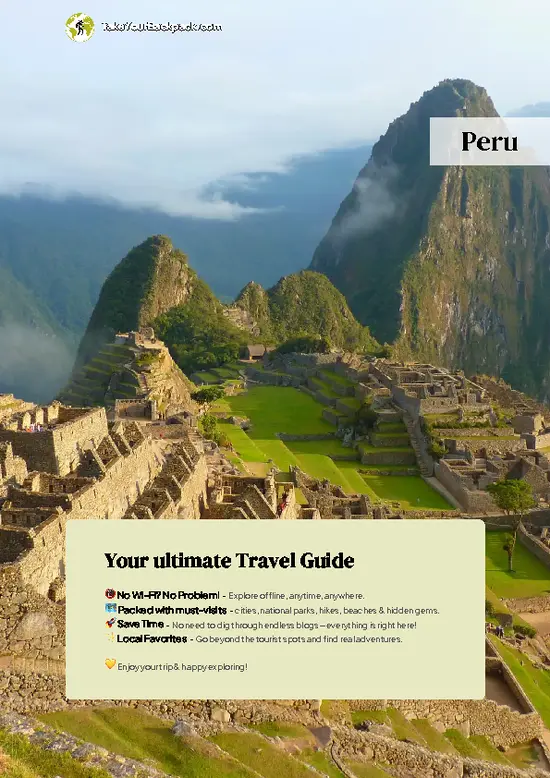
Country photo of Peru

We 💚 feedbackParting advice and final tips

Tacna offers a unique blend of Peruvian culture and Chilean influence, making it a fascinating stop. The local markets are a feast for the senses, bursting with flavors and colors. However, be prepared for the heat; it can be relentless. Embrace the sweat, and you’ll discover a city that rewards your effort with authenticity.

✈️ When did I visit Peru?
Peru I visited during my half year trip through South and Central America back in 2003

✍️ Help improve this page!
The information on this page is based on my own backpacking experience in Peru, supplemented with up-to-date research and feedback from other travelers. Travel details can change, so if you notice anything outdated or incomplete, feel free to let me know.


🙋‍♂️ Give feedback

👋 Meet the founderWho’s Behind Take Your Backpack?

Johan, backpacker and founder of TakeYourBackpackHi, I’m Johan (Netherlands 🇳🇱), the creator of TakeYourBackpack. Over the past decade, I’ve backpacked through 80+ countries across six continents, gaining extensive experience with independent travel, long-term trips, and overland routes.

This site is built on a combination of firsthand travel experience and carefully curated insights from other backpackers. Many guides are based on places I’ve personally visited, while others bring together tips, observations, and practical advice shared by trusted travelers I’ve met along the way.

The goal is to provide realistic, experience-driven guidance — not generic itineraries — so you can explore destinations with better context, clearer expectations, and more confidence.

Get full Peru guide •
Instant download • 113 highlights • Full Offline guide