v2.webp)
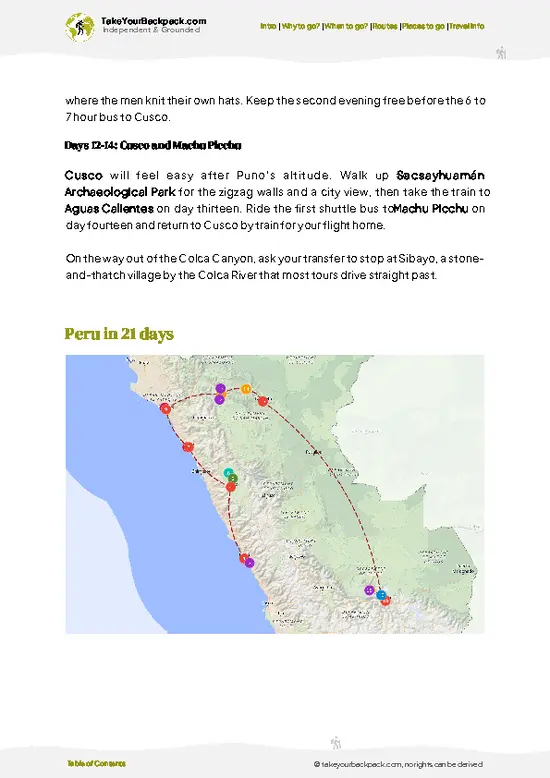
- Madre de Dios River Boat Ride: Hop on a small boat from the port for a short river cruise past forest banks. Go early morning for cooler air and birdlife. Roughly US$3 to 10 depending on route, 1 to 2 hours.
- Mirador Tower (Obelisk and Plaza de Armas area): The central plaza has a lively evening scene with families and ice cream vendors. Go at dusk. Free, 30 to 45 minutes.
- Puerto Maldonado Suspension Bridge Viewpoint (Puente Billinghurst area): Views of the river and the long bridge spanning it, an impressive piece of the highway link. Best at sunrise or late afternoon. Free, 30 minutes.
- Mercado Modelo: The central market sells jungle fruits such as camu camu and aguaje, juanes and fresh juices. Go in the morning. Meals US$2 to 4, about 1 hour.
- Lago Sandoval Day Trip: An oxbow lake reached by short
- Madre de Dios River Boat Ride: Hop on a small boat from the port for a short river cruise past forest banks. Go early morning for cooler air and birdlife. Roughly US$3 to 10 depending on route, 1 to 2 hours.
- Mirador Tower (Obelisk and Plaza de Armas area): The central plaza has a lively evening scene with families and ice cream vendors. Go at dusk. Free, 30 to 45 minutes.
- Puerto Maldonado Suspension Bridge Viewpoint (Puente Billinghurst area): Views of the river and the long bridge spanning it, an impressive piece of the highway link. Best at sunrise or late afternoon. Free, 30 minutes.
- Mercado Modelo: The central market sells jungle fruits such as camu camu and aguaje, juanes and fresh juices. Go in the morning. Meals US$2 to 4, about 1 hour.
- Lago Sandoval Day Trip: An oxbow lake reached by short walk and paddle, with giant otters and hoatzin birds possible. Best early. Guided trips about US$40 to 70 plus a reserve fee, 4 to 6 hours.
- Tambopata Macaw Clay Lick Visit: Colorful macaws gather at riverbank clay at dawn. Dry months are most reliable. Tours from about US$80 to 150, a full morning or overnight.
- Butterfly Farm Madre de Dios: A small farm on the river with butterfly breeding and guided walks. Entry around US$5 to 10, 1 to 2 hours.
Spotted a mistake or missing something? Contact us.

Best of Tambopata 3 nights by JunglePro

Pacaya Samiria Mystical 3 Days

Best of Tambopata 2 nights by JunglePro

4 Day Tambopata Jungle Tour with Local Guide

Sandoval Lake Full Day Tour in Tambopata

Fishing for Piranhas in Lake Yacumama

Tambopata 3 Day Amazon Tour: Macaws, Caimans & Jungle

Night walk and search for tarantula sloths

Tambopata Eco Jungle 3 Days Tour: (Nature and Wildlife)


 Best Backpacking
.jpg) Hi, I’m Johan (Netherlands 🇳🇱), the creator of TakeYourBackpack. Over the past 3 decades, I’ve backpacked through 90+ countries across six continents, gaining extensive experience with independent travel, long-term trips, and overland routes.
Hi, I’m Johan (Netherlands 🇳🇱), the creator of TakeYourBackpack. Over the past 3 decades, I’ve backpacked through 90+ countries across six continents, gaining extensive experience with independent travel, long-term trips, and overland routes.