
×

Peru🇵🇪 | citiesPucallpaUcayali port, Yarinacocha lagoon, Shipibo kené, motocars | things to do and best time to go

Explore PiuraExplore Tacna

Backpacking in Pucallpa
👌 Worth visitingcity ranked #14
By Johan Kruseman 🇳🇱 | Updated October 19, 2026

“Tome el motocar, joven, ten soles to the lake,” a driver called, already revving the three-wheeler while I was still folding my map. Pucallpa sits in the Ucayali region of eastern Peru, a hot, loud river port on the Ucayali River where the road from Lima ends and the Amazon begins. Skip the dusty city center, which has little to see. Spend your time at Yarinacocha lagoon, the riverside market and the Shipibo craft villages. This suits travelers who like rough edges and cheap jungle access; polished comfort seekers should pass. A first day could mean a morning market wander, then a motocar to the lagoon for sunset boats.

Discover everything you want to know in the 📖 Peru Travel Guide.


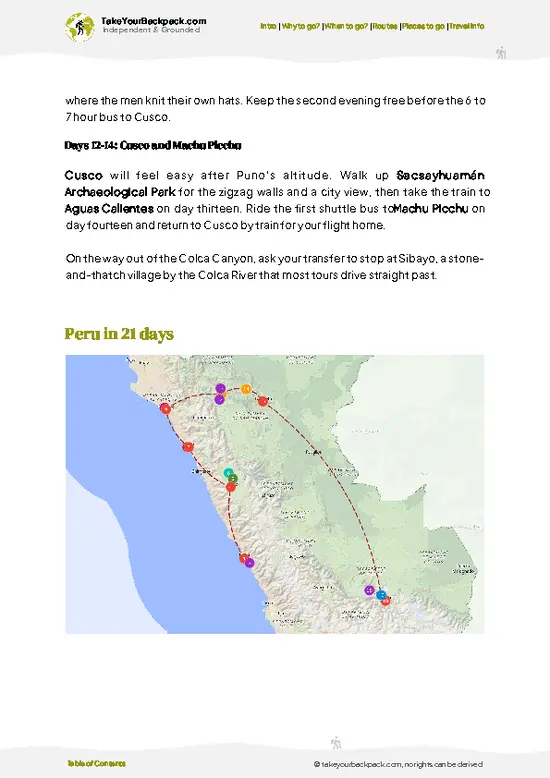
example page 0 from our offline Travel Guide for Peru
example page 1 from our offline Travel Guide for Peru
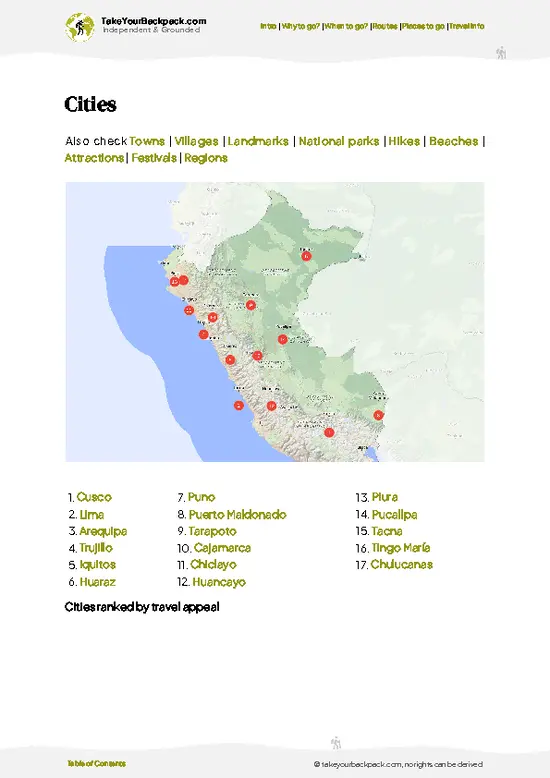
example page 2 from our offline Travel Guide for Peru
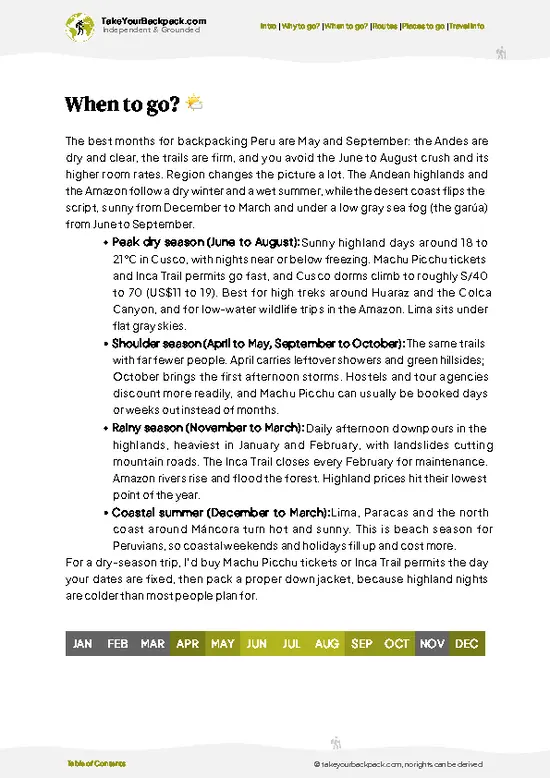
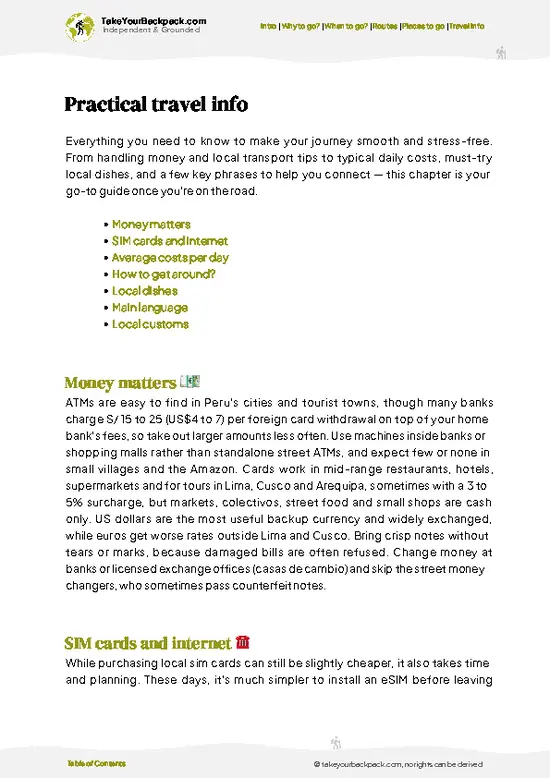
example page 3 from our offline Travel Guide for Peru
example page 4 from our offline Travel Guide for Peru
example page 5 from our offline Travel Guide for Peru
example page 6 from our offline Travel Guide for Peru
example page 7 from our offline Travel Guide for Peru
Loading the map 🌍
CLICK TO FILTER
cities
towns
villages
landmarks
national parks
hikes
beaches
attractions
festivals
regions
SHOW COUNTRY’S BESTSHOW ALL

✨ Why go?
Ranked #14 city in Peru
Why visitors keep coming back

Pucallpa is where backpackers come to reach the Amazon without a flight or a tour-agency markup. The city works as a working river port, so you can watch cargo boats load and haggle for a hammock berth heading toward Iquitos. The big draw is Yarinacocha, an oxbow lake close to town with lodges, boat guides and Shipibo-Conibo communities famous for their geometric textiles. Food is a real reason too: fresh river fish, juane and tropical fruit juices are everywhere, and they cost little. Pucallpa itself is hot, noisy and not pretty, so most people treat it as a two or three night stop on the overland route between the Andes and the jungle rather than a place to settle.

💡 HighlightsMust-see experiences and standout moments

  1. Yarinacocha Lagoon: The city’s best-known sight, a calm oxbow lake with wooden boats, floating restaurants and birdlife. Go early morning or late afternoon. Boat rides run about US$5 to 15 per person depending on the route, and half a day is right.
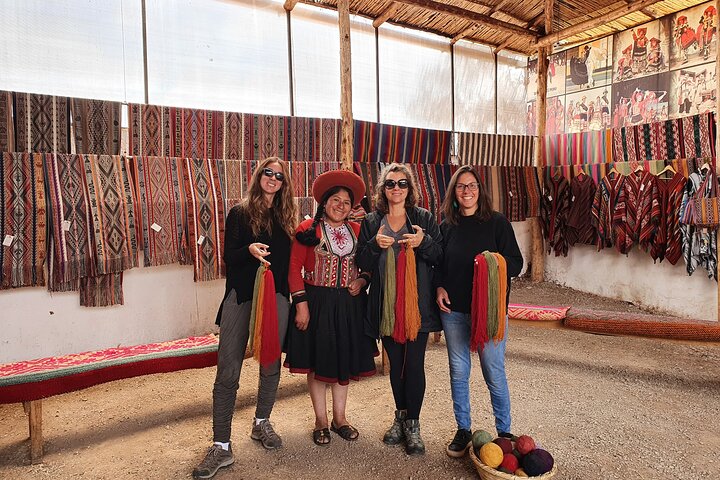
  2. San Francisco Shipibo Community: A Shipibo village on the lagoon where artisans embroider and paint kené patterns. Buying directly is the point. Visit in the morning, allow 1 to 2 hours, and expect entry to be free or a small donation.
  3. Parque Natural de Pucallpa: A small zoo and rescue center with Amazon animals such as jaguars, sloths and caimans. Go in the morning when animals are more active. Entry is roughly US$1 to 2 and a visit takes about 1 to 2 hours.
  4. Malecón Grau: The riverfront promenade overlooking the Ucayali, good for river traffic and
… read more 👉
  1. Yarinacocha Lagoon: The city’s best-known sight, a calm oxbow lake with wooden boats, floating restaurants and birdlife. Go early morning or late afternoon. Boat rides run about US$5 to 15 per person depending on the route, and half a day is right.
  2. San Francisco Shipibo Community: A Shipibo village on the lagoon where artisans embroider and paint kené patterns. Buying directly is the point. Visit in the morning, allow 1 to 2 hours, and expect entry to be free or a small donation.
  3. Parque Natural de Pucallpa: A small zoo and rescue center with Amazon animals such as jaguars, sloths and caimans. Go in the morning when animals are more active. Entry is roughly US$1 to 2 and a visit takes about 1 to 2 hours.
  4. Malecón Grau: The riverfront promenade overlooking the Ucayali, good for river traffic and sunsets. Evenings are best, with snack stalls open. Free, and about an hour is plenty.
  5. Plaza de Armas and Catedral: The central square with a modern cathedral and a lively evening crowd of families and vendors. Come after 6 PM. Free, 30 minutes.
  6. Mercado Number 2: The big working market for river fish, jungle fruit and medicinal plants. Go before 9 AM, bring small bills, and give it 1 to 2 hours.
  7. Regional Museum of Ucayali: A modest museum on Amazon cultures and Shipibo ceramics. Visit midday when heat peaks. Entry is about US$1 to 2, and 45 minutes is enough.
Pair the Shipibo village with the lagoon on one day, since boats link them easily. Day trips outside town include Lake Imiría.
Spotted a mistake or missing something? Contact us.

Things to do near Pucallpa

Ratings based on Tripadvisor reviews. When you book through this link, you support our work at no extra cost to you.

🏘️ NeighborhoodsHow different areas shape the experience

Pucallpa is flat, hot and sprawling, so pick two or three zones and attack them on foot or by mototaxi.
  • Centro and the Plaza de Armas: Start here. Shaded benches, ice cream stalls, and the Jirón Tarapacá and Sucre grid packed with juice bars, pharmacies and ATMs. Walkable in an hour, and busiest at dusk when the whole city seems to wander through.
  • Malecón Grau: Walk the riverside promenade along the Ucayali for sunset, river traffic and breezes. Skip midday, there is almost no shade. Evenings bring food carts and loud music.
  • Yarinacocha: A lagoon district about 20 minutes west of the center. Lakeside restaurants serve fresh fish, and boat operators wait at the port. Absolutely worth a half day. Ride out, then wander the waterfront on foot.
  • Mercado 2 and the port area: Loud, hot, chaotic and fantastic
… read more 👉
Pucallpa is flat, hot and sprawling, so pick two or three zones and attack them on foot or by mototaxi.
  • Centro and the Plaza de Armas: Start here. Shaded benches, ice cream stalls, and the Jirón Tarapacá and Sucre grid packed with juice bars, pharmacies and ATMs. Walkable in an hour, and busiest at dusk when the whole city seems to wander through.
  • Malecón Grau: Walk the riverside promenade along the Ucayali for sunset, river traffic and breezes. Skip midday, there is almost no shade. Evenings bring food carts and loud music.
  • Yarinacocha: A lagoon district about 20 minutes west of the center. Lakeside restaurants serve fresh fish, and boat operators wait at the port. Absolutely worth a half day. Ride out, then wander the waterfront on foot.
  • Mercado 2 and the port area: Loud, hot, chaotic and fantastic for fruit, river fish and jungle products. Go in the morning and keep your phone in your front pocket. Nightlife is tame: expect open-air bars and discos near the center.

⌛️ 1 dayHow to make the most of one day

This is a market-to-lagoon day that starts early and ends on the water.
7:00 AM: Mercado Number 2 Arrive before the heat for fish, fruit and jungle juices. Eat a juane for breakfast, then take a motocar toward the lake.
9:30 AM: Parque Natural de Pucallpa See the rescued animals while they are still active. Walk or ride on to the lagoon shore.
11:30 AM: Yarinacocha Lagoon Hire a boat guide for a loop past birdlife and floating houses. Agree on the price before boarding.
1:00 PM: Lunch at the lagoon Order grilled river fish at a waterfront restaurant and rest through the hottest hours.
2:30 PM: San Francisco Shipibo Community Meet artisans and buy textiles directly from the makers. It feels more personal than the city shops.
4:30 PM: Regional Museum of Ucayali A short detour back in town for context … read more 👉
This is a market-to-lagoon day that starts early and ends on the water.
7:00 AM: Mercado Number 2 Arrive before the heat for fish, fruit and jungle juices. Eat a juane for breakfast, then take a motocar toward the lake.
9:30 AM: Parque Natural de Pucallpa See the rescued animals while they are still active. Walk or ride on to the lagoon shore.
11:30 AM: Yarinacocha Lagoon Hire a boat guide for a loop past birdlife and floating houses. Agree on the price before boarding.
1:00 PM: Lunch at the lagoon Order grilled river fish at a waterfront restaurant and rest through the hottest hours.
2:30 PM: San Francisco Shipibo Community Meet artisans and buy textiles directly from the makers. It feels more personal than the city shops.
4:30 PM: Regional Museum of Ucayali A short detour back in town for context on the cultures you just met. Few travelers bother, and it is quick.
6:00 PM: Malecón Grau Finish at the riverfront with a cold drink as the Ucayali turns orange and the cargo boats settle for the night.

🌤️ When to go?Weather, crowds, and seasonal trade-offs

June to September is the easiest window, with the least rain and the most comfortable evenings.
  • Dry Season (June to September): Days reach 31 to 34°C (88 to 93°F), nights 20 to 22°C (68 to 72°F). River beaches appear and roads are reliable. Prices stay steady, as Pucallpa sees few foreign crowds.
  • Wet Season (November to April): Downpours are frequent, humidity is heavy, and unpaved roads turn to mud. Lagoon trips stay possible, and lodging is easy to find.
  • Shoulder Months (May, October): Mixed sun and showers, with temperatures around 30 to 33°C (86 to 91°F).
  • Festivals: Late June brings San Juan celebrations and the city’s anniversary falls in October, so book ahead.
Bring a light rain jacket whatever the month.

source: climatestotravel.comJANJanuary: fair for travelingFEBFebruary: fair for travelingMARMarch: fair for travelingAPRApril: fair for travelingMAYMay: highly recommended for travelingJUNJune: highly recommended for travelingJULJuly: good for travelingAUGAugust: good for travelingSEPSeptember: highly recommended for travelingOCTOctober: highly recommended for travelingNOVNovember: fair for travelingDECDecember: fair for traveling
when-to-go

✈️ The backpacker research shortcutPeru Travel Guide

An offline-friendly backpacking guide with optimized travel routes, ranked highlights, transport advice, and the best areas to stay.
example page 0 from our offline Travel Guide for Peru
example page 1 from our offline Travel Guide for Peru
example page 2 from our offline Travel Guide for Peru
example page 3 from our offline Travel Guide for Peru
example page 4 from our offline Travel Guide for Peru
example page 5 from our offline Travel Guide for Peru
example page 6 from our offline Travel Guide for Peru
example page 7 from our offline Travel Guide for Peru
The digital guide (310 pages) contains:
✅ 102 highlights, ranked by travel appeal
✅ Optimized 7, 14 & 21-day travel routes
✅ Cities, national parks, landmarks, beaches
✅ How to get around
✅ Offline-friendly for travel without Wi-Fi
👉 Click to see all 30+ guide features

📅 Plan smarter in minutes, not weeks
✅ Month by month travel advice
✅ Festivals & national holidays
✅ Budget expectations

🗺️ Go to the right places, skip the overrated ones
✅ Honest pros & cons of destinations
✅ Top hikes, parks & viewpoints
✅ Lesser-known places most travelers miss
✅ Clear “worth it vs skip it” guidance

🛏️ Travel smoothly without rookie mistakes
✅ Best areas to stay
✅ Transport systems explained simply
✅ Common scams & safety advice
✅ SIM cards, money & practical tips

🌍 Understand the country, not just visit it
✅ Culture & traditions
✅ 52 Essential phrases & customs
✅ Festivals worth planning around
✅ Traveler-friendly historical context
✅ Insights that make places more meaningful

📱 Built for real travel conditions
✅ Fully downloadable PDF
✅ Works completely offline
✅ Optimized for phone use
✅ Useful in remote areas & buses
✅ Everything in one place
Stop searching, start planning
Get instant access to your full guide. 30‑day money-back guarantee.
+ Add another guide for just

By proceeding you agree to our terms.
Sent to your inbox immediately after payment • 100% Secure Checkout
Best Backpacking Travel Advisor 2025 tourism awardBest Backpacking
Travel Advisor
2025
What others say about Take Your Backpack Guides:
⭐⭐⭐⭐⭐
Fantastic, amazing amount of information!
⭐⭐⭐⭐⭐
My goodness this is amazing, it's what I've been looking for hats off too you!
⭐⭐⭐⭐⭐
I think this is absolutely BRILLIANT
⭐⭐⭐⭐
Very complete and informative. It's still missing places, but I gotta to commend you
⭐⭐⭐⭐⭐
This is truly amazing, thank you, can't wait to explore it with my kids!
⭐⭐⭐⭐⭐
Awesome resource, thank you!
⭐⭐⭐⭐⭐
This is amazing! Can't wait to explore the ones I haven't seen
⭐⭐⭐⭐
I love this! Well done, great idea.
⭐⭐⭐⭐⭐
Thanks for taking the time to make this gem!
⭐⭐⭐⭐⭐
This might be the best website I've ever seen.
⭐⭐⭐⭐⭐
Congratulations, and thank you so much for your work; it's incredibly valuable.
⭐⭐⭐⭐
In all seriousness I think you did a great job pointing out the important spots
⭐⭐⭐⭐⭐
10/10 very good
⭐⭐⭐⭐⭐
As someone who's only just starting to visit regularly this is awesome, thank you.
⭐⭐⭐⭐
Thank you very much! I'm going to visit my dad, it's going to be very useful!
⭐⭐⭐⭐⭐
This is really cool! We'll be travelling for the first time and this definitely come in handy.
⭐⭐⭐⭐⭐
You are now our minister of culture, congratulations 👨‍💼
⭐⭐⭐⭐⭐
Just wanted to tell you that this is a pearl! Going to follow your recommendations.
⭐⭐⭐⭐⭐
This is so cool. I'll definitely be using the resource for my travels soon.
⭐⭐⭐⭐⭐
This is very impressive! Good work.
⭐⭐⭐⭐⭐
This is an amazing and informative site. Very well done!

🛏️ Where to stay?Best areas and accommodation options

The center, around the Plaza de Armas, is the best bet for a budget bed, with dorms and basic private rooms usually costing US$8 to 25 a night. It is walkable to restaurants, ATMs, bus offices and the Malecón, and mototaxis pass every minute. Streets stay lit and populated until late, though weekend bars bring some noise, so ask for a room away from the street. The second area is Yarinacocha, which suits you if you want quiet lakeside evenings, hammocks and easy boat access. Options there are fewer and slightly pricier for what you get, and the ride into town takes about 20 minutes. Choose the … read more 👉
The center, around the Plaza de Armas, is the best bet for a budget bed, with dorms and basic private rooms usually costing US$8 to 25 a night. It is walkable to restaurants, ATMs, bus offices and the Malecón, and mototaxis pass every minute. Streets stay lit and populated until late, though weekend bars bring some noise, so ask for a room away from the street. The second area is Yarinacocha, which suits you if you want quiet lakeside evenings, hammocks and easy boat access. Options there are fewer and slightly pricier for what you get, and the ride into town takes about 20 minutes. Choose the center if you arrive late or travel on by bus or boat, and Yarinacocha if you want to stay two or more nights.

🚌 Getting aroundHow to get from A to B

A mototaxi ride within the center costs US$0.50 to 1.30, paid in cash (soles) at the end of the trip, and you agree on the fare before climbing in. The city is flat and hot, so walking suits the compact center but not longer hauls. Traffic is a constant buzz of motorbikes, and there is no metro.
  • Mototaxi: The default choice. Rides in town cost US$0.50 to 1.30, and the trip to Yarinacocha runs US$2.50 to 4. Fast, breezy, a little hair-raising, and worth every sol.
  • Colectivo and combi: Shared vans and minibuses to Yarinacocha cost about US$0.30 to 0.50 and run from early morning until around 9 pm. Cheaper than a mototaxi, and you meet locals. Wait times are short.
  • Motorcycle taxi (moto-lineal): Solo riders on the back of a motorbike cost about US$0.70 to 1.50 in town. Quick in traffic, but ask
… read more 👉
A mototaxi ride within the center costs US$0.50 to 1.30, paid in cash (soles) at the end of the trip, and you agree on the fare before climbing in. The city is flat and hot, so walking suits the compact center but not longer hauls. Traffic is a constant buzz of motorbikes, and there is no metro.
  • Mototaxi: The default choice. Rides in town cost US$0.50 to 1.30, and the trip to Yarinacocha runs US$2.50 to 4. Fast, breezy, a little hair-raising, and worth every sol.
  • Colectivo and combi: Shared vans and minibuses to Yarinacocha cost about US$0.30 to 0.50 and run from early morning until around 9 pm. Cheaper than a mototaxi, and you meet locals. Wait times are short.
  • Motorcycle taxi (moto-lineal): Solo riders on the back of a motorbike cost about US$0.70 to 1.50 in town. Quick in traffic, but ask for a helmet and skip it in rain.
  • Walking: Fine for the Plaza, the Malecón and the central grid. Go early or after 4 pm, because midday heat is brutal.
  • Boats: Peque-peques (small motorized canoes) cross the Yarinacocha lagoon, costing US$1.50 to 3 for short hops, or US$10 to 15 an hour for a private boat. Negotiate before boarding.

👛 Costs (as of 19 October 2026)Travel costs and budget guide for Pucallpa

Budget about US$38 a day in Pucallpa, including a dorm bed in high season.
CategoryBudget RangeLocal Reality
Dorm (high season)US$9 to 13Basic beds, fan or air conditioning, central location
Dorm (off-season)US$7 to 10Discounts are easy to negotiate
MealsUS$10 to 14Set lunches, market juices, grilled fish
Local transportUS$2 to 4A few mototaxi or colectivo rides
City transport passUS$0No pass exists, you pay per ride
Activities and entry feesUS$5 to 8Lagoon boat shares, village visits
MiscellaneousUS$3 to 5Water, repellent, snacks, laundry
Total Daily BudgetUS$32 to 44About US$38 with a high-season dorm
Eat the set lunch rather than dinner out, since it usually includes soup, a main and a drink for the price of one plate.

source: peru.travel
⚠️ Prices can change and everyone travels differently, so take this as a rough guide. Hope it helps you plan your adventure!

🚌 Day tripsExploring the surroundings

Pucallpa works well as a base for short river and jungle outings, mostly by mototaxi, colectivo or boat.Yarinacocha Lagoon: Take a colectivo for about US$0.40 and arrive in 20 minutes. Hire a boat for US$10 to 15 an hour to reach Shipibo villages and spot birds and pink dolphins. First-timers often skip bargaining, so agree on duration and price first. Best from June to September, when water levels are friendlier.
San Francisco de Yarinacocha: This Shipibo-Konibo community sits on the lagoon, roughly 45 minutes by boat from the port. Embroidered textiles and ceramics cost US$3 to 30. Budget US$20 to 30 total. Go in the morning and buy directly from artisans.
Laguna Imiría: About 3.5 hours by boat from Pucallpa, this quiet lake suits birders and anglers. Joining a tour costs around US$25 to 40 … read more 👉
Pucallpa works well as a base for short river and jungle outings, mostly by mototaxi, colectivo or boat.Yarinacocha Lagoon: Take a colectivo for about US$0.40 and arrive in 20 minutes. Hire a boat for US$10 to 15 an hour to reach Shipibo villages and spot birds and pink dolphins. First-timers often skip bargaining, so agree on duration and price first. Best from June to September, when water levels are friendlier.
San Francisco de Yarinacocha: This Shipibo-Konibo community sits on the lagoon, roughly 45 minutes by boat from the port. Embroidered textiles and ceramics cost US$3 to 30. Budget US$20 to 30 total. Go in the morning and buy directly from artisans.
Laguna Imiría: About 3.5 hours by boat from Pucallpa, this quiet lake suits birders and anglers. Joining a tour costs around US$25 to 40 and a private boat costs more. Water levels are best from December to May.

🍲 FoodLocal Flavors for Backpackers

Pucallpa eats from the river and the forest. Try patarashca, fish wrapped in bijao leaves and grilled, and juane, rice with chicken and egg in a leaf, often served with cecina (smoked pork) and fried plátano. River fish like paiche and doncella show up at lakeside tables in Yarinacocha. Hunt for suri, the fat grub grilled on skewers, at street stalls near the center. For drinks, order aguaje or camu camu juice, and try masato, fermented yuca beer. Cheap set lunches (menú) run US$2 to 3.50 near the market and the Plaza. Evenings, the Malecón fills with grill carts and juice stands.

🛡️ SafetyStaying Safe: What Travelers Should Know

Pucallpa is manageable if you use normal city sense. Petty theft, mainly phone snatching and bag grabs, happens around Mercado 2, the port and crowded mototaxi stops, so carry only what you need and keep valuables out of sight. After dark, take a mototaxi rather than walking quiet back streets or the Malecón far from the Plaza. Solo travelers, including women, usually get by fine, though unwanted attention happens. Agree on fares before riding, because quoted prices for foreigners can be inflated. Tours offered by street touts on the river deserve a second look, so book through your lodging or a known operator. Mosquito protection matters more than crime here.

FAQCommon questions from travelers

Two days is enough for Pucallpa itself, one for the Plaza, Malecón and market and one for Yarinacocha Lagoon. Add a third day if you want a Shipibo village visit or a boat trip to Laguna Imiría. Many travelers also pass through on the way to or from Lima or the Amazon river route to Iquitos.
Pucallpa is reasonably safe for solo backpackers who use common sense. Petty theft is the main risk around Mercado 2 and the port, so keep your phone out of sight. Use mototaxis after dark instead of walking, which costs US$0.50 to 1.30 in town, and book boat tours through your lodging.
Pucallpa is known as the Ucayali River port and the jungle gateway of central Peru, and it is home to nearby Shipibo-Konibo communities famed for geometric textiles. Yarinacocha Lagoon, 20 minutes from the center, is the main draw, with boat trips and fresh fish. The city is also a hub for river travel toward Iquitos, which takes several days by cargo boat.
⚠️ Things can change over time, so always validate details locally before you go.

Other Peruvian cities near Pucallpa

Explore more nearby:

  • Tingo María—Oilbird cave, Huallaga valley, waterfall pools, Sleeping Beauty ridge| 185 km away
  • Tarapoto—Jungle foothills, cacao tastings, river swimming holes, mototaxi rides| 290 km away
  • Huaraz—Cordillera Blanca, glacier lakes, trekking base, altitude prep| 347 km away

💡 Not sure where to go next?
Create a personalized itinerary for Peru including Pucallpa and the places that fit your trip.

Generate my itinerary

👉 Discover all cities

Or checkout all Peru has to offer (think cities, towns, villages, national parks, hikes, beaches, festivals)
Country photo of Peru

We 💚 feedbackParting advice and final tips

Pucallpa works best as the jungle half of a Lima, Tingo María and Pucallpa overland loop, or as the launch for a slow boat north toward Iquitos. I would give it two nights, spend one at Yarinacocha, and skip the city center.

✈️ When did I visit Peru?
Peru I visited during my half year trip through South and Central America back in 2003

✍️ Help improve this page!
The information on this page is based on my own backpacking experience in Peru, supplemented with up-to-date research and feedback from other travelers. Travel details can change, so if you notice anything outdated or incomplete, feel free to let me know.


🙋‍♂️ Give feedback

👋 Meet the founderWho’s Behind Take Your Backpack?

Johan, backpacker and founder of TakeYourBackpackHi, I’m Johan (Netherlands 🇳🇱), the creator of TakeYourBackpack. Over the past 3 decades, I’ve backpacked through 90+ countries across six continents, gaining extensive experience with independent travel, long-term trips, and overland routes.

This site is built on a combination of firsthand travel experience and carefully curated insights from other backpackers. Many guides are based on places I’ve personally visited, while others bring together tips, observations, and practical advice shared by trusted travelers I’ve met along the way.

The goal is to provide realistic, experience-driven guidance — not generic itineraries — so you can explore destinations with better context, clearer expectations, and more confidence.