×

Singapore🇸🇬 | best hikesExplore the 3 Best hikes in Singapore

In Singapore, hiking is a unique blend of urban and natural landscapes, offering trails that vary significantly in difficulty, scenery, and altitude. The country’s tropical climate means that seasonal factors like monsoon rains can affect trail conditions, making some paths slippery and others more accessible.

Choosing the right hike shapes your overall experience, influencing your vibe, budget, and even your cultural immersion. For backpackers and independent travelers, understanding these nuances is crucial. Trails like the Southern Ridges offer panoramic views and a taste of local flora, while Bukit Timah Nature Reserve challenges with its steep inclines. Each hike presents a different facet of Singapore, enhancing your journey through this vibrant city-state.

By Johan Kruseman 🇳🇱 | Updated September 4, 2026
Explore the best beaches in Singapore

Why go?Why These hike Stand Out

Hiking in Singapore offers a unique blend of urban accessibility and lush, tropical landscapes. The country’s terrain variety is striking, with options ranging from flat coastal paths to hilly trails in nature reserves. This diversity allows hikers to choose experiences that fit their physical capabilities and time constraints. However, the altitude is generally modest, which means that while the hikes may not challenge seasoned trekkers, they reward with rich biodiversity and scenic views.

Trail infrastructure in Singapore is well-developed, featuring well-marked paths and amenities like rest areas and information boards. This makes hiking accessible for beginners, but it can also lead to a more sanitized experience, lacking the rugged charm found in less developed regions. The logisticsread more 👉
Hiking in Singapore offers a unique blend of urban accessibility and lush, tropical landscapes. The country’s terrain variety is striking, with options ranging from flat coastal paths to hilly trails in nature reserves. This diversity allows hikers to choose experiences that fit their physical capabilities and time constraints. However, the altitude is generally modest, which means that while the hikes may not challenge seasoned trekkers, they reward with rich biodiversity and scenic views.

Trail infrastructure in Singapore is well-developed, featuring well-marked paths and amenities like rest areas and information boards. This makes hiking accessible for beginners, but it can also lead to a more sanitized experience, lacking the rugged charm found in less developed regions. The logistics are straightforward; public transport connects many trailheads, minimizing travel time and maximizing exploration depth.

However, the climate poses challenges. High humidity and sudden rain can affect safety and comfort, particularly during the monsoon season. Hikers must weigh the trade-off between the lush, vibrant scenery during these times and the potential for slippery trails. Ultimately, Singapore’s hikes are a testament to the country’s commitment to green spaces, but understanding these constraints is crucial for a rewarding experience.
How the List Was Created
The list of best hikes in Singapore is created based on scenery, challenge, trail quality, landmarks, and overall enjoyment. If you feel a hike is missing in this list, please let us know.

When to go?When to Plan Your Trip

Weather Patterns

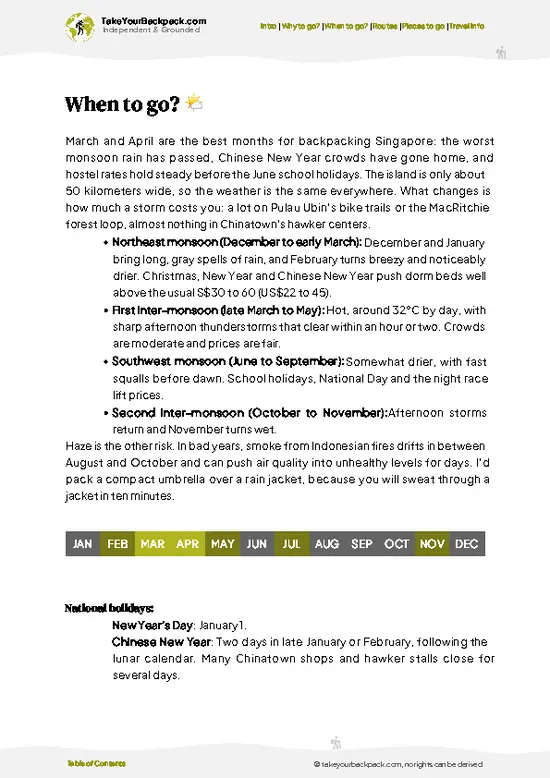
Singapore’s tropical climate means high humidity and temperatures averaging 25-31°C year-round. Rainfall is frequent, particularly during the monsoon seasons, which run from November to January and June to September. Expect sudden downpours, especially in the afternoons.

Optimal Months

The best months for hiking are typically February to April. During this period, rainfall is less intense, and temperatures are slightly cooler. Daylight hours are also longer, providing ample time for exploration.

Shoulder Seasons

May and October serve as shoulder months. While these months may still offer decent hiking conditions, they come with trade-offs. Expect higher humidity and the potential for unexpected rain. Crowds are generally lighter, which can enhance the experience, but be … read more 👉

Weather Patterns

Singapore’s tropical climate means high humidity and temperatures averaging 25-31°C year-round. Rainfall is frequent, particularly during the monsoon seasons, which run from November to January and June to September. Expect sudden downpours, especially in the afternoons.

Optimal Months

The best months for hiking are typically February to April. During this period, rainfall is less intense, and temperatures are slightly cooler. Daylight hours are also longer, providing ample time for exploration.

Shoulder Seasons

May and October serve as shoulder months. While these months may still offer decent hiking conditions, they come with trade-offs. Expect higher humidity and the potential for unexpected rain. Crowds are generally lighter, which can enhance the experience, but be prepared for the heat.

Peak Periods

The holiday seasons can lead to increased foot traffic on popular trails. This can impact the overall experience, making it less serene. Plan hikes during weekdays to avoid crowds and maximize enjoyment.

Seasonal Constraints

Consider recovery needs after hikes. Humidity can lead to quicker fatigue, so hydration and rest are crucial. Always check weather forecasts before heading out, as conditions can change rapidly. Balancing safety with scenic rewards is key to enjoying Singapore’s hiking landscape.

hike hoppingTips for Visiting Multiple Destinations

General Routing Logic

Start by clustering hikes by region. The Central Catchment Area offers a dense concentration of trails, making it ideal for a full day. Begin with the MacRitchie Reservoir Loop, then transition to the Bukit Timah Nature Reserve. This sequence minimizes travel time and maximizes scenic variety.

Typical Time Needed

Allocate around 2-3 hours for each hike, depending on difficulty and personal pace. Factor in recovery time; a 30-minute break after each hike helps maintain energy levels. For a full day, expect to cover 3-4 hikes, allowing for a mix of shorter and longer trails.

Common Planning Mistakes

Avoid cramming too many hikes into one day. This leads to fatigue and diminishes the experience. Prioritize quality over quantity; choose hikes that resonate with personal … read more 👉

General Routing Logic

Start by clustering hikes by region. The Central Catchment Area offers a dense concentration of trails, making it ideal for a full day. Begin with the MacRitchie Reservoir Loop, then transition to the Bukit Timah Nature Reserve. This sequence minimizes travel time and maximizes scenic variety.

Typical Time Needed

Allocate around 2-3 hours for each hike, depending on difficulty and personal pace. Factor in recovery time; a 30-minute break after each hike helps maintain energy levels. For a full day, expect to cover 3-4 hikes, allowing for a mix of shorter and longer trails.

Common Planning Mistakes

Avoid cramming too many hikes into one day. This leads to fatigue and diminishes the experience. Prioritize quality over quantity; choose hikes that resonate with personal interests, whether it’s wildlife, views, or unique flora.

Trade-offs and Constraints

Consider the balance between speed and depth. Rushing through trails sacrifices immersion. Budget constraints may limit transport options, so plan for public transit or rideshares to optimize comfort. Flexibility is key; be prepared to adjust based on weather or fatigue. Prioritize hikes that offer both effort and reward, ensuring a fulfilling experience without burnout.

The ListHighly Recommended hikes of Singapore

1 Green Corridor

disused railway, urban wilderness, long-distance route

Walk a linear green belt that cuts through neighborhoods and forest patches, offering a continuous journey along a former train line from north to south.

2 Labrador Nature Reserve Coastal Walk

seaside boardwalks, WWII relics, mangrove edge

Trace the southern coastline past tidal flats and gun emplacements, where shaded paths reveal Singapore’s maritime and military past alongside native wildlife.

singapore-hike-labrador-nature-reserve-coastal-walk
© Google |

3 Kranji Marshes Trail

birdwatching towers, freshwater marsh, rural fringe

Follow raised walkways through open wetlands and quiet fields, spotting migratory birds and glimpsing Singapore’s agricultural landscape beyond the city.

singapore-hike-kranji-marshes-trail
© Google |
Loading the map 🌍

Expert viewInsights from Locals and Experts

Trail Logistics

Singapore’s hiking scene is compact yet diverse, offering a range of trails that cater to various fitness levels. Aim for three to five hikes to get a well-rounded experience. Each trail has its own character, from lush rainforests to coastal paths, and understanding the logistics will help you maximize your time.

Most trails are well-marked and accessible via public transport, making it easy to hop from one to another. However, be mindful of peak hours; trails can get crowded, especially on weekends. Early mornings or late afternoons are your best bets for a quieter experience.

Altitude and Terrain

Singapore is relatively flat, with the highest point being Bukit Timah Hill at just 163 meters. This means you won’t be tackling steep ascents, but don’t underestimate the … read more 👉

Trail Logistics

Singapore’s hiking scene is compact yet diverse, offering a range of trails that cater to various fitness levels. Aim for three to five hikes to get a well-rounded experience. Each trail has its own character, from lush rainforests to coastal paths, and understanding the logistics will help you maximize your time.

Most trails are well-marked and accessible via public transport, making it easy to hop from one to another. However, be mindful of peak hours; trails can get crowded, especially on weekends. Early mornings or late afternoons are your best bets for a quieter experience.

Altitude and Terrain

Singapore is relatively flat, with the highest point being Bukit Timah Hill at just 163 meters. This means you won’t be tackling steep ascents, but don’t underestimate the humidity. Trails can be slippery after rain, so wear appropriate footwear and consider trekking poles for stability.

The terrain varies from paved paths to rugged trails, so choose wisely based on your comfort level. If you’re looking for a challenge, opt for trails with uneven surfaces. For a more leisurely stroll, stick to the well-maintained paths.

Recovery and Difficulty

Most hikes in Singapore fall into the easy to moderate category, but don’t let that fool you. Humidity can sap your energy quickly. Plan for recovery time between hikes, especially if you’re doing multiple in one day. A good rule of thumb is to allow at least an hour of downtime for every two hours of hiking.

If you’re new to hiking, start with easier trails and gradually build up to more challenging ones. This approach not only enhances your stamina but also allows you to appreciate the local flora and fauna without feeling rushed.

Pacing and Timing

Timing is crucial. Most trails can be completed in two to four hours, depending on your pace and the number of stops you make. Factor in time for photos and breaks to hydrate.

Consider the time of year as well; the dry season from June to September is ideal for hiking, while the monsoon season can lead to muddy trails and increased insect activity. If you find yourself on a trail during a downpour, seek shelter and wait it out.

Planning and Prioritizing

Prioritize hikes based on your interests. If you’re keen on wildlife, choose trails that pass through nature reserves. For cultural experiences, look for paths that lead to historical sites.

Use local apps for trail maps and conditions; they often provide real-time updates on weather and trail status. This can save you from unexpected closures or hazards.

Safety and Cultural Considerations

Safety is paramount. Always inform someone of your hiking plans, especially if you’re venturing into less populated areas. Carry a basic first-aid kit and be aware of your surroundings.

Culturally, respect local customs. Some trails pass through areas of significance, so be mindful of noise levels and litter. Engaging with locals can enhance your experience; they often have insights about the trails that aren’t found in guidebooks.

In summary, Singapore’s hiking trails offer a unique blend of nature and culture. With thoughtful planning and an understanding of the local landscape, you can turn each hike into a rewarding experience.

✈️ The backpacker research shortcutSingapore Travel Guide

An offline-friendly backpacking guide with optimized travel routes, ranked highlights, transport advice, and the best areas to stay.
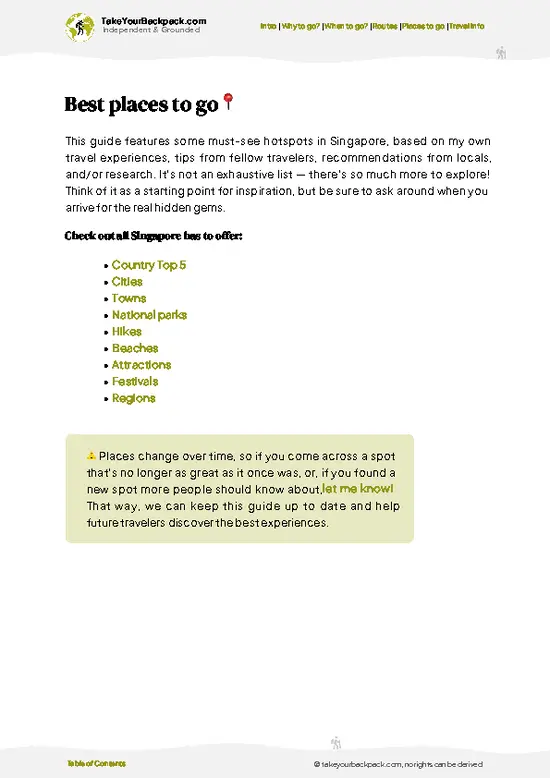
example page 0 from our offline Travel Guide for Singapore
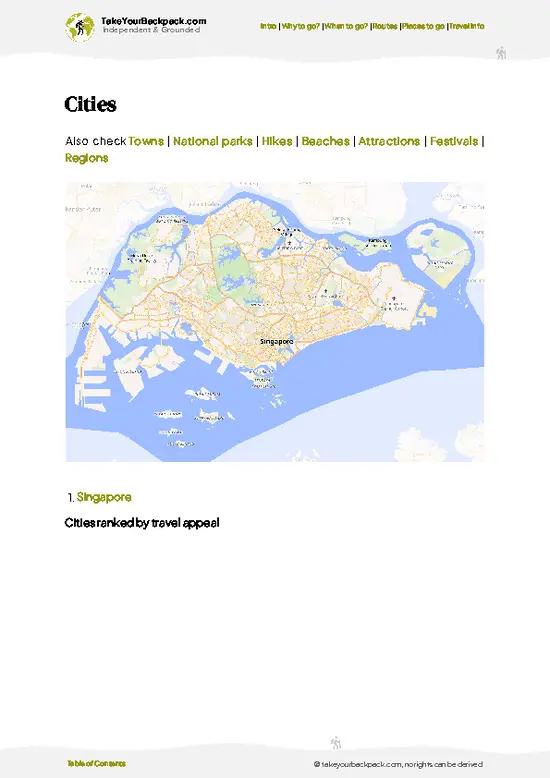
example page 1 from our offline Travel Guide for Singapore
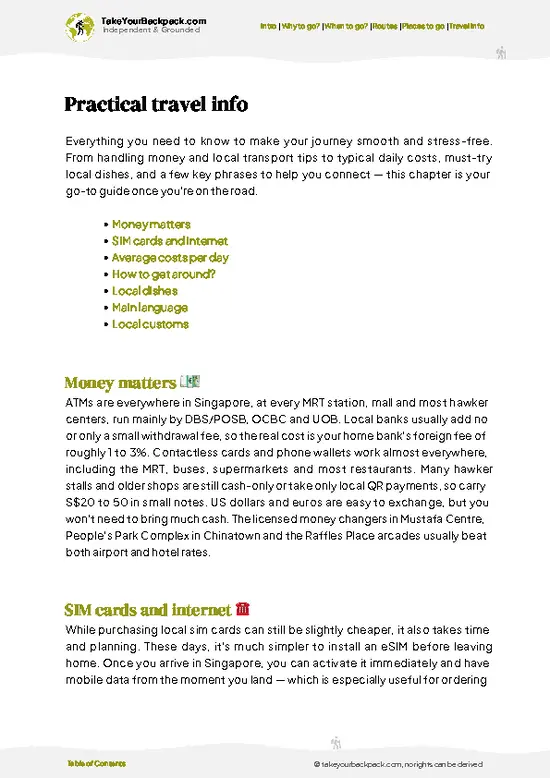
example page 2 from our offline Travel Guide for Singapore
example page 3 from our offline Travel Guide for Singapore
example page 4 from our offline Travel Guide for Singapore
example page 5 from our offline Travel Guide for Singapore
example page 6 from our offline Travel Guide for Singapore
example page 7 from our offline Travel Guide for Singapore
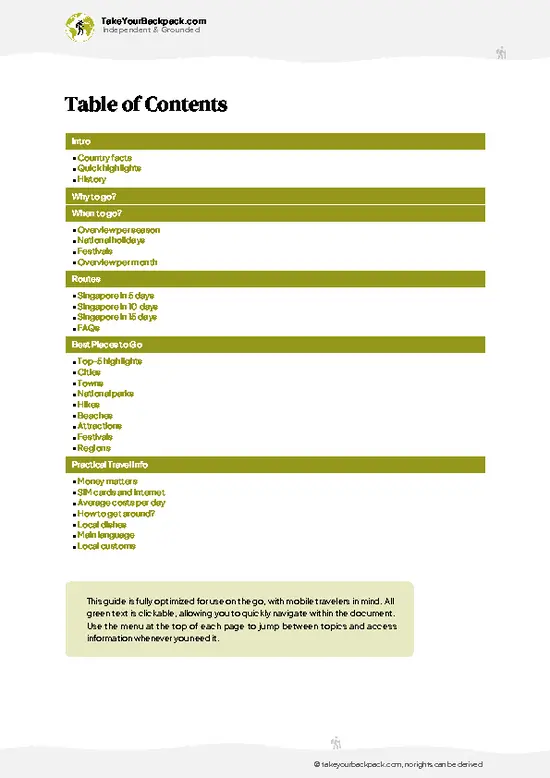
The digital guide (256 pages) contains:
66 highlights, ranked by travel appeal
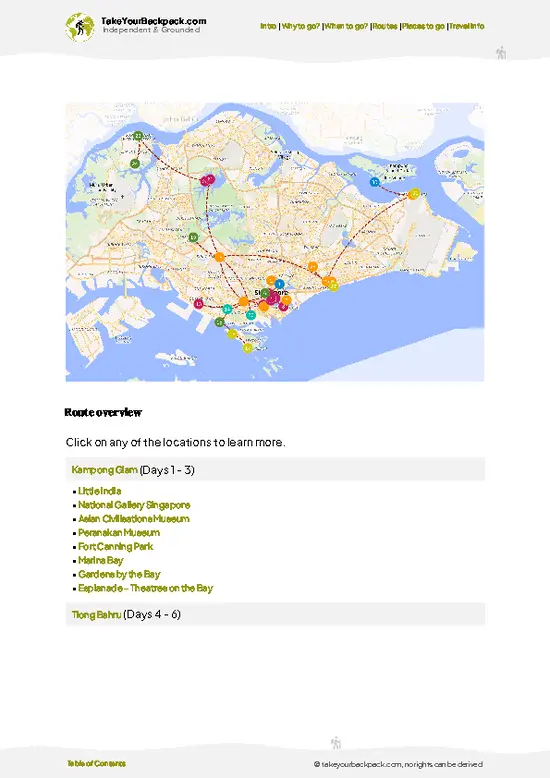
Optimized 5, 10 & 15-day travel routes
Cities, national parks, landmarks, beaches
How to get around
Offline-friendly for travel without Wi-Fi
👉 Click to see all 30+ guide features

📅 Plan smarter in minutes, not weeks
Month by month travel advice
Festivals & national holidays
Budget expectations

🗺️ Go to the right places, skip the overrated ones
Honest pros & cons of destinations
Top hikes, parks & viewpoints
Lesser-known places most travelers miss
Clear “worth it vs skip it” guidance

🛏️ Travel smoothly without rookie mistakes
Best areas to stay
Transport systems explained simply
Common scams & safety advice
SIM cards, money & practical tips

🌍 Understand the country, not just visit it
Culture & traditions
Local customs
Festivals worth planning around
Traveler-friendly historical context
Insights that make places more meaningful

📱 Built for real travel conditions
Fully downloadable PDF
Works completely offline
Optimized for phone use
Useful in remote areas & buses
Everything in one place
Save weeks of stressful planning
Get instant access to your full guide. 30‑day money-back guarantee.
+ Add another guide for just US$7.80

By proceeding you agree to our terms.
Sent to your inbox immediately after payment • 100% Secure Checkout
Best Backpacking Travel Advisor 2025 tourism awardBest Backpacking
Travel Advisor
2025
What others say about Take Your Backpack Guides:
⭐⭐⭐⭐⭐
Fantastic, amazing amount of information!
⭐⭐⭐⭐⭐
My goodness this is amazing, it's what I've been looking for hats off too you!
⭐⭐⭐⭐⭐
I think this is absolutely BRILLIANT
⭐⭐⭐⭐
Very complete and informative. It's still missing places, but I gotta to commend you
⭐⭐⭐⭐⭐
This is truly amazing, thank you, can't wait to explore it with my kids!
⭐⭐⭐⭐⭐
Awesome resource, thank you!
⭐⭐⭐⭐⭐
This is amazing! Can't wait to explore the ones I haven't seen
⭐⭐⭐⭐
I love this! Well done, great idea.
⭐⭐⭐⭐⭐
Thanks for taking the time to make this gem!
⭐⭐⭐⭐⭐
This might be the best website I've ever seen.
⭐⭐⭐⭐⭐
Congratulations, and thank you so much for your work; it's incredibly valuable.
⭐⭐⭐⭐
In all seriousness I think you did a great job pointing out the important spots
⭐⭐⭐⭐⭐
10/10 very good
⭐⭐⭐⭐⭐
As someone who's only just starting to visit regularly this is awesome, thank you.
⭐⭐⭐⭐
Thank you very much! I'm going to visit my dad, it's going to be very useful!
⭐⭐⭐⭐⭐
This is really cool! We'll be travelling for the first time and this definitely come in handy.
⭐⭐⭐⭐⭐
You are now our minister of culture, congratulations 👨‍💼
⭐⭐⭐⭐⭐
Just wanted to tell you that this is a pearl! Going to follow your recommendations.
⭐⭐⭐⭐⭐
This is so cool. I'll definitely be using the resource for my travels soon.
⭐⭐⭐⭐⭐
This is very impressive! Good work.
⭐⭐⭐⭐⭐
This is an amazing and informative site. Very well done!

🛏️ Where to stay?Where to Stay: Singapore Edition

Yes — Singapore has hostels and budget rooms concentrated in Chinatown, Little India, Bugis/Kampong Glam, and the Geylang/Lavender corridor.
Choose Chinatown for maximum MRT access and tourist sights but expect crowds and slightly higher hostel rates; choose Little India for cheap food and lower-priced dorms with occasional early-morning noise; choose Bugis/Kampong Glam for trendy bars, compact walkability and mid-priced budget stays that get lively at night.
Use Geylang/Lavender for the lowest prices, 24-hour eateries and fast airport access, but accept a rougher red-light corridor vibe and very basic rooms; prioritize proximity to an MRT station if you want to avoid long walks or late-night … read more 👉
Yes — Singapore has hostels and budget rooms concentrated in Chinatown, Little India, Bugis/Kampong Glam, and the Geylang/Lavender corridor.
Choose Chinatown for maximum MRT access and tourist sights but expect crowds and slightly higher hostel rates; choose Little India for cheap food and lower-priced dorms with occasional early-morning noise; choose Bugis/Kampong Glam for trendy bars, compact walkability and mid-priced budget stays that get lively at night.
Use Geylang/Lavender for the lowest prices, 24-hour eateries and fast airport access, but accept a rougher red-light corridor vibe and very basic rooms; prioritize proximity to an MRT station if you want to avoid long walks or late-night transit gaps.

If you enjoy meeting fellow travelers, consider choosing hostels with high ratings for atmosphere. On the other hand, if you prefer having your own space, a hotel might be a better option.

SingaporeExplore Beyond This Category

👋 Meet the founderWho’s Behind Take Your Backpack?

Johan, backpacker and founder of TakeYourBackpackHi, I’m Johan (Netherlands 🇳🇱), the creator of TakeYourBackpack. Over the past decade, I’ve backpacked through 80+ countries across six continents, gaining extensive experience with independent travel, long-term trips, and overland routes.

This site is built on a combination of firsthand travel experience and carefully curated insights from other backpackers. Many guides are based on places I’ve personally visited, while others bring together tips, observations, and practical advice shared by trusted travelers I’ve met along the way.

The goal is to provide realistic, experience-driven guidance — not generic itineraries — so you can explore destinations with better context, clearer expectations, and more confidence.

Get full Singapore guide •
Instant download • 66 highlights • Full Offline guide