How many villages to visit: Plan on
four to six villages over a week. Slovenia’s rural transport is built for locals, so each transfer costs half a day, and fewer stops mean you can stay overnight, which is when villages are quiet and the day-trippers have left. Beyond six, you see more car parks than places.
Choosing the kind that suits you: Hikers and photographers should prioritize
alpine villages, which have trailheads, huts and the best bus coverage in summer, but also the highest prices and crowds. Food and wine travelers do better in
Brda, Karst and Styria, where the draw is cellars, farm kitchens and tastings. If you want quiet and low cost, choose
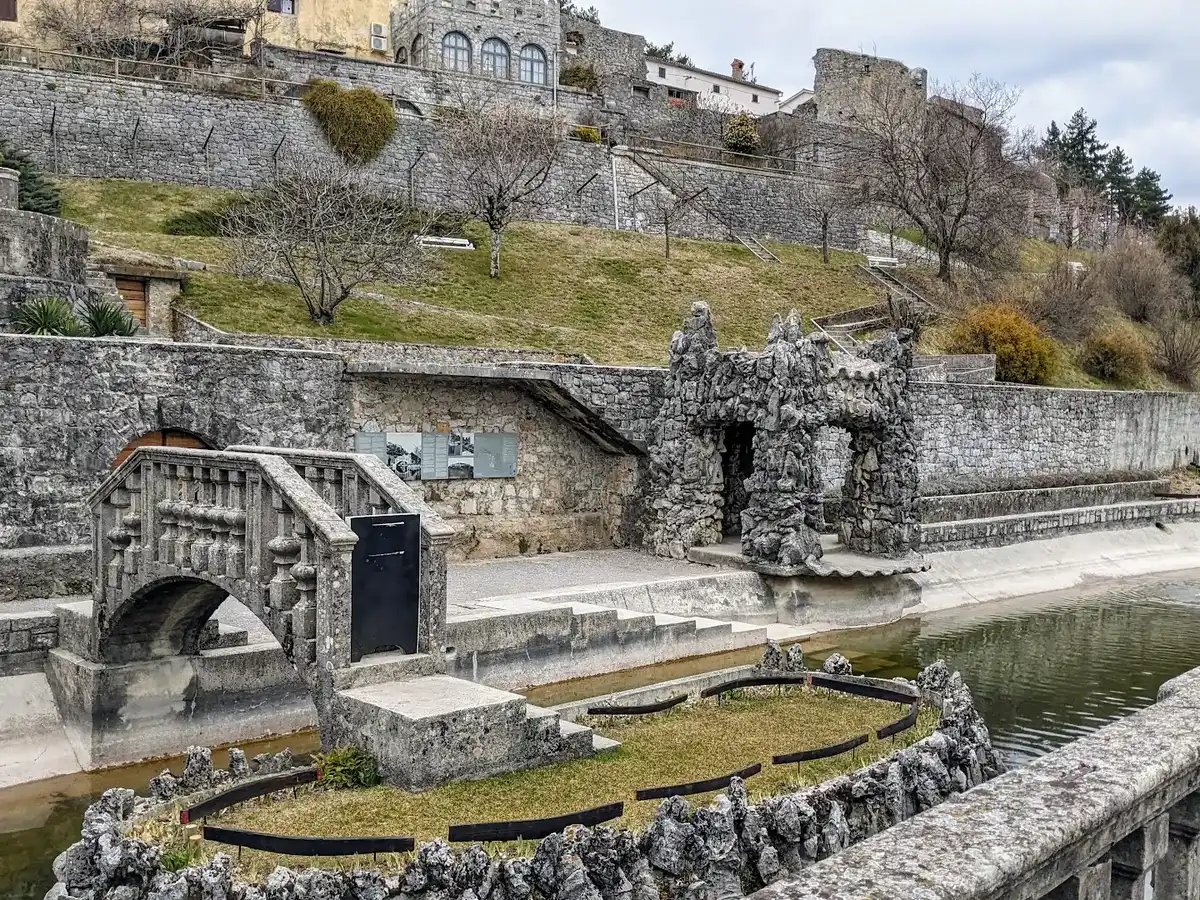
Prekmurje and the Pannonian northeast, though a car or bike makes it far easier. Coastal Istrian hill villages sit between these in price …
read more 👉 How many villages to visit: Plan on
four to six villages over a week. Slovenia’s rural transport is built for locals, so each transfer costs half a day, and fewer stops mean you can stay overnight, which is when villages are quiet and the day-trippers have left. Beyond six, you see more car parks than places.
Choosing the kind that suits you: Hikers and photographers should prioritize
alpine villages, which have trailheads, huts and the best bus coverage in summer, but also the highest prices and crowds. Food and wine travelers do better in
Brda, Karst and Styria, where the draw is cellars, farm kitchens and tastings. If you want quiet and low cost, choose
Prekmurje and the Pannonian northeast, though a car or bike makes it far easier. Coastal Istrian hill villages sit between these in price and are easy to reach from Koper or Piran.
What it costs: Expect
US$45 to 80 a day (about €40 to 70) in most regions on a backpacker budget: a dorm bed or simple room at €25 to 45, a farm or inn lunch at €10 to 15, and a bus ticket at €3 to 10. Alpine villages in July and August push dorm and room prices up, so budget at the top of that range. Most villages charge
nothing for entry. Individual museums, castles or church towers usually cost €3 to 8, and a cellar tasting is typically €10 to 25, often with food. Local guides, where offered, run roughly €50 to 120 for a group walk. Parking in popular alpine spots can cost €5 to 15 a day, which is why many travelers leave a rental car outside the center.
Booking and timing practicalities: Many farm stays, cellars and small restaurants run
on reservation and keep short hours, so message ahead rather than arriving unannounced. Shops close Sunday afternoon and often on public holidays, so carry snacks and cash for places that do not take cards.
Safety and cultural considerations: Slovenia is among the safest countries in Europe, and crime in villages is rare. The real risks are
mountain weather and trail conditions: afternoon storms, snow lingering on high routes into early summer, and cold nights even in August. Check forecasts and carry layers. In the Karst, the
bora wind can be strong enough to unsettle drivers on exposed roads. Culturally, villagers value
quiet and tidiness. Keep noise low after about 22:00, do not wander onto farmland or hay meadows, and close gates and electric fences behind you. A greeting of “dober dan” goes a long way. Tipping is modest, around 5 to 10 percent, or rounding up. Tap water is safe, so refill your bottle rather than buying one.
v2.webp)




 Best Backpacking
.jpg) Hi, I’m Johan (Netherlands 🇳🇱), the creator of TakeYourBackpack. Over the past 3 decades, I’ve backpacked through 90+ countries across six continents, gaining extensive experience with independent travel, long-term trips, and overland routes.
Hi, I’m Johan (Netherlands 🇳🇱), the creator of TakeYourBackpack. Over the past 3 decades, I’ve backpacked through 90+ countries across six continents, gaining extensive experience with independent travel, long-term trips, and overland routes.