Expert Commentary
The Solomon Islands demand a mindset shift from the usual tourist checklist. You won’t be ticking off a dozen attractions in a week without feeling rushed or missing the essence of what makes this place unique. Aim for three to five key experiences spread over several days or even weeks. This allows you to absorb the local rhythms, the slow pulse of island life, and the rugged beauty that doesn’t reveal itself in a quick snapshot.
Travel here is a negotiation between effort and reward. Infrastructure is limited—expect dirt roads that turn to mud after rain, unpredictable boat schedules, and flights that sometimes feel more like a gamble than a guarantee. This means your daily itinerary will often hinge on weather and local conditions. The payoff is a landscape and culture …
read more 👉Expert Commentary
The Solomon Islands demand a mindset shift from the usual tourist checklist. You won’t be ticking off a dozen attractions in a week without feeling rushed or missing the essence of what makes this place unique. Aim for three to five key experiences spread over several days or even weeks. This allows you to absorb the local rhythms, the slow pulse of island life, and the rugged beauty that doesn’t reveal itself in a quick snapshot.
Travel here is a negotiation between effort and reward. Infrastructure is limited—expect dirt roads that turn to mud after rain, unpredictable boat schedules, and flights that sometimes feel more like a gamble than a guarantee. This means your daily itinerary will often hinge on weather and local conditions. The payoff is a landscape and culture largely untouched by mass tourism, where the air carries the scent of salt and earth, and the colors of the coral reefs and jungle feel almost hyperreal. The trade-off is patience and flexibility; you’ll need both to truly experience the islands beyond the surface.
Budget-wise, the Solomon Islands sit in a middle ground. It’s not a backpacker’s bargain basement, but it’s far from the polished luxury of other Pacific destinations. Accommodations range from basic beach bungalows to modest lodges, often family-run, where the value lies in authenticity rather than amenities. Food is fresh and local, but expect to pay a premium for imported goods. Factor in the cost of inter-island travel, which can be surprisingly high given the distances and limited transport options. Planning ahead helps, but be ready to adapt on the fly.
Safety is generally good, but the islands’ remoteness means medical facilities are sparse and emergency services limited. Carry a well-stocked first aid kit and travel insurance that covers evacuation. Respect for local customs is crucial—many communities hold strong to traditional ways, and your behavior can open doors or close them. Dress modestly, ask before photographing people, and engage with humility. The warmth of the locals is genuine, but it’s earned through respect, not entitlement.
Cultural experiences here are not staged for tourists. You’ll find yourself invited to village ceremonies or feasts that feel like a privilege rather than a performance. This is where the real reward lies—the chance to connect with people whose lives are intertwined with the land and sea in ways that defy easy explanation. These moments require openness and a willingness to listen, not just look.
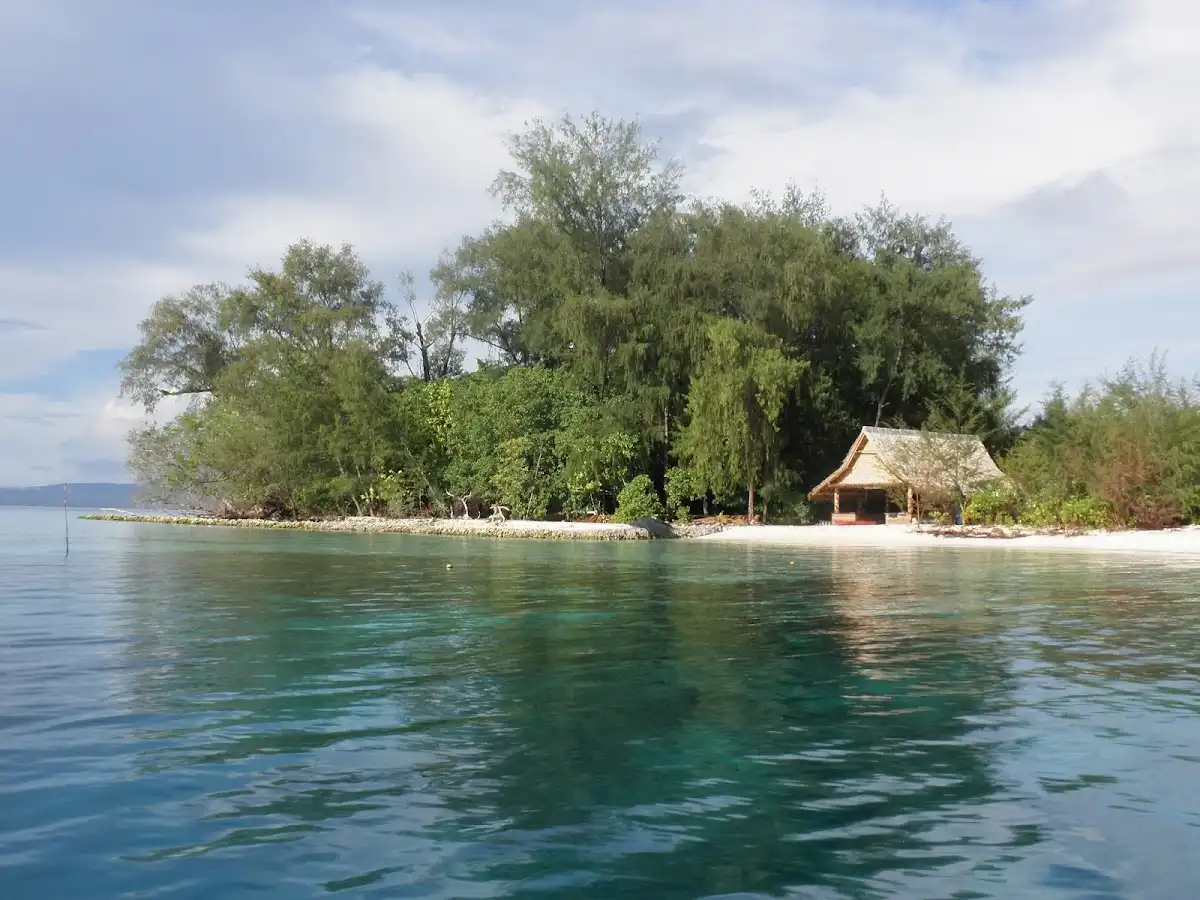
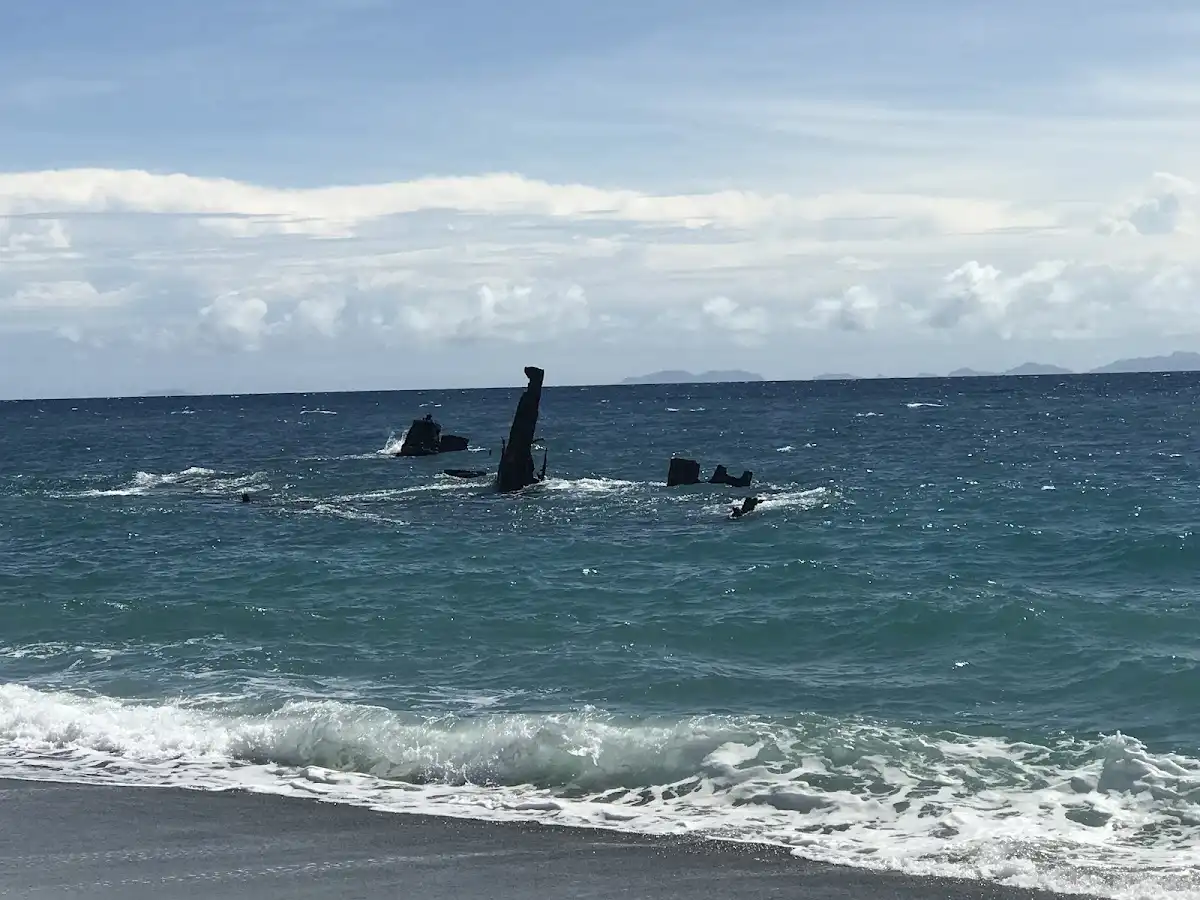
The natural attractions—coral reefs, WWII relics, dense jungle trails—are raw and demanding. Trails can be slippery, steep, and poorly marked. The heat and humidity sap energy quickly. But when you reach a secluded beach or a viewpoint where the ocean stretches endlessly, the exhaustion fades into a deep satisfaction. The water’s clarity, the chorus of birds, the rustle of palms in the breeze—these are the details that make the effort worthwhile.
In summary, prioritize depth over breadth. Choose fewer attractions and invest time in each. Embrace the unpredictability of travel here as part of the experience. The Solomon Islands don’t hand over their treasures easily, but when they do, the reward is a connection to a place that feels both ancient and alive, a rare kind of travel that stays with you long after you leave.v2.webp)



 Best Backpacking
.jpg) Hi, I’m Johan (Netherlands 🇳🇱), the creator of TakeYourBackpack. Over the past decade, I’ve backpacked through 80+ countries across six continents, gaining extensive experience with independent travel, long-term trips, and overland routes.
Hi, I’m Johan (Netherlands 🇳🇱), the creator of TakeYourBackpack. Over the past decade, I’ve backpacked through 80+ countries across six continents, gaining extensive experience with independent travel, long-term trips, and overland routes.