×

Solomon Islands🇸🇧 | best national parksTop-Rated 5 national parks in Solomon Islands

In the Solomon Islands, national parks are sanctuaries of biodiversity, where lush rainforests meet rugged coastlines. Each park offers a unique blend of landscapes, from volcanic peaks to coral reefs, shaping your backpacking experience. For instance, Gizo National Park is ideal for those seeking marine adventures, while Kolombangara rewards hikers with challenging trails and stunning vistas. Seasonal nuances, like the wet season, can affect accessibility and wildlife sightings, so timing your visit is crucial. Choosing the right park influences not just your budget and safety, but also the depth of your cultural immersion. Explore wisely to maximize your adventure in this Pacific paradise.

By Johan Kruseman 🇳🇱 | Updated September 21, 2026
Explore the best hikes in Solomon Islands

Why go?Why Travelers Love These Spots

The national parks in the Solomon Islands are a testament to the raw beauty and biodiversity that the region offers. Unlike many other countries, these parks are not just about scenic views; they are living ecosystems where endemic species thrive. The islands’ unique geological formations, shaped by volcanic activity, create dramatic landscapes that are both rugged and inviting.

Accessibility can be a challenge. Many parks require a commitment to travel, often involving boat rides or rugged hikes. This trade-off means that while the journey may be arduous, the reward is an immersive experience in untouched nature. The depth of exploration available here is unparalleled, with opportunities to witness wildlife that exists nowhere else on Earth.

Culturally, the Solomon Islands are rich with … read more 👉
The national parks in the Solomon Islands are a testament to the raw beauty and biodiversity that the region offers. Unlike many other countries, these parks are not just about scenic views; they are living ecosystems where endemic species thrive. The islands’ unique geological formations, shaped by volcanic activity, create dramatic landscapes that are both rugged and inviting.

Accessibility can be a challenge. Many parks require a commitment to travel, often involving boat rides or rugged hikes. This trade-off means that while the journey may be arduous, the reward is an immersive experience in untouched nature. The depth of exploration available here is unparalleled, with opportunities to witness wildlife that exists nowhere else on Earth.

Culturally, the Solomon Islands are rich with indigenous heritage, adding layers of meaning to the natural environment. Visitors can engage with local communities, learning about their traditions and the sustainable practices that have preserved these landscapes for generations. However, the infrastructure is still developing, which can impact the ease of travel.

The tropical climate, while generally warm, can bring heavy rains, affecting accessibility and trail conditions. Understanding these factors is crucial for planning a visit. The national parks here are not just destinations; they are experiences that demand effort but reward with profound beauty and connection to nature.
Our Approach to Ranking
The list of best national parks in Solomon Islands is created based on landscapes, wildlife, adventure opportunities, facilities, and overall experience. If you feel a national park is missing in this list, please let us know.

When to go?Best Time to Visit Solomon Islands for national parks

Seasonality and National Parks


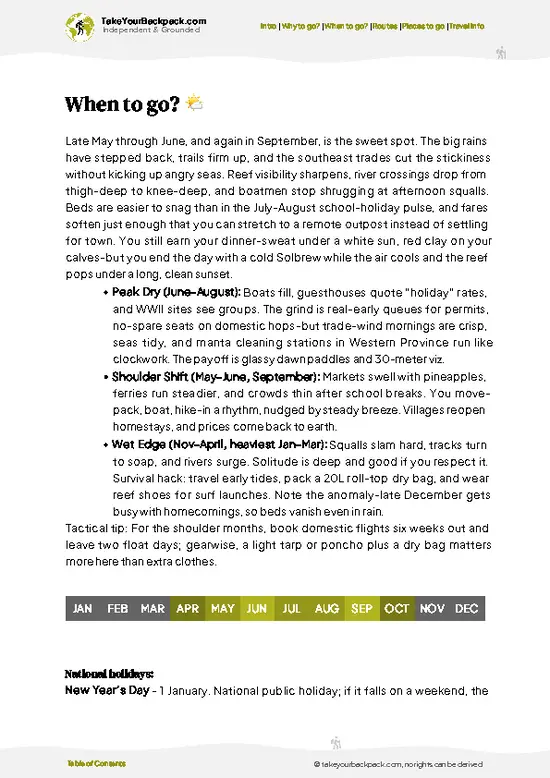
The Solomon Islands experience a tropical climate, characterized by distinct wet and dry seasons. Rainfall peaks from November to April, bringing heavy downpours that can make trails muddy and challenging. Wildlife visibility is often lower during this period, as many animals seek shelter from the rain.

The dry season, typically from May to October, offers clearer skies and more stable conditions. This is the prime time for exploring national parks. Trails are more accessible, and wildlife is more active, making it easier to spot unique species. However, this peak season can attract more visitors, leading to busier trails and a less solitary experience.

Shoulder seasons, just before and after the dry season, can be a mixed bag. Visiting in late April or … read more 👉

Seasonality and National Parks


The Solomon Islands experience a tropical climate, characterized by distinct wet and dry seasons. Rainfall peaks from November to April, bringing heavy downpours that can make trails muddy and challenging. Wildlife visibility is often lower during this period, as many animals seek shelter from the rain.

The dry season, typically from May to October, offers clearer skies and more stable conditions. This is the prime time for exploring national parks. Trails are more accessible, and wildlife is more active, making it easier to spot unique species. However, this peak season can attract more visitors, leading to busier trails and a less solitary experience.

Shoulder seasons, just before and after the dry season, can be a mixed bag. Visiting in late April or early November may offer a balance between manageable crowds and decent weather. While conditions may still be humid, the lush landscapes are vibrant, and costs for accommodations may be lower.

Travelers should weigh the trade-offs between peak scenery and potential crowds. The best views and wildlife encounters often come with the challenge of navigating busier parks. Understanding these seasonal patterns is crucial for planning an effective trip to the Solomon Islands’ national parks.

national park hoppingHow to Combine national parks Into One Trip

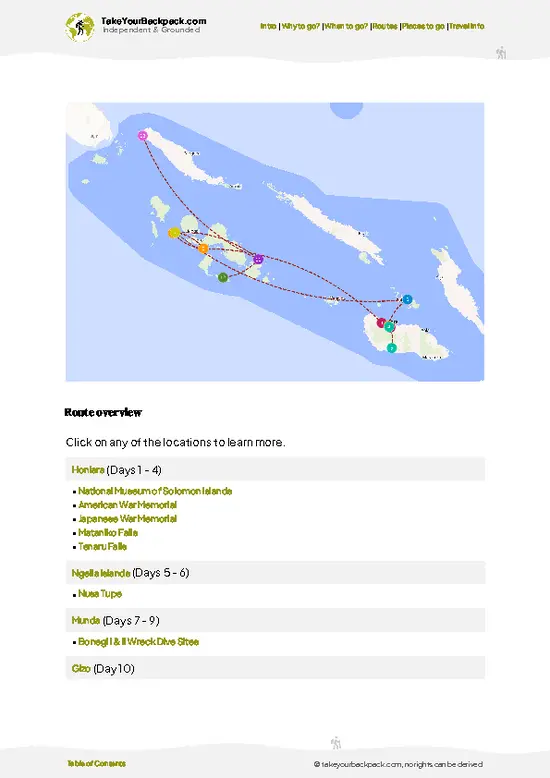
To efficiently combine multiple national parks in the Solomon Islands, consider regional clustering. Start in the western provinces, where parks like Gizo and Marovo Lagoon offer stunning marine biodiversity. From there, head southeast toward the rugged landscapes of the Central Province, including the renowned Savo Island. This route allows for a natural progression through diverse ecosystems.

Plan for at least two to three days in each park to truly soak in the experience. Quick stops can lead to missing out on the rich flora and fauna, while lingering too long in one area might limit exposure to others. A common mistake is underestimating travel times between parks; roads can be rough, and ferry schedules may not align perfectly.

Balance speed with depth of experience. Rushing through … read more 👉
To efficiently combine multiple national parks in the Solomon Islands, consider regional clustering. Start in the western provinces, where parks like Gizo and Marovo Lagoon offer stunning marine biodiversity. From there, head southeast toward the rugged landscapes of the Central Province, including the renowned Savo Island. This route allows for a natural progression through diverse ecosystems.

Plan for at least two to three days in each park to truly soak in the experience. Quick stops can lead to missing out on the rich flora and fauna, while lingering too long in one area might limit exposure to others. A common mistake is underestimating travel times between parks; roads can be rough, and ferry schedules may not align perfectly.

Balance speed with depth of experience. Rushing through parks can lead to fatigue and missed moments, while spending too long in one place can strain budgets and time. Flexibility is key; be prepared to adjust plans based on weather or local advice. Prioritize comfort over budget when it comes to accommodations, as a good night’s rest can make all the difference in tackling the next day’s adventures.

Ultimately, the reward lies in the journey itself. Each park offers unique vistas and experiences that make the effort worthwhile.

The ListHighly Recommended national parks of Solomon Islands

1 Tetepare Island

uninhabited wilderness, dugong habitat, rainforest trails

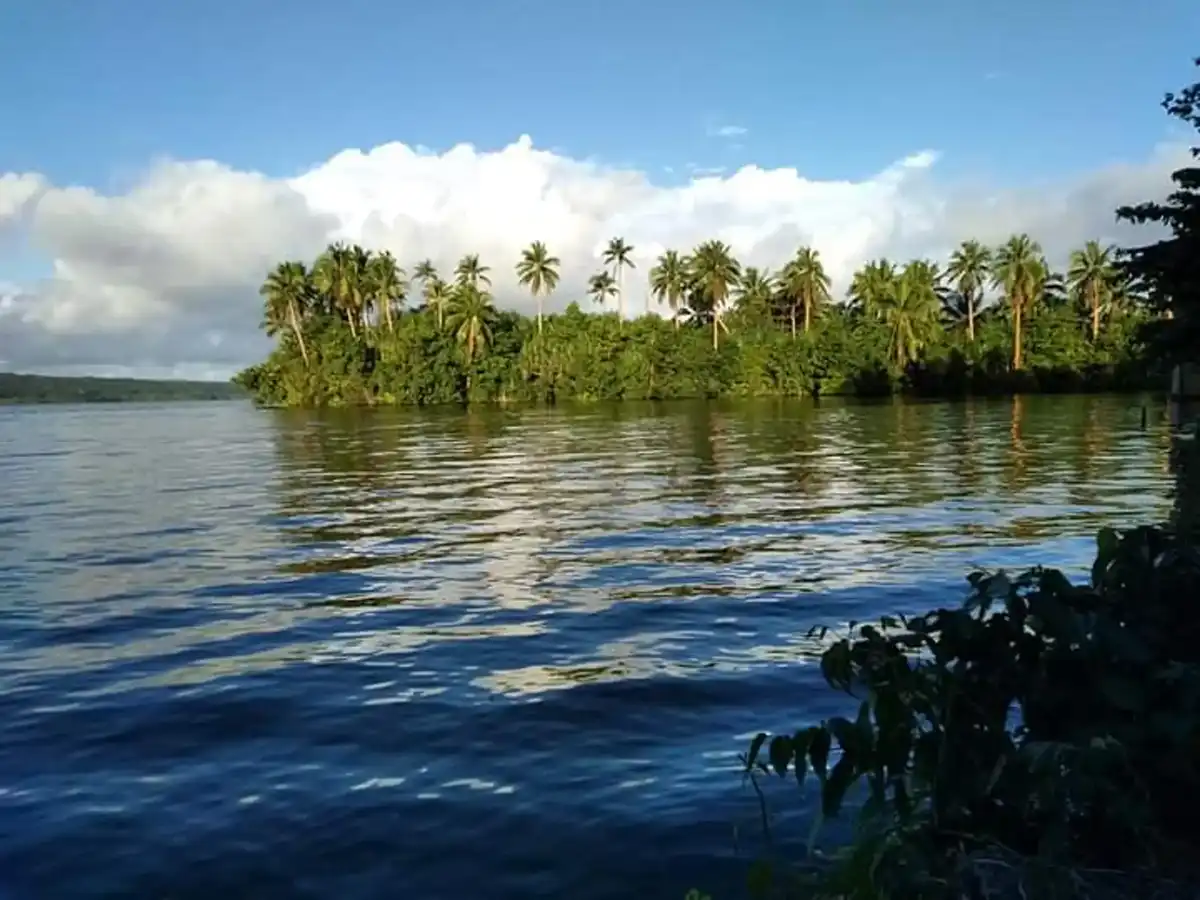
Walk untamed jungle paths, search for elusive dugongs in sheltered bays, and immerse yourself in the Solomon Islands’ largest uninhabited island.

solomon-islands-national-park-tetepare-island
© Google | Trisha Dwyer

2 Lake Tegano

brackish lake, limestone cliffs, submerged WWII relics

Kayak across a vast inland lake, explore limestone outcrops, and discover sunken wartime artifacts beneath the calm surface.

3 Arnavon Islands

sea turtle nesting beaches, coral reefs, community conservation

Witness endangered turtles nesting at dusk, snorkel among vibrant reefs, and experience the results of grassroots marine protection efforts.

solomon-islands-national-park-arnavon-islands
© Google | Deni Mcc

4 Kolombangara Island

volcanic slopes, cloud forest, endemic birdlife

Ascend forested ridges for rare bird sightings, traverse volcanic landscapes, and encounter unique flora found only on this circular island.

solomon-islands-national-park-kolombangara-island
© Google | Penikera Namusu

5 Rennell Island

raised coral atoll, dense rainforest, endemic species

Trek through ancient forests, spot rare wildlife, and experience the isolation of the world’s largest raised coral atoll.

Loading the map 🌍

Expert viewExpert Commentary on national parks

Terrain
The Solomon Islands are a patchwork of rugged mountains, dense rainforests, and pristine coastlines. The national parks here reflect that diversity. Expect steep trails that can leave your legs burning, especially in places like the rugged peaks of the Kolombangara Island. The terrain can be unforgiving, with slippery roots and sudden drops, but the payoff is worth every ounce of effort. When you finally reach a viewpoint, the sight of emerald hills rolling into the turquoise sea is a reward that feels hard-earned.

Park Infrastructure
Infrastructure varies widely across the parks. Some have well-maintained trails and basic facilities, while others are more remote, requiring a spirit of adventure and a willingness to rough it. For instance, Gizo’s national park offers a mix of established … read more 👉
Terrain
The Solomon Islands are a patchwork of rugged mountains, dense rainforests, and pristine coastlines. The national parks here reflect that diversity. Expect steep trails that can leave your legs burning, especially in places like the rugged peaks of the Kolombangara Island. The terrain can be unforgiving, with slippery roots and sudden drops, but the payoff is worth every ounce of effort. When you finally reach a viewpoint, the sight of emerald hills rolling into the turquoise sea is a reward that feels hard-earned.

Park Infrastructure
Infrastructure varies widely across the parks. Some have well-maintained trails and basic facilities, while others are more remote, requiring a spirit of adventure and a willingness to rough it. For instance, Gizo’s national park offers a mix of established paths and wild, untamed areas. You might find a simple shelter or a local guide who knows the land intimately, but don’t expect luxury. Bring your own supplies and be prepared for limited access to amenities. This is a place where you’ll need to embrace the wild.

Wildlife Activity
Wildlife is abundant, but spotting it can require patience and a keen eye. Birds like the Solomon Islands skink and various endemic species flit through the trees, while marine life thrives in the coral reefs. Early mornings are best for birdwatching, as the dawn chorus fills the air with life. However, be mindful of the seasons; some parks may have more active wildlife during certain months. The trade-off here is time—spend a few days in one park for a deeper experience, or hop between parks and risk missing the subtleties of each ecosystem.

Time and Budget
Visiting two to three parks is ideal for a well-rounded experience. Each park offers a unique slice of the Solomon Islands, but travel between them can be time-consuming. Expect to spend several hours on boats or rugged roads. Budget-wise, costs can fluctuate based on your choice of guides, accommodations, and activities. While you can find budget options, splurging on a local guide can enhance your experience significantly. They’ll not only navigate the terrain but also share cultural insights that enrich your journey.

Planning and Prioritizing
When planning your trip, consider your interests. If you’re drawn to hiking, prioritize parks with established trails. If snorkeling or diving is your passion, focus on coastal parks where marine life flourishes. Factor in travel time; some parks are more accessible than others, and the effort to reach them can be substantial. Local culture is vibrant, and engaging with it can add depth to your visit. Be respectful of customs, especially in more remote areas where traditions run deep.

Safety and Cultural Considerations
Safety is paramount. The terrain can be challenging, and weather conditions can change rapidly. Always inform someone of your plans and consider hiring a local guide, especially in less-traveled areas. Respect local customs and be aware of cultural sensitivities; this is not just a trip but an opportunity to connect with the people and their stories.

The Solomon Islands offer a raw, unfiltered experience. The grit of the trails and the warmth of the local culture create a tapestry of adventure that’s both challenging and rewarding. Embrace the journey, and let the islands reveal their secrets at your pace.

✈️ The backpacker research shortcutSolomon Islands Travel Guide

An offline-friendly backpacking guide with optimized travel routes, ranked highlights, transport advice, and the best areas to stay.
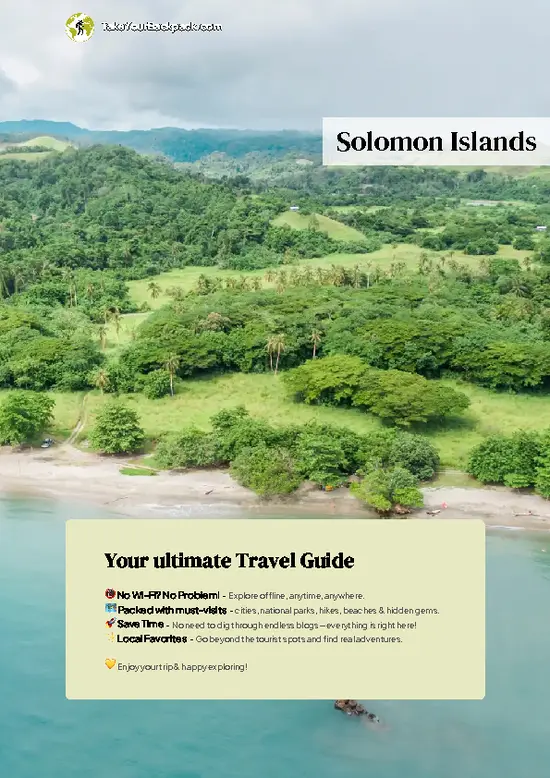
example page 0 from our offline Travel Guide for Solomon Islands
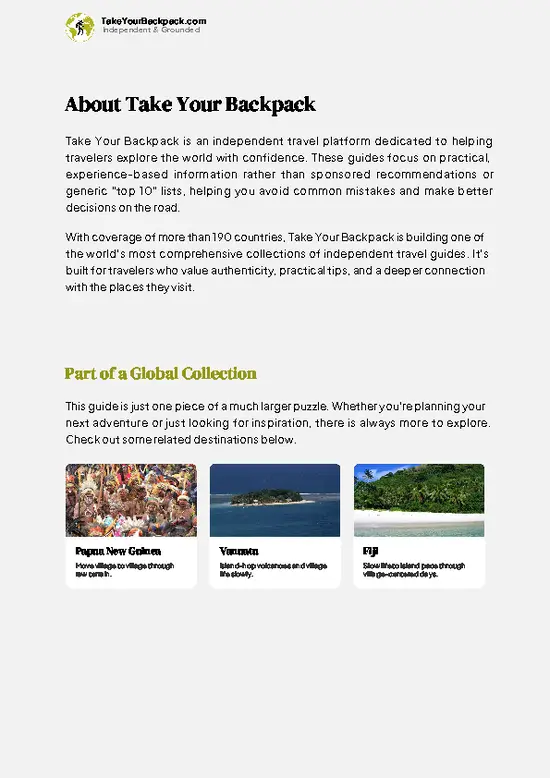
example page 1 from our offline Travel Guide for Solomon Islands
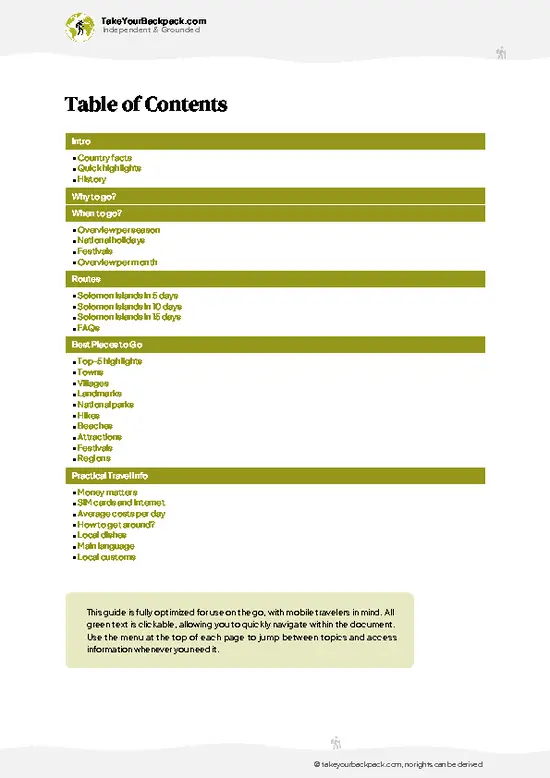
example page 2 from our offline Travel Guide for Solomon Islands
example page 3 from our offline Travel Guide for Solomon Islands
example page 4 from our offline Travel Guide for Solomon Islands
example page 5 from our offline Travel Guide for Solomon Islands
example page 6 from our offline Travel Guide for Solomon Islands
example page 7 from our offline Travel Guide for Solomon Islands
The digital guide (173 pages) contains:
✅ 39 highlights, ranked by travel appeal
✅ Optimized 5, 10 & 15-day travel routes
✅ Cities, national parks, landmarks, beaches
✅ How to get around
✅ Offline-friendly for travel without Wi-Fi
👉 Click to see all 30+ guide features

📅 Plan smarter in minutes, not weeks
✅ Month by month travel advice
✅ Festivals & national holidays
✅ Budget expectations

🗺️ Go to the right places, skip the overrated ones
✅ Honest pros & cons of destinations
✅ Top hikes, parks & viewpoints
✅ Lesser-known places most travelers miss
✅ Clear “worth it vs skip it” guidance

🛏️ Travel smoothly without rookie mistakes
✅ Best areas to stay
✅ Transport systems explained simply
✅ Common scams & safety advice
✅ SIM cards, money & practical tips

🌍 Understand the country, not just visit it
✅ Culture & traditions
✅ 52 Essential phrases & customs
✅ Festivals worth planning around
✅ Traveler-friendly historical context
✅ Insights that make places more meaningful

📱 Built for real travel conditions
✅ Fully downloadable PDF
✅ Works completely offline
✅ Optimized for phone use
✅ Useful in remote areas & buses
✅ Everything in one place
Save weeks of stressful planning
Get instant access to your full guide. 30‑day money-back guarantee.
+ Add another guide for just

By proceeding you agree to our terms.
Sent to your inbox immediately after payment • 100% Secure Checkout
Best Backpacking Travel Advisor 2025 tourism awardBest Backpacking
Travel Advisor
2025
What others say about Take Your Backpack Guides:
⭐⭐⭐⭐⭐
Fantastic, amazing amount of information!
⭐⭐⭐⭐⭐
My goodness this is amazing, it's what I've been looking for hats off too you!
⭐⭐⭐⭐⭐
I think this is absolutely BRILLIANT
⭐⭐⭐⭐
Very complete and informative. It's still missing places, but I gotta to commend you
⭐⭐⭐⭐⭐
This is truly amazing, thank you, can't wait to explore it with my kids!
⭐⭐⭐⭐⭐
Awesome resource, thank you!
⭐⭐⭐⭐⭐
This is amazing! Can't wait to explore the ones I haven't seen
⭐⭐⭐⭐
I love this! Well done, great idea.
⭐⭐⭐⭐⭐
Thanks for taking the time to make this gem!
⭐⭐⭐⭐⭐
This might be the best website I've ever seen.
⭐⭐⭐⭐⭐
Congratulations, and thank you so much for your work; it's incredibly valuable.
⭐⭐⭐⭐
In all seriousness I think you did a great job pointing out the important spots
⭐⭐⭐⭐⭐
10/10 very good
⭐⭐⭐⭐⭐
As someone who's only just starting to visit regularly this is awesome, thank you.
⭐⭐⭐⭐
Thank you very much! I'm going to visit my dad, it's going to be very useful!
⭐⭐⭐⭐⭐
This is really cool! We'll be travelling for the first time and this definitely come in handy.
⭐⭐⭐⭐⭐
You are now our minister of culture, congratulations 👨‍💼
⭐⭐⭐⭐⭐
Just wanted to tell you that this is a pearl! Going to follow your recommendations.
⭐⭐⭐⭐⭐
This is so cool. I'll definitely be using the resource for my travels soon.
⭐⭐⭐⭐⭐
This is very impressive! Good work.
⭐⭐⭐⭐⭐
This is an amazing and informative site. Very well done!

🛏️ Where to stay?Where to Stay: Solomon Islands Edition

Yes — there are hostels and budget guesthouses in the Solomon Islands, but they are mainly in Honiara on Guadalcanal while other islands have only a few basic low-cost options, so plan to base in Honiara for the best cheap-bed availability and use inter-island transport to reach outer islands.
Within Honiara the central business district/Town has the most choices and best access to markets, museums and transport (better for nightlife but busy and noisier); Point Cruz is handy for ferries and short tours but more touristy and sometimes pricier; residential areas like Kukum and Panatina are quieter and often cheaper yet need taxis for evening services; White River and outer islands offer very … read more 👉
Yes — there are hostels and budget guesthouses in the Solomon Islands, but they are mainly in Honiara on Guadalcanal while other islands have only a few basic low-cost options, so plan to base in Honiara for the best cheap-bed availability and use inter-island transport to reach outer islands.
Within Honiara the central business district/Town has the most choices and best access to markets, museums and transport (better for nightlife but busy and noisier); Point Cruz is handy for ferries and short tours but more touristy and sometimes pricier; residential areas like Kukum and Panatina are quieter and often cheaper yet need taxis for evening services; White River and outer islands offer very basic budget stays with limited amenities and emergency infrastructure.

If you enjoy meeting fellow travelers, consider choosing hostels with high ratings for atmosphere. On the other hand, if you prefer having your own space, a hotel might be a better option.

Solomon IslandsExplore Beyond This Category

👋 Meet the founderWho’s Behind Take Your Backpack?

Johan, backpacker and founder of TakeYourBackpackHi, I’m Johan (Netherlands 🇳🇱), the creator of TakeYourBackpack. Over the past decade, I’ve backpacked through 80+ countries across six continents, gaining extensive experience with independent travel, long-term trips, and overland routes.

This site is built on a combination of firsthand travel experience and carefully curated insights from other backpackers. Many guides are based on places I’ve personally visited, while others bring together tips, observations, and practical advice shared by trusted travelers I’ve met along the way.

The goal is to provide realistic, experience-driven guidance — not generic itineraries — so you can explore destinations with better context, clearer expectations, and more confidence.

Get full country guide •
Instant download • 39 highlights • Full Offline guide