v2.webp)


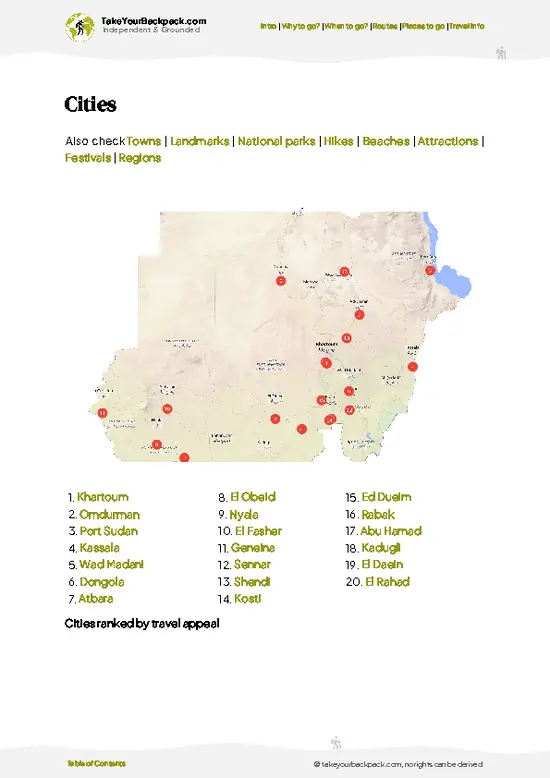
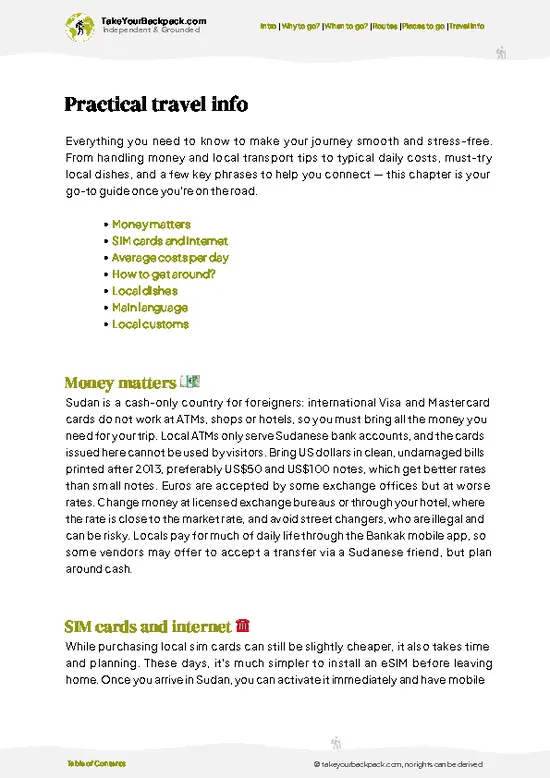
- Coral-stone architecture and alleyways — The island’s buildings are literally built from cut coral, giving walls, columns and arches a texture you won’t see elsewhere. Wander the narrow, sun-bleached lanes and you’ll understand why photographers and architects nerd out over Suakin; the ruins feel intimate and ancient at the same time. (Personal favorite — there’s nothing like picking a quiet lane and just listening to the wind through the coral.)
- Ottoman-era mansions and carved doorways — Remnants of wealthy merchants’ houses show a mix of Ottoman, Arab and African influences: wooden balconies, ornate doorframes and traces of plaster decoration. They’re in varying states of collapse, which makes them hauntingly beautiful but also fragile — don’t climb on things.
- The old harbour and quays
- Coral-stone architecture and alleyways — The island’s buildings are literally built from cut coral, giving walls, columns and arches a texture you won’t see elsewhere. Wander the narrow, sun-bleached lanes and you’ll understand why photographers and architects nerd out over Suakin; the ruins feel intimate and ancient at the same time. (Personal favorite — there’s nothing like picking a quiet lane and just listening to the wind through the coral.)
- Ottoman-era mansions and carved doorways — Remnants of wealthy merchants’ houses show a mix of Ottoman, Arab and African influences: wooden balconies, ornate doorframes and traces of plaster decoration. They’re in varying states of collapse, which makes them hauntingly beautiful but also fragile — don’t climb on things.
- The old harbour and quays — The ruined quays and slipways give a real sense of Suakin’s past as a major Red Sea entrepôt for trade and pilgrimage. Standing on the waterfront you can picture dhows and caravans arriving; bring sun protection and time to just watch the water.
- Historic cemeteries and funerary architecture — Scattered tombs and carved gravestones reveal social and religious links across the Red Sea, with beautiful calligraphy and unusual burial structures. They’re a quiet, reflective spot to learn about the people who made the town important.
- Traces of restoration and archaeological work — You’ll encounter scaffolding, conservation teams or at least signs of recent stabilization work — Suakin is one of those rare places caught between neglect and revival. It’s fascinating to see how conservators approach coral-stone buildings, and it also explains why some areas are off-limits.
- Local life and the fishermen’s quay — The living community and the working boats remind you this isn’t just an outdoor museum. Chat with fishermen, buy a simple meal from a local vendor, and you’ll get a real taste of contemporary Suakin life — quietly rough, honest, and cheap if you know how to haggle politely.
- Red Sea snorkeling and coastal scenery — The coastline around Suakin has clear water and nearby reefs that are worth a short boat trip if you can arrange it; it’s not Top-10 global diving, but the combination of ruins + sea makes for a low-cost, memorable outing. Bring your own mask and reef-safe sunscreen if possible.
Spotted a mistake or missing something? Contact us.

 Best Backpacking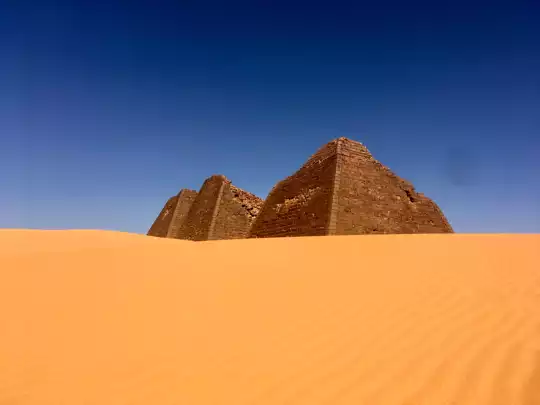
.jpg) Hi, I’m Johan (Netherlands 🇳🇱), the creator of TakeYourBackpack. Over the past 3 decades, I’ve backpacked through 90+ countries across six continents, gaining extensive experience with independent travel, long-term trips, and overland routes.
Hi, I’m Johan (Netherlands 🇳🇱), the creator of TakeYourBackpack. Over the past 3 decades, I’ve backpacked through 90+ countries across six continents, gaining extensive experience with independent travel, long-term trips, and overland routes.