How many villages: Three to five villages is the number I advise for a trip of one to two weeks. Fewer than three leaves you with a single regional flavor, while more than five turns long distances and limited rural buses into the main activity. Spending two nights at each gives time for a walk, a swim, and a slow evening, which is why villages here work better when they are not rushed.
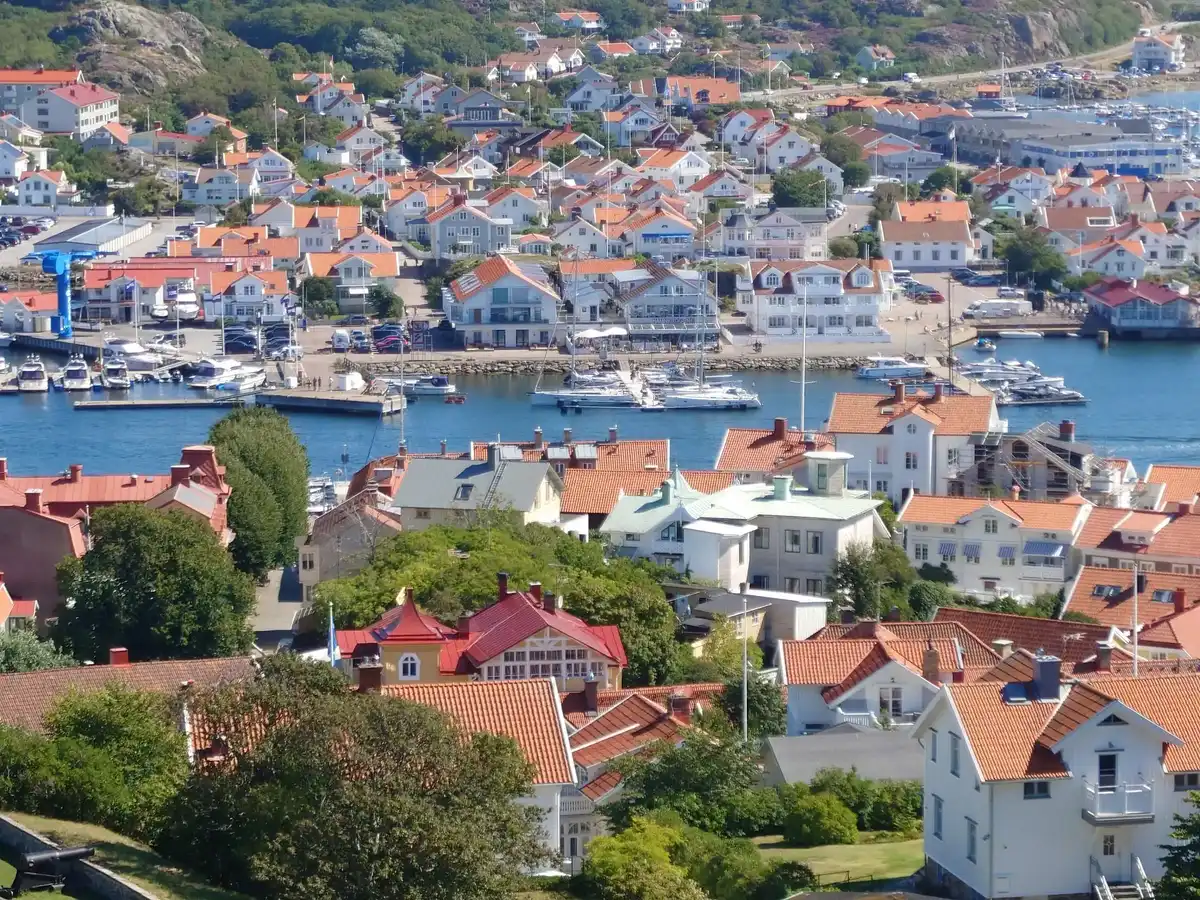
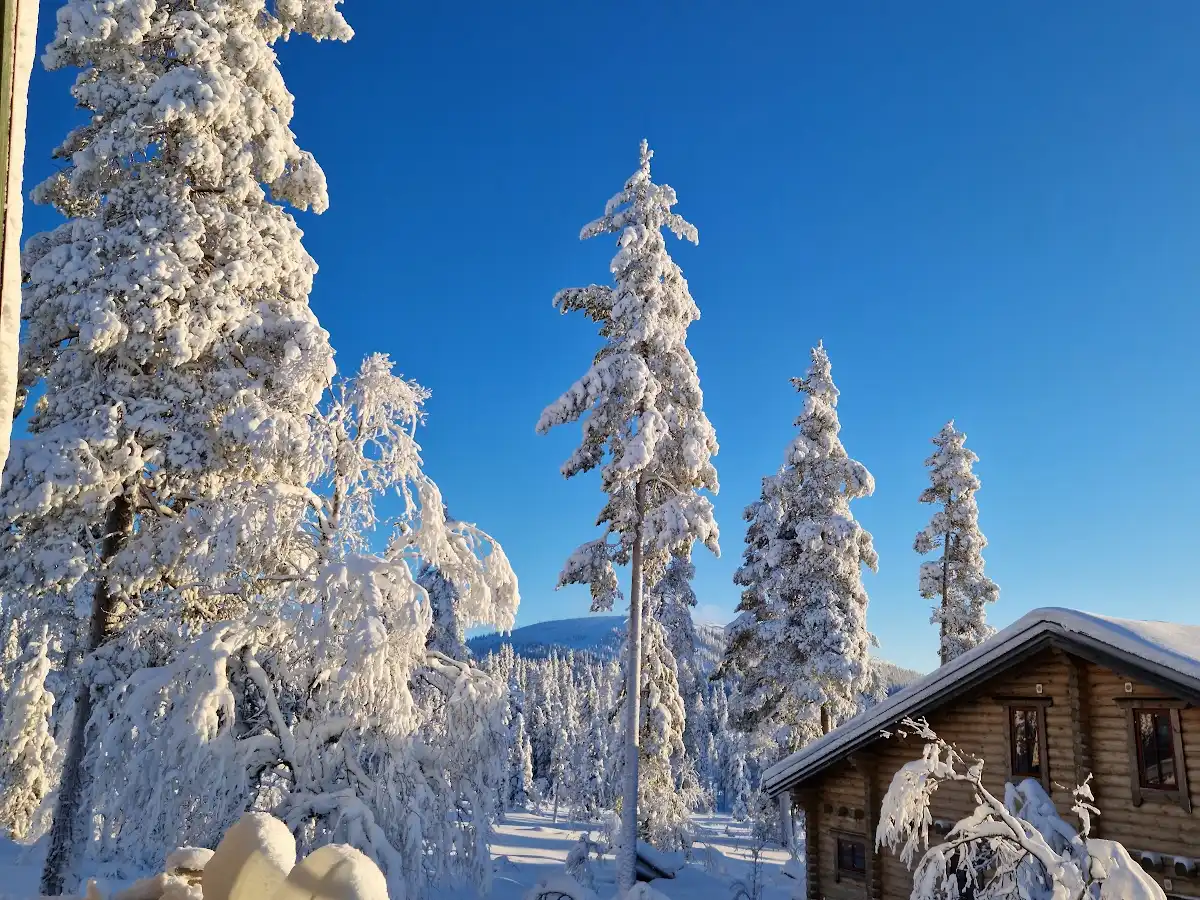
Choosing the kind: Coastal and archipelago villages give the most atmosphere in summer but cost the most, often US$110 to 180 a night for a double room. Inland forest and lake villages in Dalarna or Småland cost less, around US$60 to 110, and give hiking, canoeing and quiet. Northern villages demand the most time and money in transport, but they give space and the best chance at northern lights in winter. …
read more 👉 How many villages: Three to five villages is the number I advise for a trip of one to two weeks. Fewer than three leaves you with a single regional flavor, while more than five turns long distances and limited rural buses into the main activity. Spending two nights at each gives time for a walk, a swim, and a slow evening, which is why villages here work better when they are not rushed.
Choosing the kind: Coastal and archipelago villages give the most atmosphere in summer but cost the most, often US$110 to 180 a night for a double room. Inland forest and lake villages in Dalarna or Småland cost less, around US$60 to 110, and give hiking, canoeing and quiet. Northern villages demand the most time and money in transport, but they give space and the best chance at northern lights in winter. For a limited budget, inland gives the most. For short stays, the coast gives the most for the least travel time. For someone with a rail pass and patience, the north repays the effort.
What it costs: A realistic budget runs about US$70 to 110 a day if you camp or use hostels and cook, and US$140 to 220 if you use guesthouses and eat out. A basic restaurant lunch costs US$12 to 18, and a coffee with a pastry about US$6 to 8. Most villages charge no entry fee, though a museum or open-air site costs US$8 to 20. Regional buses cost roughly US$5 to 25 per leg, and ferries to island villages US$5 to 30. Free camping under Allemansrätten is the biggest saving, but stay away from homes, farm fields and fenced land, and leave no trace.
Safety and manners: Sweden is very safe, with low violent crime, and the main risks are weather, ticks in summer grass, and mosquitoes in northern July. Carry repellent and check for ticks after walks. Water is safe to drink from taps. Swedes value quiet, personal space and punctuality, so keep voices low late in the evening, respect the privacy of gardens, and take shoes off when invited indoors. Most services run on card, and cash is often not accepted. Shops may shut early on Sundays, so buy food ahead. Alcohol is sold only at state-run Systembolaget stores, which close by mid-afternoon on Saturday and all day Sunday.


 Best Backpacking
 Hi, I’m Johan (Netherlands 🇳🇱), the creator of TakeYourBackpack. Over the past 3 decades, I’ve backpacked through 90+ countries across six continents, gaining extensive experience with independent travel, long-term trips, and overland routes.