×

Togo🇹🇬 | attractionsCentre Artisanal de Klotobatik textiles, wood carvings, artisan workshops, local crafts | things to do and best time to go

Explore Village Artisanal de KpaliméExplore Koutammakou Cultural Landscape Visitor Area

Backpacking in Centre Artisanal de Kloto
By Johan Kruseman 🇳🇱 | Updated October 15, 2026

Forget the Instagram fantasy: Centre Artisanal de Kloto is not a sleepy jungle bazaar where you’ll stumble on untouched treasures for pennies. It’s a living, breathing workshop in Kpalimé, southern Togo, and yes, it’s on every guidebook’s radar. You’ll find crowds—especially on weekends—because this is where Togolese artisans actually work, not just pose for tourists. Prices aren’t rock-bottom, but you’re paying for real batik, woodcarving, and beadwork, not factory knockoffs. The wow-factor isn’t in the shopping bags you’ll take home, but in the chance to watch artists dye, carve, and paint right in front of you, often happy to explain their craft if you show genuine interest. Compared to Togo’s big-ticket draws like Lomé’s markets or the Tamberma Valley, Kloto is less about spectacle and more about connection. It’s accessible by bush taxi, but don’t expect luxury—dust, sweat, and the occasional power cut are part of the deal. The vibe? Lively, a little chaotic, and absolutely worth it if you want to see creativity in action, not just on a postcard.

Discover everything you want to know in the 📖 Togo Travel Guide.


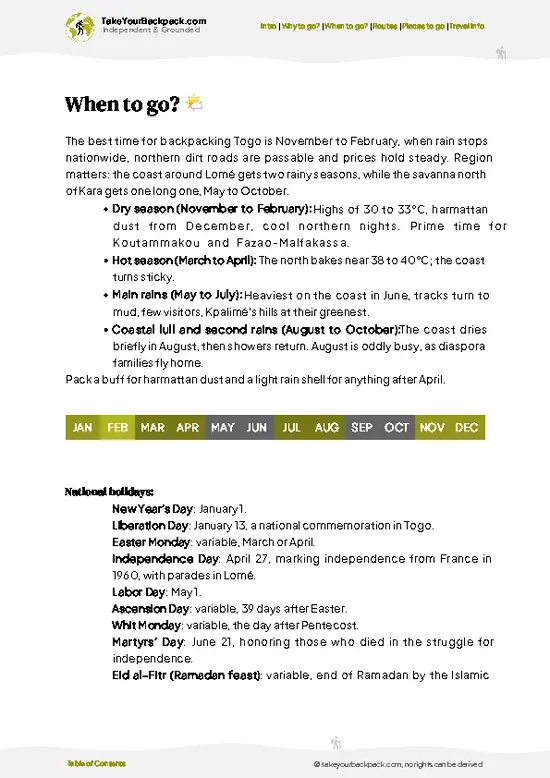
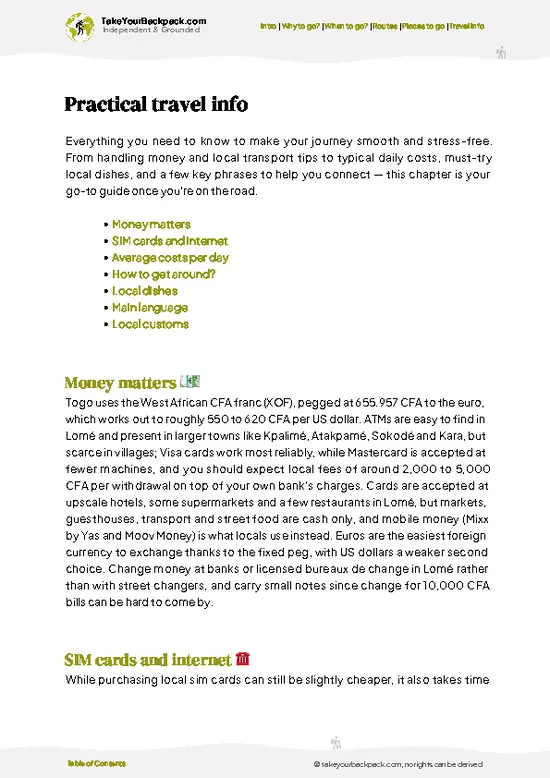
example page 0 from our offline Travel Guide for Togo
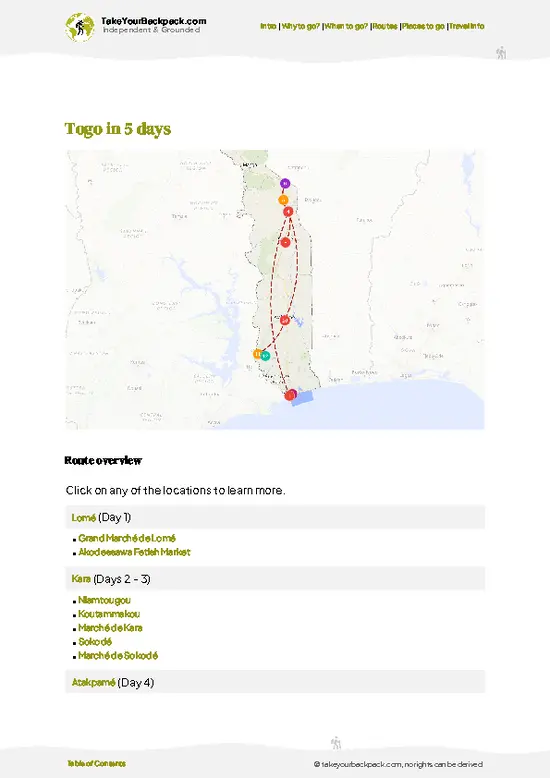
example page 1 from our offline Travel Guide for Togo
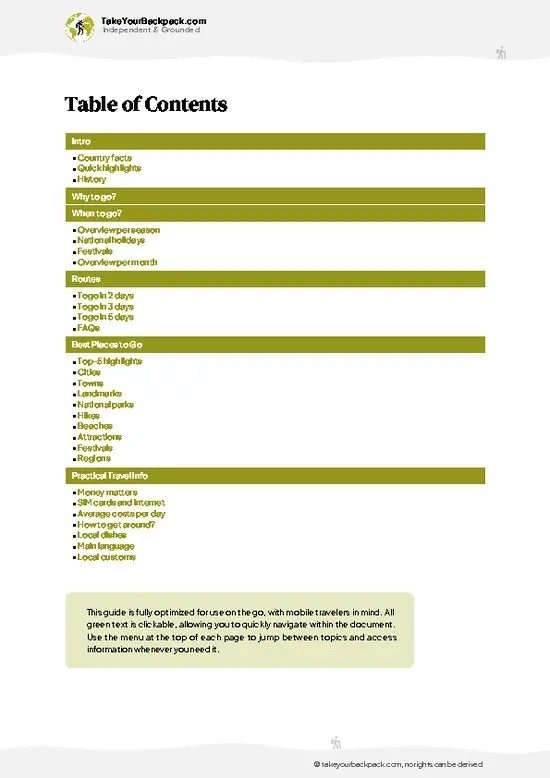
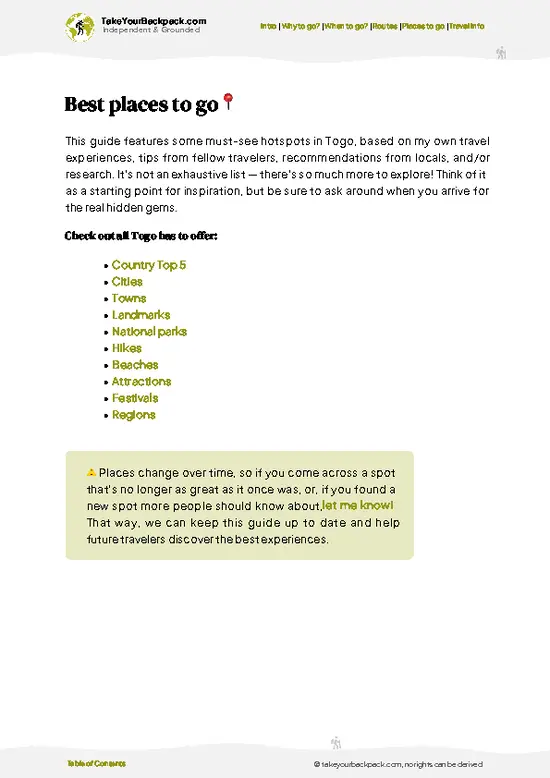
example page 2 from our offline Travel Guide for Togo
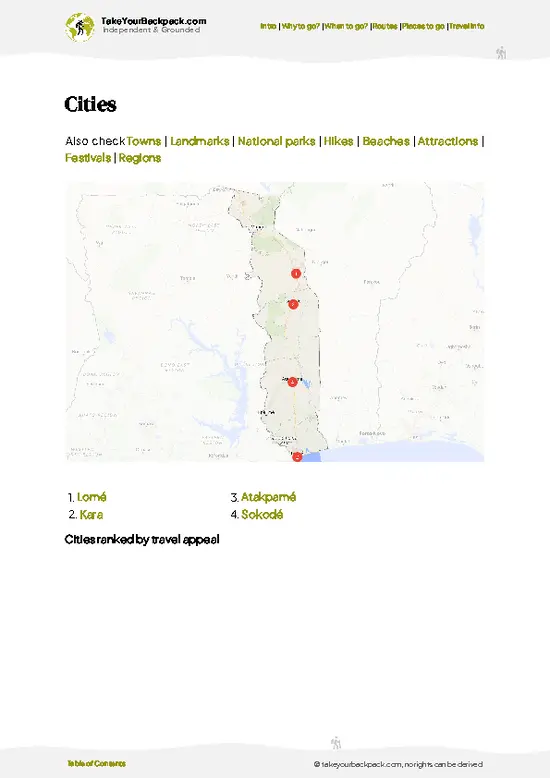
example page 3 from our offline Travel Guide for Togo
example page 4 from our offline Travel Guide for Togo
example page 5 from our offline Travel Guide for Togo
example page 6 from our offline Travel Guide for Togo
example page 7 from our offline Travel Guide for Togo
Loading the map 🌍
CLICK TO FILTER
cities
towns
landmarks
national parks
hikes
beaches
attractions
festivals
regions
SHOW COUNTRY’S BESTSHOW ALL

✨ Why go?
Ranked #99 attraction in Togo
Reasons people choose to visit here

The Centre Artisanal de Kloto isn’t your typical tourist stop plastered all over Instagram feeds with staged smiles and overpriced souvenirs. It’s a raw, living snapshot of Togo’s cultural heartbeat. Yes, it can get busy, especially when local markets spill over with weekend crowds, but that’s part of the charm — you’re stepping into a space where tradition isn’t just preserved; it’s actively practiced. This place is a milestone on the backpacker’s route through Togo because it offers more than just crafts; it’s a deep dive into the country’s artisanal soul. You’ll find master woodcarvers, potters, and weavers whose skills have been honed over generations, each piece telling a story that no glossy souvenir shop can match. The effort-to-reward ratio here is high: navigating the bustling stalls … read more 👉
The Centre Artisanal de Kloto isn’t your typical tourist stop plastered all over Instagram feeds with staged smiles and overpriced souvenirs. It’s a raw, living snapshot of Togo’s cultural heartbeat. Yes, it can get busy, especially when local markets spill over with weekend crowds, but that’s part of the charm — you’re stepping into a space where tradition isn’t just preserved; it’s actively practiced. This place is a milestone on the backpacker’s route through Togo because it offers more than just crafts; it’s a deep dive into the country’s artisanal soul. You’ll find master woodcarvers, potters, and weavers whose skills have been honed over generations, each piece telling a story that no glossy souvenir shop can match. The effort-to-reward ratio here is high: navigating the bustling stalls and engaging with artisans might take patience, but the payoff is authentic connections and unique, handcrafted keepsakes that carry real meaning. For anyone serious about understanding Togo beyond the surface, the Centre Artisanal de Kloto is a cultural checkpoint that grounds your journey in history, creativity, and the everyday lives of its people. It’s not just a stop; it’s a rite of passage.

💡 HighlightsWhat this place is best known for

1. Batik Workshops (Yes, You Actually Get Your Hands Dirty)
Forget the Instagram flat-lay of perfectly folded batik shirts. The real draw here is the chance to stand elbow-to-elbow with local artisans, learning the ancient, wax-resist dyeing technique that’s been passed down for generations. You’ll see how the patterns are drawn freehand, how the wax is applied with a steady, practiced hand, and how the dyes are mixed in battered buckets that have seen more color than a festival parade. This isn’t a sanitized, tourist-friendly demo—if you want, you can try your own design, and you’ll quickly realize just how much skill goes into every piece. The best souvenirs are the ones you make yourself, even if your lines wobble and your colors bleed. That’s the point.


2. The Drum Circle (Not a Performance—A … read more 👉
1. Batik Workshops (Yes, You Actually Get Your Hands Dirty)
Forget the Instagram flat-lay of perfectly folded batik shirts. The real draw here is the chance to stand elbow-to-elbow with local artisans, learning the ancient, wax-resist dyeing technique that’s been passed down for generations. You’ll see how the patterns are drawn freehand, how the wax is applied with a steady, practiced hand, and how the dyes are mixed in battered buckets that have seen more color than a festival parade. This isn’t a sanitized, tourist-friendly demo—if you want, you can try your own design, and you’ll quickly realize just how much skill goes into every piece. The best souvenirs are the ones you make yourself, even if your lines wobble and your colors bleed. That’s the point.


2. The Drum Circle (Not a Performance—A Conversation)
You’ll hear the drumming before you see it. This isn’t some staged, watered-down show for busloads of tourists. The drum circle at Kloto is a living, breathing thing—sometimes spontaneous, sometimes planned, always electric. If you’re lucky, you’ll catch a session where the line between performer and audience blurs. Locals might hand you a drum, or just pull you into the rhythm with a nod. The energy is contagious, and the music is raw—syncopated, layered, and impossible to fake. It’s less about entertainment and more about connection. If you’re open to it, you’ll walk away with your pulse still echoing the beat.


3. Woodcarving in Action (No Souvenir Stands—Real Sweat, Real Skill)
Most markets sell wooden masks and figurines that look like they were churned out in a factory. Not here. At the Centre Artisanal de Kloto, you watch the carvers at work—chisels flashing, wood shavings piling up at their feet. The carvers are happy to explain their process, and you’ll see the difference between a quick tourist trinket and a piece that’s been shaped over hours, sometimes days. The detail is astonishing: faces with real expression, animals that seem to move. If you want to buy, you’re buying from the hands that made it, not a middleman.


4. The Marketplace (Negotiation Is Half the Fun)
This isn’t a place for passive browsing. The market is a riot of color, sound, and personality. Every stall is manned by someone who knows their craft and isn’t afraid to tell you about it. Haggling isn’t just expected—it’s part of the experience. You’ll get stories with your purchase, and if you’re willing to engage, you’ll learn more about Togo in an hour here than in a week of guided tours. Yes, prices can start high, but the real value is in the banter, the laughter, and the feeling that you’ve earned your prize.


5. The Artisans’ Stories (If You Listen, You’ll Leave Changed)
Here’s the real secret: the best thing at Kloto isn’t something you can buy or photograph. It’s the conversations. Ask about the meaning behind a pattern, or how someone learned their craft, and you’ll get stories that cut through the tourist gloss. You’ll hear about family traditions, village rivalries, and the pride that comes from making something beautiful with your hands. These moments are unscripted, unfiltered, and—if you’re paying attention—worth more than anything you can pack in your bag.
Spotted a mistake or missing something? Contact us.

🌤️ When to go?Best time to visit Centre Artisanal de Kloto

  • Topic: Weather and Temperature - The best time to visit Centre Artisanal de Kloto is during the dry season, from November to March. Expect temperatures around 25-30°C (77-86°F), which is comfortable for wandering the artisan stalls without sweating buckets. The rainy season, from April to October, brings heavy downpours and humidity that can make exploring less enjoyable.
  • Topic: Daylight Hours - Daylight is fairly consistent year-round, roughly 11 to 12 hours daily. However, visiting between November and February means you’ll get slightly longer, sunnier days to soak in the vibrant crafts and local life without rushing.
  • Topic: Crowds - The dry season also draws more tourists and local visitors, especially around December and January. Don’t expect solitude, but the buzz adds to the atmosphere.
… read more 👉
  • Topic: Weather and Temperature - The best time to visit Centre Artisanal de Kloto is during the dry season, from November to March. Expect temperatures around 25-30°C (77-86°F), which is comfortable for wandering the artisan stalls without sweating buckets. The rainy season, from April to October, brings heavy downpours and humidity that can make exploring less enjoyable.
  • Topic: Daylight Hours - Daylight is fairly consistent year-round, roughly 11 to 12 hours daily. However, visiting between November and February means you’ll get slightly longer, sunnier days to soak in the vibrant crafts and local life without rushing.
  • Topic: Crowds - The dry season also draws more tourists and local visitors, especially around December and January. Don’t expect solitude, but the buzz adds to the atmosphere. If you want fewer people, aim for November or March, when it’s quieter but still dry.
  • Topic: Seasonal Activities - November to February is when local artisans are most active, showcasing fresh crafts and traditional performances. Outside this window, some workshops slow down or close, so your chances to see authentic craftsmanship dip.
  • Topic: Price Fluctuations - Prices for crafts and souvenirs tend to peak during the high season (December-January) due to demand. Visiting in November or March can score you better deals without sacrificing the quality of the experience.
Pro-tip: Plan your visit just before or after peak season to dodge the worst crowds and inflated prices while still catching the artisans in full swing.


source: climatestotravel.comJANJanuary: highly recommended for travelingFEBFebruary: excellent for travelingMARMarch: highly recommended for travelingAPRApril: fair for travelingMAYMay: fair for travelingJUNJune: fair for travelingJULJuly: fair for travelingAUGAugust: fair for travelingSEPSeptember: fair for travelingOCTOctober: fair for travelingNOVNovember: excellent for travelingDECDecember: highly recommended for traveling
when-to-go

✈️ The backpacker research shortcutTogo Travel Guide

An offline-friendly backpacking guide with optimized travel routes, ranked highlights, transport advice, and the best areas to stay.
example page 0 from our offline Travel Guide for Togo
example page 1 from our offline Travel Guide for Togo
example page 2 from our offline Travel Guide for Togo
example page 3 from our offline Travel Guide for Togo
example page 4 from our offline Travel Guide for Togo
example page 5 from our offline Travel Guide for Togo
example page 6 from our offline Travel Guide for Togo
example page 7 from our offline Travel Guide for Togo
The digital guide (194 pages) contains:
✅ 42 highlights, ranked by travel appeal
✅ Optimized 2, 3 & 5-day travel routes
✅ Cities, national parks, landmarks, beaches
✅ How to get around
✅ Offline-friendly for travel without Wi-Fi
👉 Click to see all 30+ guide features

📅 Plan smarter in minutes, not weeks
✅ Month by month travel advice
✅ Festivals & national holidays
✅ Budget expectations

🗺️ Go to the right places, skip the overrated ones
✅ Honest pros & cons of destinations
✅ Top hikes, parks & viewpoints
✅ Lesser-known places most travelers miss
✅ Clear “worth it vs skip it” guidance

🛏️ Travel smoothly without rookie mistakes
✅ Best areas to stay
✅ Transport systems explained simply
✅ Common scams & safety advice
✅ SIM cards, money & practical tips

🌍 Understand the country, not just visit it
✅ Culture & traditions
✅ 52 Essential phrases & customs
✅ Festivals worth planning around
✅ Traveler-friendly historical context
✅ Insights that make places more meaningful

📱 Built for real travel conditions
✅ Fully downloadable PDF
✅ Works completely offline
✅ Optimized for phone use
✅ Useful in remote areas & buses
✅ Everything in one place
Stop searching, start planning
Get instant access to your full guide. 30‑day money-back guarantee.
+ Add another guide for just

By proceeding you agree to our terms.
Sent to your inbox immediately after payment • 100% Secure Checkout
Best Backpacking Travel Advisor 2025 tourism awardBest Backpacking
Travel Advisor
2025
What others say about Take Your Backpack Guides:
⭐⭐⭐⭐⭐
Fantastic, amazing amount of information!
⭐⭐⭐⭐⭐
My goodness this is amazing, it's what I've been looking for hats off too you!
⭐⭐⭐⭐⭐
I think this is absolutely BRILLIANT
⭐⭐⭐⭐
Very complete and informative. It's still missing places, but I gotta to commend you
⭐⭐⭐⭐⭐
This is truly amazing, thank you, can't wait to explore it with my kids!
⭐⭐⭐⭐⭐
Awesome resource, thank you!
⭐⭐⭐⭐⭐
This is amazing! Can't wait to explore the ones I haven't seen
⭐⭐⭐⭐
I love this! Well done, great idea.
⭐⭐⭐⭐⭐
Thanks for taking the time to make this gem!
⭐⭐⭐⭐⭐
This might be the best website I've ever seen.
⭐⭐⭐⭐⭐
Congratulations, and thank you so much for your work; it's incredibly valuable.
⭐⭐⭐⭐
In all seriousness I think you did a great job pointing out the important spots
⭐⭐⭐⭐⭐
10/10 very good
⭐⭐⭐⭐⭐
As someone who's only just starting to visit regularly this is awesome, thank you.
⭐⭐⭐⭐
Thank you very much! I'm going to visit my dad, it's going to be very useful!
⭐⭐⭐⭐⭐
This is really cool! We'll be travelling for the first time and this definitely come in handy.
⭐⭐⭐⭐⭐
You are now our minister of culture, congratulations 👨‍💼
⭐⭐⭐⭐⭐
Just wanted to tell you that this is a pearl! Going to follow your recommendations.
⭐⭐⭐⭐⭐
This is so cool. I'll definitely be using the resource for my travels soon.
⭐⭐⭐⭐⭐
This is very impressive! Good work.
⭐⭐⭐⭐⭐
This is an amazing and informative site. Very well done!

🛏️ Where to stay?Where staying makes the most sense

The Centre Artisanal de Kloto is a magnet for travelers chasing authentic Togolese crafts, but don’t expect a polished tourist bubble. The reality? It’s a bustling, somewhat chaotic spot where the charm is in the raw energy and local hustle, not in Instagram-ready calm. If you want to soak in that vibe without feeling like a lost tourist, your best bet is to stay in the nearby town of Kpalimé.

Kpalimé isn’t just a convenient base; it’s where you’ll find the heartbeat of the region’s backpacker scene. The town offers a mix of budget guesthouses and small inns that cater to solo travelers and … read more 👉
The Centre Artisanal de Kloto is a magnet for travelers chasing authentic Togolese crafts, but don’t expect a polished tourist bubble. The reality? It’s a bustling, somewhat chaotic spot where the charm is in the raw energy and local hustle, not in Instagram-ready calm. If you want to soak in that vibe without feeling like a lost tourist, your best bet is to stay in the nearby town of Kpalimé.

Kpalimé isn’t just a convenient base; it’s where you’ll find the heartbeat of the region’s backpacker scene. The town offers a mix of budget guesthouses and small inns that cater to solo travelers and groups alike. Safety here is decent by West African standards—stick to the main streets and you’ll be fine. The real win is the social atmosphere: travelers swap stories over local beers, and you’ll find plenty of opportunities to connect with artisans and fellow adventurers without the forced friendliness of tourist traps.

Avoid the temptation to camp too close to the Centre itself. The area around the attraction is more industrial and less welcoming after dark. Kpalimé’s vibrant market, cafes, and laid-back vibe give you a genuine taste of Togolese life, plus easy access to the Centre Artisanal by a short moto ride. This balance of safety, social buzz, and authenticity makes Kpalimé the smart choice for backpackers wanting more than just a quick photo op.

👛 Costs (as of 15 October 2026)Money, prices, and spending tips

As of the most recent estimates, the cost for visiting the Centre Artisanal de Kloto in Togo is approximately €19.82 per person. This fee typically includes guided tours and access to the center's facilities. Additional costs may apply for workshops or purchasing artisanal products, with prices varying based on the specific items or activities chosen.

source: togotourisme.tg
⚠️ Prices can change and everyone travels differently, so take this as a rough guide. Hope it helps you plan your adventure!

FAQTraveler FAQ

1 to 2 hours is sufficient to visit Centre Artisanal de Kloto. This allows enough time to explore the various crafts and interact with local artisans without feeling rushed.
Yes, Centre Artisanal de Kloto is worth the entrance fee, which is typically around 500 CFA francs. The fee supports local artisans and offers a unique opportunity to see traditional Togolese crafts up close.
To get to Centre Artisanal de Kloto, take a taxi or local minibus from Kpalimé, which is about 10 kilometers away. The journey usually takes around 20 to 30 minutes depending on traffic.
⚠️ Things can change over time, so always validate details locally before you go.

Other Togolese attractions near Centre Artisanal de Kloto

Explore more nearby:


💡 Not sure where to go next?
Create a personalized itinerary for Togo including Centre Artisanal de Kloto and the places that fit your trip.

Generate my itinerary

👉 Discover all attractions

Or checkout all Togo has to offer (think cities, towns, villages, national parks, hikes, beaches, festivals)
Country photo of Togo

We 💚 feedbackWhat to keep in mind

Centre Artisanal de Kloto isn’t some polished tourist showroom—it’s raw, real, and a bit chaotic, which is exactly why it sticks with you. Expect a lively jumble of artisans hammering, weaving, and carving right in front of you, not some staged performance. Prices can feel steep if you’re not used to local crafts, but the quality and stories behind each piece make it worth negotiating a bit. The best surprise? The genuine pride in every artist’s work—you’re not just buying a souvenir; you’re supporting a living tradition. Just don’t expect a quiet stroll; this place hums with life.

✍️ Help improve this page!
The information on this page is based on in-depth research, insights shared by experienced travelers, and feedback from the local travel community in Togo. While every effort is made to keep the information accurate and current, conditions can change — so if you spot anything incorrect or outdated, please get in touch.


🙋‍♂️ Give feedback

👋 Meet the founderWho’s Behind Take Your Backpack?

Johan, backpacker and founder of TakeYourBackpackHi, I’m Johan (Netherlands 🇳🇱), the creator of TakeYourBackpack. Over the past 3 decades, I’ve backpacked through 90+ countries across six continents, gaining extensive experience with independent travel, long-term trips, and overland routes.

This site is built on a combination of firsthand travel experience and carefully curated insights from other backpackers. Many guides are based on places I’ve personally visited, while others bring together tips, observations, and practical advice shared by trusted travelers I’ve met along the way.

The goal is to provide realistic, experience-driven guidance — not generic itineraries — so you can explore destinations with better context, clearer expectations, and more confidence.