
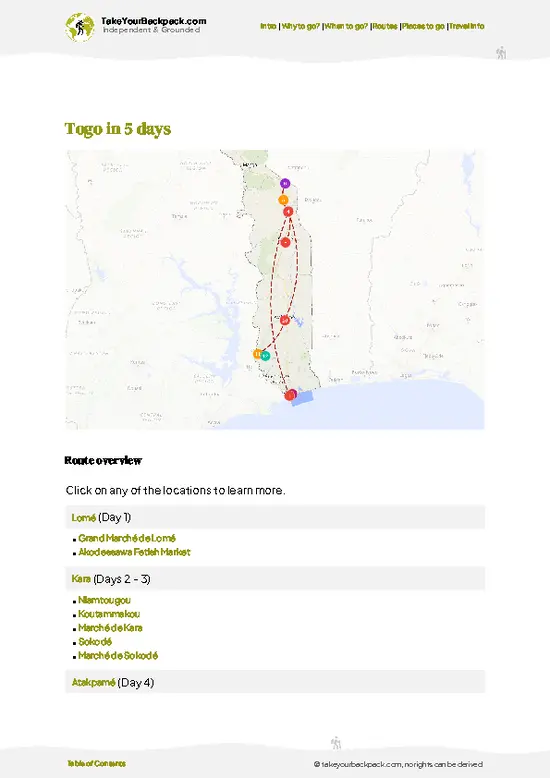

Tata Somba Houses: Living Architecture
Forget the Instagram fantasy of “cute mud huts.” The Tata Somba are not props—they’re ingenious, fortress-like homes built by the Batammariba people. Each one is a two-story, hand-sculpted stronghold, with granaries and living quarters stacked like a child’s drawing of a castle. You don’t just look at them; you climb their ladders, duck through their low doors, and feel the cool, clay-thick air inside. These aren’t museum pieces. Families still live here, cooking over open fires and sleeping on the roof when it’s hot. The architecture is a living, breathing part of daily life, and it’s unlike anything else in West Africa. If you want to see what “World Heritage” really means, this is it—no velvet ropes, no staged performances, just real people and real … read more 👉
Forget the Instagram fantasy of “cute mud huts.” The Tata Somba are not props—they’re ingenious, fortress-like homes built by the Batammariba people. Each one is a two-story, hand-sculpted stronghold, with granaries and living quarters stacked like a child’s drawing of a castle. You don’t just look at them; you climb their ladders, duck through their low doors, and feel the cool, clay-thick air inside. These aren’t museum pieces. Families still live here, cooking over open fires and sleeping on the roof when it’s hot. The architecture is a living, breathing part of daily life, and it’s unlike anything else in West Africa. If you want to see what “World Heritage” really means, this is it—no velvet ropes, no staged performances, just real people and real … read more 👉
Tata Somba Houses: Living Architecture
Forget the Instagram fantasy of “cute mud huts.” The Tata Somba are not props—they’re ingenious, fortress-like homes built by the Batammariba people. Each one is a two-story, hand-sculpted stronghold, with granaries and living quarters stacked like a child’s drawing of a castle. You don’t just look at them; you climb their ladders, duck through their low doors, and feel the cool, clay-thick air inside. These aren’t museum pieces. Families still live here, cooking over open fires and sleeping on the roof when it’s hot. The architecture is a living, breathing part of daily life, and it’s unlike anything else in West Africa. If you want to see what “World Heritage” really means, this is it—no velvet ropes, no staged performances, just real people and real homes.
Batammariba Daily Life: No Filter, No Facade
You’ll see more than just buildings. The Batammariba are fiercely proud of their traditions, and you’re walking into their world, not a theme park. Expect to see kids herding goats, women pounding millet, and elders weaving baskets or brewing local beer. There’s no “show” for tourists—what you see is what you get. If you’re lucky (and respectful), you might be invited to share a calabash of sorghum beer or watch a ritual dance. But don’t expect a schedule or a brochure. The magic is in the unscripted moments: the laughter, the work, the rhythm of life that’s been going on for centuries.
Sacred Groves and Ancestral Shrines
This isn’t just a pretty landscape. The hills are dotted with sacred groves and shrines—some marked by clusters of clay figurines, others by simple stones or trees. These are not for show. They’re active sites of worship and memory, where the Batammariba honor their ancestors and ask for rain, health, or luck. You’ll feel the difference: there’s a hush, a sense of gravity. Don’t expect to snap selfies here; some areas are strictly off-limits to outsiders, and you’ll need a local guide to explain what’s what. But even from a respectful distance, you’ll sense the spiritual backbone of the place.
Market Day in Nadoba
If you want to see the region at full volume, time your visit for market day in Nadoba. This isn’t a sanitized craft fair—it’s a riot of color, barter, and noise. You’ll find everything from hand-carved stools and iron tools to dried fish and wild honey. The market is where Batammariba, Fulani, and other local groups collide, gossip, and trade. It’s chaotic, sometimes overwhelming, and absolutely essential if you want to understand how tradition and modernity collide in real time.
The Landscape Itself: Raw, Unfiltered Africa
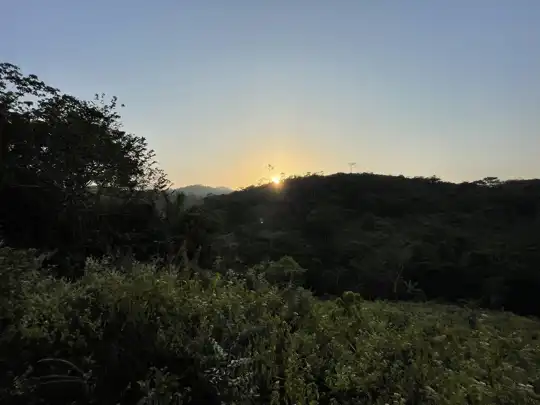
Koutammakou isn’t lush or “untouched”—it’s rugged, sun-baked, and honest. The hills roll out in ochre and green, dotted with baobabs and the unmistakable silhouettes of Tata Somba. You’ll hike dusty paths, cross shallow streams, and watch the sun drop behind a horizon that feels impossibly wide. There’s no curated viewpoint, no “best angle”—just the real, wild beauty of a place that’s been shaped by human hands and hard seasons. If you want a landscape that feels earned, not staged, this is where you’ll find it.
Spotted a mistake or missing something? Contact us.

 Best Backpacking
 Hi, I’m Johan (Netherlands 🇳🇱), the creator of TakeYourBackpack. Over the past 3 decades, I’ve backpacked through 90+ countries across six continents, gaining extensive experience with independent travel, long-term trips, and overland routes.