×

Togo🇹🇬 | attractionsMarché de KaraAfitin cakes, clay pots, shea butter, Kabyè highlands | things to do and best time to go

Explore Marché de KpaliméExplore Marché de Sokodé

Backpacking in Marché de Kara
👀 For curious travelersattraction ranked #11
By Johan Kruseman 🇳🇱 | Updated October 22, 2026

Women selling dried fish, fermented locust bean cakes (afitin) and piles of charcoal-black pots fill the covered stalls long before the sun gets hot. Marché de Kara sits in the city of Kara, in the north of Togo, and it is the main trading point for the Kabyè highlands. Expect dust, diesel fumes, and sellers calling out prices in Kabyè and French. Aisles are narrow because stalls are grouped by product, so you learn to follow your nose to what you want. Go early, carry small bills, and ask before photographing anyone. Compared with the sprawling Grand Marché in Lomé, this one is smaller, calmer and far less pushy.

Discover everything you want to know in the 📖 Togo Travel Guide.


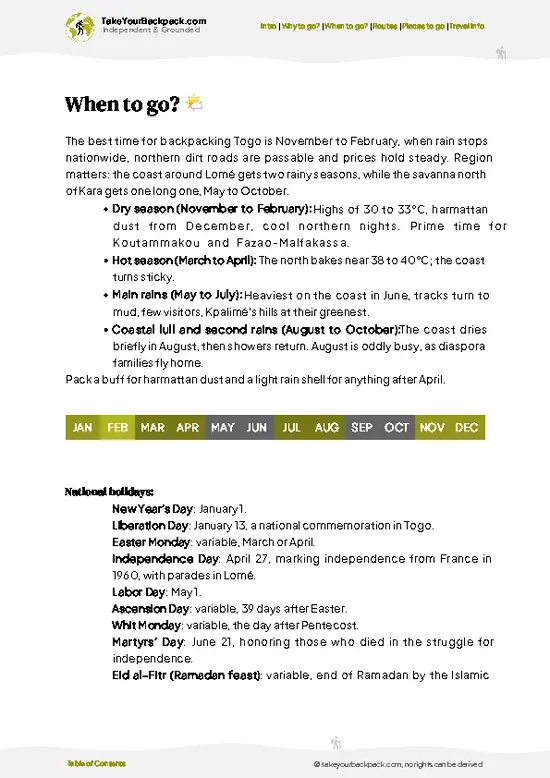
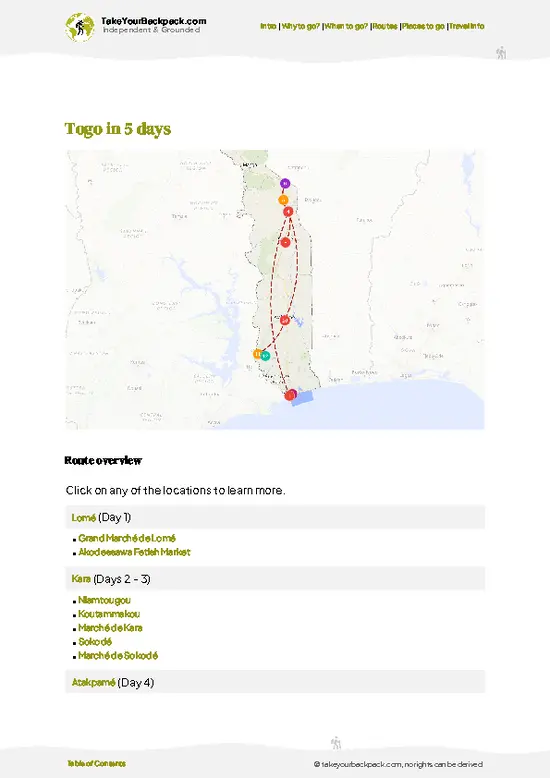
example page 0 from our offline Travel Guide for Togo
example page 1 from our offline Travel Guide for Togo
example page 2 from our offline Travel Guide for Togo
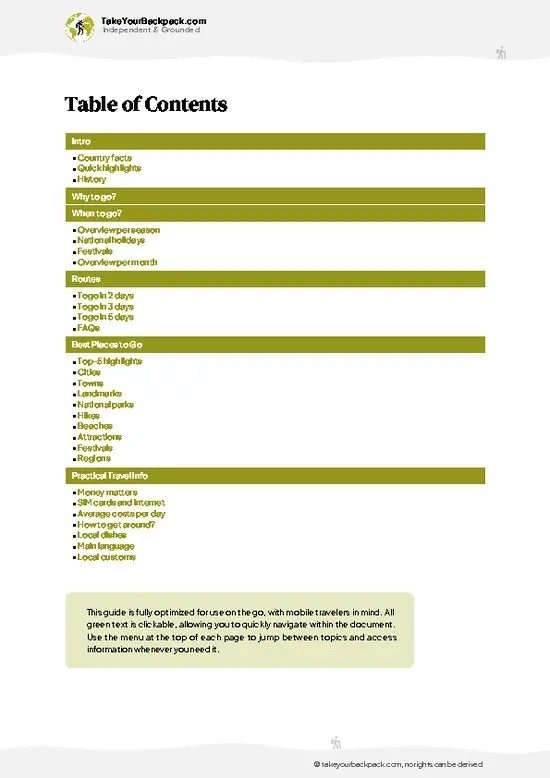
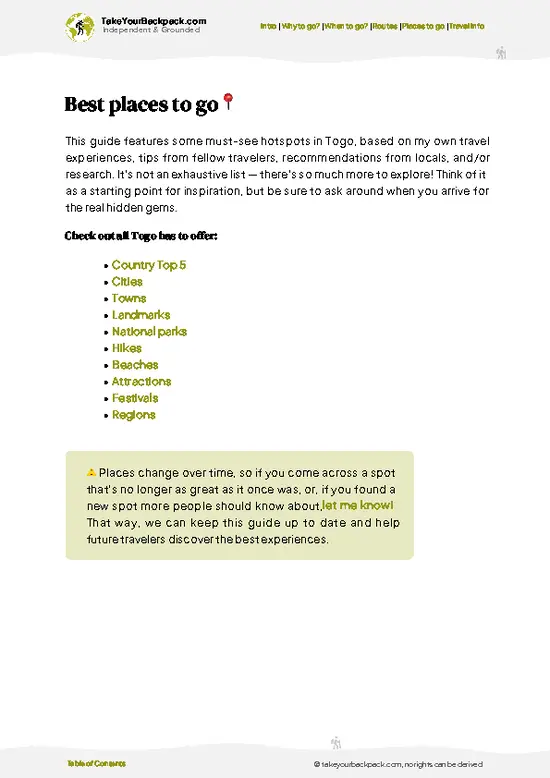
example page 3 from our offline Travel Guide for Togo
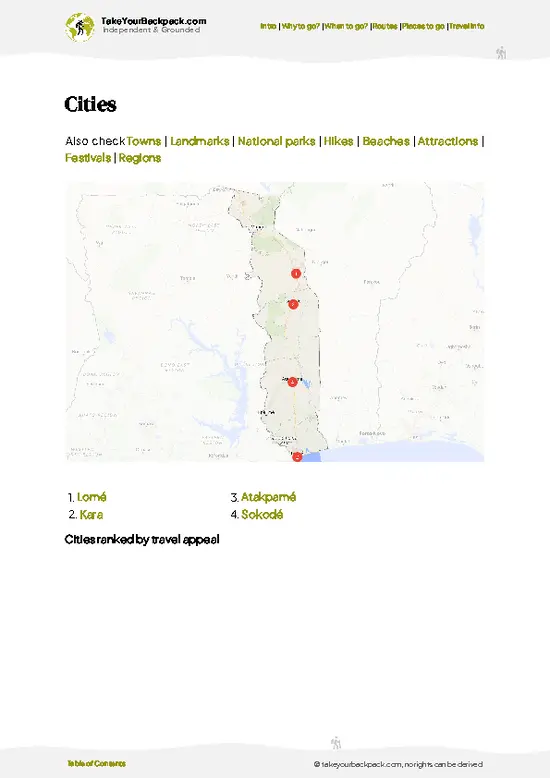
example page 4 from our offline Travel Guide for Togo
example page 5 from our offline Travel Guide for Togo
example page 6 from our offline Travel Guide for Togo
example page 7 from our offline Travel Guide for Togo
Loading the map 🌍
CLICK TO FILTER
cities
towns
landmarks
national parks
hikes
beaches
attractions
festivals
regions
SHOW COUNTRY’S BESTSHOW ALL

✨ Why go?
Ranked #11 attraction in Togo
Why visitors keep coming back

Marché de Kara gives you the north of Togo at working speed, with none of the staging you find in southern tourist circuits. The first reason is the goods: Kabyè pottery, hand-dyed cloth, shea butter in round lumps and spice mixes you will smell before you see. Prices are negotiable, and a calm, smiling haggle is part of the deal. The second is the people. This is where farmers from surrounding villages sell and shop, so you meet the region rather than a performance of it. The third is timing on the route north: Kara is the gateway to the Koutammakou valley and the Tamberma country, and an hour among these stalls helps you read what you see in the villages later. Bring curiosity and patience.

💡 HighlightsPlaces and moments you shouldn't skip

  1. Afitin and spice stalls: Fermented locust bean cakes, ground pepper and dried fish make the sharpest smells in the market, and sellers will let you taste.
  2. Pottery section: Rows of clay cooking pots and water jars, many made by hand in nearby villages, in sizes from soup bowls to family vats.
  3. Textile and tailor corner: Bolts of wax-print cloth are sold beside sewing machines, so you can have a shirt made within a day or two.
  4. Shea butter and soap sellers: Creamy lumps wrapped in leaves, plus local black soap, all useful and light to carry.
  5. Fresh produce rows: Yams, tomatoes, peppers and groundnuts are piled in neat mounds, and the colors are best in the morning.
  6. Street food edges: Women fry beignets and grill meat at the perimeter, a cheap, hot breakfast between stalls.
  7. Charcoal and calabash lane:
… read more 👉
  1. Afitin and spice stalls: Fermented locust bean cakes, ground pepper and dried fish make the sharpest smells in the market, and sellers will let you taste.
  2. Pottery section: Rows of clay cooking pots and water jars, many made by hand in nearby villages, in sizes from soup bowls to family vats.
  3. Textile and tailor corner: Bolts of wax-print cloth are sold beside sewing machines, so you can have a shirt made within a day or two.
  4. Shea butter and soap sellers: Creamy lumps wrapped in leaves, plus local black soap, all useful and light to carry.
  5. Fresh produce rows: Yams, tomatoes, peppers and groundnuts are piled in neat mounds, and the colors are best in the morning.
  6. Street food edges: Women fry beignets and grill meat at the perimeter, a cheap, hot breakfast between stalls.
  7. Charcoal and calabash lane: Gourd bowls and sacks of charcoal show everyday northern kitchen life.
For a first visit, start in the spice and afitin stalls, since they show best what makes Marché de Kara local.
Spotted a mistake or missing something? Contact us.

🌤️ When to go?When to go for the best experience

November to February is the easiest window for walking Marché de Kara's stalls, with dry days around 30 to 35°C (86 to 95°F) and morning lows near 18°C (64°F) when the Harmattan dust haze rolls in.
  • Dry Season (November to February): Dusty, hot afternoons, cool mornings, and the best light for photos. Daylight lasts roughly 11.5 to 12.5 hours. Crowds stay moderate and prices hold steady.
  • Hot Season (March to April): Peaks of 35 to 40°C (95 to 104°F) make midday browsing draining, so go early.
  • Rainy Season (May to October): Highs of 27 to 32°C (81 to 90°F), muddy alleys and afternoon downpours, though produce stalls are at their fullest.
  • Festival Period: Evala wrestling in July draws crowds to Kara, and beds fill up and cost more.
Arrive before 9 a.m. on market day, when stalls are freshly stocked and the heat is still mild.

source: climatestotravel.comJANJanuary: excellent for travelingFEBFebruary: excellent for travelingMARMarch: excellent for travelingAPRApril: fair for travelingMAYMay: fair for travelingJUNJune: fair for travelingJULJuly: fair for travelingAUGAugust: fair for travelingSEPSeptember: fair for travelingOCTOctober: fair for travelingNOVNovember: excellent for travelingDECDecember: excellent for traveling
when-to-go

✈️ The backpacker research shortcutTogo Travel Guide

An offline-friendly backpacking guide with optimized travel routes, ranked highlights, transport advice, and the best areas to stay.
example page 0 from our offline Travel Guide for Togo
example page 1 from our offline Travel Guide for Togo
example page 2 from our offline Travel Guide for Togo
example page 3 from our offline Travel Guide for Togo
example page 4 from our offline Travel Guide for Togo
example page 5 from our offline Travel Guide for Togo
example page 6 from our offline Travel Guide for Togo
example page 7 from our offline Travel Guide for Togo
The digital guide (194 pages) contains:
✅ 42 highlights, ranked by travel appeal
✅ Optimized 2, 3 & 5-day travel routes
✅ Cities, national parks, landmarks, beaches
✅ How to get around
✅ Offline-friendly for travel without Wi-Fi
👉 Click to see all 30+ guide features

📅 Plan smarter in minutes, not weeks
✅ Month by month travel advice
✅ Festivals & national holidays
✅ Budget expectations

🗺️ Go to the right places, skip the overrated ones
✅ Honest pros & cons of destinations
✅ Top hikes, parks & viewpoints
✅ Lesser-known places most travelers miss
✅ Clear “worth it vs skip it” guidance

🛏️ Travel smoothly without rookie mistakes
✅ Best areas to stay
✅ Transport systems explained simply
✅ Common scams & safety advice
✅ SIM cards, money & practical tips

🌍 Understand the country, not just visit it
✅ Culture & traditions
✅ 52 Essential phrases & customs
✅ Festivals worth planning around
✅ Traveler-friendly historical context
✅ Insights that make places more meaningful

📱 Built for real travel conditions
✅ Fully downloadable PDF
✅ Works completely offline
✅ Optimized for phone use
✅ Useful in remote areas & buses
✅ Everything in one place
Stop searching, start planning
Get instant access to your full guide. 30‑day money-back guarantee.
+ Add another guide for just

By proceeding you agree to our terms.
Sent to your inbox immediately after payment • 100% Secure Checkout
Best Backpacking Travel Advisor 2025 tourism awardBest Backpacking
Travel Advisor
2025
What others say about Take Your Backpack Guides:
⭐⭐⭐⭐⭐
Fantastic, amazing amount of information!
⭐⭐⭐⭐⭐
My goodness this is amazing, it's what I've been looking for hats off too you!
⭐⭐⭐⭐⭐
I think this is absolutely BRILLIANT
⭐⭐⭐⭐
Very complete and informative. It's still missing places, but I gotta to commend you
⭐⭐⭐⭐⭐
This is truly amazing, thank you, can't wait to explore it with my kids!
⭐⭐⭐⭐⭐
Awesome resource, thank you!
⭐⭐⭐⭐⭐
This is amazing! Can't wait to explore the ones I haven't seen
⭐⭐⭐⭐
I love this! Well done, great idea.
⭐⭐⭐⭐⭐
Thanks for taking the time to make this gem!
⭐⭐⭐⭐⭐
This might be the best website I've ever seen.
⭐⭐⭐⭐⭐
Congratulations, and thank you so much for your work; it's incredibly valuable.
⭐⭐⭐⭐
In all seriousness I think you did a great job pointing out the important spots
⭐⭐⭐⭐⭐
10/10 very good
⭐⭐⭐⭐⭐
As someone who's only just starting to visit regularly this is awesome, thank you.
⭐⭐⭐⭐
Thank you very much! I'm going to visit my dad, it's going to be very useful!
⭐⭐⭐⭐⭐
This is really cool! We'll be travelling for the first time and this definitely come in handy.
⭐⭐⭐⭐⭐
You are now our minister of culture, congratulations 👨‍💼
⭐⭐⭐⭐⭐
Just wanted to tell you that this is a pearl! Going to follow your recommendations.
⭐⭐⭐⭐⭐
This is so cool. I'll definitely be using the resource for my travels soon.
⭐⭐⭐⭐⭐
This is very impressive! Good work.
⭐⭐⭐⭐⭐
This is an amazing and informative site. Very well done!

🛏️ Where to stay?Where staying makes the most sense

Central Kara, within a short walk or a cheap moto-taxi ride of Marché de Kara, is where I would stay. The streets around the main market and the Grand Marché area put you near bus offices, bakeries, cheap chop stands, and ATMs, which saves time and money on logistics. Guesthouses here are small, family-run, and well suited to solo travelers who like to chat with owners and learn local tips. Evenings are quiet but safe along the lit main roads; sticking to them after dark is sensible. The neighborhood near the university, a few kilometers out, draws students and has simple eateries and a younger … read more 👉
Central Kara, within a short walk or a cheap moto-taxi ride of Marché de Kara, is where I would stay. The streets around the main market and the Grand Marché area put you near bus offices, bakeries, cheap chop stands, and ATMs, which saves time and money on logistics. Guesthouses here are small, family-run, and well suited to solo travelers who like to chat with owners and learn local tips. Evenings are quiet but safe along the lit main roads; sticking to them after dark is sensible. The neighborhood near the university, a few kilometers out, draws students and has simple eateries and a younger feel, with plenty of zemidjan drivers for the hop into town. Hostel-style dorms are rare in Kara, so most backpackers choose basic private rooms with fans, sometimes with air-conditioning for a few euros more. Book ahead around the Evala wrestling festival in July, when rooms vanish.

👛 Costs (as of 22 October 2026)Travel costs and budget guide for Marché de Kara

Marché de Kara costs a backpacker about €22 to 35 per day, with a total daily budget of €35 for a full day including food, a bed, and local rides. Entry is free, and you pay in West African CFA francs.
CategoryBudget RangeLocal Reality
Entrance€0No ticket to walk the market.
Accommodation (low season)€10 to 15Basic guesthouse room with a fan.
Accommodation (high season)€12 to 20Rates rise around July festivals; air-conditioning costs more.
Food€3 to 6Rice, fufu, grilled fish, and street snacks at market stalls.
Local transport€1 to 3Moto-taxis within town cost under €1 per short ride.
Shopping and extras€2 to 5Fabric, spices, and crafts; bargain politely.
Total Daily Budget€35Based on high-season lodging.
⚠️ Prices can change and everyone travels differently, so take this as a rough guide. Hope it helps you plan your adventure!

FAQCommon questions from travelers

Half a day is enough for Marché de Kara, and two to three hours covers the main alleys. Go in the morning, when produce, textiles, and spices are freshly laid out and the heat is manageable. If you want to buy fabric or haggle at a leisurely pace, allow up to four hours, then add a second day for nearby sights like the Tamberma-style villages of the Koutammakou region.
Yes, because Marché de Kara charges no entrance fee at all, so you only spend on what you eat or buy. A meal of rice or grilled fish costs roughly €2 to 4, and fabric starts at about €3 to 5 per piece. For that price you get one of northern Togo’s liveliest trading scenes, with vendors from across the region.
Marché de Kara sits in the center of Kara, Togo’s second city, about 410 km north of Lomé. Buses from Lomé take roughly 6 to 8 hours and cost about €10 to 15. Inside Kara, a moto-taxi from most guesthouses costs under €1, and the market is also walkable from the central streets.
⚠️ Things can change over time, so always validate details locally before you go.

Other Togolese attractions near Marché de Kara

Explore more nearby:


💡 Not sure where to go next?
Create a personalized itinerary for Togo including Marché de Kara and the places that fit your trip.

Generate my itinerary

👉 Discover all attractions

Or checkout all Togo has to offer (think cities, towns, villages, national parks, hikes, beaches, festivals)
Country photo of Togo

We 💚 feedbackKey takeaways before you go

Marché de Kara needs a single morning, two hours at most, and you will have seen the whole thing. Go early, before the heat builds, then eat a hot beignet and move on. If you want cloth made, stay one night in Kara so the tailor can finish.

✍️ Help improve this page!
The information on this page is based on in-depth research, insights shared by experienced travelers, and feedback from the local travel community in Togo. While every effort is made to keep the information accurate and current, conditions can change — so if you spot anything incorrect or outdated, please get in touch.


🙋‍♂️ Give feedback

👋 Meet the founderWho’s Behind Take Your Backpack?

Johan, backpacker and founder of TakeYourBackpackHi, I’m Johan (Netherlands 🇳🇱), the creator of TakeYourBackpack. Over the past 3 decades, I’ve backpacked through 90+ countries across six continents, gaining extensive experience with independent travel, long-term trips, and overland routes.

This site is built on a combination of firsthand travel experience and carefully curated insights from other backpackers. Many guides are based on places I’ve personally visited, while others bring together tips, observations, and practical advice shared by trusted travelers I’ve met along the way.

The goal is to provide realistic, experience-driven guidance — not generic itineraries — so you can explore destinations with better context, clearer expectations, and more confidence.