×

Tunisia🇹🇳 | citiesHammametSandy beaches, medina walls, resort hotels, citrus orchards | things to do and best time to go

Explore DjerbaExplore Sousse

Backpacking in Hammamet
🌟 Highlightcity ranked #4
By Johan Kruseman 🇳🇱 | Updated June 7, 2026

A swirl of jasmine-scented air cuts through the late afternoon heat as you step off the louage minibus, sandals crunching on sun-bleached cobblestones. Somewhere behind the medina walls, a muezzin’s call threads through the laughter of kids chasing a battered football. Hammamet sits on Tunisia’s northeast coast, a quick train or bus ride from Tunis, but it feels like a world apart—part beach escape, part living postcard. For backpackers, Hammamet is a paradox: cheap seafood and hostel beds, but also a touristy gloss that can feel a little too polished if you’re chasing grit. The medina’s whitewashed alleys and the 15th-century Kasbah are worth a wander, and the beach clubs thrum late into the night, but you’ll work harder here to meet fellow travelers than in Sousse or Tunis. It’s safe, relaxed, and easy to navigate, but the vibe is more laid-back resort than backpacker crossroads.

Discover everything you want to know in the 📖 Tunisia Travel Guide.


Get your Tunisia guide
97 ranked highlights, routes & tips, works offline (372 pages)
Loading the map 🌍
CLICK TO FILTER
cities
towns
villages
landmarks
national parks
hikes
beaches
attractions
festivals
regions
SHOW COUNTRY’S BESTSHOW ALL

✨ Why go?
Ranked #4 city in Tunisia
What makes this city worth visiting

Hammamet is a strategic stop for backpackers weaving through Tunisia. It strikes a balance between affordability and comfort, making it a solid base for your adventures. The hostels here are not just budget-friendly; they often foster a social vibe that’s perfect for meeting fellow travelers.

You’ll find the food scene is a delightful mix of local flavors and international options, allowing you to indulge without breaking the bank. The city’s walkability means you can explore charming streets and vibrant markets without needing to rely on public transport.

As a basecamp, Hammamet opens doors to day trips to nearby attractions, offering a variety of experiences that enrich your journey. Plus, the nightlife is lively enough to keep you entertained after a day of exploration, with bars and … read more 👉
Hammamet is a strategic stop for backpackers weaving through Tunisia. It strikes a balance between affordability and comfort, making it a solid base for your adventures. The hostels here are not just budget-friendly; they often foster a social vibe that’s perfect for meeting fellow travelers.

You’ll find the food scene is a delightful mix of local flavors and international options, allowing you to indulge without breaking the bank. The city’s walkability means you can explore charming streets and vibrant markets without needing to rely on public transport.

As a basecamp, Hammamet opens doors to day trips to nearby attractions, offering a variety of experiences that enrich your journey. Plus, the nightlife is lively enough to keep you entertained after a day of exploration, with bars and cafes that cater to a backpacker crowd.

If you’re looking for a place that combines convenience with a touch of local culture, Hammamet is worth more than just a fleeting visit. It’s a smart choice for those wanting to soak in Tunisia’s charm while keeping their travel plans flexible.
Want to include Hammamet in your Tunisia route?
Create a personalized Tunisia itinerary that includes Hammamet and the places that fit your trip — based on your travel style, budget, and available time. Get your route in seconds.

Generate my trip

💡 HighlightsThe experiences that define the visit

  • Medina of Hammamet — Narrow, whitewashed alleys, local shops and cafés where you can actually feel the town’s daily rhythm. It’s the best place to get lost, haggle for a handmade item, and watch Hammamet’s old-town life unfold away from the resorts.
  • Kasbah (The Citadel) — Perched on the headland at the edge of the medina, the Kasbah’s ramparts give proper sea views and a direct sense of the town’s layered history. Climb the walls for sunsets and to see how the fortress controlled the harbor centuries ago.
  • Great Mosque (Mosquée de la Médina) — A compact, photogenic mosque inside the medina with a plain-but-elegant minaret and traditional Tunisian details. Even if you only admire it from the outside (it’s a working mosque), it’s an honest slice of local religious and architectural life.
read more 👉
  • Medina of Hammamet — Narrow, whitewashed alleys, local shops and cafés where you can actually feel the town’s daily rhythm. It’s the best place to get lost, haggle for a handmade item, and watch Hammamet’s old-town life unfold away from the resorts.
  • Kasbah (The Citadel) — Perched on the headland at the edge of the medina, the Kasbah’s ramparts give proper sea views and a direct sense of the town’s layered history. Climb the walls for sunsets and to see how the fortress controlled the harbor centuries ago.
  • Great Mosque (Mosquée de la Médina) — A compact, photogenic mosque inside the medina with a plain-but-elegant minaret and traditional Tunisian details. Even if you only admire it from the outside (it’s a working mosque), it’s an honest slice of local religious and architectural life.
  • Sidi Bouhdid (the cliff marabout) — A small white shrine built on a rocky promontory with steps down to the sea and a laid-back spot for tea. It’s popular with locals and offers direct coastal views that feel very Hammamet — spiritual, salty and low-key tourist-friendly.
  • Old Fishing Port (Vieux Port) — Where fishermen haul in the day’s catch and gulls do their thing; noisy, photogenic and great for fresh seafood at a simple stall or cafe. It’s the working heart of Hammamet’s relationship with the sea.
  • Yasmine Hammamet Marina & Souk — The modern marina with yachts, a pedestrianized souk and waterfront cafés. It’s tourist-facing but well-done: a nice contrast to the medina and a good place to people-watch, eat, or catch a sunset boat ride.
  • Carthage Land (Yasmine amusement & waterpark) — A surprisingly large theme park in the Yasmine district with rides and a waterpark section. Not historic, but a proper experiential stop if you want some fun or if you’re traveling with kids and need a break from historic sites.
  • Centre Culturel International d’Hammamet — The venue for the town’s summer arts and music festivals; even outside event season you can feel the cultural buzz and sometimes catch exhibitions or performances. Visiting gives context to Hammamet’s modern artistic role in Tunisia.
  • Hammamet pottery & artisan quarter — Hammamet is known for ceramics; you’ll find working ateliers where potters throw, paint and fire right in town. Watching the craft (and buying directly from makers) is one of the most authentic, tactile souvenirs you can take home.
  • La Corniche & Hammamet Beaches — Long sandy stretches and a coastal promenade lined with cafés and simple restaurants. For slow beach days, sunset walks and people-watching, the corniche is where locals and budget travellers rub shoulders with the resort crowd.
A few easy day trips from Hammamet: Nabeul for its huge pottery market and weekday souks, Kélibia for the clifftop fort and beaches, Korbous for thermal springs and gorges, or Sousse for a bigger medina and Ribat.
Spotted a mistake or missing something? Contact us.

Things to do in Hammamet

Ratings based on Tripadvisor reviews. When you book through this link, you support our work at no extra cost to you.

🏘️ NeighborhoodsKey areas and districts to know

Hammamet is a vibrant coastal town where backpackers can find a mix of relaxation and adventure. Here’s a breakdown of key neighborhoods to help you navigate your stay.

Medina: This is the heart of Hammamet, where you’ll find narrow streets lined with shops and cafes. The vibe is lively, perfect for soaking in local culture. Costs are moderate, and it’s walkable, making it easy to explore. Nightlife is more subdued here, ideal for those seeking a quieter experience. Great for short stays, as you can easily access attractions.

Yasmine Hammamet: A bit more modern, this area boasts resorts and a marina. It’s pricier but offers a more polished experience. The walkability is decent, though you might find yourself relying on taxis for longer distances. Nightlife is vibrant, with bars and clubs … read more 👉
Hammamet is a vibrant coastal town where backpackers can find a mix of relaxation and adventure. Here’s a breakdown of key neighborhoods to help you navigate your stay.

Medina: This is the heart of Hammamet, where you’ll find narrow streets lined with shops and cafes. The vibe is lively, perfect for soaking in local culture. Costs are moderate, and it’s walkable, making it easy to explore. Nightlife is more subdued here, ideal for those seeking a quieter experience. Great for short stays, as you can easily access attractions.

Yasmine Hammamet: A bit more modern, this area boasts resorts and a marina. It’s pricier but offers a more polished experience. The walkability is decent, though you might find yourself relying on taxis for longer distances. Nightlife is vibrant, with bars and clubs catering to a younger crowd. Suitable for longer stays if you enjoy a mix of beach and nightlife.

Hammamet Nord: This neighborhood is quieter and more residential. It’s perfect for those looking to escape the tourist hustle. Costs are lower, and you’ll find local eateries and markets. Walkability is good, but public transport is limited. Ideal for longer stays if you want to immerse yourself in local life.

Hammamet Sud: A blend of local charm and tourist amenities, this area offers a balanced experience. Costs are moderate, and it’s fairly walkable. Nightlife is low-key, making it suitable for families or those wanting a peaceful retreat. Great for both short and longer stays, depending on your pace.

⌛️ 1 dayWhat you can realistically do in a day

Hammamet, Tunisia, is a delightful blend of sun-soaked beaches and rich history. This coastal town is known for its vibrant medina, charming cafes, and the stunning backdrop of the Mediterranean. You can easily spend a day here, soaking in the culture and savoring local flavors.

Start your morning in the medina, where narrow streets wind past whitewashed buildings adorned with blue shutters. Grab a fresh pastry from a local bakery—try the “makroud,” a semolina cake filled with dates. As you wander, pop into artisan shops selling handmade ceramics and textiles. The atmosphere is lively, and the locals are welcoming, making it a perfect spot to ease into your day.

In the afternoon, head to the Yasmine Hammamet area. Here, you’ll find the impressive Carthage Land amusement park, but don’t let … read more 👉
Hammamet, Tunisia, is a delightful blend of sun-soaked beaches and rich history. This coastal town is known for its vibrant medina, charming cafes, and the stunning backdrop of the Mediterranean. You can easily spend a day here, soaking in the culture and savoring local flavors.

Start your morning in the medina, where narrow streets wind past whitewashed buildings adorned with blue shutters. Grab a fresh pastry from a local bakery—try the “makroud,” a semolina cake filled with dates. As you wander, pop into artisan shops selling handmade ceramics and textiles. The atmosphere is lively, and the locals are welcoming, making it a perfect spot to ease into your day.

In the afternoon, head to the Yasmine Hammamet area. Here, you’ll find the impressive Carthage Land amusement park, but don’t let that distract you from the nearby beach. Spend a couple of hours lounging on the soft sand or taking a dip in the clear waters. If you’re feeling adventurous, rent a paddleboard to explore the coastline. For lunch, try a seaside restaurant like “Le Barberousse,” where you can enjoy fresh seafood while overlooking the waves.

As the sun begins to set, make your way to the less-traveled neighborhood of Nabeul, just a short drive away. Known for its pottery, this area offers a glimpse into local craftsmanship. Visit the Nabeul Market, bustling with vendors selling everything from spices to handmade goods. It’s a sensory overload in the best way.

Wrap up your day with dinner at a traditional Tunisian restaurant, savoring dishes like couscous or brik. The ambiance is warm, and the flavors are rich, leaving you with a satisfying end to your adventure. Hammamet may be small, but it packs a punch of experiences that linger long after you leave.
Turn your Hammamet visit into an Tunisia adventure
Build a complete Tunisia route with Hammamet, hidden gems, must-see destinations, and realistic travel times included.

Generate my trip

🌤️ When to go?Weather, crowds, and seasonal trade-offs


  • Weather: Hammamet’s Mediterranean climate means hot, dry summers and mild, wet winters. For backpackers, spring (March to May) and autumn (September to November) offer the best balance—warm but not scorching, with less humidity and rain.

  • Temperature: Summer highs can hit 32–35°C (90–95°F), which can drain your energy fast on hikes or city strolls. Spring and autumn temperatures hover around 20–25°C (68–77°F), perfect for active days without overheating.

  • Daylight Hours: Long daylight stretches in summer (up to 14 hours) give you more exploration time but come with the heat trade-off. Spring and autumn provide a comfortable 10–12 hours, enough for a full day without rushing.

  • Crowds: Peak tourist season is July and August, when beaches and markets fill up. Visiting shoulder seasons means
read more 👉

  • Weather: Hammamet’s Mediterranean climate means hot, dry summers and mild, wet winters. For backpackers, spring (March to May) and autumn (September to November) offer the best balance—warm but not scorching, with less humidity and rain.

  • Temperature: Summer highs can hit 32–35°C (90–95°F), which can drain your energy fast on hikes or city strolls. Spring and autumn temperatures hover around 20–25°C (68–77°F), perfect for active days without overheating.

  • Daylight Hours: Long daylight stretches in summer (up to 14 hours) give you more exploration time but come with the heat trade-off. Spring and autumn provide a comfortable 10–12 hours, enough for a full day without rushing.

  • Crowds: Peak tourist season is July and August, when beaches and markets fill up. Visiting shoulder seasons means fewer tourists, more authentic interactions, and easier access to local spots.

  • Seasonal Activities: Spring and autumn host cultural festivals and local markets, offering a richer experience beyond the beach. Summer focuses on beach parties and water sports but at the cost of crowds and heat.

  • Price Fluctuations: Accommodation and flights spike in summer. Shoulder seasons bring better deals, letting you stretch your budget without sacrificing comfort.


Pro-tip: Aim for April-May or September-October to maximize comfort, value, and cultural immersion—this is when Hammamet plays its best hand.


source: climatestotravel.comJANJanuary: fair for travelingFEBFebruary: fair for travelingMARMarch: highly recommended for travelingAPRApril: excellent for travelingMAYMay: excellent for travelingJUNJune: good for travelingJULJuly: fair for travelingAUGAugust: fair for travelingSEPSeptember: excellent for travelingOCTOctober: excellent for travelingNOVNovember: highly recommended for travelingDECDecember: fair for traveling
when-to-go

✈️ The backpacker research shortcutTunisia Travel Guide

An offline-friendly backpacking guide with optimized travel routes, ranked highlights, transport advice, and the best areas to stay.
example page 0 from our offline Travel Guide for Tunisia
example page 1 from our offline Travel Guide for Tunisia
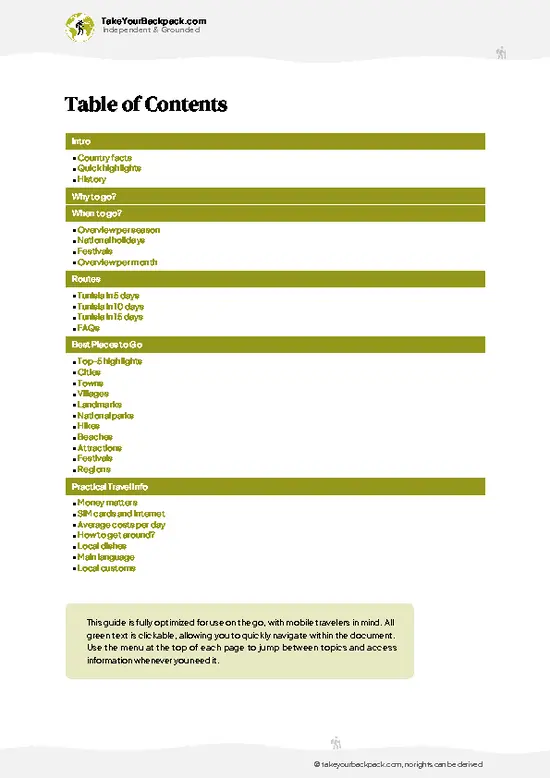
example page 2 from our offline Travel Guide for Tunisia
example page 3 from our offline Travel Guide for Tunisia
example page 4 from our offline Travel Guide for Tunisia
example page 5 from our offline Travel Guide for Tunisia
example page 6 from our offline Travel Guide for Tunisia
example page 7 from our offline Travel Guide for Tunisia
The digital guide (372 pages) contains:
97 highlights, ranked by travel appeal
Optimized 5, 10 & 15-day travel routes
Cities, national parks, landmarks, beaches
How to get around
Offline-friendly for travel without Wi-Fi
👉 Click to see all 30+ guide features

📅 Plan smarter in minutes, not weeks
Month by month travel advice
Festivals & national holidays
Budget expectations

🗺️ Go to the right places, skip the overrated ones
Honest pros & cons of destinations
Top hikes, parks & viewpoints
Lesser-known places most travelers miss
Clear “worth it vs skip it” guidance

🛏️ Travel smoothly without rookie mistakes
Best areas to stay
Transport systems explained simply
Common scams & safety advice
SIM cards, money & practical tips

🌍 Understand the country, not just visit it
Culture & traditions
52 Essential phrases & customs
Festivals worth planning around
Traveler-friendly historical context
Insights that make places more meaningful

📱 Built for real travel conditions
Fully downloadable PDF
Works completely offline
Optimized for phone use
Useful in remote areas & buses
Everything in one place
Save weeks of stressful planning
Get instant access to your full guide. 30‑day money-back guarantee.


By proceeding you agree to our terms.
Sent to your inbox immediately after payment • 100% Secure Checkout
Best Backpacking Travel Advisor 2025 tourism awardBest Backpacking
Travel Advisor
2025
What others say about Take Your Backpack Guides:
⭐⭐⭐⭐⭐
Fantastic, amazing amount of information!
⭐⭐⭐⭐⭐
My goodness this is amazing, it's what I've been looking for hats off too you!
⭐⭐⭐⭐⭐
I think this is absolutely BRILLIANT
⭐⭐⭐⭐
Very complete and informative. It's still missing places, but I gotta to commend you
⭐⭐⭐⭐⭐
This is truly amazing, thank you, can't wait to explore it with my kids!
⭐⭐⭐⭐⭐
Awesome resource, thank you!
⭐⭐⭐⭐⭐
This is amazing! Can't wait to explore the ones I haven't seen
⭐⭐⭐⭐
I love this! Well done, great idea.
⭐⭐⭐⭐⭐
Thanks for taking the time to make this gem!
⭐⭐⭐⭐⭐
This might be the best website I've ever seen.
⭐⭐⭐⭐⭐
Congratulations, and thank you so much for your work; it's incredibly valuable.
⭐⭐⭐⭐
In all seriousness I think you did a great job pointing out the important spots
⭐⭐⭐⭐⭐
10/10 very good
⭐⭐⭐⭐⭐
As someone who's only just starting to visit regularly this is awesome, thank you.
⭐⭐⭐⭐
Thank you very much! I'm going to visit my dad, it's going to be very useful!
⭐⭐⭐⭐⭐
This is really cool! We'll be travelling for the first time and this definitely come in handy.
⭐⭐⭐⭐⭐
You are now our minister of culture, congratulations 👨‍💼
⭐⭐⭐⭐⭐
Just wanted to tell you that this is a pearl! Going to follow your recommendations.
⭐⭐⭐⭐⭐
This is so cool. I'll definitely be using the resource for my travels soon.
⭐⭐⭐⭐⭐
This is very impressive! Good work.
⭐⭐⭐⭐⭐
This is an amazing and informative site. Very well done!

🛏️ Where to stay?Where staying makes the most sense

In Hammamet, the sweet spot for backpackers is the area around the Medina and the nearby beachfront stretch. This zone nails the balance between safety, social buzz, and budget-friendly options. The Medina, with its maze of narrow streets, offers a genuine slice of Tunisian life without the tourist overload found in other parts of town. It’s easy to find hostels here that cater to solo travelers, creating a natural social hub where you can swap stories over mint tea or plan your next move with fellow adventurers.

Step a little closer to the beach, and you hit a different vibe—still affordable … read more 👉
In Hammamet, the sweet spot for backpackers is the area around the Medina and the nearby beachfront stretch. This zone nails the balance between safety, social buzz, and budget-friendly options. The Medina, with its maze of narrow streets, offers a genuine slice of Tunisian life without the tourist overload found in other parts of town. It’s easy to find hostels here that cater to solo travelers, creating a natural social hub where you can swap stories over mint tea or plan your next move with fellow adventurers.

Step a little closer to the beach, and you hit a different vibe—still affordable but with a bit more space to breathe and a steady flow of cafes and bars. This area is perfect if you want to mix socializing with some downtime by the sea. It’s safer and quieter at night compared to the Medina, which can get lively but also a bit chaotic.

Avoid the newer, sprawling resort zones unless you’re after comfort over character. They’re pricier and less connected to the authentic Hammamet experience. Sticking to the Medina and beachfront areas means you’re trading a bit of luxury for real interaction and a wallet-friendly stay that keeps you plugged into the city’s pulse.

🚌 Getting aroundHow to get from A to B

Hammamet moves at a pace that’s neither frantic nor sluggish—it’s a city where time feels elastic, stretching and contracting depending on your mode of travel. The rhythm here is a blend of Mediterranean leisure and practical hustle. You won’t find rigid timetables etched in stone, but neither is it a free-for-all chaos. Instead, the flow is a dance between fixed schedules and local intuition, where knowing when to move fast or slow is your secret weapon. This balance shapes every journey, turning transit into a strategic choice rather than a mere necessity.


  • Walking: The ultimate budget-friendly option, especially within the Medina and beachfront areas. It’s free, flexible, and lets you soak in the city’s textures—cobblestones, sea breeze, and street chatter. Expect to cover about 3-4
read more 👉
Hammamet moves at a pace that’s neither frantic nor sluggish—it’s a city where time feels elastic, stretching and contracting depending on your mode of travel. The rhythm here is a blend of Mediterranean leisure and practical hustle. You won’t find rigid timetables etched in stone, but neither is it a free-for-all chaos. Instead, the flow is a dance between fixed schedules and local intuition, where knowing when to move fast or slow is your secret weapon. This balance shapes every journey, turning transit into a strategic choice rather than a mere necessity.


  • Walking: The ultimate budget-friendly option, especially within the Medina and beachfront areas. It’s free, flexible, and lets you soak in the city’s textures—cobblestones, sea breeze, and street chatter. Expect to cover about 3-4 km per hour, perfect for short hops or exploring narrow alleys where vehicles can’t reach.


  • Louage (Shared Minibus): The backbone of local transit, louages run frequently from early morning until around 9 PM. Tickets cost just a few Tunisian dinars, making them unbeatable for budget travelers. They’re not luxury rides—expect tight seating and stops on demand—but they’re fast and efficient for trips between Hammamet and nearby towns like Nabeul or Sousse.


  • Local Buses: Operated by the Société des Transports de Tunis, these buses cover most urban routes with fares under 2 TND. Services start around 6 AM and taper off by 8 PM. They’re slower than louages due to frequent stops but offer more comfort and air conditioning, a key factor during summer heat.


  • Taxis: Metered taxis are available but pricier, especially for longer distances. They’re best for late-night rides or when you’re carrying heavy gear. Negotiation is common outside official meters, so keep an eye on the fare and be ready to bargain. Expect to pay roughly 5-10 TND for short city trips.


  • Bicycle Rentals: A growing option for the eco-conscious and those wanting to cover more ground than walking allows. Rentals cost around 10-15 TND per day. Cycling offers a sweet spot between speed and immersion, letting you explore coastal roads and parks at your own pace without the hassle of parking or traffic.


Understanding these options means you’re not just moving through Hammamet—you’re playing the transit game with a clear sense of what you’re trading off. Faster rides cost more and sacrifice local color; slower, cheaper modes demand patience but reward you with authentic encounters. Your choice shapes your experience, turning every trip into a deliberate move on the city’s chessboard.

👛 Costs (as of 10 June 2025)Typical daily expenses

Backpacking in Hammamet, Tunisia, offers a clear trade-off between cost and comfort, with prices that reflect its status as a popular Mediterranean destination balancing affordability and tourist demand.
  • Dorm Accommodation (High Season): Expect to pay around €15 to €25 per night for a bed in a shared dorm. High season pushes prices up due to demand, especially in well-located hostels near the beach or medina.
  • Dorm Accommodation (Off-Season): Off-peak months see prices drop to about €8 to €15. This is when you can snag quieter, more affordable stays without sacrificing basic comfort.
  • Meals: Street food and local cafés offer meals for €3 to €7. A typical budget traveler can eat well on traditional Tunisian dishes like couscous or brik without breaking the bank. Mid-range restaurants will
read more 👉
Backpacking in Hammamet, Tunisia, offers a clear trade-off between cost and comfort, with prices that reflect its status as a popular Mediterranean destination balancing affordability and tourist demand.
  • Dorm Accommodation (High Season): Expect to pay around €15 to €25 per night for a bed in a shared dorm. High season pushes prices up due to demand, especially in well-located hostels near the beach or medina.
  • Dorm Accommodation (Off-Season): Off-peak months see prices drop to about €8 to €15. This is when you can snag quieter, more affordable stays without sacrificing basic comfort.
  • Meals: Street food and local cafés offer meals for €3 to €7. A typical budget traveler can eat well on traditional Tunisian dishes like couscous or brik without breaking the bank. Mid-range restaurants will push this to €10-€15 per meal.
  • Local Transport: Mini-buses and shared taxis are the norm, costing roughly €0.30 to €0.70 per trip within Hammamet. These are frequent and cover most tourist spots and neighborhoods.
  • City Transport Pass: Hammamet doesn’t have a formal city transport pass system; relying on individual fares is standard. Budget around €2 to €3 daily if you plan multiple trips.
  • Basic Activities/Entry Fees: Entry to historical sites or museums typically costs between €2 and €5. Beach access is generally free, but some private beach clubs may charge a small fee or require a minimum spend.
  • Miscellaneous Expenses: This includes bottled water, snacks, occasional coffee, or small souvenirs. Budget around €3 to €7 daily depending on your habits.

In total, a backpacker in Hammamet can expect to spend between €25 and €45 per day, depending on the season and personal choices around meals and accommodation. This range balances the essentials with a bit of local flavor, making it a manageable and rewarding destination for independent travelers.
⚠️ Prices can change and everyone travels differently, so take this as a rough guide. Hope it helps you plan your adventure!

🚌 Day tripsBest day trips from Hammamet

Hammamet is a fantastic launchpad for day trips that blend culture, history, and stunning landscapes. Here’s how to make the most of your time without breaking the bank.

Carthage Ruins
Just a short bus ride away, the ancient ruins of Carthage are a must-see. You’ll wander through remnants of a civilization that once rivaled Rome. The site is expansive, so wear comfy shoes and bring water. Expect to spend around 10 TND for entry and another 5 TND for the bus. The best time to visit is in spring or fall when the weather is mild. A common mistake? Rushing through without taking the time to soak in the views of the Mediterranean from the hilltop.


Sidi Bou Said
This charming coastal village is known for its blue-and-white architecture and stunning cliffside views. It’s only about 30 minutes … read more 👉
Hammamet is a fantastic launchpad for day trips that blend culture, history, and stunning landscapes. Here’s how to make the most of your time without breaking the bank.

Carthage Ruins
Just a short bus ride away, the ancient ruins of Carthage are a must-see. You’ll wander through remnants of a civilization that once rivaled Rome. The site is expansive, so wear comfy shoes and bring water. Expect to spend around 10 TND for entry and another 5 TND for the bus. The best time to visit is in spring or fall when the weather is mild. A common mistake? Rushing through without taking the time to soak in the views of the Mediterranean from the hilltop.


Sidi Bou Said
This charming coastal village is known for its blue-and-white architecture and stunning cliffside views. It’s only about 30 minutes from Hammamet. Grab a coffee at a local café and stroll through the narrow streets. You can easily spend a few hours here, and it won’t cost more than 20 TND for transport and snacks. The best time to visit is early morning or late afternoon to avoid the crowds. Many first-timers miss the hidden art galleries tucked away in alleys, so keep your eyes peeled!
👉 Explore Sidi Bou Said

Kairouan
A bit further afield, Kairouan is a UNESCO World Heritage site and one of the holiest cities in Islam. The Great Mosque is a highlight, showcasing stunning architecture. The trip takes about 1.5 hours by bus, costing around 15 TND. Plan your visit during the cooler months, as summer can be sweltering. A common pitfall is not allowing enough time to explore the medina, which is rich in local crafts and history.


Nabeul
Famous for its pottery and vibrant market, Nabeul is just a 30-minute bus ride from Hammamet. Visit on a Friday for the bustling weekly market, where you can snag local goods and fresh produce. Expect to spend around 10 TND for transport and a few extra for snacks. Spring is ideal for this trip, as the market is in full swing. Don’t forget to haggle; many first-timers shy away from negotiating prices!


Bardo Museum
If you’re up for a bit of a trek, the Bardo Museum in Tunis is worth the journey. It’s home to one of the largest collections of Roman mosaics in the world. The bus ride takes about 1.5 hours and costs around 10 TND. Aim for a weekday visit to avoid crowds. A common mistake is not allocating enough time to fully appreciate the exhibits, so plan for at least a couple of hours.
Want to know what more Tunisia offers?
The Tunisia Travel Guide describes 97 highlights, from cities to national parks, from beaches to hikes

Get the Travel Guide -

🍲 FoodLocal Cuisine & Drinks

In Hammamet, food and drink are a vibrant tapestry of flavors that tell the story of Tunisia. You can’t miss trying couscous, the national dish, often served with a rich stew of lamb or vegetables. The grains are fluffy, absorbing the spices and juices, creating a comforting dish that feels like a warm hug. Another must-try is brik, a crispy pastry filled with egg and herbs, perfect for a quick snack while wandering the streets.

For drinks, seek out mint tea. This sweet, fragrant brew is more than just a beverage; it’s a ritual. You’ll find locals sipping it in cafés, often accompanied by lively conversation. The markets are where the real magic happens. Stalls overflow with fresh produce, spices, and street food vendors grilling skewers of kebabs. The aromas will pull you in, and the prices … read more 👉
In Hammamet, food and drink are a vibrant tapestry of flavors that tell the story of Tunisia. You can’t miss trying couscous, the national dish, often served with a rich stew of lamb or vegetables. The grains are fluffy, absorbing the spices and juices, creating a comforting dish that feels like a warm hug. Another must-try is brik, a crispy pastry filled with egg and herbs, perfect for a quick snack while wandering the streets.

For drinks, seek out mint tea. This sweet, fragrant brew is more than just a beverage; it’s a ritual. You’ll find locals sipping it in cafés, often accompanied by lively conversation. The markets are where the real magic happens. Stalls overflow with fresh produce, spices, and street food vendors grilling skewers of kebabs. The aromas will pull you in, and the prices are backpacker-friendly.

Etiquette is simple: share food and enjoy the moment. It’s common to see people eating with their hands, so don’t hesitate to dive in. Just remember to use your right hand, as the left is considered impolite. Embrace the communal spirit, and you’ll find that every meal is an experience, not just sustenance.

🛡️ SafetyStaying Safe: What Travelers Should Know

Hammamet is generally safe for backpackers, but a few situational awareness tips can enhance your experience. Stick to well-lit areas at night, especially if you’re solo. The beach promenade is lively, but quieter streets can feel a bit isolated after dark.

Common scams are rare, but be cautious around street vendors who might push for higher prices. Always negotiate before accepting anything. If someone offers unsolicited help, it’s wise to politely decline; they may expect a tip.

Annoyances can include persistent touts, especially near tourist spots. A firm but friendly “no, thank you” usually does the trick. Keep your belongings secure, particularly in crowded markets where pickpockets might lurk.

Overall, maintain a confident demeanor, and you’ll navigate Hammamet smoothly. Embrace … read more 👉
Hammamet is generally safe for backpackers, but a few situational awareness tips can enhance your experience. Stick to well-lit areas at night, especially if you’re solo. The beach promenade is lively, but quieter streets can feel a bit isolated after dark.

Common scams are rare, but be cautious around street vendors who might push for higher prices. Always negotiate before accepting anything. If someone offers unsolicited help, it’s wise to politely decline; they may expect a tip.

Annoyances can include persistent touts, especially near tourist spots. A firm but friendly “no, thank you” usually does the trick. Keep your belongings secure, particularly in crowded markets where pickpockets might lurk.

Overall, maintain a confident demeanor, and you’ll navigate Hammamet smoothly. Embrace the local culture, and you’ll find that the rewards far outweigh any minor inconveniences.

Other Tunisian cities near Hammamet

Explore more nearby:

  • Tunis—Labyrinthine medina, French quarter, Bardo Museum, city trams| 59 km away
  • Sousse—UNESCO medina, ribat tower, beachfront cafés, mosaic museum| 65 km away
  • Bizerte—Mediterranean port, Ottoman forts, fishing harbor, French colonial streets| 118 km away

💡 Not sure where to go next?
Create a personalized itinerary for Tunisia including Hammamet and the places that fit your trip.

Generate my itinerary

👉 Discover all cities

Or checkout all Tunisia has to offer (think cities, towns, villages, national parks, hikes, beaches, festivals)
Country photo of Tunisia

We 💚 feedbackParting advice and final tips

Hammamet has a laid-back charm that sneaks up on you. The medina buzzes with life, but the real surprise? The local cafes serving mint tea that’s sweeter than a summer day. Don’t skip the beach, but be wary of the sun—bring sunscreen or risk looking like a lobster. If you wander off the beaten path, you’ll find quiet spots where the sea whispers secrets. Embrace the slower pace; it’s where the magic happens.

✍️ Help improve this page!
The information on this page is based on in-depth research, insights shared by experienced travelers, and feedback from the local travel community in Tunisia. While every effort is made to keep the information accurate and current, conditions can change — so if you spot anything incorrect or outdated, please get in touch.


🙋‍♂️ Give feedback

👋 Meet the founderWho’s Behind Take Your Backpack?

Johan, backpacker and founder of TakeYourBackpackHi, I’m Johan (Netherlands 🇳🇱), the creator of TakeYourBackpack. Over the past decade, I’ve backpacked through 80+ countries across six continents, gaining extensive experience with independent travel, long-term trips, and overland routes.

This site is built on a combination of firsthand travel experience and carefully curated insights from other backpackers. Many guides are based on places I’ve personally visited, while others bring together tips, observations, and practical advice shared by trusted travelers I’ve met along the way.

The goal is to provide realistic, experience-driven guidance — not generic itineraries — so you can explore destinations with better context, clearer expectations, and more confidence.

Get full Tunisia guide •
Instant download • 97 highlights • Full Offline guide