×

Tunisia🇹🇳 | townsKelibiaByzantine-origin fort, white-sand bay, charcoal sardines, Cap Bon tip | things to do and best time to go

Explore NeftaExplore Tabarka

Backpacking in Kelibia
🌟 Highlighttown ranked #10
By Johan Kruseman 🇳🇱 | Updated October 22, 2026

The first thing you notice is the grill smoke: sardines blistering on charcoal near the port, a plastic stool pulled up for you before you’ve agreed to anything. Kelibia sits at the tip of Cap Bon, in the north of Tunisia, and it earns a visit for its fortress, its pale beach and its fish. Skip the modern center, which is mostly shops and traffic. Reaching it takes a few hours from Tunis by road. Evenings are quiet, hostels are scarce, and meeting other backpackers is luck, not a plan. It works best as a slow coastal stop. A first day could mean fortress by morning, beach by noon, and grilled fish at the harbor by dusk.

Discover everything you want to know in the 📖 Tunisia Travel Guide.


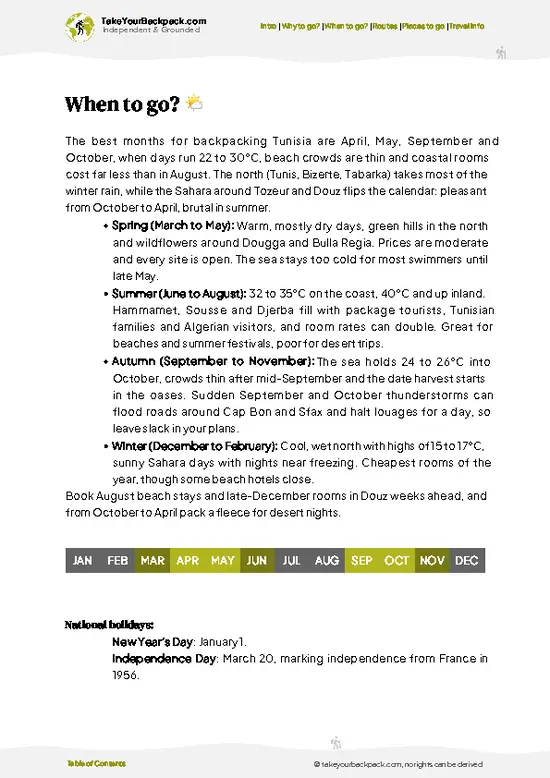
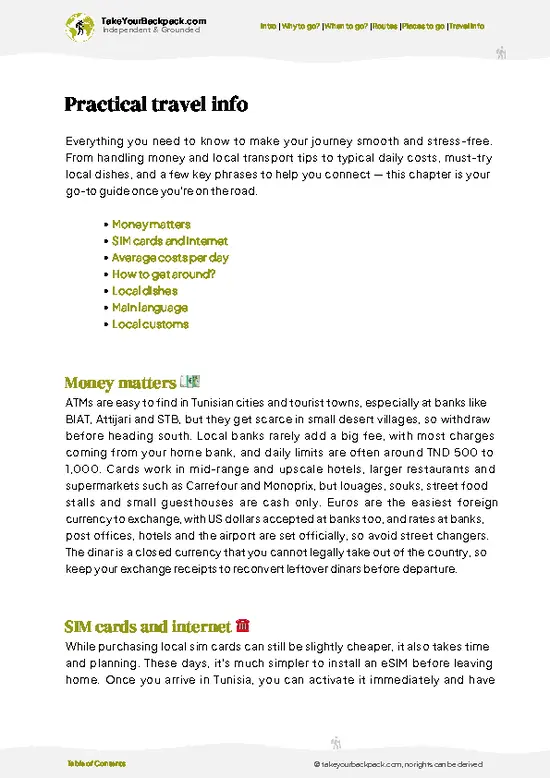
example page 0 from our offline Travel Guide for Tunisia
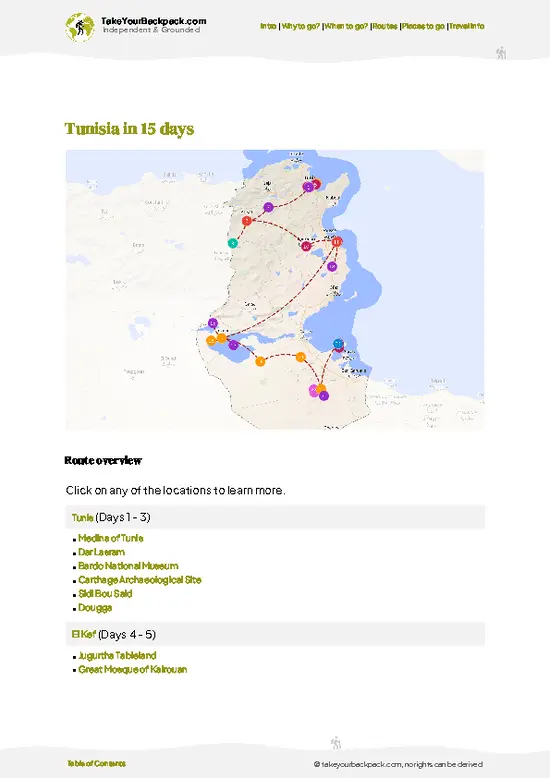
example page 1 from our offline Travel Guide for Tunisia
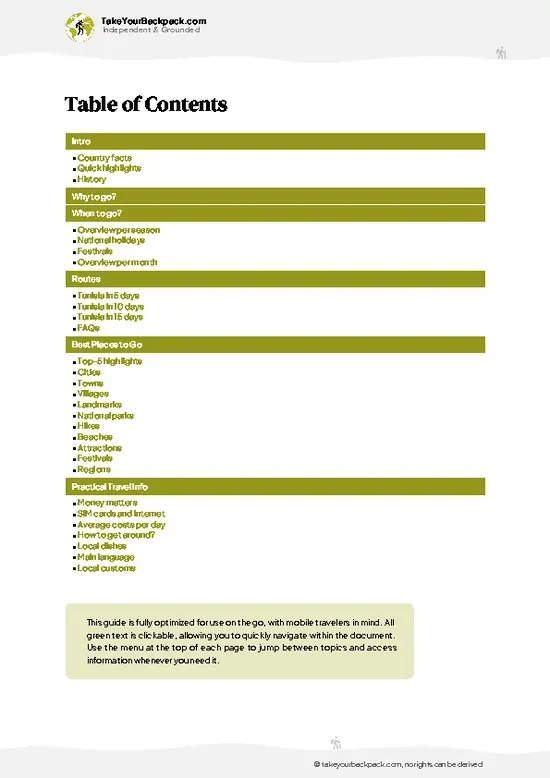
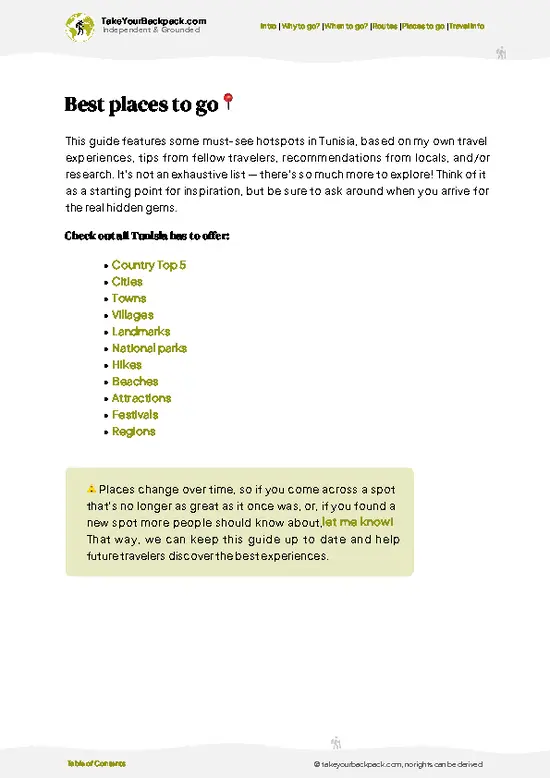
example page 2 from our offline Travel Guide for Tunisia
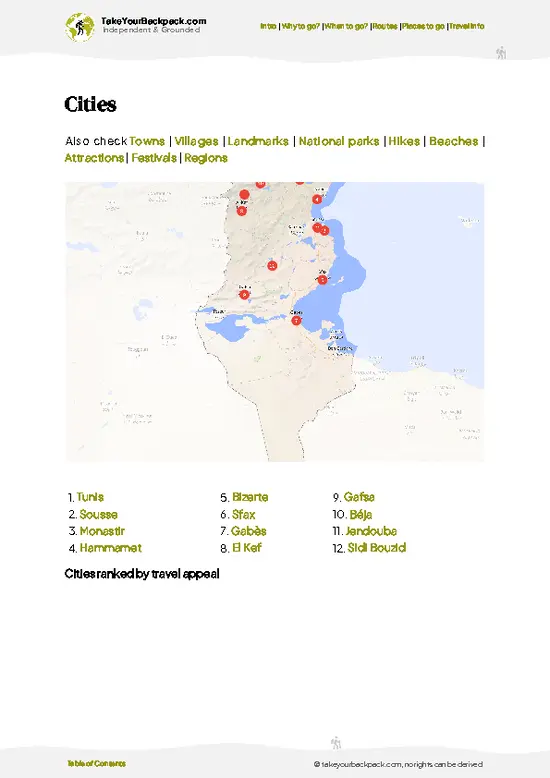
example page 3 from our offline Travel Guide for Tunisia
example page 4 from our offline Travel Guide for Tunisia
example page 5 from our offline Travel Guide for Tunisia
example page 6 from our offline Travel Guide for Tunisia
example page 7 from our offline Travel Guide for Tunisia
Loading the map 🌍
CLICK TO FILTER
cities
towns
villages
landmarks
national parks
hikes
beaches
attractions
festivals
regions
SHOW COUNTRY’S BESTSHOW ALL

✨ Why go?
Ranked #10 town in Tunisia
What makes it a must-see town

Kelibia works for travelers who want sea and ruins without tour buses. The Byzantine-era fortress on the hill gives the town a real landmark, and the long white sand of Mansoura beach beyond it is wide enough that you can find a patch to yourself outside August. Food is the other draw: the port sells fish the same day it’s landed, and cafés pour the local muscat wine region’s grapes into juice and conversation. Most people stay two or three nights, long enough to swim, climb, eat well and drift around. It suits slow travelers, couples, and solo backpackers who are happy with quiet evenings. Nightlife is thin and hostels are few, so guesthouses and small hotels are the norm. If you need a party, go elsewhere. If you want to sleep to the sound of waves, stay.

💡 HighlightsMust-see experiences and standout moments

  1. Kelibia Fortress: The town’s signature sight, a Byzantine-origin fort rebuilt by later rulers, with thick walls and sweeping views across the sea toward Sicily on clear days. Go in the late afternoon for softer light. Entry costs roughly US$3 to 4, and 1 to 2 hours is plenty.
  2. Kelibia Beach: A broad crescent of fine white sand with clear, shallow water below the fortress. Swim between June and September. Free to enter, and you can easily spend half a day here.
  3. Kelibia Port: A working fishing harbor where boats unload and small restaurants grill the catch. Visit around lunch or early evening. A plate of fish costs about US$8 to 15, and an hour is enough.
  4. Kelibia Archaeological Museum: A small collection tied to the Punic and Roman past of Cap Bon, useful context before or after the fortress. Expect
… read more 👉
  1. Kelibia Fortress: The town’s signature sight, a Byzantine-origin fort rebuilt by later rulers, with thick walls and sweeping views across the sea toward Sicily on clear days. Go in the late afternoon for softer light. Entry costs roughly US$3 to 4, and 1 to 2 hours is plenty.
  2. Kelibia Beach: A broad crescent of fine white sand with clear, shallow water below the fortress. Swim between June and September. Free to enter, and you can easily spend half a day here.
  3. Kelibia Port: A working fishing harbor where boats unload and small restaurants grill the catch. Visit around lunch or early evening. A plate of fish costs about US$8 to 15, and an hour is enough.
  4. Kelibia Archaeological Museum: A small collection tied to the Punic and Roman past of Cap Bon, useful context before or after the fortress. Expect around US$2 to 3 and about 45 minutes. Check that it is open before you walk over.
  5. Kelibia Old Market: A town market where locals buy produce, spices and fish, best in the morning. Free to wander, and 45 minutes lets you graze on fruit and snacks.
For day trips, you can reach the Punic ruins of Kerkouane, the cliffs and caves of El Haouaria, and the hot springs of Korbous. The beach costs nothing, and the market is the cheapest way to spend an hour.
Spotted a mistake or missing something? Contact us.

Things to do near Kelibia

Ratings based on Tripadvisor reviews. When you book through this link, you support our work at no extra cost to you.

🏘️ NeighborhoodsHow different areas shape the experience

Kelibia is small enough that you can sort it into four areas in one afternoon, and only some of them need your time.
  • Fort Hill: The Byzantine-era fortress sits on a hill above town, with a view across to Cap Bon’s tip and, on clear days, toward Sicily. Entry is cheap, the climb is short, and it is the one sight here that earns a proper visit.
  • Old Port and Fishing Harbor: Boats unload in the morning, gulls complain, and grill shacks serve the catch by lunchtime. Come hungry. Everything is walkable and slightly smelly in the best way.
  • Town Center: Around the main avenue you get cafés full of men with small coffees and long opinions, a produce market, and the louage stop. Pleasant for an hour, not a destination.
  • Mansoura and the Beaches: The long white-sand beach north of town is the reason people
… read more 👉
Kelibia is small enough that you can sort it into four areas in one afternoon, and only some of them need your time.
  • Fort Hill: The Byzantine-era fortress sits on a hill above town, with a view across to Cap Bon’s tip and, on clear days, toward Sicily. Entry is cheap, the climb is short, and it is the one sight here that earns a proper visit.
  • Old Port and Fishing Harbor: Boats unload in the morning, gulls complain, and grill shacks serve the catch by lunchtime. Come hungry. Everything is walkable and slightly smelly in the best way.
  • Town Center: Around the main avenue you get cafés full of men with small coffees and long opinions, a produce market, and the louage stop. Pleasant for an hour, not a destination.
  • Mansoura and the Beaches: The long white-sand beach north of town is the reason people stay. It is quiet outside summer, loud with local families in August, and too far to walk comfortably, so plan on a short taxi ride. The big resort strip nearby can be skipped.

⌛️ 1 dayHow to make the most of one day

A fortress-and-fish day, with plenty of slack for swimming.
8:30 AM: Old Market. Start with coffee and a wander through the stalls for fruit, olives and bread. Locals shop early, so this is when it is liveliest. Walk uphill afterward toward the hill.
10:00 AM: Kelibia Fortress. Climb the ramparts while it is cool, then stand on the walls to look out over the coast and the harbor below. Give it a leisurely hour or more.
12:00 PM: Archaeological Museum. A short stop for the Punic and Roman context. It is rarely crowded, and it explains why this headland mattered.
1:00 PM: Port. Walk down to the harbor and order grilled fish at one of the small restaurants. Choose whatever the boats brought in that morning.
3:00 PM: Kelibia Beach. Swim and rest on the sand, with the fort above you. Stay as long as … read more 👉
A fortress-and-fish day, with plenty of slack for swimming.
8:30 AM: Old Market. Start with coffee and a wander through the stalls for fruit, olives and bread. Locals shop early, so this is when it is liveliest. Walk uphill afterward toward the hill.
10:00 AM: Kelibia Fortress. Climb the ramparts while it is cool, then stand on the walls to look out over the coast and the harbor below. Give it a leisurely hour or more.
12:00 PM: Archaeological Museum. A short stop for the Punic and Roman context. It is rarely crowded, and it explains why this headland mattered.
1:00 PM: Port. Walk down to the harbor and order grilled fish at one of the small restaurants. Choose whatever the boats brought in that morning.
3:00 PM: Kelibia Beach. Swim and rest on the sand, with the fort above you. Stay as long as the sun is kind.
6:00 PM: Fishermen’s quay. Off the usual route, the quieter edge of the port is where boats are mended and nets spread. Watch the evening work and chat with whoever is around.
8:00 PM: Café on the main street. Finish with mint tea and people-watching.

🌤️ When to go?When to go for the best experience

  • Summer (June to September): Highs reach 29 to 33°C (84 to 91°F), sea water is warm, and days run long. Beaches fill in July and August, and prices rise.
  • Autumn (October to November): Highs of 20 to 26°C (68 to 79°F), warm water into October, and thin crowds. Rain starts to appear.
  • Winter (December to February): Highs of 14 to 16°C (57 to 61°F), windy, with the wettest weather. Many beach businesses close, though the fort and harbor stay open.
  • Spring (March to May): Highs of 17 to 25°C (63 to 77°F), green hills, and cheap rooms. The sea is still cold for swimming until May.
Aim for late May or September if you want swimming without the August crush.

source: climatestotravel.comJANJanuary: fair for travelingFEBFebruary: fair for travelingMARMarch: highly recommended for travelingAPRApril: excellent for travelingMAYMay: highly recommended for travelingJUNJune: good for travelingJULJuly: fair for travelingAUGAugust: fair for travelingSEPSeptember: highly recommended for travelingOCTOctober: excellent for travelingNOVNovember: good for travelingDECDecember: fair for traveling
when-to-go

✈️ The backpacker research shortcutTunisia Travel Guide

An offline-friendly backpacking guide with optimized travel routes, ranked highlights, transport advice, and the best areas to stay.
example page 0 from our offline Travel Guide for Tunisia
example page 1 from our offline Travel Guide for Tunisia
example page 2 from our offline Travel Guide for Tunisia
example page 3 from our offline Travel Guide for Tunisia
example page 4 from our offline Travel Guide for Tunisia
example page 5 from our offline Travel Guide for Tunisia
example page 6 from our offline Travel Guide for Tunisia
example page 7 from our offline Travel Guide for Tunisia
The digital guide (355 pages) contains:
✅ 90 highlights, ranked by travel appeal
✅ Optimized 5, 10 & 15-day travel routes
✅ Cities, national parks, landmarks, beaches
✅ How to get around
✅ Offline-friendly for travel without Wi-Fi
👉 Click to see all 30+ guide features

📅 Plan smarter in minutes, not weeks
✅ Month by month travel advice
✅ Festivals & national holidays
✅ Budget expectations

🗺️ Go to the right places, skip the overrated ones
✅ Honest pros & cons of destinations
✅ Top hikes, parks & viewpoints
✅ Lesser-known places most travelers miss
✅ Clear “worth it vs skip it” guidance

🛏️ Travel smoothly without rookie mistakes
✅ Best areas to stay
✅ Transport systems explained simply
✅ Common scams & safety advice
✅ SIM cards, money & practical tips

🌍 Understand the country, not just visit it
✅ Culture & traditions
✅ 52 Essential phrases & customs
✅ Festivals worth planning around
✅ Traveler-friendly historical context
✅ Insights that make places more meaningful

📱 Built for real travel conditions
✅ Fully downloadable PDF
✅ Works completely offline
✅ Optimized for phone use
✅ Useful in remote areas & buses
✅ Everything in one place
Stop searching, start planning
Get instant access to your full guide. 30‑day money-back guarantee.
+ Add another guide for just

By proceeding you agree to our terms.
Sent to your inbox immediately after payment • 100% Secure Checkout
Best Backpacking Travel Advisor 2025 tourism awardBest Backpacking
Travel Advisor
2025
What others say about Take Your Backpack Guides:
⭐⭐⭐⭐⭐
Fantastic, amazing amount of information!
⭐⭐⭐⭐⭐
My goodness this is amazing, it's what I've been looking for hats off too you!
⭐⭐⭐⭐⭐
I think this is absolutely BRILLIANT
⭐⭐⭐⭐
Very complete and informative. It's still missing places, but I gotta to commend you
⭐⭐⭐⭐⭐
This is truly amazing, thank you, can't wait to explore it with my kids!
⭐⭐⭐⭐⭐
Awesome resource, thank you!
⭐⭐⭐⭐⭐
This is amazing! Can't wait to explore the ones I haven't seen
⭐⭐⭐⭐
I love this! Well done, great idea.
⭐⭐⭐⭐⭐
Thanks for taking the time to make this gem!
⭐⭐⭐⭐⭐
This might be the best website I've ever seen.
⭐⭐⭐⭐⭐
Congratulations, and thank you so much for your work; it's incredibly valuable.
⭐⭐⭐⭐
In all seriousness I think you did a great job pointing out the important spots
⭐⭐⭐⭐⭐
10/10 very good
⭐⭐⭐⭐⭐
As someone who's only just starting to visit regularly this is awesome, thank you.
⭐⭐⭐⭐
Thank you very much! I'm going to visit my dad, it's going to be very useful!
⭐⭐⭐⭐⭐
This is really cool! We'll be travelling for the first time and this definitely come in handy.
⭐⭐⭐⭐⭐
You are now our minister of culture, congratulations 👨‍💼
⭐⭐⭐⭐⭐
Just wanted to tell you that this is a pearl! Going to follow your recommendations.
⭐⭐⭐⭐⭐
This is so cool. I'll definitely be using the resource for my travels soon.
⭐⭐⭐⭐⭐
This is very impressive! Good work.
⭐⭐⭐⭐⭐
This is an amazing and informative site. Very well done!

🛏️ Where to stay?Best areas to stay in Tunisia

The best bet for a budget bed is the town center near the port, with the beach area of Mansoura as a second option. Dedicated hostels are scarce in Kelibia, so expect small guesthouses and simple budget hotels, with private rooms often costing about the same as a dorm bed elsewhere. The center keeps you within walking distance of the louage station, cafés, markets and harbor grills, and it feels calm after dark, with streets staying lively until late evening. Noise is moderate, mostly from café conversations and early fish deliveries.

Mansoura suits you if the sea is the plan. It is quieter and … read more 👉
The best bet for a budget bed is the town center near the port, with the beach area of Mansoura as a second option. Dedicated hostels are scarce in Kelibia, so expect small guesthouses and simple budget hotels, with private rooms often costing about the same as a dorm bed elsewhere. The center keeps you within walking distance of the louage station, cafés, markets and harbor grills, and it feels calm after dark, with streets staying lively until late evening. Noise is moderate, mostly from café conversations and early fish deliveries.

Mansoura suits you if the sea is the plan. It is quieter and more spacious, but you will rely on taxis for dinner and transport, and many places close or cut services outside summer. In July and August, book ahead, because Tunisian families fill nearly everything. From October to April, walk-up rates are easy to negotiate.

🚌 Getting aroundHow to get around Kelibia

From Kelibia’s bus and louage station, the center is about a 10 to 15 minute walk, or a taxi ride of US$1 to 2, which is exactly the sort of distance where you will argue with yourself about the bags. The town is compact, traffic is light outside summer, and public transport works but keeps its own schedule.
  • Walking: Covers the port, fort and center easily. The fort climb is steep for a few minutes, so wear real shoes.
  • Taxis: Yellow local taxis cost US$1 to 3 within town and US$3 to 6 to the beaches. Ask for the meter, and agree a price if it stays off.
  • Louages (shared vans): They leave when full, with no timetable. Nabeul costs roughly US$2 to 3 and Tunis roughly US$5 to 7 (about 2 to 2.5 hours). Mornings are the most reliable, and by late afternoon services thin out.
  • Buses: Regional buses to
… read more 👉
From Kelibia’s bus and louage station, the center is about a 10 to 15 minute walk, or a taxi ride of US$1 to 2, which is exactly the sort of distance where you will argue with yourself about the bags. The town is compact, traffic is light outside summer, and public transport works but keeps its own schedule.
  • Walking: Covers the port, fort and center easily. The fort climb is steep for a few minutes, so wear real shoes.
  • Taxis: Yellow local taxis cost US$1 to 3 within town and US$3 to 6 to the beaches. Ask for the meter, and agree a price if it stays off.
  • Louages (shared vans): They leave when full, with no timetable. Nabeul costs roughly US$2 to 3 and Tunis roughly US$5 to 7 (about 2 to 2.5 hours). Mornings are the most reliable, and by late afternoon services thin out.
  • Buses: Regional buses to Nabeul and Hammamet are cheaper, at about US$1.50 to 3, but slower and less frequent. Fine if you have time and no schedule.
  • Bicycle or scooter rental: Seasonal and informal, around US$10 to 20 a day. Flat roads along the coast make it a decent way to reach the beaches, though summer afternoon heat is real.
My advice is to skip renting a car unless you plan to roam the whole Cap Bon peninsula. Louages and taxis do the job for much less, and parking in summer is a sport.

👛 Costs (as of 22 October 2026)What things cost and how to budget

Kelibia costs about US$30 to 56 a day for a backpacker in high season, much less outside summer.
CategoryBudget RangeLocal Reality
Dorm accommodationUS$15 to 25 (high season); US$10 to 15 (low season)Few true hostels, so a simple guesthouse room is the norm. Prices spike in July and August.
MealsUS$8 to 14Sandwiches and fish grills at the harbor keep costs low, while a sit-down seafood dinner costs more.
Local transportUS$2 to 6Short taxi rides and louages, which cost less than buses in time and little more in money.
Basic activities/entry feesUS$2 to 5Fort and nearby sites charge small entry fees, and beaches are free.
Miscellaneous expensesUS$3 to 6Coffee, water, sunscreen and the odd beach umbrella.
Total Daily BudgetUS$30 to 56Around US$43 on a typical summer day.
Eat where the fishermen eat near … read more 👉
Kelibia costs about US$30 to 56 a day for a backpacker in high season, much less outside summer.
CategoryBudget RangeLocal Reality
Dorm accommodationUS$15 to 25 (high season); US$10 to 15 (low season)Few true hostels, so a simple guesthouse room is the norm. Prices spike in July and August.
MealsUS$8 to 14Sandwiches and fish grills at the harbor keep costs low, while a sit-down seafood dinner costs more.
Local transportUS$2 to 6Short taxi rides and louages, which cost less than buses in time and little more in money.
Basic activities/entry feesUS$2 to 5Fort and nearby sites charge small entry fees, and beaches are free.
Miscellaneous expensesUS$3 to 6Coffee, water, sunscreen and the odd beach umbrella.
Total Daily BudgetUS$30 to 56Around US$43 on a typical summer day.
Eat where the fishermen eat near the harbor and skip beachfront restaurants to save a few dollars at every meal. Pay in Tunisian dinar and carry small notes.
⚠️ Prices can change and everyone travels differently, so take this as a rough guide. Hope it helps you plan your adventure!

🚌 Day tripsShort trips worth adding

Kelibia works well as a base for day trips because the Cap Bon peninsula is small, and shared vans link most towns by early afternoon.
Kerkouane:
A Punic town abandoned in the third century BC, with intact house layouts and even bathtubs. It is a 30 to 40 minute trip by taxi or louage via El Haouaria, with entry around US$3 and a total day cost of US$10 to 15. Spring is best. Go early, as there is little shade.

El Haouaria:
Known for its Roman caves cut into the cliffs and for falconry traditions, with a festival in June. Getting there takes about 45 minutes by louage for US$2 to 3. First-timers often skip the cape walk, which is the best part, so bring water and sturdy shoes.

Nabeul:
A pottery and market town about an hour away, with a big Friday market. Louage costs US$2 to 3, and you can … read more 👉
Kelibia works well as a base for day trips because the Cap Bon peninsula is small, and shared vans link most towns by early afternoon.
Kerkouane:
A Punic town abandoned in the third century BC, with intact house layouts and even bathtubs. It is a 30 to 40 minute trip by taxi or louage via El Haouaria, with entry around US$3 and a total day cost of US$10 to 15. Spring is best. Go early, as there is little shade.

El Haouaria:
Known for its Roman caves cut into the cliffs and for falconry traditions, with a festival in June. Getting there takes about 45 minutes by louage for US$2 to 3. First-timers often skip the cape walk, which is the best part, so bring water and sturdy shoes.

Nabeul:
A pottery and market town about an hour away, with a big Friday market. Louage costs US$2 to 3, and you can easily spend US$10 to 20 on ceramics. Arrive before noon, as stalls thin out in the afternoon.

Hammamet:
A walled medina and beaches, reached in about 1 hour 15 minutes for US$3 to 4. Winter and spring avoid the package-tour crowds.
👉 Explore Hammamet

🛡️ SafetyStaying Safe: What Travelers Should Know

Kelibia is calm and broadly safe, and most problems are small. Petty theft on crowded summer beaches is the main risk, so keep phones and cash out of sight and never leave bags unattended while swimming. Solo travelers, including women, usually find the center comfortable in the evening, though harassment in the form of persistent comments happens, and a firm no and continued walking works best. Dress modestly away from the beach. Taxi drivers may claim the meter is broken, so agree a fare first. Rip currents and strong winds can affect the sea, so respect red flags. Quiet beach areas outside the season are best avoided alone after dark.

FAQTraveler FAQ

Kelibia is worth a real stay of its own, especially from June to September, when its white-sand beaches and clear water draw Tunisians and Europeans alike. The hilltop Byzantine-era fortress (entry around US$3) looks out over the sea toward Cap Bon’s tip, and the fishing harbor serves grilled fish for roughly US$6 to 12 a meal. Few backpackers stop here, so you get the sand and the fort with far fewer crowds than Hammamet.
Two to three days suit Kelibia well. One day covers the fortress, the old center and the harbor, a second gives you the beach at Mansoura or the dunes at El Houaria, and a third lets you fit in a trip to Kerkouane or Nabeul. In the peak summer weeks, an extra beach day is easy to justify, since dorm and room prices stay moderate at roughly US$15 to 40.
Kelibia works as a day trip from Tunis, though it is a long one. Louages and buses take about 2 hours to 2 hours 30 minutes each way, with fares around US$4 to 7, so you get roughly four to five hours on the ground if you want to be back in the capital by evening. That is enough for the fortress and a seafood lunch at the port, but staying a night lets you swim at the beach and see Kerkouane’s Punic ruins nearby.
⚠️ Things can change over time, so always validate details locally before you go.

Other Tunisian towns near Kelibia

Explore more nearby:

  • Korba—Reed lagoon, blue-green ceramics, whitewashed lanes, Cap Bon coast| 36 km away
  • Sidi Bou Said—Blue doors, mat-seat café, music palace, cliff-to-marina path| 67 km away
  • Carthage—Antonine Baths, Byrsa Hill, Punic ports, TGM light rail| 68 km away

💡 Not sure where to go next?
Create a personalized itinerary for Tunisia including Kelibia and the places that fit your trip.

Generate my itinerary

👉 Discover all towns

Or checkout all Tunisia has to offer (think cities, towns, villages, national parks, hikes, beaches, festivals)
Country photo of Tunisia

We 💚 feedbackKey takeaways before you go

Kelibia deserves two nights, three if you want the beach to yourself on a weekday. One night feels rushed once the fish and the fortress are done. Bring sandals for the rocky shore near the port, and skip August unless you enjoy sharing sand with half of Tunisia.

✍️ Help improve this page!
The information on this page is based on in-depth research, insights shared by experienced travelers, and feedback from the local travel community in Tunisia. While every effort is made to keep the information accurate and current, conditions can change — so if you spot anything incorrect or outdated, please get in touch.


🙋‍♂️ Give feedback

👋 Meet the founderWho’s Behind Take Your Backpack?

Johan, backpacker and founder of TakeYourBackpackHi, I’m Johan (Netherlands 🇳🇱), the creator of TakeYourBackpack. Over the past 3 decades, I’ve backpacked through 90+ countries across six continents, gaining extensive experience with independent travel, long-term trips, and overland routes.

This site is built on a combination of firsthand travel experience and carefully curated insights from other backpackers. Many guides are based on places I’ve personally visited, while others bring together tips, observations, and practical advice shared by trusted travelers I’ve met along the way.

The goal is to provide realistic, experience-driven guidance — not generic itineraries — so you can explore destinations with better context, clearer expectations, and more confidence.