×

Uganda🇺🇬 | citiesHoimaoil industry growth, Bunyoro royal sites, forest edge | things to do and best time to go

Explore LiraExplore Tororo

Backpacking in Hoima
🌟 Highlightcity ranked #7
By Johan Kruseman 🇳🇱 | Updated June 15, 2026

If you crave the buzz of Kampala’s nightlife or the Instagram sheen of Jinja’s adventure scene, Hoima will feel slow—almost stubbornly so. But that’s exactly why backpackers with a taste for the offbeat should pay attention. Hoima sits in western Uganda, a few hours’ drive from the capital, and it’s the kind of place where you’ll trade crowds for conversations and glossy attractions for real, lived-in history. The Royal Palace and Bunyoro Kingdom Museum are low-key but fascinating, and the main square has a lived-in, everyday energy that’s more about boda-boda traffic than curated charm. Costs are refreshingly low, and while you won’t find a hostel scene, locals are friendly and safety is rarely a worry if you keep your wits. Compared to Fort Portal or Masindi, Hoima is less polished but more authentic—think slow evenings, smoky street food, and the sense you’re seeing Uganda as it is, not as it’s packaged.

Discover everything you want to know in the 📖 Uganda Travel Guide.
Safety warning

The current risk level for Uganda is high. Check the advice before going.


Get your Uganda guide
109 ranked highlights, routes & tips, works offline (422 pages)
Loading the map 🌍
CLICK TO FILTER
cities
towns
landmarks
national parks
hikes
beaches
attractions
festivals
regions
SHOW COUNTRY’S BESTSHOW ALL

✨ Why go?
Ranked #7 city in Uganda
The unique appeal for travelers

Hoima, Uganda, is a strategic stop for backpackers weaving through East Africa. It’s not just about the highlights; it’s the basecamp value that shines. You’ll find affordable hostels that cater to budget travelers, making it easy to recharge before your next adventure. The food scene is a delightful mix of local flavors and international options, perfect for fueling your explorations.

The city is walkable, allowing you to soak in the local vibe without the hassle of transport. While nightlife isn’t wild, there are cozy spots to unwind and mingle with fellow travelers. Plus, Hoima serves as a gateway to nearby attractions, making onward travel a breeze.

If you’re after a place that balances comfort and affordability while offering a taste of Ugandan culture, Hoima fits the bill. But if … read more 👉
Hoima, Uganda, is a strategic stop for backpackers weaving through East Africa. It’s not just about the highlights; it’s the basecamp value that shines. You’ll find affordable hostels that cater to budget travelers, making it easy to recharge before your next adventure. The food scene is a delightful mix of local flavors and international options, perfect for fueling your explorations.

The city is walkable, allowing you to soak in the local vibe without the hassle of transport. While nightlife isn’t wild, there are cozy spots to unwind and mingle with fellow travelers. Plus, Hoima serves as a gateway to nearby attractions, making onward travel a breeze.

If you’re after a place that balances comfort and affordability while offering a taste of Ugandan culture, Hoima fits the bill. But if you’re seeking non-stop action, it might be best as a brief stop on your journey.
Want to include Hoima in your Uganda route?
Create a personalized Uganda itinerary that includes Hoima and the places that fit your trip — based on your travel style, budget, and available time. Get your route in seconds.

Generate my trip

💡 HighlightsEssential experiences to have while visiting Hoima

  1. Mparo Royal Tombs: The burial site and shrine for Bunyoro royalty—visitors see ancestral graves, traditional regalia, and live cultural custodians who explain royal history and rituals.
  2. Bunyoro Kitara Kingdom Palace (Royal Headquarters): The living seat of the Omukama and the kingdom’s cultural offices—visit for ceremonies, displays of royal artifacts, and a real sense of Bunyoro political and cultural life.
  3. Hoima Central Market: A chaotic, colourful weekday market where local produce, fish, spices, and crafts are sold; excellent for street food, people-watching, and seeing everyday urban life in Hoima.
  4. St. Mary’s Cathedral (Hoima Diocese): The city’s main Catholic cathedral and diocesan center—important for architecture, community events, and experiencing local religious life and festivals.
read more 👉
  1. Mparo Royal Tombs: The burial site and shrine for Bunyoro royalty—visitors see ancestral graves, traditional regalia, and live cultural custodians who explain royal history and rituals.
  2. Bunyoro Kitara Kingdom Palace (Royal Headquarters): The living seat of the Omukama and the kingdom’s cultural offices—visit for ceremonies, displays of royal artifacts, and a real sense of Bunyoro political and cultural life.
  3. Hoima Central Market: A chaotic, colourful weekday market where local produce, fish, spices, and crafts are sold; excellent for street food, people-watching, and seeing everyday urban life in Hoima.
  4. St. Mary’s Cathedral (Hoima Diocese): The city’s main Catholic cathedral and diocesan center—important for architecture, community events, and experiencing local religious life and festivals.
Nearby day-trip highlights include the Lake Albert shoreline at Kaiso-Tonya, the traditional Kibiro salt pans on Lake Albert (personal favorite), Budongo Forest, and Murchison Falls National Park.
Spotted a mistake or missing something? Contact us.

Things to do near Hoima

Ratings based on Tripadvisor reviews. When you book through this link, you support our work at no extra cost to you.

🏘️ NeighborhoodsWhere things are and how it's laid out

Hoima, a vibrant city in Uganda, offers a mix of local culture and practical amenities for backpackers. Here’s how the neighborhoods stack up:

Central Hoima: This area buzzes with energy. You’ll find markets, shops, and eateries within walking distance. It’s budget-friendly, making it ideal for short stays. The nightlife is lively, with local bars offering a taste of Ugandan music. Transport options are plentiful, with taxis and boda-bodas readily available.

Kigaya: A quieter neighborhood, Kigaya is perfect for those seeking a more laid-back vibe. It’s slightly more residential, with fewer tourists. Accommodations here are affordable, and you can enjoy peaceful walks. While nightlife is minimal, it’s a great spot for longer stays if you want to immerse yourself in local life.

Nyakabingo: … read more 👉
Hoima, a vibrant city in Uganda, offers a mix of local culture and practical amenities for backpackers. Here’s how the neighborhoods stack up:

Central Hoima: This area buzzes with energy. You’ll find markets, shops, and eateries within walking distance. It’s budget-friendly, making it ideal for short stays. The nightlife is lively, with local bars offering a taste of Ugandan music. Transport options are plentiful, with taxis and boda-bodas readily available.

Kigaya: A quieter neighborhood, Kigaya is perfect for those seeking a more laid-back vibe. It’s slightly more residential, with fewer tourists. Accommodations here are affordable, and you can enjoy peaceful walks. While nightlife is minimal, it’s a great spot for longer stays if you want to immerse yourself in local life.

Nyakabingo: This area is a bit off the beaten path but offers a unique experience. It’s less touristy, which means lower prices and a chance to connect with locals. Walkability is decent, but you may need to rely on transport for longer distances. Ideal for those looking to stay longer and explore beyond the usual sights.

Kasubi: Known for its cultural significance, Kasubi is a must-visit for history buffs. While it’s not the most budget-friendly, the experience is worth it. It’s walkable, with easy access to cultural sites. Perfect for short stays focused on exploration.

⌛️ 1 daySeeing the highlights in 24 hours

Hoima, Uganda, is a city that pulses with local life and rich culture, often overlooked by travelers rushing to the more famous spots. Nestled in the heart of the Bunyoro region, it offers a unique blend of history, community, and stunning landscapes.

Start your day at the bustling Hoima Market. The aroma of fresh produce and the vibrant chatter of vendors create an electric atmosphere. Grab a breakfast of fried plantains and a cup of local coffee. It’s a perfect way to fuel up while soaking in the local vibe. Afterward, stroll through the nearby Nyabihoko neighborhood, where you can admire the colorful murals that tell stories of the region’s heritage.

In the afternoon, head to the historic site of the Royal Tombs of Bunyoro. This isn’t on every tourist’s radar, but it’s a serene spot … read more 👉
Hoima, Uganda, is a city that pulses with local life and rich culture, often overlooked by travelers rushing to the more famous spots. Nestled in the heart of the Bunyoro region, it offers a unique blend of history, community, and stunning landscapes.

Start your day at the bustling Hoima Market. The aroma of fresh produce and the vibrant chatter of vendors create an electric atmosphere. Grab a breakfast of fried plantains and a cup of local coffee. It’s a perfect way to fuel up while soaking in the local vibe. Afterward, stroll through the nearby Nyabihoko neighborhood, where you can admire the colorful murals that tell stories of the region’s heritage.

In the afternoon, head to the historic site of the Royal Tombs of Bunyoro. This isn’t on every tourist’s radar, but it’s a serene spot that offers a glimpse into the kingdom’s past. The lush surroundings are perfect for a reflective walk. You might even catch a local guide who can share fascinating tales about the kings and queens who once ruled here.

As the sun begins to set, make your way to the shores of Lake Albert. The view is breathtaking, especially as the sky transforms into a canvas of oranges and purples. Find a local eatery nearby and indulge in fresh fish caught that day, paired with matoke.

By the end of the day, you’ll have tasted the essence of Hoima—its people, its history, and its stunning landscapes—leaving you with memories that linger long after you leave.
Turn your Hoima visit into an Uganda adventure
Build a complete Uganda route with Hoima, hidden gems, must-see destinations, and realistic travel times included.

Generate my trip

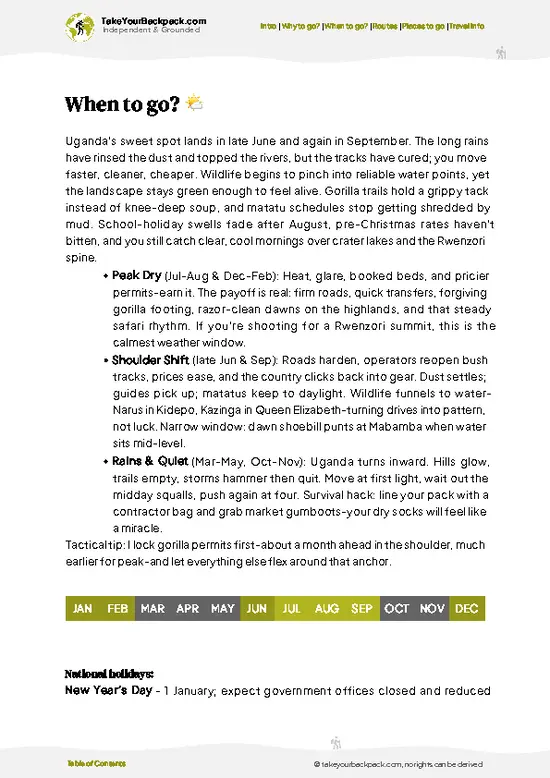
🌤️ When to go?When to go for the best experience


  • Weather: Hoima experiences two rainy seasons—March to May and September to November. These months bring heavy downpours that can turn dirt roads into mud traps, slowing travel and limiting outdoor activities. The dry seasons, December to February and June to August, offer clearer skies and easier trekking conditions.

  • Temperature: Temperatures hover between 20°C and 30°C (68°F to 86°F) year-round. The dry months tend to be warmer and more comfortable for hiking, while the rainy seasons feel cooler but more humid, which can sap your energy faster.

  • Daylight Hours: Near the equator, Hoima enjoys roughly 12 hours of daylight year-round. This consistency means you can plan your days without worrying about shifting sunset times, a rare logistical win.

  • Crowds: Tourist traffic is minimal year-round,
read more 👉

  • Weather: Hoima experiences two rainy seasons—March to May and September to November. These months bring heavy downpours that can turn dirt roads into mud traps, slowing travel and limiting outdoor activities. The dry seasons, December to February and June to August, offer clearer skies and easier trekking conditions.

  • Temperature: Temperatures hover between 20°C and 30°C (68°F to 86°F) year-round. The dry months tend to be warmer and more comfortable for hiking, while the rainy seasons feel cooler but more humid, which can sap your energy faster.

  • Daylight Hours: Near the equator, Hoima enjoys roughly 12 hours of daylight year-round. This consistency means you can plan your days without worrying about shifting sunset times, a rare logistical win.

  • Crowds: Tourist traffic is minimal year-round, but the dry season sees a slight uptick as regional travelers avoid the mud. Expect more solitude and better deals during the rainy months if you don’t mind the wet.

  • Seasonal Activities: Dry seasons are prime for wildlife spotting and village visits, as animals gather near water sources and trails are accessible. Rainy seasons limit outdoor excursions but offer lush landscapes and fewer tourists.

  • Price Fluctuations: Accommodation and transport costs dip during the rainy seasons due to lower demand. If you’re flexible and can handle the weather, this is your chance to stretch your budget without sacrificing experience.


Pro-tip: Aim for the shoulder months—late February or early June—when you catch the tail end of dry weather, fewer travelers, and better prices. It’s the sweet spot where comfort, cost, and access align.


source: climatestotravel.comJANJanuary: excellent for travelingFEBFebruary: highly recommended for travelingMARMarch: fair for travelingAPRApril: fair for travelingMAYMay: fair for travelingJUNJune: highly recommended for travelingJULJuly: excellent for travelingAUGAugust: excellent for travelingSEPSeptember: fair for travelingOCTOctober: fair for travelingNOVNovember: fair for travelingDECDecember: excellent for traveling
when-to-go

✈️ The backpacker research shortcutUganda Travel Guide

An offline-friendly backpacking guide with optimized travel routes, ranked highlights, transport advice, and the best areas to stay.
example page 0 from our offline Travel Guide for Uganda
example page 1 from our offline Travel Guide for Uganda
example page 2 from our offline Travel Guide for Uganda
example page 3 from our offline Travel Guide for Uganda
example page 4 from our offline Travel Guide for Uganda
example page 5 from our offline Travel Guide for Uganda
example page 6 from our offline Travel Guide for Uganda
example page 7 from our offline Travel Guide for Uganda
The digital guide (422 pages) contains:
109 highlights, ranked by travel appeal
Optimized 5, 10 & 15-day travel routes
Cities, national parks, landmarks, beaches
How to get around
Offline-friendly for travel without Wi-Fi
👉 Click to see all 30+ guide features

📅 Plan smarter in minutes, not weeks
Month by month travel advice
Festivals & national holidays
Budget expectations

🗺️ Go to the right places, skip the overrated ones
Honest pros & cons of destinations
Top hikes, parks & viewpoints
Lesser-known places most travelers miss
Clear “worth it vs skip it” guidance

🛏️ Travel smoothly without rookie mistakes
Best areas to stay
Transport systems explained simply
Common scams & safety advice
SIM cards, money & practical tips

🌍 Understand the country, not just visit it
Culture & traditions
52 Essential phrases & customs
Festivals worth planning around
Traveler-friendly historical context
Insights that make places more meaningful

📱 Built for real travel conditions
Fully downloadable PDF
Works completely offline
Optimized for phone use
Useful in remote areas & buses
Everything in one place
Save weeks of stressful planning
Get instant access to your full guide. 30‑day money-back guarantee.


By proceeding you agree to our terms.
Sent to your inbox immediately after payment • 100% Secure Checkout
Best Backpacking Travel Advisor 2025 tourism awardBest Backpacking
Travel Advisor
2025
What others say about Take Your Backpack Guides:
⭐⭐⭐⭐⭐
Fantastic, amazing amount of information!
⭐⭐⭐⭐⭐
My goodness this is amazing, it's what I've been looking for hats off too you!
⭐⭐⭐⭐⭐
I think this is absolutely BRILLIANT
⭐⭐⭐⭐
Very complete and informative. It's still missing places, but I gotta to commend you
⭐⭐⭐⭐⭐
This is truly amazing, thank you, can't wait to explore it with my kids!
⭐⭐⭐⭐⭐
Awesome resource, thank you!
⭐⭐⭐⭐⭐
This is amazing! Can't wait to explore the ones I haven't seen
⭐⭐⭐⭐
I love this! Well done, great idea.
⭐⭐⭐⭐⭐
Thanks for taking the time to make this gem!
⭐⭐⭐⭐⭐
This might be the best website I've ever seen.
⭐⭐⭐⭐⭐
Congratulations, and thank you so much for your work; it's incredibly valuable.
⭐⭐⭐⭐
In all seriousness I think you did a great job pointing out the important spots
⭐⭐⭐⭐⭐
10/10 very good
⭐⭐⭐⭐⭐
As someone who's only just starting to visit regularly this is awesome, thank you.
⭐⭐⭐⭐
Thank you very much! I'm going to visit my dad, it's going to be very useful!
⭐⭐⭐⭐⭐
This is really cool! We'll be travelling for the first time and this definitely come in handy.
⭐⭐⭐⭐⭐
You are now our minister of culture, congratulations 👨‍💼
⭐⭐⭐⭐⭐
Just wanted to tell you that this is a pearl! Going to follow your recommendations.
⭐⭐⭐⭐⭐
This is so cool. I'll definitely be using the resource for my travels soon.
⭐⭐⭐⭐⭐
This is very impressive! Good work.
⭐⭐⭐⭐⭐
This is an amazing and informative site. Very well done!

🛏️ Where to stay?Best areas to stay in Uganda

In Hoima, the real backpacker sweet spot is the central business district (CBD) and its immediate surroundings. This area strikes a smart balance between safety, social buzz, and budget options. It’s where you’ll find the most hostels and guesthouses catering to solo travelers and those watching their wallets. The vibe here is practical but lively—locals and travelers mingle in small eateries and markets, making it easy to connect without the forced friendliness of tourist traps.

Compared to the outskirts or more residential neighborhoods, the CBD offers better street lighting and a stronger … read more 👉
In Hoima, the real backpacker sweet spot is the central business district (CBD) and its immediate surroundings. This area strikes a smart balance between safety, social buzz, and budget options. It’s where you’ll find the most hostels and guesthouses catering to solo travelers and those watching their wallets. The vibe here is practical but lively—locals and travelers mingle in small eateries and markets, making it easy to connect without the forced friendliness of tourist traps.

Compared to the outskirts or more residential neighborhoods, the CBD offers better street lighting and a stronger police presence, which matters when you’re navigating unfamiliar streets after dark. Plus, it’s the hub for transport links, so you’re not wasting time or money on long rides to catch buses or taxis. The social scene is low-key but genuine—think shared meals and impromptu conversations rather than loud bars or clubs.

If you stray too far into the industrial zones or newer developments, you lose that social pulse and the convenience of budget stays. So, for a backpacker who values both safety and the chance to meet others without breaking the bank, the CBD area is the clear winner.

🚌 Getting aroundMoving around without the hassle

Hoima moves at its own rhythm—a blend of deliberate pace and bursts of spontaneous energy. It’s not a city where you’ll find strict timetables etched in stone, but rather a pulse that flows with the intuition of locals who know when to hustle and when to wait. The streets are a dance of informal stops and starts, where timing is flexible and patience is part of the game. Understanding this flow means you’re not just a passenger; you’re playing the city’s transit game with a strategic edge.


  • Walking: The ultimate budget choice—free, flexible, and immersive. Hoima’s compact center makes walking practical for most daily errands and market visits. It’s slow but lets you absorb the city’s textures and sounds, with no schedule constraints.


  • Boda-Boda (Motorcycle Taxi): Fast and nimble, boda-bodas
read more 👉
Hoima moves at its own rhythm—a blend of deliberate pace and bursts of spontaneous energy. It’s not a city where you’ll find strict timetables etched in stone, but rather a pulse that flows with the intuition of locals who know when to hustle and when to wait. The streets are a dance of informal stops and starts, where timing is flexible and patience is part of the game. Understanding this flow means you’re not just a passenger; you’re playing the city’s transit game with a strategic edge.


  • Walking: The ultimate budget choice—free, flexible, and immersive. Hoima’s compact center makes walking practical for most daily errands and market visits. It’s slow but lets you absorb the city’s textures and sounds, with no schedule constraints.


  • Boda-Boda (Motorcycle Taxi): Fast and nimble, boda-bodas dart through traffic with ease. Expect to pay around 1,000–2,000 UGX for short trips. No fixed schedules; you flag one down anytime. Comfort is minimal—helmet optional and the ride can be bumpy—but it’s unbeatable for quick hops across town.


  • Matatu (Minibus Taxi): The backbone of Hoima’s public transit, matatus run roughly from 6 AM to 7 PM. Fares hover around 1,500–3,000 UGX depending on distance. They’re slower than boda-bodas due to frequent stops and crowded interiors, but they offer a cheap, reliable way to cover longer distances with locals.


  • Private Taxi: More comfortable and faster than matatus, private taxis come at a premium—expect to pay 10,000 UGX or more for short trips. They operate on demand, so no fixed schedules, but you’ll sacrifice budget for comfort and speed.


  • Chartered Vehicle Rentals: For those with time and money to spare, renting a car or 4x4 offers maximum control over your itinerary. Prices vary widely, but this option trades budget for full comfort and flexibility, ideal for day trips outside Hoima where public transit is sparse.


In Hoima, every transit choice is a trade-off between time, money, and comfort. Walking costs nothing but takes time and energy. Boda-bodas save time but sacrifice comfort and safety. Matatus balance cost and coverage but demand patience. Private taxis buy comfort and speed at a price. Knowing these trade-offs lets you tailor your travel strategy, turning the city’s transit puzzle into a winning formula.

👛 Costs (as of 17 May 2026)Travel costs and budget guide for Hoima

Backpacking in Hoima, Uganda, offers a clear-cut trade-off between cost and comfort, with prices that reward savvy planning. Here’s the breakdown of what you’re likely to spend daily as an independent traveler:
  • Dorm Accommodation (High Season and Off-Season): In high season, dorm beds typically run between $8 and $12 per night. Off-season, you can find spots closer to $5-$7. The difference reflects demand spikes during local events or holidays, so timing your visit can save you a few bucks without sacrificing basic comfort.
  • Meals: Street food and local eateries dominate here. Expect to pay around $2 to $4 for a filling meal—think matoke, beans, or grilled fish. Western-style or tourist-targeted restaurants push prices up to $6-$10 per meal, but sticking to local joints keeps your budget
read more 👉
Backpacking in Hoima, Uganda, offers a clear-cut trade-off between cost and comfort, with prices that reward savvy planning. Here’s the breakdown of what you’re likely to spend daily as an independent traveler:
  • Dorm Accommodation (High Season and Off-Season): In high season, dorm beds typically run between $8 and $12 per night. Off-season, you can find spots closer to $5-$7. The difference reflects demand spikes during local events or holidays, so timing your visit can save you a few bucks without sacrificing basic comfort.
  • Meals: Street food and local eateries dominate here. Expect to pay around $2 to $4 for a filling meal—think matoke, beans, or grilled fish. Western-style or tourist-targeted restaurants push prices up to $6-$10 per meal, but sticking to local joints keeps your budget lean and your experience authentic.
  • Local Transport: Boda-bodas (motorcycle taxis) are the go-to for short hops, costing roughly $0.50 to $1.50 depending on distance. For longer rides, shared taxis or minibuses charge about $1 to $3. Negotiating upfront is standard, so keep your wits about you.
  • City Transport Pass: Hoima doesn’t have a formal city transport pass system. Instead, daily transport costs depend on your movement frequency, but budgeting around $3 to $5 per day covers most local travel needs.
  • Basic Activities/Entry Fees: Most cultural sites and local attractions have minimal or no entry fees, usually under $2. If you plan to visit national parks or guided tours nearby, expect fees to climb to $10-$20, but within the city, costs stay modest.
  • Miscellaneous Expenses: This includes bottled water, snacks, occasional SIM cards, or small tips. Budget around $1 to $3 daily to cover these essentials without surprises.

All told, a realistic daily budget for backpacking in Hoima ranges from about $12 on a shoestring to $25 if you lean toward more comfort or convenience. Knowing where to trim or splurge lets you control your experience like a pro, turning the city’s simple logistics into a game of smart choices.


source: visituganda.com
⚠️ Prices can change and everyone travels differently, so take this as a rough guide. Hope it helps you plan your adventure!

🚌 Day tripsBest day trips from Hoima

Hoima, Uganda, is a strategic base for day trips that blend adventure, culture, and nature. With its central location, you can easily explore some of the region’s most captivating experiences without the hassle of overnight stays.

Murchison Falls National Park
Just a two-hour drive from Hoima, Murchison Falls is a must-see for wildlife enthusiasts. The park boasts a stunning waterfall where the Nile River squeezes through a narrow gorge, creating a thunderous roar. Expect to see elephants, giraffes, and a variety of birds on a game drive. Budget around $30 for park entry and transport. The best time to visit is during the dry season, from December to February, when animals are more active. A common mistake? Underestimating the time needed for the drive; leave early to maximize your day. … read more 👉
Hoima, Uganda, is a strategic base for day trips that blend adventure, culture, and nature. With its central location, you can easily explore some of the region’s most captivating experiences without the hassle of overnight stays.

Murchison Falls National Park
Just a two-hour drive from Hoima, Murchison Falls is a must-see for wildlife enthusiasts. The park boasts a stunning waterfall where the Nile River squeezes through a narrow gorge, creating a thunderous roar. Expect to see elephants, giraffes, and a variety of birds on a game drive. Budget around $30 for park entry and transport. The best time to visit is during the dry season, from December to February, when animals are more active. A common mistake? Underestimating the time needed for the drive; leave early to maximize your day.
👉 Explore Murchison Falls National Park

Lake Albert
A quick 90-minute jaunt will take you to Lake Albert, where you can unwind by the water or engage in fishing. The lake is less touristy, offering a more authentic experience. Bring a packed lunch and enjoy a picnic while soaking in the serene views. Costs are minimal—just transport and maybe a few local snacks. The dry season is ideal for clear skies and calm waters. Many first-timers miss the chance to chat with local fishermen, who can share fascinating stories about life on the lake.


Kibale Forest National Park
About a three-hour drive from Hoima, Kibale is famous for its chimpanzee tracking. This park is a biodiversity hotspot, home to over 13 primate species. A guided trek costs around $150, but the thrill of spotting chimps in their natural habitat is worth every penny. The best months for tracking are June to September. A common pitfall is not booking your trek in advance, as spots fill up quickly.
👉 Explore Kibale Forest National Park

Fort Portal
Just under three hours away, Fort Portal is a charming town surrounded by lush hills and tea plantations. Spend the day exploring local markets or hiking in the nearby Crater Lakes region. Costs are low, mainly transport and maybe a small fee for hiking. The dry season is best for hiking, but the rainy season offers vibrant greenery. First-timers often overlook the local cuisine; don’t miss trying the matoke!
👉 Explore Fort Portal
Want to know what more Uganda offers?
The Uganda Travel Guide describes 109 highlights, from cities to national parks, from beaches to hikes

Get the Travel Guide -

🍲 FoodLocal Cuisine & Drinks

In Hoima, the culinary scene is a delightful mix of local flavors and communal experiences. Don’t miss the chance to try posho, a staple made from maize flour, often served with sauce—think rich, savory stews filled with beans or meat. Pair it with matoke, steamed green bananas that soak up the flavors beautifully.

Street food is where the magic happens. Vendors line the streets, serving up samosas and kebabs that are crispy and bursting with flavor. The aroma of grilled meat wafts through the air, drawing you in. Markets are vibrant hubs where you can sample fresh fruits and local snacks while mingling with friendly locals.

When it comes to drinks, malwa, a traditional brew made from fermented sorghum, is a must-try. It’s often enjoyed in a communal setting, fostering a sense of togetherness. … read more 👉
In Hoima, the culinary scene is a delightful mix of local flavors and communal experiences. Don’t miss the chance to try posho, a staple made from maize flour, often served with sauce—think rich, savory stews filled with beans or meat. Pair it with matoke, steamed green bananas that soak up the flavors beautifully.

Street food is where the magic happens. Vendors line the streets, serving up samosas and kebabs that are crispy and bursting with flavor. The aroma of grilled meat wafts through the air, drawing you in. Markets are vibrant hubs where you can sample fresh fruits and local snacks while mingling with friendly locals.

When it comes to drinks, malwa, a traditional brew made from fermented sorghum, is a must-try. It’s often enjoyed in a communal setting, fostering a sense of togetherness. Just remember, sharing is key; it’s customary to pass the drink around. Embrace the local customs, and you’ll find that every bite and sip tells a story.

🛡️ SafetyScams, Hazards, and Annoyances

Hoima is generally safe for backpackers, but staying aware can enhance your experience. Stick to well-lit areas at night, especially around the market and bus stations. Solo travelers should be mindful of their surroundings; it’s wise to blend in and avoid drawing attention.

Common scams are rare, but be cautious of overly friendly locals offering unsolicited help. Politely decline and ask for help from official sources if needed. Everyday annoyances include aggressive street vendors; a firm “no, thank you” usually suffices.

Keep your belongings secure and avoid flashy displays of wealth. Carry a small amount of cash for purchases, as many places don’t accept cards. With a little awareness and a calm demeanor, you can navigate Hoima smoothly and enjoy its unique charm.

Other Ugandan cities near Hoima

Explore more nearby:

  • Buliisa—oil exploration, Lake Albert shore, fishing villages| 77 km away
  • Mubende—hilltop fort, central crossroads, coffee farms| 97 km away
  • Kyenjojo—tea hills, Toro region, road junction| 120 km away

💡 Not sure where to go next?
Create a personalized itinerary for Uganda including Hoima and the places that fit your trip.

Generate my itinerary

👉 Discover all cities

Or checkout all Uganda has to offer (think cities, towns, villages, national parks, hikes, beaches, festivals)
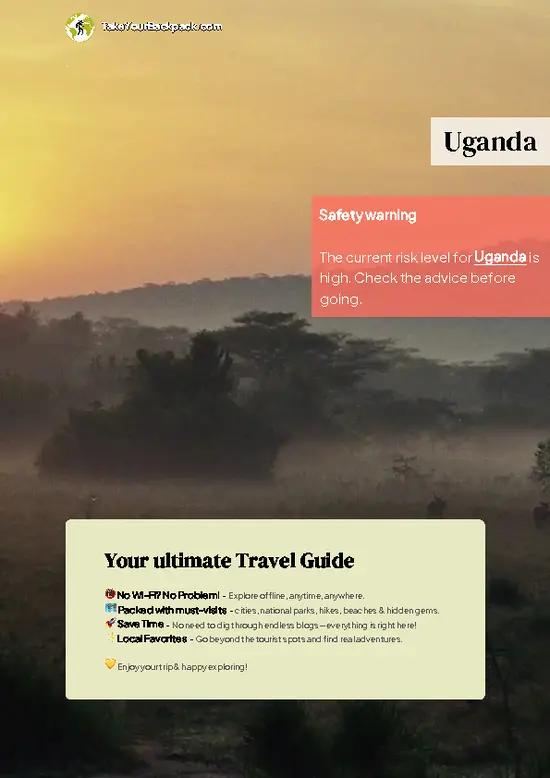
Country photo of Uganda

We 💚 feedbackSumming up the experience

Hoima offers a genuine slice of Ugandan life, with its vibrant local markets and the warm smiles of its people. You’ll feel the pulse of the community in a way that larger cities can’t match. But be prepared: infrastructure can be a bit rough around the edges. Roads might challenge your patience, and amenities are basic. Embrace the adventure, and you’ll find the charm in the chaos.

✈️ When did I visit Uganda?
In September 2019 I have done a backpacking trip through Uganda. Seeing gorilla’s in the wild from up close was a pure unexpected highlight!

✍️ Help improve this page!
The information on this page is based on my own backpacking experience in Uganda, supplemented with up-to-date research and feedback from other travelers. Travel details can change, so if you notice anything outdated or incomplete, feel free to let me know.


🙋‍♂️ Give feedback

👋 Meet the founderWho’s Behind Take Your Backpack?

Johan, backpacker and founder of TakeYourBackpackHi, I’m Johan (Netherlands 🇳🇱), the creator of TakeYourBackpack. Over the past decade, I’ve backpacked through 80+ countries across six continents, gaining extensive experience with independent travel, long-term trips, and overland routes.

This site is built on a combination of firsthand travel experience and carefully curated insights from other backpackers. Many guides are based on places I’ve personally visited, while others bring together tips, observations, and practical advice shared by trusted travelers I’ve met along the way.

The goal is to provide realistic, experience-driven guidance — not generic itineraries — so you can explore destinations with better context, clearer expectations, and more confidence.

Get full Uganda guide •
Instant download • 109 highlights • Full Offline guide