×

Zimbabwe🇿🇼 | townsKaribalakeside town, houseboats, fishing docks | things to do and best time to go

Explore Victoria Falls townExplore Hwange

Backpacking in Kariba
🏆 Top picktown ranked #2
By Johan Kruseman 🇳🇱 | Updated June 13, 2026

You’re standing on the cracked concrete of Kariba’s lakeside promenade, the air thick with the scent of sun-warmed water and diesel from fishing boats. A fish eagle calls overhead, and the late-afternoon light turns the lake’s surface to hammered bronze. Kariba sits on Zimbabwe’s northern edge, pressed against the vast man-made lake that shares its name, just a stone’s throw from the Zambian border. For backpackers, Kariba is less a town than a launchpad—its real currency is access: to houseboat adventures, game drives in Matusadona, and the slow, hypnotic rhythm of lake life. The town itself is sleepy, with a handful of basic shops and a market that feels more functional than festive. You’ll need patience for public transport—buses from Harare are long and bumpy, and once here, you’ll want a lift or a sturdy pair of legs for the steep hills. Social life is subdued; expect quiet hostels, sundowner bars, and the kind of camaraderie that comes from shared heat and slow days. Compared to Victoria Falls or even Chirundu, Kariba is less polished, more raw—cheaper, yes, but also more rewarding if you’re after wild horizons rather than nightlife or urban buzz. Safety is mostly about wildlife, not people; keep your wits about you near the water’s edge, especially after dark.

Discover everything you want to know in the 📖 Zimbabwe Travel Guide.


Get your Zimbabwe guide
90 ranked highlights, routes & tips, works offline (356 pages)
Loading the map 🌍
CLICK TO FILTER
cities
towns
landmarks
national parks
hikes
beaches
attractions
festivals
regions
SHOW COUNTRY’S BESTSHOW ALL

✨ Why go?
Ranked #2 town in Zimbabwe
Why Kariba should be on your travel list

Kariba, Zimbabwe, is a backpacker’s waypoint that strikes a balance between adventure and relaxation. Nestled by the Zambezi River, it’s a launchpad for nearby hikes and wildlife experiences. The stunning sunsets over the water are a daily reminder of nature’s artistry, while the fresh scent of the river mingles with the earthy aroma of local markets.

Travelers often find themselves lingering here, drawn in by the friendly social atmosphere. Small-scale hostels and guesthouses offer cozy, affordable stays, fostering connections among solo travelers and small groups alike. The streets are walkable, making it easy to explore local eateries where you can savor traditional dishes like sadza and fresh fish from the river.

While some backpackers might use Kariba as a quick stopover, many choose … read more 👉
Kariba, Zimbabwe, is a backpacker’s waypoint that strikes a balance between adventure and relaxation. Nestled by the Zambezi River, it’s a launchpad for nearby hikes and wildlife experiences. The stunning sunsets over the water are a daily reminder of nature’s artistry, while the fresh scent of the river mingles with the earthy aroma of local markets.

Travelers often find themselves lingering here, drawn in by the friendly social atmosphere. Small-scale hostels and guesthouses offer cozy, affordable stays, fostering connections among solo travelers and small groups alike. The streets are walkable, making it easy to explore local eateries where you can savor traditional dishes like sadza and fresh fish from the river.

While some backpackers might use Kariba as a quick stopover, many choose to stay a few days to soak in the laid-back vibe and engage with the local culture. It’s not a party hub, but rather a place for slow travelers who appreciate the beauty of simplicity and the thrill of nearby adventures. If you’re looking for a blend of nature and community, Kariba is a worthy addition to your route.
Want to include Kariba in your Zimbabwe route?
Create a personalized Zimbabwe itinerary that includes Kariba and the places that fit your trip — based on your travel style, budget, and available time. Get your route in seconds.

Generate my trip

💡 HighlightsMust-see experiences and standout moments

  • Kariba Dam Wall (the Dam Viewpoint) — The single most striking thing in town: a massive concrete wall you can walk to and peer over. It’s historically and technically important (the dam’s how the lake and most local life exist) and gives unmistakable views across Lake Kariba and the Zambian shoreline.
  • Kariba Power Station viewing area — Right by the dam, the hydroelectric station is worth seeing up close for a feel of the engineering that powers the region. The turbines and intake structures are an eye-opener about why the dam mattered beyond tourism.
  • Kariba Waterfront & Main Marina — The town’s waterfront is where life meets the lake: fishermen, moored houseboats, local ferries and evening sunsets. It’s the best spot to watch daily rhythm, book a boat trip, or just sit with a cold drink
read more 👉
  • Kariba Dam Wall (the Dam Viewpoint) — The single most striking thing in town: a massive concrete wall you can walk to and peer over. It’s historically and technically important (the dam’s how the lake and most local life exist) and gives unmistakable views across Lake Kariba and the Zambian shoreline.
  • Kariba Power Station viewing area — Right by the dam, the hydroelectric station is worth seeing up close for a feel of the engineering that powers the region. The turbines and intake structures are an eye-opener about why the dam mattered beyond tourism.
  • Kariba Waterfront & Main Marina — The town’s waterfront is where life meets the lake: fishermen, moored houseboats, local ferries and evening sunsets. It’s the best spot to watch daily rhythm, book a boat trip, or just sit with a cold drink and watch the pelicans.
  • Kariba Yacht Club / Anglers’ Club — A proper local hangout for anglers and sailors; you’ll get the best tips on where the big tigerfish and bream are biting, and the social vibe is genuine—people trade stories here the way others trade postcards.
  • Main Town Market & Fish Market — Local traders sell fresh lake fish and produce; stroll the stalls for a frank, hands-on sense of the town. It’s noisy, colorful, and the place to buy fresh fish if you’re self-catering or want a local culinary moment.
  • Local craft stalls and beadwork vendors — Scattered near the market and waterfront, small-scale artisans sell carved wood, beadwork and fishing-themed souvenirs. Not a polished craft bazaar, but authentic pieces and real people behind them.
  • Houseboat and boat-charter terminals — The departure pontoons in town are interesting even if you don’t hire a boat: inspect the houseboats, talk to skippers, and you’ll learn how lake life and day trips operate—practical and a good way to scope longer itineraries.
  • Kariba Museum / local historical displays — Small-scale, community-run exhibits and displays about the dam’s construction, local resettlement and the town’s creation. It’s compact but gives essential context that makes the rest of Kariba more meaningful.
  • Township cultural walk (local markets, churches and community hubs) — Walking through the residential parts of Kariba (with a local guide where helpful) is where you meet everyday life: small food stalls, churches, schools and musicians. It’s not glamorous, but it’s the real town.
  • Sunset jetties and dam-side promontories — Scattered spots along the lakeshore and near the dam where locals gather for sunset; excellent for birdwatching, photos, and that quiet pause when the light hits the lake. Take a thermos or a small snack and linger.
A few nearby day-trip highlights you can reach from Kariba are Matusadona National Park (boat access from town — my personal favorite), the Sanyati River mouth for birdlife and fishing, and short boat safaris into the lake’s quieter bays.
Spotted a mistake or missing something? Contact us.
🏘️ NeighborhoodsHow different areas shape the experience

Kariba is a unique blend of natural beauty and local culture, making it a captivating stop for backpackers. Each area offers a distinct flavor, so let’s break it down.

Central Kariba: This is the heartbeat of the town. You’ll find budget-friendly hostels and local eateries serving up hearty meals. The vibe is lively, especially around the waterfront where locals gather. It’s walkable, but be cautious at night; stick to well-lit areas. Central Kariba is perfect for short stays, giving you easy access to transport options for day trips to the lake or nearby parks.

Nyamhunga: A quieter neighborhood, Nyamhunga offers a more laid-back atmosphere. It’s ideal for longer stays, with self-catering accommodations and a few charming cafes. The streets are safe for walking, and you can soak in the local … read more 👉
Kariba is a unique blend of natural beauty and local culture, making it a captivating stop for backpackers. Each area offers a distinct flavor, so let’s break it down.

Central Kariba: This is the heartbeat of the town. You’ll find budget-friendly hostels and local eateries serving up hearty meals. The vibe is lively, especially around the waterfront where locals gather. It’s walkable, but be cautious at night; stick to well-lit areas. Central Kariba is perfect for short stays, giving you easy access to transport options for day trips to the lake or nearby parks.

Nyamhunga: A quieter neighborhood, Nyamhunga offers a more laid-back atmosphere. It’s ideal for longer stays, with self-catering accommodations and a few charming cafes. The streets are safe for walking, and you can soak in the local life without the hustle. While nightlife is minimal, the sunsets over the lake are a must-see.

Lakeview: As the name suggests, this area boasts stunning views of Lake Kariba. It’s a bit pricier, but worth it for the experience. Backpackers can find cozy lodges and campsites here. The vibe is tranquil, perfect for those looking to unwind. Transport options are limited, so plan ahead if you want to explore further. This area suits both short and longer stays, especially if you want to indulge in fishing or boat tours.

Chikanka: A bit off the beaten path, Chikanka offers a glimpse into local life. It’s less touristy, making it a great spot for those seeking authenticity. Accommodations are basic but affordable. The area is walkable, though public transport is your best bet for longer excursions. It’s a good choice for backpackers wanting to immerse themselves in the culture.

⌛️ 1 dayWhat you can realistically do in a day

Kariba, Zimbabwe, is a town that pulses with life, cradled by the shores of Lake Kariba. It’s a place where the air is thick with the scent of sun-baked earth and the distant calls of wildlife echo across the water. The town is a gateway to adventure, offering a blend of local culture and stunning natural beauty that’s often overshadowed by more popular destinations.

Start your day early with a stroll along the lakeshore. The morning light dances on the water, creating a shimmering canvas that’s perfect for reflection. Grab a coffee at a local café, like the Kariba Coffee Shop, where the barista knows just how to brew a cup that warms you from the inside out. As you sip, take in the chatter of locals and the occasional splash of fish jumping nearby.

In the afternoon, head to the Kariba … read more 👉
Kariba, Zimbabwe, is a town that pulses with life, cradled by the shores of Lake Kariba. It’s a place where the air is thick with the scent of sun-baked earth and the distant calls of wildlife echo across the water. The town is a gateway to adventure, offering a blend of local culture and stunning natural beauty that’s often overshadowed by more popular destinations.

Start your day early with a stroll along the lakeshore. The morning light dances on the water, creating a shimmering canvas that’s perfect for reflection. Grab a coffee at a local café, like the Kariba Coffee Shop, where the barista knows just how to brew a cup that warms you from the inside out. As you sip, take in the chatter of locals and the occasional splash of fish jumping nearby.

In the afternoon, head to the Kariba Dam. It’s not just a marvel of engineering; it’s a spot where you can feel the pulse of the town. The dam’s sheer size is awe-inspiring, and the views from the top are worth the climb. If you’re feeling adventurous, consider a guided tour that includes a visit to the nearby Matusadona National Park. This is where you can spot elephants and hippos in their natural habitat, a true highlight that’s often missed by the average traveler.

As evening approaches, make your way to the local market in the town center. The vibrant colors of handmade crafts and the aroma of street food fill the air. Try some sadza, a staple dish, while chatting with vendors who are eager to share their stories.

End your day with a sunset cruise on the lake. The sky transforms into a palette of oranges and purples, and the gentle lapping of water against the boat creates a serene backdrop. This is where you’ll realize that Kariba isn’t just a stop on your journey; it’s a place that invites you to linger a little longer.
Turn your Kariba visit into an Zimbabwe adventure
Build a complete Zimbabwe route with Kariba, hidden gems, must-see destinations, and realistic travel times included.

Generate my trip

🌤️ When to go?When to go for the best experience


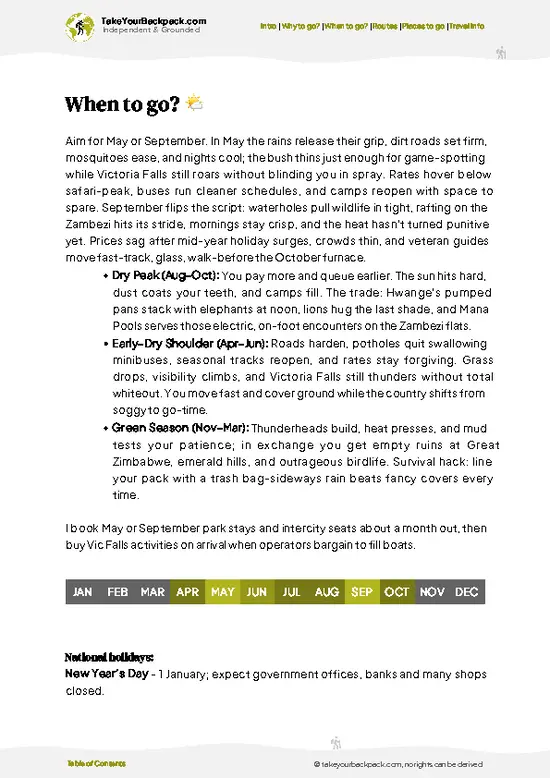
  • Topic: Weather and Temperature – The dry season from May to October is your best bet. Expect daytime highs around 25-30°C (77-86°F), perfect for hiking and boat trips without sweating buckets. Nights can dip to 10-15°C (50-59°F), so pack a light jacket. The wet season (November to April) brings heavy rains, humidity, and mosquitoes, making outdoor activities less enjoyable and sometimes unsafe.

  • Topic: Daylight Hours – During the dry months, Kariba enjoys roughly 11 to 12 hours of daylight. This means early sunrises around 6:00 AM and sunsets near 6:30 PM, giving you plenty of time to explore the lake and wildlife before dark without rushing.

  • Topic: Crowds – The dry season aligns with peak tourist visits, especially July and August. While this means more people, it also means better
read more 👉

  • Topic: Weather and Temperature – The dry season from May to October is your best bet. Expect daytime highs around 25-30°C (77-86°F), perfect for hiking and boat trips without sweating buckets. Nights can dip to 10-15°C (50-59°F), so pack a light jacket. The wet season (November to April) brings heavy rains, humidity, and mosquitoes, making outdoor activities less enjoyable and sometimes unsafe.

  • Topic: Daylight Hours – During the dry months, Kariba enjoys roughly 11 to 12 hours of daylight. This means early sunrises around 6:00 AM and sunsets near 6:30 PM, giving you plenty of time to explore the lake and wildlife before dark without rushing.

  • Topic: Crowds – The dry season aligns with peak tourist visits, especially July and August. While this means more people, it also means better access to guided tours and boat rentals. If you want fewer crowds, aim for May or September when the weather is still solid but the tourist flow eases up.

  • Topic: Seasonal Activities – Dry months open up fishing, game drives, and boat safaris on Lake Kariba. The water levels are lower, exposing wildlife along the shores. Wet season floods limit access and make some trails muddy and slippery, cutting down on options.

  • Topic: Price Fluctuations – Expect higher prices during the dry season’s peak months due to demand. Accommodation and tours can be 20-30% cheaper in shoulder months like May or September, offering a sweet spot between cost and conditions.


Pro-tip: Arrive just as the rains end in May; the air smells fresh, the landscape is lush, and you’ll catch the best balance of good weather, fewer crowds, and wallet-friendly prices.


source: climatestotravel.comJANJanuary: fair for travelingFEBFebruary: fair for travelingMARMarch: fair for travelingAPRApril: fair for travelingMAYMay: highly recommended for travelingJUNJune: excellent for travelingJULJuly: excellent for travelingAUGAugust: excellent for travelingSEPSeptember: highly recommended for travelingOCTOctober: highly recommended for travelingNOVNovember: fair for travelingDECDecember: fair for traveling
when-to-go

✈️ The backpacker research shortcutZimbabwe Travel Guide

An offline-friendly backpacking guide with optimized travel routes, ranked highlights, transport advice, and the best areas to stay.
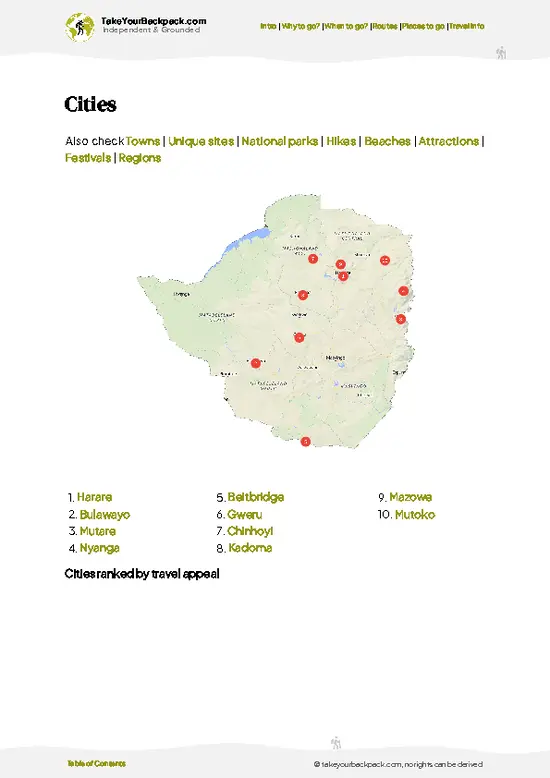
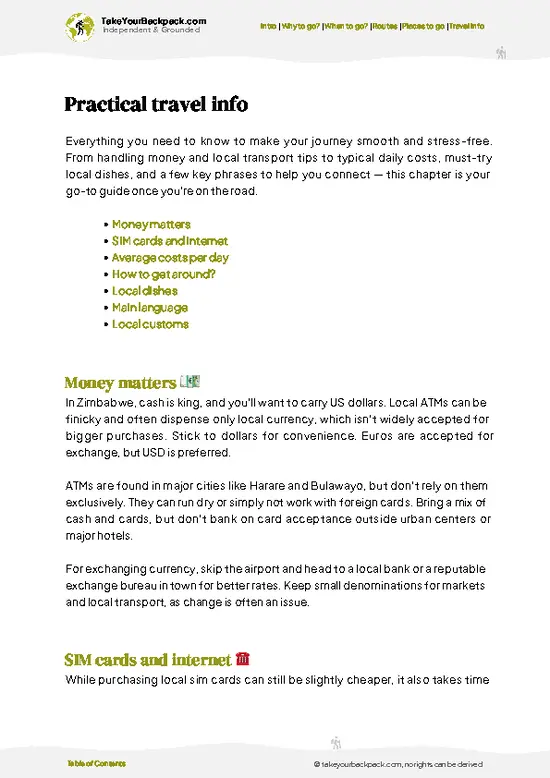
example page 0 from our offline Travel Guide for Zimbabwe
example page 1 from our offline Travel Guide for Zimbabwe
example page 2 from our offline Travel Guide for Zimbabwe
example page 3 from our offline Travel Guide for Zimbabwe
example page 4 from our offline Travel Guide for Zimbabwe
example page 5 from our offline Travel Guide for Zimbabwe
example page 6 from our offline Travel Guide for Zimbabwe
example page 7 from our offline Travel Guide for Zimbabwe
The digital guide (356 pages) contains:
90 highlights, ranked by travel appeal
Optimized 5, 10 & 15-day travel routes
Cities, national parks, landmarks, beaches
How to get around
Offline-friendly for travel without Wi-Fi
👉 Click to see all 30+ guide features

📅 Plan smarter in minutes, not weeks
Month by month travel advice
Festivals & national holidays
Budget expectations

🗺️ Go to the right places, skip the overrated ones
Honest pros & cons of destinations
Top hikes, parks & viewpoints
Lesser-known places most travelers miss
Clear “worth it vs skip it” guidance

🛏️ Travel smoothly without rookie mistakes
Best areas to stay
Transport systems explained simply
Common scams & safety advice
SIM cards, money & practical tips

🌍 Understand the country, not just visit it
Culture & traditions
52 Essential phrases & customs
Festivals worth planning around
Traveler-friendly historical context
Insights that make places more meaningful

📱 Built for real travel conditions
Fully downloadable PDF
Works completely offline
Optimized for phone use
Useful in remote areas & buses
Everything in one place
Save weeks of stressful planning
Get instant access to your full guide. 30‑day money-back guarantee.


By proceeding you agree to our terms.
Sent to your inbox immediately after payment • 100% Secure Checkout
Best Backpacking Travel Advisor 2025 tourism awardBest Backpacking
Travel Advisor
2025
What others say about Take Your Backpack Guides:
⭐⭐⭐⭐⭐
Fantastic, amazing amount of information!
⭐⭐⭐⭐⭐
My goodness this is amazing, it's what I've been looking for hats off too you!
⭐⭐⭐⭐⭐
I think this is absolutely BRILLIANT
⭐⭐⭐⭐
Very complete and informative. It's still missing places, but I gotta to commend you
⭐⭐⭐⭐⭐
This is truly amazing, thank you, can't wait to explore it with my kids!
⭐⭐⭐⭐⭐
Awesome resource, thank you!
⭐⭐⭐⭐⭐
This is amazing! Can't wait to explore the ones I haven't seen
⭐⭐⭐⭐
I love this! Well done, great idea.
⭐⭐⭐⭐⭐
Thanks for taking the time to make this gem!
⭐⭐⭐⭐⭐
This might be the best website I've ever seen.
⭐⭐⭐⭐⭐
Congratulations, and thank you so much for your work; it's incredibly valuable.
⭐⭐⭐⭐
In all seriousness I think you did a great job pointing out the important spots
⭐⭐⭐⭐⭐
10/10 very good
⭐⭐⭐⭐⭐
As someone who's only just starting to visit regularly this is awesome, thank you.
⭐⭐⭐⭐
Thank you very much! I'm going to visit my dad, it's going to be very useful!
⭐⭐⭐⭐⭐
This is really cool! We'll be travelling for the first time and this definitely come in handy.
⭐⭐⭐⭐⭐
You are now our minister of culture, congratulations 👨‍💼
⭐⭐⭐⭐⭐
Just wanted to tell you that this is a pearl! Going to follow your recommendations.
⭐⭐⭐⭐⭐
This is so cool. I'll definitely be using the resource for my travels soon.
⭐⭐⭐⭐⭐
This is very impressive! Good work.
⭐⭐⭐⭐⭐
This is an amazing and informative site. Very well done!

🛏️ Where to stay?Choosing the right base

Kariba’s heartbeat for backpackers pulses strongest around the town center and the nearby suburbs hugging the lake’s edge. This is where you’ll find the safest streets, a social vibe that’s easy to tap into, and a handful of budget-friendly hostels that cater to solo travelers and small groups alike. The town center isn’t sprawling, but it’s compact enough to walk between spots, which means you’re never far from a local market, a café with strong coffee, or a spot where fellow travelers swap stories over a cold drink.

Staying near the lakefront adds a layer of calm to your evenings. The air here … read more 👉
Kariba’s heartbeat for backpackers pulses strongest around the town center and the nearby suburbs hugging the lake’s edge. This is where you’ll find the safest streets, a social vibe that’s easy to tap into, and a handful of budget-friendly hostels that cater to solo travelers and small groups alike. The town center isn’t sprawling, but it’s compact enough to walk between spots, which means you’re never far from a local market, a café with strong coffee, or a spot where fellow travelers swap stories over a cold drink.

Staying near the lakefront adds a layer of calm to your evenings. The air here carries the faint scent of water and wood smoke, and the light at dusk softens the edges of the town, making it easier to unwind after a day of exploring. This area tends to attract backpackers who want a bit more peace without losing touch with the social pulse. It’s quieter than the center but still close enough to join in on communal dinners or impromptu gatherings.

Avoid the more residential or industrial zones—they’re quieter but lack the safety and social infrastructure that backpackers need. The right neighborhood in Kariba feels like a small community where you can plug in easily, meet others, and still have your own space to recharge. It’s the difference between wandering aimlessly and stepping into a rhythm that makes the whole trip flow smoother.

🚌 Getting aroundHow to get from A to B

Kariba moves at the pace of the lake’s gentle waves—unhurried but purposeful. The sun casts a golden haze over the water, and the air carries a faint scent of wood smoke and fresh fish from the docks. This isn’t a place where timetables rule your day; it’s a town that thrives on a mix of laid-back rhythms and bursts of local hustle. You’ll find that the flow here is less about strict schedules and more about reading the mood of the moment—whether that’s catching a minibus just as it fills up or deciding to walk a stretch because the light is too good to miss. Understanding this flow means you don’t just get from A to B—you get the full flavor of Kariba’s everyday pulse.


  • Walking: The heart of Kariba is compact enough to explore on foot, especially around the waterfront and main market.
read more 👉
Kariba moves at the pace of the lake’s gentle waves—unhurried but purposeful. The sun casts a golden haze over the water, and the air carries a faint scent of wood smoke and fresh fish from the docks. This isn’t a place where timetables rule your day; it’s a town that thrives on a mix of laid-back rhythms and bursts of local hustle. You’ll find that the flow here is less about strict schedules and more about reading the mood of the moment—whether that’s catching a minibus just as it fills up or deciding to walk a stretch because the light is too good to miss. Understanding this flow means you don’t just get from A to B—you get the full flavor of Kariba’s everyday pulse.


  • Walking: The heart of Kariba is compact enough to explore on foot, especially around the waterfront and main market. Walking lets you soak in the warm, dusty air and catch the chatter of fishermen and vendors. It’s free, flexible, and perfect for spontaneous detours to street food stalls or craft shops.


  • Minibus Taxis (Combis): These are the lifeblood of local transit—cheap (usually under $1), frequent, and driven with a mix of urgency and local savvy. They don’t run on strict schedules; instead, they leave when full, which means timing is unpredictable but the wait is often short. Expect a bumpy ride with windows down, the sun beating in, and the occasional blast of local music.


  • Motorbike Taxis (Chimbwido): For quick hops or reaching spots minibuses don’t serve, motorbike taxis are your go-to. They’re faster through narrow lanes and cost a bit more than minibuses but still budget-friendly. Negotiate the fare upfront—prices vary by distance but expect around $1–$2 for short trips. The wind on your face and the smell of the lake make these rides memorable.


  • Boat Transfers: If you’re heading to nearby lodges or fishing spots across the lake, small boats are essential. They don’t run on a fixed schedule—departures depend on demand and weather, so plan some flexibility. Prices vary but are generally affordable if you share with others. The ride offers a cool breeze and panoramic views that make the occasional wait worthwhile.


  • Car Hire: Renting a car is less common for budget travelers but can be a smart move if you want to explore beyond town at your own pace. Roads can be rough and signage sparse, so a sturdy vehicle and some local driving confidence are musts. Fuel is affordable, but factor in the cost of a driver if you’re not comfortable navigating solo.

👛 Costs (as of 4 July 2025)Typical daily expenses

Backpacking in Kariba, Zimbabwe, offers a raw, lakeside experience where costs stay modest but the setting demands a bit of planning to get the most out of your stay.
  • Dorm Accommodation: Expect to pay around $10 to $20 per night for a bed in a basic guesthouse dorm or budget lodge. Options are limited, so booking ahead during peak season helps avoid last-minute price hikes or settling for less comfortable spots.
  • Meals: Local eateries serve up hearty plates for $3 to $7. Think fresh fish from Lake Kariba grilled or fried, with simple sides. Western-style meals or dining at tourist lodges push closer to $10 or $15, but sticking to local joints keeps your wallet happy and your taste buds grounded in the region.
  • Local Transport: Getting around town usually means minibuses or shared taxis, costing
read more 👉
Backpacking in Kariba, Zimbabwe, offers a raw, lakeside experience where costs stay modest but the setting demands a bit of planning to get the most out of your stay.
  • Dorm Accommodation: Expect to pay around $10 to $20 per night for a bed in a basic guesthouse dorm or budget lodge. Options are limited, so booking ahead during peak season helps avoid last-minute price hikes or settling for less comfortable spots.
  • Meals: Local eateries serve up hearty plates for $3 to $7. Think fresh fish from Lake Kariba grilled or fried, with simple sides. Western-style meals or dining at tourist lodges push closer to $10 or $15, but sticking to local joints keeps your wallet happy and your taste buds grounded in the region.
  • Local Transport: Getting around town usually means minibuses or shared taxis, costing about $0.50 to $1 per trip. For trips to the lakefront or nearby attractions, budget $2 to $5 if you need a private ride or boat shuttle. Walking is often the best way to soak in the atmosphere and save cash.
  • Basic Activities/Entry Fees: Entry to local parks or fishing spots ranges from $5 to $15. Guided fishing trips or boat rentals start around $20 but can climb depending on duration and exclusivity. Independent travelers can often negotiate better deals by booking directly with local operators.
  • Miscellaneous Expenses: Bottled water, snacks, and small souvenirs typically add up to $2 to $5 daily. Internet access is patchy and usually costs $1 to $3 for an hour at a local cybercafé or lodge Wi-Fi.

All told, a realistic daily budget for backpacking in Kariba falls between $20 and $45. This range covers basic comfort without skimping on the essentials, letting you focus on the lake’s shimmering mornings and the quiet hum of village life without constant money stress.


source: zimbabwetourism.net
⚠️ Prices can change and everyone travels differently, so take this as a rough guide. Hope it helps you plan your adventure!

🚌 Day tripsShort trips worth adding

Kariba, Zimbabwe, is a backpacker’s dream base, offering a gateway to stunning landscapes and rich wildlife experiences. The town itself buzzes with a laid-back vibe, but the real magic lies just beyond its borders. Here are some day trips that will elevate your adventure.

1. Matusadona National Park
Just a short boat ride across the lake, Matusadona is a wildlife haven. Picture yourself gliding through the water, the sun warming your skin, as you spot elephants and hippos along the banks. The park is a mix of savannah and dense bush, perfect for a day of game viewing. Expect to spend around $10 for park entry and a few more for a boat ride. The best time to visit is during the dry season, from May to October, when animals congregate around water sources. A common mistake? Underestimating … read more 👉
Kariba, Zimbabwe, is a backpacker’s dream base, offering a gateway to stunning landscapes and rich wildlife experiences. The town itself buzzes with a laid-back vibe, but the real magic lies just beyond its borders. Here are some day trips that will elevate your adventure.

1. Matusadona National Park
Just a short boat ride across the lake, Matusadona is a wildlife haven. Picture yourself gliding through the water, the sun warming your skin, as you spot elephants and hippos along the banks. The park is a mix of savannah and dense bush, perfect for a day of game viewing. Expect to spend around $10 for park entry and a few more for a boat ride. The best time to visit is during the dry season, from May to October, when animals congregate around water sources. A common mistake? Underestimating the time it takes to get there; plan for at least half a day to soak it all in.
👉 Explore Matusadona National Park

2. Binga
Head west to Binga, a small town on the shores of Lake Kariba. The journey takes about two hours by bus, and the ride offers stunning views of the lake and surrounding hills. Once there, you can explore local crafts and enjoy a meal at a lakeside restaurant. The cost is minimal—around $5 for transport and a few bucks for lunch. Visit during the cooler months, from May to August, to avoid the heat. Many first-timers miss the vibrant local culture; take time to chat with artisans and learn about their crafts.


3. Kariba Dam Wall
A quick trip to the Kariba Dam Wall is a must. Just 30 minutes from town, this engineering marvel is both impressive and educational. You can walk along the wall, feeling the cool breeze off the water, and take in the views of the vast lake. Entry is free, but consider a guided tour for around $5 to get the full story behind this colossal structure. The best time to visit is early morning or late afternoon for the best light and fewer crowds. Don’t rush; linger to appreciate the scale and history of the dam.


4. Chizarira National Park
For the adventurous, Chizarira offers rugged beauty and solitude. It’s about a two-hour drive from Kariba, and the journey can be bumpy, so a 4x4 is recommended. The park is less frequented, giving you a chance to experience nature without the crowds. Expect to pay around $15 for entry. The dry season is ideal for spotting wildlife. A common rookie mistake? Not bringing enough water; the heat can be intense, so pack extra.
👉 Explore Chizarira National Park

These trips not only enhance your experience but also connect you to the heart of Zimbabwe’s natural beauty. Each adventure offers a unique perspective, making your time in Kariba truly rewarding.
Want to know what more Zimbabwe offers?
The Zimbabwe Travel Guide describes 90 highlights, from cities to national parks, from beaches to hikes

Get the Travel Guide -

🛡️ SafetyScams, Hazards, and Annoyances

Kariba is generally safe, but a few practical tips can enhance your experience. The waterfront area is lively during the day, but it can feel different after dark. If you’re solo, stick to well-lit paths and avoid wandering too far from the main spots.

Keep your belongings close, especially in crowded markets. While most locals are friendly, some may try to sell you overpriced souvenirs or services. A polite but firm “no, thank you” usually suffices.

Watch for the occasional taxi scam; always agree on a fare before getting in. If you’re unsure, ask a local or your accommodation for guidance.

Annoyances like persistent vendors can test your patience, but a smile and a quick walk away often do the trick. Embrace the rhythm of the town, and you’ll find that the minor bumps only add to the character of your adventure.

Other Zimbabwean towns near Kariba

Explore more nearby:

  • Chirundu—Zambezi crossing, truck queues, fishing lodges| 53 km away
  • Karoi—tobacco auctions, roadside motels, farming supply stores| 96 km away
  • Mhangura—copper mining, closed factories, hillside settlements| 146 km away

💡 Not sure where to go next?
Create a personalized itinerary for Zimbabwe including Kariba and the places that fit your trip.

Generate my itinerary

👉 Discover all towns

Or checkout all Zimbabwe has to offer (think cities, towns, villages, national parks, hikes, beaches, festivals)
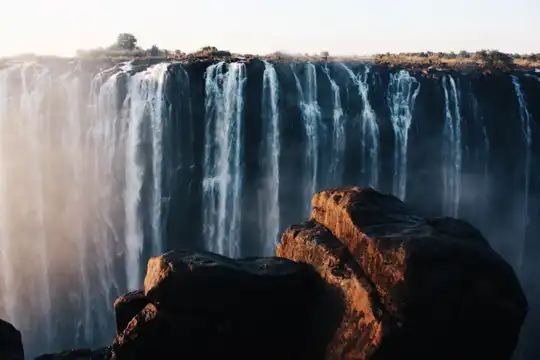
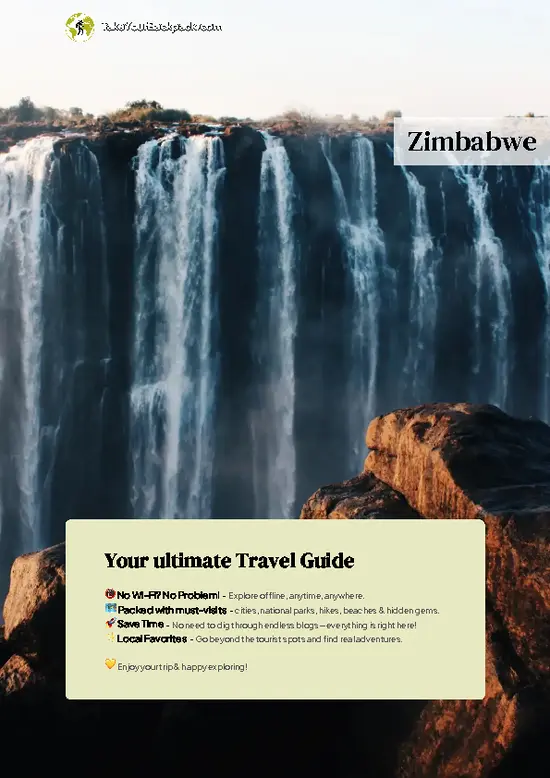
Country photo of Zimbabwe

We 💚 feedbackKey takeaways before you go

Kariba’s sunsets are a spectacle, painting the sky in fiery oranges and deep purples as the lake mirrors the brilliance. It’s a moment that feels like a reward after a day of hiking. But be ready for the heat; it can be relentless, especially in summer. Hydration is key, and early mornings are your best friend. Embrace the sweat, and you’ll find the beauty here is worth every drop.

✈️ When did I visit Zimbabwe?
I have backpacked Zimbabwe all the way back in 2001.

✍️ Help improve this page!
The information on this page is based on my own backpacking experience in Zimbabwe, supplemented with up-to-date research and feedback from other travelers. Travel details can change, so if you notice anything outdated or incomplete, feel free to let me know.


🙋‍♂️ Give feedback

👋 Meet the founderWho’s Behind Take Your Backpack?

Johan, backpacker and founder of TakeYourBackpackHi, I’m Johan (Netherlands 🇳🇱), the creator of TakeYourBackpack. Over the past decade, I’ve backpacked through 80+ countries across six continents, gaining extensive experience with independent travel, long-term trips, and overland routes.

This site is built on a combination of firsthand travel experience and carefully curated insights from other backpackers. Many guides are based on places I’ve personally visited, while others bring together tips, observations, and practical advice shared by trusted travelers I’ve met along the way.

The goal is to provide realistic, experience-driven guidance — not generic itineraries — so you can explore destinations with better context, clearer expectations, and more confidence.

Get full Zimbabwe guide •
Instant download • 90 highlights • Full Offline guide