
×

Zimbabwe🇿🇼 | attractionsKhami Ruins National MonumentMortarless terraces, chevron walls, Torwa capital, river dam | things to do and best time to go

Explore Great Zimbabwe MonumentExplore Matobo Hills Rock Art Sites

Backpacking in Khami Ruins National Monument
🏆 Top pickattraction ranked #4
By Johan Kruseman 🇳🇱 | Updated October 22, 2026

Dry grass crackles under your boots as a hornbill-like call echoes off a granite-colored wall, and then you see it: a stone terrace curving along a hillside, its chevron patterns still crisp. Khami Ruins National Monument sits on the Khami River in Zimbabwe, west of Bulawayo, about a short ride from the city center. I still connect the place with the dry rasp of cicadas that follows you from terrace to terrace. The ruins are a UNESCO World Heritage Site, and the walls are the draw: the Hill Complex and the Passage Platform deserve your time, while the small museum is a quick look at best. Crowds barely exist, so you get ruins to yourself, though signage is thin and a local guide adds a lot. Entry is modest for what you get. Start at the museum, then climb the Hill Complex and wander downhill to the river dam as the afternoon cools.

Discover everything you want to know in the 📖 Zimbabwe Travel Guide.


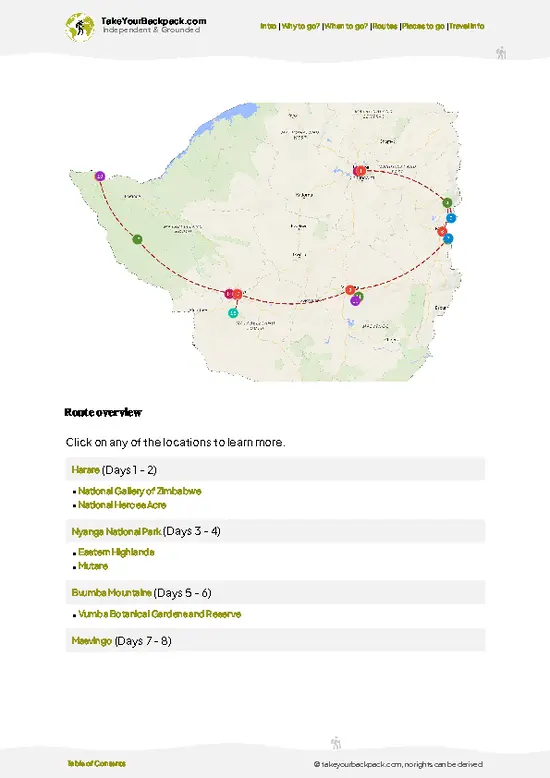
example page 0 from our offline Travel Guide for Zimbabwe
example page 1 from our offline Travel Guide for Zimbabwe
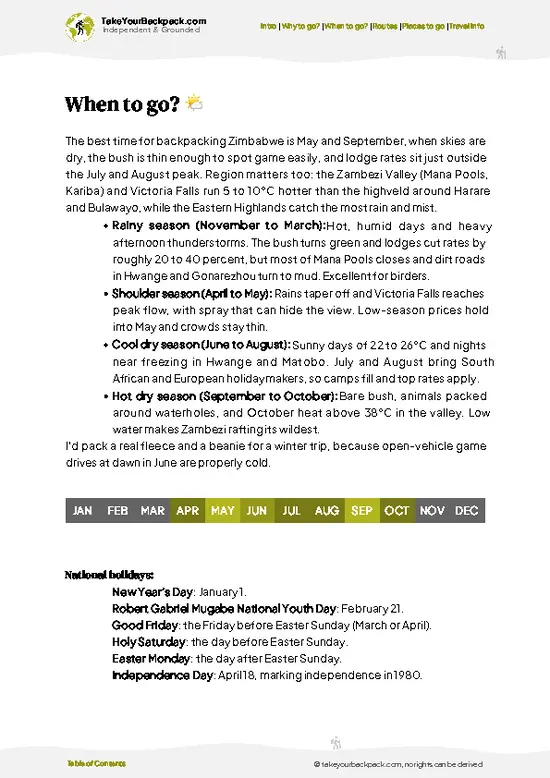
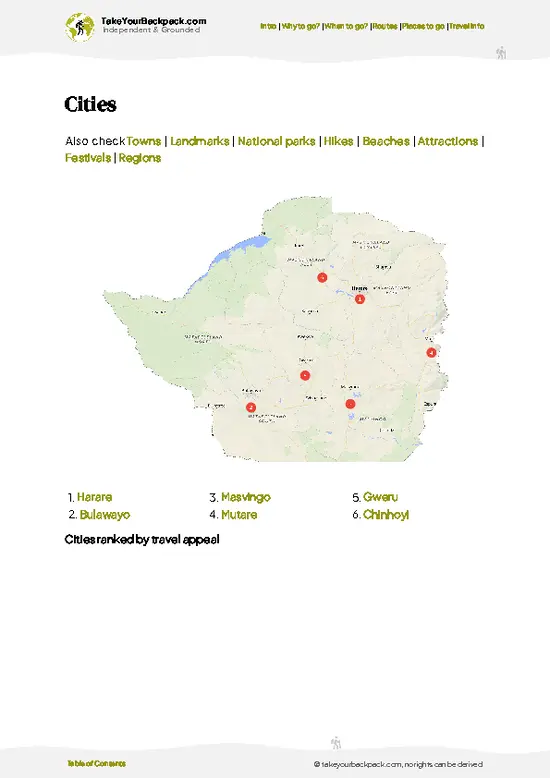
example page 2 from our offline Travel Guide for Zimbabwe
example page 3 from our offline Travel Guide for Zimbabwe
example page 4 from our offline Travel Guide for Zimbabwe
example page 5 from our offline Travel Guide for Zimbabwe
example page 6 from our offline Travel Guide for Zimbabwe
example page 7 from our offline Travel Guide for Zimbabwe
Loading the map 🌍
CLICK TO FILTER
cities
towns
landmarks
national parks
hikes
beaches
attractions
festivals
regions
SHOW COUNTRY’S BESTSHOW ALL

✨ Why go?
Ranked #4 attraction in Zimbabwe
What sets this place apart

Khami Ruins National Monument is the best place in Zimbabwe to see how the Torwa state built after Great Zimbabwe declined. If you have already walked Great Zimbabwe, this is the sequel, and it is far quieter. Here the builders used decorated dry-stone walls in checkerboard, herringbone and chevron patterns, set on platforms that climb the hills above the river. Standing on those terraces, you can read how a ruling class organized space: elite residences high up, lower enclosures spread below.

The second reason is how easy it is to fit into a trip. Bulawayo is the natural base, and the ruins make a half-day outing that pairs well with the city’s museums and Matobo Hills to the south. You will not queue, you can stray off the main path, and you can poke around platforms without a rope in sight. … read more 👉
Khami Ruins National Monument is the best place in Zimbabwe to see how the Torwa state built after Great Zimbabwe declined. If you have already walked Great Zimbabwe, this is the sequel, and it is far quieter. Here the builders used decorated dry-stone walls in checkerboard, herringbone and chevron patterns, set on platforms that climb the hills above the river. Standing on those terraces, you can read how a ruling class organized space: elite residences high up, lower enclosures spread below.

The second reason is how easy it is to fit into a trip. Bulawayo is the natural base, and the ruins make a half-day outing that pairs well with the city’s museums and Matobo Hills to the south. You will not queue, you can stray off the main path, and you can poke around platforms without a rope in sight. For anyone tracing the story of stone-built capitals across Zimbabwe, skipping Khami leaves a real gap, because it shows a later chapter that the more famous site does not.

💡 HighlightsMust-see experiences and standout moments

  1. The Hill Complex: the main royal enclosure, a stack of terraced platforms with the finest decorated walls on site. Climb here for views over the valley and the layout of the old capital.
  2. The Passage Platform: a long platform with a narrow passage running through it, edged with chevron and checkerboard walls. It is among the most photographed corners of the ruins.
  3. The Cross Platform: named for its plan, this platform is another high point of the Torwa stonework and was a likely elite dwelling.
  4. The Northern Platform: a quieter group of walls away from the main path, good for solitude and for seeing how the complex sprawled.
  5. The Khami Dam: the reservoir on the Khami River beside the ruins. It gives a calm water view and birdlife, a pleasant pause between climbs.
  6. The Site Museum: a small display of
… read more 👉
  1. The Hill Complex: the main royal enclosure, a stack of terraced platforms with the finest decorated walls on site. Climb here for views over the valley and the layout of the old capital.
  2. The Passage Platform: a long platform with a narrow passage running through it, edged with chevron and checkerboard walls. It is among the most photographed corners of the ruins.
  3. The Cross Platform: named for its plan, this platform is another high point of the Torwa stonework and was a likely elite dwelling.
  4. The Northern Platform: a quieter group of walls away from the main path, good for solitude and for seeing how the complex sprawled.
  5. The Khami Dam: the reservoir on the Khami River beside the ruins. It gives a calm water view and birdlife, a pleasant pause between climbs.
  6. The Site Museum: a small display of artifacts found at Khami, including pottery, beads and imported ceramics that point to long-distance trade. It adds context before you walk.
  7. The Decorated Walls: wander slowly and study the herringbone and checkerboard patterns up close. Stones are fitted without mortar, and the best sections stand taller than you.
Khami Ruins National Monument is best started at the museum, because a few minutes with the artifacts and site plan make the platforms far easier to read once you are walking among them.
Spotted a mistake or missing something? Contact us.

Things to do near Khami Ruins National Monument

Ratings based on Tripadvisor reviews. When you book through this link, you support our work at no extra cost to you.

🌤️ When to go?Seasonal considerations and timing

  • Cool Dry Season (May to August): Days reach 22 to 26°C (72 to 79°F) and nights drop to 5 to 8°C (41 to 46°F), sometimes lower in June and July. Walking the stone terraces is comfortable, grass is short so the walls are easy to see, and daylight runs about 11 hours.
  • Hot Dry Season (September to October): Afternoons climb to 30 to 35°C (86 to 95°F) with almost no shade on the hilltop platforms. The site is quiet and prices in Bulawayo stay flat.
  • Rains (November to March): Expect 25 to 30°C (77 to 86°F), afternoon thunderstorms and slick paths along the Khami River. Grass is green and tall, birdlife is good, and you will often have the ruins to yourself. Daylight stretches to about 13 hours.
  • Shoulder (April): Rains fade, temperatures sit around 20 to 27°C (68 to 81°F) and the dam shines.
Weekends … read more 👉
  • Cool Dry Season (May to August): Days reach 22 to 26°C (72 to 79°F) and nights drop to 5 to 8°C (41 to 46°F), sometimes lower in June and July. Walking the stone terraces is comfortable, grass is short so the walls are easy to see, and daylight runs about 11 hours.
  • Hot Dry Season (September to October): Afternoons climb to 30 to 35°C (86 to 95°F) with almost no shade on the hilltop platforms. The site is quiet and prices in Bulawayo stay flat.
  • Rains (November to March): Expect 25 to 30°C (77 to 86°F), afternoon thunderstorms and slick paths along the Khami River. Grass is green and tall, birdlife is good, and you will often have the ruins to yourself. Daylight stretches to about 13 hours.
  • Shoulder (April): Rains fade, temperatures sit around 20 to 27°C (68 to 81°F) and the dam shines.
Weekends bring local picnic crowds and school groups, so go on a weekday morning for the quietest wander.


source: climatestotravel.comJANJanuary: fair for travelingFEBFebruary: fair for travelingMARMarch: fair for travelingAPRApril: fair for travelingMAYMay: highly recommended for travelingJUNJune: highly recommended for travelingJULJuly: excellent for travelingAUGAugust: excellent for travelingSEPSeptember: highly recommended for travelingOCTOctober: highly recommended for travelingNOVNovember: fair for travelingDECDecember: fair for traveling
when-to-go

✈️ The backpacker research shortcutZimbabwe Travel Guide

An offline-friendly backpacking guide with optimized travel routes, ranked highlights, transport advice, and the best areas to stay.
example page 0 from our offline Travel Guide for Zimbabwe
example page 1 from our offline Travel Guide for Zimbabwe
example page 2 from our offline Travel Guide for Zimbabwe
example page 3 from our offline Travel Guide for Zimbabwe
example page 4 from our offline Travel Guide for Zimbabwe
example page 5 from our offline Travel Guide for Zimbabwe
example page 6 from our offline Travel Guide for Zimbabwe
example page 7 from our offline Travel Guide for Zimbabwe
The digital guide (265 pages) contains:
✅ 67 highlights, ranked by travel appeal
✅ Optimized 5, 10 & 15-day travel routes
✅ Cities, national parks, landmarks, beaches
✅ How to get around
✅ Offline-friendly for travel without Wi-Fi
👉 Click to see all 30+ guide features

📅 Plan smarter in minutes, not weeks
✅ Month by month travel advice
✅ Festivals & national holidays
✅ Budget expectations

🗺️ Go to the right places, skip the overrated ones
✅ Honest pros & cons of destinations
✅ Top hikes, parks & viewpoints
✅ Lesser-known places most travelers miss
✅ Clear “worth it vs skip it” guidance

🛏️ Travel smoothly without rookie mistakes
✅ Best areas to stay
✅ Transport systems explained simply
✅ Common scams & safety advice
✅ SIM cards, money & practical tips

🌍 Understand the country, not just visit it
✅ Culture & traditions
✅ 52 Essential phrases & customs
✅ Festivals worth planning around
✅ Traveler-friendly historical context
✅ Insights that make places more meaningful

📱 Built for real travel conditions
✅ Fully downloadable PDF
✅ Works completely offline
✅ Optimized for phone use
✅ Useful in remote areas & buses
✅ Everything in one place
Stop searching, start planning
Get instant access to your full guide. 30‑day money-back guarantee.
+ Add another guide for just

By proceeding you agree to our terms.
Sent to your inbox immediately after payment • 100% Secure Checkout
Best Backpacking Travel Advisor 2025 tourism awardBest Backpacking
Travel Advisor
2025
What others say about Take Your Backpack Guides:
⭐⭐⭐⭐⭐
Fantastic, amazing amount of information!
⭐⭐⭐⭐⭐
My goodness this is amazing, it's what I've been looking for hats off too you!
⭐⭐⭐⭐⭐
I think this is absolutely BRILLIANT
⭐⭐⭐⭐
Very complete and informative. It's still missing places, but I gotta to commend you
⭐⭐⭐⭐⭐
This is truly amazing, thank you, can't wait to explore it with my kids!
⭐⭐⭐⭐⭐
Awesome resource, thank you!
⭐⭐⭐⭐⭐
This is amazing! Can't wait to explore the ones I haven't seen
⭐⭐⭐⭐
I love this! Well done, great idea.
⭐⭐⭐⭐⭐
Thanks for taking the time to make this gem!
⭐⭐⭐⭐⭐
This might be the best website I've ever seen.
⭐⭐⭐⭐⭐
Congratulations, and thank you so much for your work; it's incredibly valuable.
⭐⭐⭐⭐
In all seriousness I think you did a great job pointing out the important spots
⭐⭐⭐⭐⭐
10/10 very good
⭐⭐⭐⭐⭐
As someone who's only just starting to visit regularly this is awesome, thank you.
⭐⭐⭐⭐
Thank you very much! I'm going to visit my dad, it's going to be very useful!
⭐⭐⭐⭐⭐
This is really cool! We'll be travelling for the first time and this definitely come in handy.
⭐⭐⭐⭐⭐
You are now our minister of culture, congratulations 👨‍💼
⭐⭐⭐⭐⭐
Just wanted to tell you that this is a pearl! Going to follow your recommendations.
⭐⭐⭐⭐⭐
This is so cool. I'll definitely be using the resource for my travels soon.
⭐⭐⭐⭐⭐
This is very impressive! Good work.
⭐⭐⭐⭐⭐
This is an amazing and informative site. Very well done!

🛏️ Where to stay?How to pick the right area

Bulawayo is the place to sleep, because Khami Ruins National Monument sits about 22 kilometers west of the city center and has no backpacker accommodation of its own. Stay in the central grid around Fort Street, Jason Moyo Street and Joshua Mqabuko Nkomo Street, where guesthouses and the few budget hostels cluster within walking distance of the main bus terminal, restaurants and the Natural History Museum. It is the most social option, since you meet overlanders, volunteers and other solo travelers over shared kitchens and cheap grills, and you can arrange a shared taxi or a driver for the ruins … read more 👉
Bulawayo is the place to sleep, because Khami Ruins National Monument sits about 22 kilometers west of the city center and has no backpacker accommodation of its own. Stay in the central grid around Fort Street, Jason Moyo Street and Joshua Mqabuko Nkomo Street, where guesthouses and the few budget hostels cluster within walking distance of the main bus terminal, restaurants and the Natural History Museum. It is the most social option, since you meet overlanders, volunteers and other solo travelers over shared kitchens and cheap grills, and you can arrange a shared taxi or a driver for the ruins from the front desk.

Suburbs such as Suburbs, Hillside and Burnside are quieter, leafier and safer after dark, with walled guesthouses and garden rooms. They suit travelers who want peace and a car-friendly base, though you will need a taxi to get to restaurants and nightlife. Hillside also puts you near Matobo Hills routes if you plan a longer stay.

Avoid wandering the center late at night with valuables. Book a taxi back after dark from anywhere you eat, and arrive in daylight if you come by long-distance bus.

👛 Costs (as of 22 October 2026)How expensive it really is

Khami Ruins National Monument costs about US$45 to 75 per person for a day trip from Bulawayo, including entry, transport and food. Foreign visitors pay in US dollars at the gate, and locals pay far less.
CategoryBudget RangeLocal Reality
Entry FeeUS$10 to 15Non-resident rate paid in cash at the gate, resident rates are much lower
GuideUS$0 to 5Optional, tips appreciated, adds real context to the terraces and platforms
Transport (round trip)US$10 to 20Private taxi from Bulawayo with waiting time, minibuses go only part of the way
Food and WaterUS$3 to 6Bring a picnic and water from town, there is little to buy on site
Accommodation (low season)US$12 to 25Dorm or basic guesthouse room in Bulawayo
Accommodation (high season)US$15 to 30Slightly higher from May to August, rooms still easy to find
Total
… read more 👉
Khami Ruins National Monument costs about US$45 to 75 per person for a day trip from Bulawayo, including entry, transport and food. Foreign visitors pay in US dollars at the gate, and locals pay far less.
CategoryBudget RangeLocal Reality
Entry FeeUS$10 to 15Non-resident rate paid in cash at the gate, resident rates are much lower
GuideUS$0 to 5Optional, tips appreciated, adds real context to the terraces and platforms
Transport (round trip)US$10 to 20Private taxi from Bulawayo with waiting time, minibuses go only part of the way
Food and WaterUS$3 to 6Bring a picnic and water from town, there is little to buy on site
Accommodation (low season)US$12 to 25Dorm or basic guesthouse room in Bulawayo
Accommodation (high season)US$15 to 30Slightly higher from May to August, rooms still easy to find
Total Daily BudgetUS$45 to 75Bulawayo bed plus a day trip to the ruins
⚠️ Prices can change and everyone travels differently, so take this as a rough guide. Hope it helps you plan your adventure!

FAQCommon questions from travelers

Plan on two to three hours at Khami Ruins National Monument, which is enough to walk the Hill Complex, the Cross Platform and the Passage Platform. Add another hour if you hire a guide or picnic near the Khami Dam. Combined with the 30 to 40 minute drive from Bulawayo, it fills a relaxed half day.
Yes for Khami Ruins National Monument if you like archaeology, since the entry fee of roughly US$10 to 15 for foreigners buys access to a UNESCO World Heritage Site with well preserved dry-stone walls and decorated terraces. It is far less crowded than Great Zimbabwe, so you walk alone among the ruins. Skip it if you dislike walking in the sun, as there is little shade.
Khami Ruins National Monument lies about 22 kilometers west of Bulawayo, a 30 to 40 minute drive by road. A private taxi costs around US$10 to 20 round trip including waiting time, and a rental car is easy with a map. Minibuses toward the western suburbs drop you several kilometers short, so expect a walk.
⚠️ Things can change over time, so always validate details locally before you go.

Other Zimbabwean attractions near Khami Ruins National Monument

Explore more nearby:


💡 Not sure where to go next?
Create a personalized itinerary for Zimbabwe including Khami Ruins National Monument and the places that fit your trip.

Generate my itinerary

👉 Discover all attractions

Or checkout all Zimbabwe has to offer (think cities, towns, villages, national parks, hikes, beaches, festivals)
Country photo of Zimbabwe

We 💚 feedbackFinal thoughts on visiting Khami Ruins National Monument

Khami Ruins National Monument is at its best in the dry months, on a weekday morning, when the stone is cool, the paths are empty and the light picks out every chevron. I would bring water, a hat and a guide’s patience, and skip the afternoon rush for the dam.

✈️ When did I visit Zimbabwe?
I have backpacked Zimbabwe all the way back in 2001.

✍️ Help improve this page!
The information on this page is based on my own backpacking experience in Zimbabwe, supplemented with up-to-date research and feedback from other travelers. Travel details can change, so if you notice anything outdated or incomplete, feel free to let me know.


🙋‍♂️ Give feedback

👋 Meet the founderWho’s Behind Take Your Backpack?

Johan, backpacker and founder of TakeYourBackpackHi, I’m Johan (Netherlands 🇳🇱), the creator of TakeYourBackpack. Over the past 3 decades, I’ve backpacked through 90+ countries across six continents, gaining extensive experience with independent travel, long-term trips, and overland routes.

This site is built on a combination of firsthand travel experience and carefully curated insights from other backpackers. Many guides are based on places I’ve personally visited, while others bring together tips, observations, and practical advice shared by trusted travelers I’ve met along the way.

The goal is to provide realistic, experience-driven guidance — not generic itineraries — so you can explore destinations with better context, clearer expectations, and more confidence.