
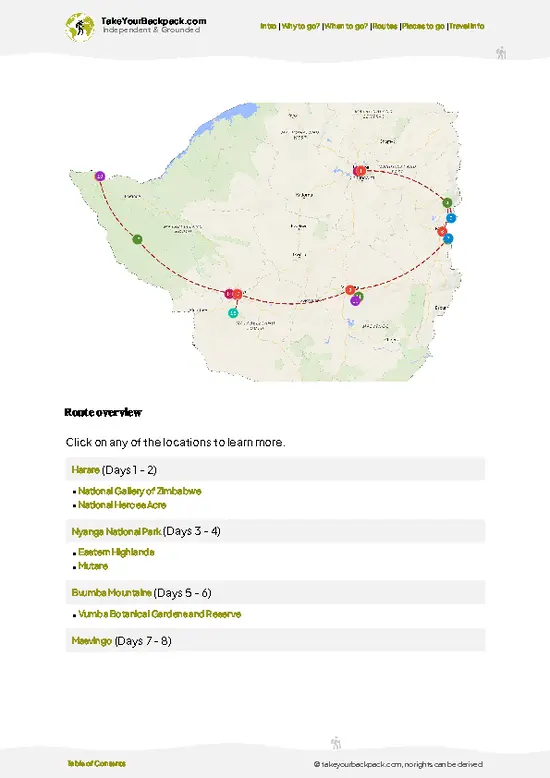
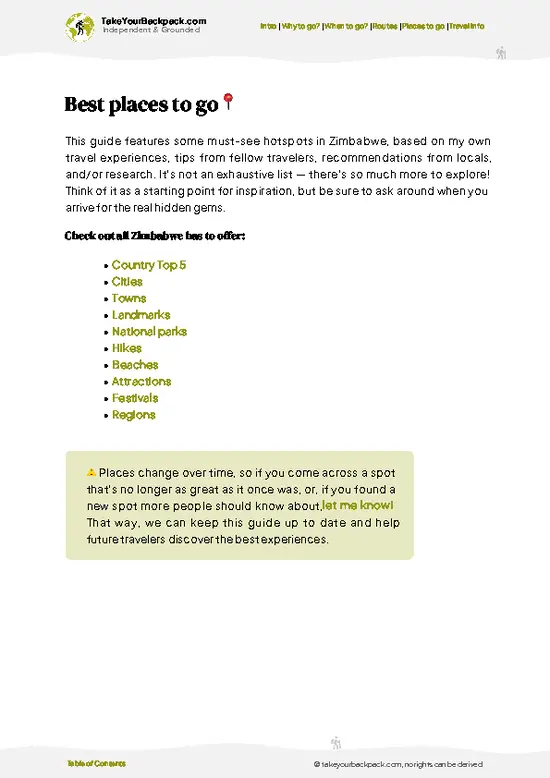
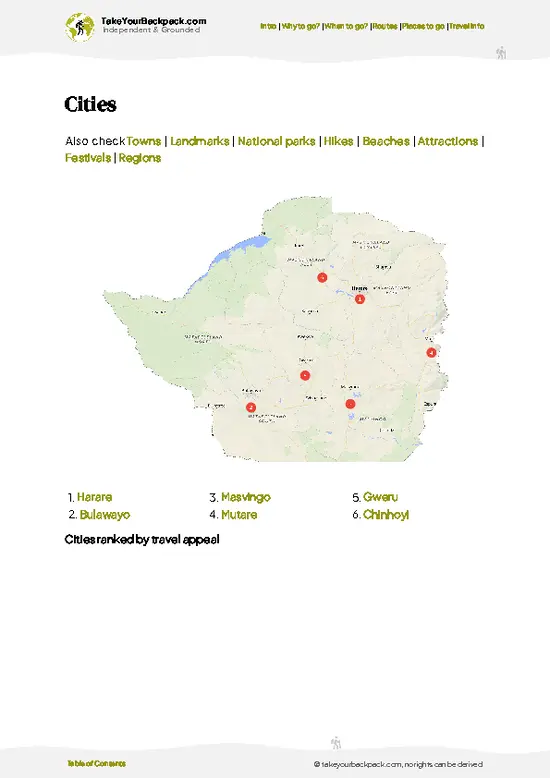
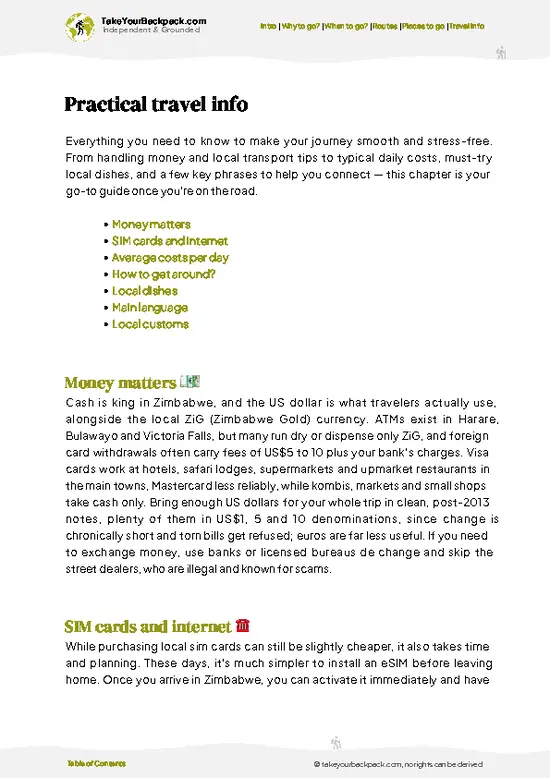
Nswatugi Cave
Let’s cut through the hype: Nswatugi is not some empty Instagram backdrop. It’s a living, breathing gallery, layered with thousands of years of human imagination. The rock paintings here aren’t just “old”—they’re a direct line to the minds of San hunter-gatherers, rendered in ochre and animal fat, still pulsing with color. You’ll see giraffes, kudu, and even trance-dancing figures, all painted with a precision that makes you forget you’re staring at a wall in the middle of Zimbabwean granite chaos. The cave’s acoustics are weirdly perfect, too—stand quietly and you’ll hear the wind, the birds, and maybe, if you’re lucky, the echo of ancient ceremonies. This is the site that made me fall in love with rock art. Personal favorite, hands down.
Bambata Cave
Bambata is the heavyweight … read more 👉
Nswatugi Cave
Let’s cut through the hype: Nswatugi is not some empty Instagram backdrop. It’s a living, breathing gallery, layered with thousands of years of human imagination. The rock paintings here aren’t just “old”—they’re a direct line to the minds of San hunter-gatherers, rendered in ochre and animal fat, still pulsing with color. You’ll see giraffes, kudu, and even trance-dancing figures, all painted with a precision that makes you forget you’re staring at a wall in the middle of Zimbabwean granite chaos. The cave’s acoustics are weirdly perfect, too—stand quietly and you’ll hear the wind, the birds, and maybe, if you’re lucky, the echo of ancient ceremonies. This is the site that made me fall in love with rock art. Personal favorite, hands down.
Bambata Cave
Bambata is the heavyweight of Matobo’s rock art circuit. It’s not just about the paintings (though the stylized animals and geometric patterns are worth the hike). This cave is an archaeological jackpot: excavations here unearthed tools, beads, and evidence of human occupation stretching back 20,000 years. The sense of scale is humbling—standing here, you’re literally in the footprints of people who watched the Ice Age end. The cave’s entrance frames the Matobo landscape like a movie set, but the real show is the feeling of deep time pressing in on you.
Pomongwe Cave
Pomongwe is where the San artists went big. The main panel is a riot of animal forms—zebra, eland, and a parade of mysterious, half-human figures. Some of the art here was damaged by misguided preservation attempts (yes, someone once smeared linseed oil on the walls), but what remains is still jaw-dropping. The cave is easy to reach, and the sheer density of images makes it one of the most rewarding stops for anyone who wants to decode the logic and myth of the San worldview.
Inanke Cave
If you want to earn your bragging rights, Inanke is the one. It’s a trek—no sugarcoating it. But the payoff is a remote, cliffside chamber covered in some of the most intricate and best-preserved rock art in Africa. The human figures here are delicate, almost ghostly, and the animal scenes have a kinetic energy that’s rare even in Matobo. You’ll probably have the place to yourself, which is a miracle in a world of selfie-stick tourism. Bring water, good shoes, and a sense of adventure.
White Rhino Tracking (Bonus Experience)
This isn’t technically a rock art site, but skipping it would be criminal. Matobo is one of the few places on earth where you can track white rhino on foot, guided by rangers who know every inch of the bush. It’s not a sanitized safari—there’s adrenaline, sweat, and the real possibility of locking eyes with a living tank. The thrill is primal, and it puts the ancient art in context: this is still wild country, and you’re part of the story now.
Spotted a mistake or missing something? Contact us.

Full-Day Matobo Rhino Tracking & Rock Art from Bulawayo

Khami Ruins & Matopos Silunguzi Village Day Tour!

Silunguzi Matopos Village & Rock Paintings Visit !

Half-Day Matobo Hills Cave Expedition & Ancient Rock Art Tour

Matopos Park Day Game Drive With Rhino Tracking!

Bulawayo 4 Days Tour Pass & Victoria Falls Drop off !


 Best Backpacking
 Hi, I’m Johan (Netherlands 🇳🇱), the creator of TakeYourBackpack. Over the past 3 decades, I’ve backpacked through 90+ countries across six continents, gaining extensive experience with independent travel, long-term trips, and overland routes.